
Nvidia Patents a Technique That Cuts AI Training Time Without Sacrificing Accuracy
Training a large AI model is expensive partly because of a stabilizing step that runs inside every layer. Nvidia thinks it can get the same stability for a fraction of the computational cost.
What Nvidia's scaling trick does for AI training
Imagine you're baking bread and every few minutes you stop, measure the dough's temperature, and adjust the oven. That constant measuring keeps things stable, but it also slows you down. AI models do something similar during training: a step called layer normalization keeps the numbers inside the network from spiraling out of control, but it adds real computational overhead.
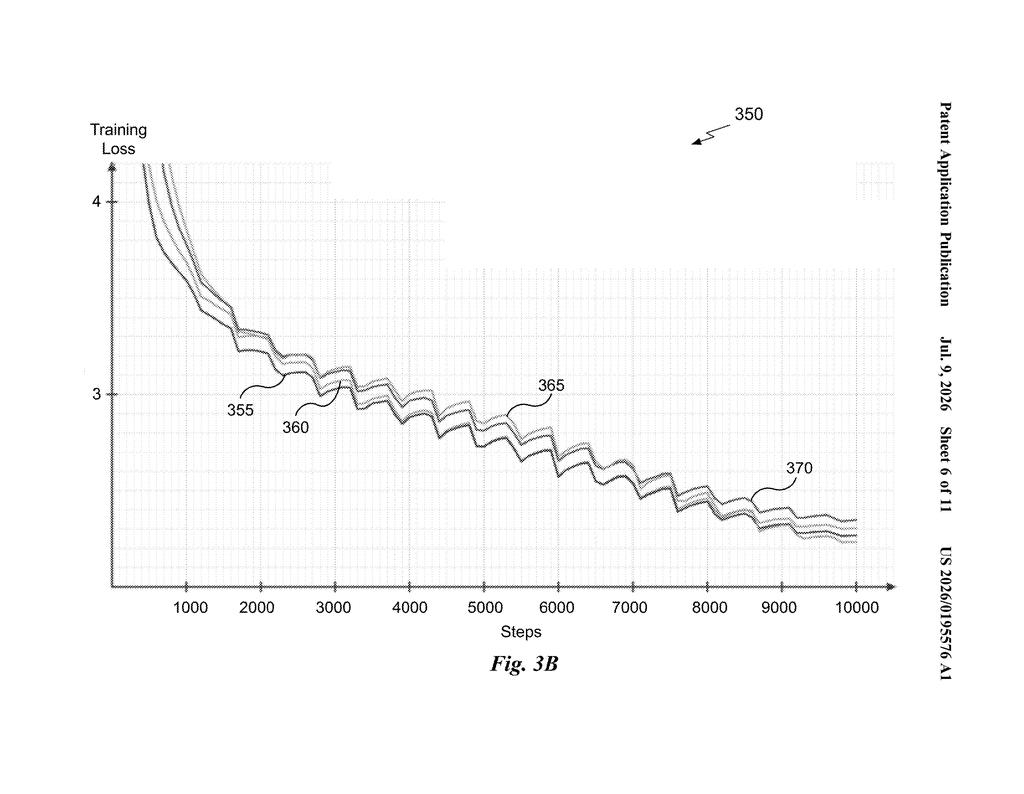
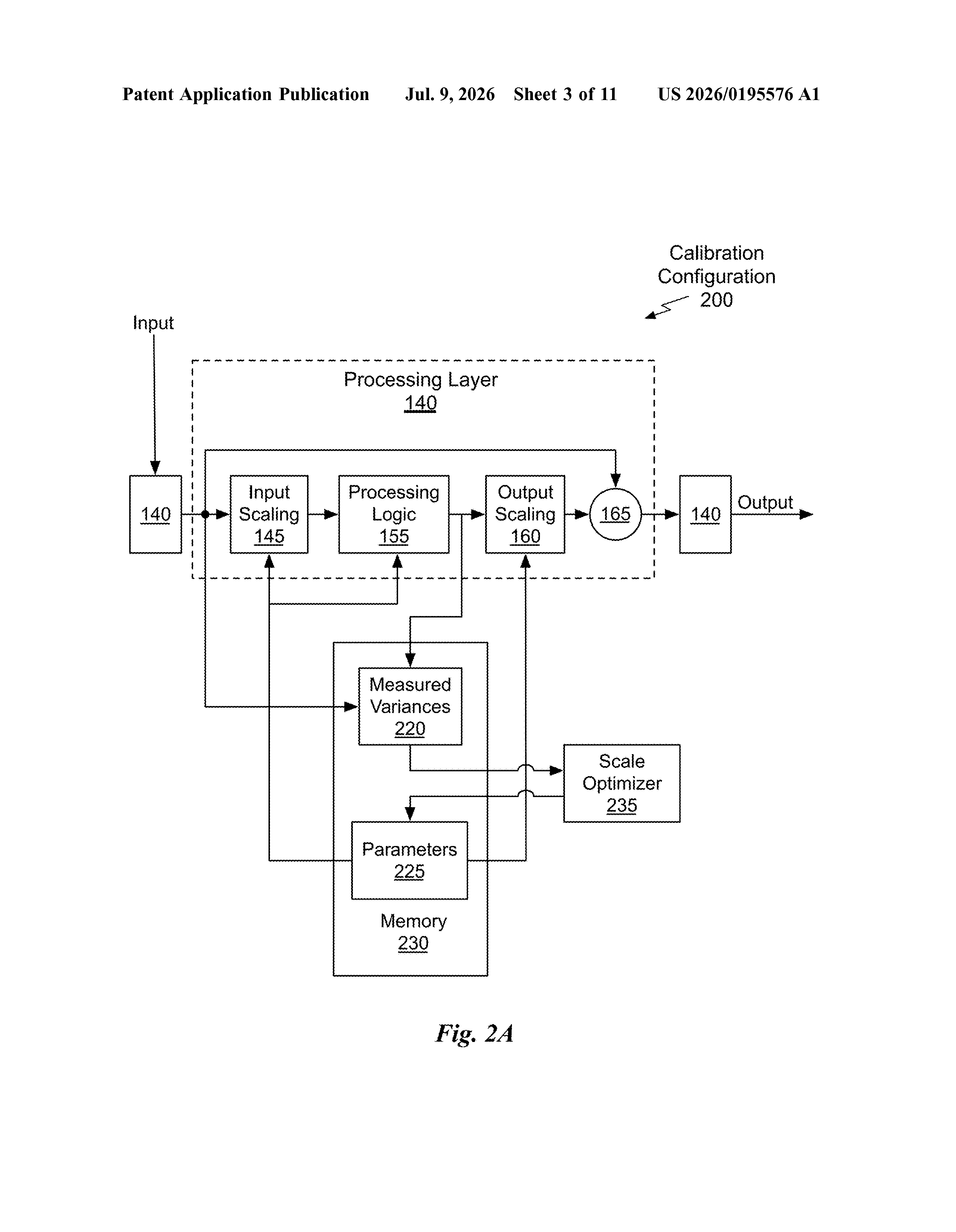
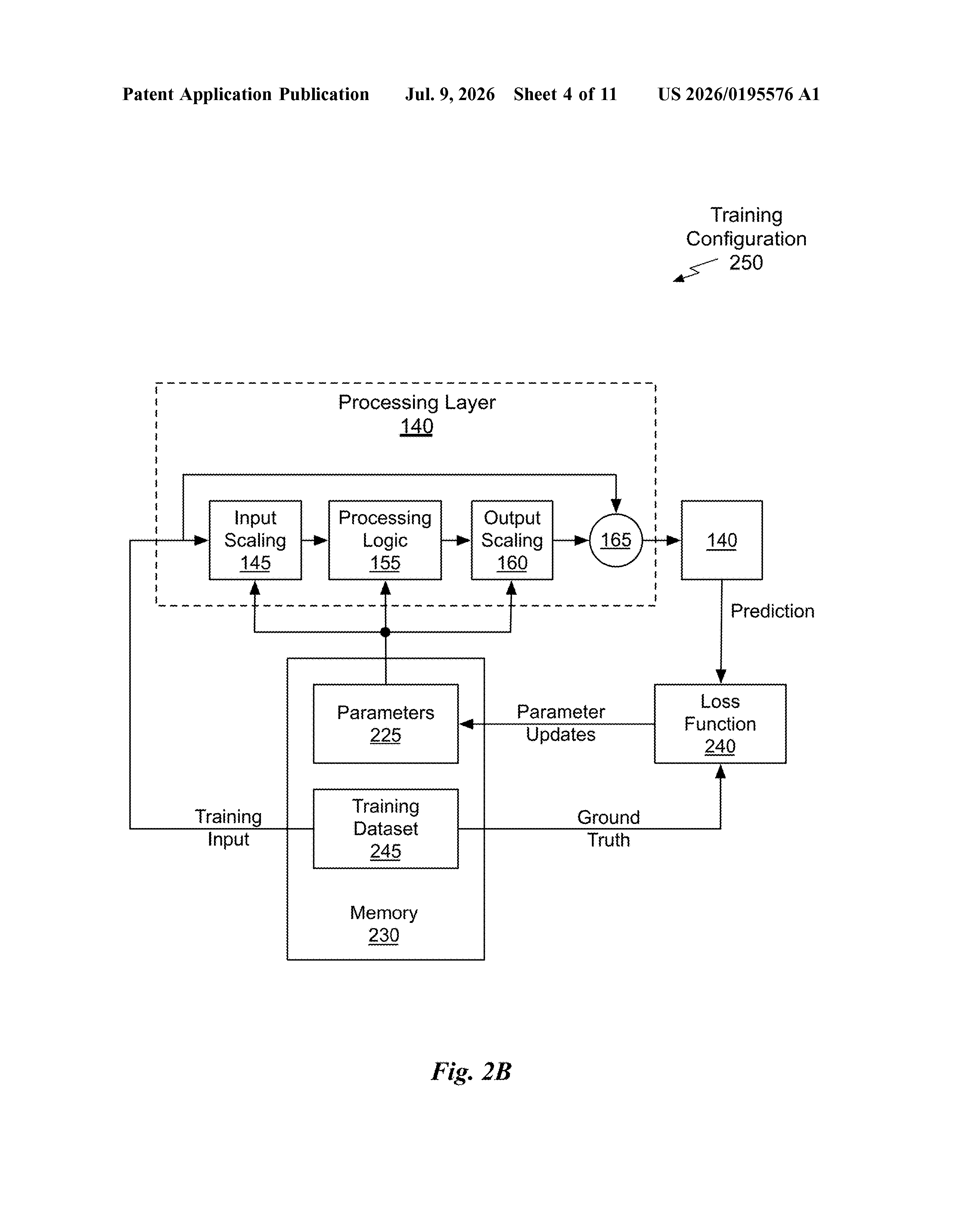
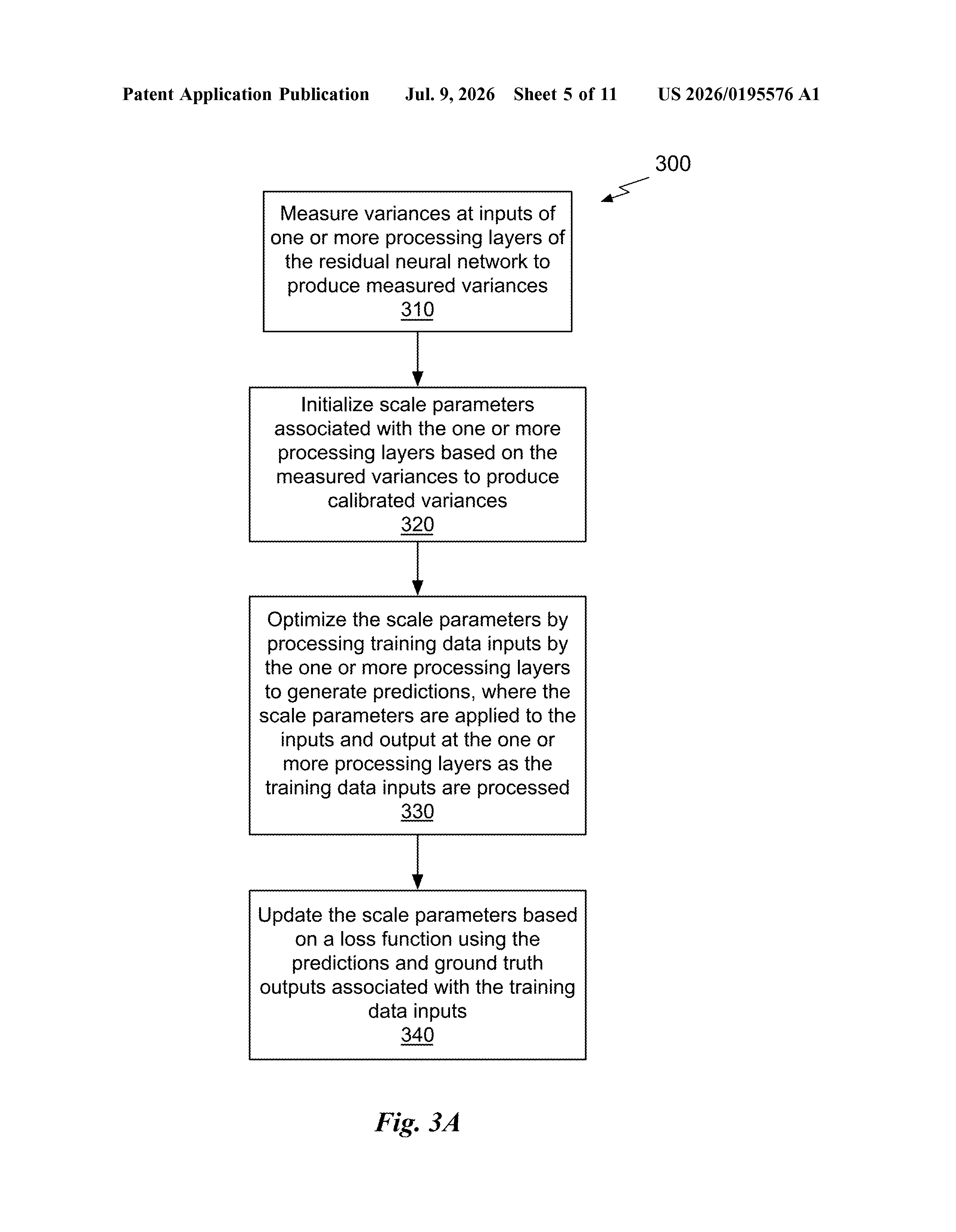
Nvidia's patent describes swapping that repeated measuring step out for a much simpler approach. Before training starts, the system takes a quick one-time calibration reading of the data flowing through each layer. It uses those readings to set a set of scaling numbers, and then those numbers get fine-tuned automatically as training continues.
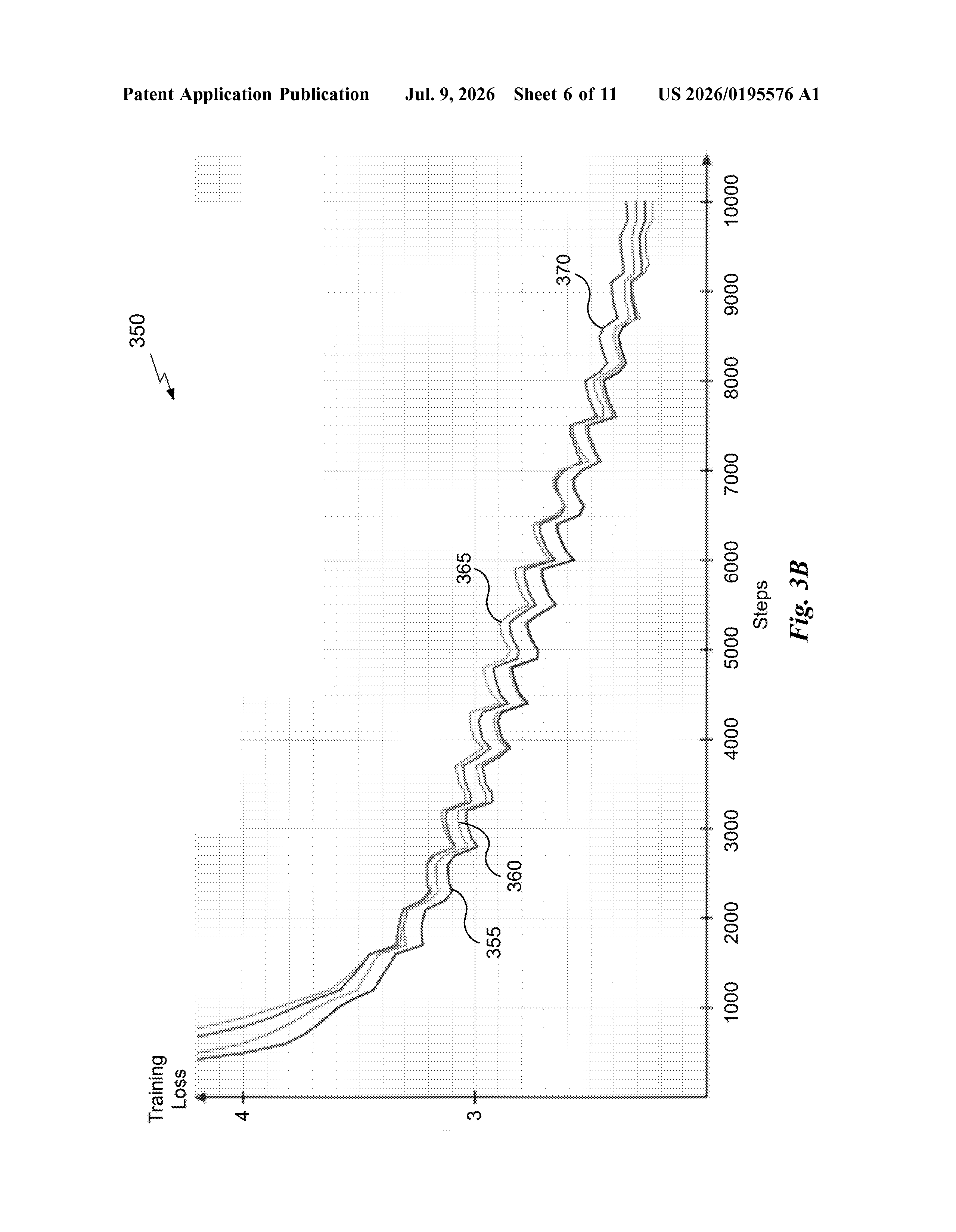
The end result, Nvidia claims, is a network that trains just as stably and quickly as one using the traditional approach, but with less math happening at every single step. For a company whose hardware runs much of the world's AI training workloads, even modest efficiency gains add up fast.
How the calibration and scale parameters replace normalization
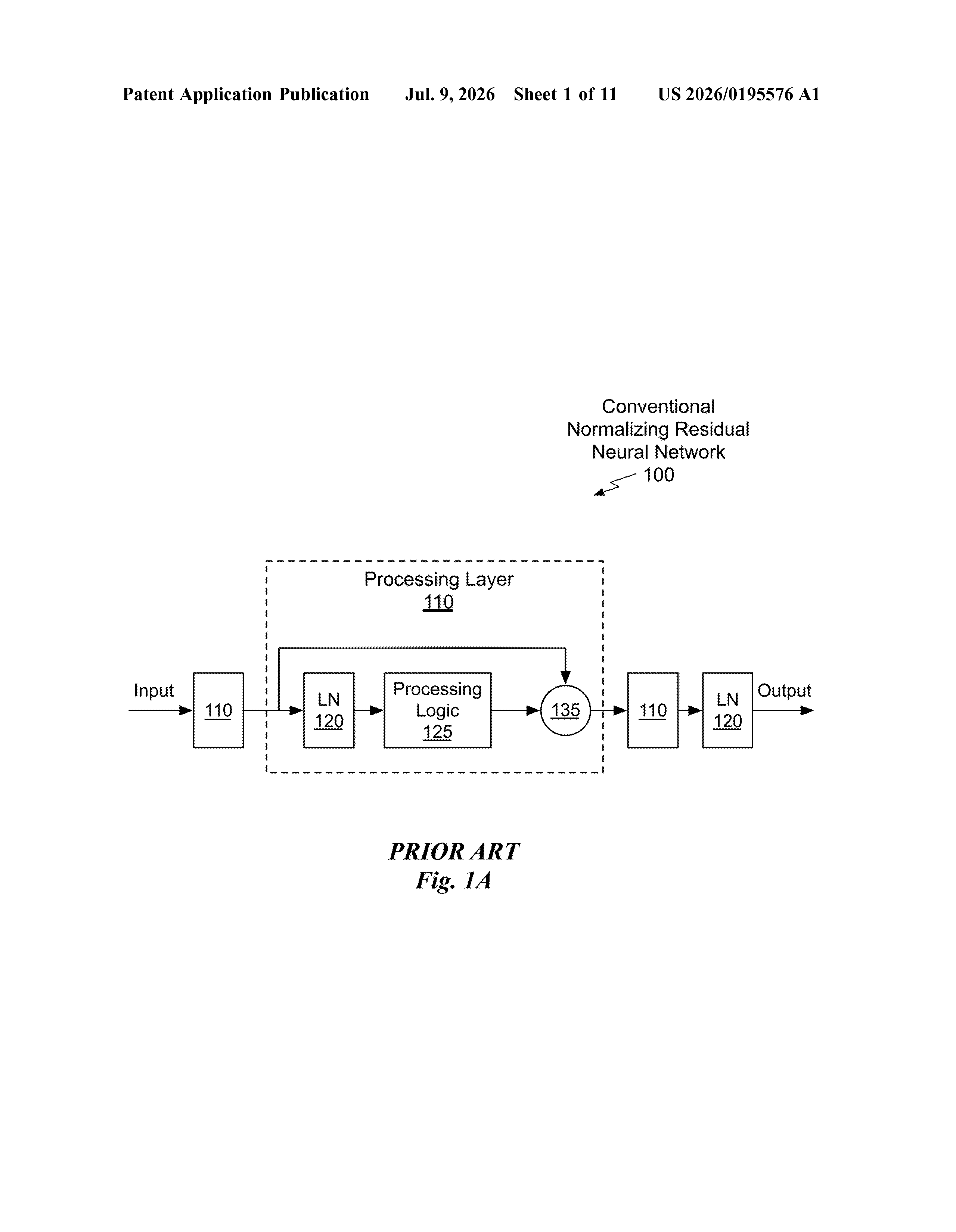
The patent targets residual neural networks (a common architecture where data skips over layers via shortcut connections, used in everything from image recognition to large language models). Inside these networks, layer normalization is a standard technique that rescales activations (the numeric signals passing between layers) to keep training stable. It works well, but it requires extra computation at every layer during every training step.
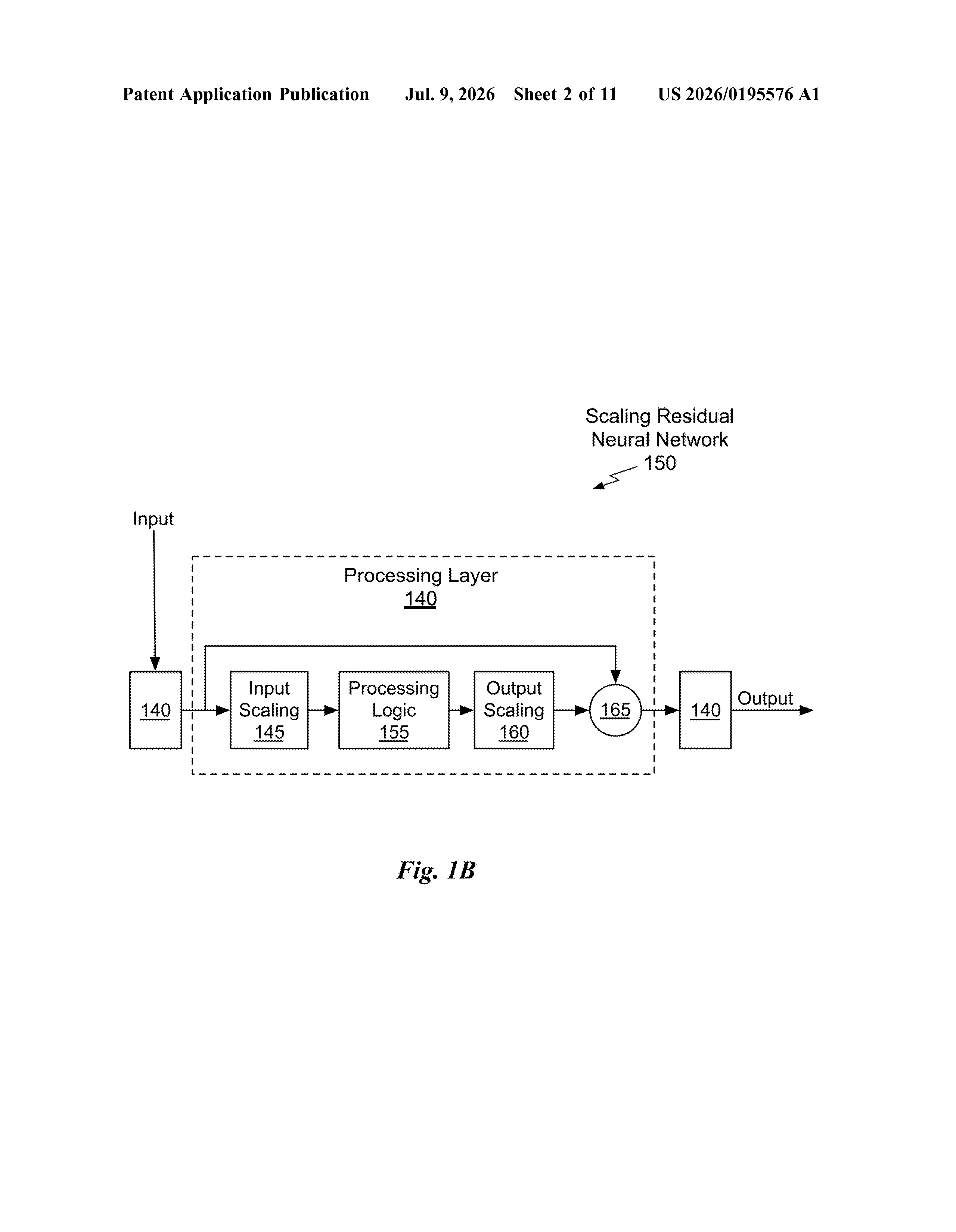
Nvidia's method replaces layer normalization with scaling operations: simple multiply-and-divide math applied to the inputs and outputs of each layer. The key innovation is how those scaling values are chosen to begin with.
- Calibration phase: Before training begins, the system feeds a small batch of data through the network and measures the statistical spread (variance) of the signals at each layer's input.
- Initialization: Those measured variances are used to set starting values for the scale parameters, so the network begins training in an already-stable state.
- Learned refinement: During training, the scale parameters are updated alongside all other weights using the standard loss function (the score the model gets for being wrong), so they keep improving automatically.
The result is a training process that avoids the per-step overhead of normalization while still starting from a well-conditioned baseline.
What this means for the cost of training large AI models
Layer normalization is a near-universal ingredient in modern AI architectures, including the transformer blocks that underpin today's large language models. Any technique that reduces its computational cost without sacrificing training stability could meaningfully cut the time and energy needed to train large models, which today can run into millions of dollars per training run.
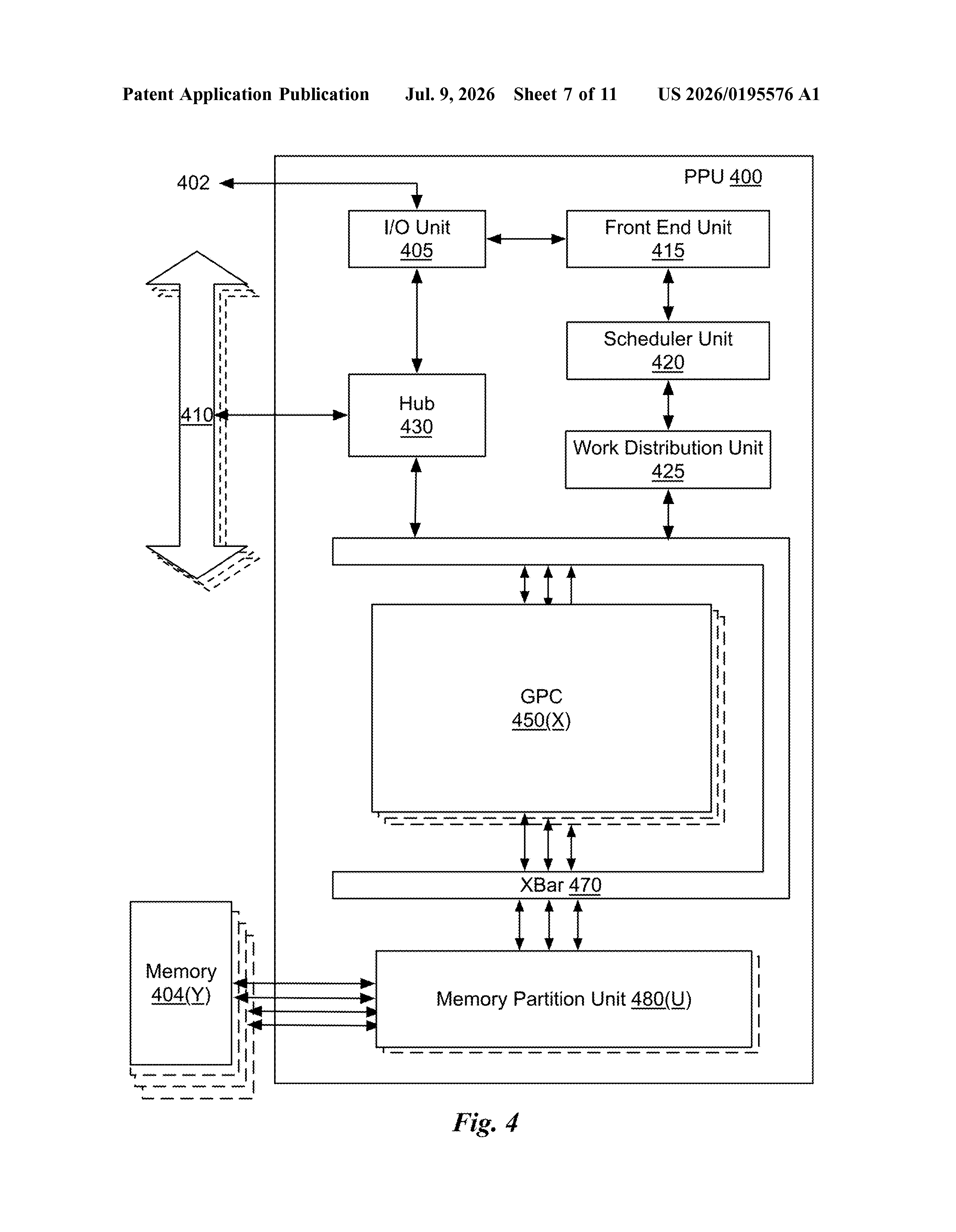
For Nvidia, whose GPUs power the majority of AI training infrastructure, a patented training technique like this could show up in its cuDNN or NeMo software libraries, giving customers a built-in efficiency boost. It also positions Nvidia further up the stack, not just as a chip seller but as a company that shapes how AI training itself is done.
This is genuinely useful foundational work, not flashy AI-demo material. Reducing the cost of a step that runs billions of times during model training is the kind of quiet engineering that compounds into real savings. The fact that Nvidia is patenting training methodology, not just chip architecture, signals how seriously it takes owning the full AI training stack.
Get our take in your Top Stories
Liked this breakdown? Add Patentlyze as a preferred source on Google, and our plain-English take shows up more often in your Top Stories the next time Nvidia patent news breaks.
There are more where this came from
We read every patent application Big Tech publishes and send you the ones worth knowing. Plain English, free, every week.
The drawings
11 drawing sheets from US 2026/0195576 A1 · click any drawing to enlarge
Want this weekly breakdown for a company we don't cover? Patentlyze Pro →