
Nvidia Patent Enables Precise Camera Path Control in AI Video Generation
Nvidia is teaching AI video generators to follow a specific camera route through a scene, not just produce whatever image the model feels like. That shift in control is a surprisingly big deal for the machines that will learn from that footage.
What Nvidia's camera-controlled AI video model actually does
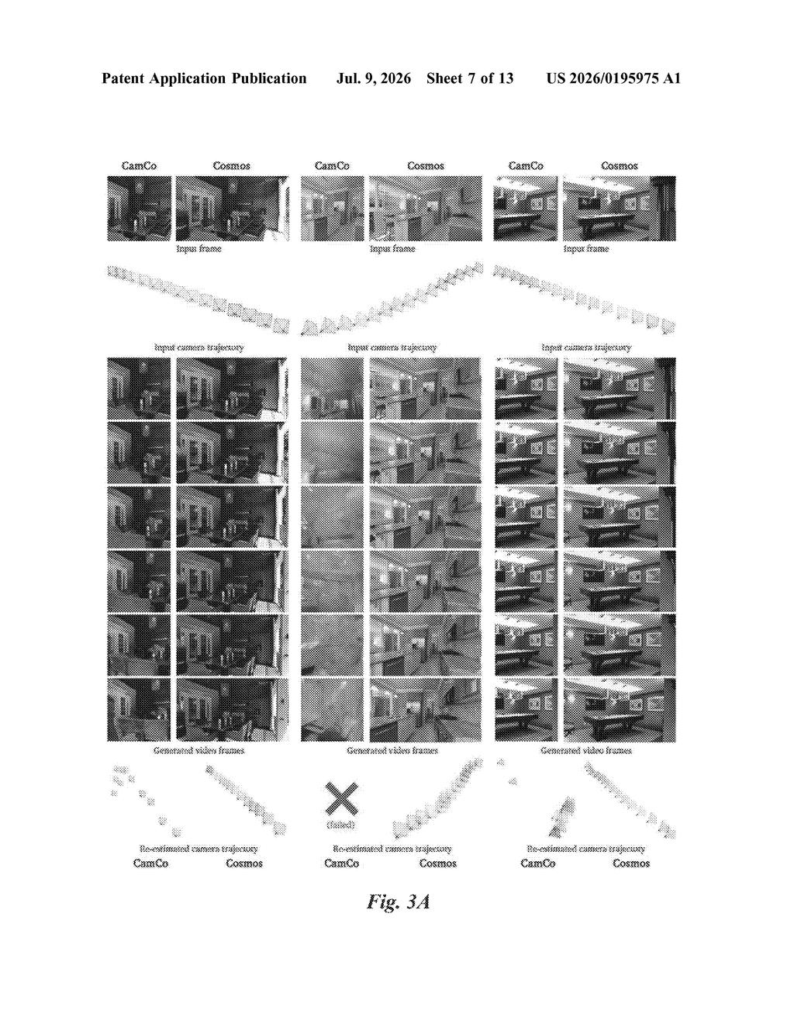
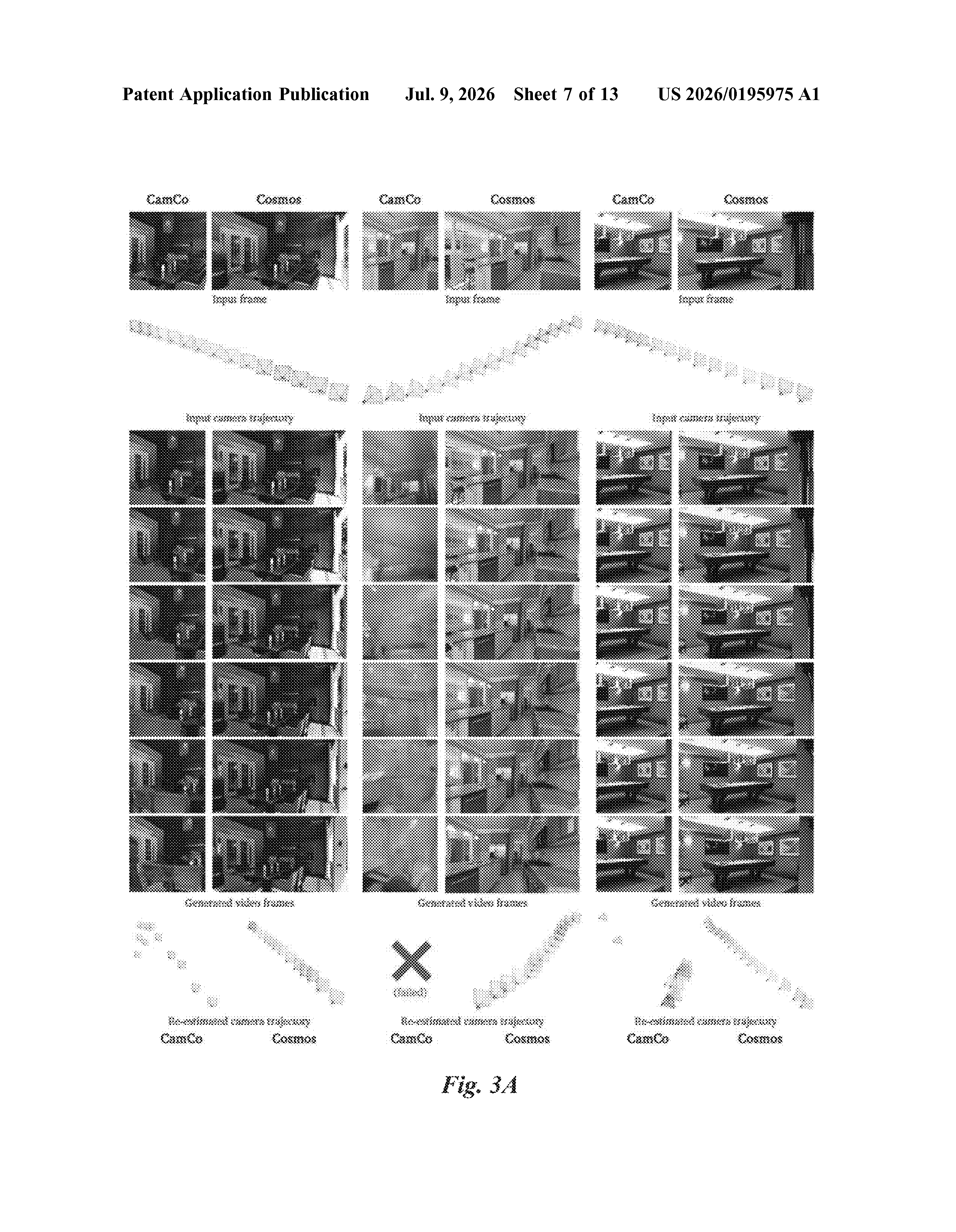
Imagine asking an AI to show you what a warehouse looks like as a forklift drives down aisle three, turns left, and stops at shelf B. Most AI video tools today will give you a warehouse scene, but the camera angle and movement are basically up to the model. Nvidia's patent describes a way to hand the AI a specific camera path and have it follow those instructions precisely.
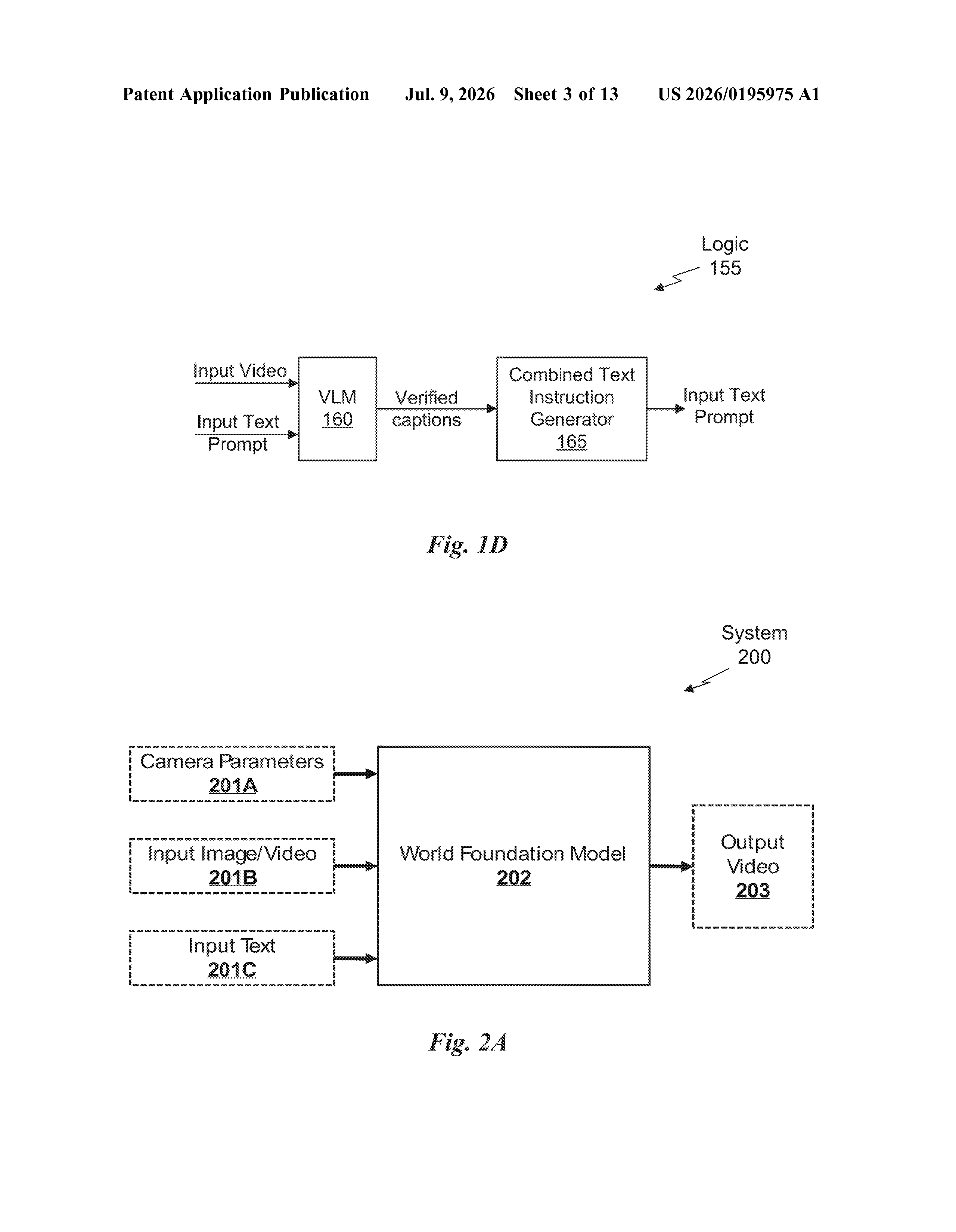
The trick is taking an existing AI video model and teaching it to understand camera position and movement as a real input, not an afterthought. You give the model a set of camera instructions alongside a text or image description, and it produces a video where the viewpoint moves exactly as you specified.
Why does that matter? Nvidia is heavily invested in training physical AI, meaning robots and autonomous systems that need to understand the real world. If you can generate realistic video from any camera angle on demand, you can cheaply create training footage for robots without ever stepping into a real warehouse.
How camera instructions get baked into Nvidia's video model
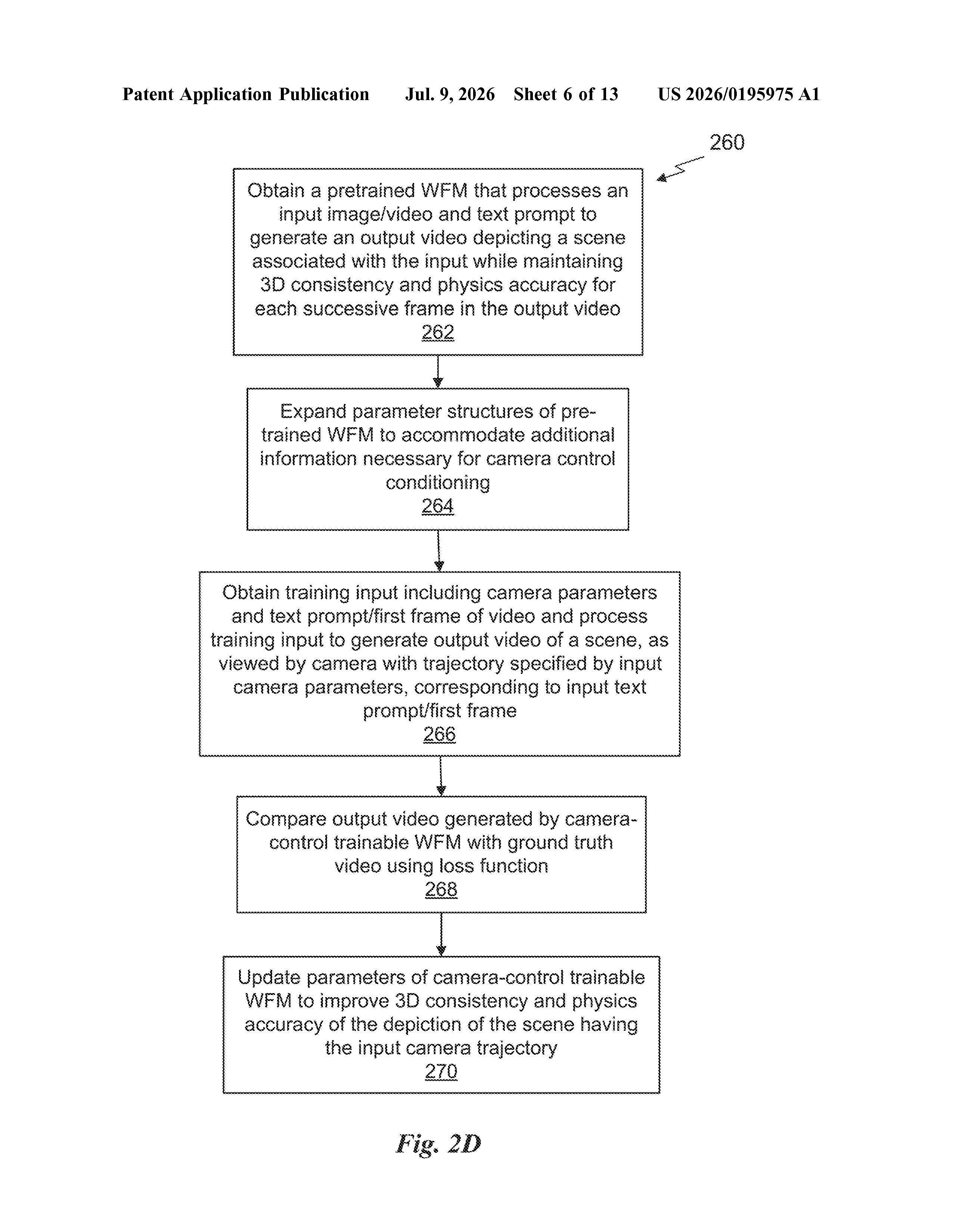
The patent describes a two-step process for turning a general-purpose AI video model into one that obeys camera instructions.
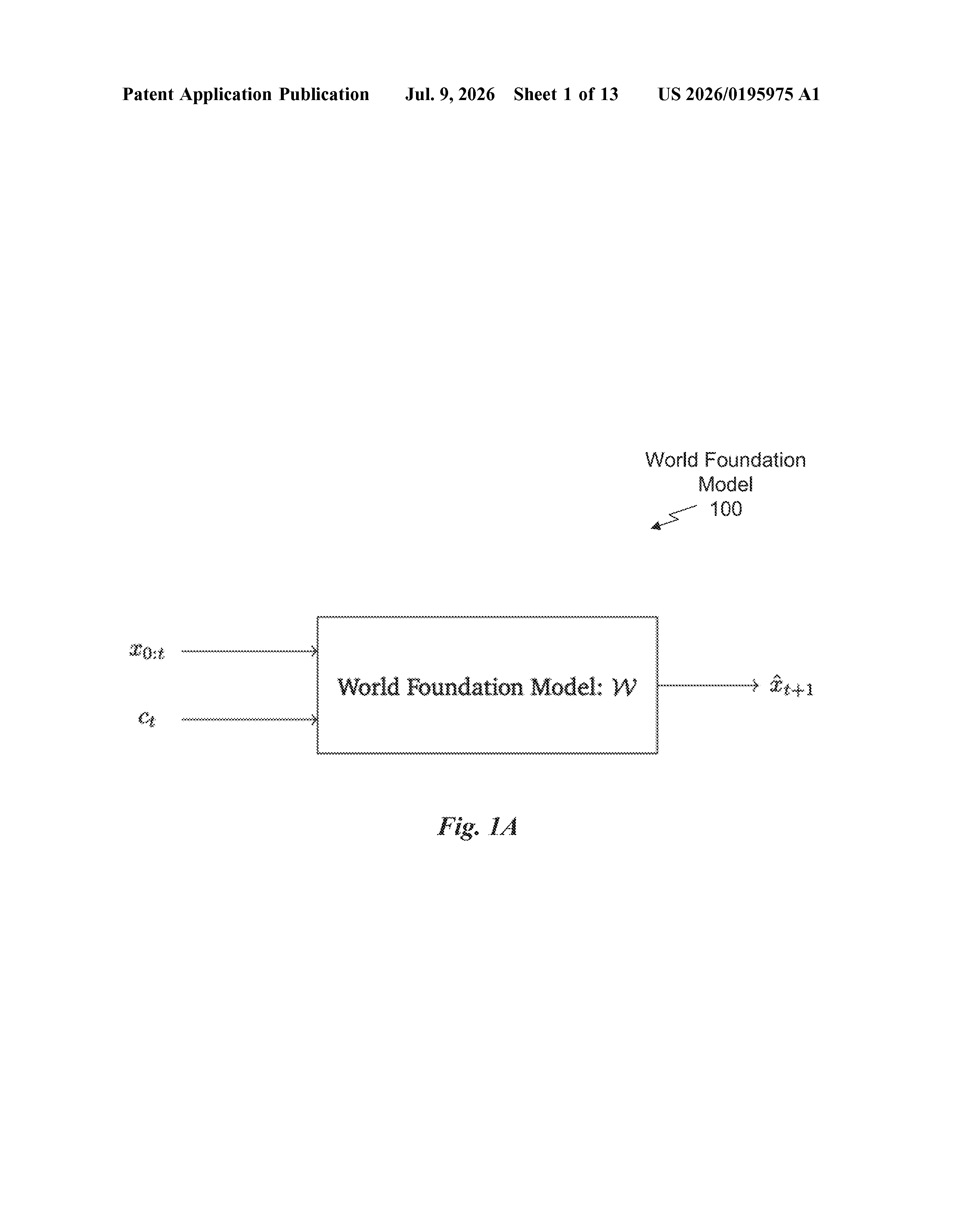
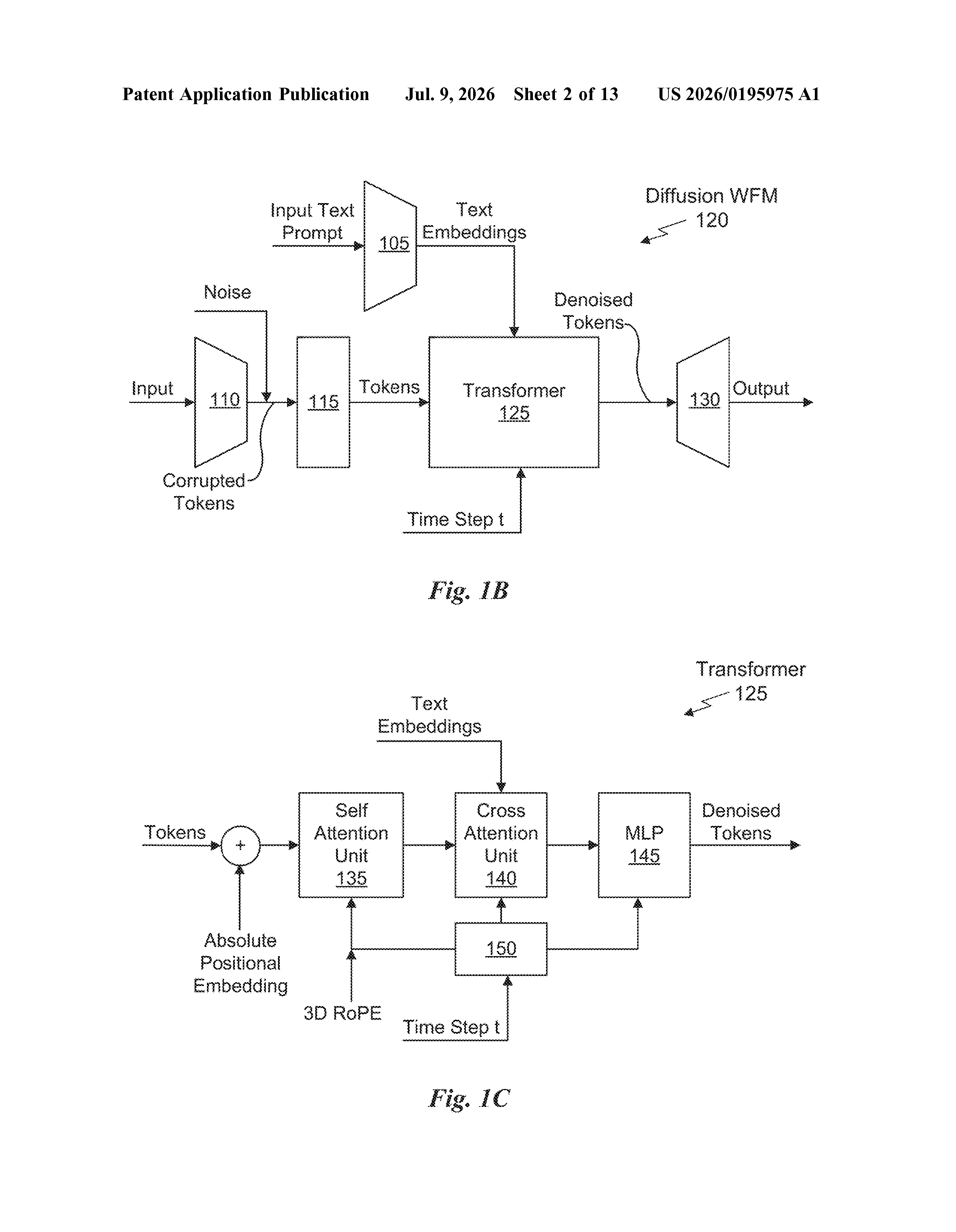
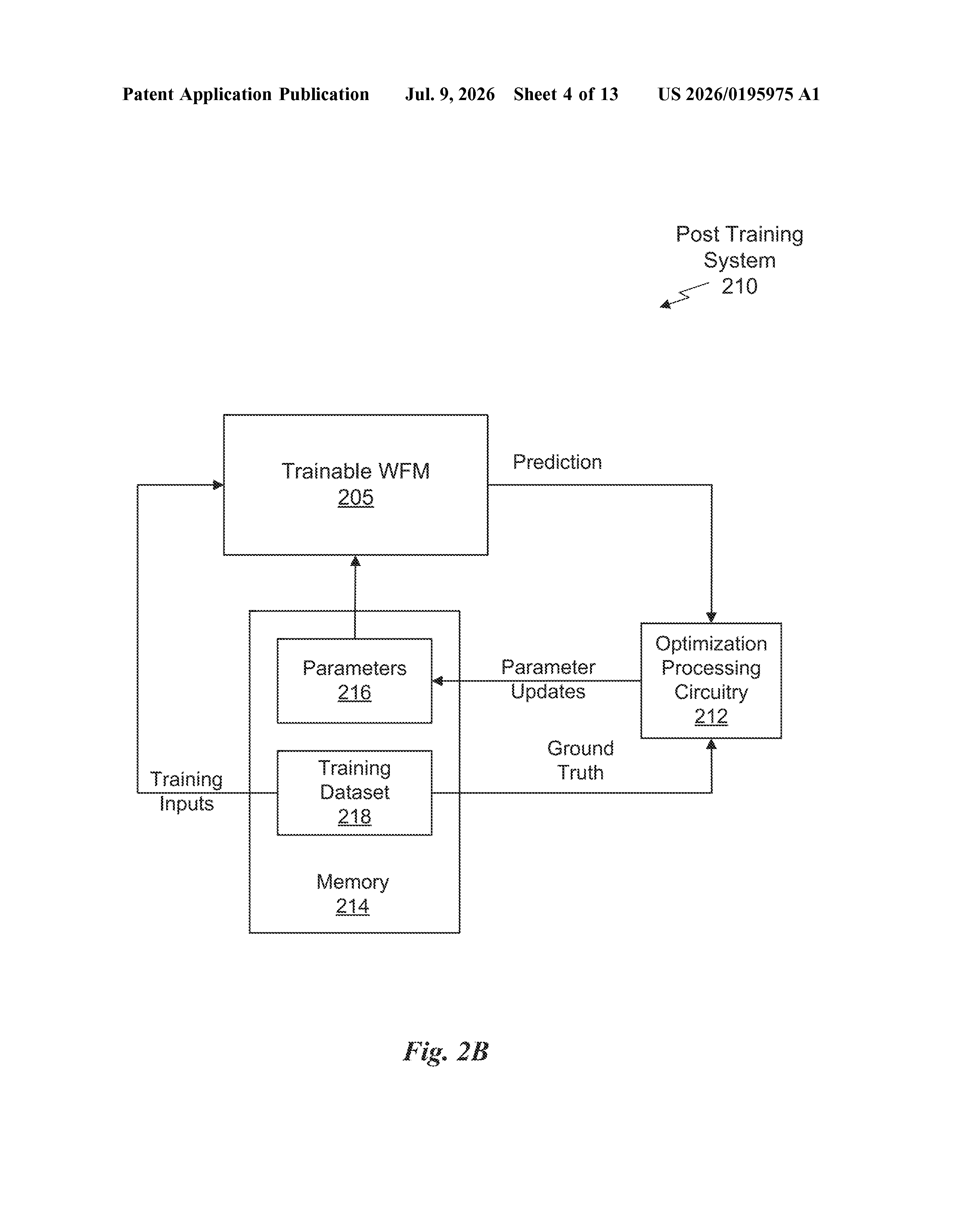
Step one: expand the model. Nvidia takes a pre-trained "world foundation model" (an AI already capable of generating video from text or images) and widens some of its internal data structures. Think of it like adding new columns to a spreadsheet so there's room for a new kind of information.
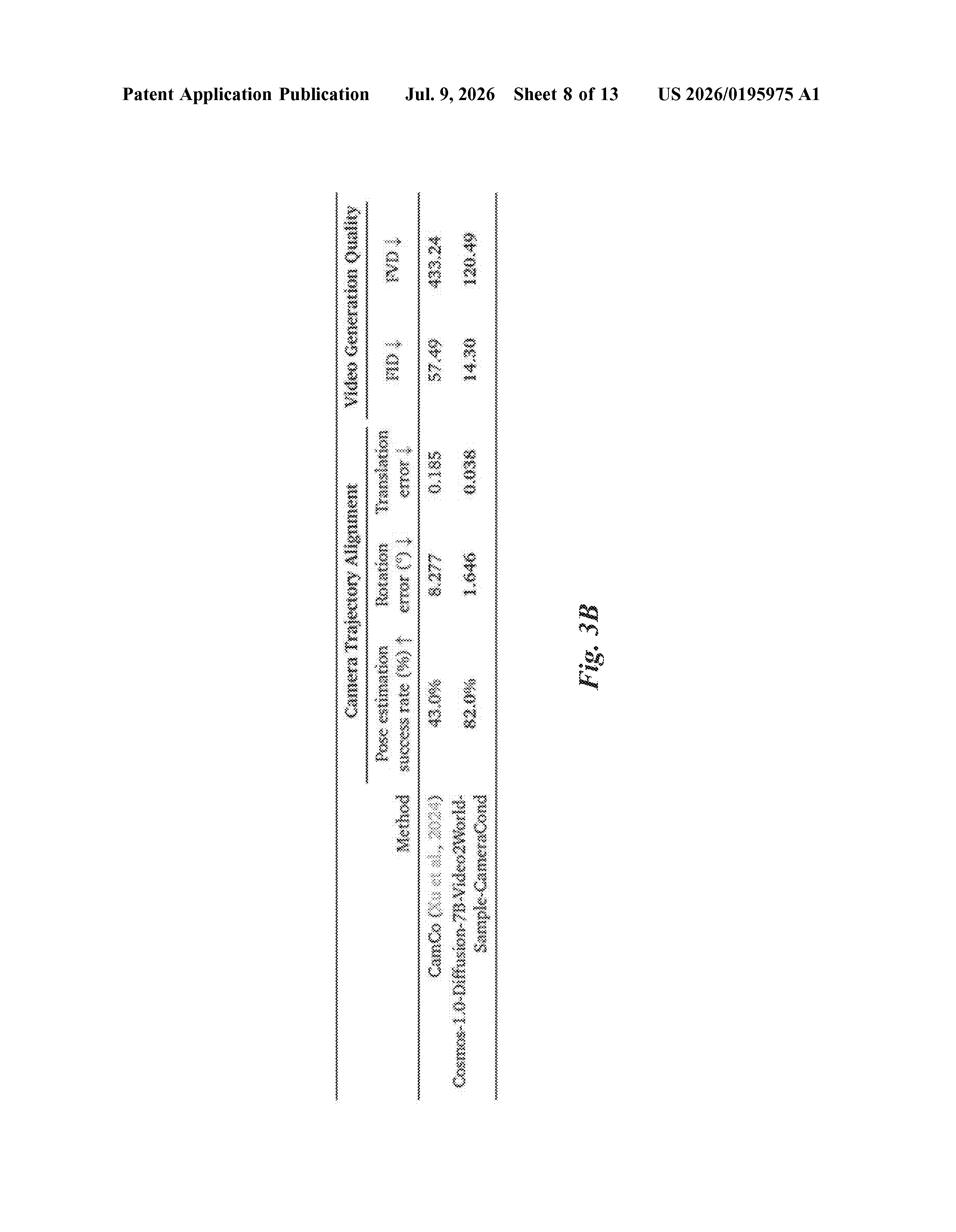
Step two: fine-tune with camera data. The expanded model is then trained on pairs of camera instructions and real video footage. The camera instructions specify a trajectory (the path and orientation a camera follows through space). The model learns to produce video that matches what a camera following that path would actually see. If its prediction doesn't match the real footage, its internal settings get adjusted.
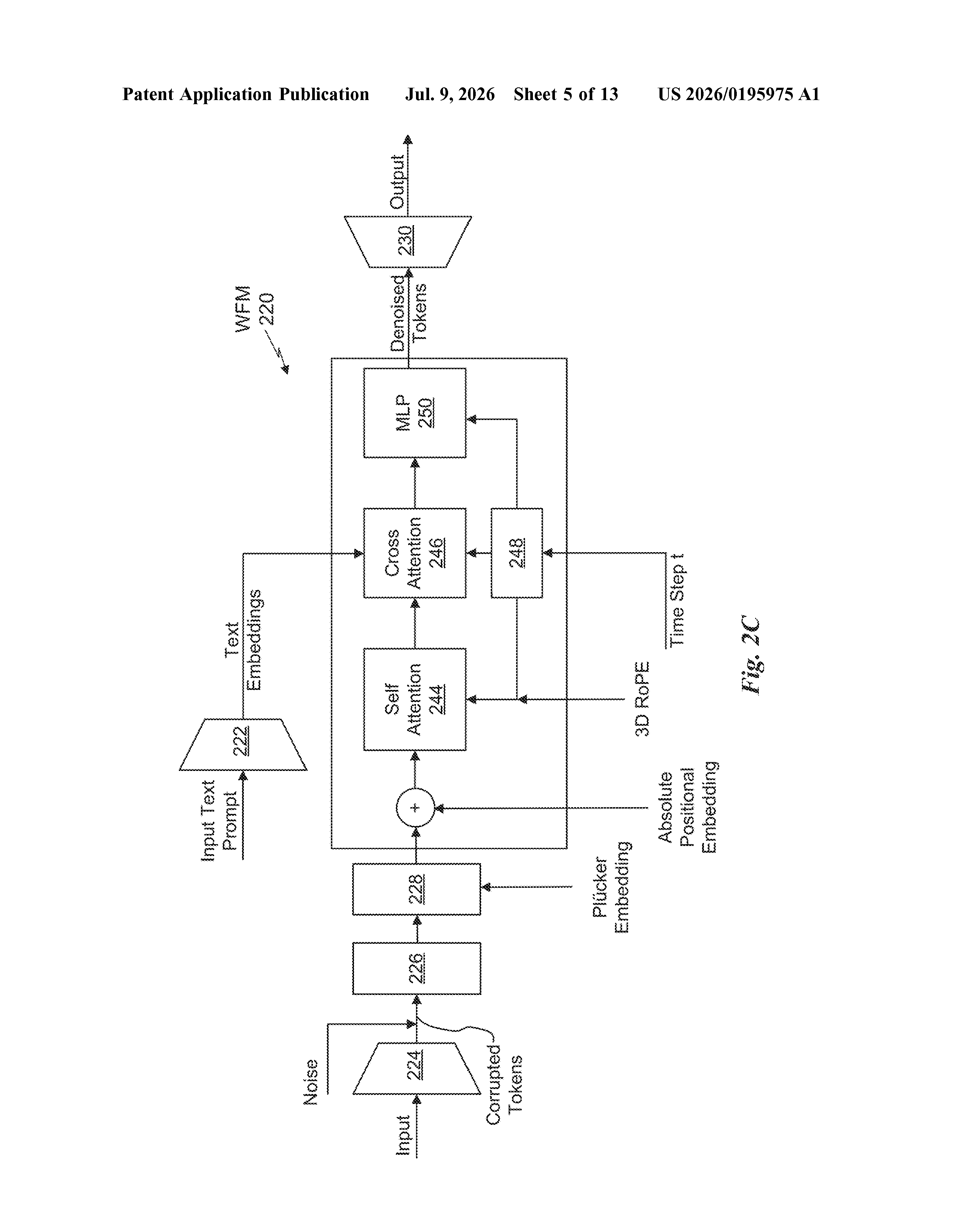
The technical mechanism involves converting camera parameters into embeddings (numerical representations the neural network can process) and then combining those embeddings directly with the visual tokens (the model's internal picture of what it's looking at). That combined signal travels through the neural network together, so camera intent shapes every frame the model generates.
The result is a video generator you can steer like a virtual camera operator, specifying not just what the scene contains but exactly how it is viewed.
What this means for robotics training and physical AI
For robotics and autonomous vehicle training, this kind of control is valuable because it could let engineers generate synthetic training videos from any viewpoint without physically placing cameras everywhere. Instead of sending a camera crew through a facility or running thousands of real-world test drives, you generate the footage you need on demand. That could cut the cost and time of building training datasets considerably.
Nvidia already sells simulation and AI training platforms (Omniverse, Isaac, DRIVE) that feed into exactly this workflow. A camera-controllable world model fits neatly into those pipelines. For you as a consumer, the more direct benefit is that robots and self-driving systems trained on richer, more varied footage tend to behave more reliably in unexpected situations.
This is focused, purposeful engineering aimed squarely at Nvidia's physical AI strategy. It is not a flashy consumer product play, but it addresses a real bottleneck in robotics training data generation. Companies trying to train robots without Nvidia-scale resources should pay attention to where this technology ends up.
Get our take in your Top Stories
Liked this breakdown? Add Patentlyze as a preferred source on Google, and our plain-English take shows up more often in your Top Stories the next time Nvidia patent news breaks.
There are more where this came from
We read every patent application Big Tech publishes and send you the ones worth knowing. Plain English, free, every week.
The drawings
13 drawing sheets from US 2026/0195975 A1 · click any drawing to enlarge
Want this weekly breakdown for a company we don't cover? Patentlyze Pro →