
Apple Patent Turns iPhone Camera Into a 3D Object Scanner
Apple is patenting a camera interface where a targeting reticle on your screen detects a nearby object, then visually "wraps" itself around it to kick off a 3D scan. It's a UI idea that makes 3D capture feel as simple as pointing your phone at something.
What Apple's animated reticle scanner actually does
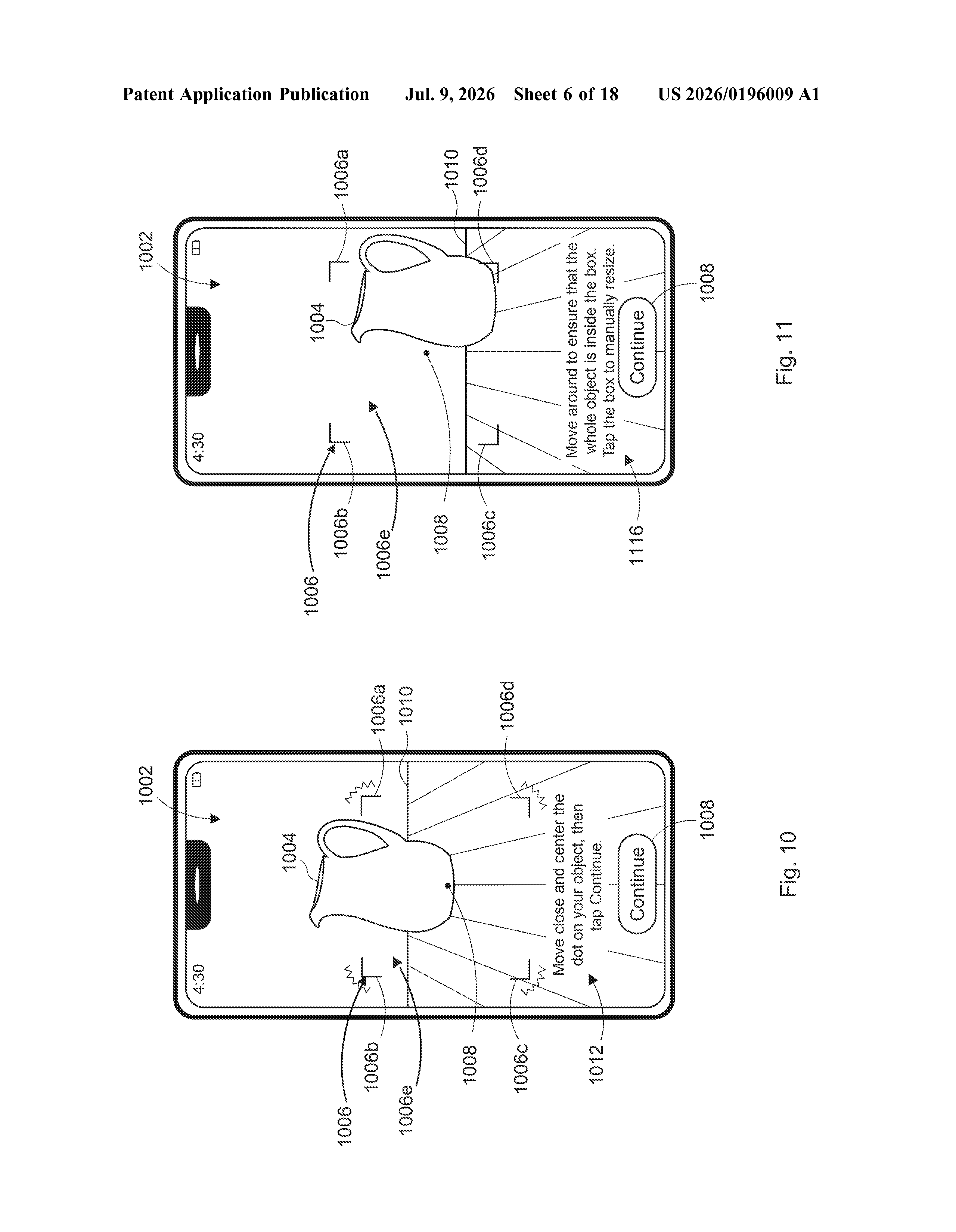
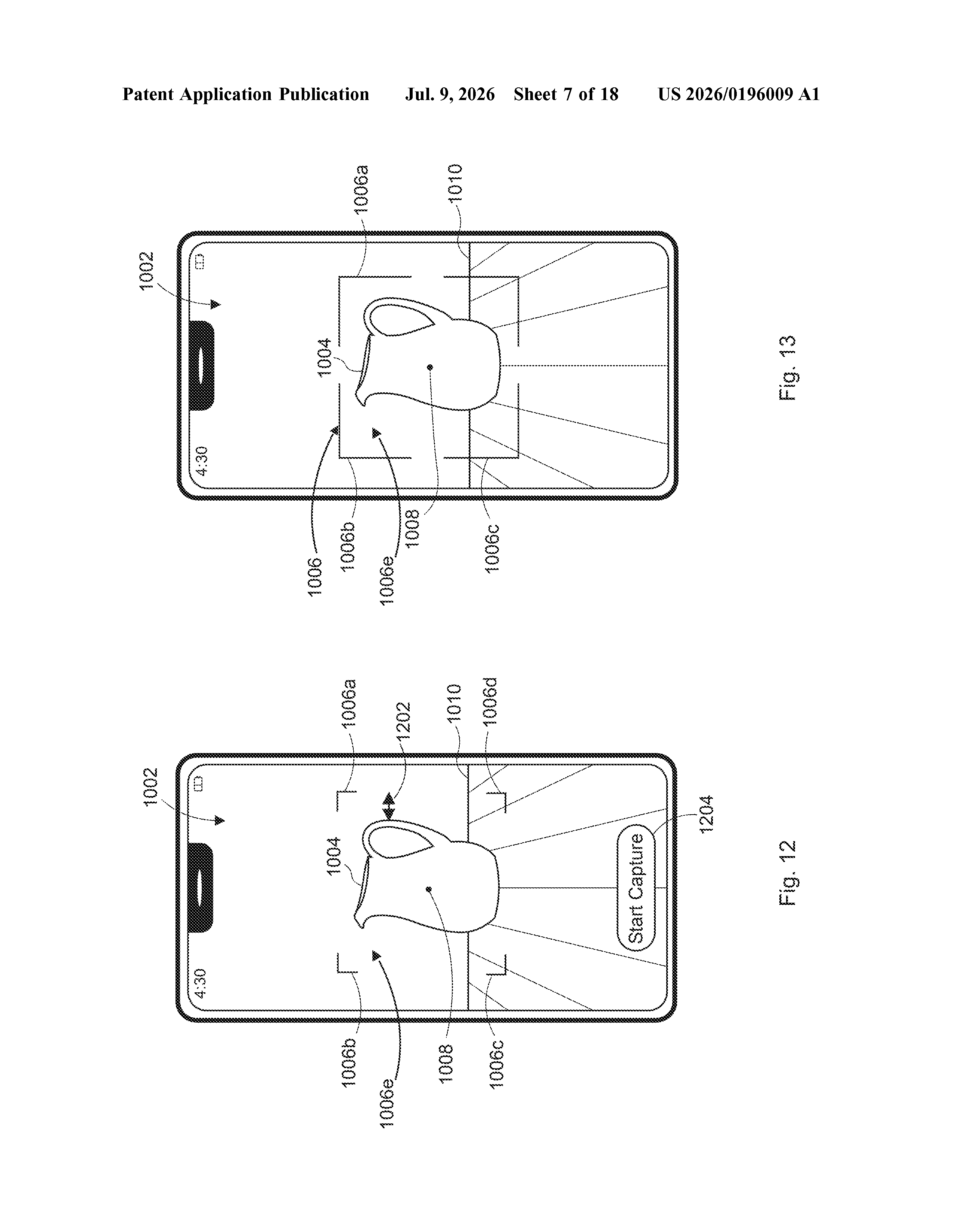
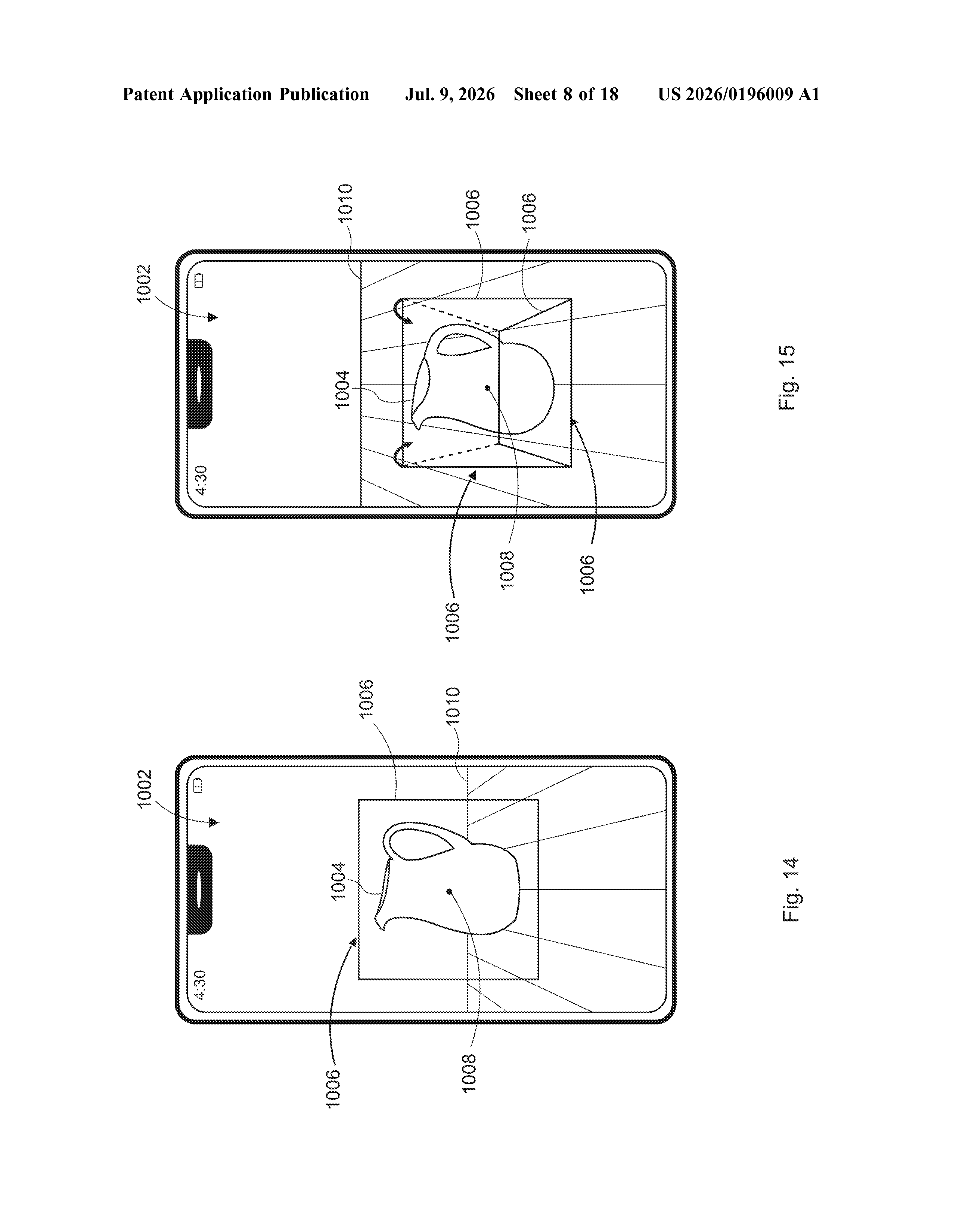
Imagine pointing your phone at a coffee mug and seeing a crosshair appear on screen. Once the mug fits neatly inside that crosshair and is close enough to the camera, the crosshair animates and transforms around the mug like a frame locking onto a target. That visual cue is Apple's way of telling you: the scan is starting.
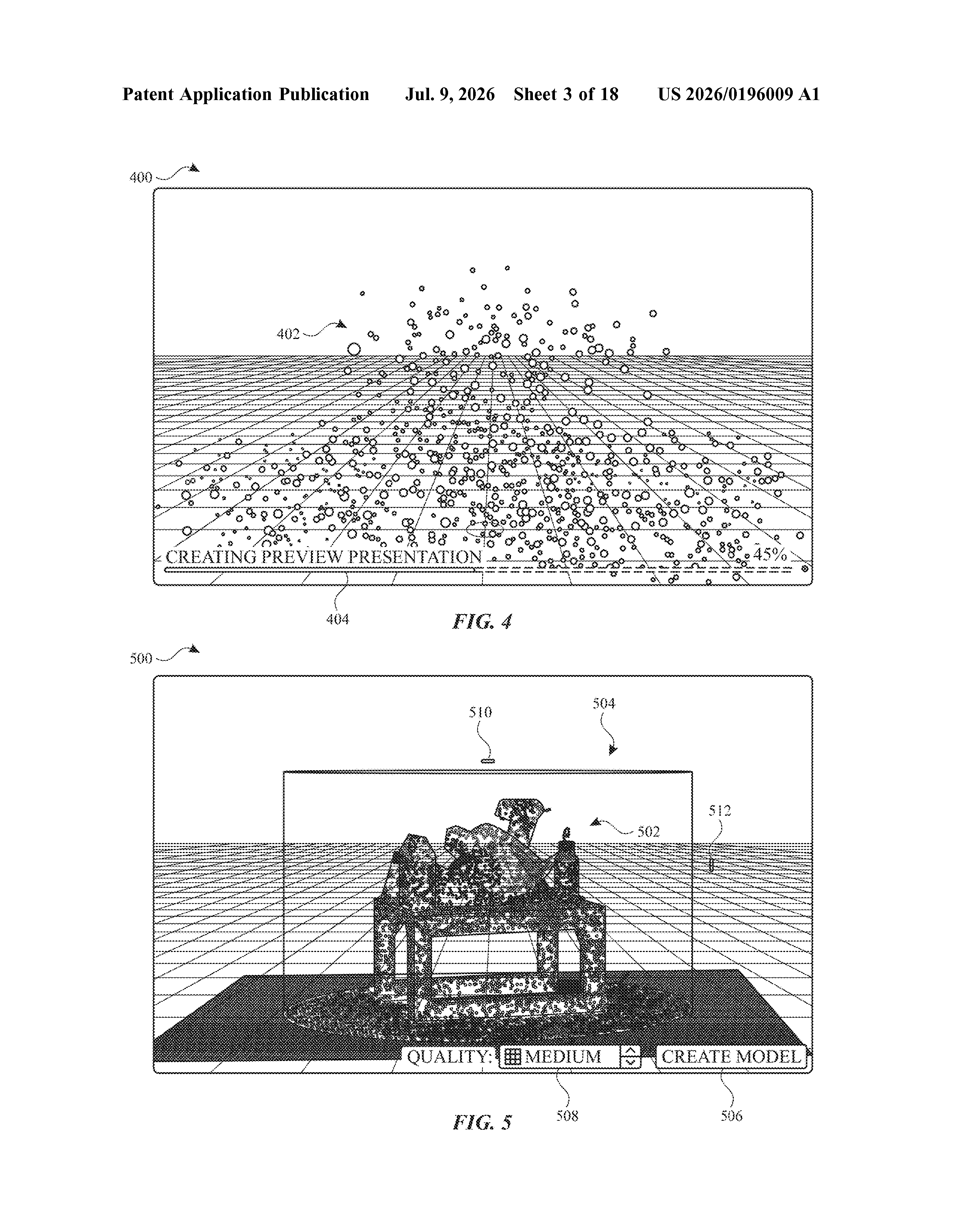
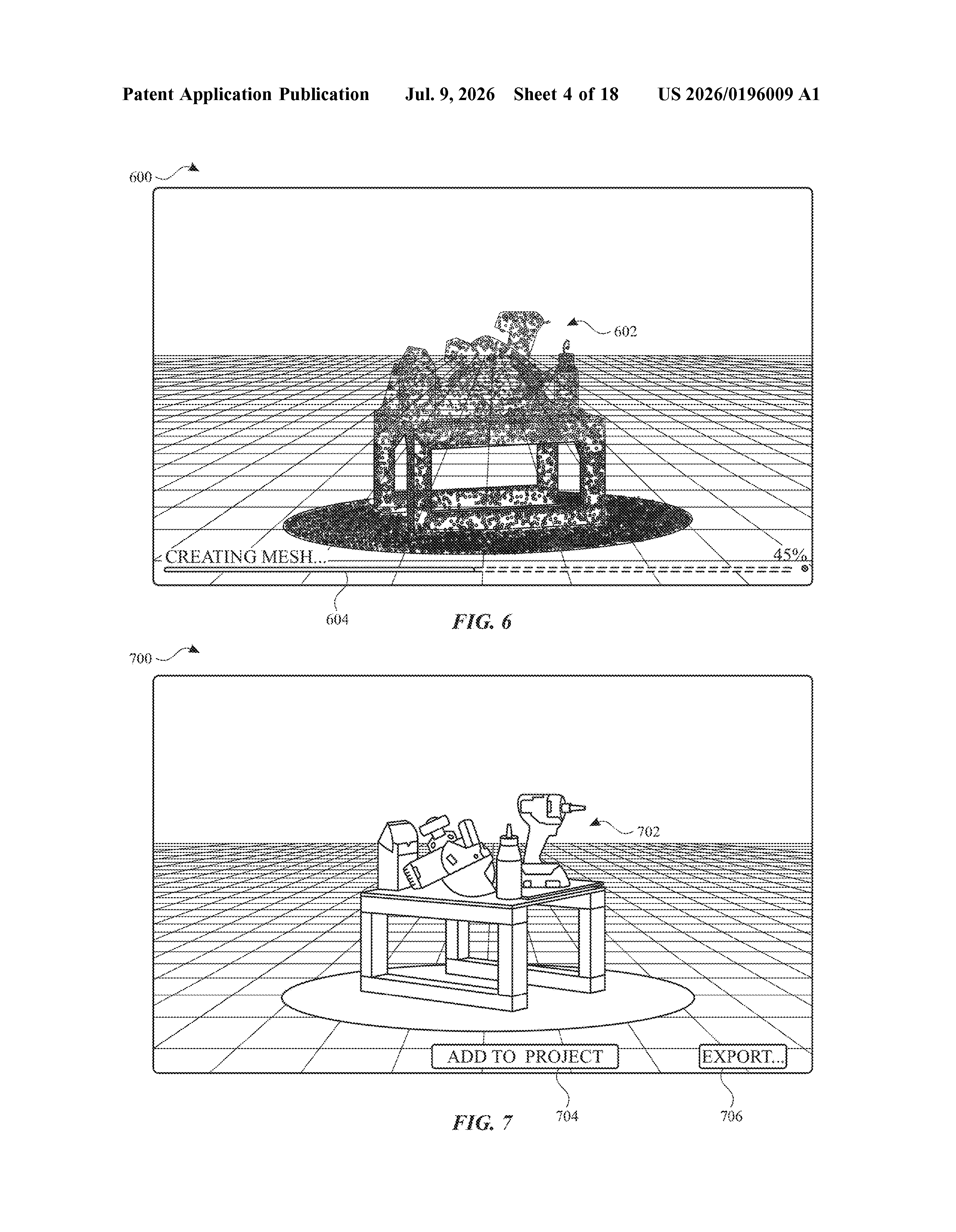
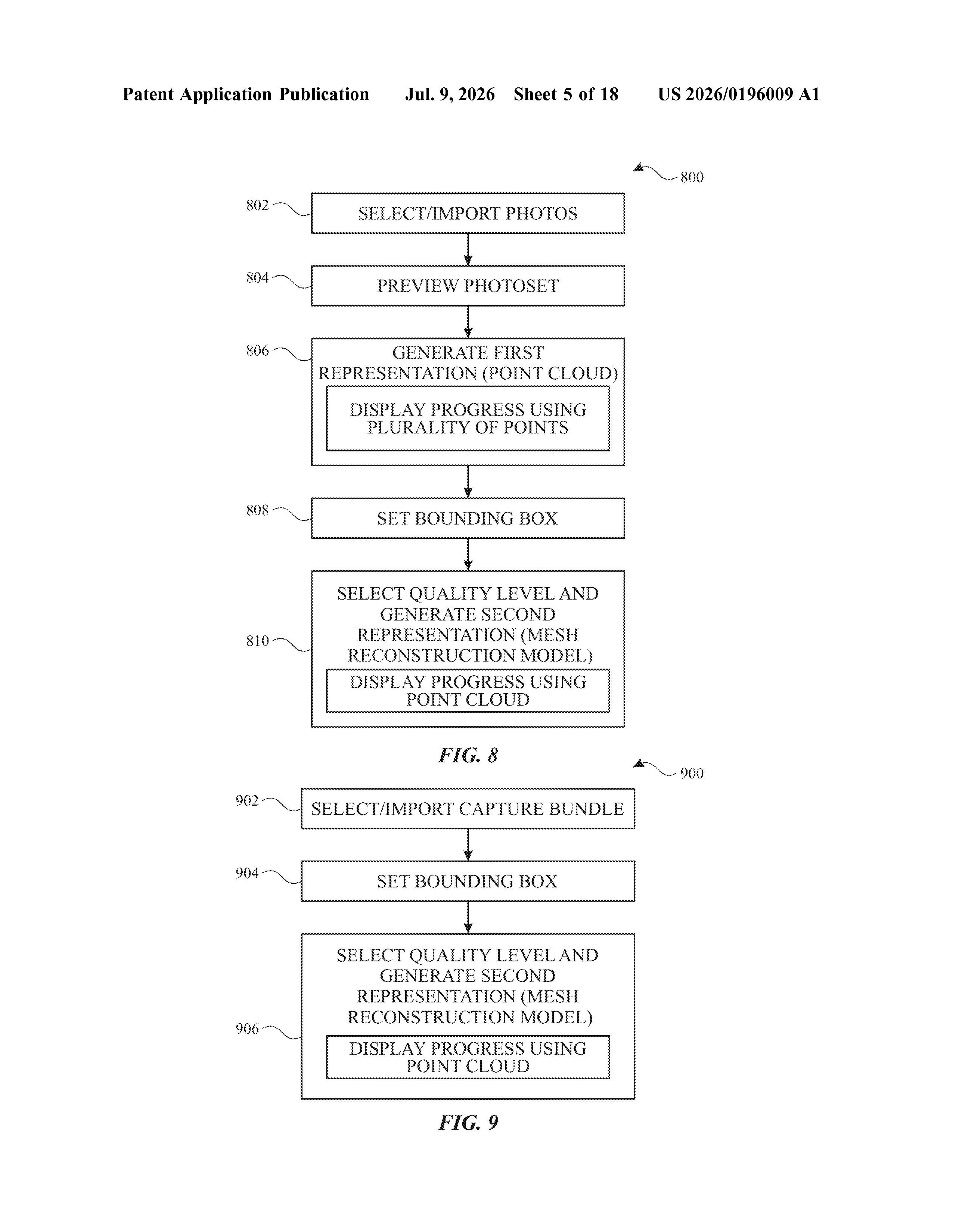
This patent covers the entire flow: the on-screen targeting guide, the moment it "locks on" to an object, and the process of capturing a set of photos that get turned into a full 3D model. The system can produce a point cloud (a rough 3D sketch made of dots) and then refine it into a proper 3D mesh (a smooth, detailed digital object).
Apple also includes progress indicators so you know how far along the capture is. The goal is to make scanning a real-world object feel as natural and guided as taking a regular photo, rather than requiring specialized software knowledge.
How the reticle detects and wraps around a physical object
The patent describes an electronic device (a phone, tablet, or headset) that shows a live camera feed with a two-dimensional virtual reticle (a targeting overlay, similar to a gun sight) displayed on screen.
The reticle monitors two conditions before triggering the scan:
- A physical object must appear within or under the reticle's area on screen.
- That object must be within a specific distance threshold from the reticle's center, meaning it's close enough for a quality capture.
When both conditions are met, the flat reticle plays an animation that transforms it into a virtual three-dimensional shape surrounding the object. This is the device's way of confirming it has recognized and locked onto the target.
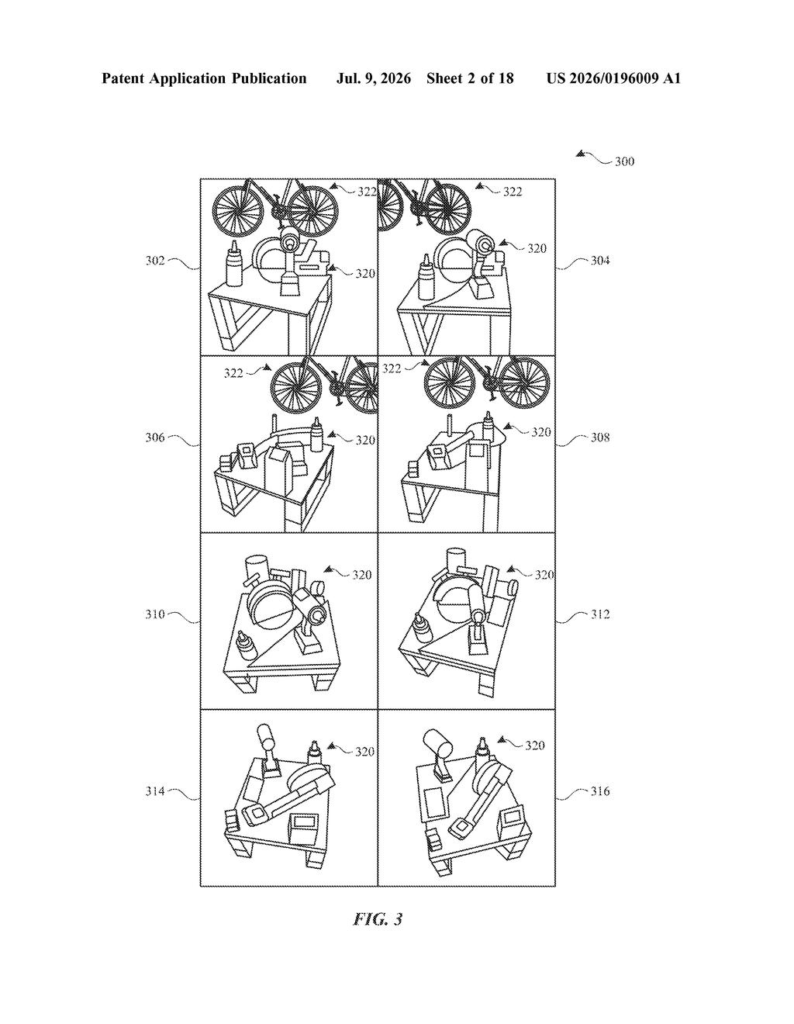
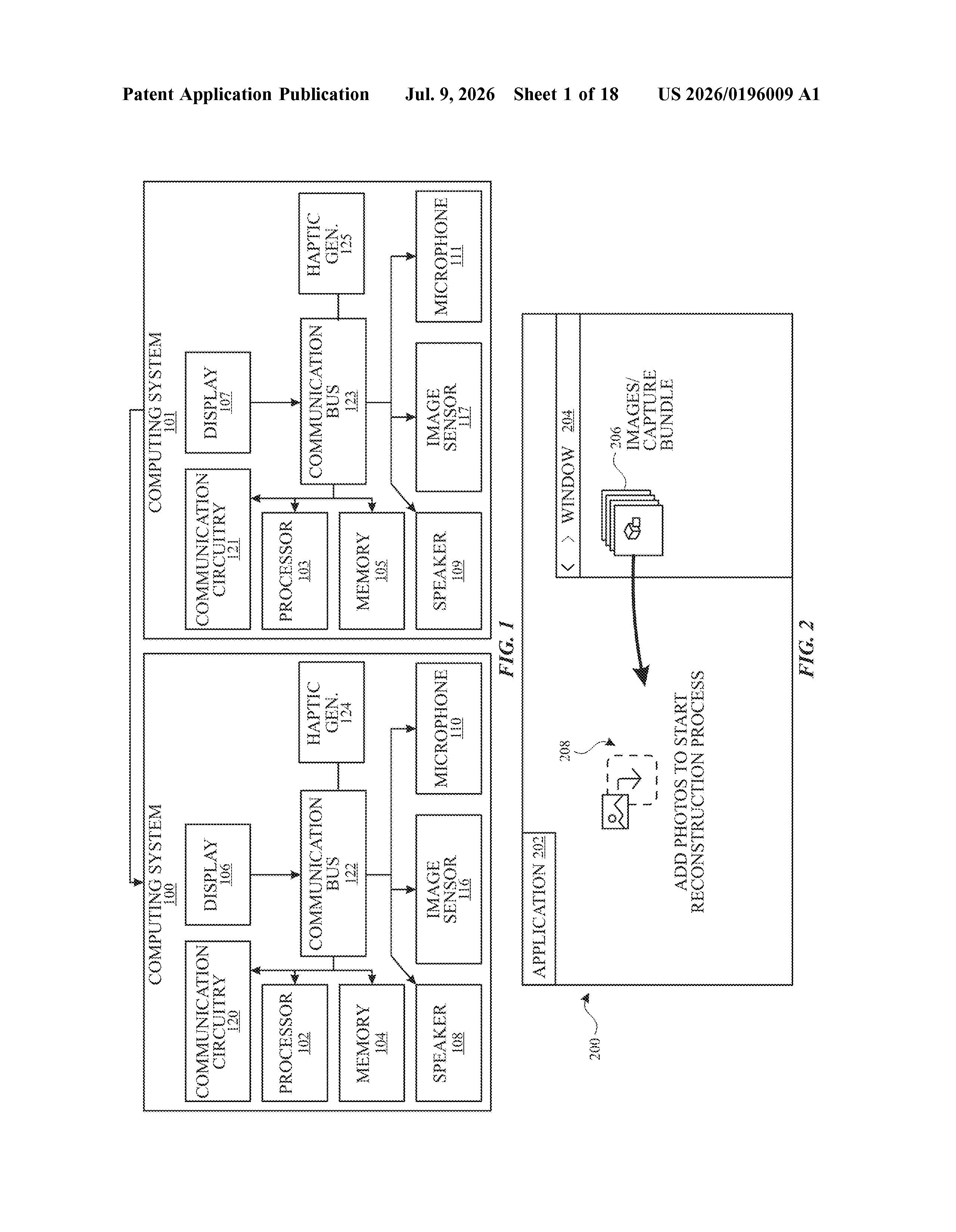
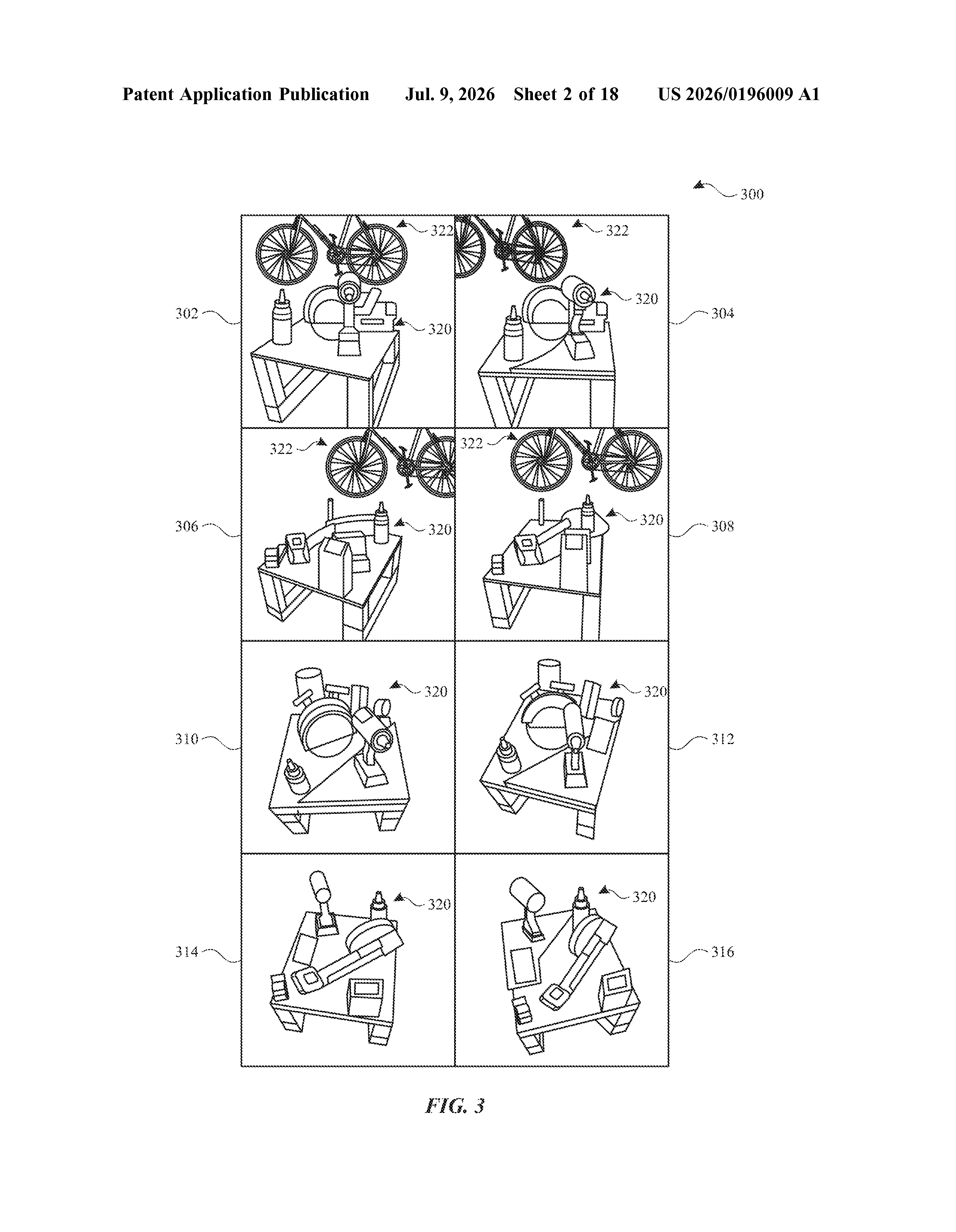
From there, the system guides the user through capturing a set of images from multiple angles. Those images feed into a reconstruction pipeline that first generates a point cloud (think of it as plotting thousands of dots in 3D space to outline the object's shape) and then converts that into a mesh (a solid, surface-level 3D model you can rotate, export, or place in an AR scene). Progress indicators keep the user informed throughout.
What this means for iPhone scanning and Vision Pro
Right now, 3D scanning apps are mostly for professionals or enthusiasts who know what they're doing. Apple's patent suggests it wants to bring that capability to anyone with an iPhone or a Vision Pro headset, with a guided UI that removes the guesswork. If this ships as a system-level feature, it could let ordinary users scan objects for use in AR apps, online shopping, home design, or digital archives without needing any third-party software.
For Apple's Vision Pro ecosystem in particular, having an easy way to create 3D models of real objects would give developers and users more content to work with inside spatial computing experiences. It also fits Apple's longer-term push to make the physical and digital worlds feel interchangeable.
This is a genuinely thoughtful UX patent, not just a technical one. The reticle-to-3D-shape animation is a clever way to communicate a complex process (object detection, distance calculation, scan initiation) through a single visual moment. Whether it ships as a camera mode on iPhone or a core Vision Pro feature, it reflects how seriously Apple takes the handoff between the real world and digital objects.
There are more where this came from
We read every patent application Big Tech publishes and send you the ones worth knowing. Plain English, free, every week.
The drawings
18 drawing sheets from US 2026/0196009 A1 · click any drawing to enlarge
Want this weekly breakdown for a company we don't cover? Patentlyze Pro →
Be the first to weigh in