
Google's New Patent Teaches Its Voice Assistant Which App You Actually Want
When you tell a voice assistant to 'order coffee,' it has to guess which app you want. Google is patenting a system that skips the guessing by learning which services you prefer for which tasks.
How Google's preference-based voice routing would work for you
Imagine asking your phone to 'play music' and instead of defaulting to YouTube Music every time, your voice assistant remembers that you actually use Spotify for music but YouTube for podcasts, and routes your request to the right place without you having to specify.
That's the core idea here. Google is patenting a system where your voice assistant checks your saved preferences before acting on a voice command. If you say 'book a ride,' it looks at your account, sees that you prefer Uber over Lyft for ride-hailing, and goes straight to Uber.
The patent also describes a behind-the-scenes process where the system tests voice commands against multiple platforms to make sure everything works correctly before it ever reaches you. Think of it as quality control running in the background so the right action fires reliably on the right app.
How the system matches voice commands to platform preferences
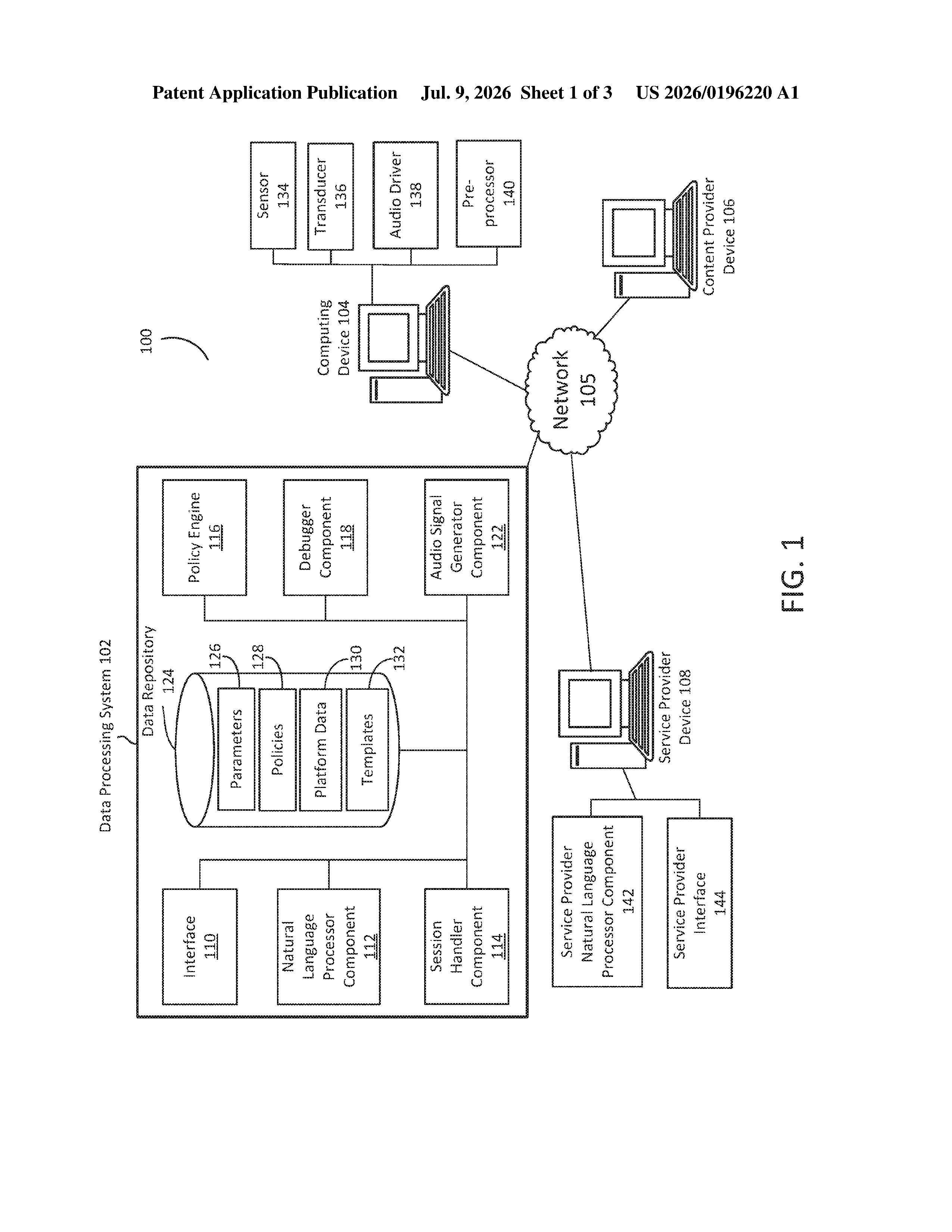
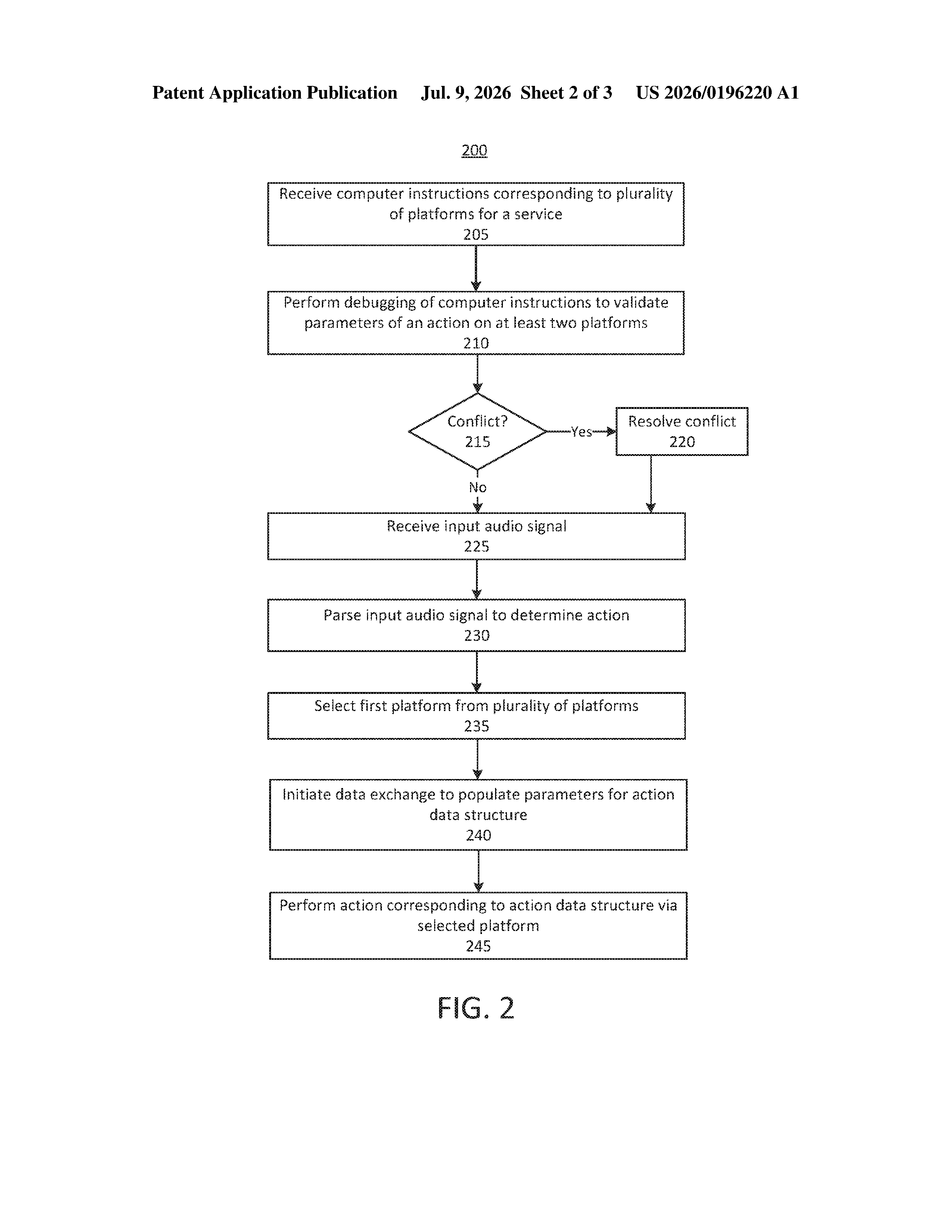
The patent describes a voice computing system that intercepts a spoken request, identifies the intent (what you want to do) and the service type (the category of action, like ride-hailing or music streaming), then cross-references your stored account preferences to pick a specific platform before executing anything.
The selection logic works like a two-part filter:
- The system parses the incoming audio to extract the action and service category.
- It then looks up which platform the user has designated as their preference for that category.
- The chosen platform receives a structured set of parameters, essentially a filled-out form describing exactly what needs to happen.
There's also a debugging layer described in the abstract: before deployment, the system validates that a given voice command works correctly across at least two different platforms. This is more of a developer-side concern, ensuring the routing logic doesn't send a ride-hailing command to a food delivery app because of a category mismatch.
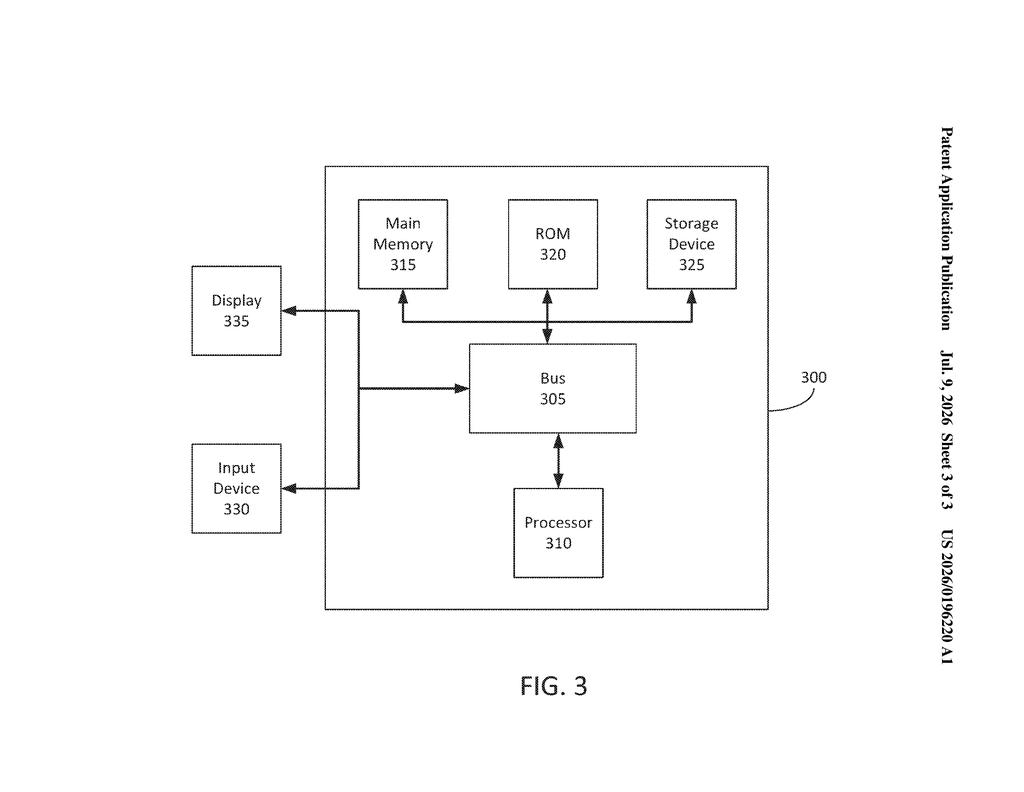
The actual execution is handled through what the patent calls an interactive data exchange, a back-and-forth process that fills in any missing details (like a destination address) before the action fires. The result is a pipeline that goes from voice input to platform-specific action with minimal friction.
What this means for Google Assistant and competing voice platforms
Right now, most voice assistants either default to their own first-party services or ask follow-up questions about which app to use. This patent points toward a version of Google Assistant (or its successor) that silently routes commands based on what you've told it you prefer, making the assistant feel less like a search engine and more like a personal assistant that actually knows your habits.
For Google, the strategic value is obvious: a preference system that works well keeps users from switching to Siri or Alexa when those assistants feel more attuned to their habits. It also gives Google a way to position its assistant as genuinely neutral, routing to third-party apps rather than always pushing Google's own services, which could matter a lot given ongoing regulatory scrutiny of how Google promotes its own products.
This is a real usability problem that voice assistants have never solved well, and the preference-based routing approach is the right direction. The patent itself is fairly narrow and procedural, but it signals that Google is thinking seriously about making its assistant work across competing apps rather than just funneling everything into the Google ecosystem.
Get our take in your Top Stories
Liked this breakdown? Add Patentlyze as a preferred source on Google, and our plain-English take shows up more often in your Top Stories the next time Google patent news breaks.
There are more where this came from
We read every patent application Big Tech publishes and send you the ones worth knowing. Plain English, free, every week.
The drawings
3 drawing sheets from US 2026/0196220 A1 · click any drawing to enlarge
Want this weekly breakdown for a company we don't cover? Patentlyze Pro →