
Microsoft's New Patent Makes AI Faster at Picking What You See in Your Feed
Every time an app decides what post, ad, or article to show you, a ranking system is making that call. Microsoft just filed a patent for a two-stage AI training process designed to make that decision faster and more accurate at the same time.
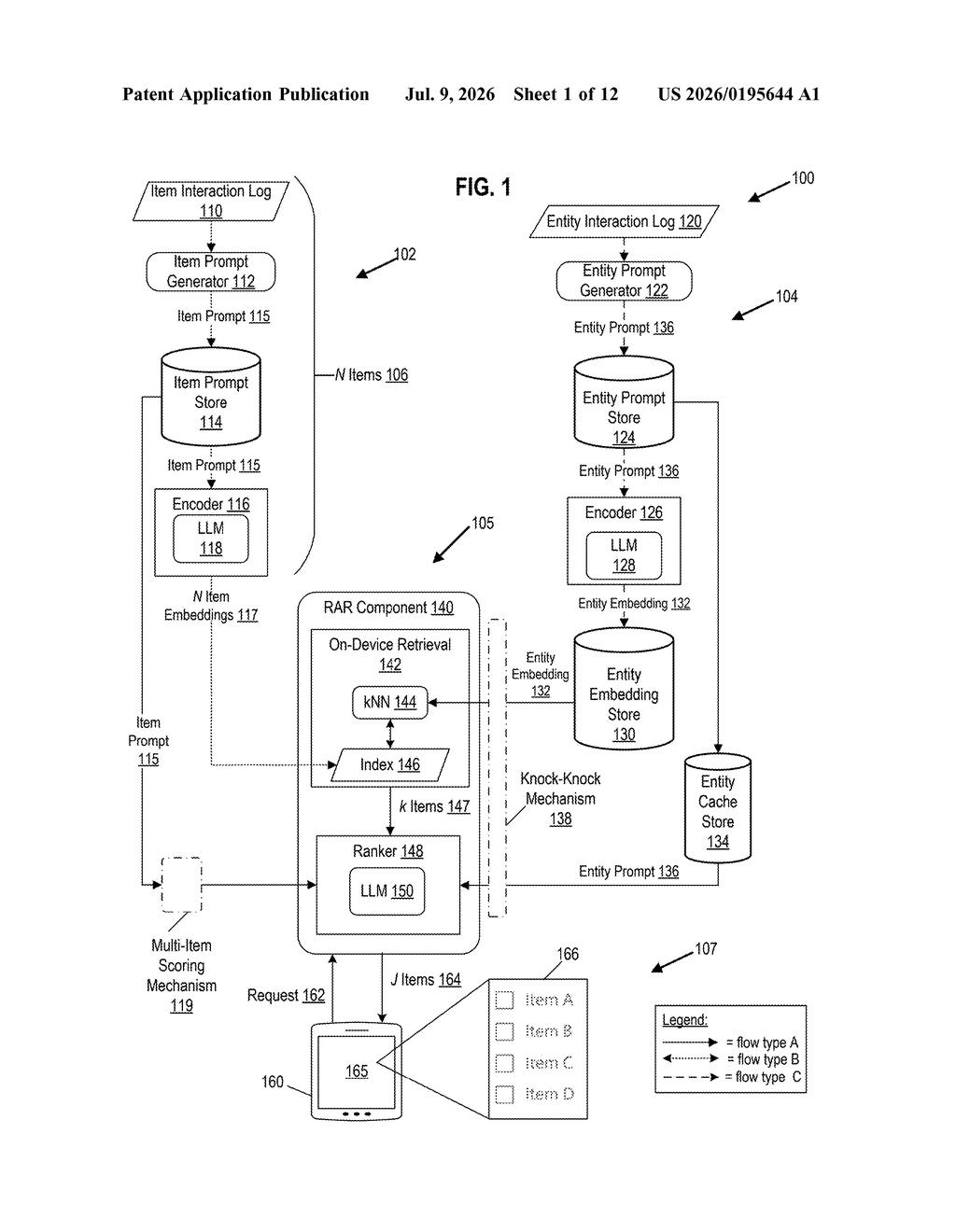
How Microsoft's two-stage AI filters your content feed
Imagine a content feed, say LinkedIn posts or news articles, where the app has to pick from millions of options and show you a short list in under a second. Doing that well is genuinely hard: a system that's thorough enough to pick the best content is usually too slow to handle millions of items, while a system fast enough to scan everything tends to miss the mark on quality.
Microsoft's patent describes a way to get the best of both. It trains a careful, slow AI model first, then uses what that model learned to teach a much faster one. The fast model ends up making decisions that reflect the slow model's judgment, without needing the slow model's computing time at every step.
The end result is a system that can quickly decide what digital content to include or skip when building a feed for a specific user. That's the core engine behind recommendation feeds, search results, and ads on platforms like LinkedIn.
How the cross encoder teaches the dual encoder
The patent describes a two-stage training pipeline built around two different types of AI models.
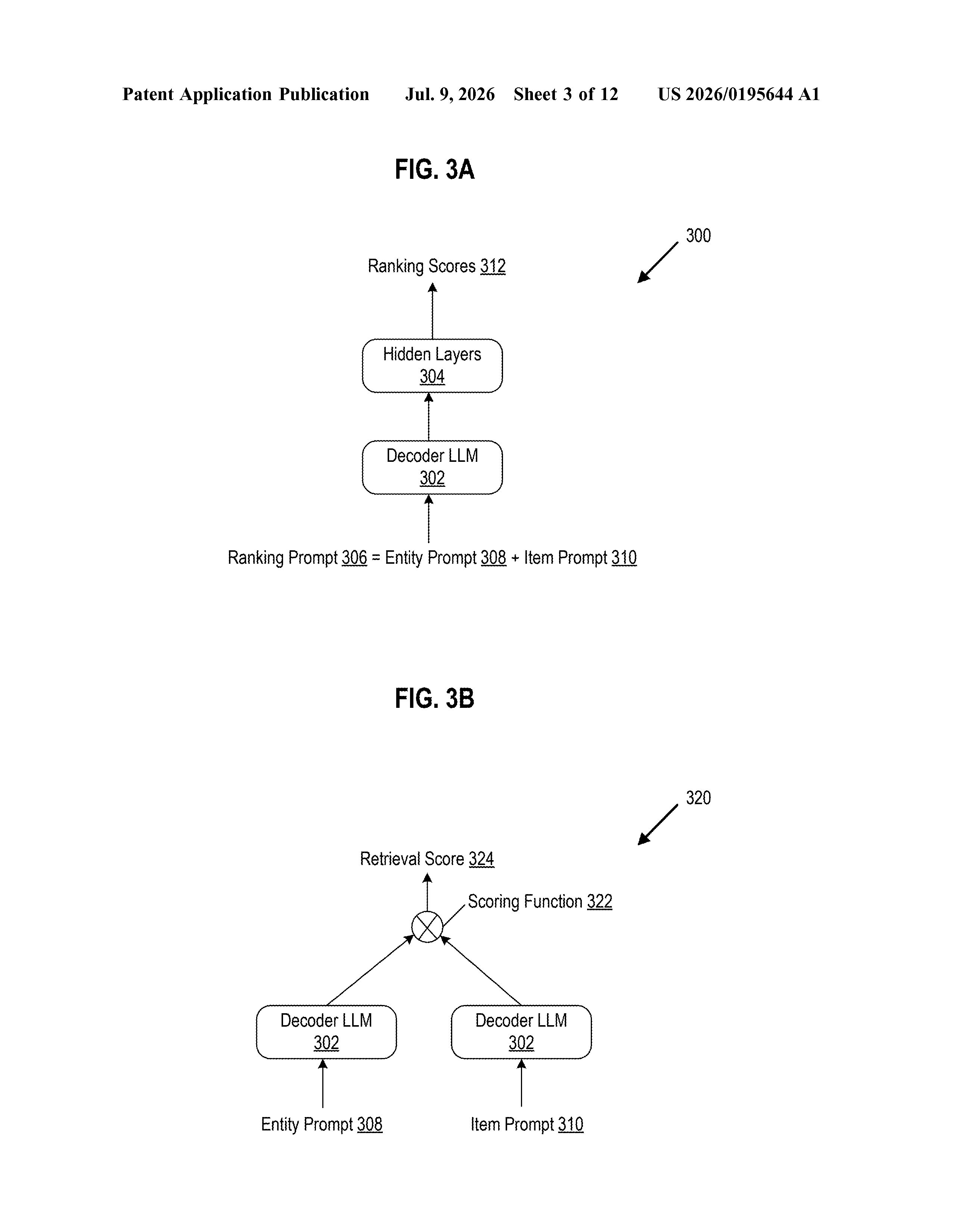
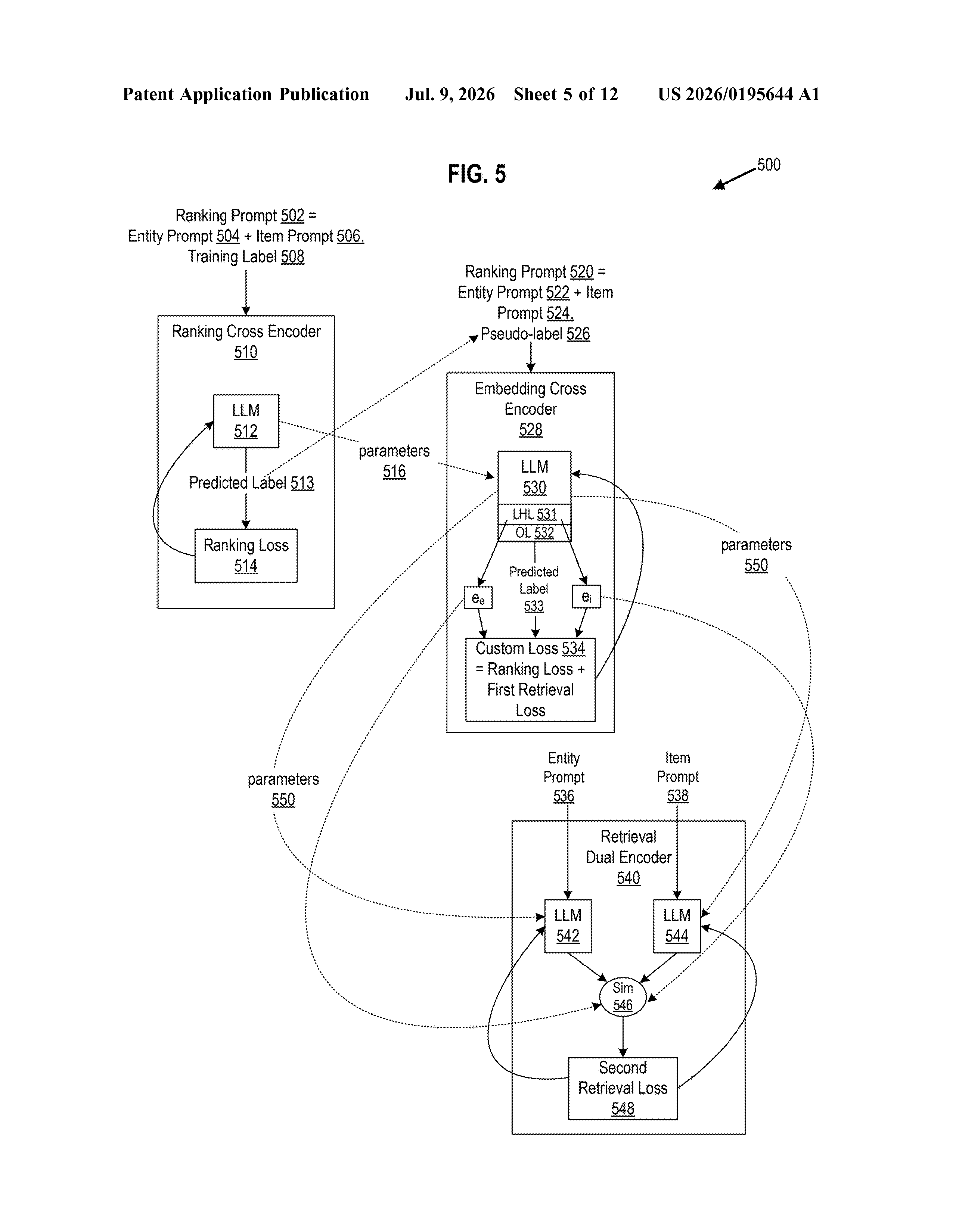
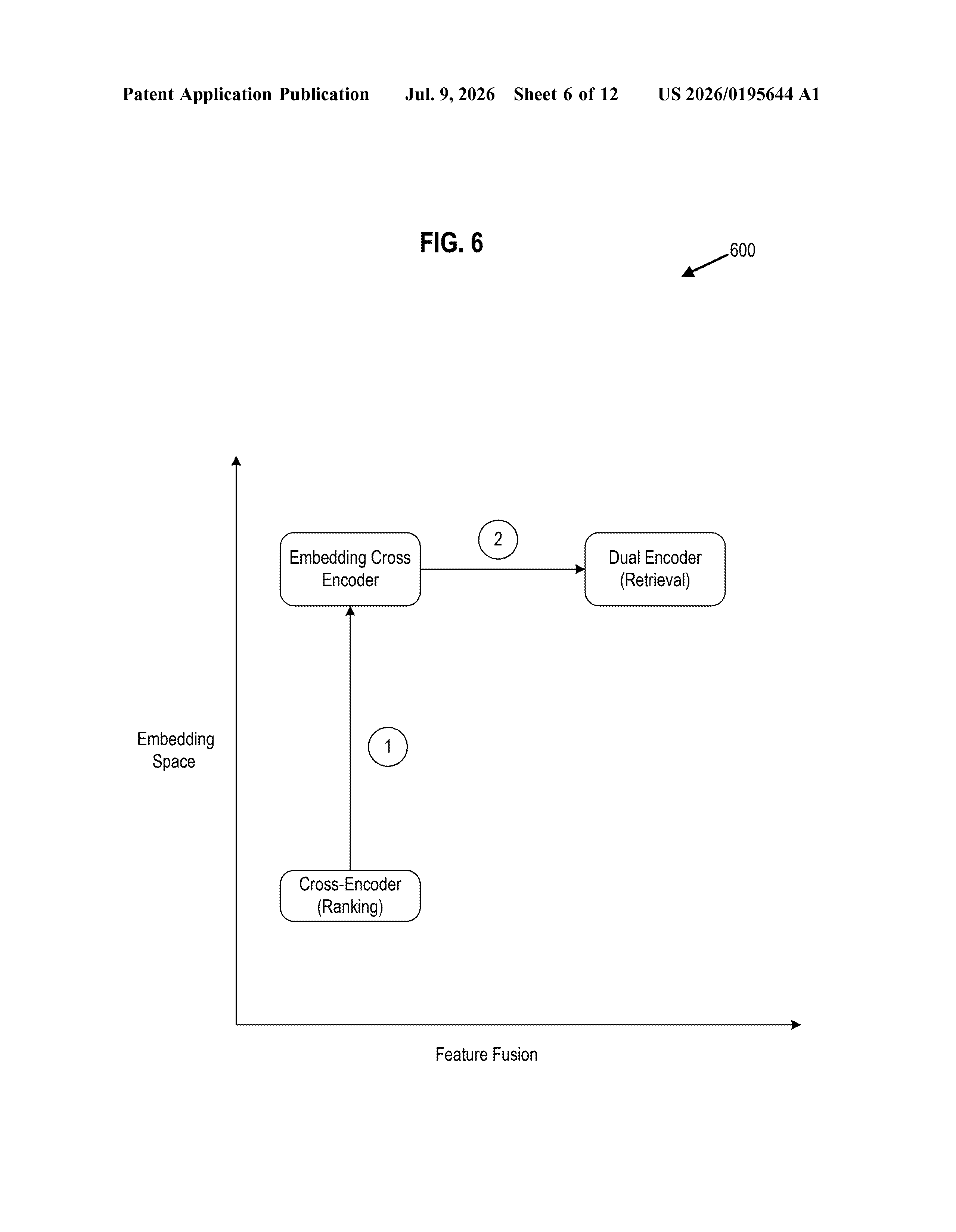
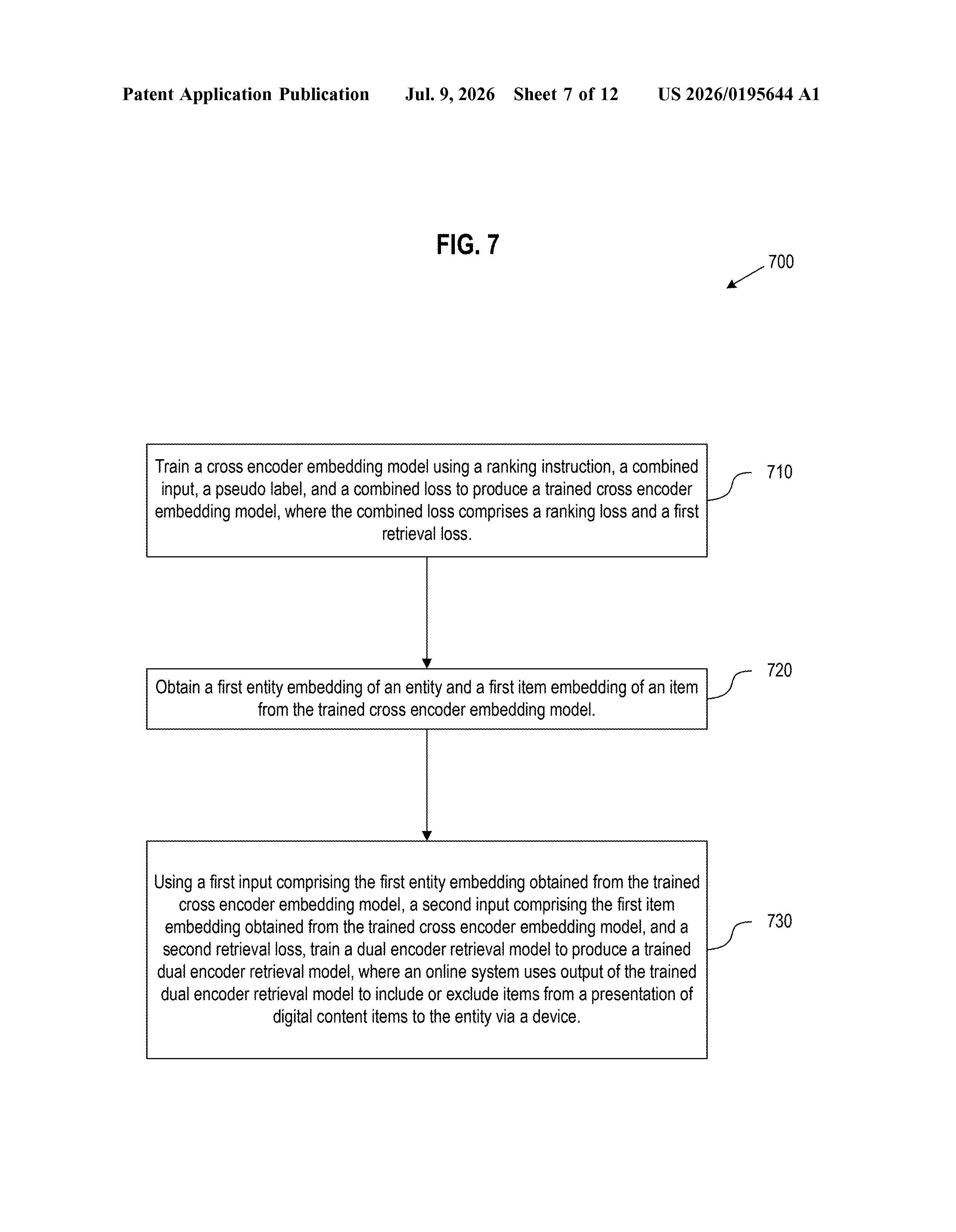
Stage one trains what's called a cross encoder. This model looks at a user and a piece of content together at the same time, which lets it reason about how well they match. It's slower but more accurate. Microsoft trains it with a combined loss function (a scoring signal that blends two goals at once): one goal is to rank content correctly relative to other content, and the other is to produce useful retrieval embeddings (compact numerical fingerprints that capture meaning). Pseudo labels, which are machine-generated stand-ins for human ratings, are used when real labeled data is scarce.
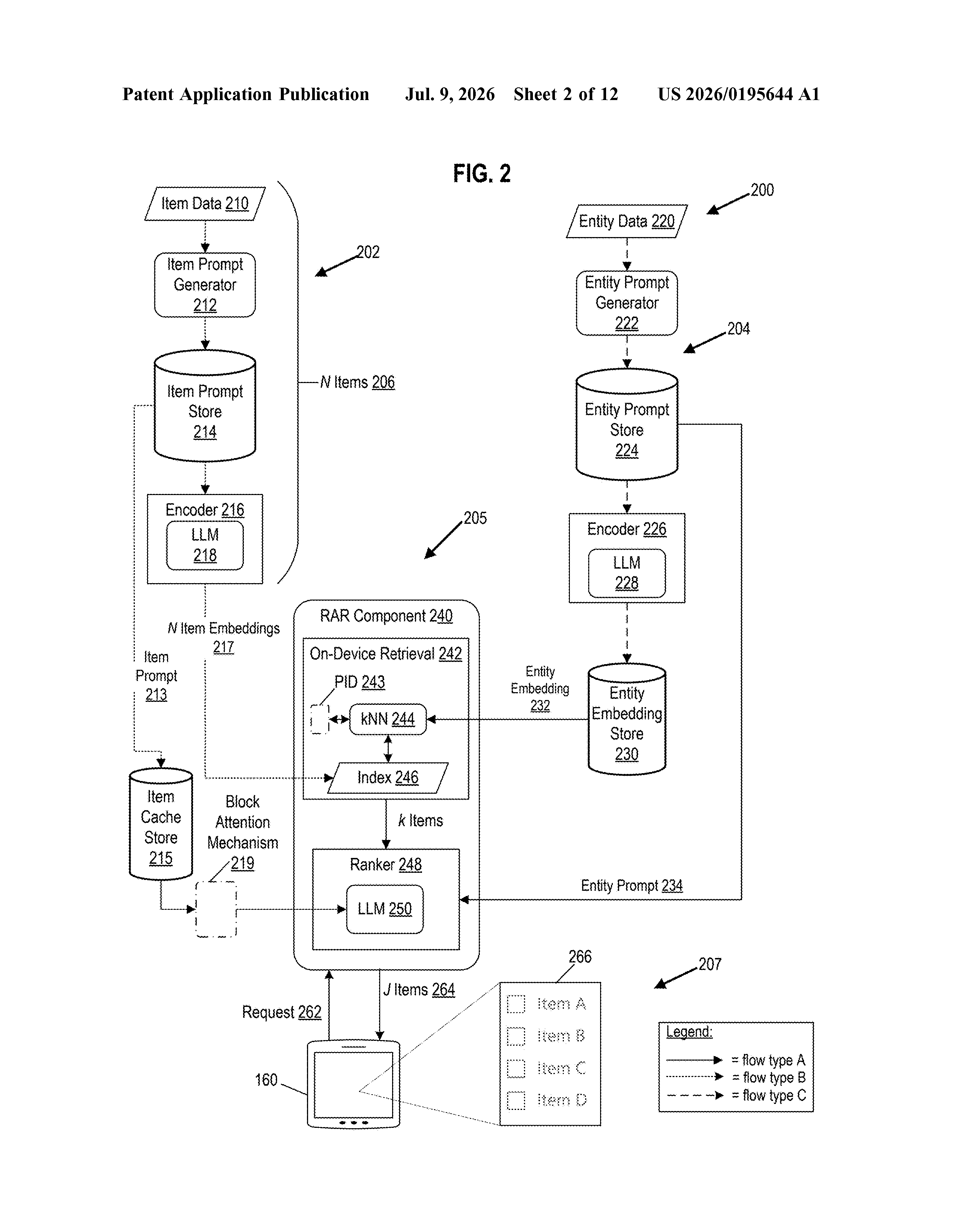
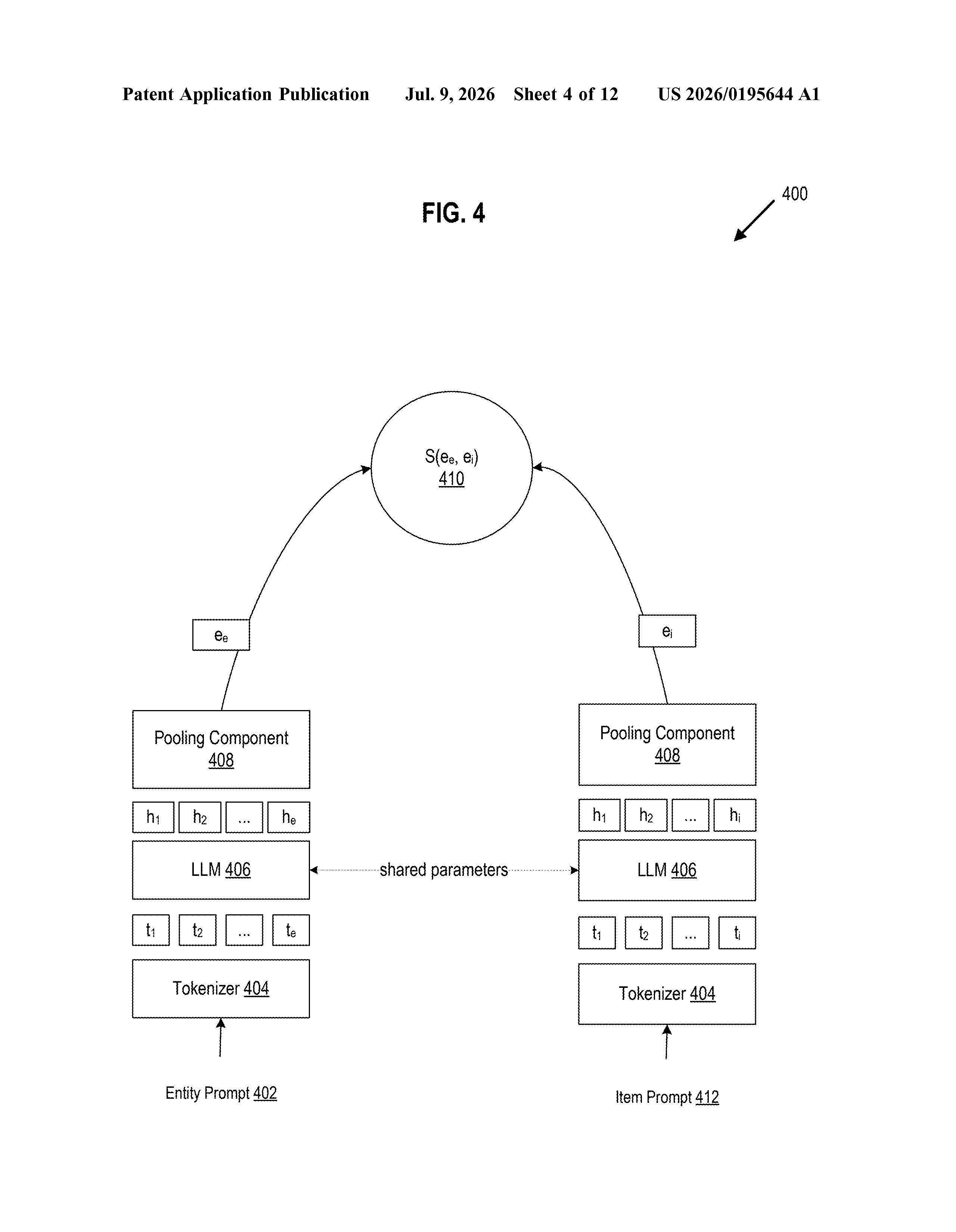
Stage two trains a dual encoder. Unlike the cross encoder, this model encodes a user and a piece of content separately, which makes it far faster to run in production. The trick is that stage two uses the fingerprints produced by the cross encoder as its training targets, so the fast model learns to mimic the slow model's judgment.
At serving time, only the dual encoder runs. Its output determines which items get included or excluded from a user's content presentation on a device.
What this means for LinkedIn and Microsoft ad products
Microsoft runs one of the world's largest professional content feeds in LinkedIn, along with advertising systems across Bing and Microsoft 365. A more efficient ranking pipeline directly affects the quality of what hundreds of millions of users see every day, and also affects how much compute Microsoft has to spend doing it.
The deeper angle here is that retrieval and ranking are usually treated as separate problems with separate models. This patent explicitly trains them together, with the ranking model sharing knowledge down to the retrieval model. If it works as described, it could give Microsoft a meaningful efficiency edge in the recommendation infrastructure that underpins LinkedIn and its ad business.
This is core recommendation-system infrastructure, not a consumer-facing feature anyone will notice directly. But given Microsoft's heavy investment in LinkedIn and its broader advertising business, a patent that improves content ranking efficiency at scale is genuinely worth watching. The knowledge-distillation angle (slow teacher, fast student) is a well-established idea in AI research, so the novelty here is in how Microsoft combines ranking and retrieval training into a single pipeline, not in any one component.
Get our take in your Top Stories
Liked this breakdown? Add Patentlyze as a preferred source on Google, and our plain-English take shows up more often in your Top Stories the next time Microsoft patent news breaks.
There are more where this came from
We read every patent application Big Tech publishes and send you the ones worth knowing. Plain English, free, every week.
The drawings
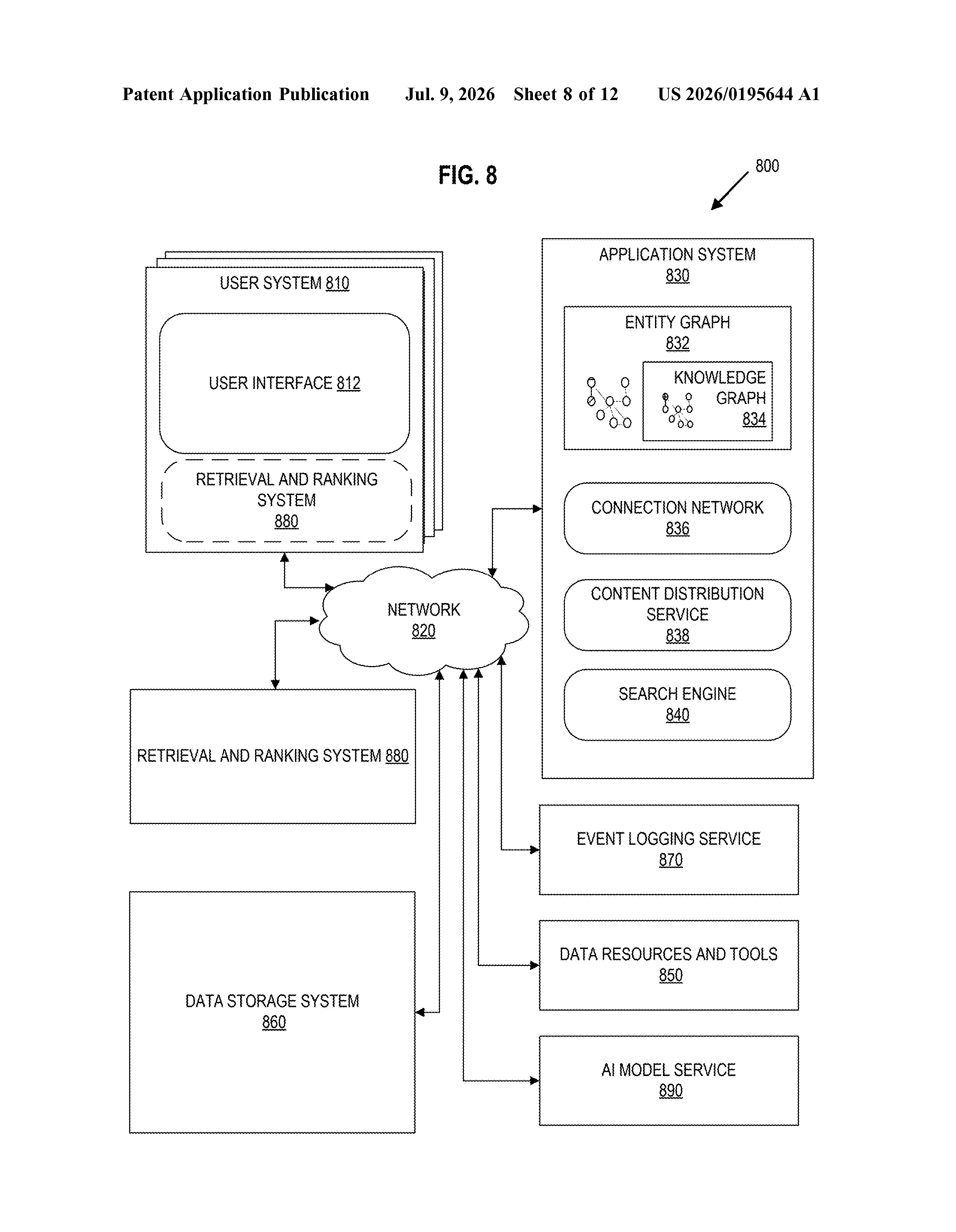
12 drawing sheets from US 2026/0195644 A1 · click any drawing to enlarge
Want this weekly breakdown for a company we don't cover? Patentlyze Pro →