
Samsung Patents a Training Method for AI That Restores Corrupted Images
Samsung has filed a patent for a new way to train AI models to repair corrupted or degraded images, using a technique that works in the frequency domain rather than processing raw pixels directly.
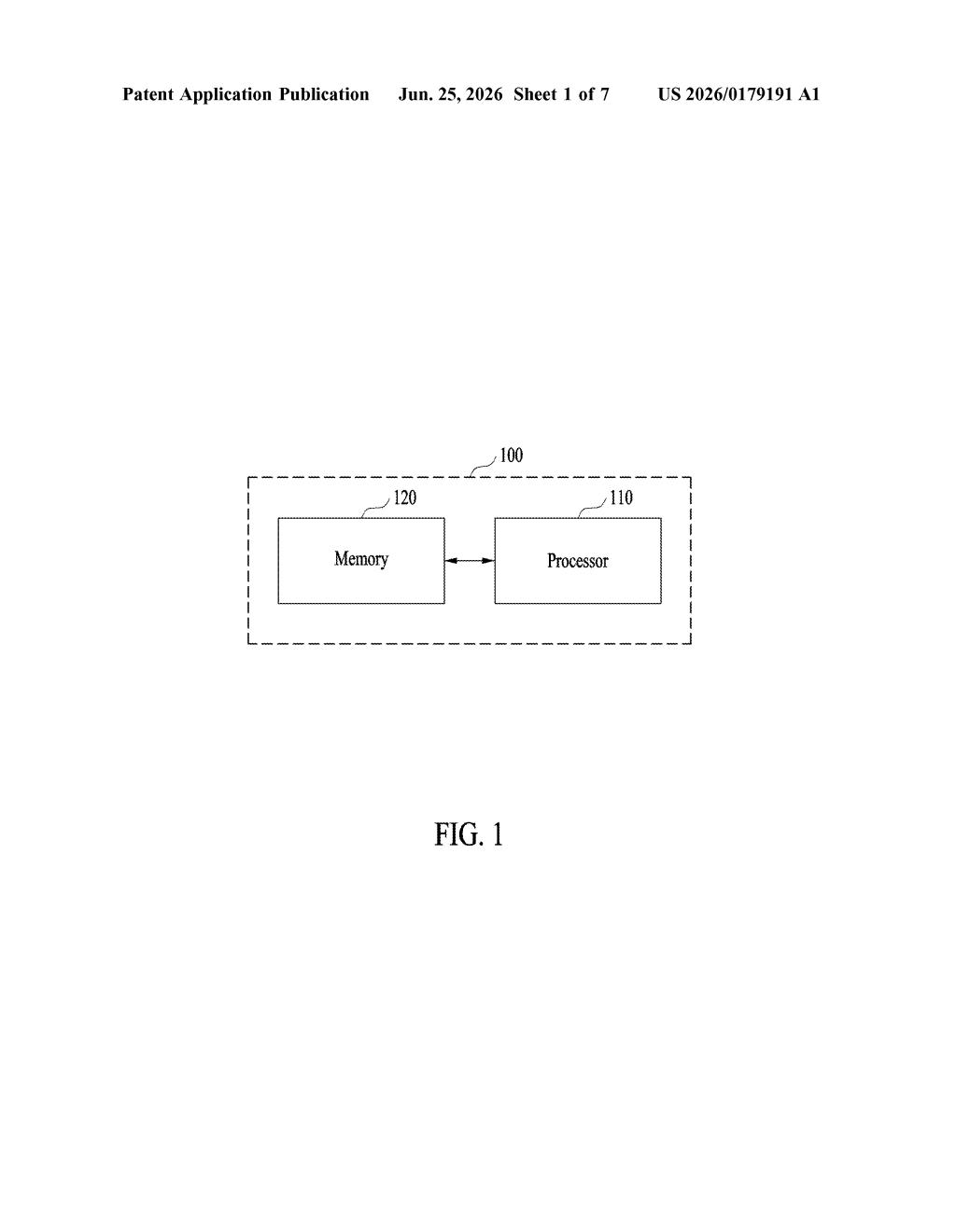
How Samsung teaches AI to fix damaged photos
Imagine taking a photo in bad lighting and your phone's AI repairs it before you even see the result. That kind of image restoration depends on an AI model that was trained to recognize damage and fill in what's missing. Samsung's patent is about how you build that training process, not just the end result.
The idea is to show the AI thousands of examples of images at various stages of corruption, from barely damaged to nearly unrecognizable, and teach it to reverse the damage at each stage. What makes this approach different is that Samsung's method works in the frequency domain, a mathematical way of representing an image as waves rather than individual pixels, which can capture patterns like blurriness or noise more efficiently.
By training the model this way, Samsung aims to produce an AI that can reconstruct high-quality images from corrupted inputs more reliably than older pixel-by-pixel methods.
How frequency-domain sampling trains the reconstruction model
The patent describes a training pipeline for a diffusion-style image reconstruction model, a class of AI that learns to reverse a degradation process step by step.
The key steps are:
- Randomly pick a time step: a number representing how corrupted the training image should be at that moment in the process.
- Generate a corrupted training image: using intermediate sampling in the frequency domain (rather than adding noise to raw pixels, the method mixes a clean image and a corrupted image in frequency space, where brightness patterns, edges, and textures are expressed as mathematical waves). This lets the model see smooth, controlled transitions between clean and damaged.
- Train a neural network: the network receives the corrupted image, the original clean image, and the time-step value, then learns to predict what the clean image should look like at that stage of reconstruction.
Working in the frequency domain can help the model learn global image structure, such as large color blocks and overall sharpness, more efficiently than pixel-level training, because frequency representations naturally separate low-detail and high-detail information.
What this means for Samsung cameras and image processing
For Samsung, this kind of patent sits squarely in the computational photography stack that powers Galaxy camera processing. Better-trained reconstruction models mean cleaner low-light photos, sharper zoomed shots, and more reliable video upscaling without hammering battery life with heavier computation.
The frequency-domain training approach could also apply beyond smartphones: displays, medical imaging sensors, and security cameras all deal with corrupted or low-quality inputs. If this training method produces more generalizable models, you could see it appear in a wide range of Samsung hardware over time.
This is a focused, incremental improvement to how diffusion-based image models are trained, not a headline product announcement. The frequency-domain twist is technically interesting and could yield real-world quality gains in Samsung cameras, but it's the kind of foundational R&D that rarely gets announced on stage. Worth tracking if you follow computational photography, easy to skip otherwise.
There are more where this came from
We read every patent application Big Tech publishes and send you the ones worth knowing. Plain English, free, every week.
Want this weekly breakdown for a company we don't cover? Patentlyze Pro →