
Microsoft Patent Teaches AI to Filter and Prioritize What Users See Online
Most AI recommendation systems pick what you see in a single step. Microsoft's new patent describes a two-stage process: a fast model quickly eliminates most options, then a more capable language model carefully ranks what's left.
How Microsoft's AI filters and ranks content for you
Imagine a librarian who first skims thousands of book spines to pull a short stack, then reads the back covers of just those books before handing you the best three. That's roughly the idea here.
Microsoft's patent describes a system that works in two rounds. First, a lightweight AI model quickly scores every possible piece of content, like a post, product, or ad, against your profile and throws out most of it. Then a more powerful language model takes the small shortlist and does a deeper ranking to decide what actually shows up on your screen.
The clever part is that both models share some underlying settings, which means the fast first-round model and the deeper second-round model are calibrated to agree with each other. The result is a system that can handle a huge pool of content without slowing down, while still giving the final picks a thorough review before anything reaches you.
How the two-model retrieval-then-ranking pipeline works
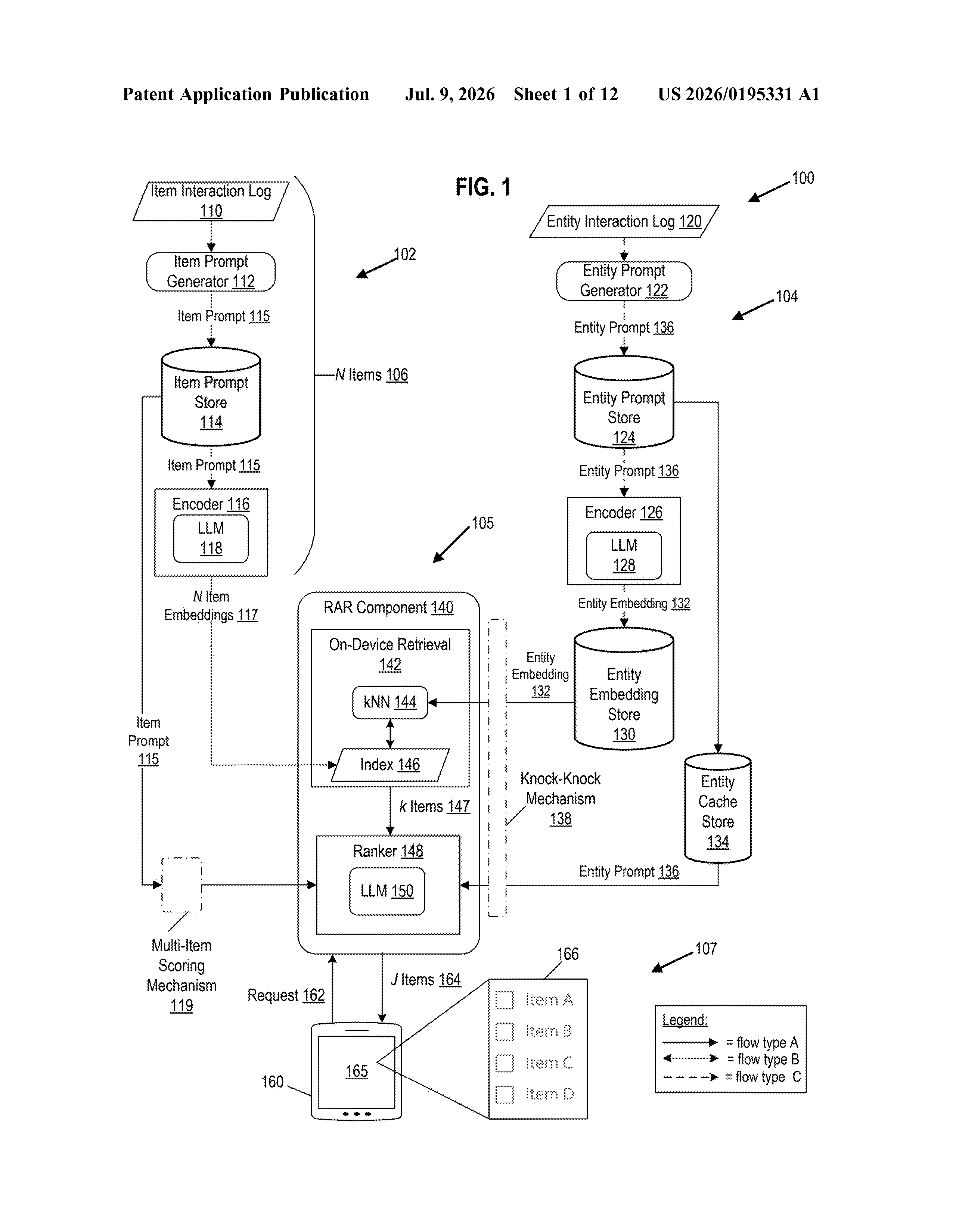
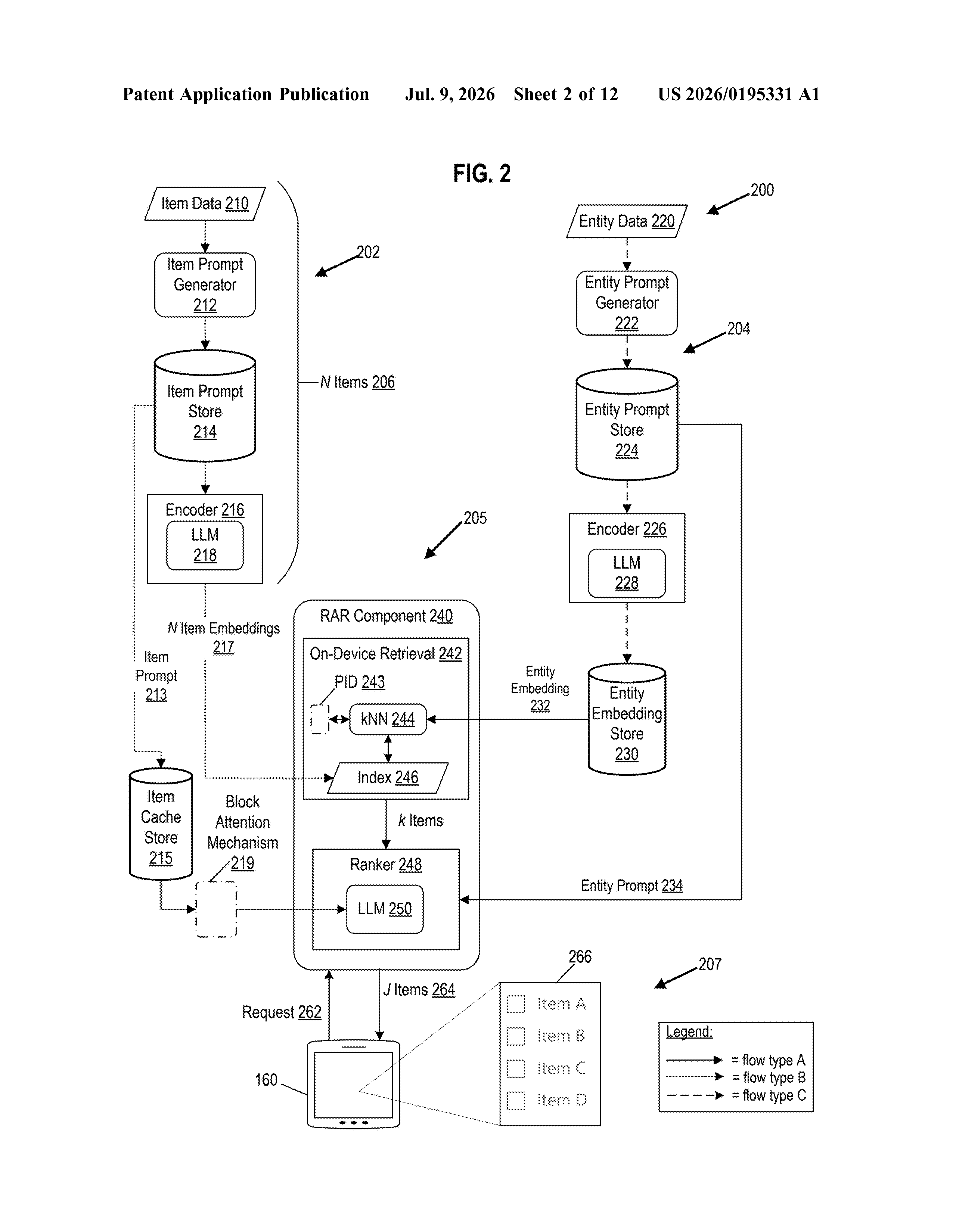
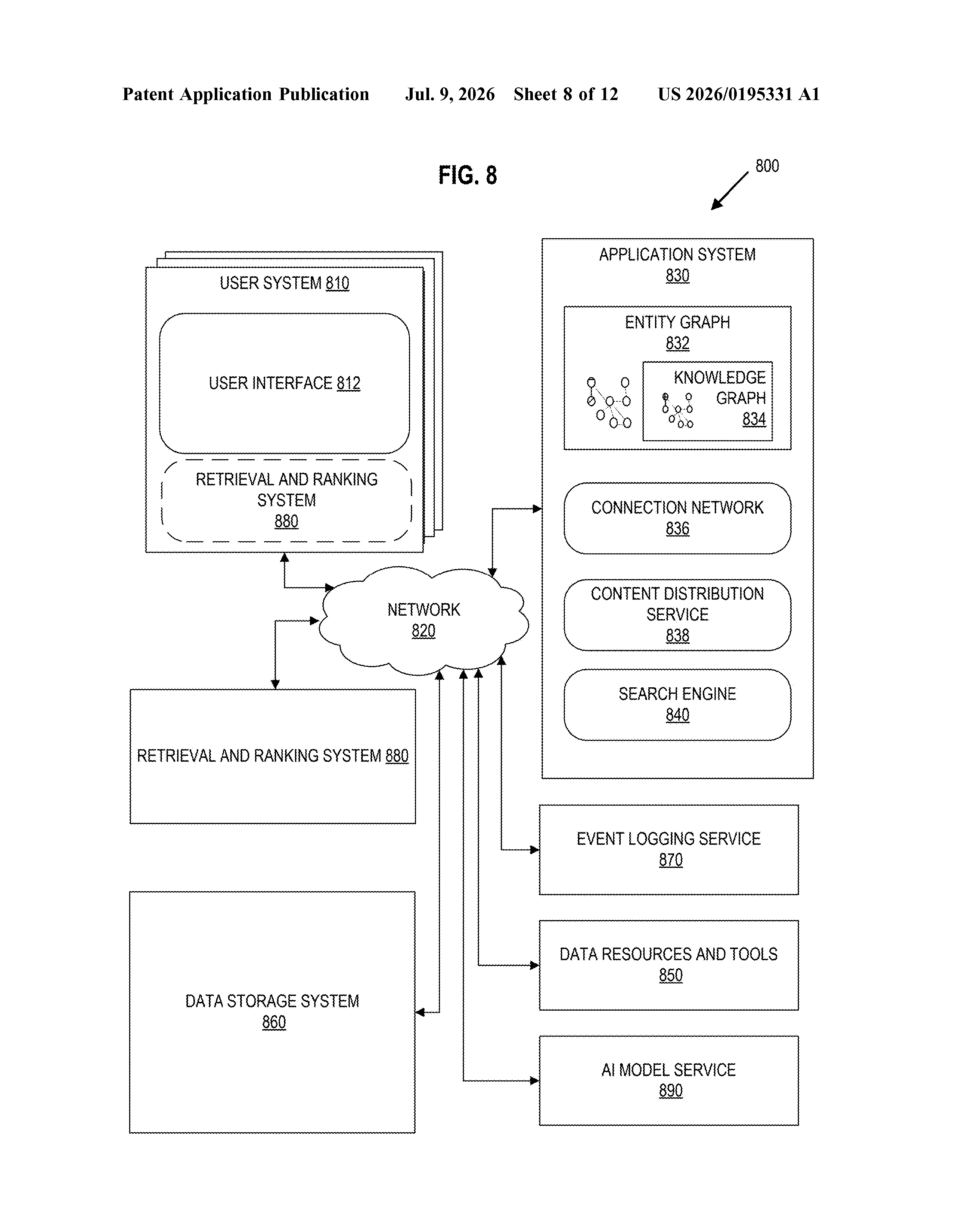
The patent describes a two-stage retrieval-and-ranking pipeline built on large language models (LLMs), designed for online content delivery systems like feeds, search results, or ad placement.
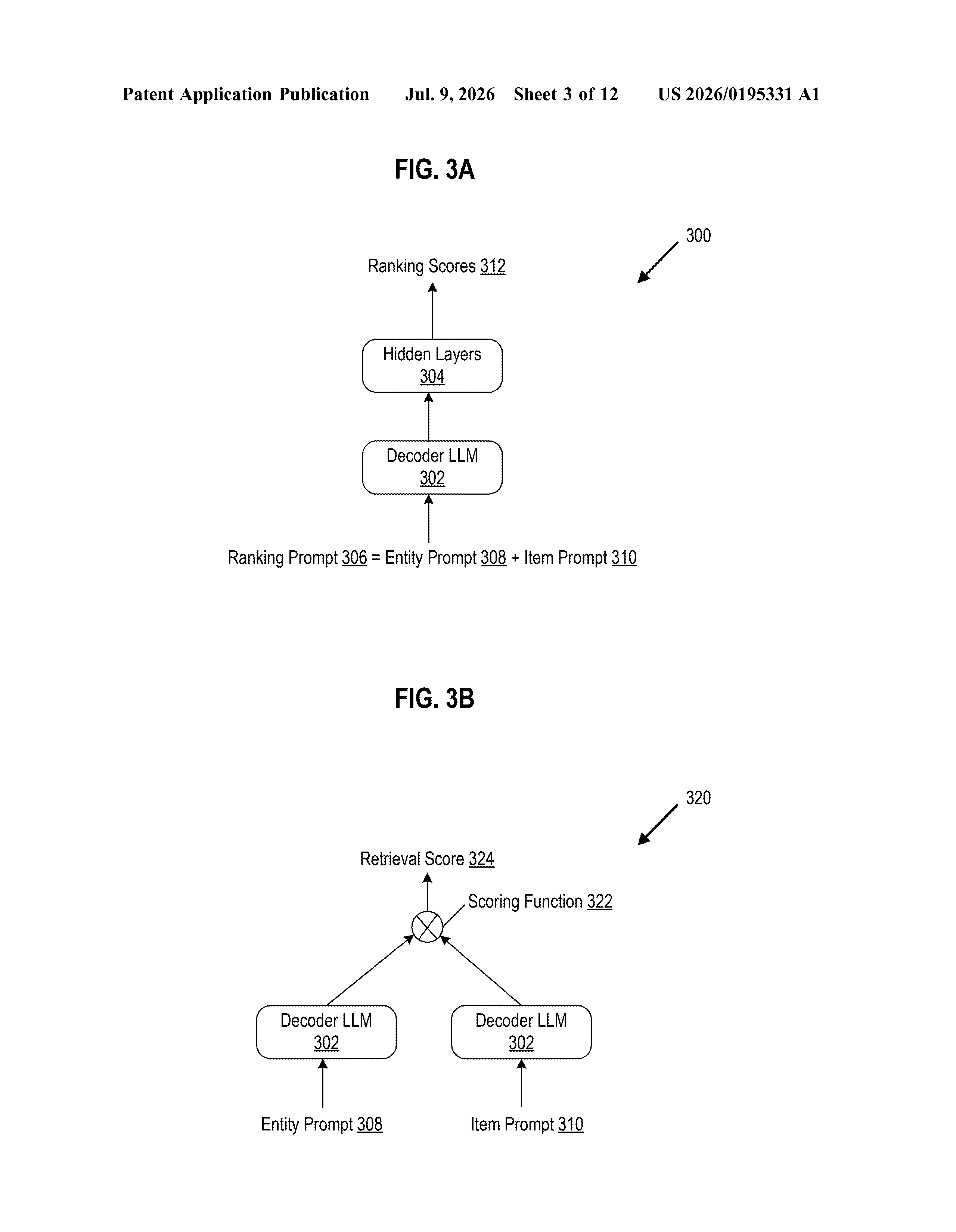
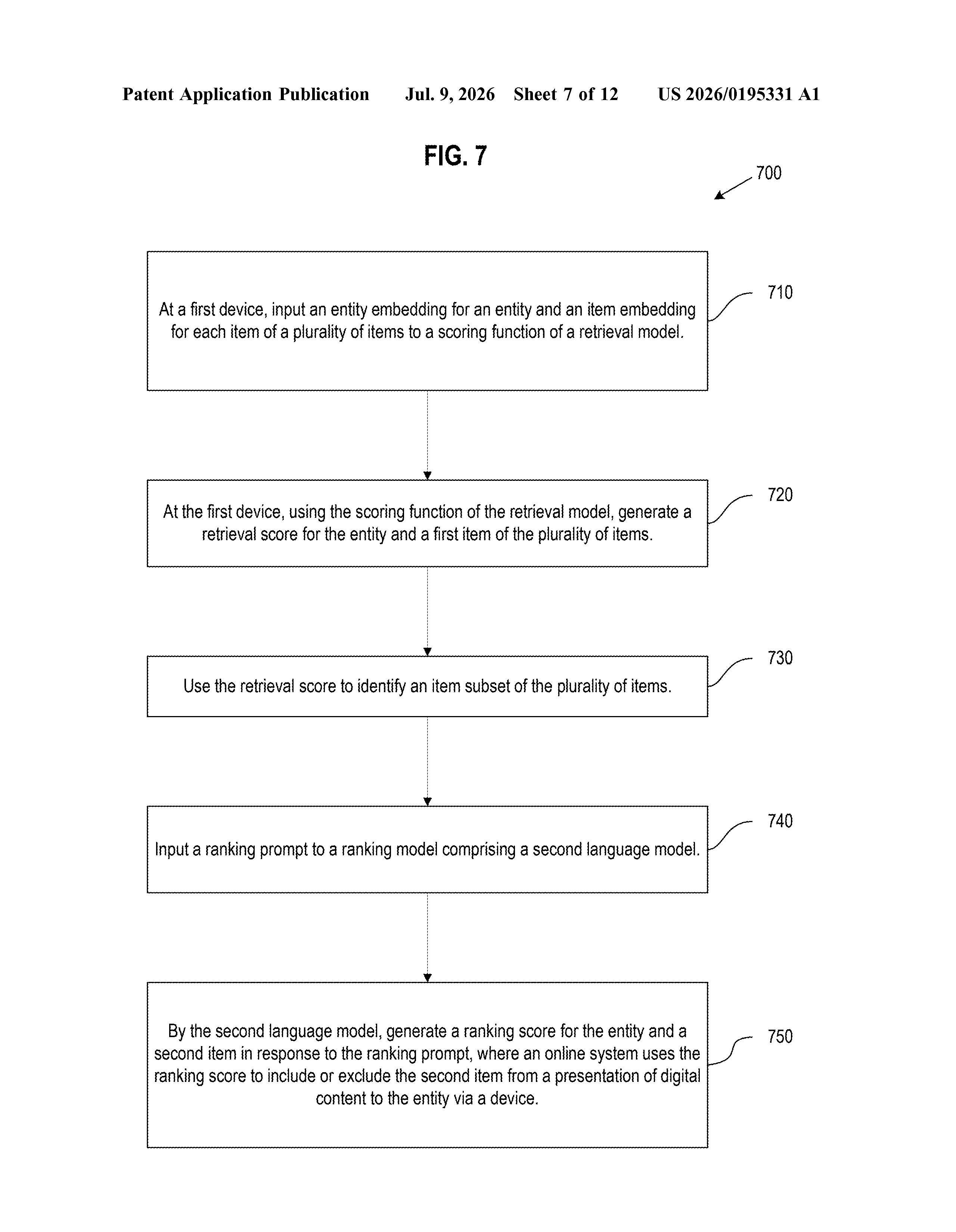
In the first stage, a retrieval model takes pre-computed numeric representations, called embeddings (think of these as compressed fingerprints of a user and a piece of content), and runs them through a scoring function. Because the embeddings are calculated ahead of time on a separate device, this step is extremely fast and can handle millions of items. Items below a score threshold are dropped, leaving a much smaller candidate set.
In the second stage, a ranking model built around a second language model receives a ranking prompt that packages up the candidate items and user context in plain-text form. The language model then generates a finer-grained ranking score for each remaining item, deciding which ones actually appear in the content presentation.
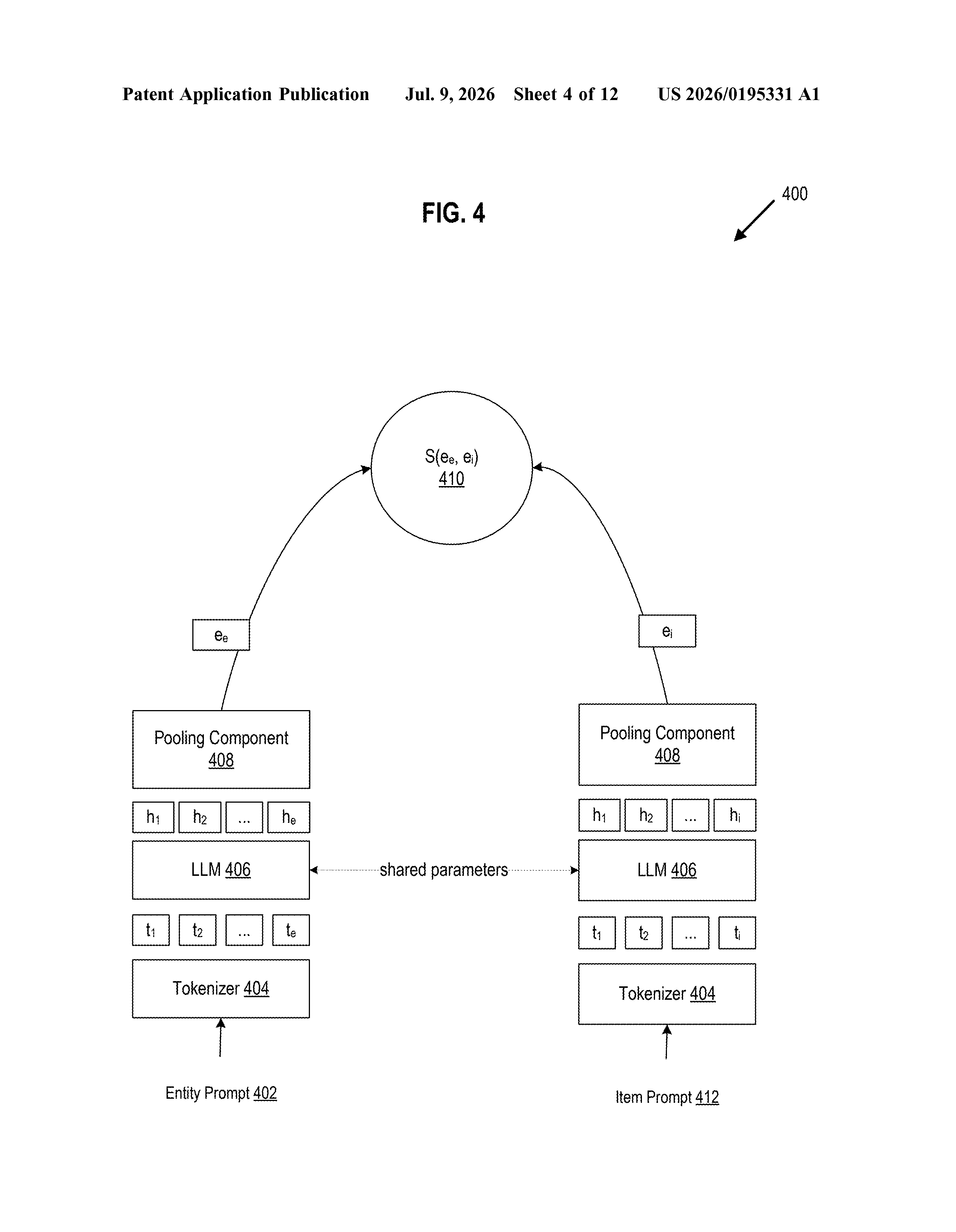
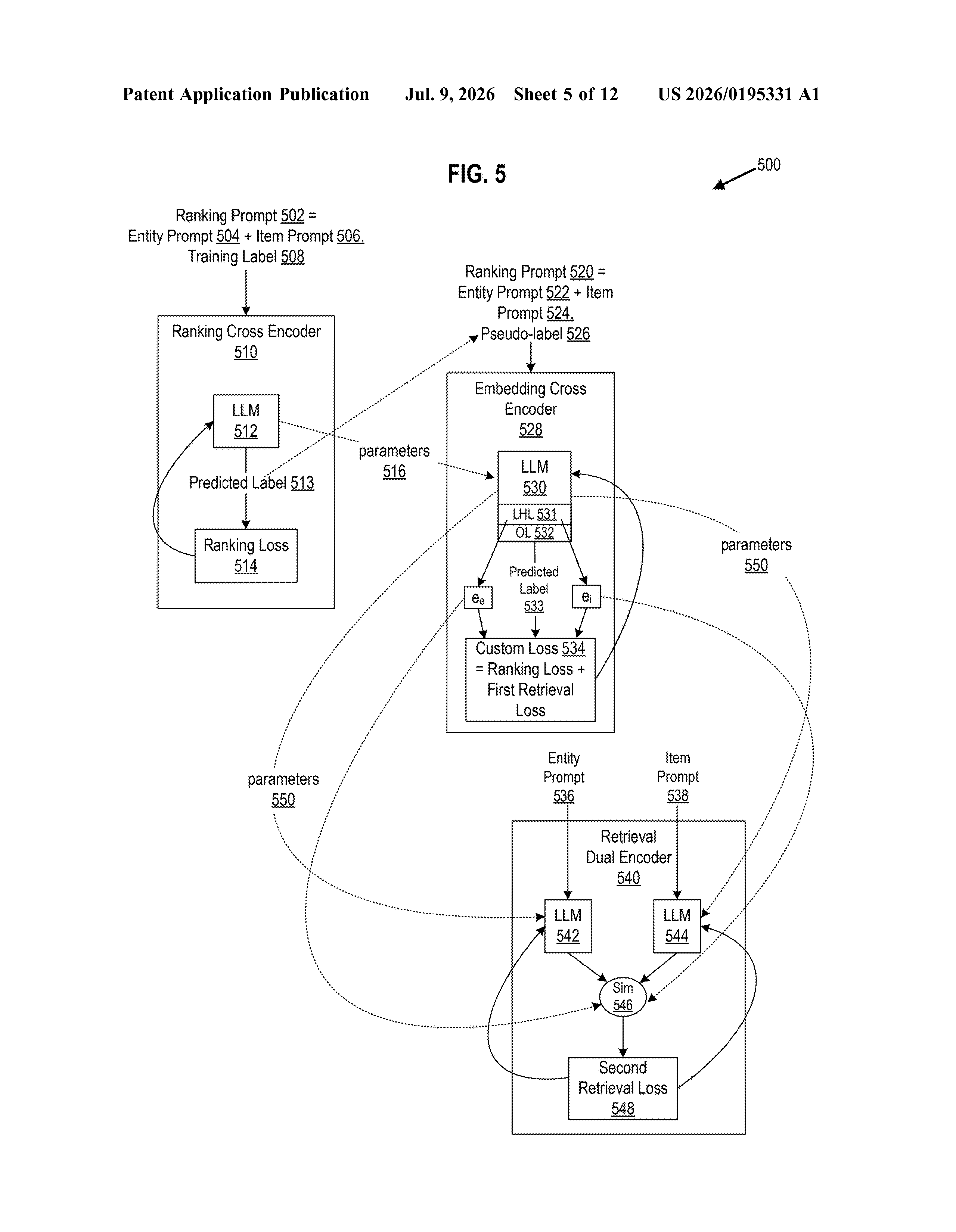
The key architectural detail: both the retrieval language model and the ranking language model share a common parameter value. In practice, this means they were trained from the same base or share weights, keeping them aligned so the fast first stage doesn't throw away items the second stage would have promoted.
What this means for feeds, search, and recommendations
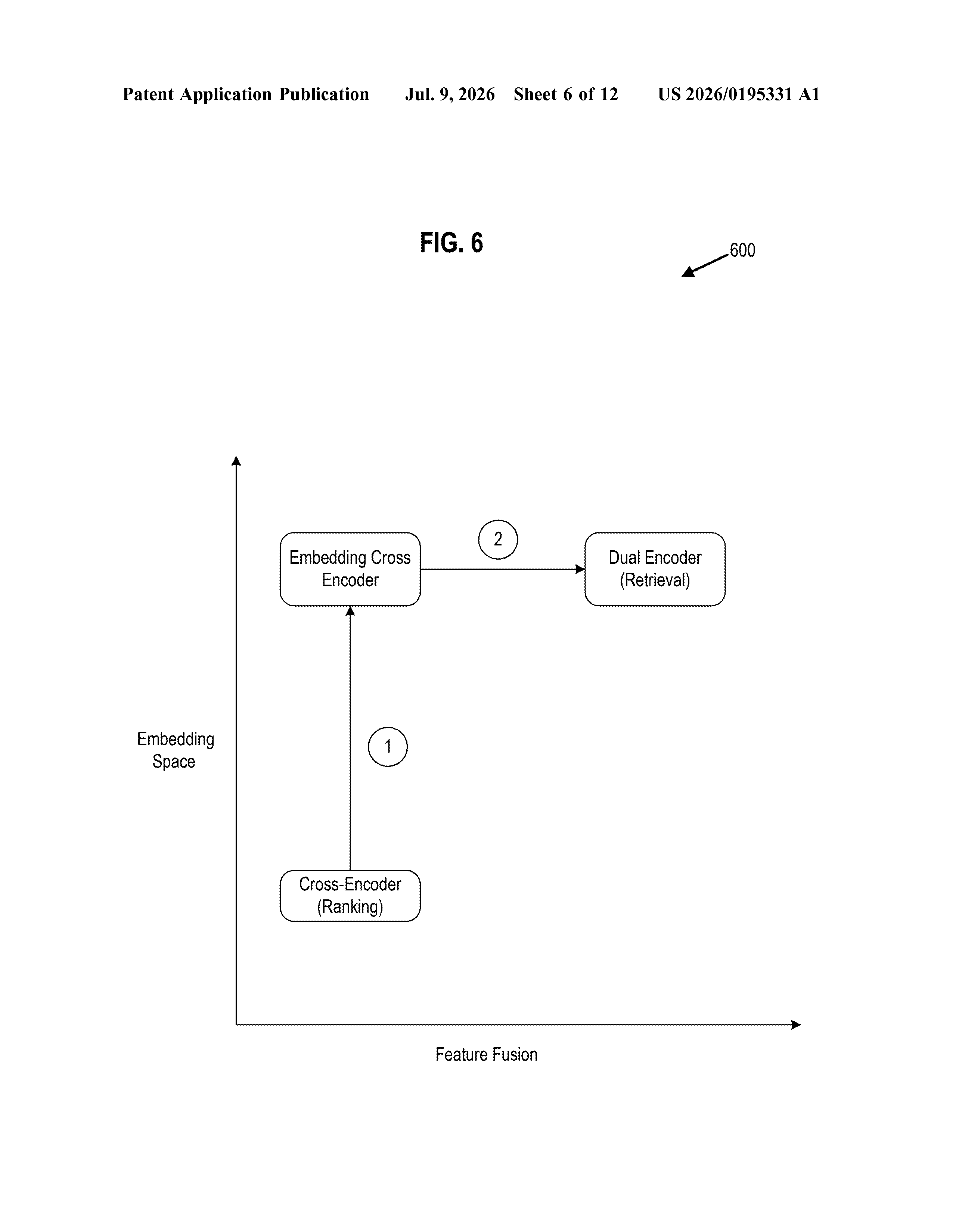
For anyone who uses a social feed, an e-commerce site, or a search engine, this kind of system is what determines what you see first. The trade-off has always been speed versus accuracy: fast retrieval models can process huge libraries instantly but are blunt instruments, while deep language models are more nuanced but too slow to score everything. This patent tries to get both by chaining them together.
Microsoft runs several large content platforms, including LinkedIn, Bing, and the Microsoft Start news feed, all of which depend on exactly this kind of recommendation infrastructure. A shared-parameter design across both stages is a concrete engineering choice that could reduce training costs and keep the two models from working at cross-purposes.
This is a solid infrastructure patent, not a flashy AI demo. The shared-parameter detail between the two models is the only genuinely interesting engineering choice here; the broader two-stage retrieval-then-reranking idea is already well-established in the industry. This looks like Microsoft locking down a specific implementation it's likely running or planning to run on LinkedIn or Bing, rather than staking out entirely new ground.
Get our take in your Top Stories
Liked this breakdown? Add Patentlyze as a preferred source on Google, and our plain-English take shows up more often in your Top Stories the next time Microsoft patent news breaks.
There are more where this came from
We read every patent application Big Tech publishes and send you the ones worth knowing. Plain English, free, every week.
The drawings
12 drawing sheets from US 2026/0195331 A1 · click any drawing to enlarge
Want this weekly breakdown for a company we don't cover? Patentlyze Pro →