
Samsung Patents a Robot That Shakes Its Own Wheels Free When It Gets Stuck
Every robot vacuum owner knows the frustration of finding their machine wedged against a rug fringe or door threshold, spinning helplessly. Samsung's new patent describes a robot that senses when it's stuck and literally shakes itself free.
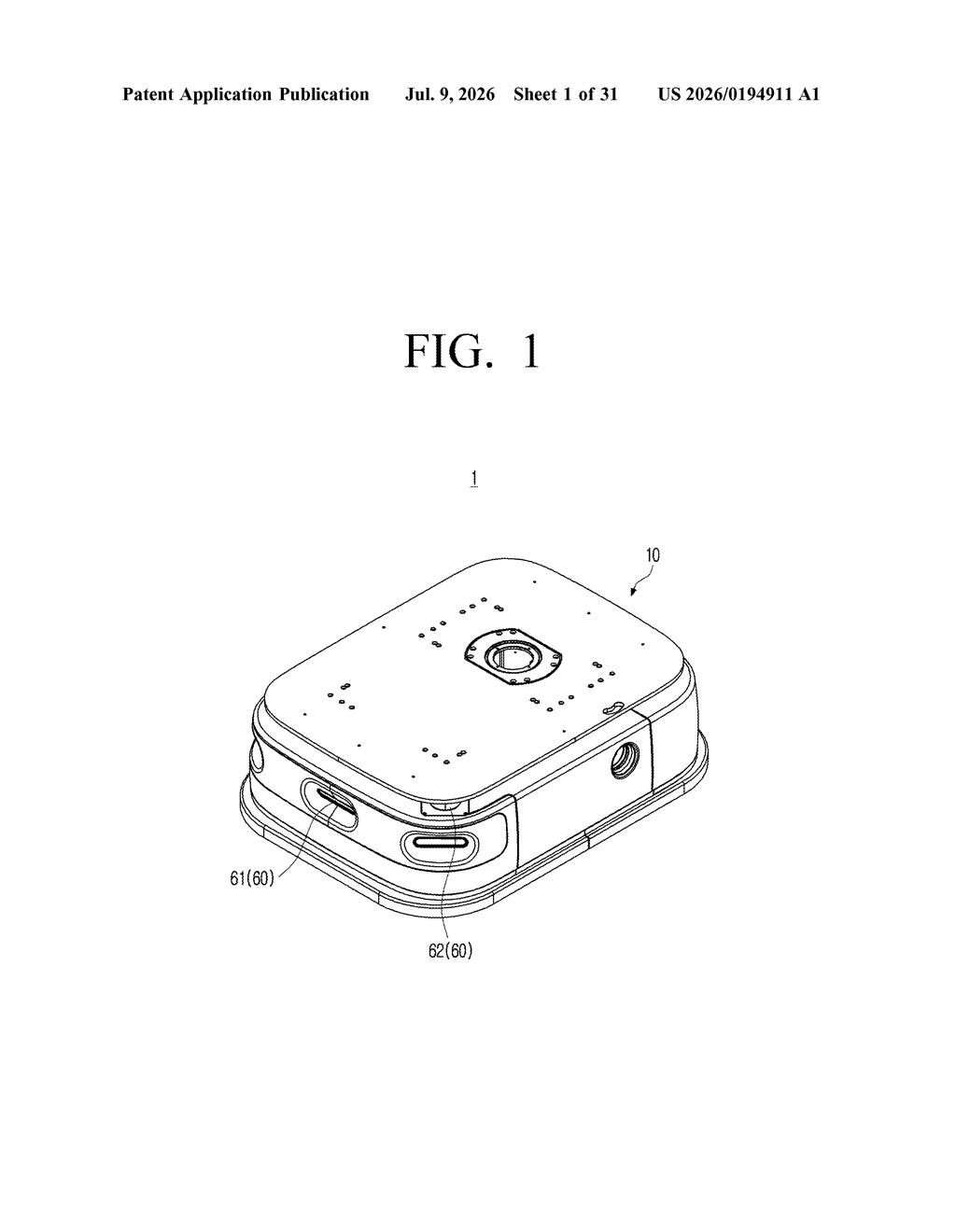
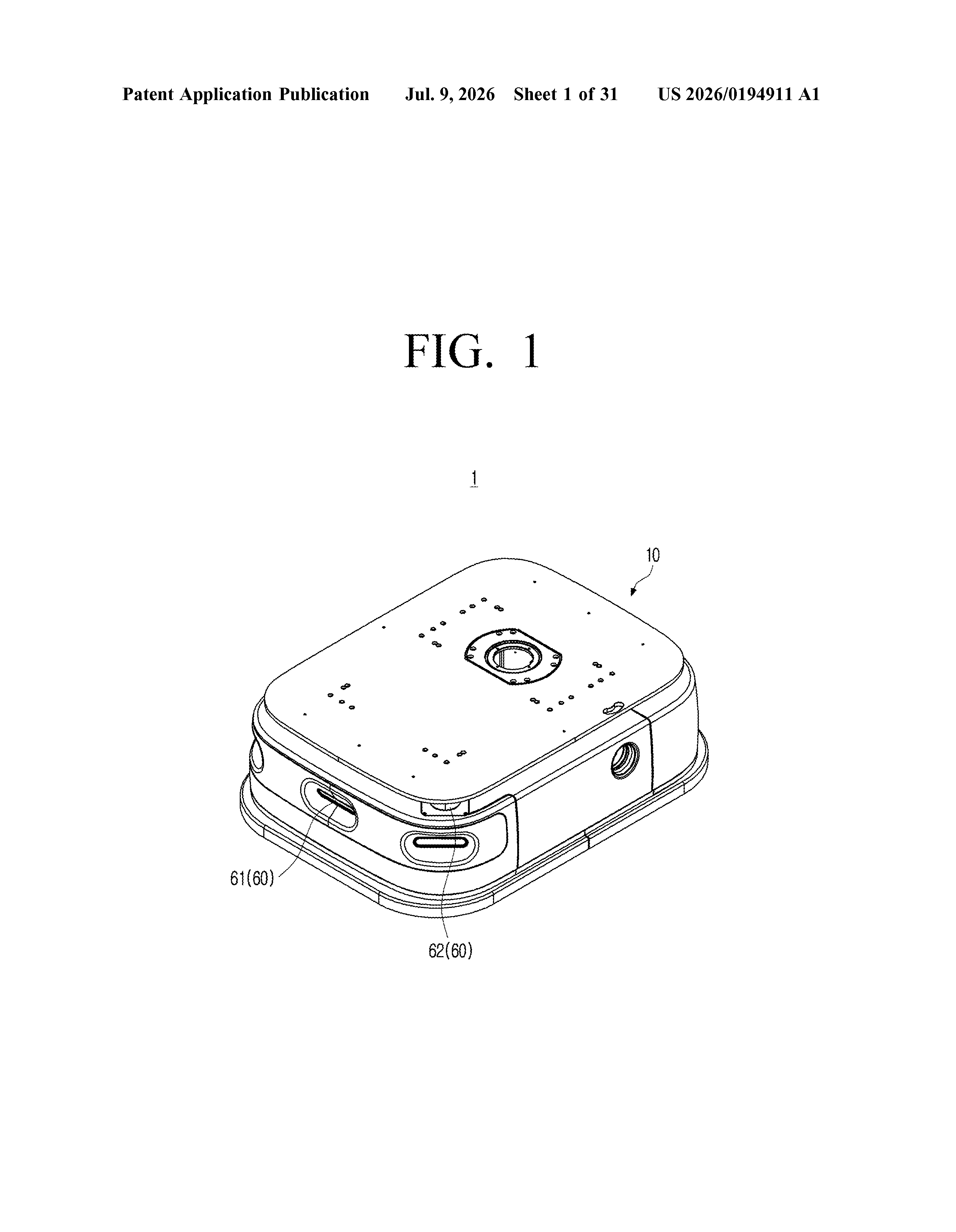
What Samsung's stuck-wheel escape system actually does
Imagine your robot vacuum gets its wheel caught on a thick rug, a cable, or an uneven floor transition. It keeps spinning but goes nowhere. Right now, most robots either give up and beep for help, or blindly reverse and try again.
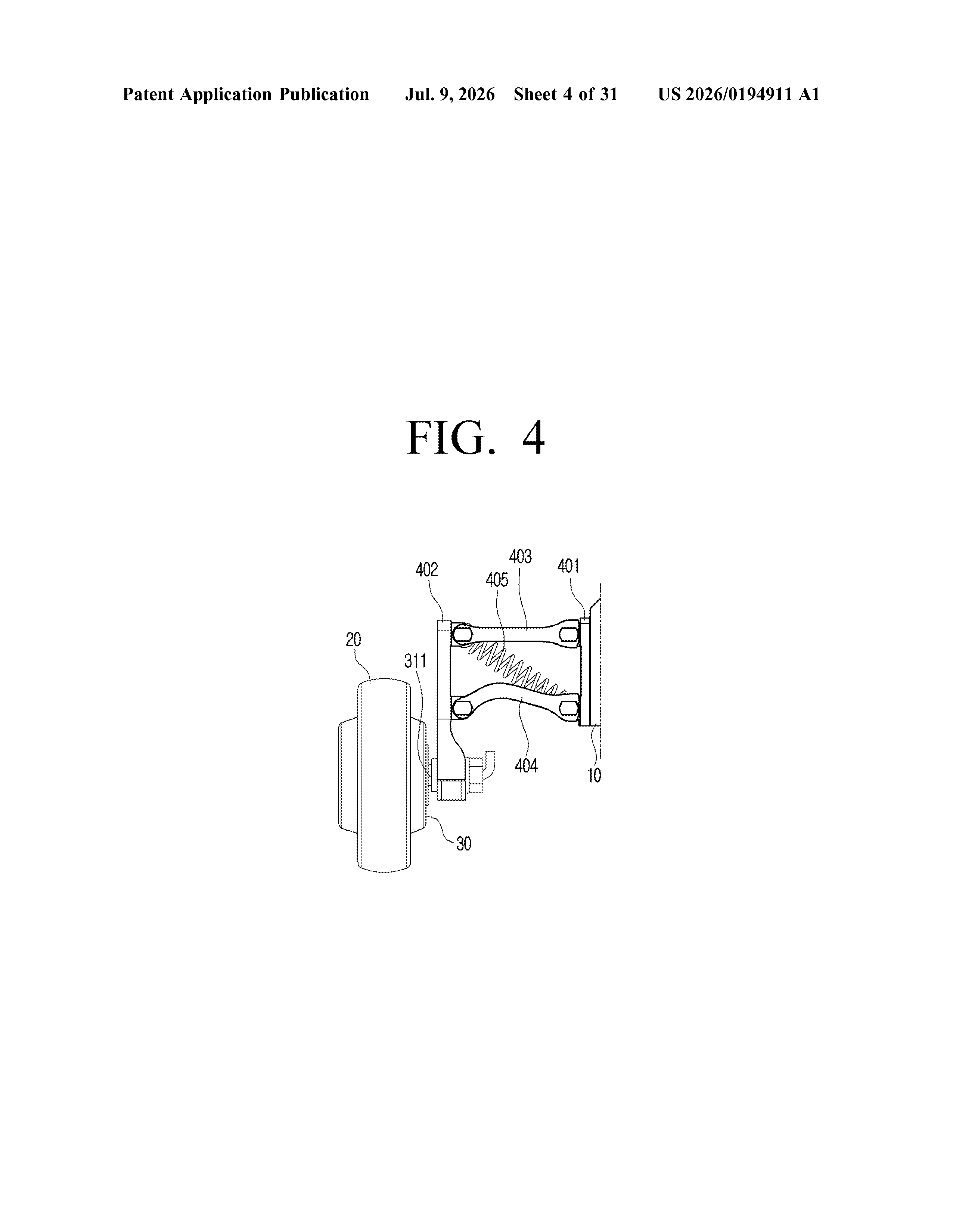
Samsung's patent describes a different approach. The robot checks its sensors to see if it's actually moving the way it expected to. If it isn't, it concludes a wheel is stuck and kicks off a two-step escape: it rapidly vibrates the stuck wheel's motor back and forth, then rotates it in one direction to pull free. The suspension system under the robot's body lets the wheel move up and down slightly, which helps the vibration actually dislodge whatever is trapping it.
Think of it like the way you rock a car tire side to side when it's mired in mud. The robot is doing a mechanical version of that, automatically, without you having to pick it up.
How the robot detects a jam and triggers the vibration escape
The patent covers an autonomous mobile robot with a fairly specific hardware setup designed to make self-rescue possible.
Key components:
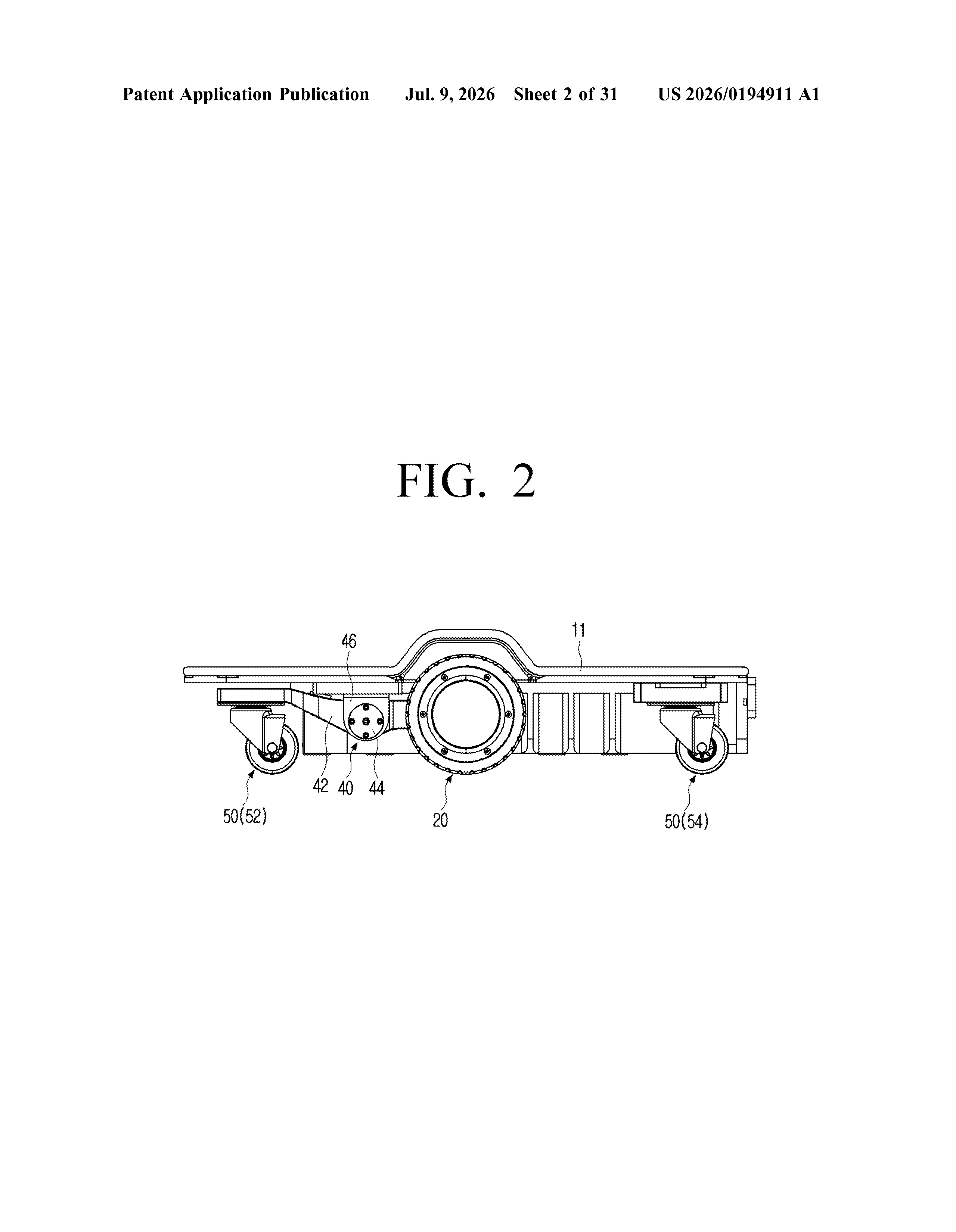
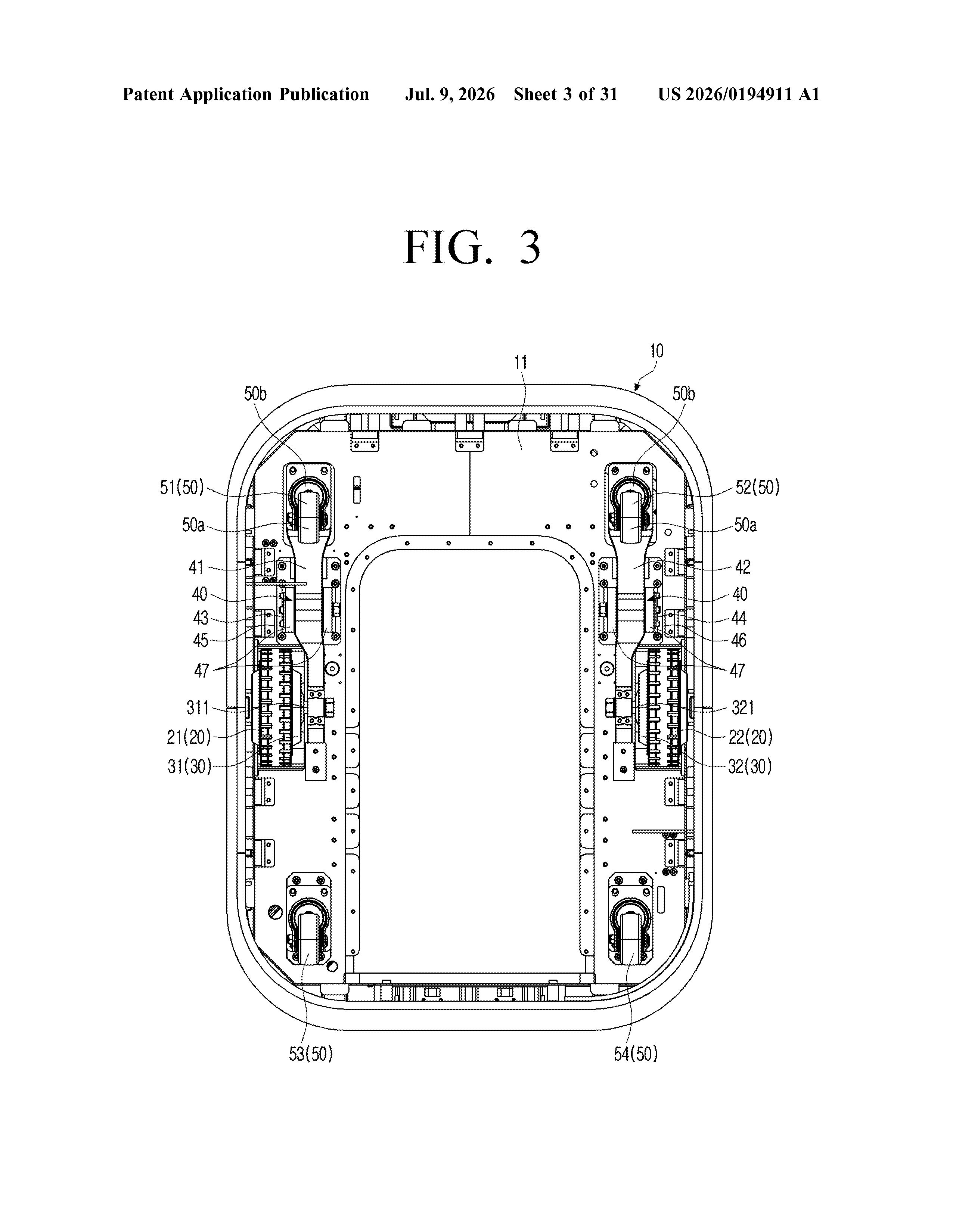
- Drive wheels and individual motors: Each wheel has its own motor, so the robot can control each independently.
- A suspension system: Mounted under the body, it lets each motor and wheel move up and down relative to the robot's frame. This vertical play is what makes vibration effective, since the wheel can physically jostle against terrain rather than just spinning.
- Onboard sensors: These watch the robot's surroundings and its own movement. The processor compares actual movement against the expected path.
When the processor detects a mismatch (the body isn't moving, or it's drifting off the planned route), it concludes at least one wheel is stuck on rough terrain. It then commands that wheel's motor to vibrate rapidly while simultaneously rotating in one direction. The vibration is the key mechanic: by rapidly reversing motor direction in small increments, the wheel oscillates, shifting its grip point and potentially climbing over or dislodging the obstacle.
The patent also implies the processor can isolate which wheel is stuck and act on just that one, rather than throwing all motors into the escape routine at once.
What this means for home robots crossing rugs and thresholds
Home robots increasingly handle tasks beyond simple floor vacuuming, including delivery, pet monitoring, and household assistance. As they take on more complex routes through real homes, getting stuck on transitions between flooring types, tangled cords, or thick rugs becomes a real reliability problem. A robot that has to stop and wait for a human to intervene isn't very autonomous.
This patent points to Samsung engineering self-recovery directly into the hardware and control loop, not just adding a "stuck" error notification to an app. For consumers, that means fewer interruptions. For Samsung's robot lineup, it's a credibility argument: a machine that can handle your actual house, not just an obstacle-free demo floor.
This is a practical, specific engineering solution to a real and annoying problem, not a flashy AI concept. The combination of a compliant suspension with motor-vibration escape logic is genuinely clever, and it addresses something that frustrates real users today. Whether it ships in Samsung's next Jet Bot or a future general-purpose home robot is unclear, but this is the kind of unglamorous detail that separates reliable robots from ones that collect dust after two weeks.
There are more where this came from
We read every patent application Big Tech publishes and send you the ones worth knowing. Plain English, free, every week.
The drawings
31 drawing sheets from US 2026/0194911 A1 · click any drawing to enlarge
Want this weekly breakdown for a company we don't cover? Patentlyze Pro →