
Nvidia Patents a System That Scrubs Raw Video Into AI Training Fuel
Before an AI can learn to predict what happens next in the real world, someone has to teach it using good video. Nvidia's new patent is about the system that decides which video is good enough to use.
What Nvidia's video training pipeline actually does
Imagine trying to teach a student by feeding them millions of YouTube clips, some blurry, some watermarked, some filmed in a dark closet, some showing nothing but a static logo. The student would learn a lot of noise alongside the useful stuff. That's the problem Nvidia is solving here.
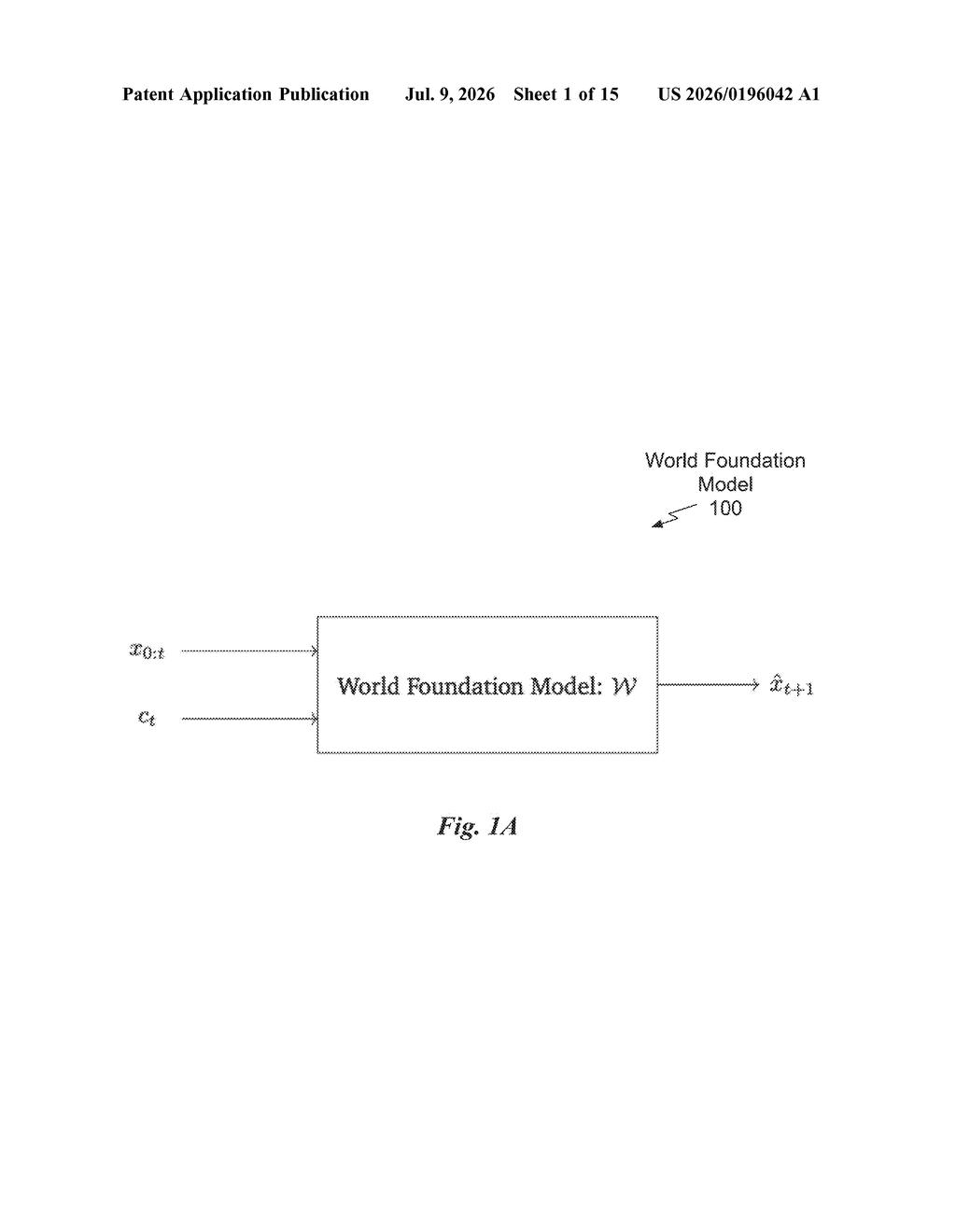
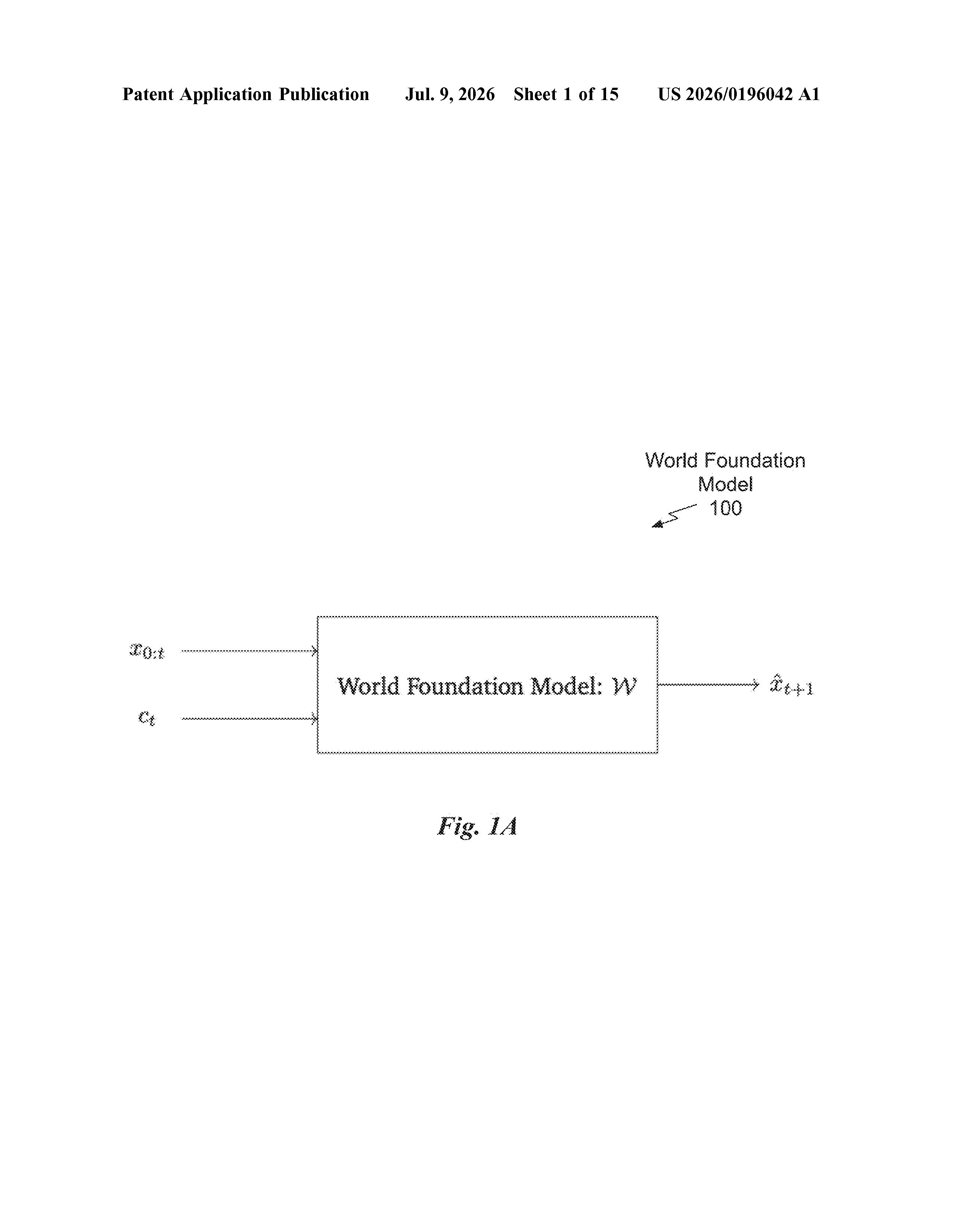
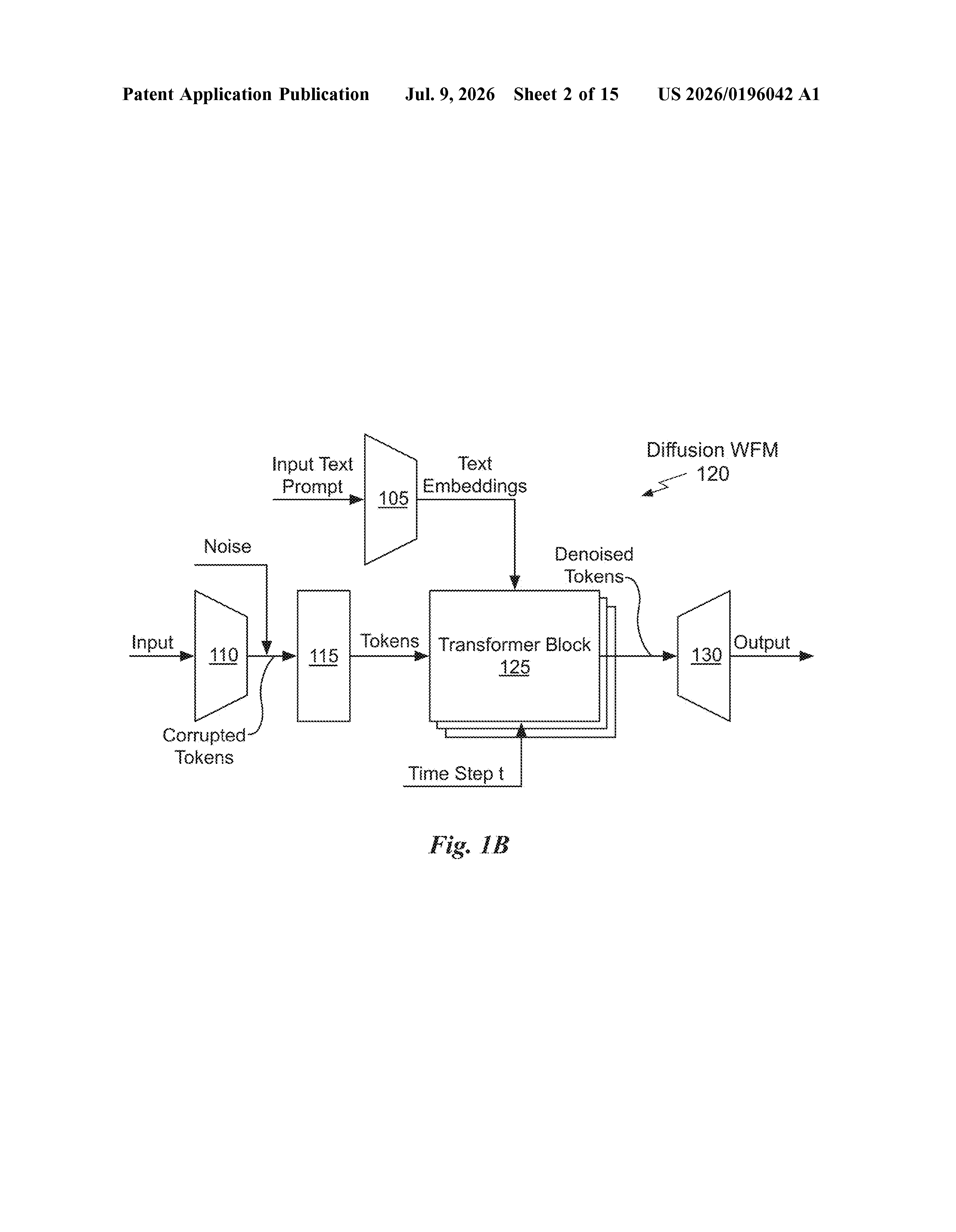
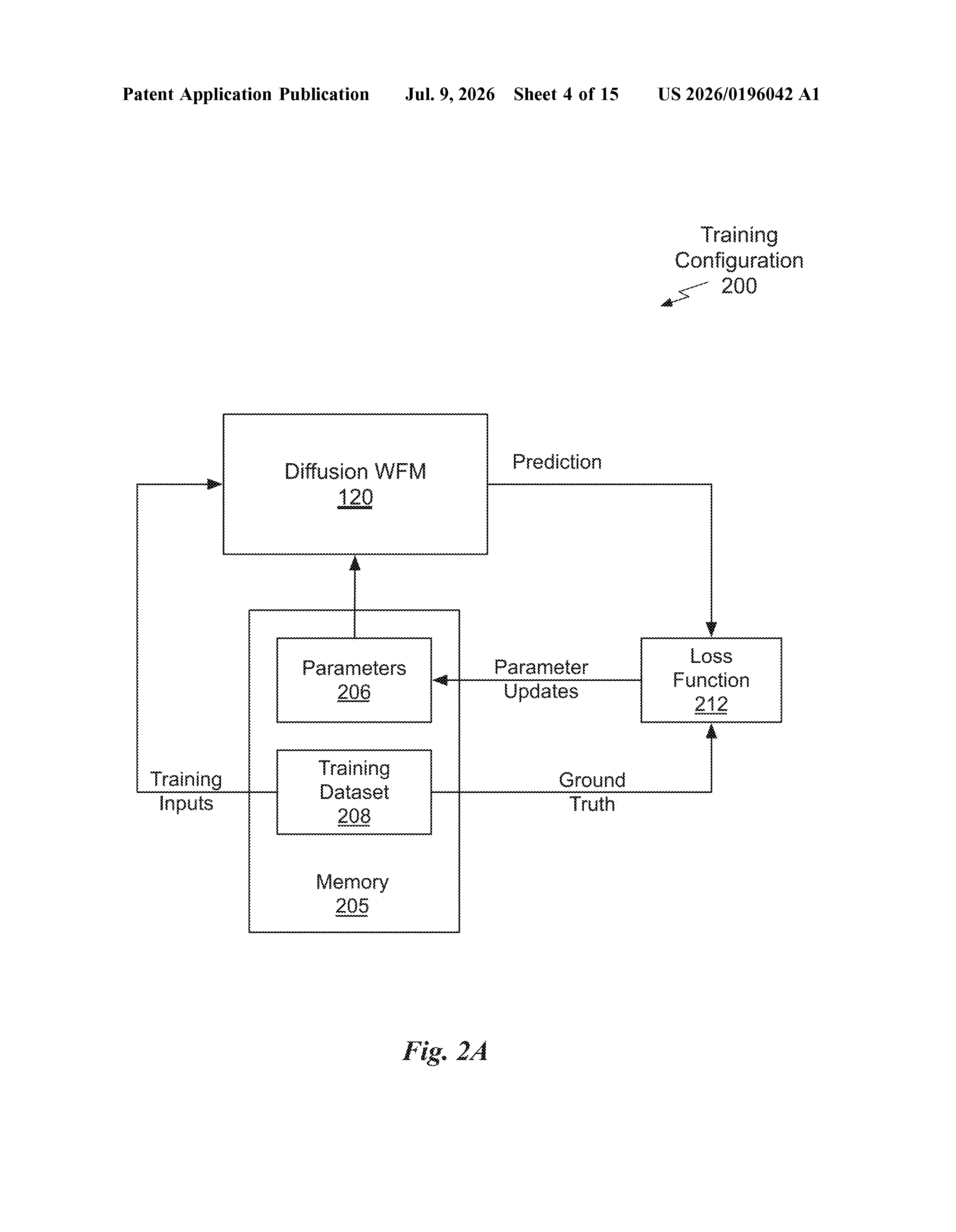
Nvidia is building AI systems it calls world foundation models, which are AI systems trained to watch a short video and predict what would happen next, physically accurately. Think of it as teaching a computer to imagine the future. But training those models requires massive amounts of clean, diverse, high-quality video.
This patent covers the automated sorting system that sits upstream of that training. It scans through huge libraries of video clips and scores each one for motion variety, visual quality, content type, and whether it has watermarks or logos baked in. Clips that don't meet the bar get cut. Only the ones that pass go into the actual training set.
How the pipeline scores and filters each video clip
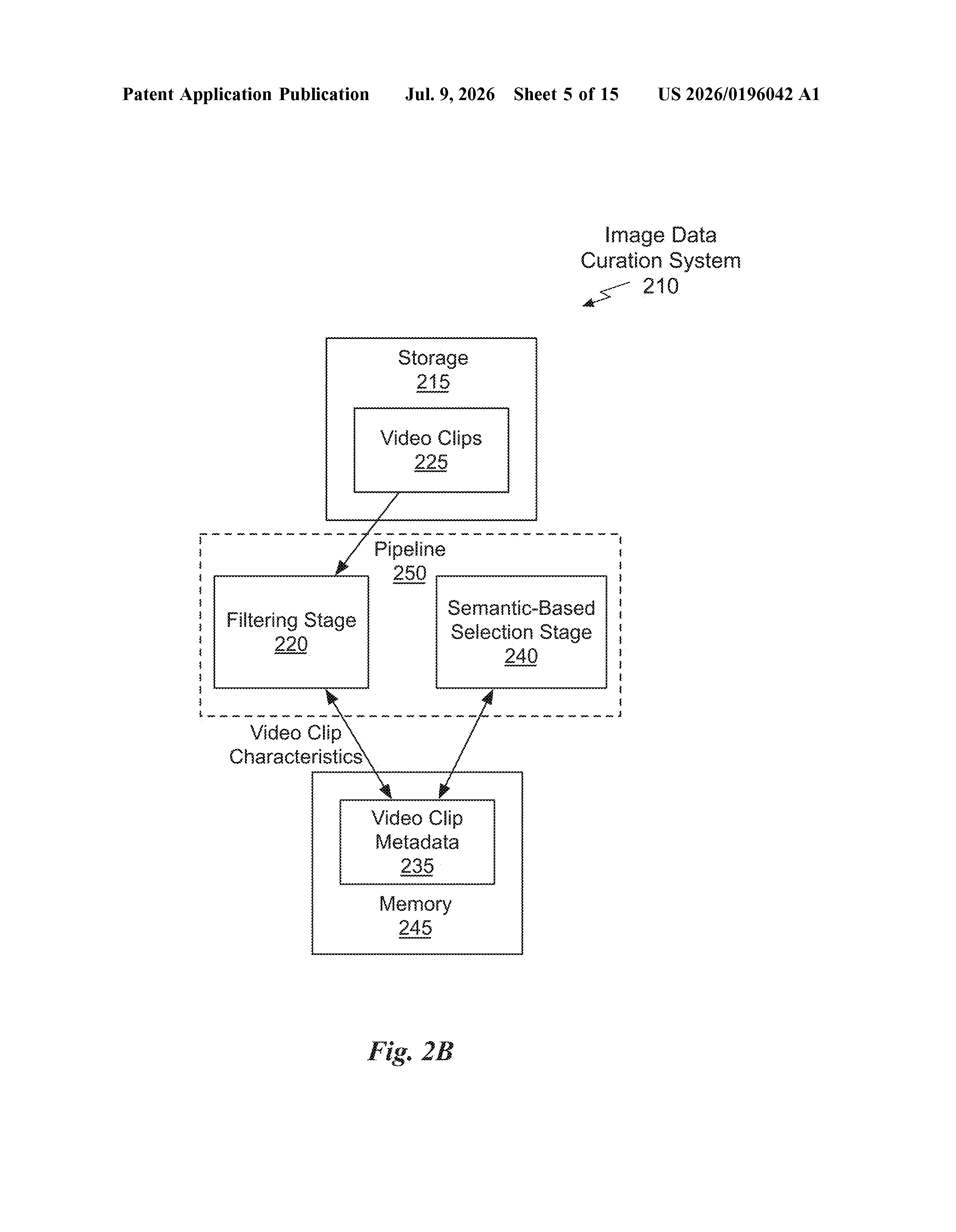
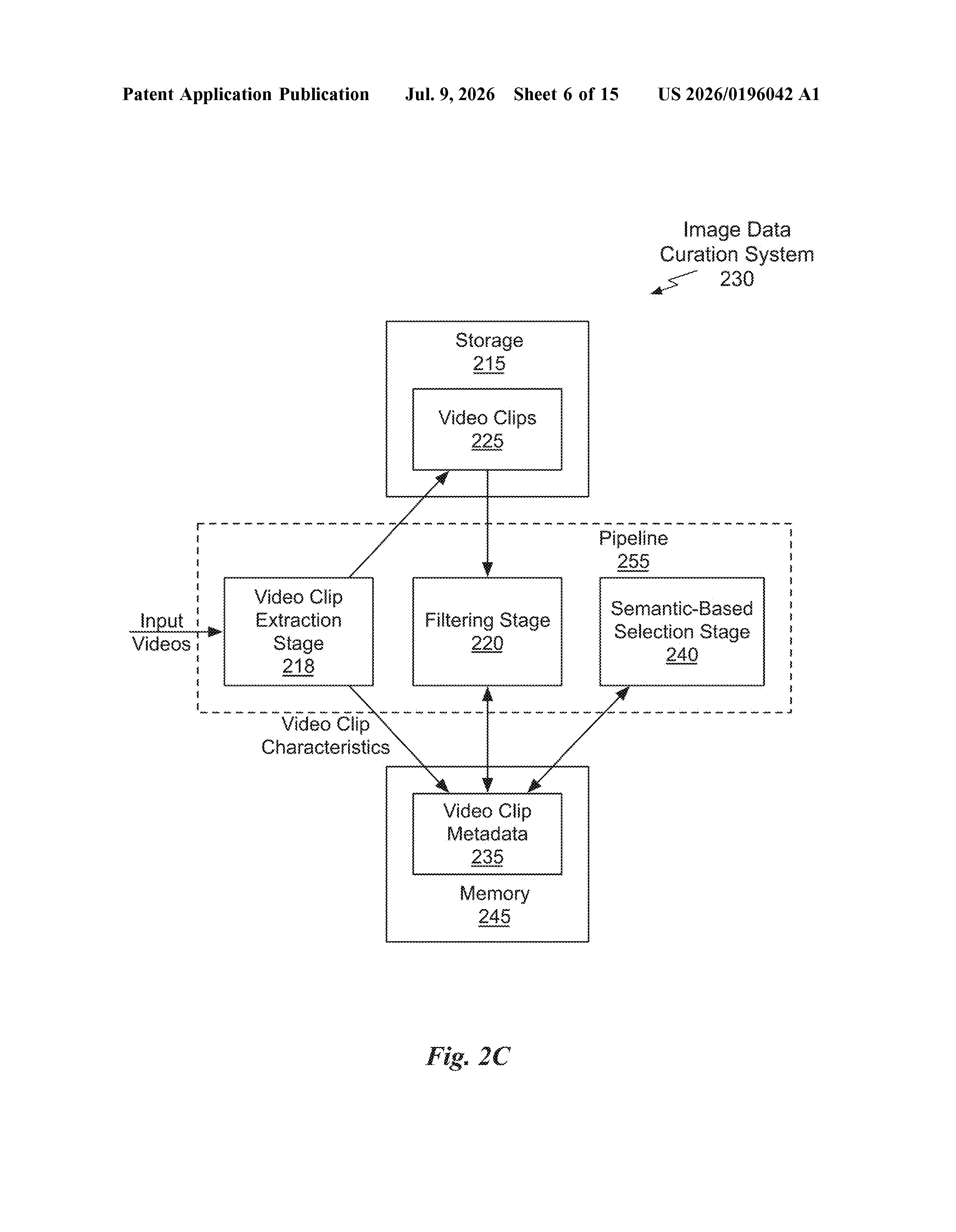
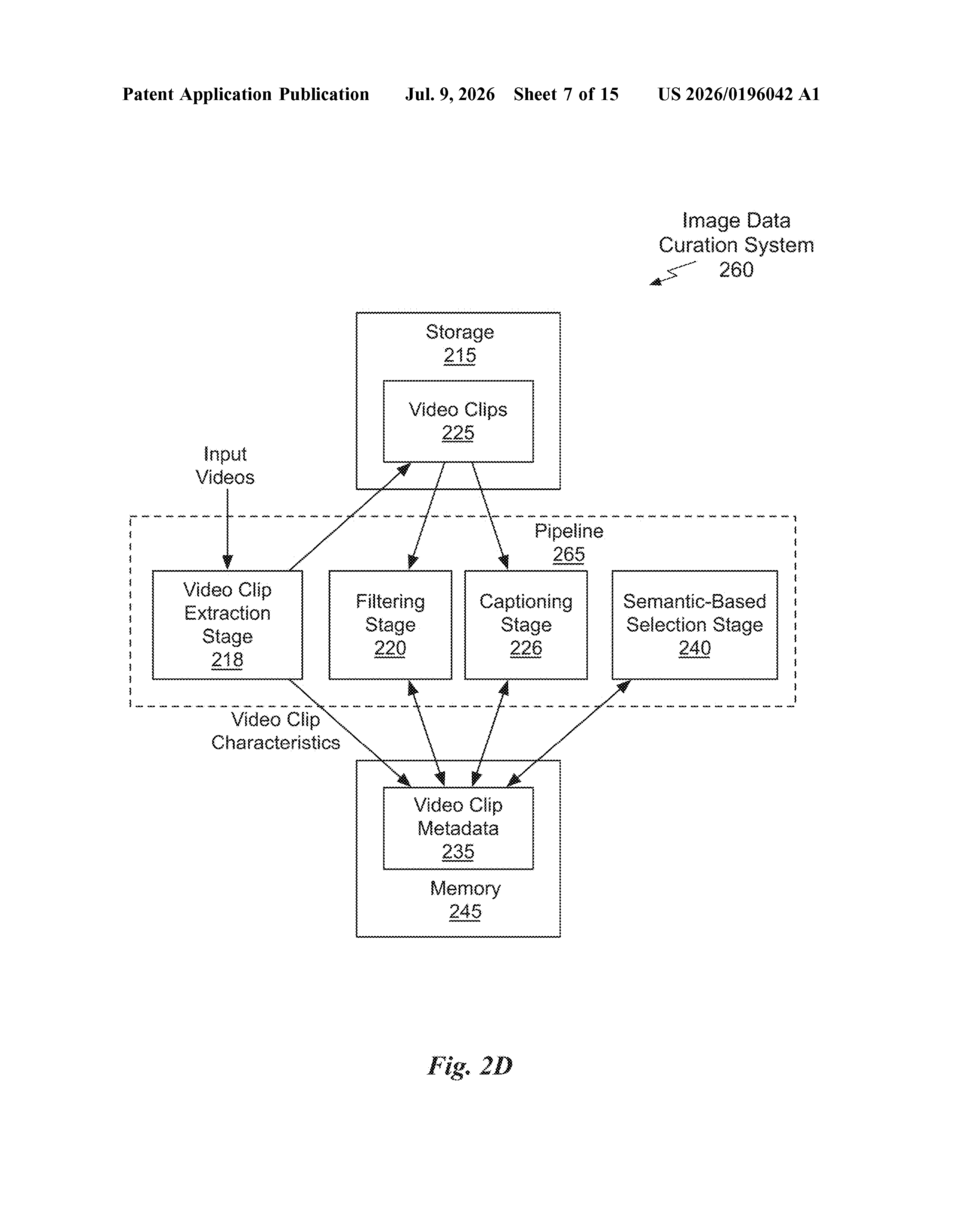
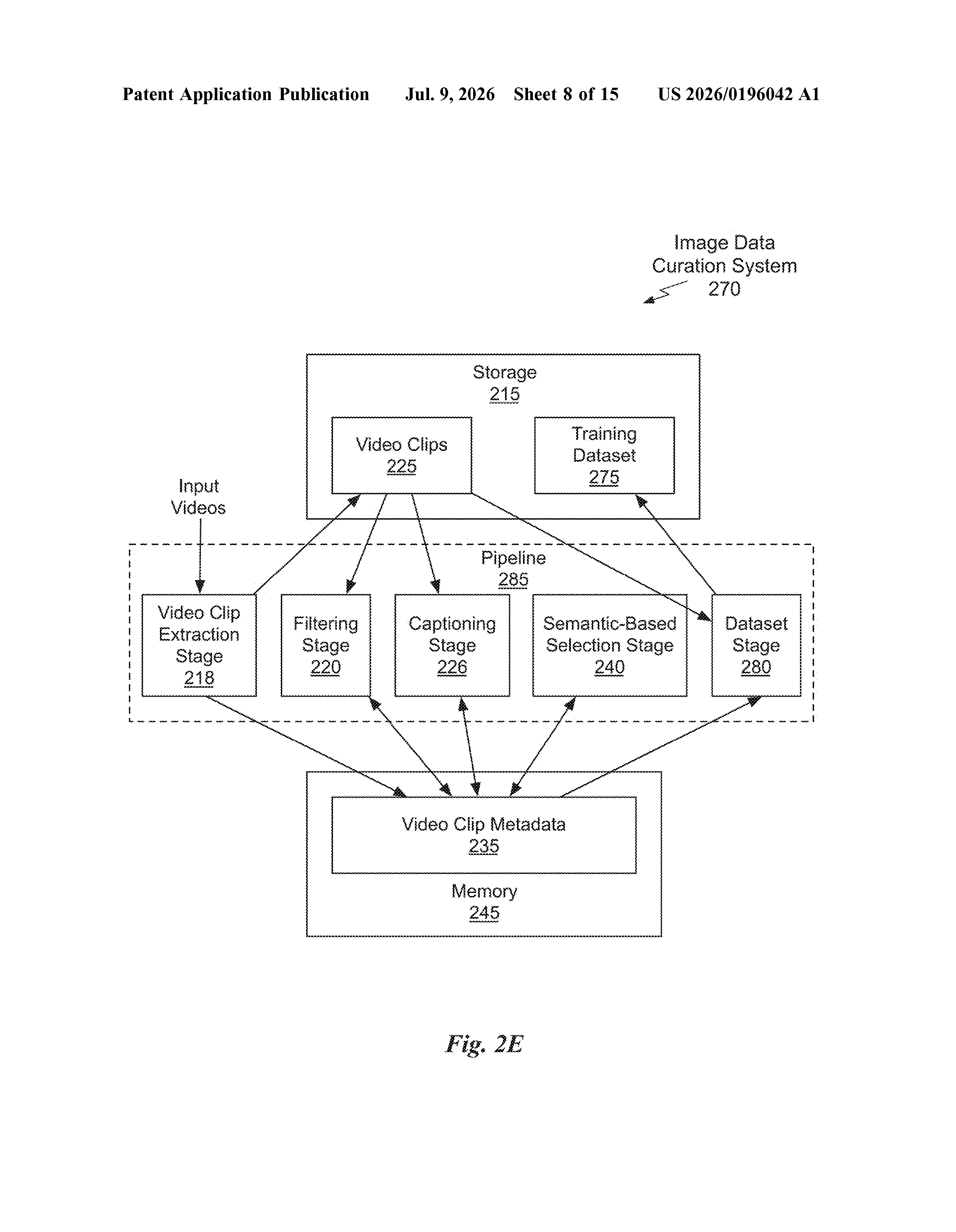
The patent describes a data curation pipeline, essentially a multi-stage automated filter that processes raw video before it is used to train Nvidia's world model AI systems.
Each video clip passes through several analysis steps:
- Motion estimation: measuring how much and what kind of movement is in the clip, so the AI learns from dynamic, varied footage rather than static scenes
- Watermark detection: flagging or removing clips that carry branded overlays or copyright marks that could corrupt what the model learns
- Visual quality analysis: scoring sharpness, exposure, and overall watchability using what the patent calls an aesthetic score
- Segmentation: identifying what objects or regions appear in the frame, so clips can be tagged by content type
Once each clip has been tagged with those characteristics, a selection step picks which clips actually make it into the final training dataset. Clips that score poorly on quality, lack meaningful motion, or carry unwanted visual artifacts are removed.
The pipeline is explicitly designed to scale, meaning it is built to handle extremely large volumes of raw footage, not just a few thousand hand-picked clips.
What this means for AI that simulates the real world
Nvidia's world foundation models are designed to simulate physical reality well enough to be useful in robotics, autonomous vehicles, and scientific simulation. The quality of what those models learn is directly constrained by the quality of the video they train on. A pipeline that can reliably filter millions of hours of footage down to a clean, diverse training set is a meaningful piece of that infrastructure.
This is the kind of unglamorous plumbing that rarely gets attention but determines whether the end product works. If you ever use a self-driving car or a robot that navigates your home, the video curation system described here is part of what made it possible to train the AI inside it.
This patent is not about a flashy model or a new AI capability, it is about the data factory that makes those capabilities possible. Data quality pipelines are well understood in the industry, but Nvidia publishing this specifically in the context of physical-world simulation AI signals that it is serious about building the full stack, not just the model architecture. That is worth paying attention to.
Get our take in your Top Stories
Liked this breakdown? Add Patentlyze as a preferred source on Google, and our plain-English take shows up more often in your Top Stories the next time Nvidia patent news breaks.
There are more where this came from
We read every patent application Big Tech publishes and send you the ones worth knowing. Plain English, free, every week.
The drawings
15 drawing sheets from US 2026/0196042 A1 · click any drawing to enlarge
Want this weekly breakdown for a company we don't cover? Patentlyze Pro →