
Nvidia Patents a System That Finds Your Tagged Objects in Video While It's Still Recording
Instead of hunting through hours of footage after the fact, Nvidia is patenting a way for cameras to flag the exact frames containing objects you care about while recording is still happening.
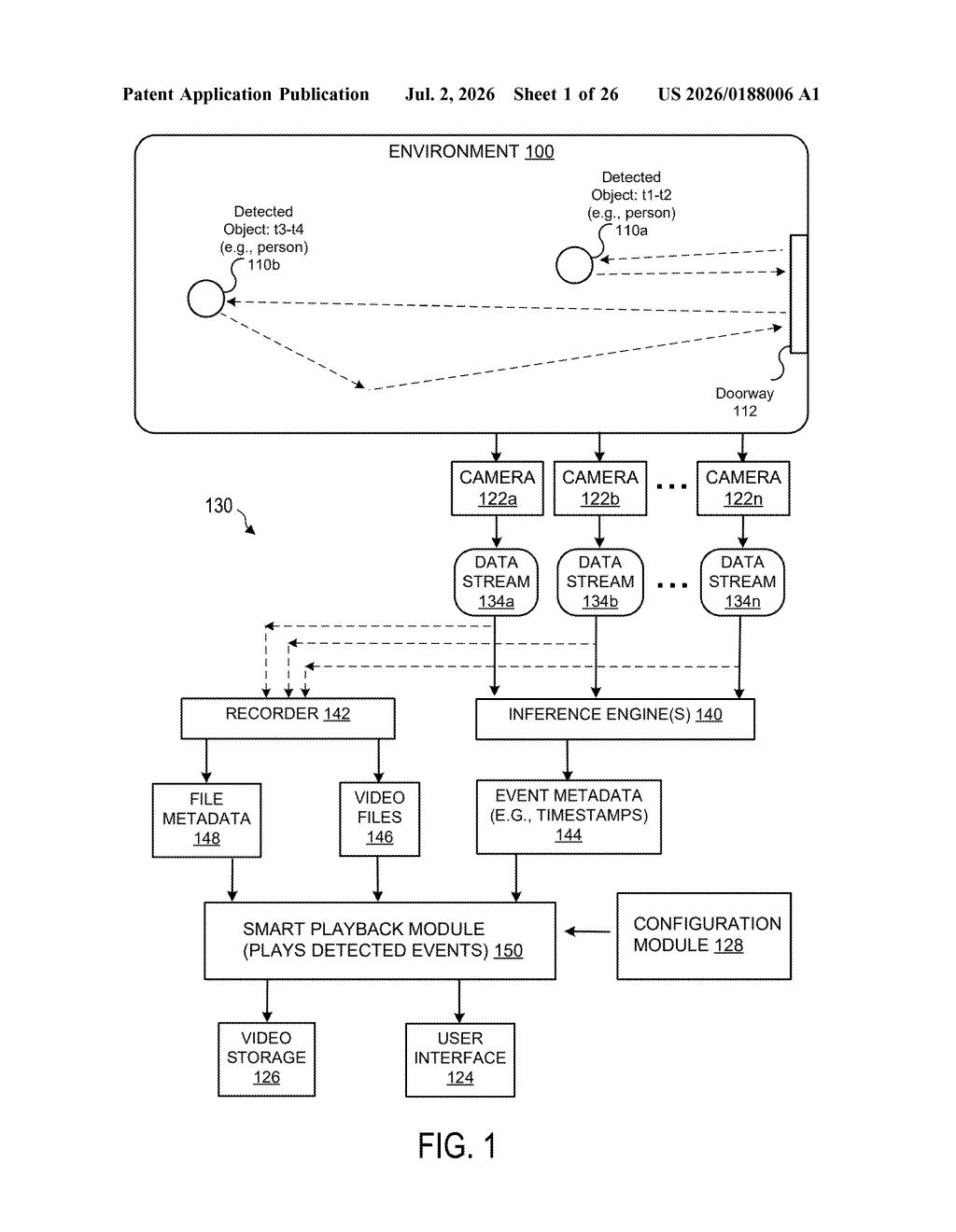
What Nvidia's real-time object detection patent actually does
Imagine you set up a camera to record a long sports match, but you only want the clips where a specific player is on screen. Right now, you'd have to scrub through all that footage yourself afterward. Nvidia's patent describes a way to skip that step entirely.
The idea is simple: you tell the system which objects matter to you before or during recording, and an AI watches the incoming video frames in real time, flagging the ones that actually contain those objects. No post-processing queue, no waiting until the recording ends.
The practical result is that your camera (or the processor running behind it) hands you a pre-filtered set of clips the moment you stop recording, saving you the tedious work of finding the moments that matter.
How the neural network scans frames during live recording
The patent describes a processor-level system where one or more neural networks analyze incoming video frames during recording, not after. The key distinction is the timing: the identification happens while the camera is actively capturing footage, which means the system has to process frames fast enough to keep up with the video stream.
Users identify one or more objects of interest ahead of time. The neural network then watches each frame as it arrives and marks which frames contain those objects. Think of it as a real-time filter layer sitting between the camera sensor and storage.
- Input: live video frames from one or more cameras
- Reference: one or more objects specified by the user
- Output: frames flagged as containing those objects, produced during recording
The claim is broad enough to cover multiple cameras, multiple objects, and multiple users simultaneously. The patent doesn't specify the exact neural network architecture used, which keeps the claim wide and applicable to a range of hardware deployments, from edge cameras to server-side pipelines.
What this means for video search and camera AI
For anyone working with large volumes of video footage (security cameras, sports production, wildlife monitoring, dashcams), the bottleneck has always been review time. Doing the object-detection work during recording rather than after compresses a multi-hour review task into something that finishes the moment the camera stops.
For Nvidia specifically, this sits squarely in the territory of its Jetson edge AI hardware and its broader video analytics business. A patent like this could anchor software features for embedded camera systems or cloud video processing platforms where fast, on-the-fly indexing of footage is worth real money to enterprise customers.
This is a practical, unsexy patent that solves a real problem: footage review is a grind, and doing the classification work earlier in the pipeline is the obvious fix. The claim is written broadly, which is standard practice, but the core idea is clear and useful. It won't make headlines, but it's the kind of infrastructure patent that ends up in every smart camera product Nvidia touches.
Get our take in your Top Stories
Liked this breakdown? Add Patentlyze as a preferred source on Google, and our plain-English take shows up more often in your Top Stories the next time Nvidia patent news breaks.
There are more where this came from
We read every patent application Big Tech publishes and send you the ones worth knowing. Plain English, free, every week.
Want this weekly breakdown for a company we don't cover? Patentlyze Pro →