
Nvidia's New Patent Teaches AI to Simulate the Physical World So Robots Don't Have to Learn the Hard Way
Nvidia is patenting a way to train an AI that can watch a scene, read a text description, and then generate a video of what happens next, including how physical objects move and interact. The goal isn't entertainment: it's teaching robots and self-driving cars to understand the world without putting them in it.
What Nvidia's world-simulation AI actually generates
Imagine you want to train a robot to navigate a warehouse, but you can't afford to have it bump into shelves for months. What if you could show it thousands of hours of simulated video instead, video that looks and behaves like the real world?
That's essentially what this patent describes. Nvidia is building an AI model that takes a few frames of a scene, plus a text description of what should happen next, and generates a realistic video continuation. The physics stay consistent: objects don't teleport, perspectives hold up, and motion flows naturally from one frame to the next.
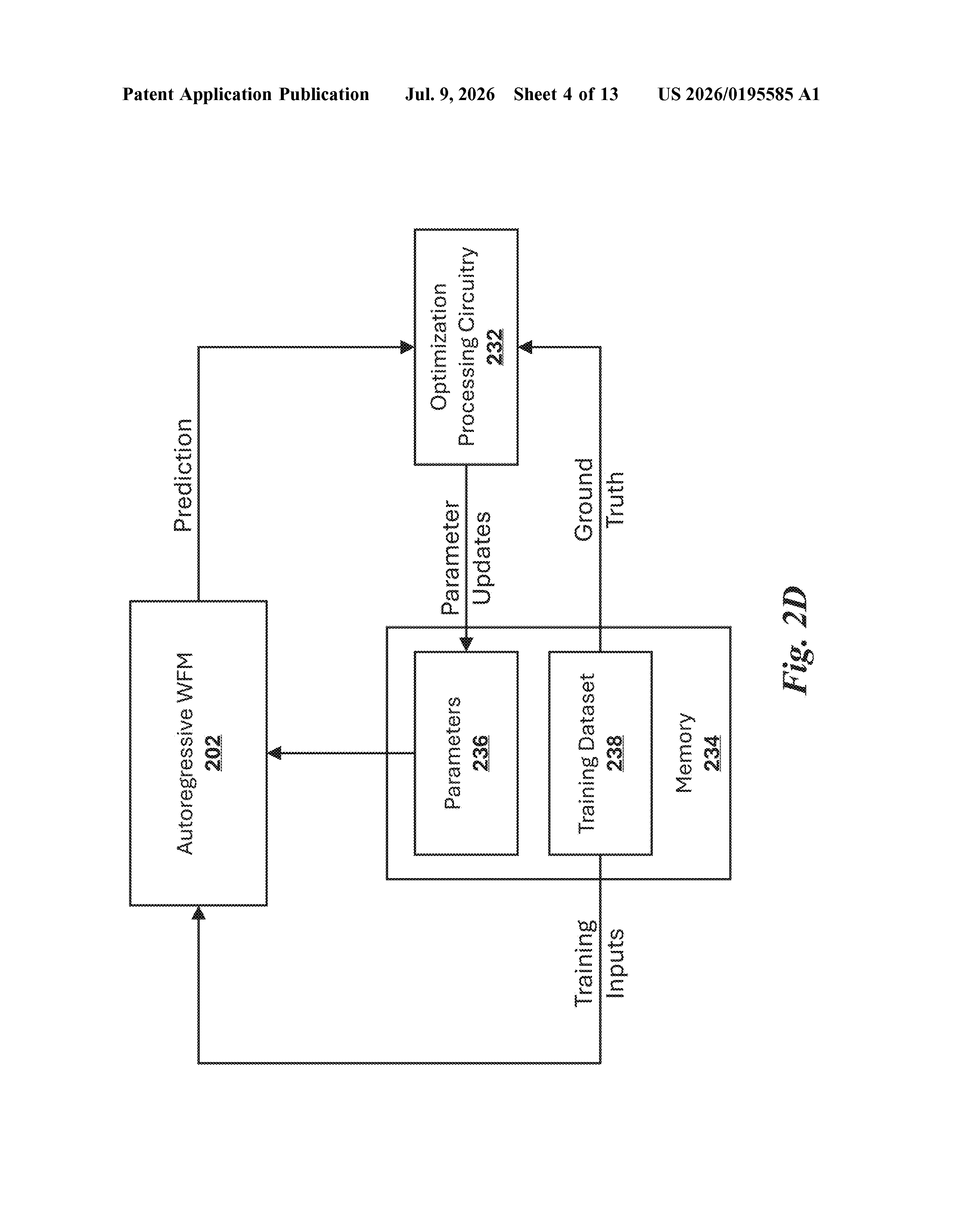
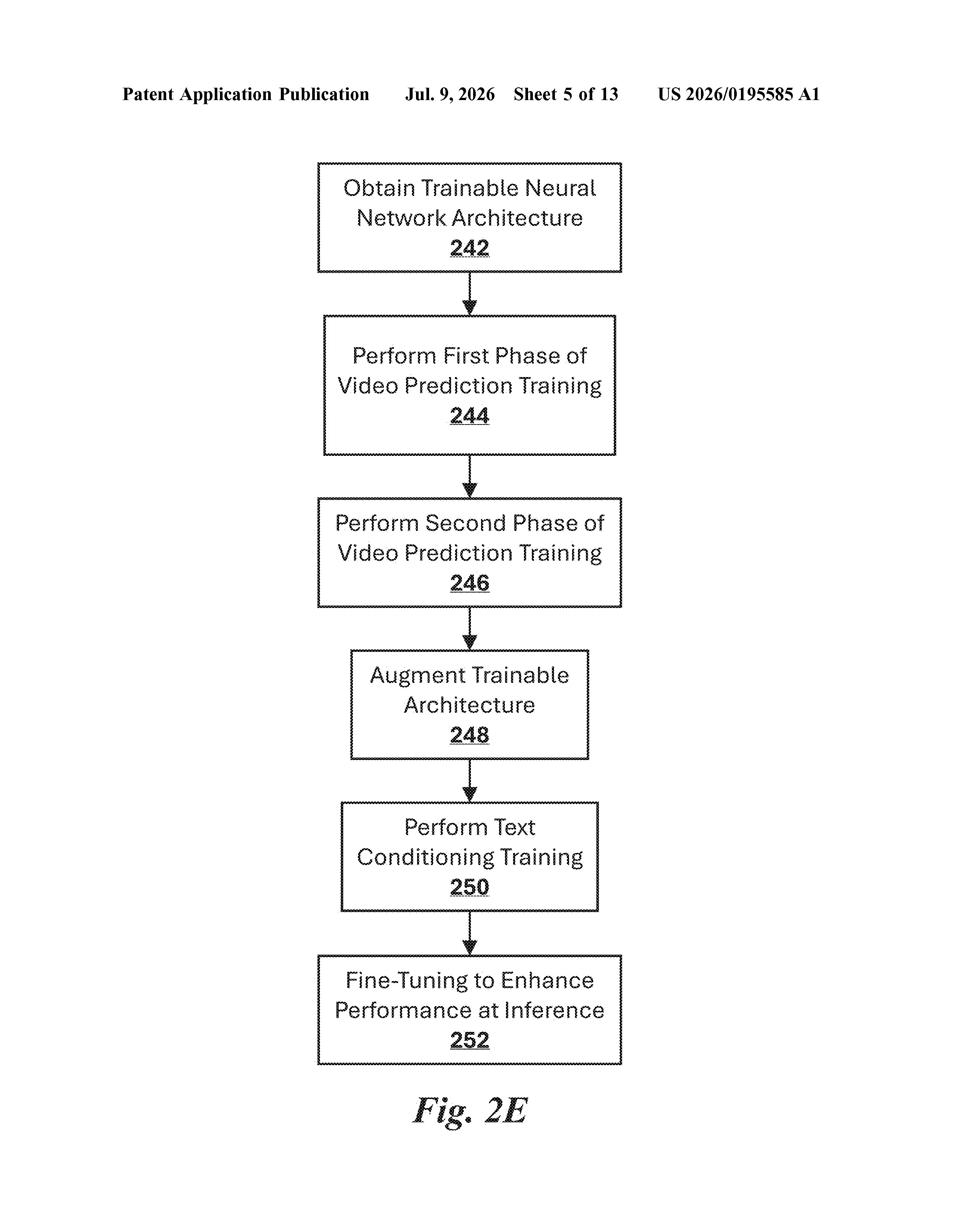
The training happens in two steps. First, the model learns to predict how a video continues on its own, just from watching footage. Then Nvidia adds a second layer that lets the model accept text instructions, so you can say 'a car turns left' and the simulation will show exactly that. This combination is what Nvidia calls a World Foundation Model, an AI that understands physical cause and effect well enough to simulate it.
How the model learns video physics, then adds text control
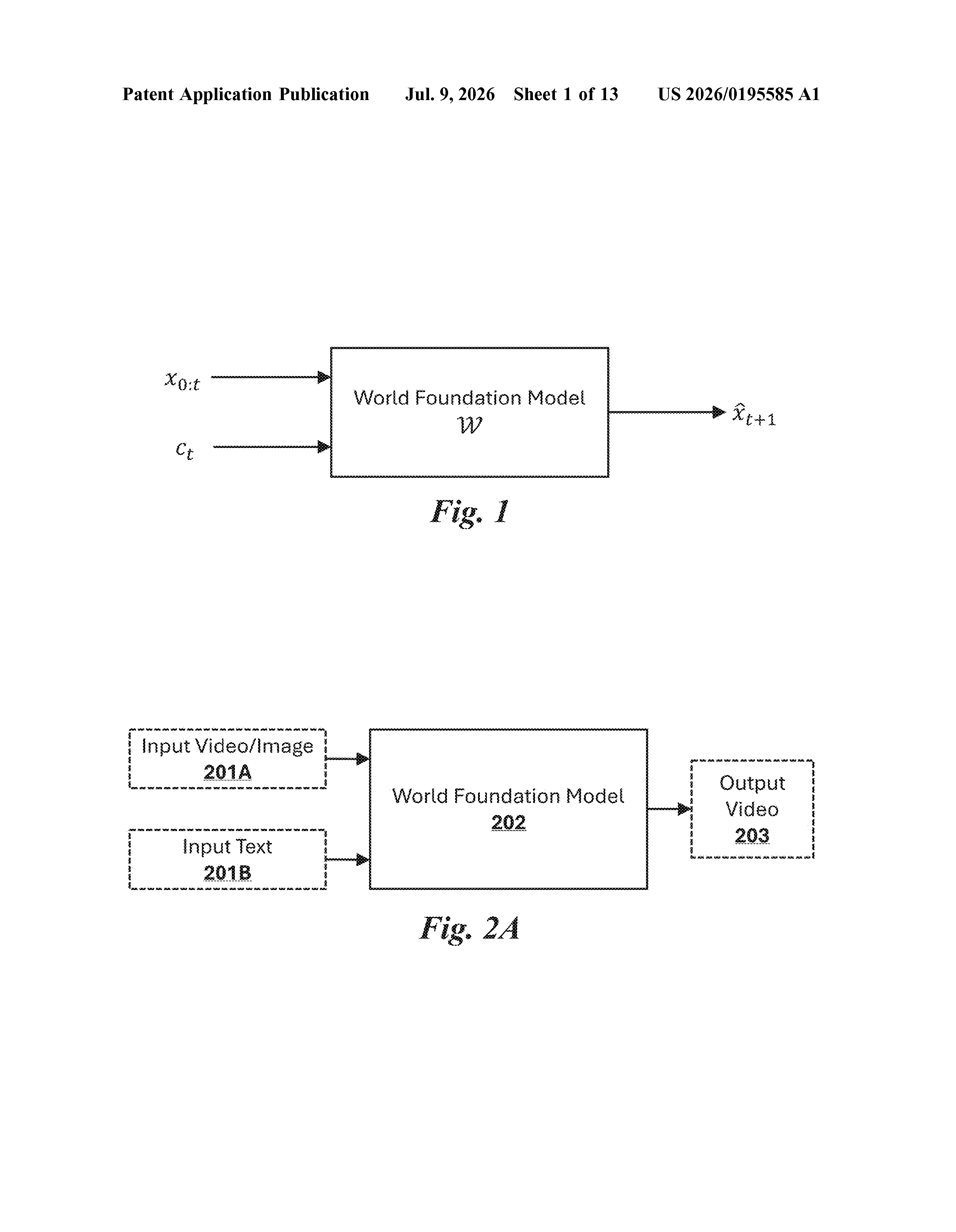
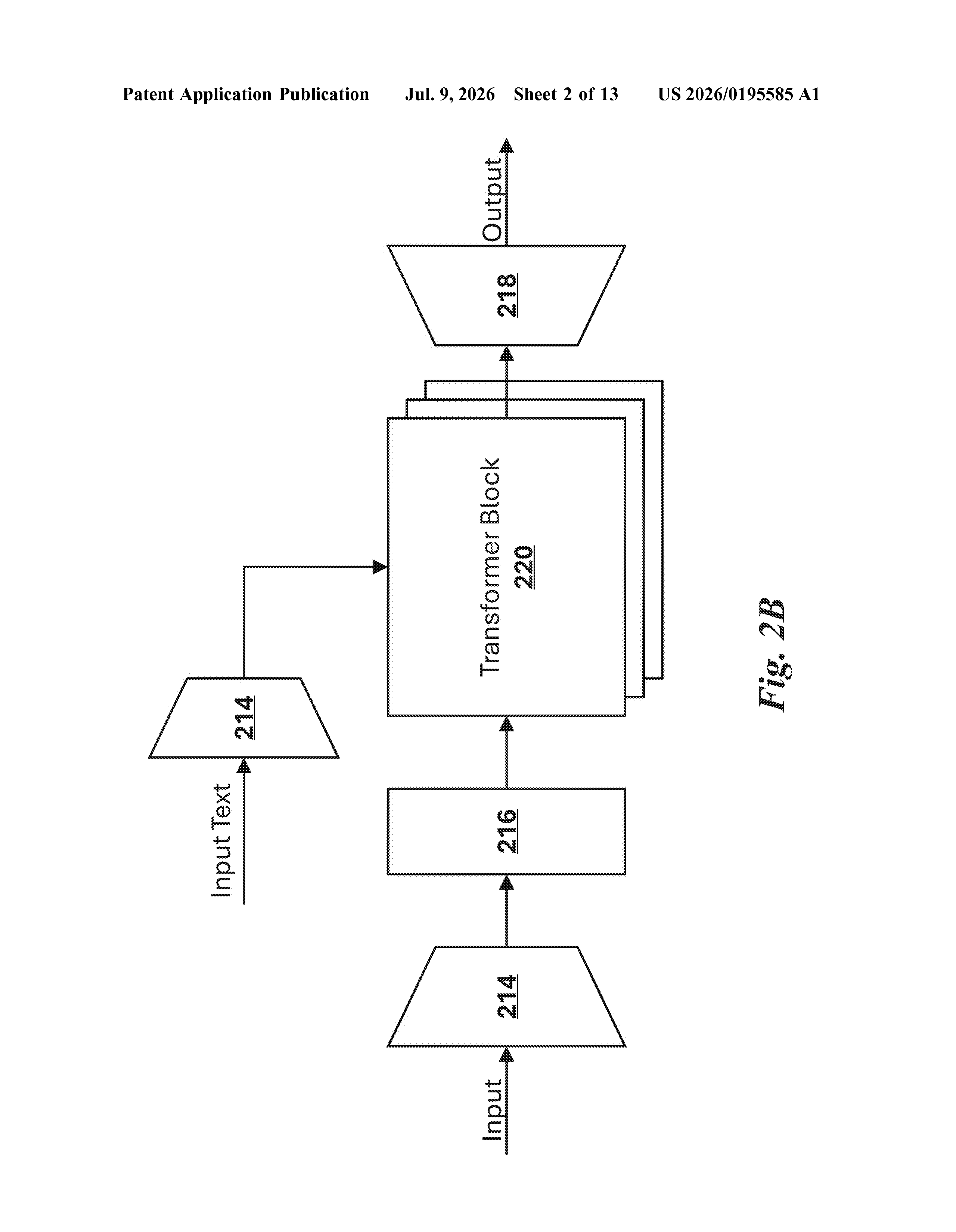
The patent describes a World Foundation Model (WFM), a neural network designed to simulate realistic video of physical environments. The network takes visual input (frames of video or images) and optionally text, then predicts what the next frames should look like in a way that is temporally coherent (motion stays smooth across time) and 3D-consistent (objects don't change shape or perspective arbitrarily).
The training process has two distinct stages:
- Video prediction stage: The model is trained purely on video data to predict subsequent frames from earlier ones. This builds a base understanding of how the physical world moves and changes.
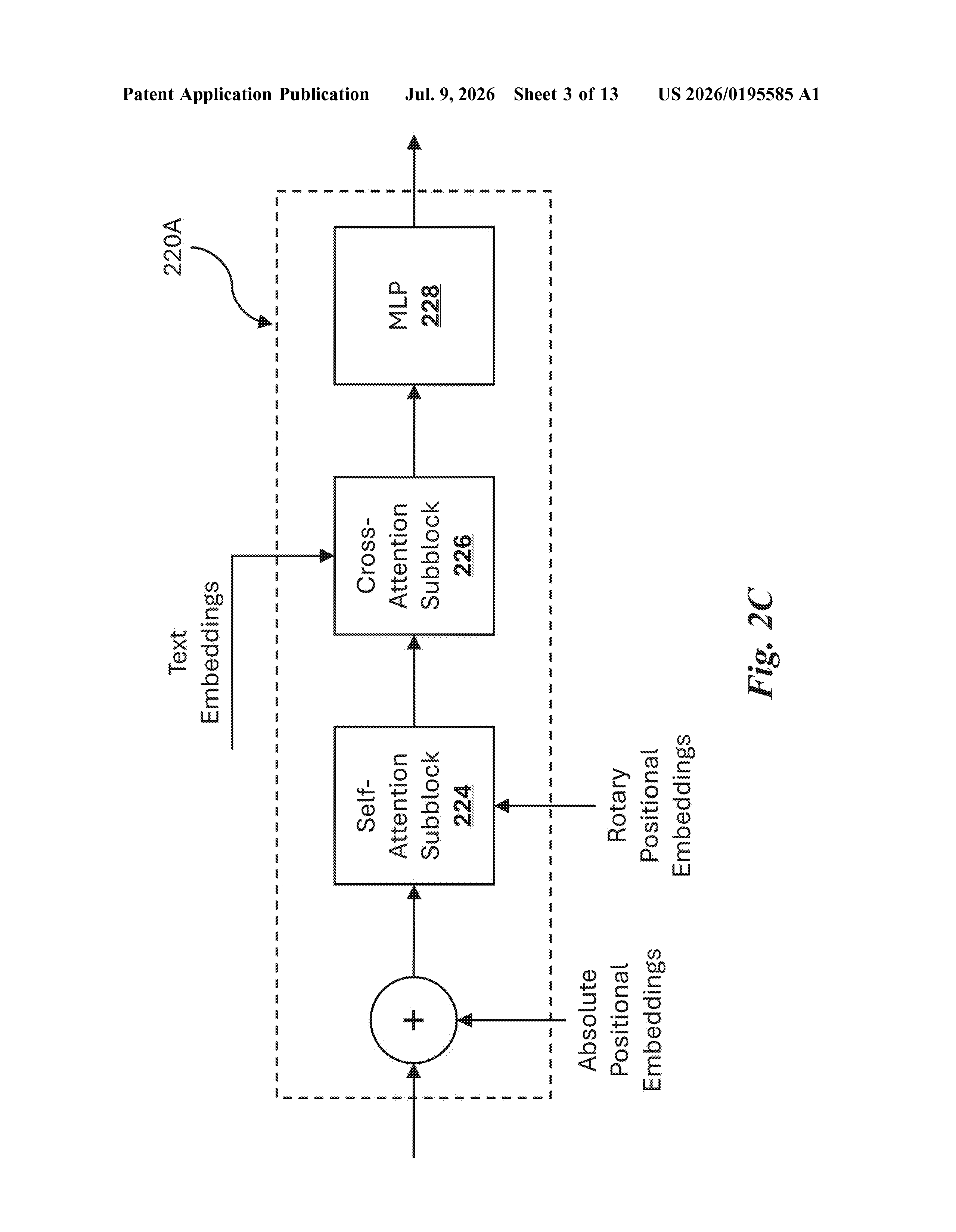
- Text conditioning stage: A new component called a cross-attention subblock is added to the existing network architecture. Cross-attention (a mechanism that lets the model look at outside information, in this case text, while processing video) is initialized fresh and then trained so the model can follow language instructions when generating video.
The underlying architecture is a transformer backbone, the same class of model that powers large language models like GPT, adapted here to handle sequences of video frames. Self-attention (where the model relates frames to each other) handles visual continuity, while cross-attention handles the text-to-video link. The two-stage approach matters because it lets Nvidia reuse a pretrained video model rather than training everything from scratch when adding text control.
What this means for robots and autonomous vehicles
Nvidia calls this type of model a foundation for Physical AI, meaning AI that needs to understand and act in the real world: robots, autonomous vehicles, and industrial automation systems. A world model that can simulate realistic environments lets companies train and test those systems in software before deploying them in the real world, which is both cheaper and safer than physical trials.
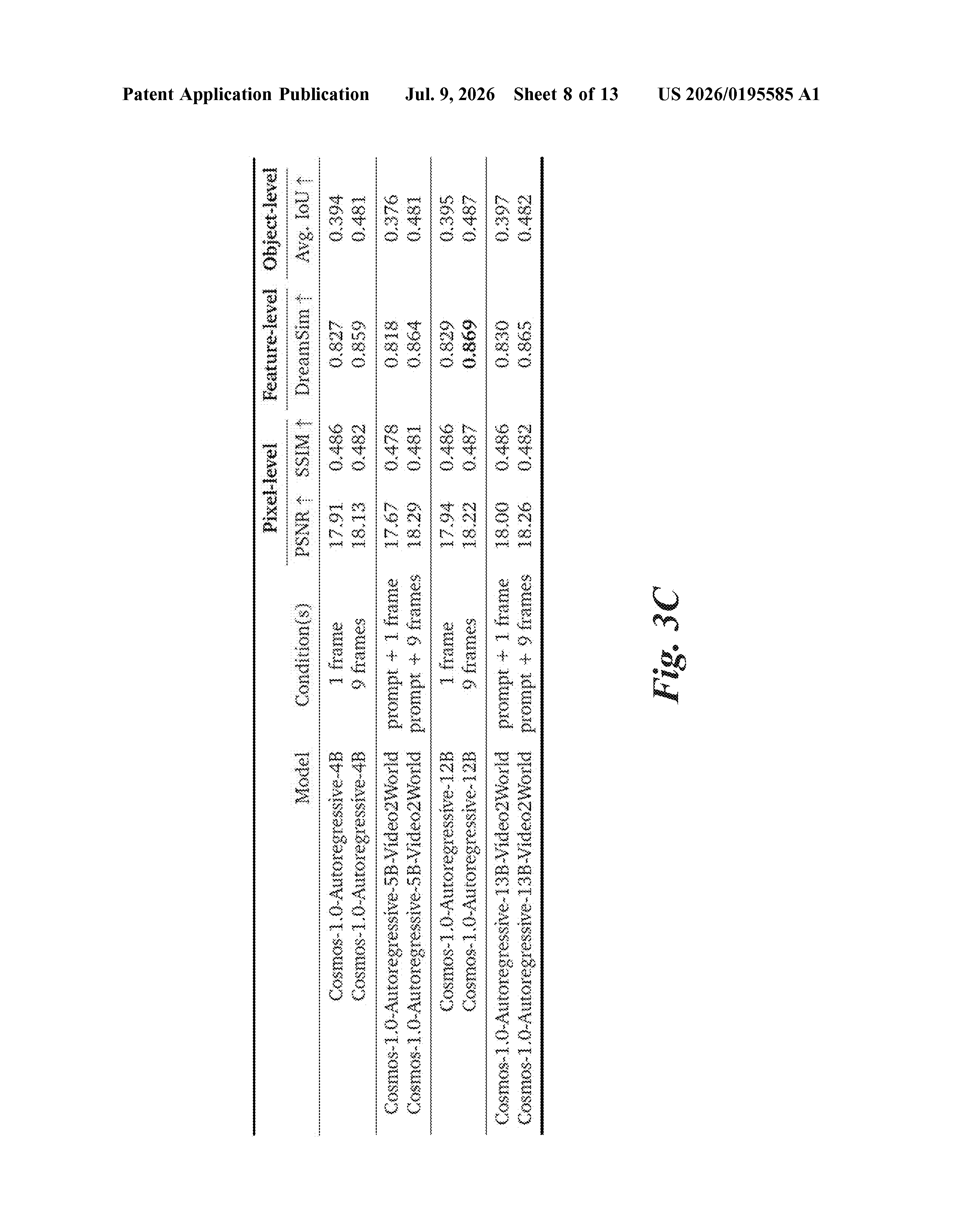
For Nvidia specifically, this fits directly into its Cosmos platform, which the company has already announced as a set of world foundation models for physical AI development. This patent appears to cover the core training methodology behind that kind of system. If you've heard about companies like BMW or Waymo using simulated environments to train their AI, this is the type of underlying technology that makes large-scale simulation possible.
This is one of the more consequential AI patents in Nvidia's recent filings. World models are widely considered a key missing piece for getting robots and autonomous vehicles to generalize to real-world conditions, and Nvidia's two-stage training approach (learn physics first, add language control second) is a genuinely thoughtful way to build that capability without throwing away prior training work. Whether the specific method here holds up as unique over the prior art is a separate question, but the direction is clearly right.
Get our take in your Top Stories
Liked this breakdown? Add Patentlyze as a preferred source on Google, and our plain-English take shows up more often in your Top Stories the next time Nvidia patent news breaks.
There are more where this came from
We read every patent application Big Tech publishes and send you the ones worth knowing. Plain English, free, every week.
The drawings
13 drawing sheets from US 2026/0195585 A1 · click any drawing to enlarge
Want this weekly breakdown for a company we don't cover? Patentlyze Pro →