
Sony Patent Uses One Car's Road Data to Automatically Guide the Next
What if the car that drove a tricky stretch of road five minutes ago could automatically help the next car navigate it? That's the core idea in Sony's latest patent for remotely operated vehicles.
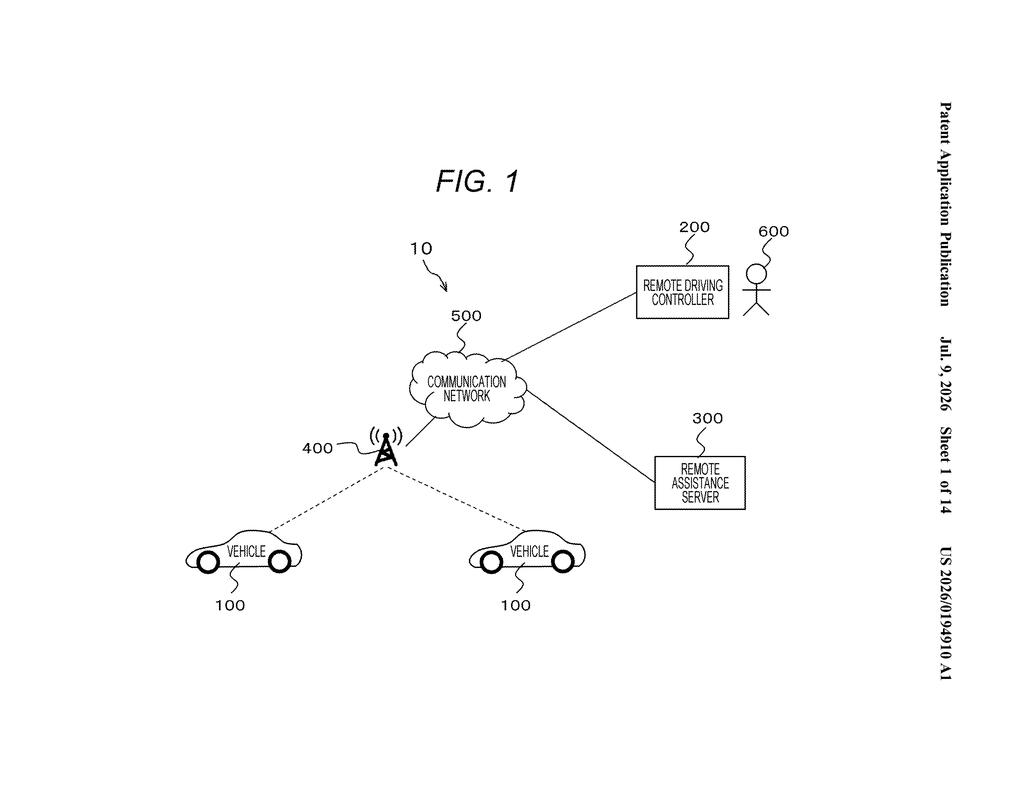
How Sony wants cars to learn from each other's drives
Imagine a remotely driven delivery vehicle hits a pothole or swerves around a fallen tree branch. Right now, a human operator watching a video feed has to react in real time, make judgment calls, and send steering commands, which is stressful and slow.
Sony's patent proposes recording exactly what the first vehicle did on that stretch of road, including how it steered, braked, or avoided an obstacle, and turning that data into ready-made instructions for any second vehicle that drives the same route shortly after. The second car doesn't have to figure out the tricky bit from scratch.
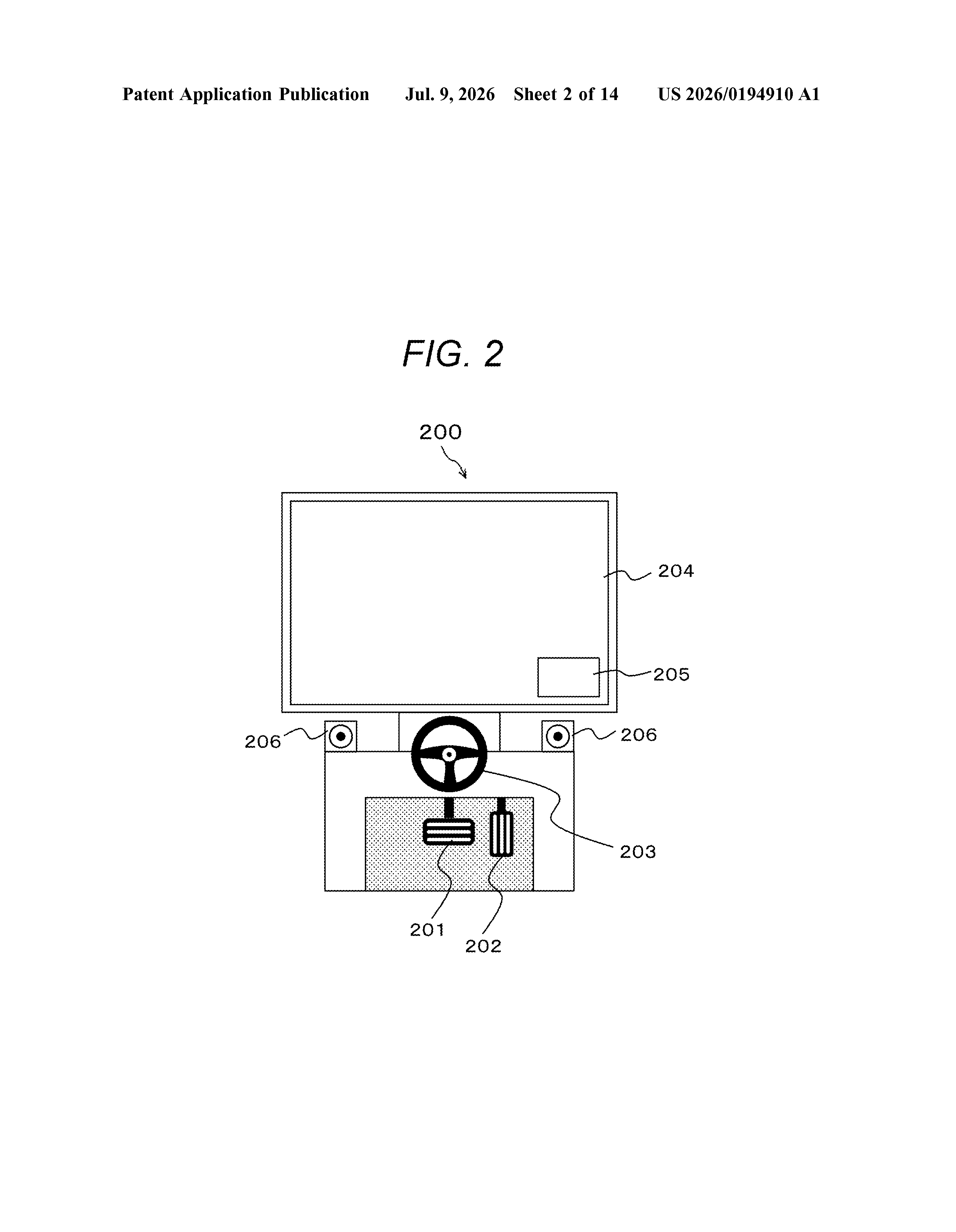
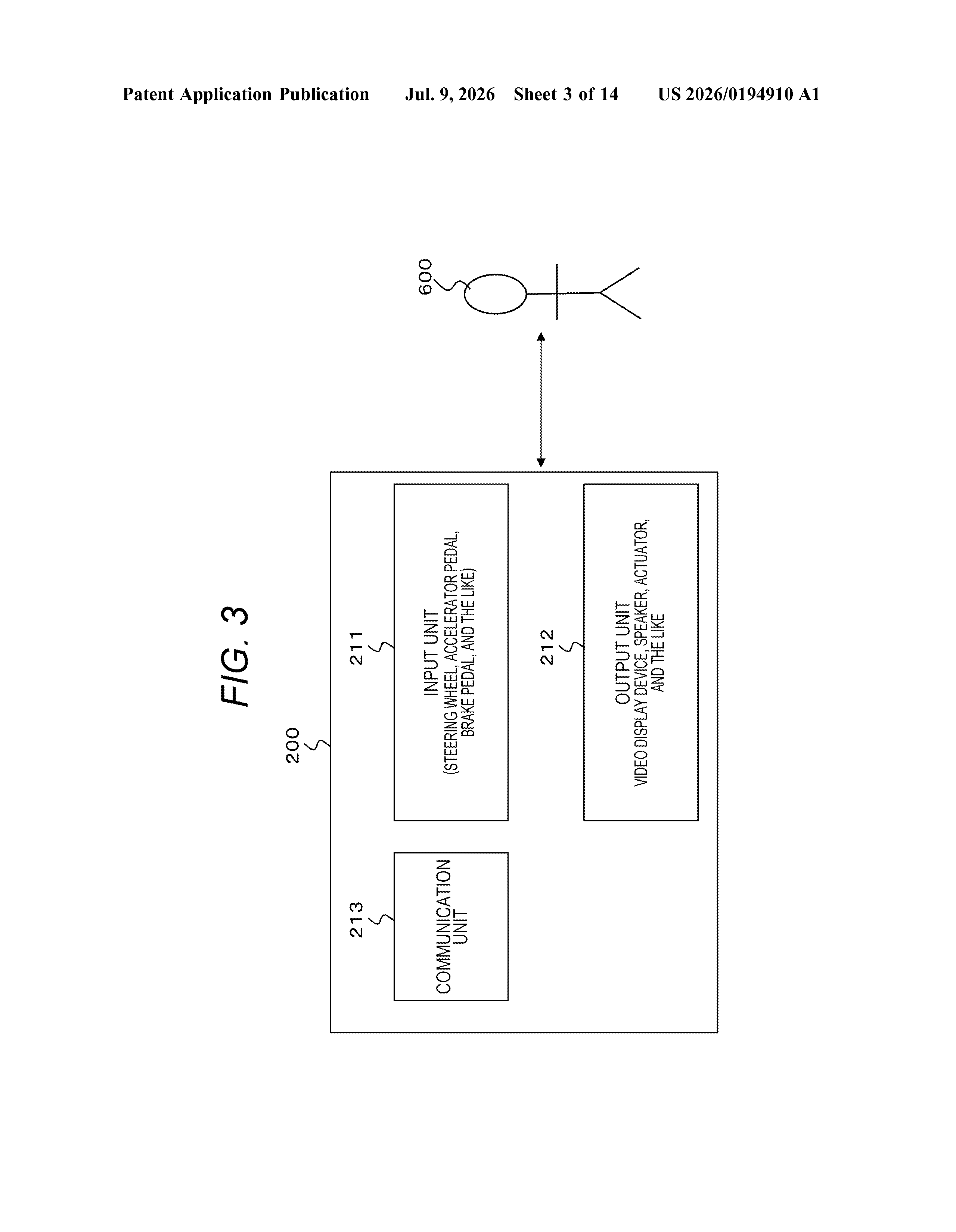
This is aimed squarely at remote driving systems, where a human operator sits in a control room and manages vehicles from a distance. By pre-building guidance from a real car's experience, Sony wants to reduce the mental load on those operators and lower the chance of a remotely driven car making a dangerous mistake.
How the first car's data becomes control commands for the second
The patent describes two main components working in sequence.
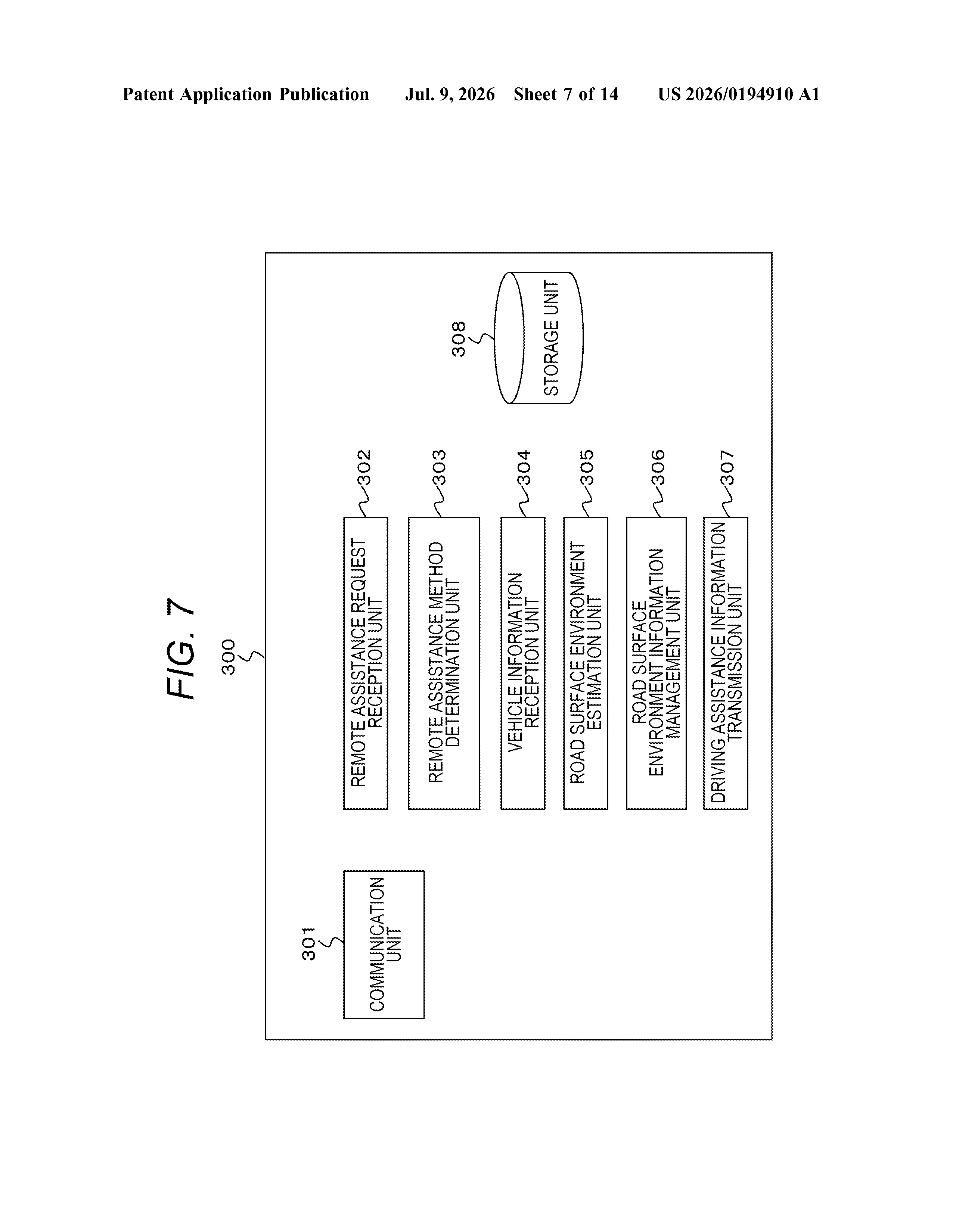
First, a road surface environment information generation unit watches how a vehicle behaves as it drives a specific route. Things like steering angle changes, sudden braking, or speed adjustments all leave clues about what the road was doing at that moment, whether there was a slick patch, a bump, or an obstacle being avoided. This behavioral data is packaged into what Sony calls road surface environment information, essentially a profile of that stretch of road as the first car experienced it.
Second, a control information generation unit takes that road profile and converts it into control instructions for a following vehicle traveling the same route. The patent specifically calls out obstacle-avoidance routes as a key use case: if the first car detoured around something, the system can encode that detour and replay it for the next car.
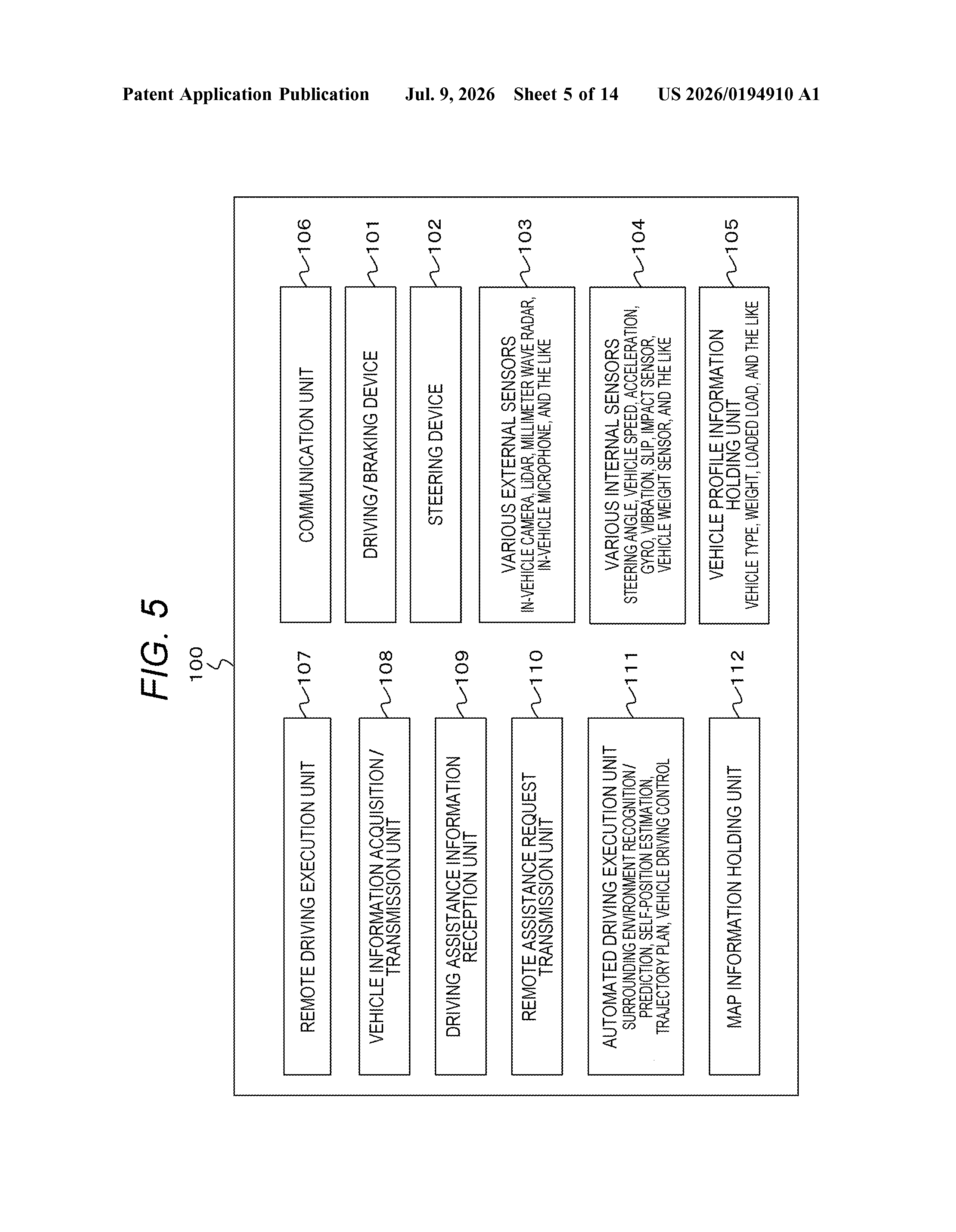
- First vehicle drives a route and its operation data is captured
- That data is processed into a road-condition profile
- A second vehicle receives pre-computed guidance based on that profile
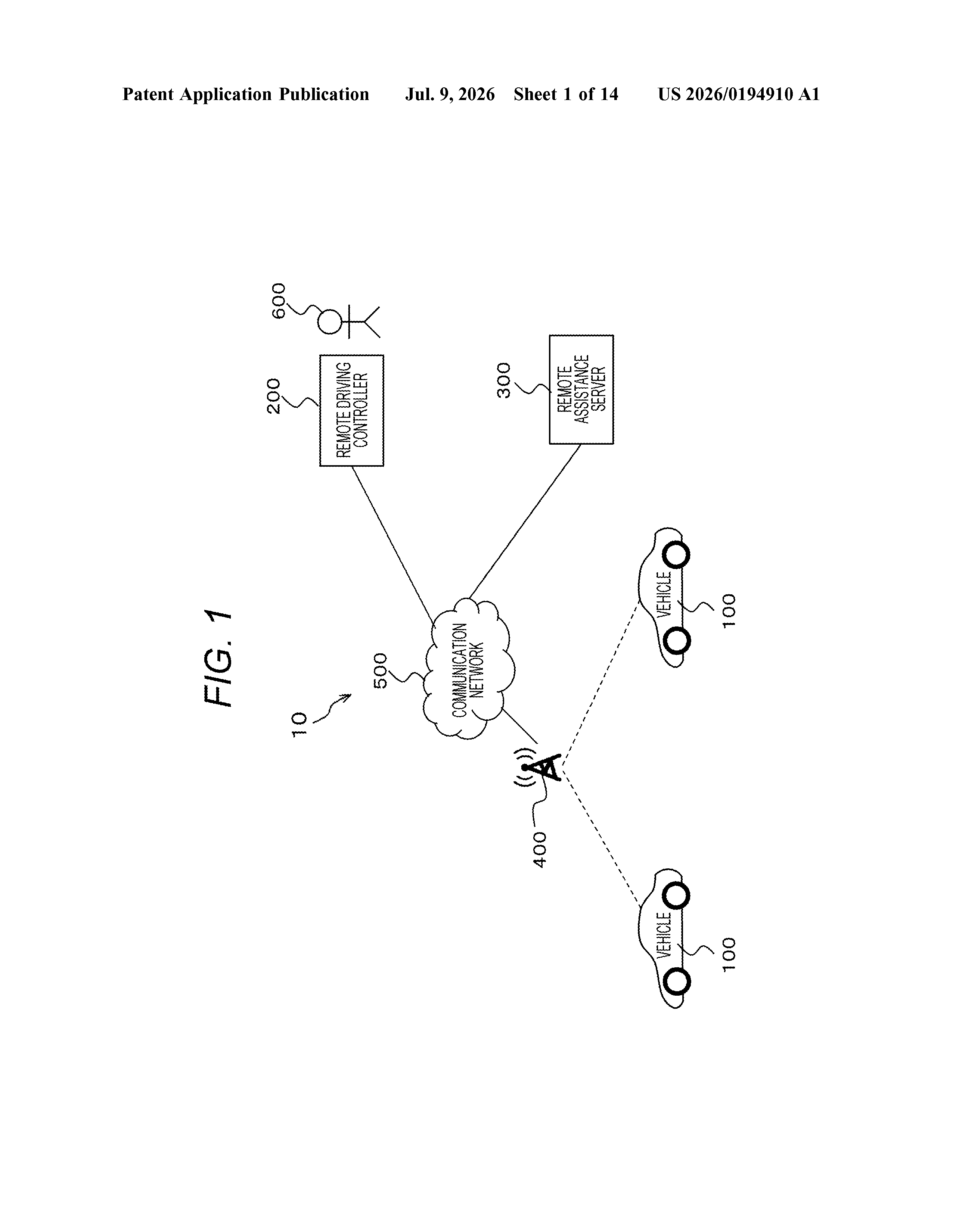
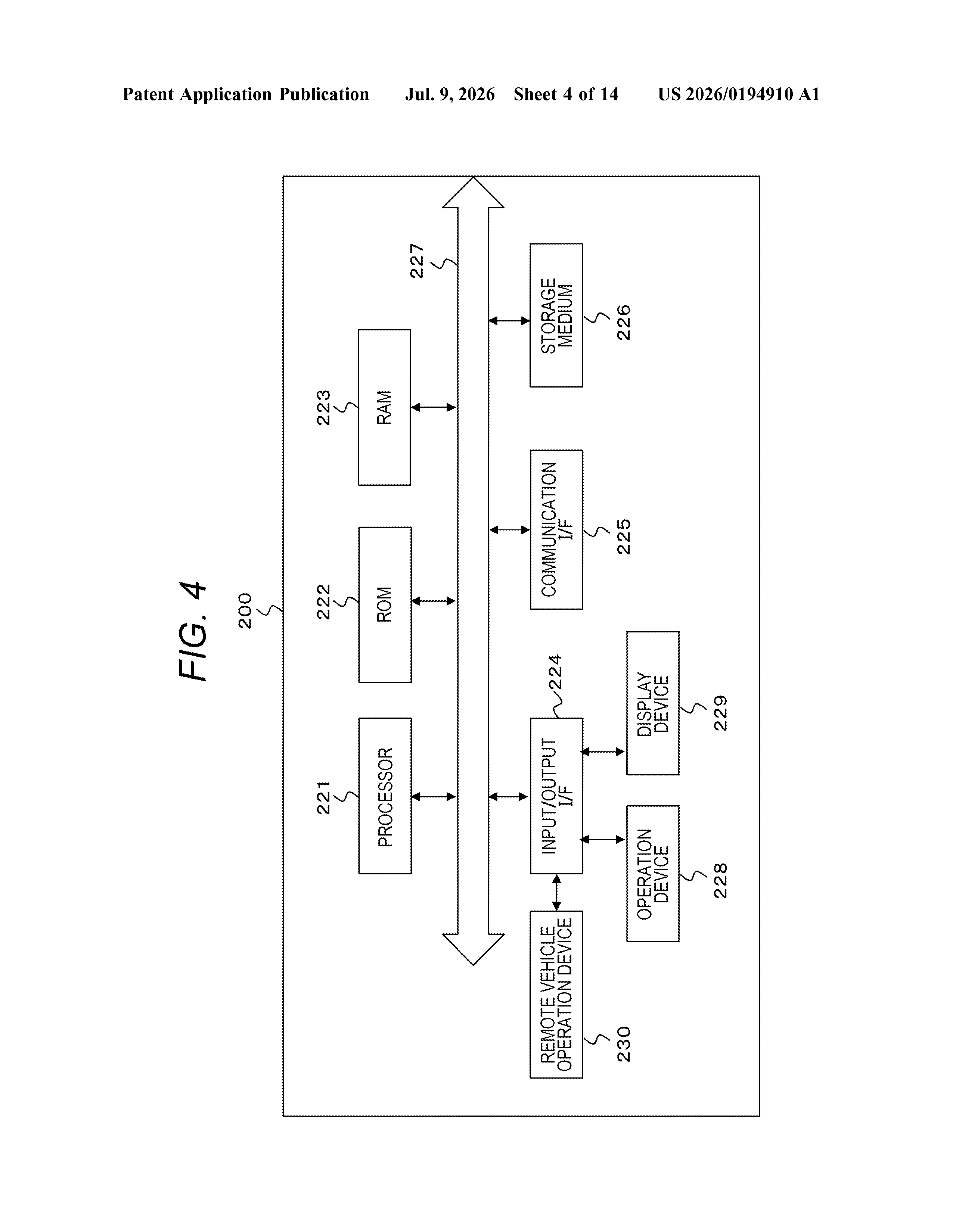
The system sits on a remote assistance server, meaning it's cloud-based infrastructure that sits between the vehicles and the human operators.
What this means for remote-driving operators and safety
Remote-controlled vehicles, whether delivery robots or driverless taxis with a human backup operator, are only as safe as the speed and quality of the control decisions being made. If every operator has to react fresh to every road condition, fatigue and reaction-time limits become real safety risks. Sony's approach offloads some of that cognitive burden to software by making the road itself teach the system.
For you as a future passenger or bystander, this is the kind of quiet infrastructure work that makes autonomous and semi-autonomous vehicles less likely to do something unexpected. It also hints at Sony's broader interest in the vehicle software space, building on its joint venture with Honda on the Afeela EV brand.
This is incremental rather than flashy, but it addresses a real bottleneck in remote-driving operations: operator overload. The idea of using one vehicle's experience to pre-program guidance for the next is practical and sensible. The patent is relatively narrow in scope, so its value depends heavily on how well it integrates with real-world road variability, where no two drives are ever exactly alike.
Get our take in your Top Stories
Liked this breakdown? Add Patentlyze as a preferred source on Google, and our plain-English take shows up more often in your Top Stories the next time Sony patent news breaks.
There are more where this came from
We read every patent application Big Tech publishes and send you the ones worth knowing. Plain English, free, every week.
The drawings
14 drawing sheets from US 2026/0194910 A1 · click any drawing to enlarge
Want this weekly breakdown for a company we don't cover? Patentlyze Pro →