
Nvidia's New Patent Removes a Hidden Cost That Slows Down AI Training
Training a large AI model is expensive and slow, and one of the standard techniques used to keep training stable turns out to be a surprisingly heavy piece of that cost. Nvidia has filed a patent to remove it entirely.
How Nvidia wants to train AI models more efficiently
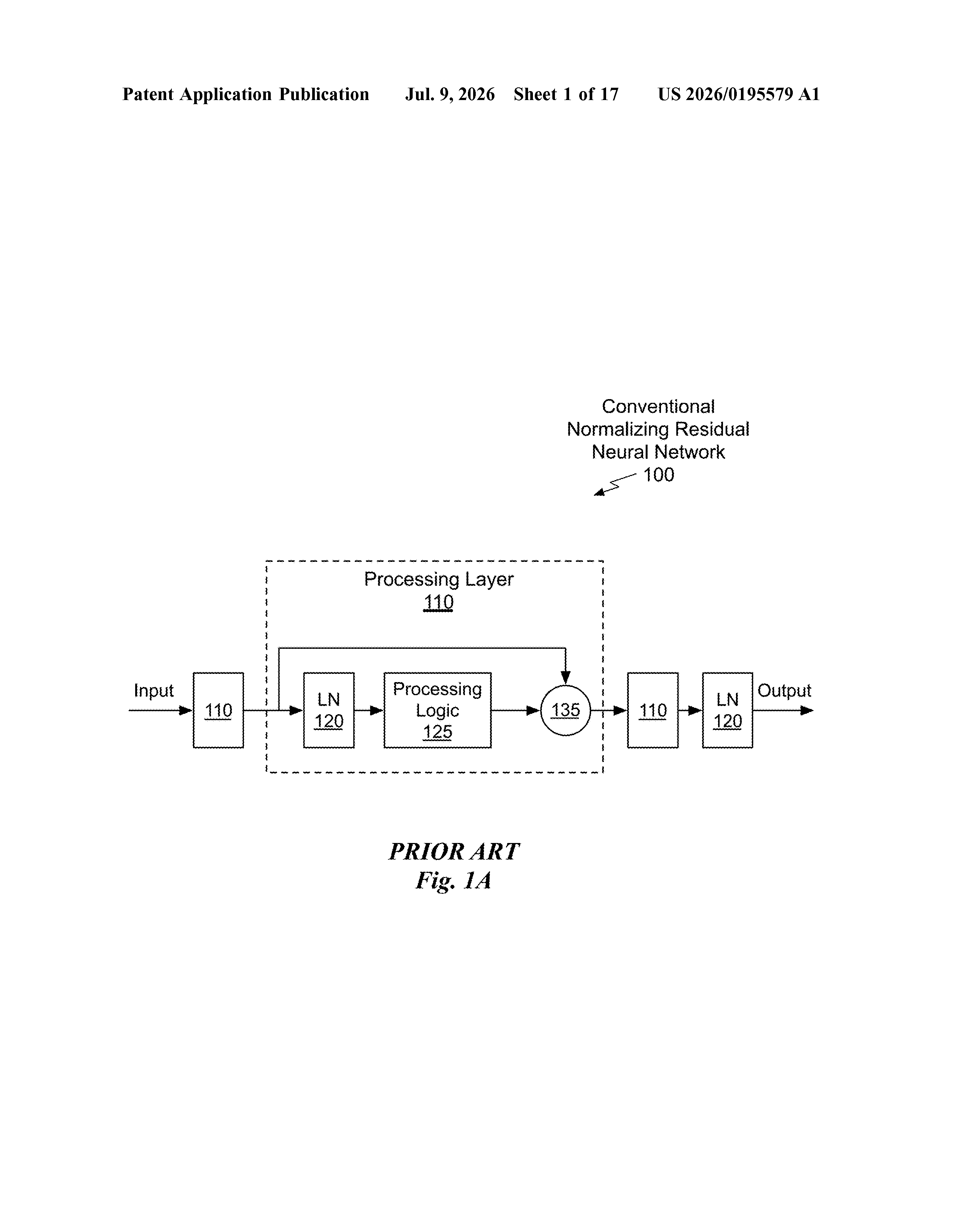
Imagine you're teaching someone to play piano and every few minutes you stop the lesson, recalibrate the metronome, and reset their hand position before continuing. That overhead adds up. AI training has a similar recurring overhead step called layer normalization, which keeps numbers from spiraling out of control during training. It works, but it's computationally expensive.
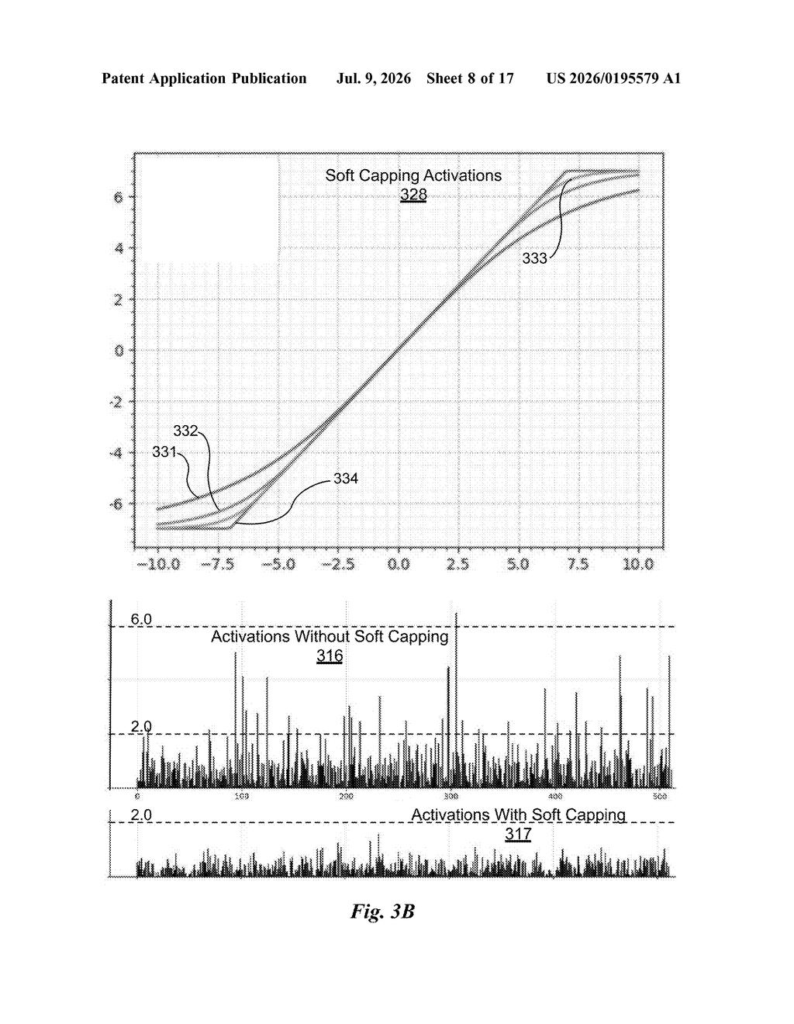
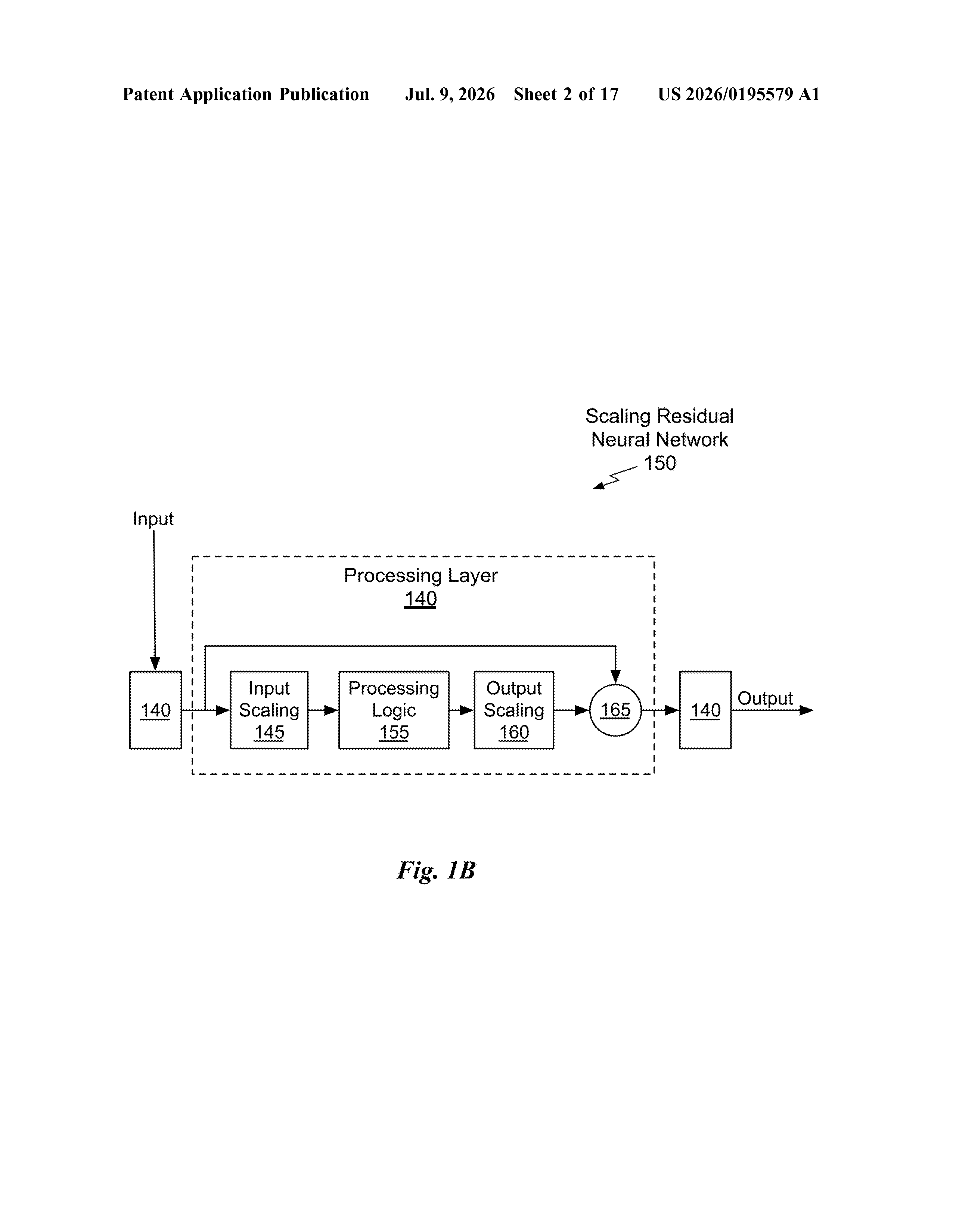
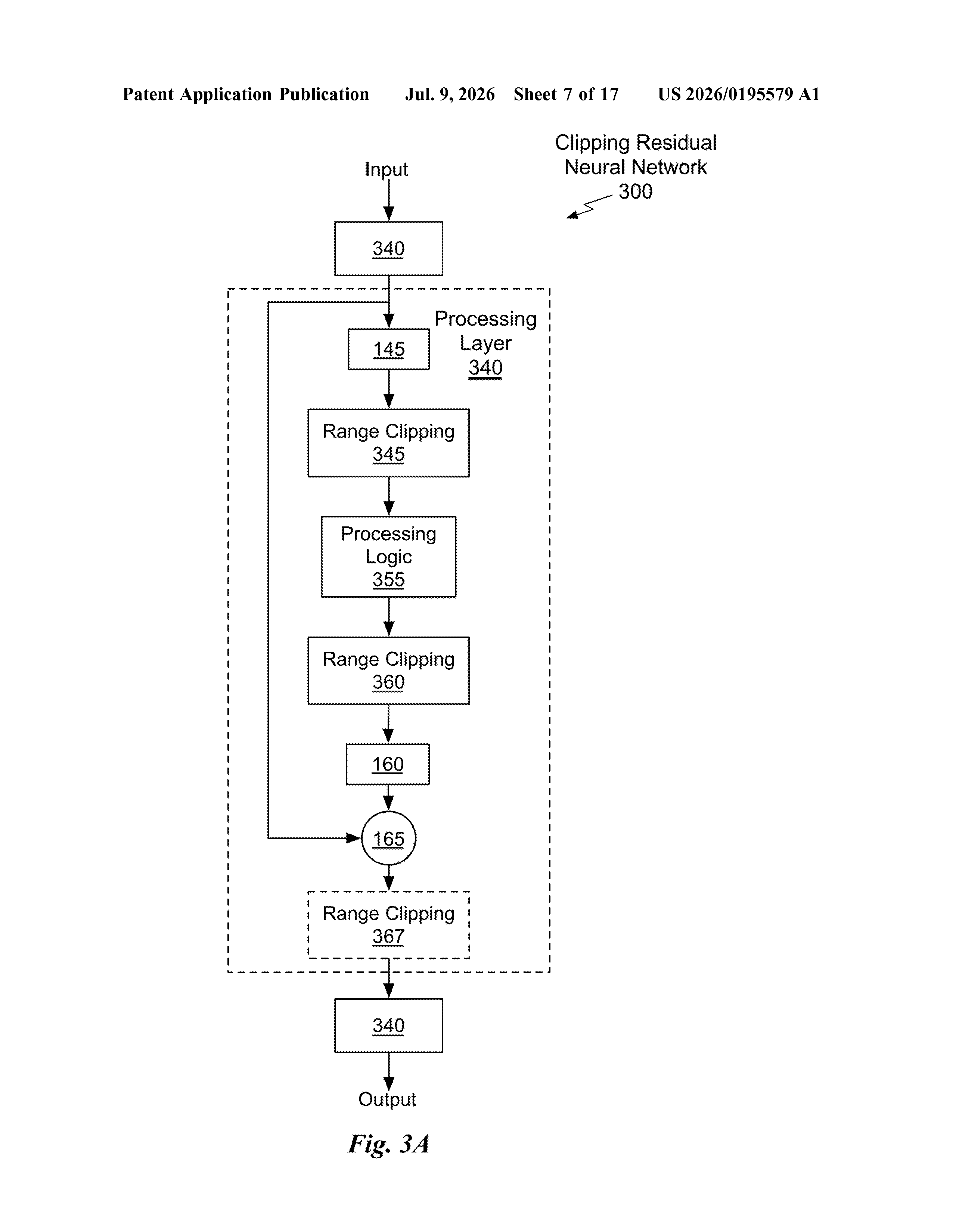
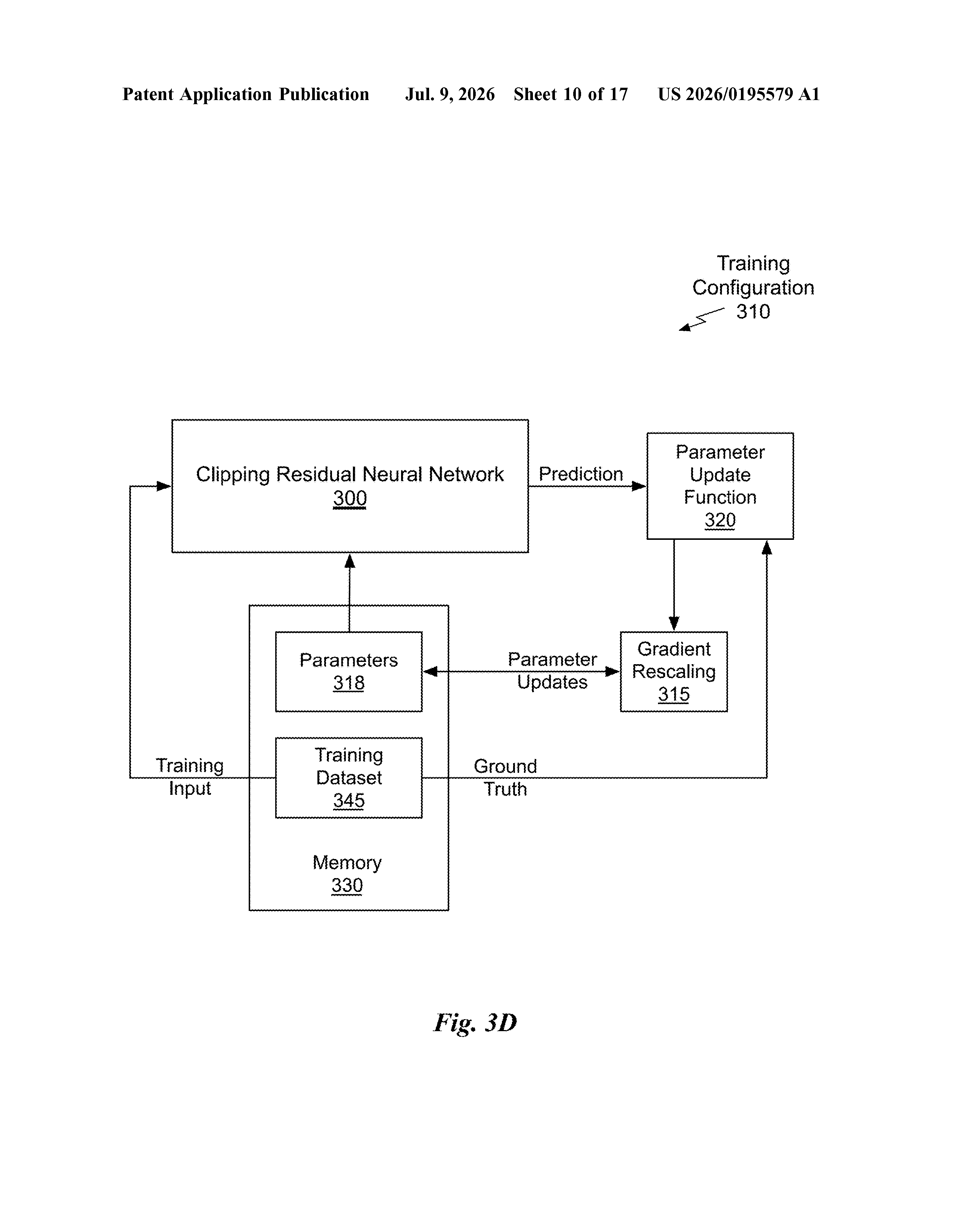
Nvidia's patent describes replacing that step with something simpler: just clipping the numbers that flow through the network so they never go above or below a set range in the first place. Think of it like setting guardrails on a mountain road instead of having someone manually steer the car back to center every few seconds.
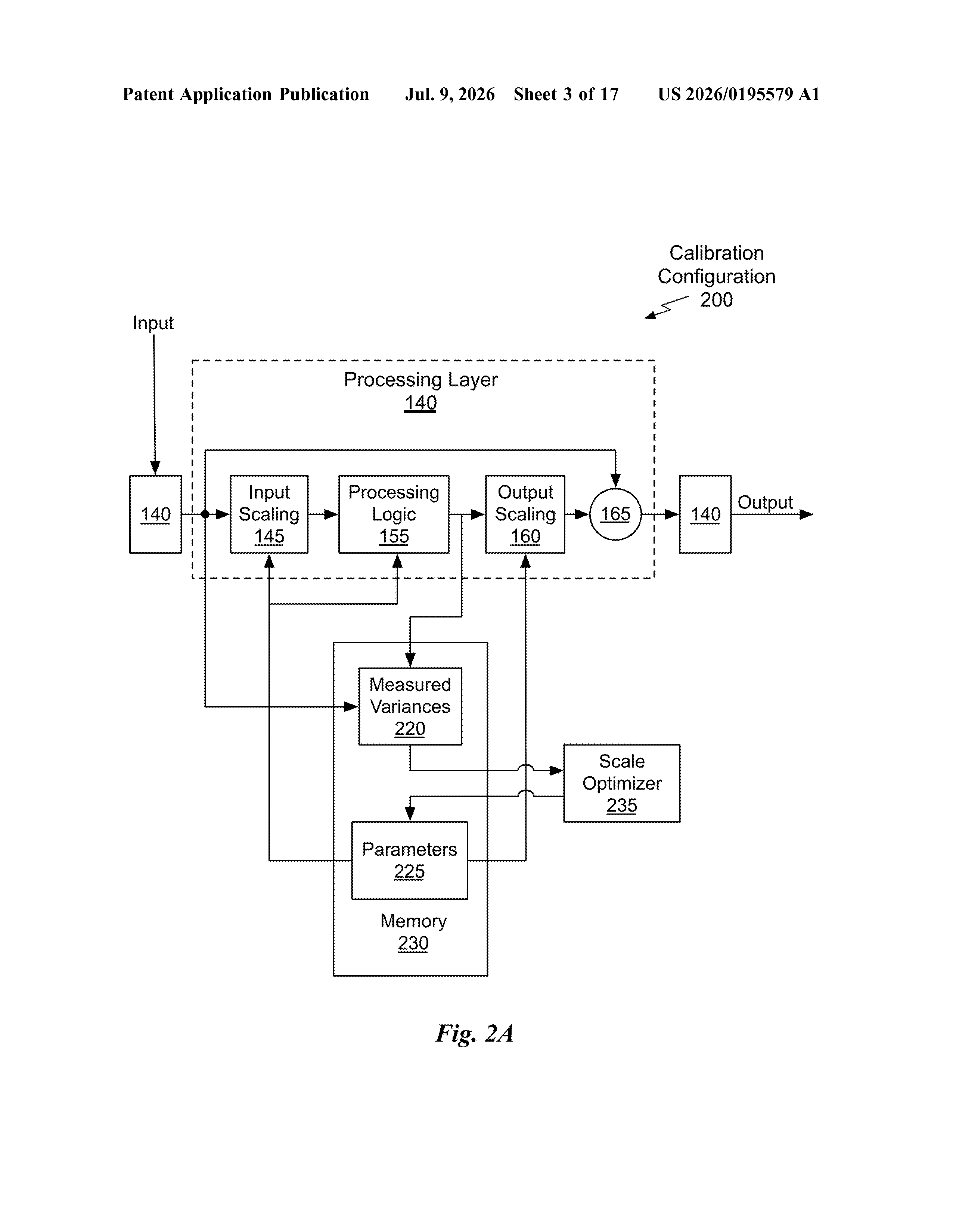
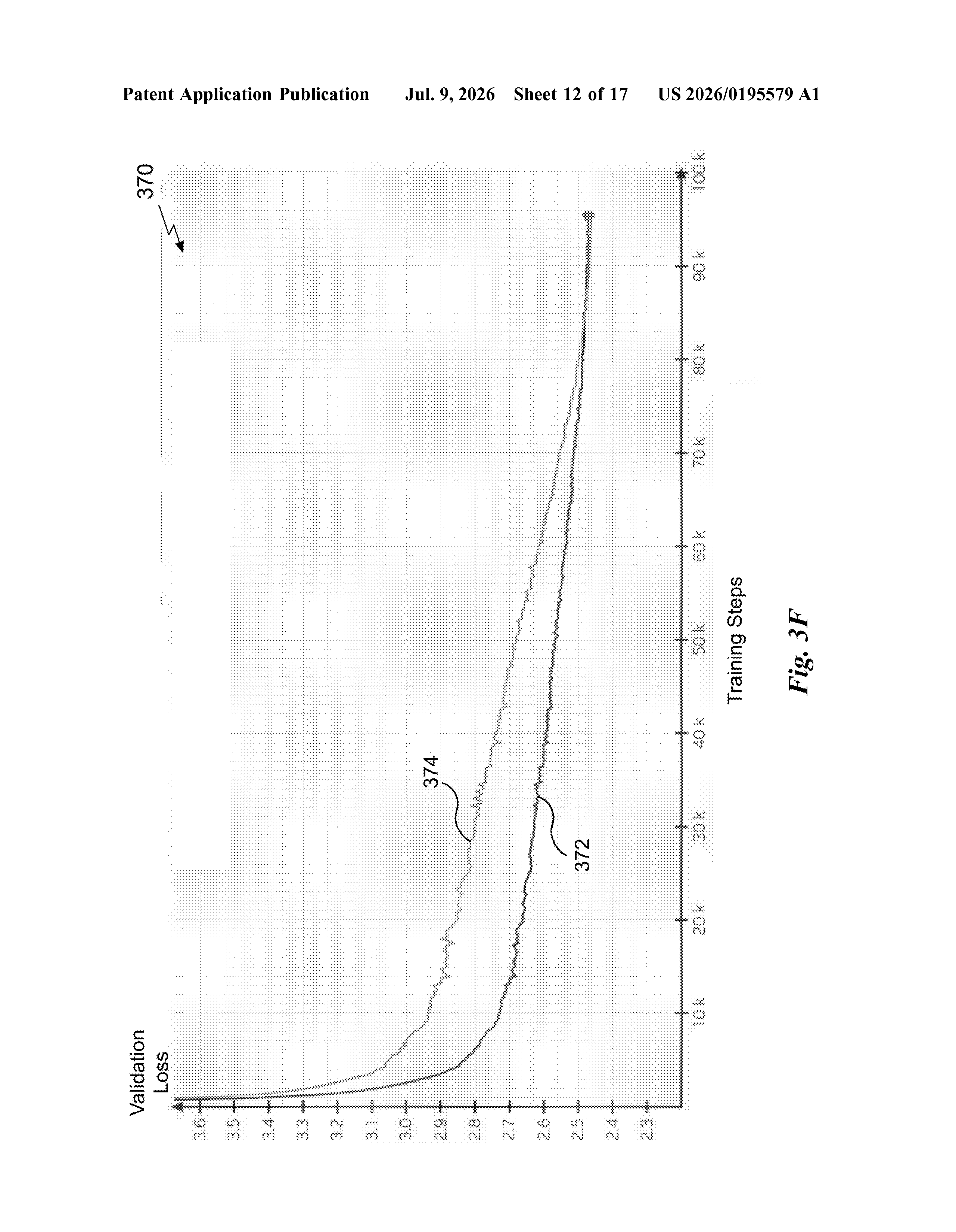
The result, according to the patent, is that the AI model trains faster and at lower cost, without needing a special calibration phase. The model also behaves better when you try to compress it for deployment on cheaper hardware, because the numbers stay predictable throughout.
How bounding activations replaces layer normalization
Standard residual neural networks (the architecture behind most modern AI systems) use a technique called layer normalization to keep the intermediate numbers inside the network from growing too large or shrinking too small during training. If those numbers explode or vanish, training becomes unstable and the model fails to learn. Layer normalization fixes this, but it requires extra computation at every layer, every step.
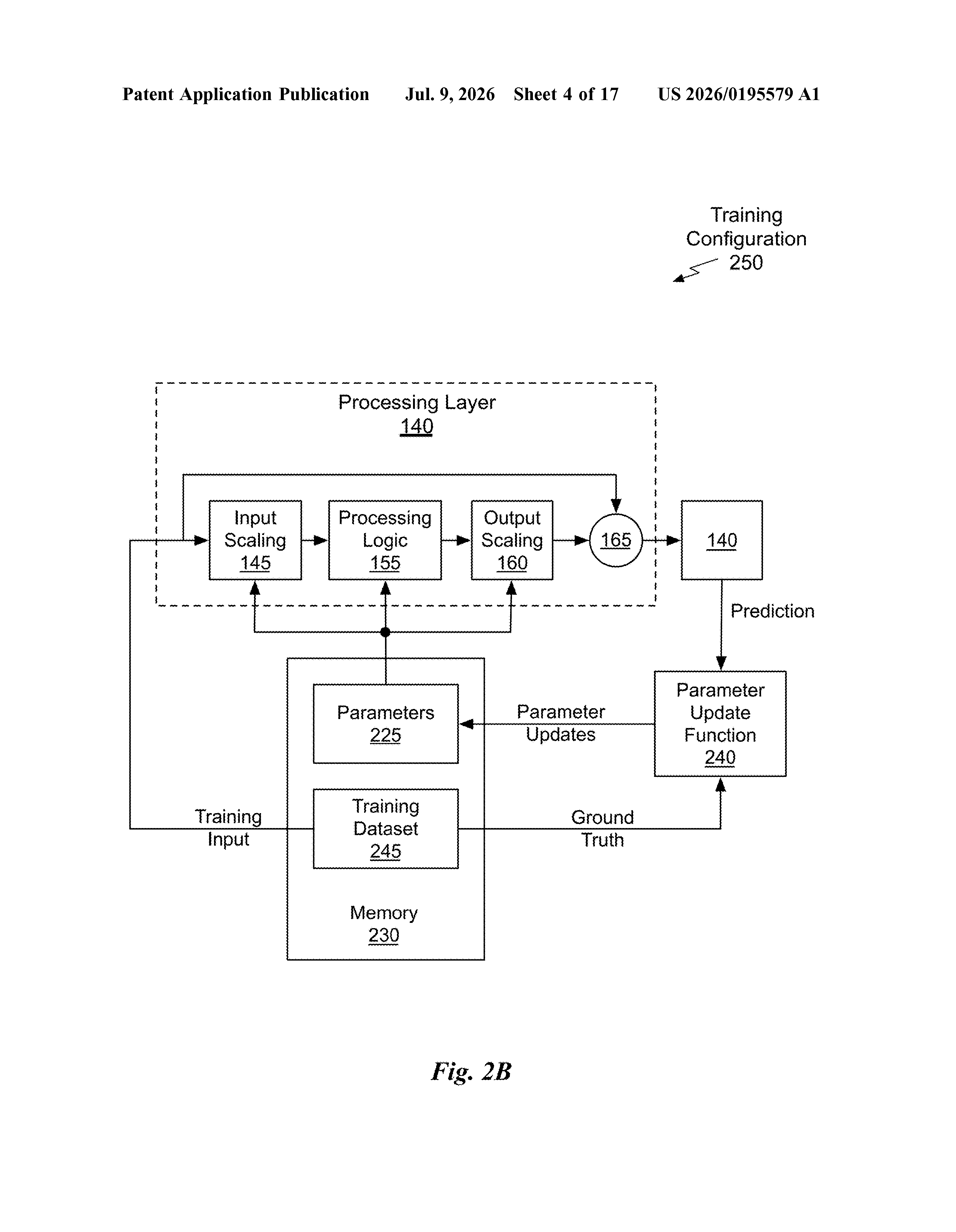
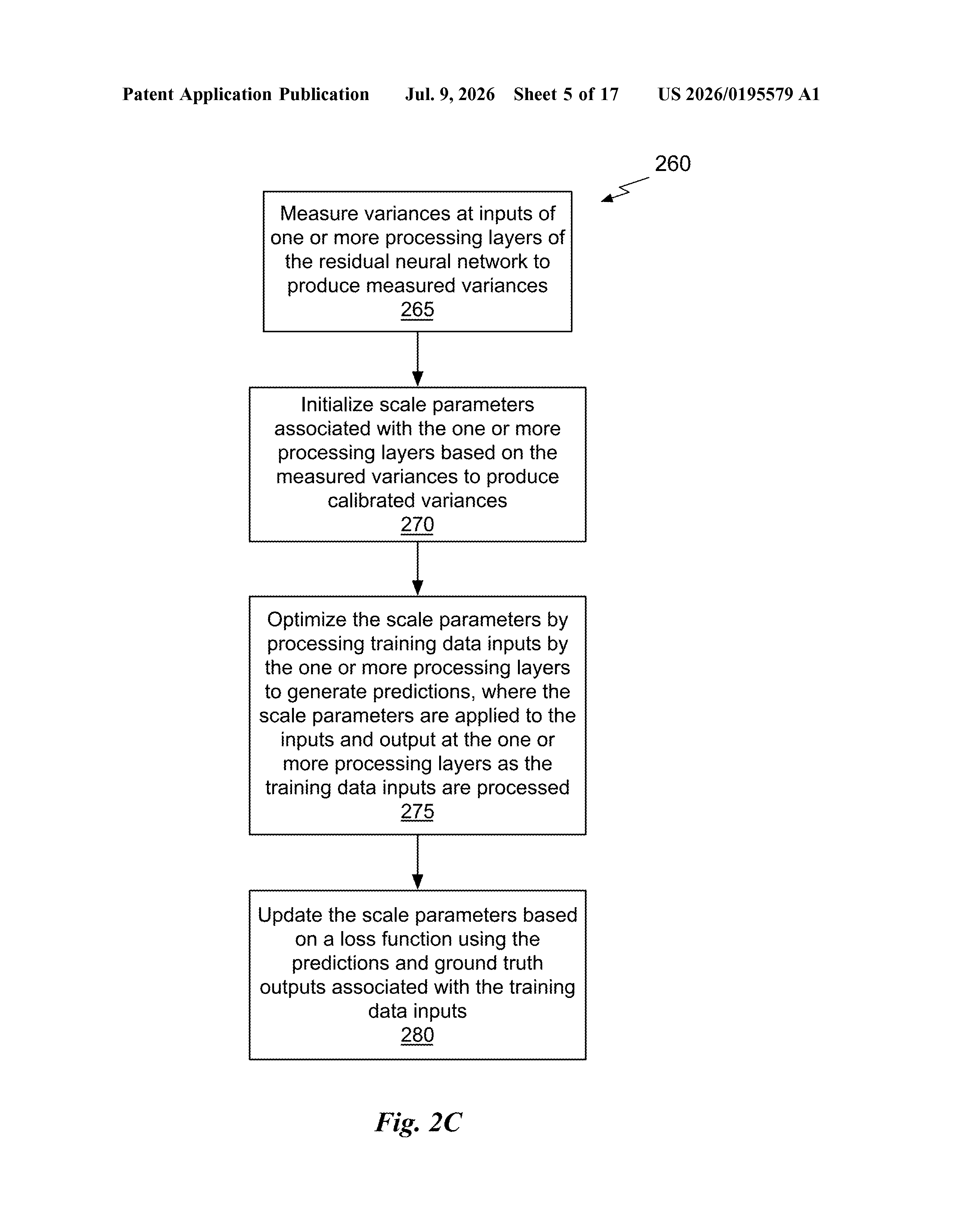
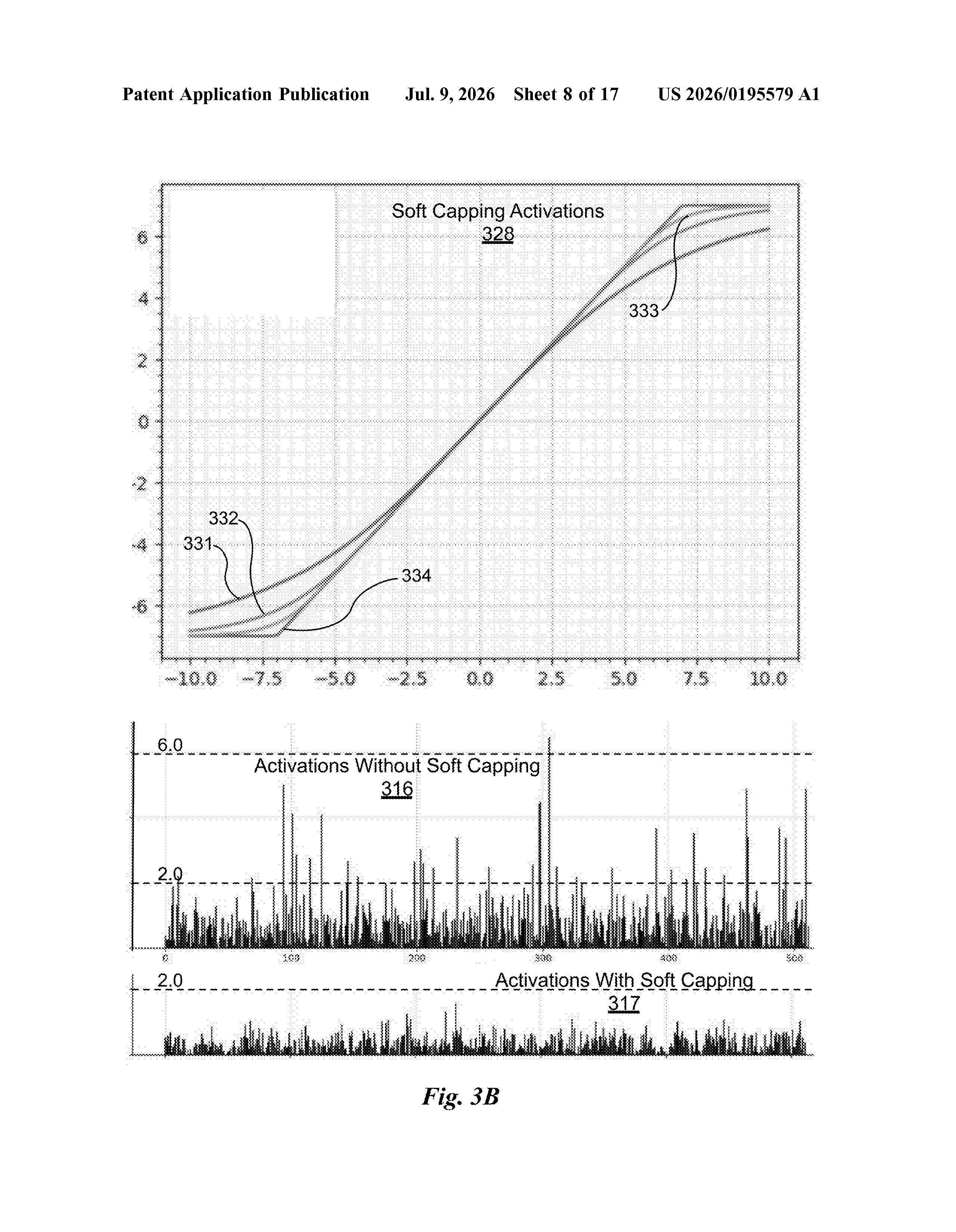
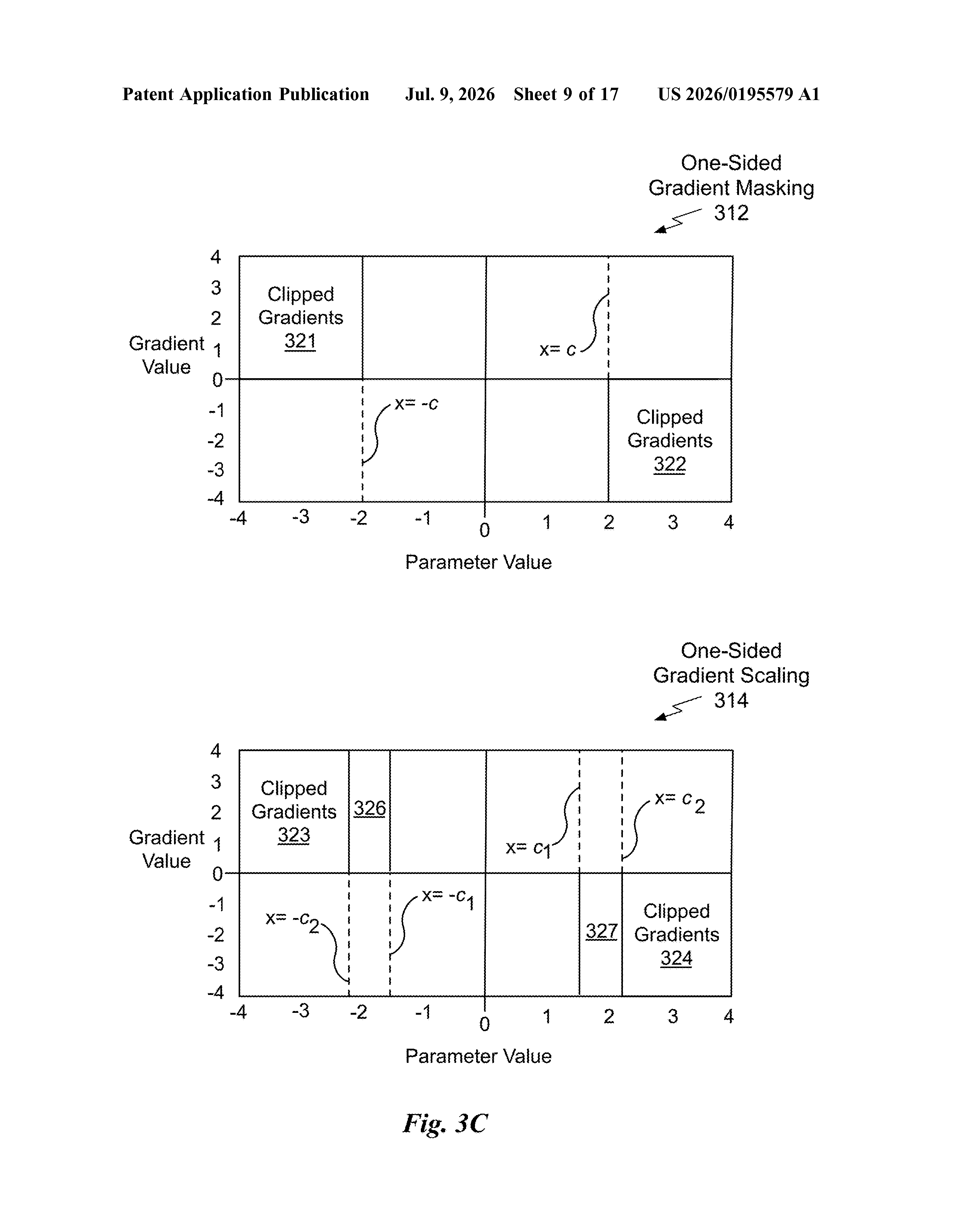
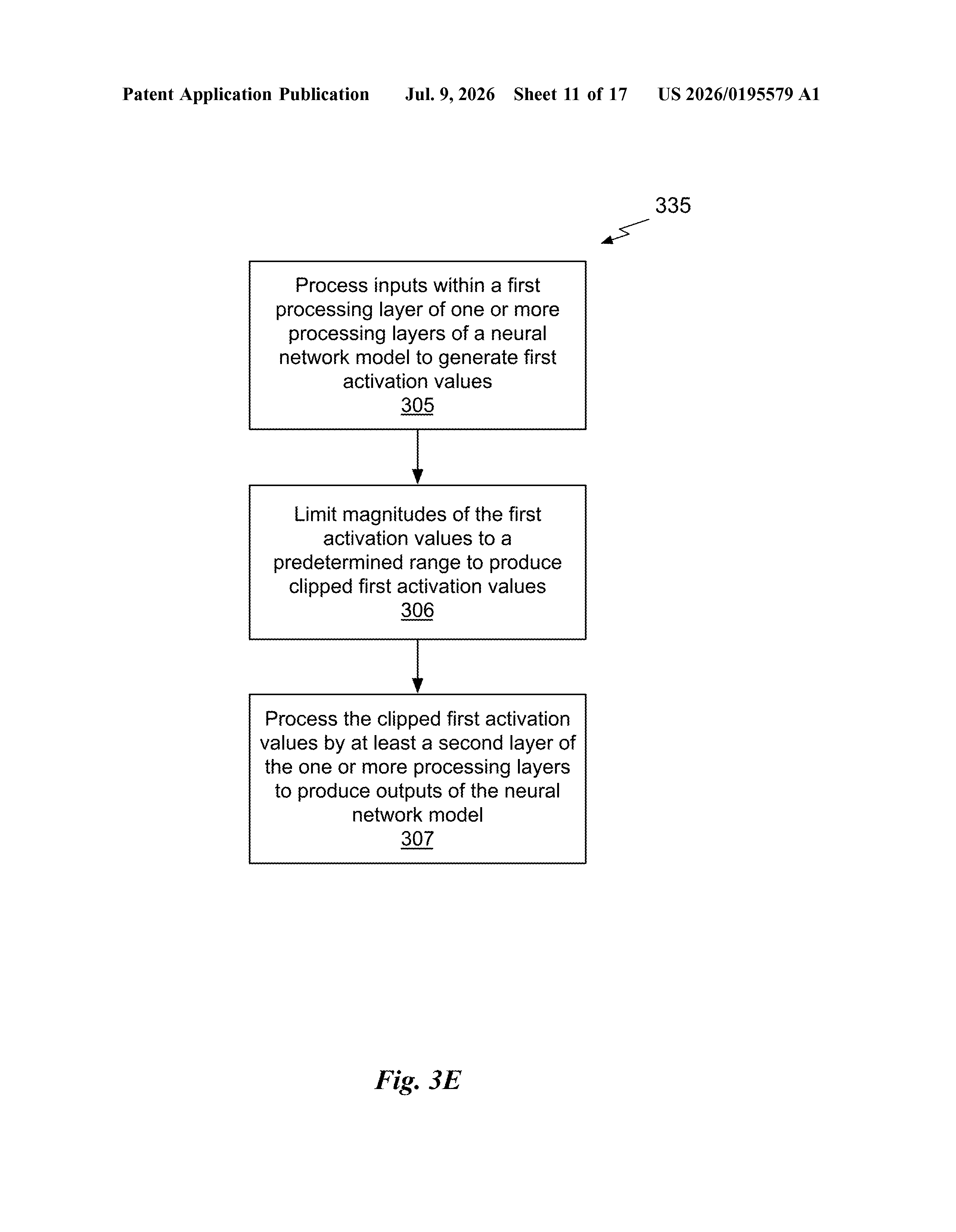
Nvidia's patent proposes swapping that out for magnitude constraining: after each layer produces its output values (called activations), the system simply clips or scales them to fit within a predetermined numerical range. No full normalization pass, no learned normalization parameters, just bounded values.
The patent extends this idea to three categories of values inside a training run:
- Activations (the outputs of each layer)
- Parameters (the weights the model is learning)
- Gradients (the error signals that drive learning, flowing backwards through the network)
Keeping all three in a controlled range also makes the model easier to quantize (quantization is the process of compressing a model from 32-bit floating-point numbers down to 8-bit or lower, which makes it far cheaper to run). Models trained this way should quantize more cleanly because the numerical surprises have already been eliminated during training.
What this means for the cost of training large AI models
Training frontier AI models costs tens of millions of dollars and takes months. Any technique that reduces per-step computation without hurting accuracy has real financial impact, especially at Nvidia's scale. This patent targets a specific and well-known bottleneck, not in a vague way, but with a concrete architectural replacement.
For you as an end user, the downstream effect would be AI products that cost less to build and that run more efficiently on the hardware that eventually serves you. The quantization angle is particularly relevant: models that are easier to compress can run on smaller, cheaper chips, which matters for on-device AI (in phones, laptops, or edge hardware) where power and memory are limited.
This is unglamorous but genuinely important work. Layer normalization is everywhere in modern AI and its cost is real. If Nvidia's approach holds up at scale, it's the kind of infrastructure-level improvement that compounds across thousands of training runs. The fact that five researchers with serious backgrounds in rendering and neural inference are listed as inventors suggests this came out of practical frustration with training costs, not a theoretical exercise.
Get our take in your Top Stories
Liked this breakdown? Add Patentlyze as a preferred source on Google, and our plain-English take shows up more often in your Top Stories the next time Nvidia patent news breaks.
There are more where this came from
We read every patent application Big Tech publishes and send you the ones worth knowing. Plain English, free, every week.
The drawings
17 drawing sheets from US 2026/0195579 A1 · click any drawing to enlarge
Show the other 9 sheets
Want this weekly breakdown for a company we don't cover? Patentlyze Pro →