
Nvidia Patents a White Balance System That Knows When to Trust Itself
Most cameras commit fully to their best guess about lighting color, even when that guess is shaky. Nvidia's new patent describes a system that hedges its bets depending on how sure it actually is.
What Nvidia's confidence-based color correction actually does
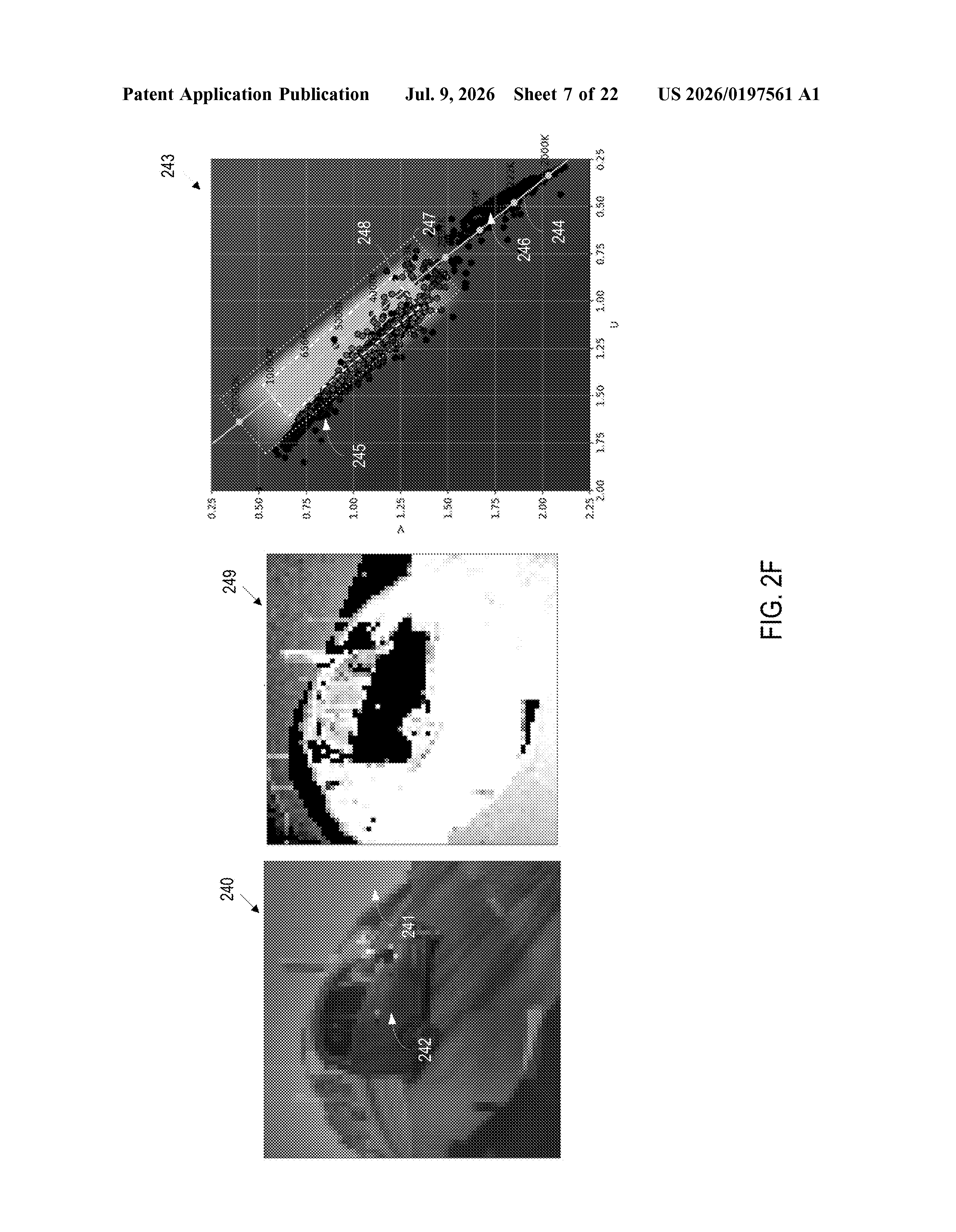
Imagine taking a photo under mixed lighting, say a room with both warm lamps and a blue-tinted window. Your camera has to guess which light is "the" light, so it can correct the colors properly. Sometimes it guesses well; sometimes it doesn't. The problem is that most cameras apply the full correction either way.
Nvidia's patent describes a fallback approach: before correcting the colors, the system first asks how confident it is in its own estimate. If the confidence is high, it applies a strong correction. If the confidence is low, it dials back, applying a gentler fix rather than committing to a potentially wrong one.
The practical result is fewer photos with badly off-color skin tones or weirdly tinted skies, especially in tricky lighting situations where the camera would otherwise guess and guess wrong.
How the confidence score shapes the correction factor
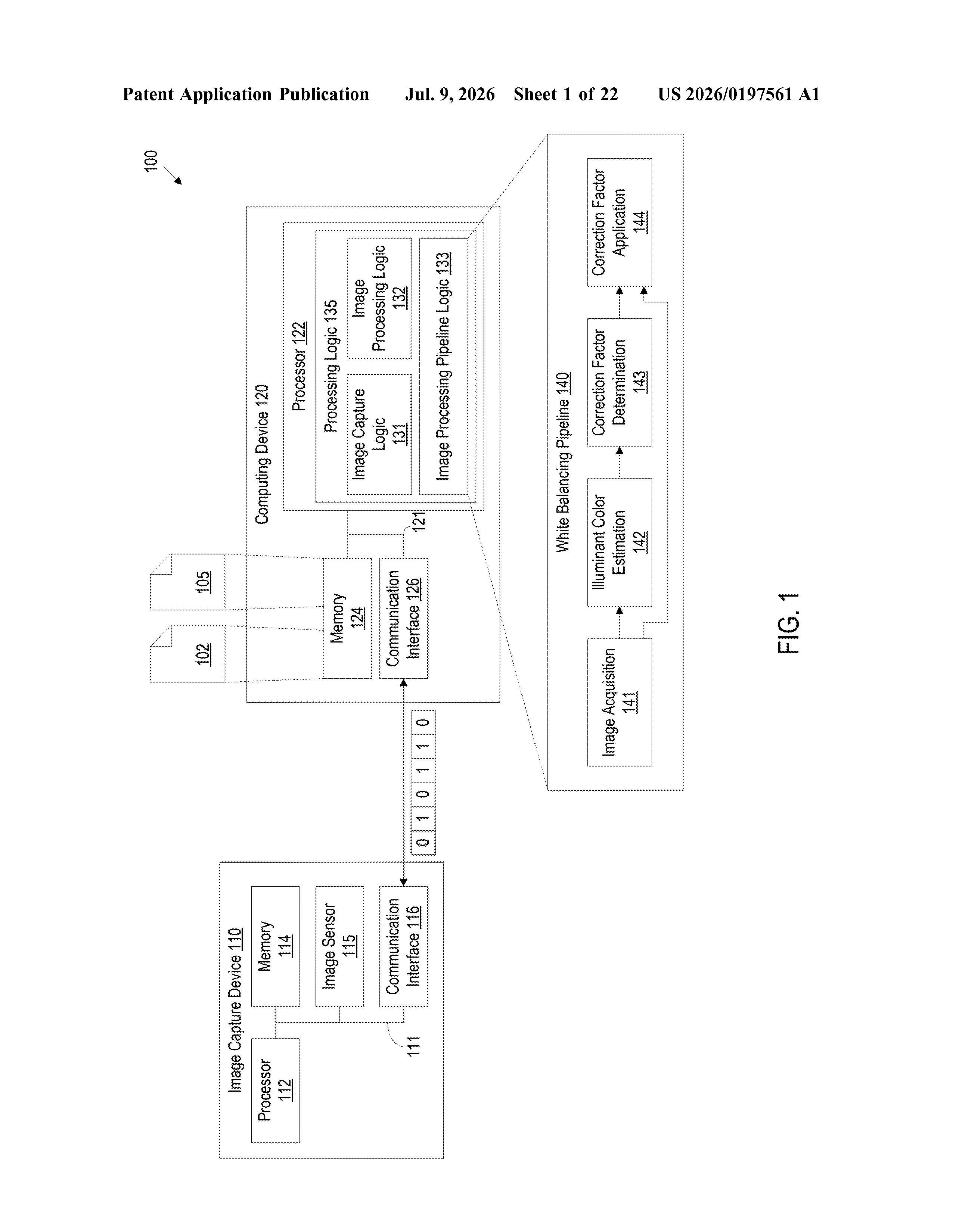
The patent describes a method that works in three steps after an image is captured:
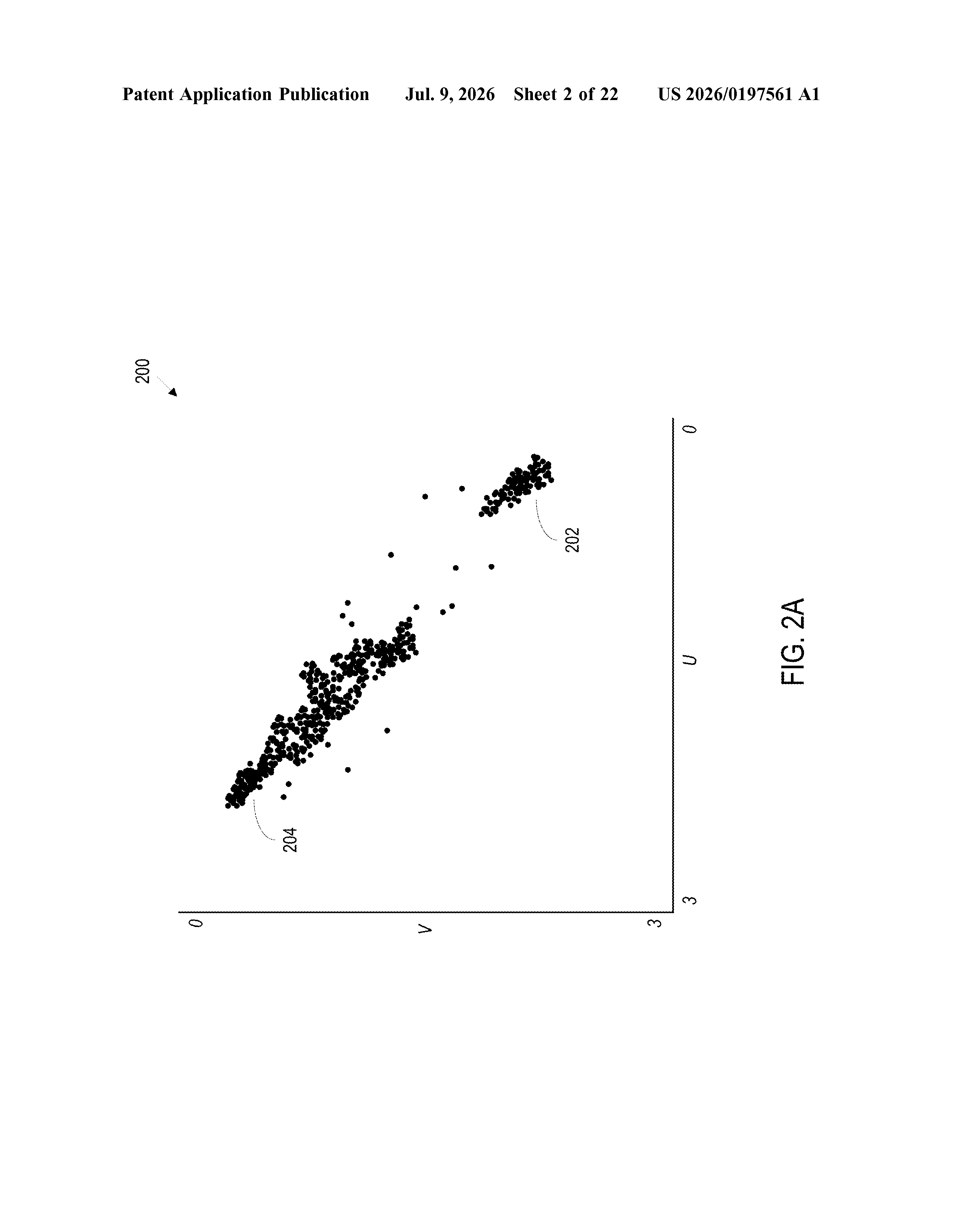
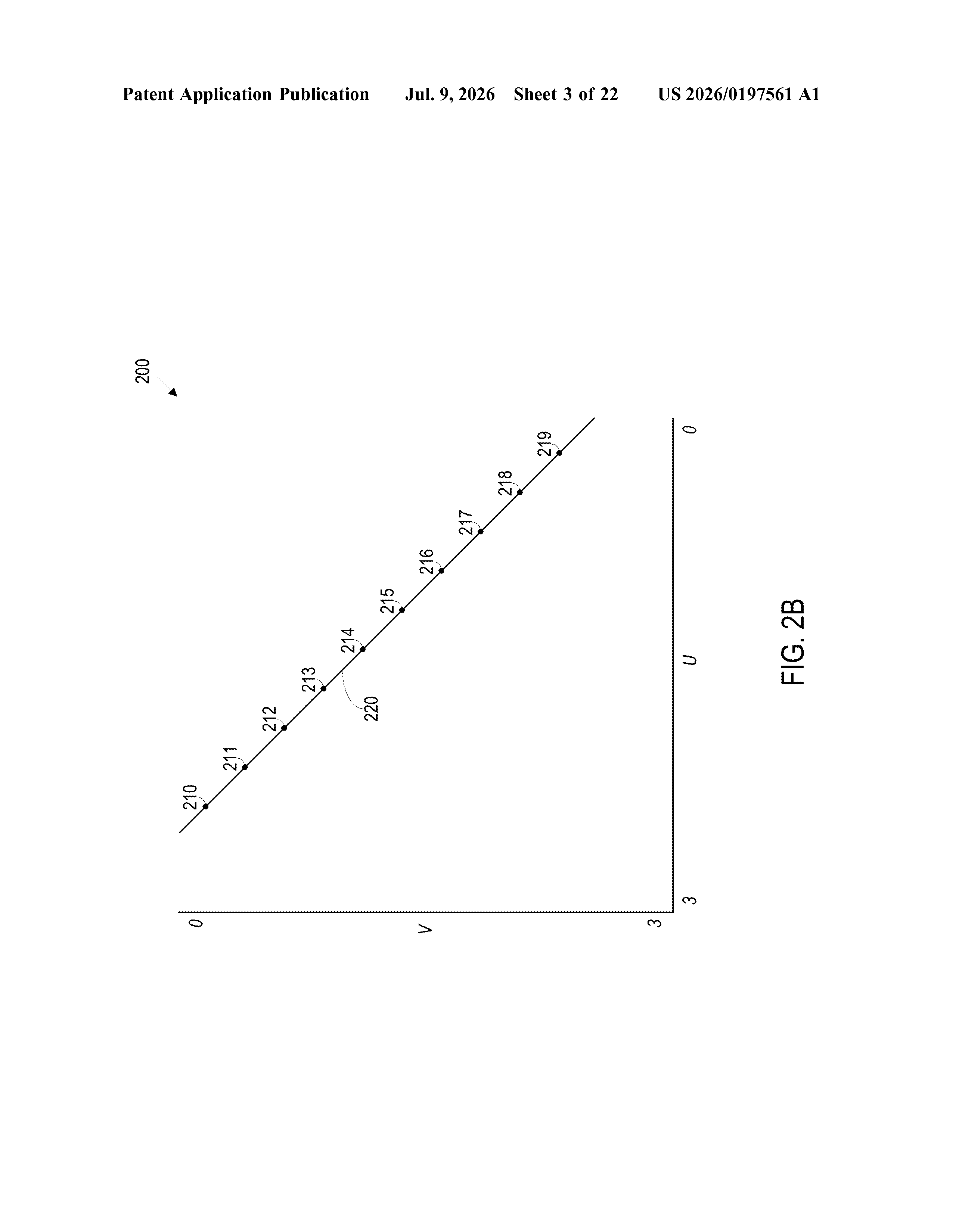
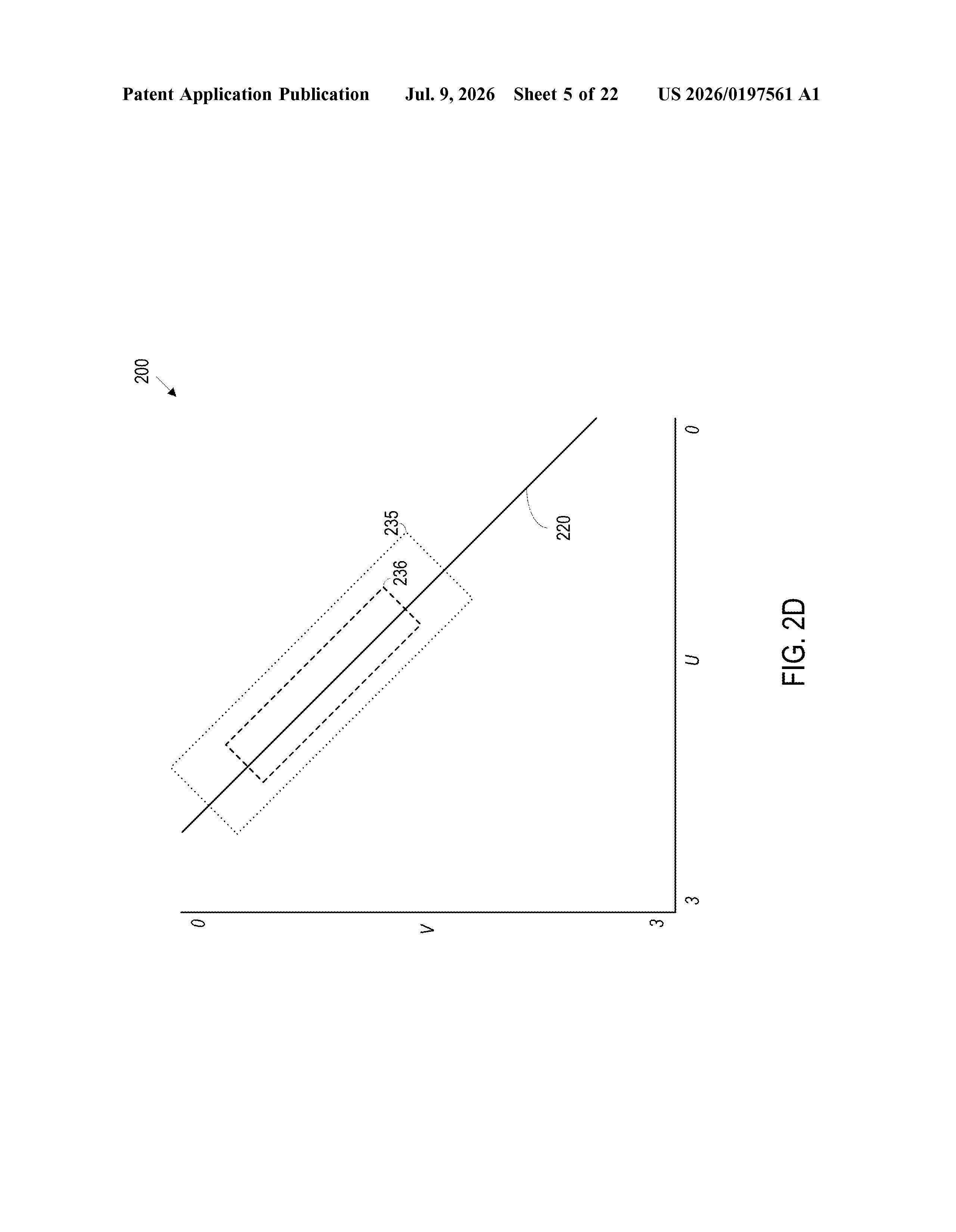
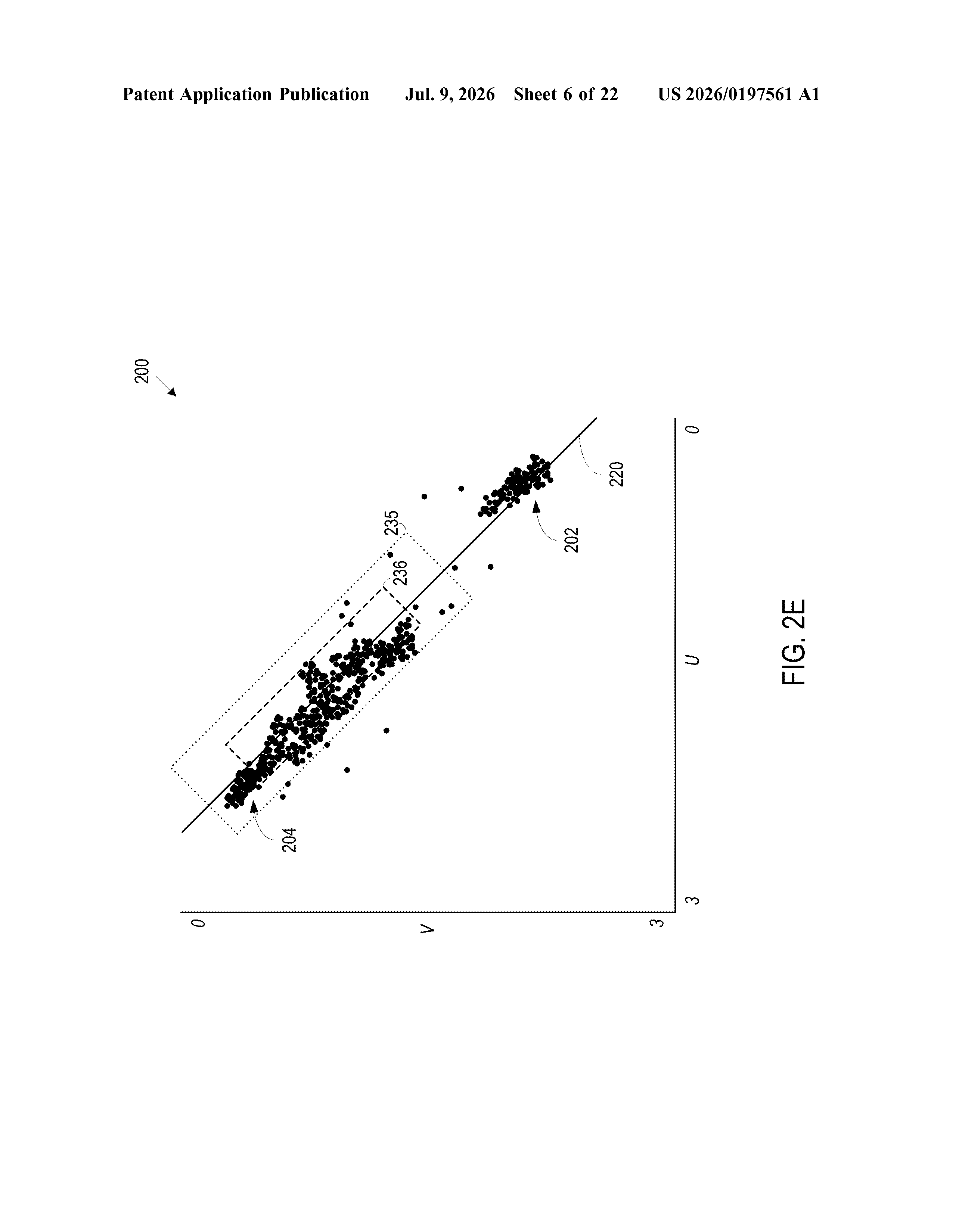
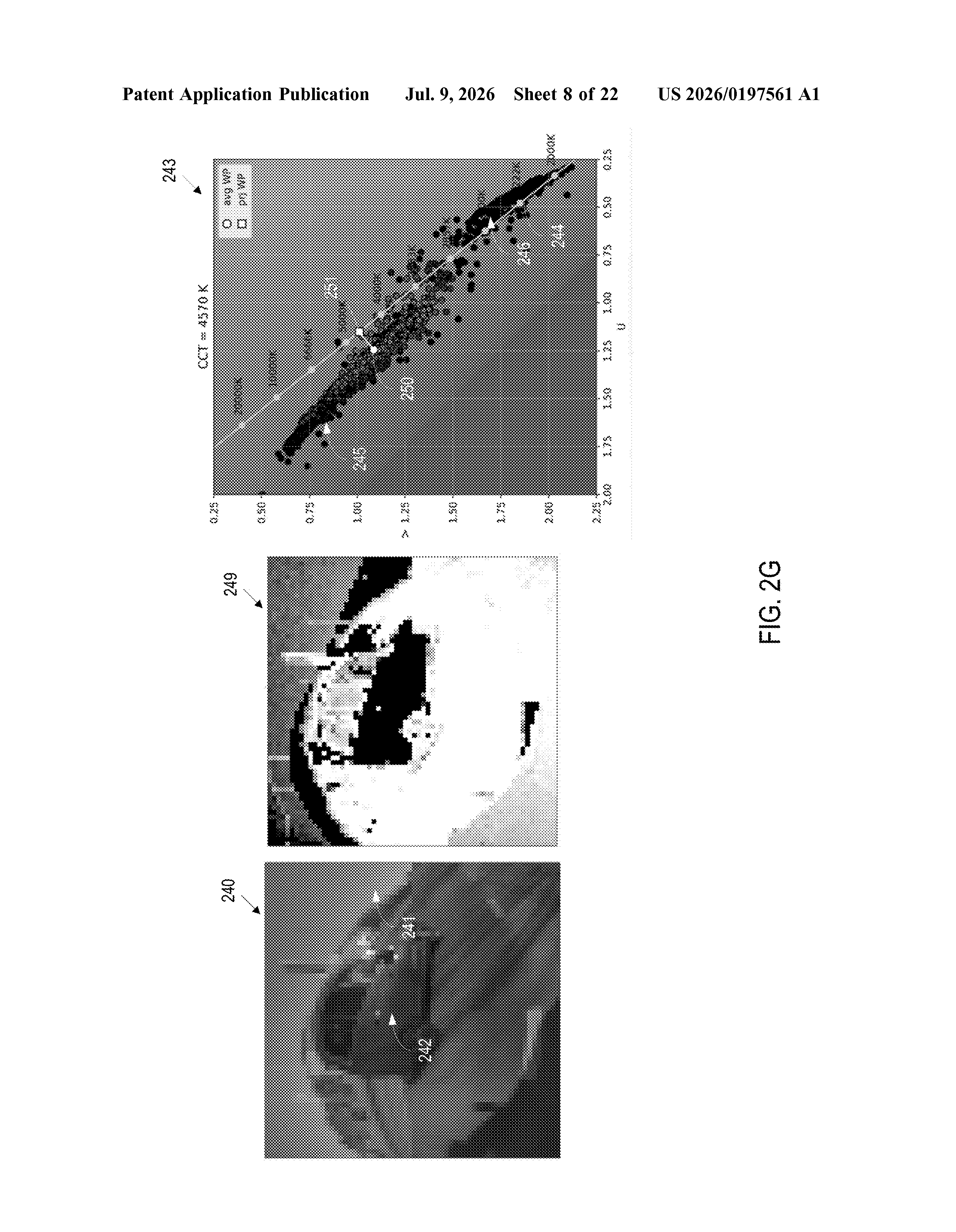
- Estimate the illuminant color: the system calculates what color the dominant light source appears to be (a number describing the warmth or coolness of the light).
- Assign a confidence level: the system evaluates how reliable that estimate is. Low confidence might mean the image has mixed light sources or unusual colors that make the guess unreliable.
- Scale the correction accordingly: one or more correction factors are derived from that confidence score. A high-confidence estimate gets a full correction applied; a low-confidence estimate gets a softer, more conservative adjustment.
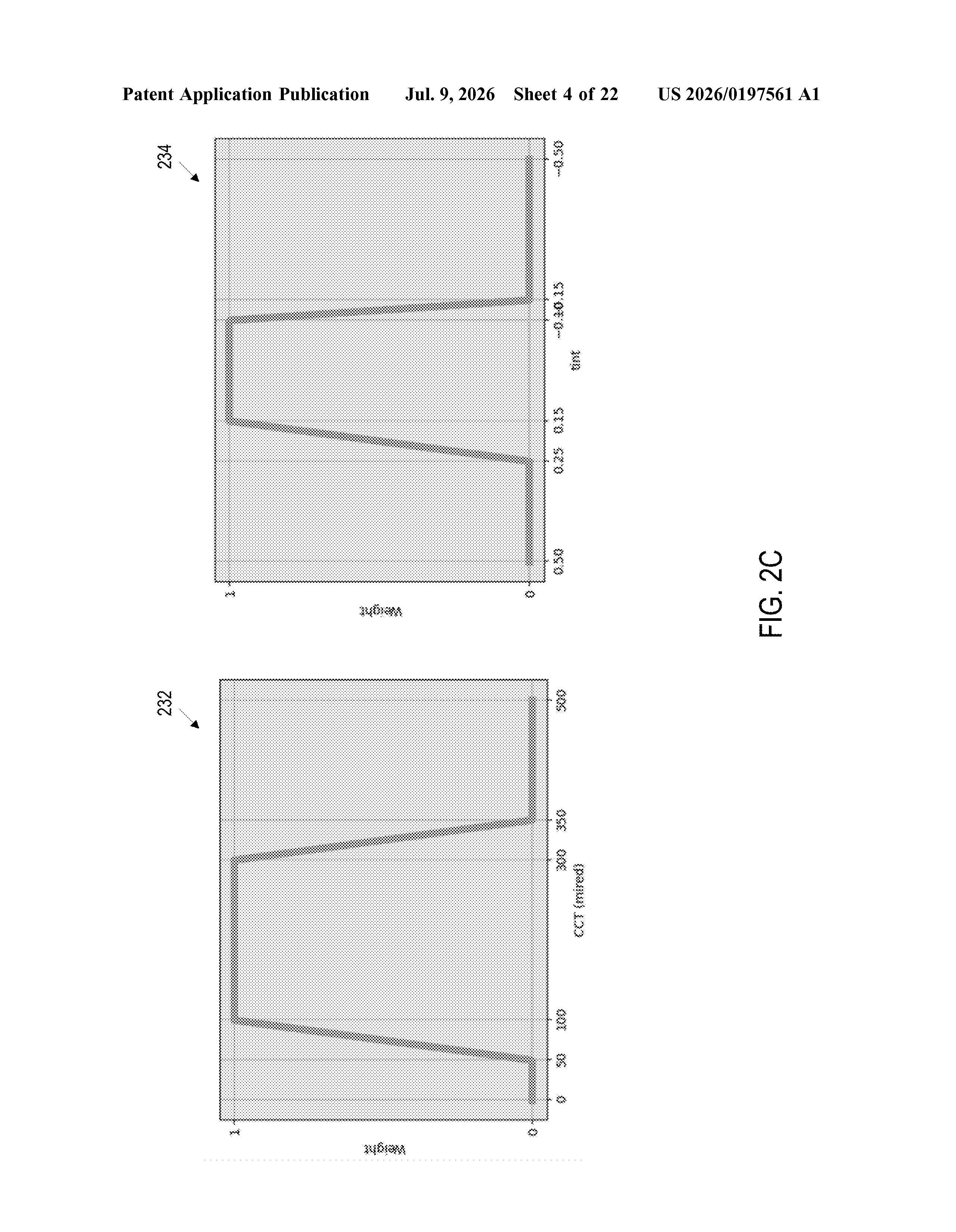
The key innovation is treating the confidence level as a direct input to the correction math, rather than a simple pass/fail gate. This means the correction smoothly scales with certainty instead of flipping between "correct fully" and "don't correct at all."
The patent doesn't lock this to a specific AI model or sensor type, so the approach could apply to a range of camera pipelines where an illuminant color estimator already exists.
What this means for cameras in Nvidia-powered devices
Auto white balance failures are one of the most common reasons photos look wrong straight out of a camera. Nvidia's approach is notable because it applies to any pipeline where a confidence score is available, which increasingly includes AI-based illuminant estimators used in computational photography and machine vision.
For you, this would show up as fewer photos where your friend's face is inexplicably orange or the whole scene looks sickly green under fluorescent lights. For Nvidia specifically, this kind of image processing logic fits into their Jetson embedded computing platform and any camera systems running on their chips, from robotics to autonomous vehicles to consumer devices.
This is a genuinely sensible idea applied to a problem that annoys photographers constantly. It's not a flashy patent, but the logic of scaling a correction by confidence rather than making a binary decision is clean and practical. Whether Nvidia ships it in a product camera stack or licenses the idea to partners, the core concept is useful.
Get our take in your Top Stories
Liked this breakdown? Add Patentlyze as a preferred source on Google, and our plain-English take shows up more often in your Top Stories the next time Nvidia patent news breaks.
There are more where this came from
We read every patent application Big Tech publishes and send you the ones worth knowing. Plain English, free, every week.
The drawings
22 drawing sheets from US 2026/0197561 A1 · click any drawing to enlarge
Want this weekly breakdown for a company we don't cover? Patentlyze Pro →