
Intel Patents a Processor That Speeds Up AI by Simplifying Its Math
Intel is patenting a chip design that shrinks the numbers used in AI math down to just one or two bits each, potentially running neural networks up to four times faster than current approaches without rewriting the underlying software.
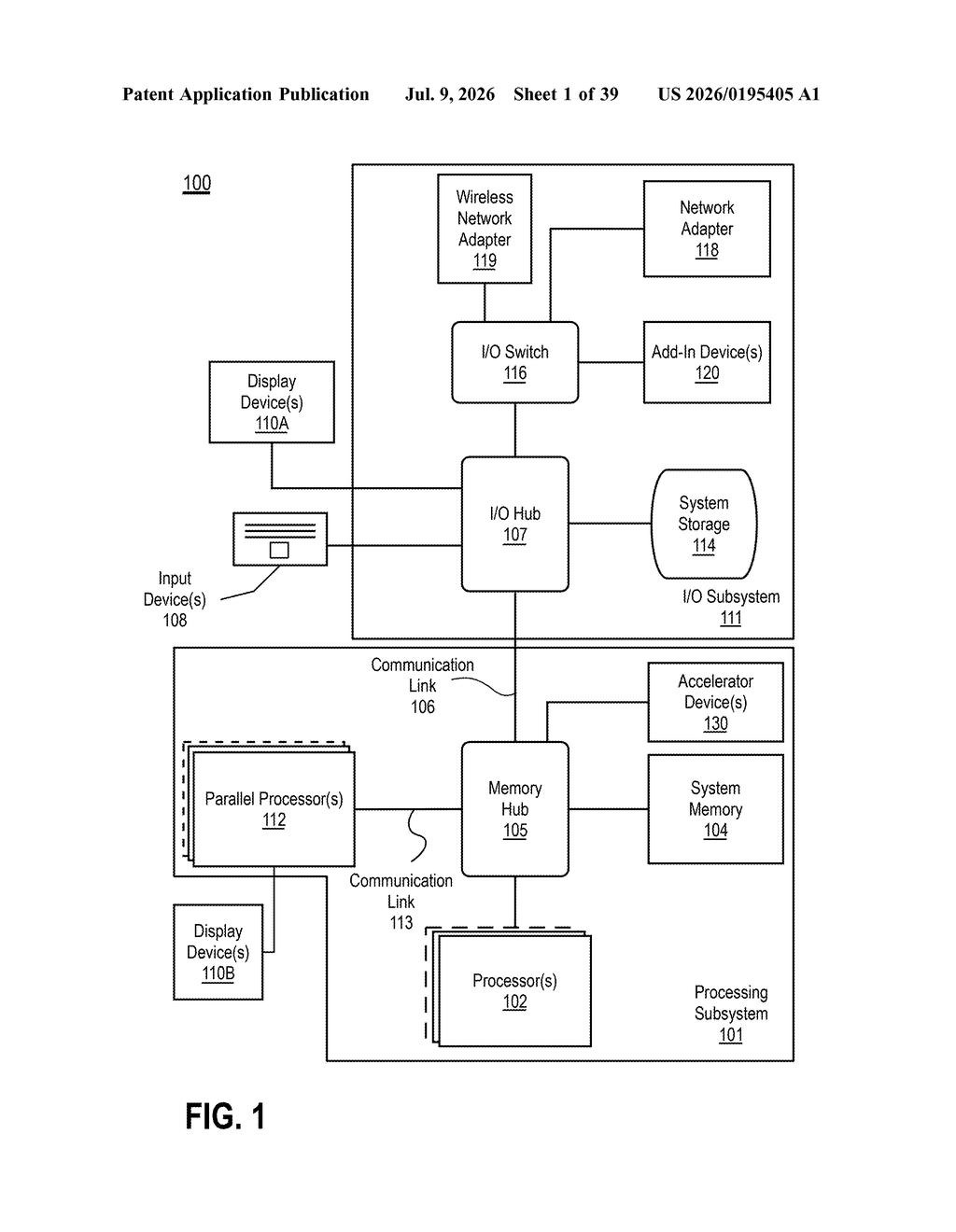
What Intel's 1-and-2-bit AI math chip actually does
Imagine a calculator that, instead of storing every number with full decimal-place precision, rounds everything to the nearest rough value like "-1, 0, or +1" before doing its math. You'd lose a little accuracy, but you'd finish the calculation much faster. That's the core idea here.
AI models do enormous amounts of multiplication to generate outputs, whether that's answering a question or recognizing an image. Intel's patent describes a processor that compresses the internal numbers those models use (called "weights") into extremely tiny formats, as small as a single bit. A bit can only hold two values, so instead of a rich decimal number you get something like "yes or no" or "-1 or +1."
By stripping the numbers down this far, the chip can pack more calculations into each clock cycle. Intel claims this approach delivers 2x to 4x better performance compared to chips running on 4-bit numbers, which are themselves already considered compact. The catch is that you accept some loss in mathematical precision in exchange for that speed.
How the processor encodes weights and multiplies them
The patent describes a processor built to handle matrix multiplication (the core mathematical operation inside almost every AI model) using numbers stored in unusually small formats.
Four formats are supported:
- Symmetric binary (1-bit): values are either -1 or +1
- Asymmetric binary (1-bit): values are either 0 or +1
- Ternary (2-bit): values are -1, 0, or +1
- Quaternary (2-bit): values are -2, -1, +1, or +2
Because the numbers are so small, the actual multiplication steps can be replaced with simpler logic operations. XNOR and AND gates (basic digital logic circuits that are faster and cheaper than true multipliers) handle the 1-bit cases. A compact 2-bit multiplier handles the wider formats. This matters because real multiplier circuits take up significant chip area and consume power.
Results are accumulated (summed up) at higher precision so rounding errors don't snowball, and then rounded back down to the low-bit format. The patent positions this as a practical path to efficient neural network inference, meaning running a trained AI model to produce answers, rather than the training process itself.
What this means for AI chip speed and efficiency
AI inference is increasingly happening on-device, inside phones, laptops, cars, and data-center accelerators where power budgets are tight. Cutting the numeric precision of the weights from 8 or 16 bits down to 1 or 2 bits while keeping acceptable accuracy is a well-known research goal, and the chip industry is racing to build dedicated hardware for it. A 4x throughput gain over 4-bit formats would be significant if it holds up in real workloads.
For you as a user, this kind of work is what eventually makes AI assistants faster on the device in your pocket rather than requiring a round-trip to a distant server. Intel is trying to carve out a hardware position in that trend, competing against Nvidia, Qualcomm, and Apple, all of whom are filing similar low-precision inference patents.
This is solid engineering work in a crowded space. Low-bit-width AI inference is genuinely important, and Intel needs wins here to stay relevant in the AI accelerator race. The 2-4x performance claim is specific enough to be interesting, but the real test is whether this makes it into actual silicon that developers can buy.
Get our take in your Top Stories
Liked this breakdown? Add Patentlyze as a preferred source on Google, and our plain-English take shows up more often in your Top Stories the next time Intel patent news breaks.
There are more where this came from
We read every patent application Big Tech publishes and send you the ones worth knowing. Plain English, free, every week.
Want this weekly breakdown for a company we don't cover? Patentlyze Pro →