
Google Patents a Way to Fix AI Search Weak Spots Without Full Retraining
Retraining a large AI model from scratch is expensive and slow. Google's latest patent describes a way to fix just the broken parts, like patching a pothole instead of repaving the whole street.
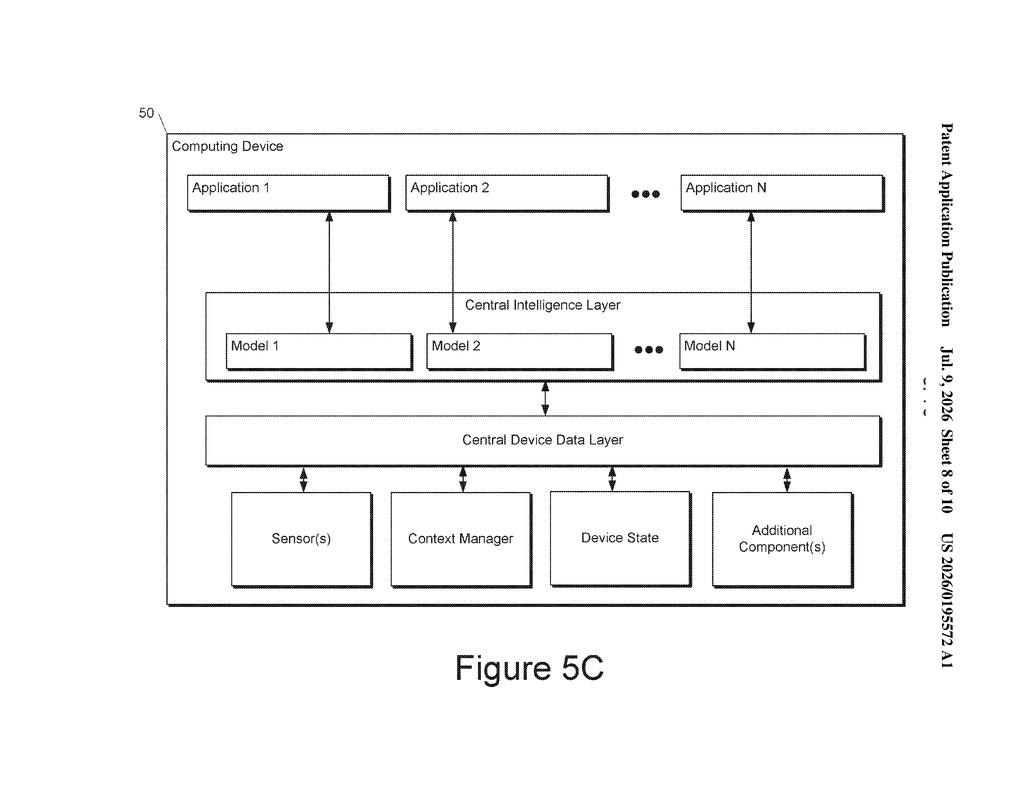
What Google's embedding patch system actually does
Imagine a massive library where every book is filed by topic. An AI model works the same way: it sorts everything it knows into a giant invisible filing system. When the filing system gets something wrong in one corner (say, it keeps confusing two similar topics), the usual fix is to redo the entire filing system from the beginning. That's enormously costly.
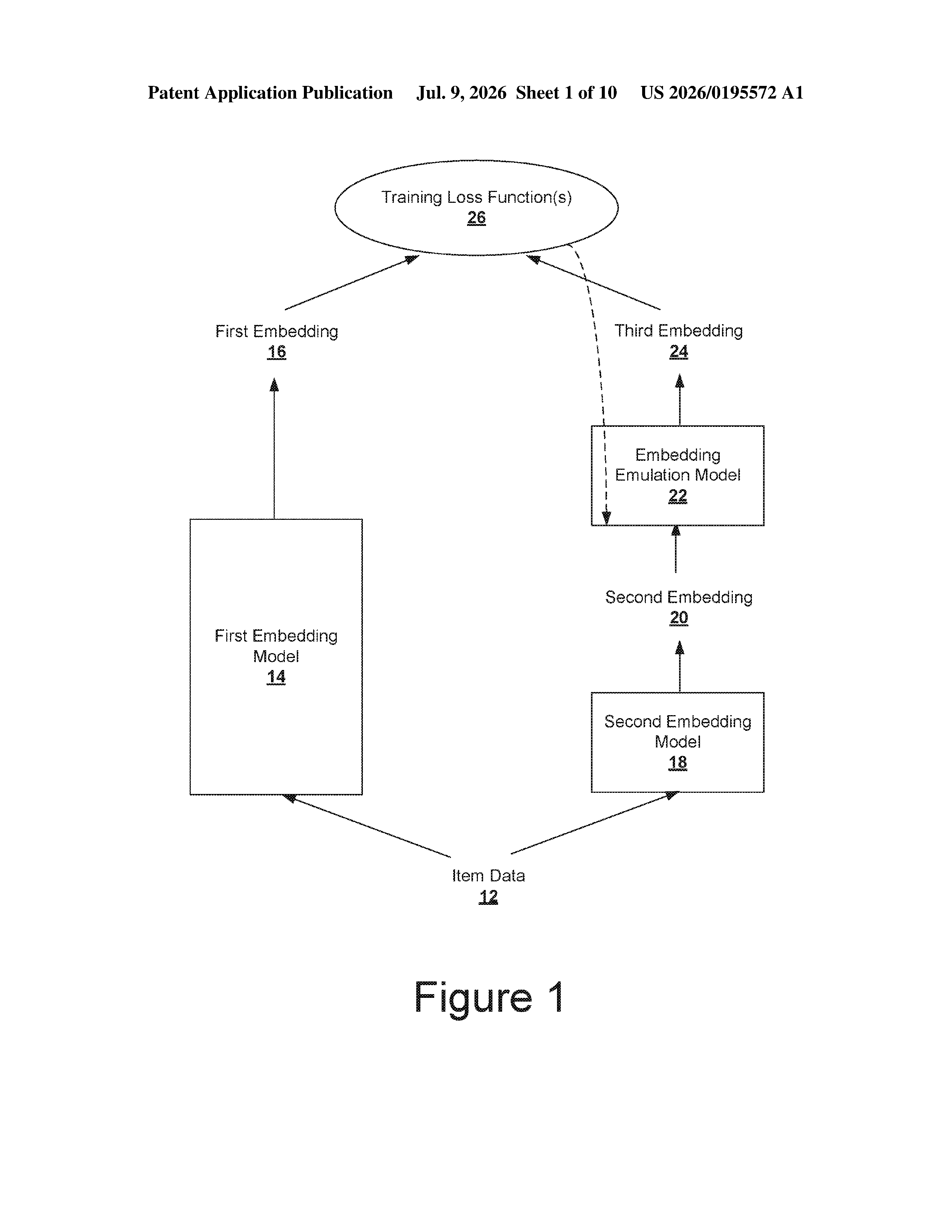
Google's patent describes a smarter shortcut. Instead of redoing everything, you train a small, focused model that only handles the problem corner of the filing system. Then you teach a third, tiny helper model to translate the small model's answers back into the language the big original model speaks, so the whole system still works together.
The result: a targeted fix that doesn't require touching the main model at all. For a company that runs AI at Google's scale, even small savings in retraining time and computing costs can translate into real money.
How the three-model translation system works
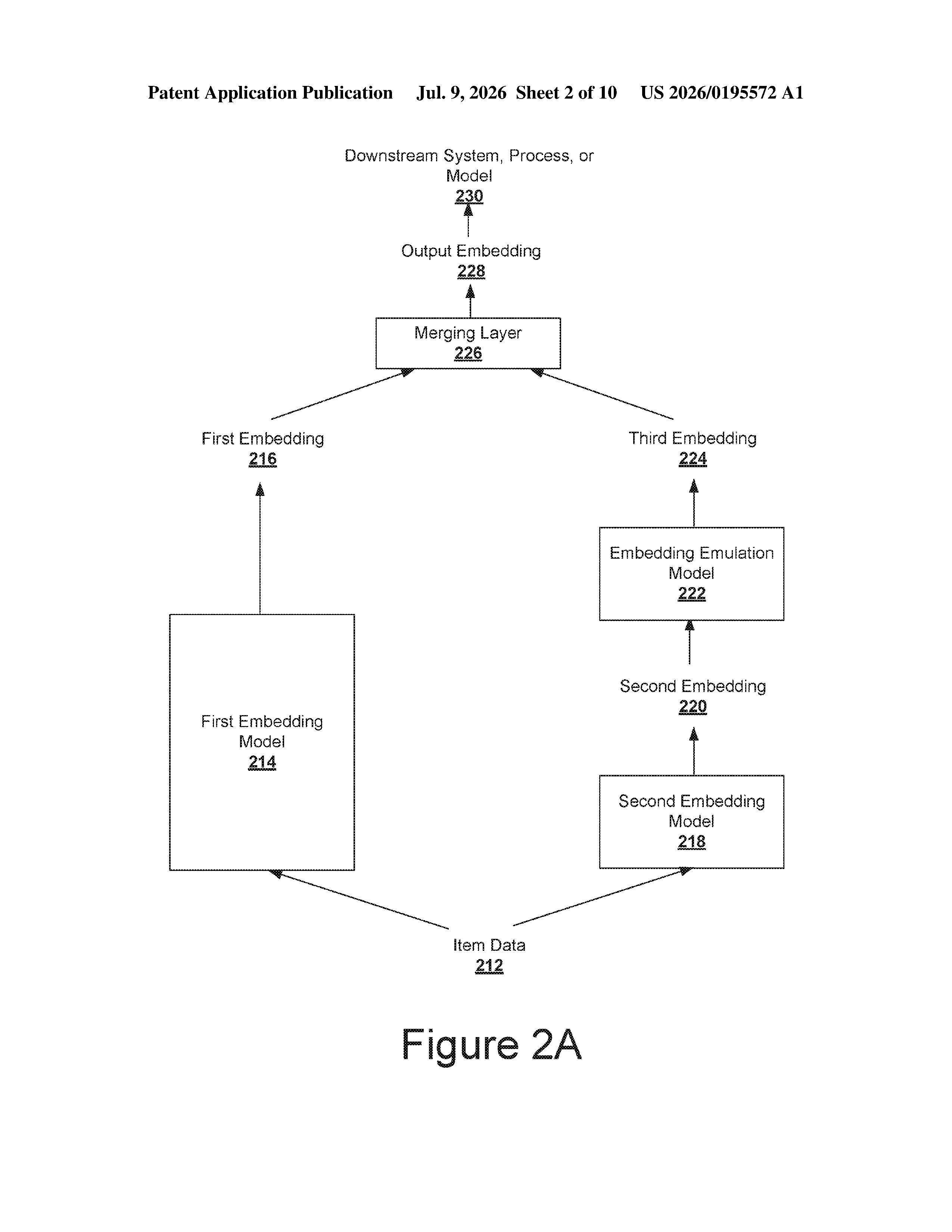
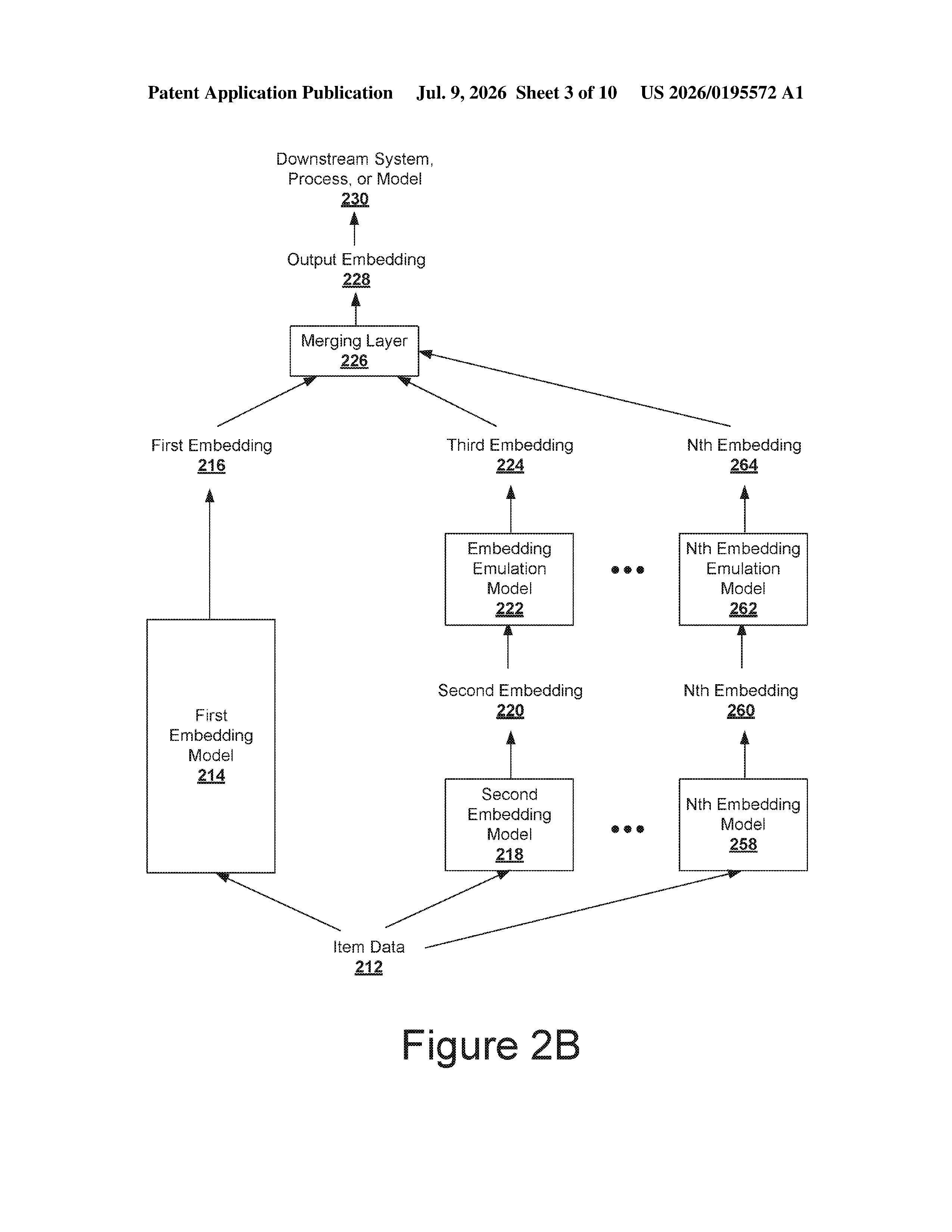
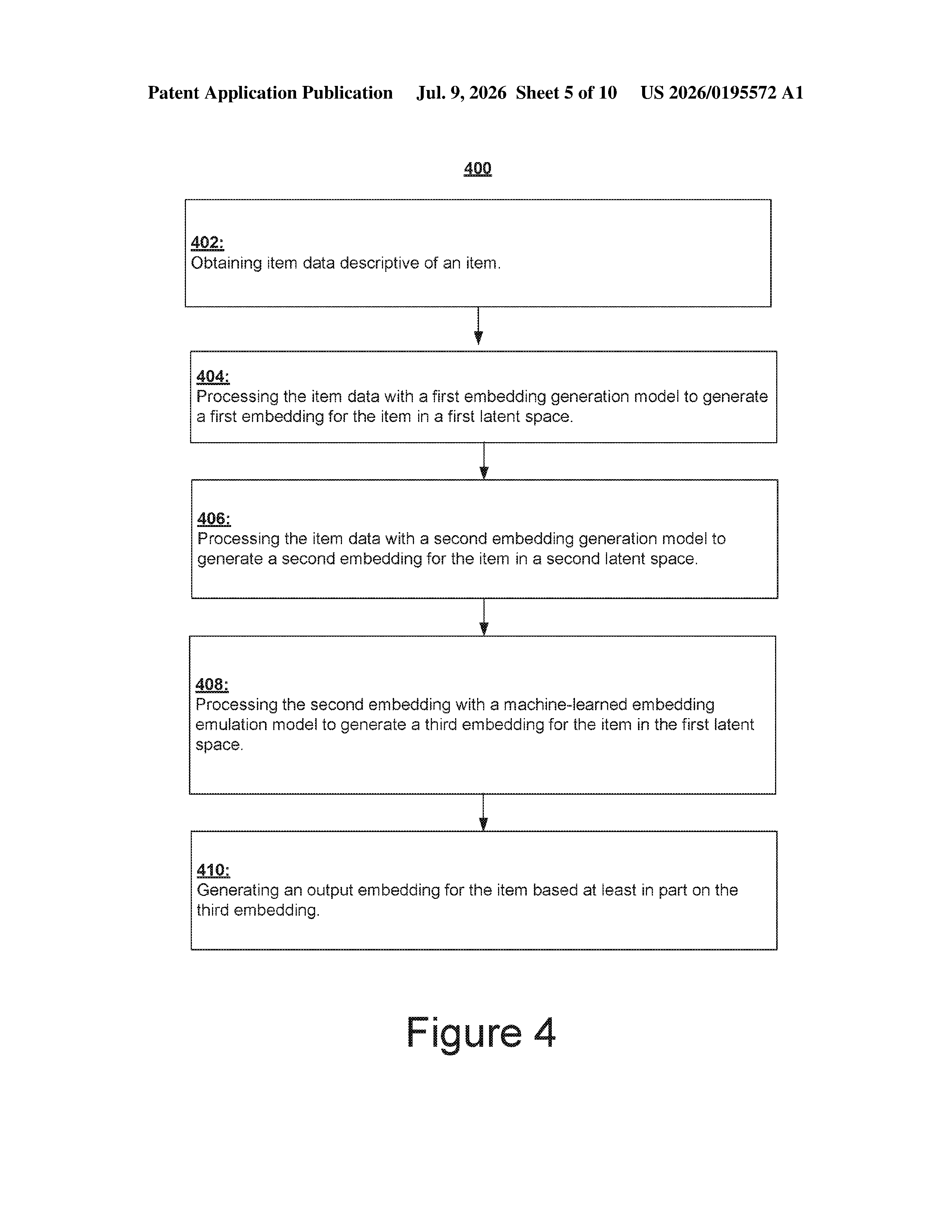
The patent describes a three-model architecture for fixing localized quality problems in what are called embedding models (systems that convert items like search queries, products, or documents into lists of numbers that capture meaning, so similar things end up numerically close to each other).
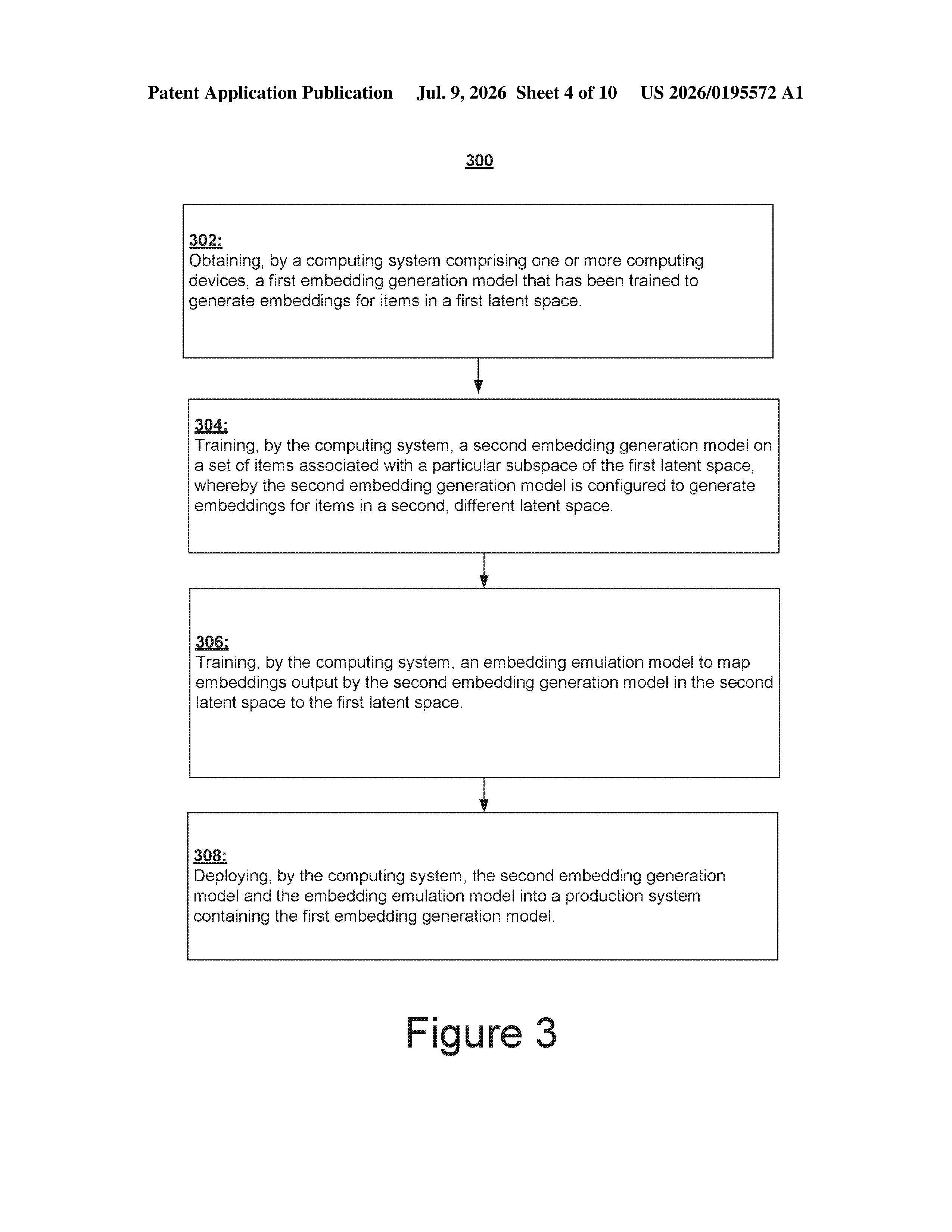
The process works in three steps:
- A large, already-trained first embedding model stays untouched. It handles the full filing system as normal.
- A smaller second embedding model is trained only on the specific subset of items where the first model performs poorly. It learns a different, specialized numerical space for those items.
- An embedding emulation model is then trained to translate the second model's outputs back into the coordinate system of the first model, so downstream systems don't need to change at all.
The emulation model is trained by comparing what the big original model would produce for an item against what the small model plus emulator produces, then adjusting until the two align. The key insight is that the second model can use an entirely different internal representation, as long as the emulator bridges the gap at the output.
This approach is described as avoiding significant re-training or re-deployment costs, which matters enormously at the scale of Google's search and recommendation infrastructure.
What this means for Google's search and recommendation costs
Large AI embedding models power a surprising number of things you use every day: Google Search rankings, YouTube recommendations, Google Shopping results, and more. When those models develop blind spots (categories of queries or items they handle poorly), fixing them today usually means an expensive full retraining run that can take weeks and significant compute resources.
If this approach works in practice, it means Google could iterate on specific quality problems much faster and at lower cost, potentially pushing improvements to users more frequently. It also hints at a broader engineering philosophy: treating large AI models less like monoliths to be replaced wholesale and more like systems that can be incrementally patched, which has obvious appeal as these models get larger and more expensive to retrain.
This is infrastructure work, not a flashy consumer feature, but it's the kind of engineering that compounds over time. If Google can make targeted fixes to its embedding models cheaply and quickly, it gains a real operational edge in keeping search and recommendation quality high without the budget of a full retraining cycle. Worth tracking.
Get our take in your Top Stories
Liked this breakdown? Add Patentlyze as a preferred source on Google, and our plain-English take shows up more often in your Top Stories the next time Google patent news breaks.
There are more where this came from
We read every patent application Big Tech publishes and send you the ones worth knowing. Plain English, free, every week.
The drawings
10 drawing sheets from US 2026/0195572 A1 · click any drawing to enlarge
Want this weekly breakdown for a company we don't cover? Patentlyze Pro →