
Google Patent Splits AI Workloads Across Preparation Steps and Accelerator Chips Simultaneously
AI chips are expensive and fast, but they often sit idle waiting for data to arrive. Google's new patent describes a system that keeps those chips constantly busy by offloading the preparation work to cheaper, general-purpose computers running in parallel.
How Google wants to keep AI chips fed with data
Imagine a restaurant kitchen where the head chef (the most expensive person) keeps stopping to peel vegetables. You'd naturally hire prep cooks to handle all the chopping so the head chef can focus entirely on cooking. That's essentially what this Google patent is doing, but for AI processing.
When training or running a large AI model, there are two very different kinds of work: cleaning and formatting raw data, and then actually running the heavy math on it. Specialized AI chips (called accelerators) are great at the heavy math but shouldn't be wasting time on the prep work.
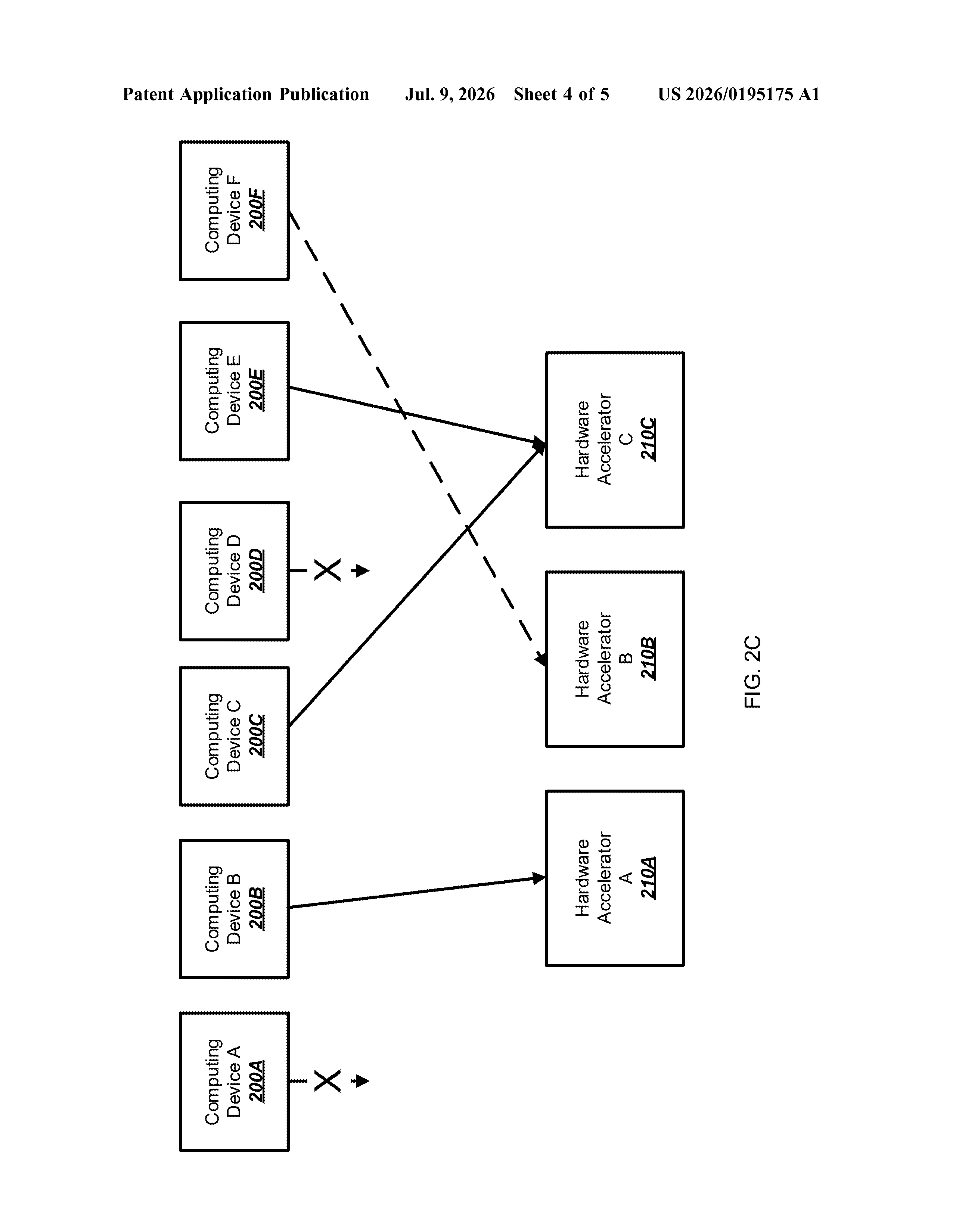
Google's system assigns the prep work to a group of regular computers, each maintaining a queue of ready-to-use data. The AI accelerators then pull from those queues continuously, so they're never sitting idle waiting for the next batch of data to be prepared. The whole pipeline runs in parallel, making the expensive hardware work much more efficiently.
How the pipeline assigns prep work and compute work separately
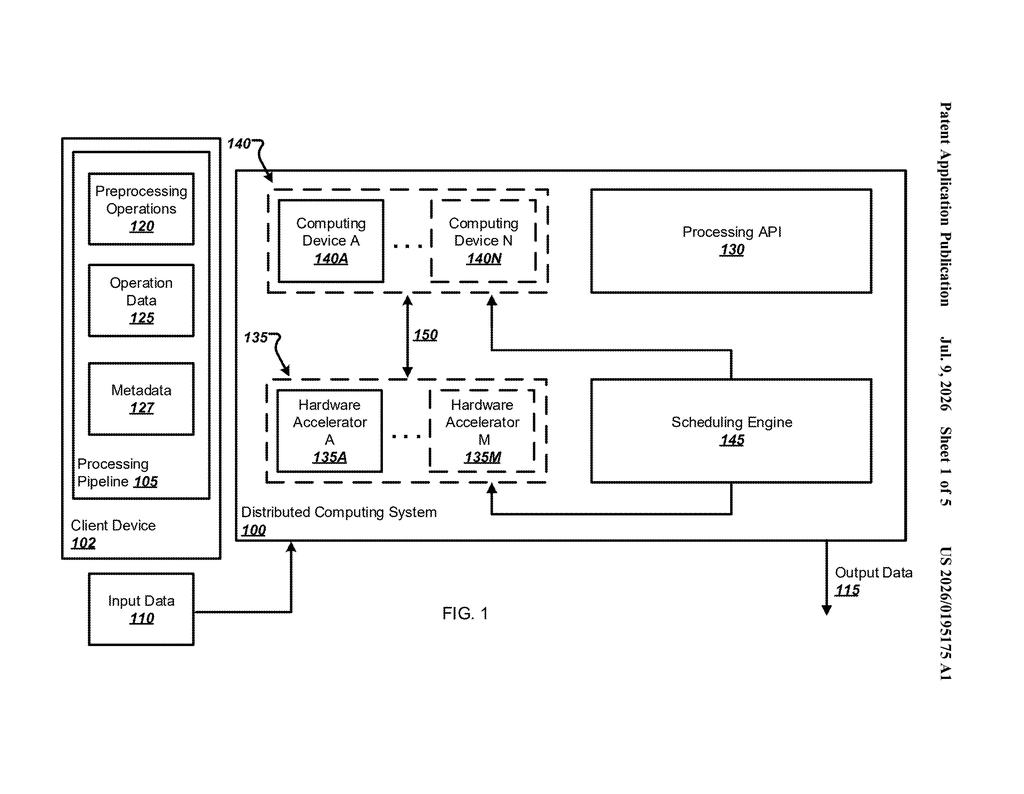
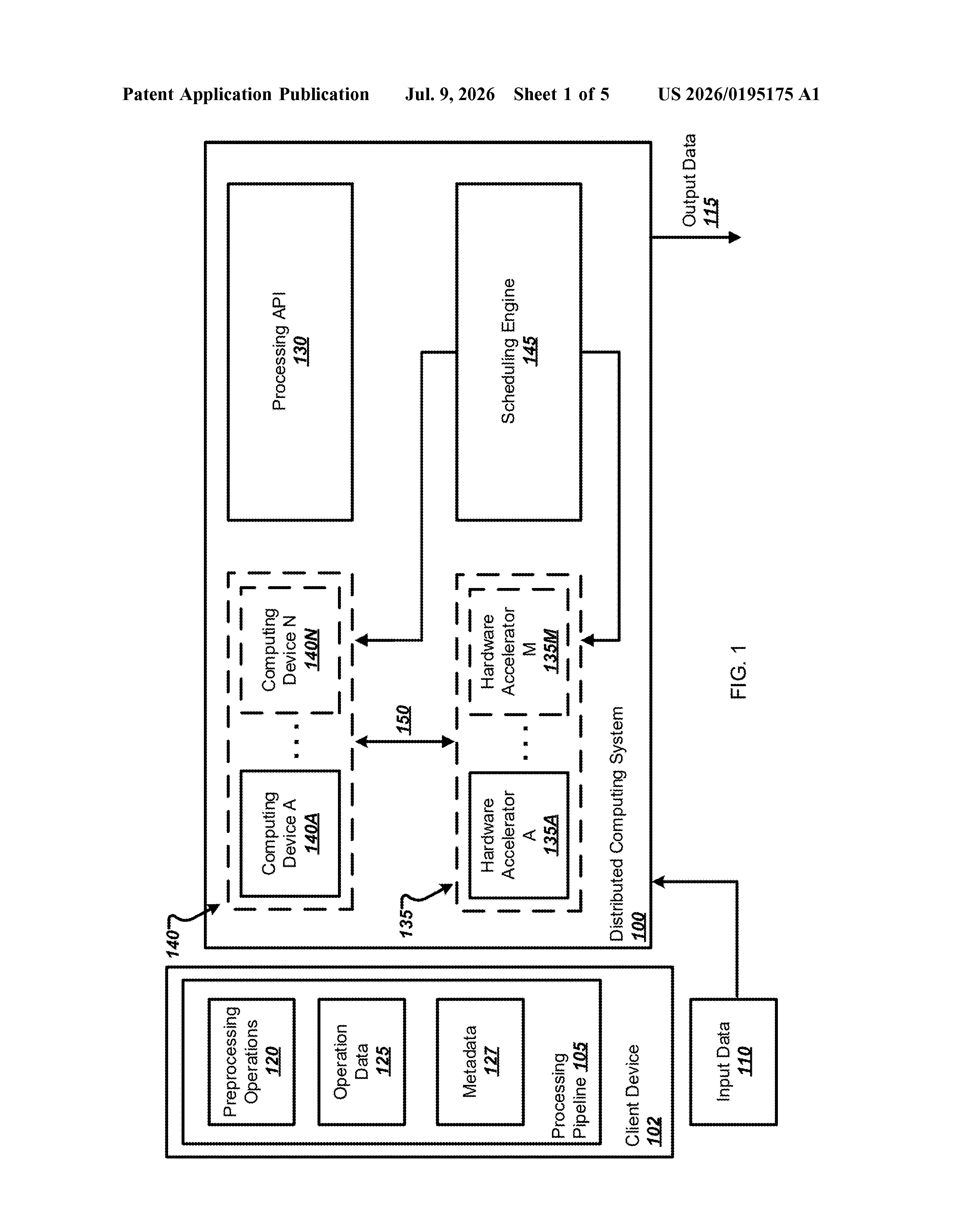
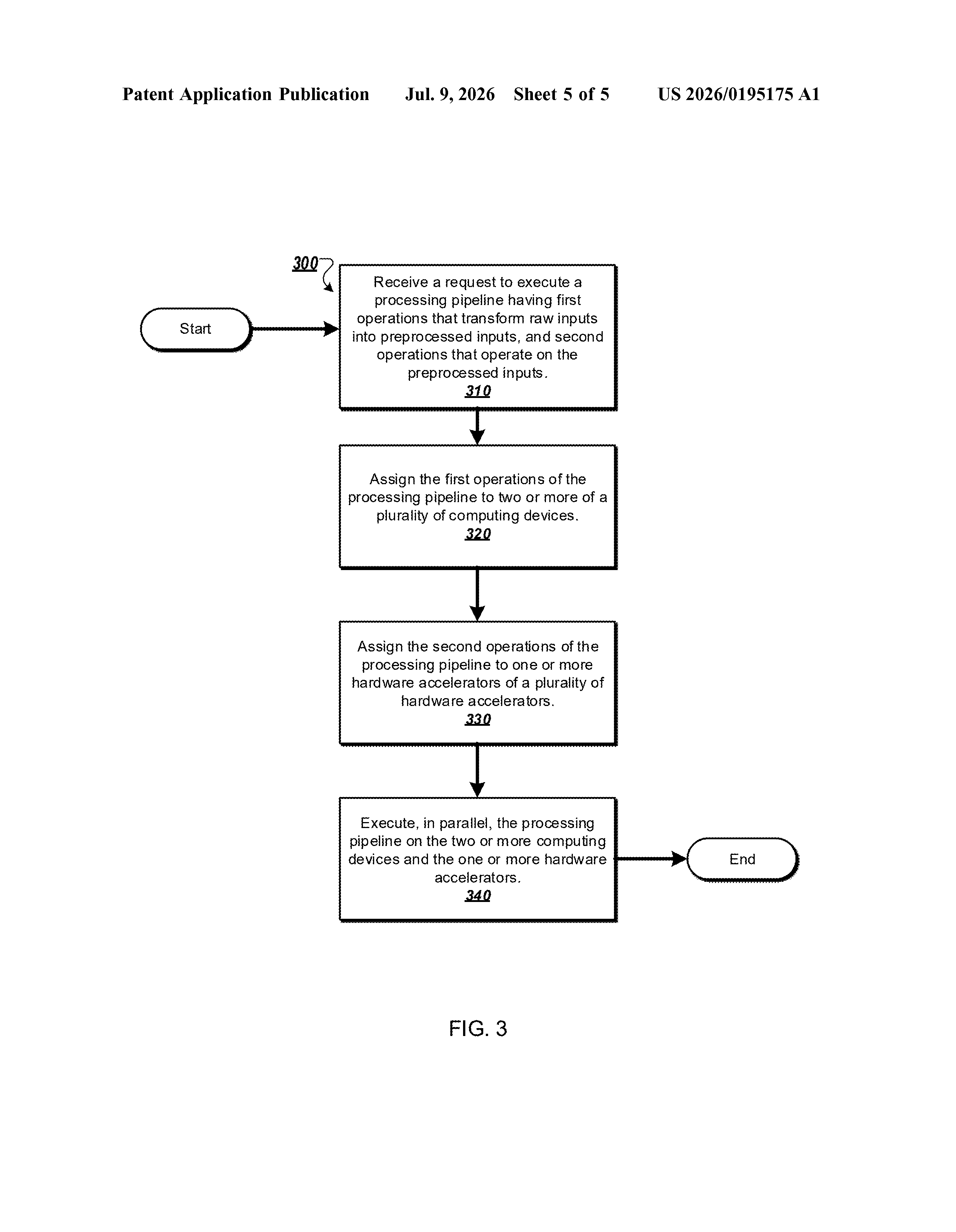
The patent describes a system for splitting a processing pipeline (a series of steps that take raw data and produce a result) into two distinct stages, then running them on different types of hardware simultaneously.
- First operations: These are data preparation steps, things like decoding images, normalizing numbers, or tokenizing text. They run on regular CPU-based computing devices, which are cheaper and flexible but slower at math-heavy tasks.
- Second operations: These are the computationally intensive steps, like running a neural network forward pass. They are assigned to hardware accelerators (think TPUs or GPUs), which are expensive but extremely fast at parallel math.
- Queues: Each CPU-based machine keeps a buffer (a waiting line) of pre-processed data ready to go, so accelerators can pull the next batch the moment they finish the previous one.
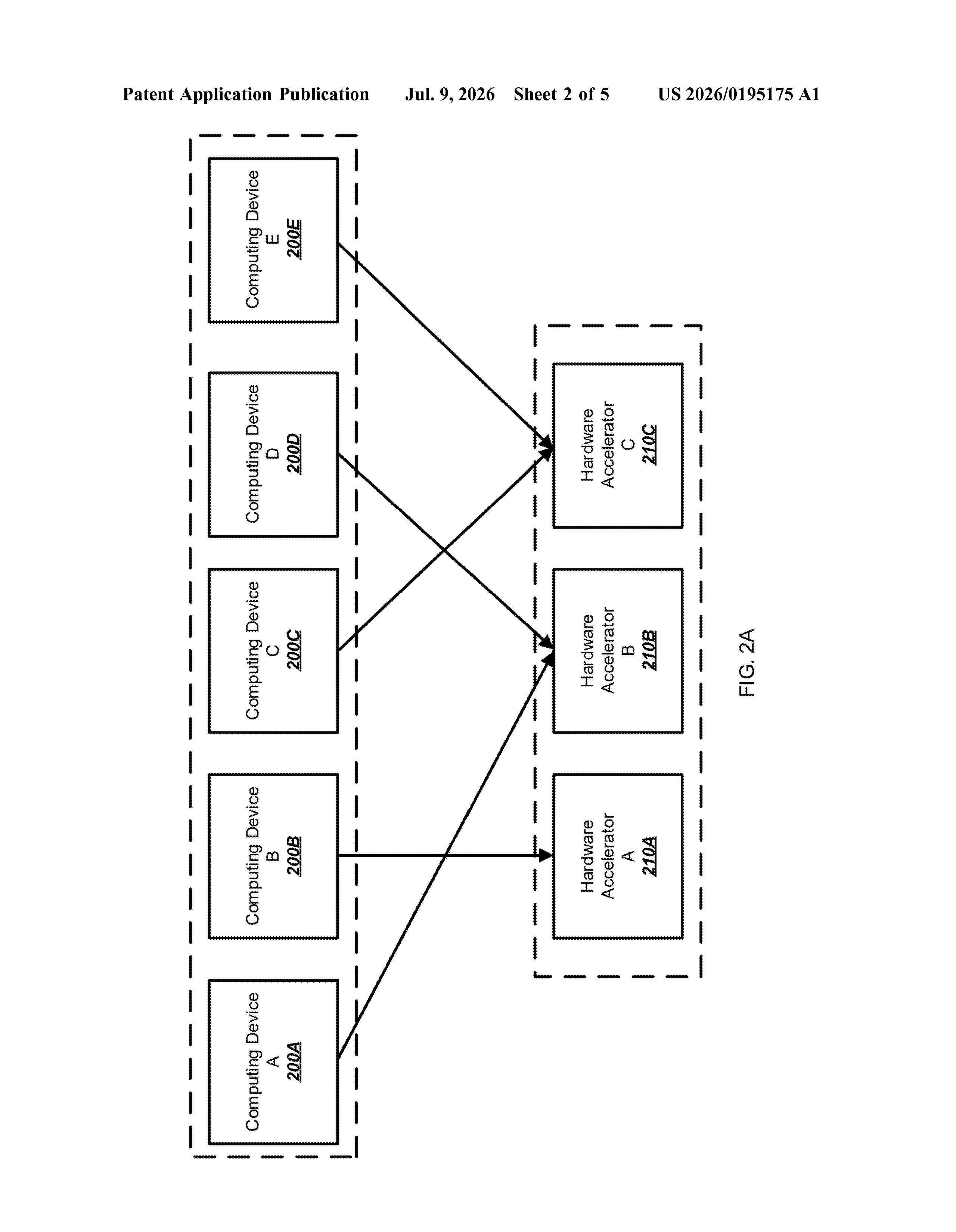
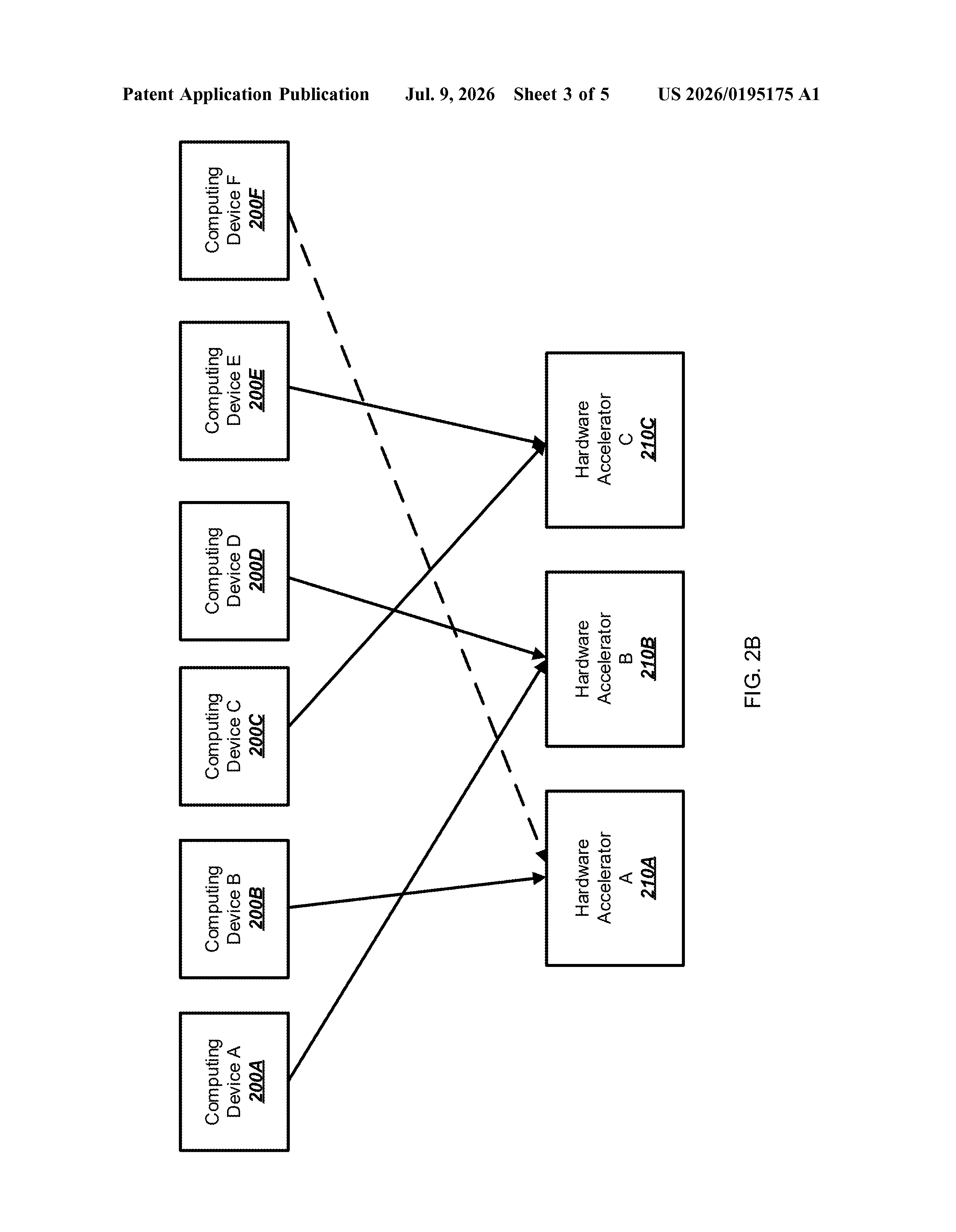
The key coordination step is the assignment mapping: the system explicitly links each accelerator to one or more specific CPU machines. This means an accelerator always knows exactly which machines to pull data from, avoiding congestion or confusion across the network. All of this executes in parallel, so preparation and computation overlap rather than running one after the other.
What this means for large-scale AI training efficiency
For companies running large AI workloads, accelerator idle time is a direct financial cost. These chips are among the most expensive hardware in any data center, and every second they wait for data is wasted money. A system that keeps them continuously fed can meaningfully reduce the compute time (and cost) needed to train or serve a model at scale.
This is also an indicator of where Google is investing engineering effort internally. The patent names researchers associated with Google's large-scale AI training infrastructure, suggesting this reflects real operational problems Google has encountered and solved when running workloads on its own TPU-based systems. Whether this surfaces as a product feature in Google Cloud or stays internal, it points to a deliberate focus on hardware utilization efficiency as a competitive priority.
This is infrastructure plumbing, not a flashy AI product announcement, but infrastructure plumbing at this level has real consequences for how fast and cheaply AI models can be trained. The core idea, separating data prep from compute and running them in parallel with explicit queue management, is well-understood in systems design, so the novelty is probably in the specific coordination mechanism. As a signal of where Google is spending engineering resources, even if it won't make headlines.
Get our take in your Top Stories
Liked this breakdown? Add Patentlyze as a preferred source on Google, and our plain-English take shows up more often in your Top Stories the next time Google patent news breaks.
There are more where this came from
We read every patent application Big Tech publishes and send you the ones worth knowing. Plain English, free, every week.
The drawings
5 drawing sheets from US 2026/0195175 A1 · click any drawing to enlarge
Want this weekly breakdown for a company we don't cover? Patentlyze Pro →