
IBM Patents an AI System That Reads Bank Transactions to Find Forgotten Investments
Millions of dollars sit in forgotten bank accounts, old investment plans, and lapsed policies every year. IBM has filed a patent for a system that reads your transaction history and uses AI to reconstruct a picture of every financial holding tied to you.
How IBM's AI spots money you might have forgotten
Imagine you set up a mutual fund contribution years ago and completely forgot about it. The payments kept leaving your account every month, but you never tracked where they went. IBM's new patent describes a system designed to catch exactly that kind of thing.
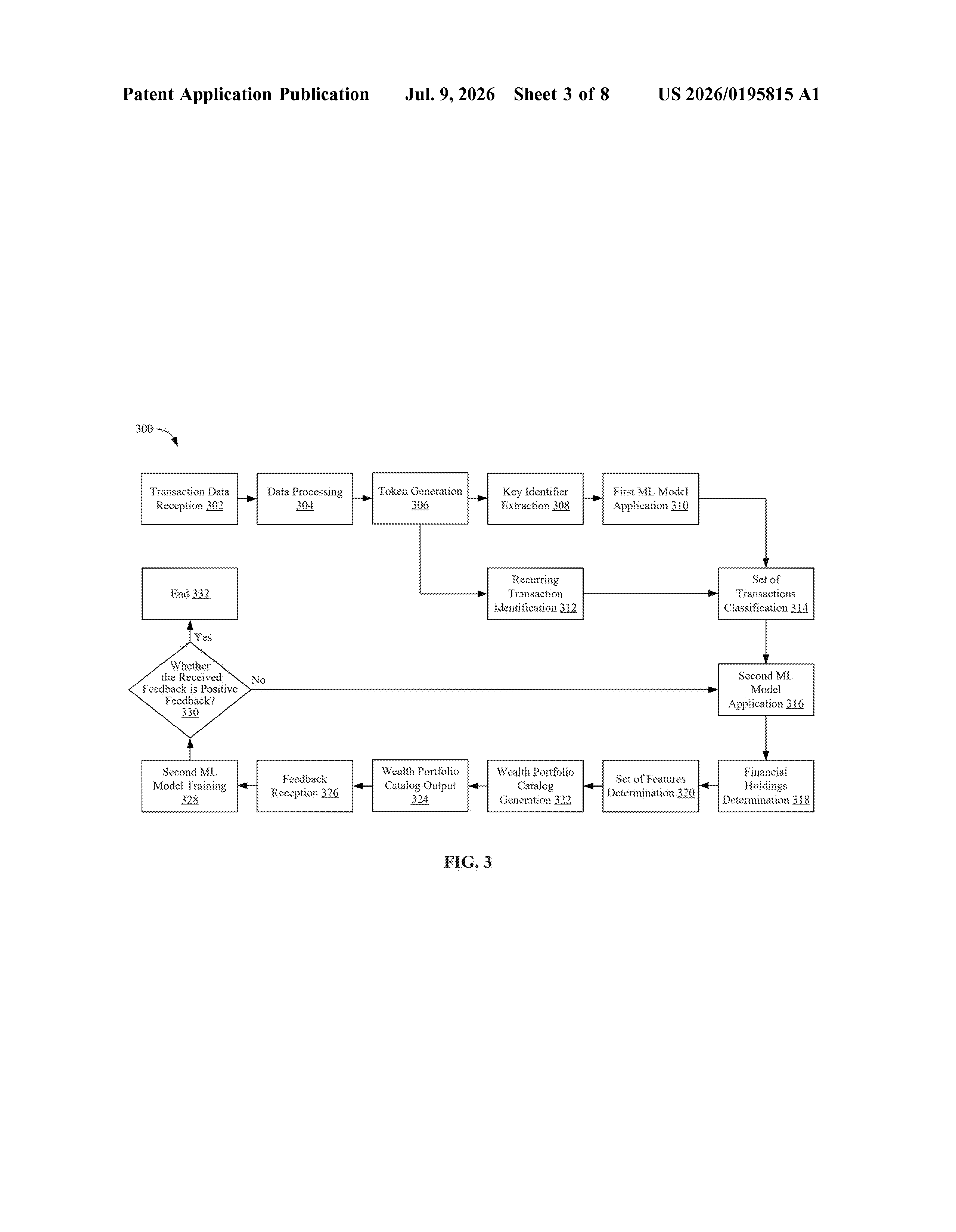
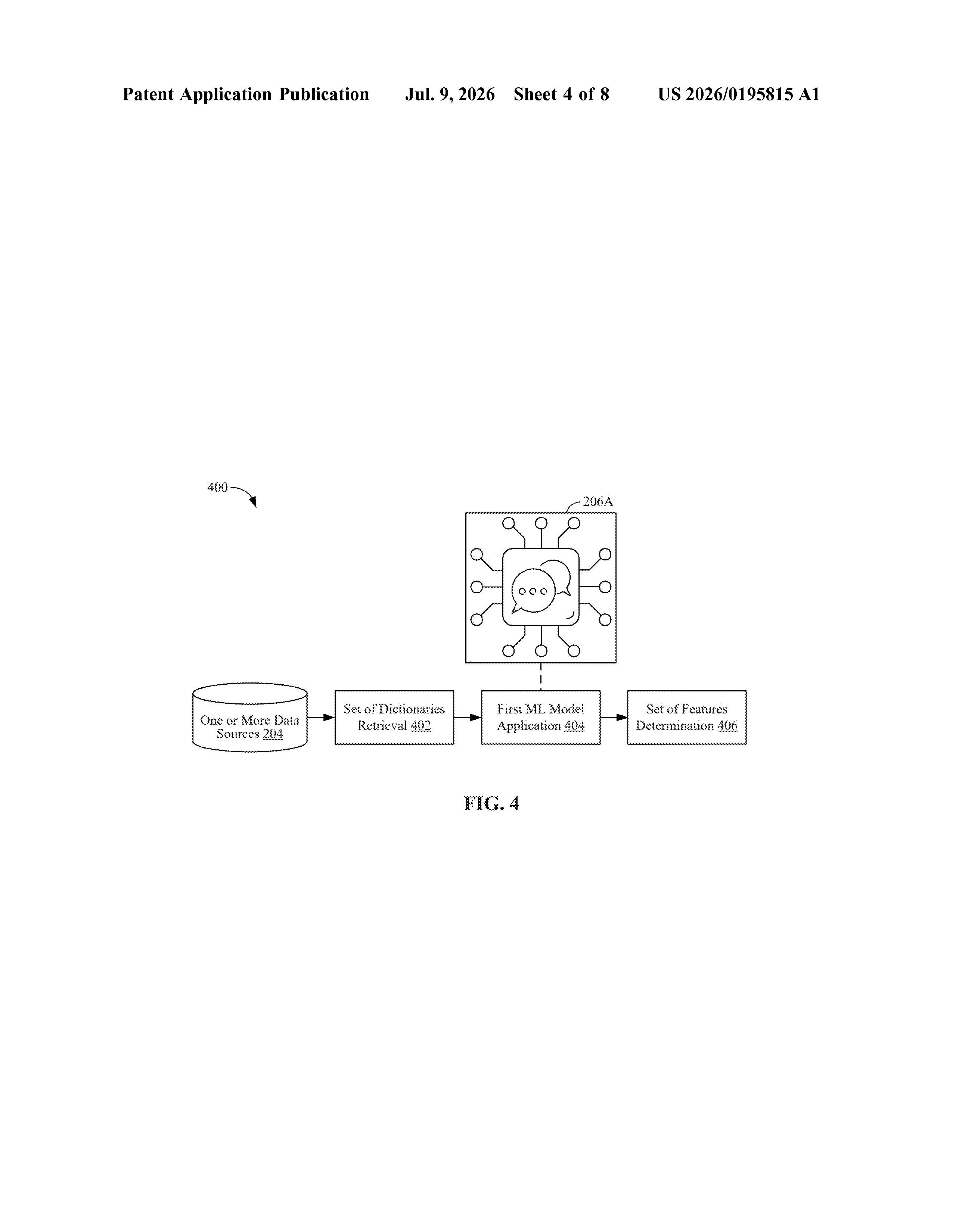
The system pulls in your bank transaction history and uses AI to read the notes, codes, and amounts attached to each payment. It looks for patterns, especially regular transfers of the same amount going to the same place on a fixed schedule, and flags those as likely investments or financial holdings. A second layer of AI then figures out what kind of holding each one is.
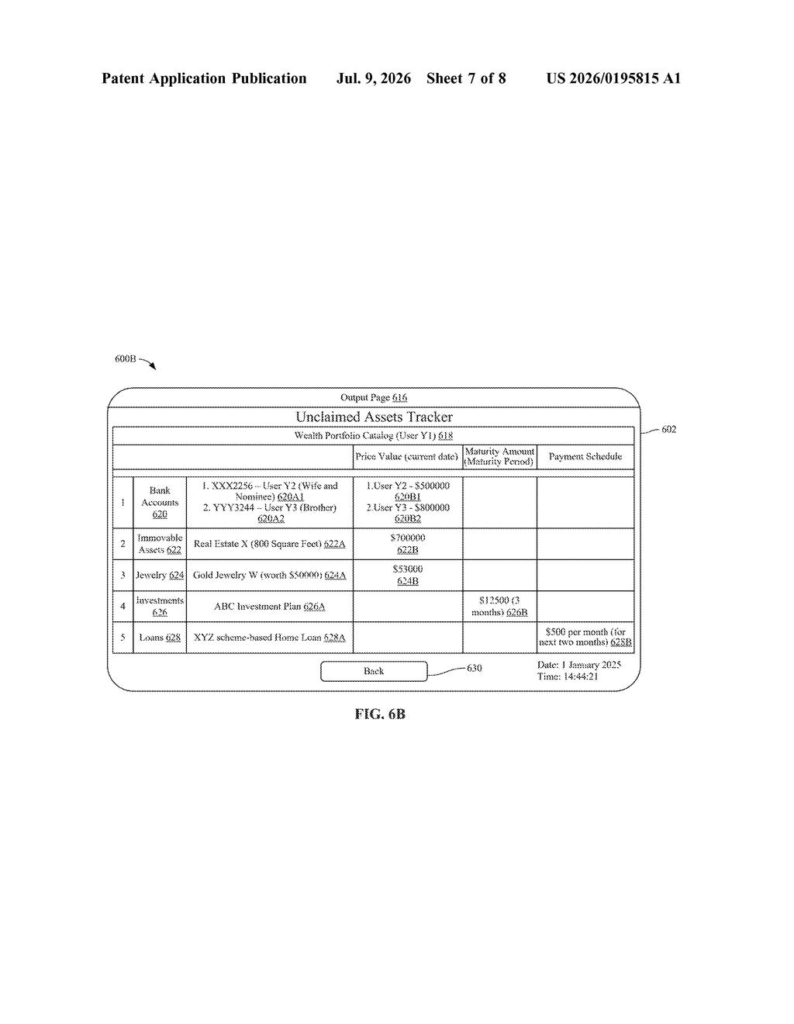
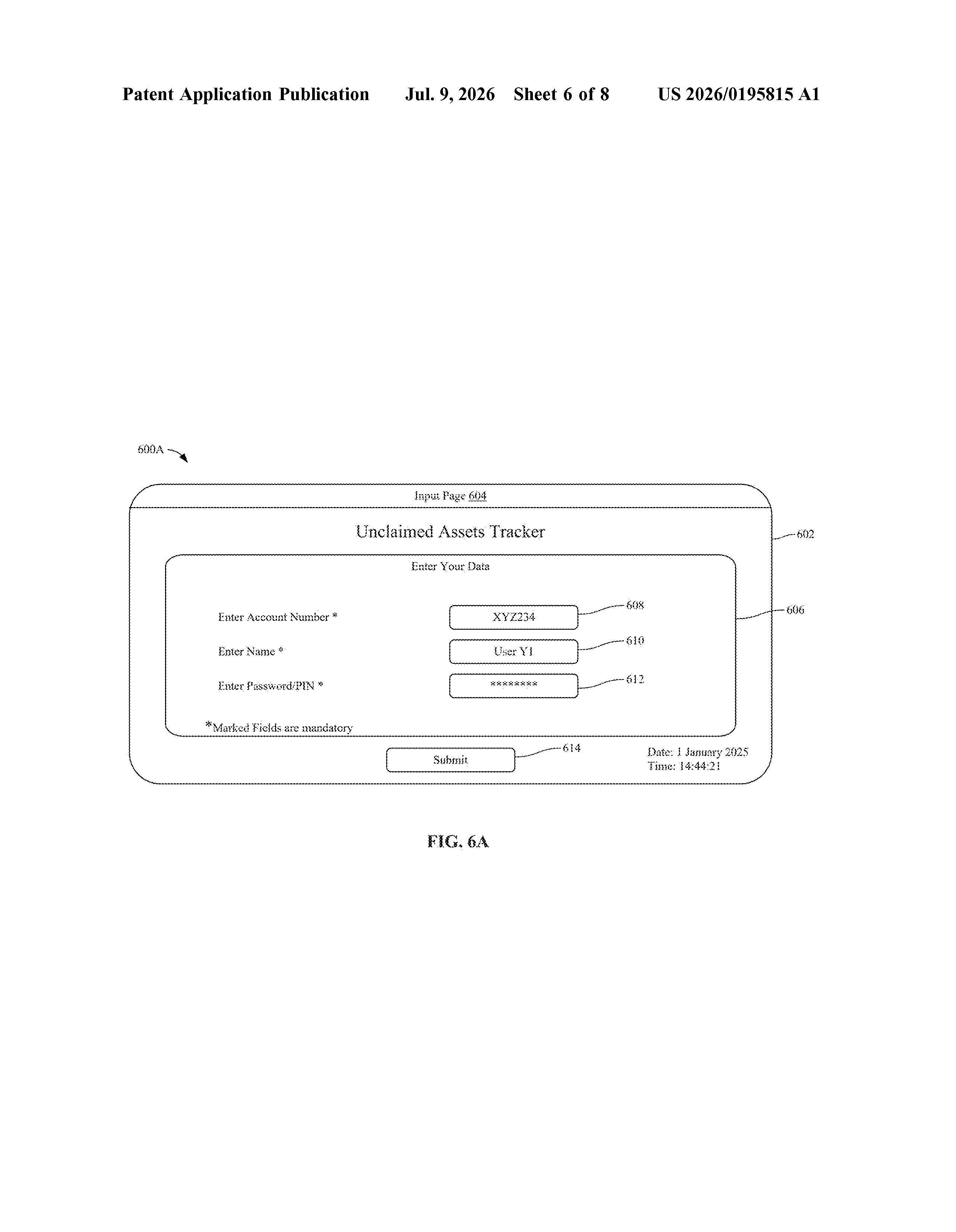
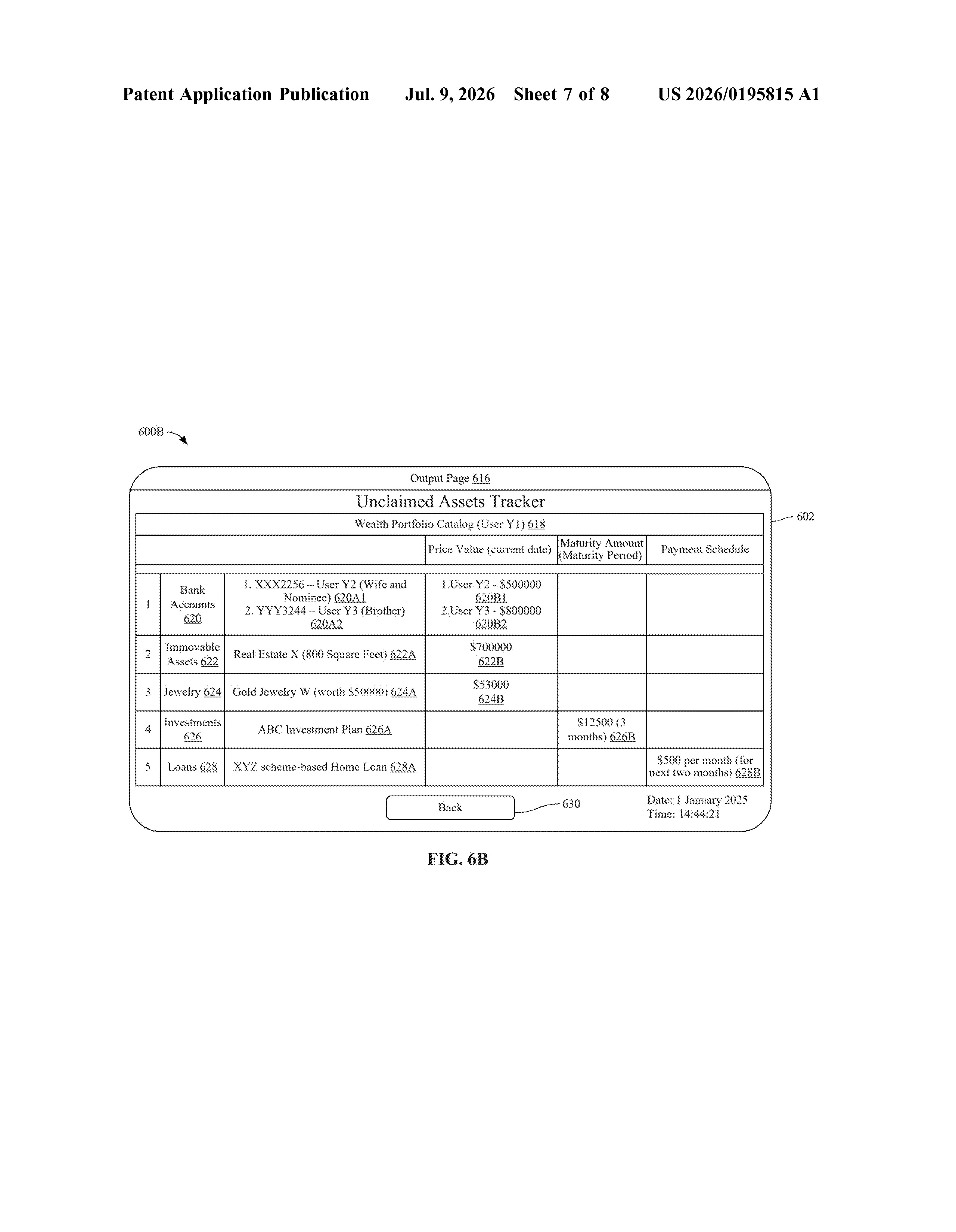
The end result is a "wealth portfolio catalog," essentially a full list of financial accounts and assets tied to you, including ones you may have lost track of. The stated goal is helping identify unclaimed assets, money that belongs to someone but has gone untracked.
How two ML models split the work of finding lost assets
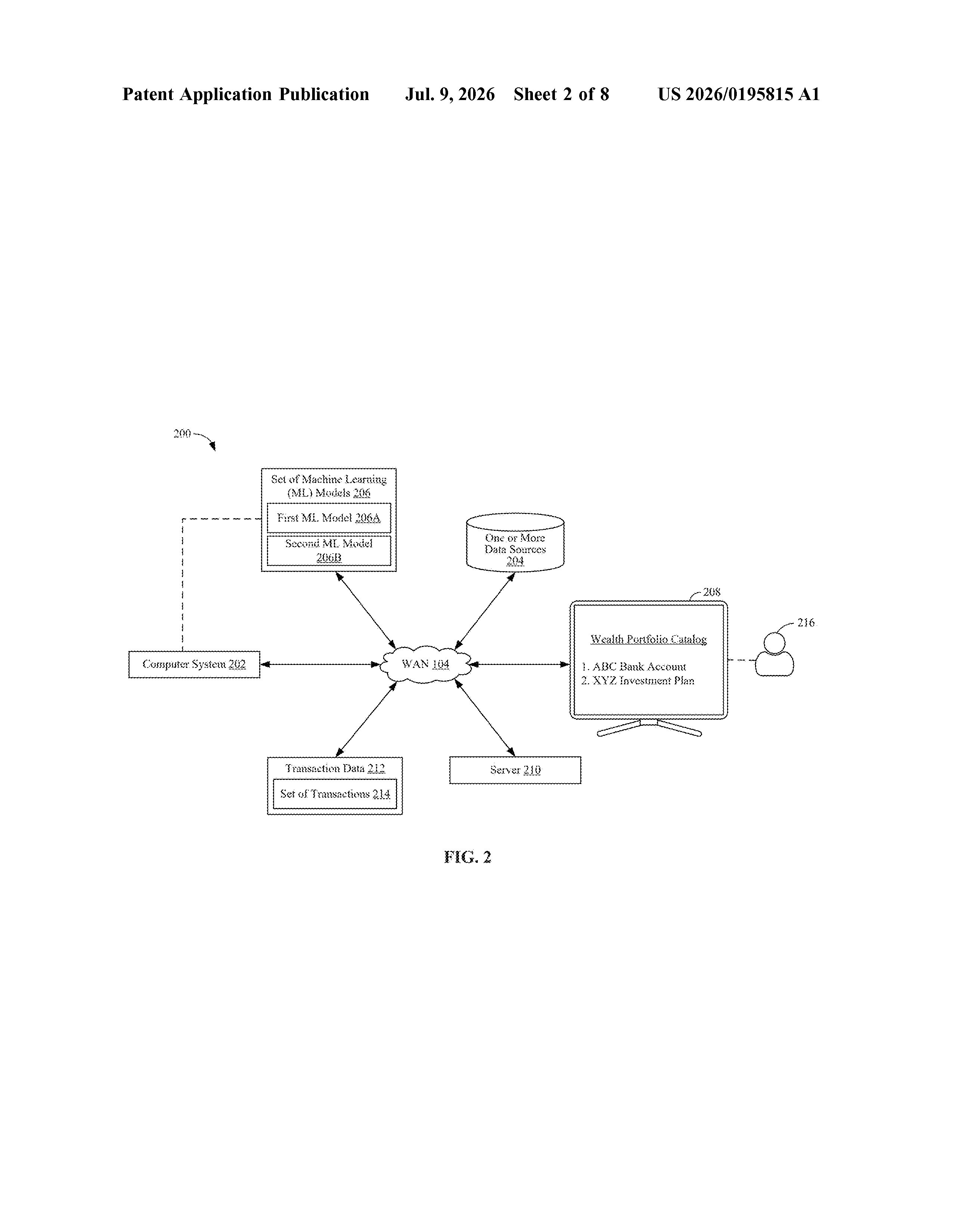
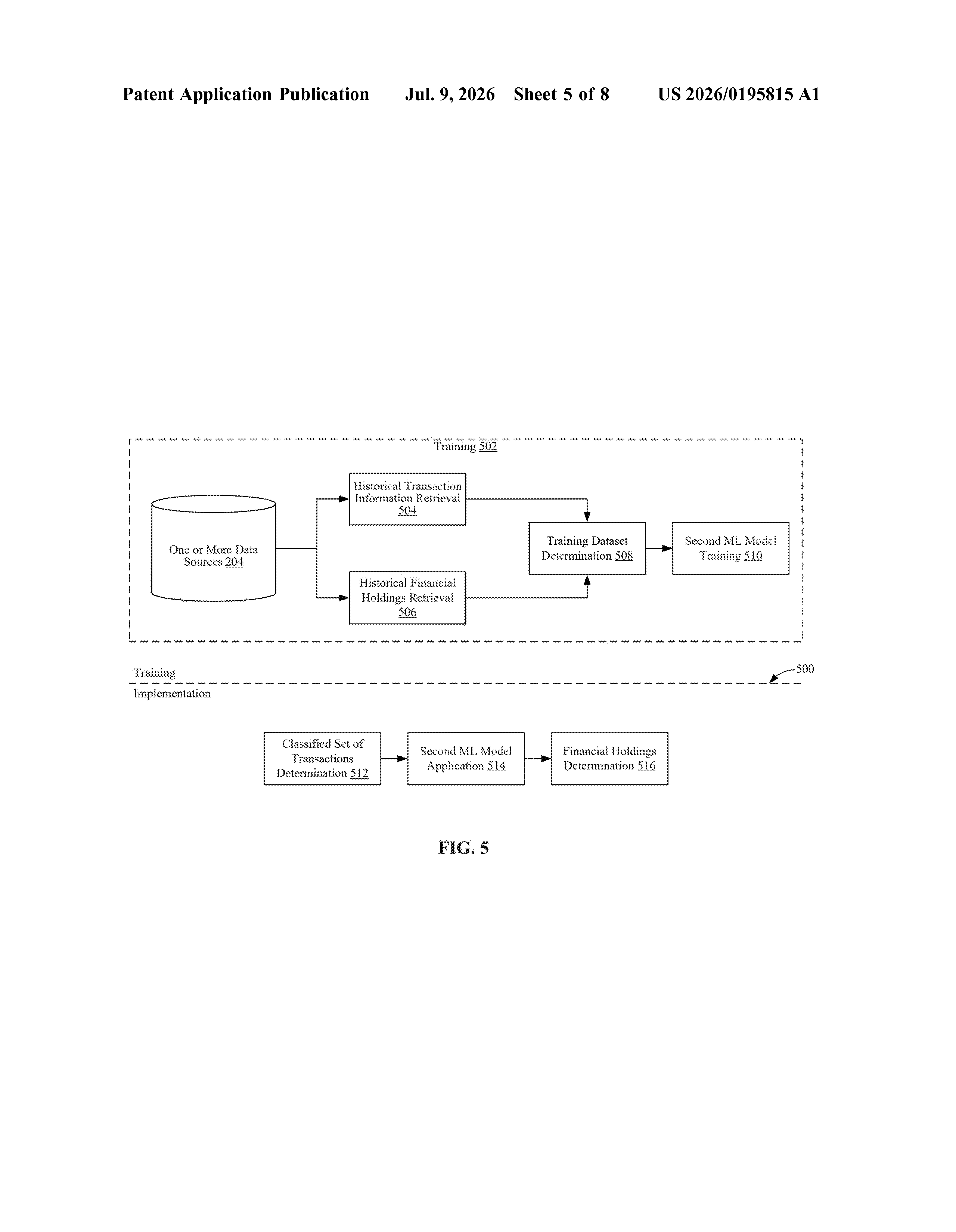
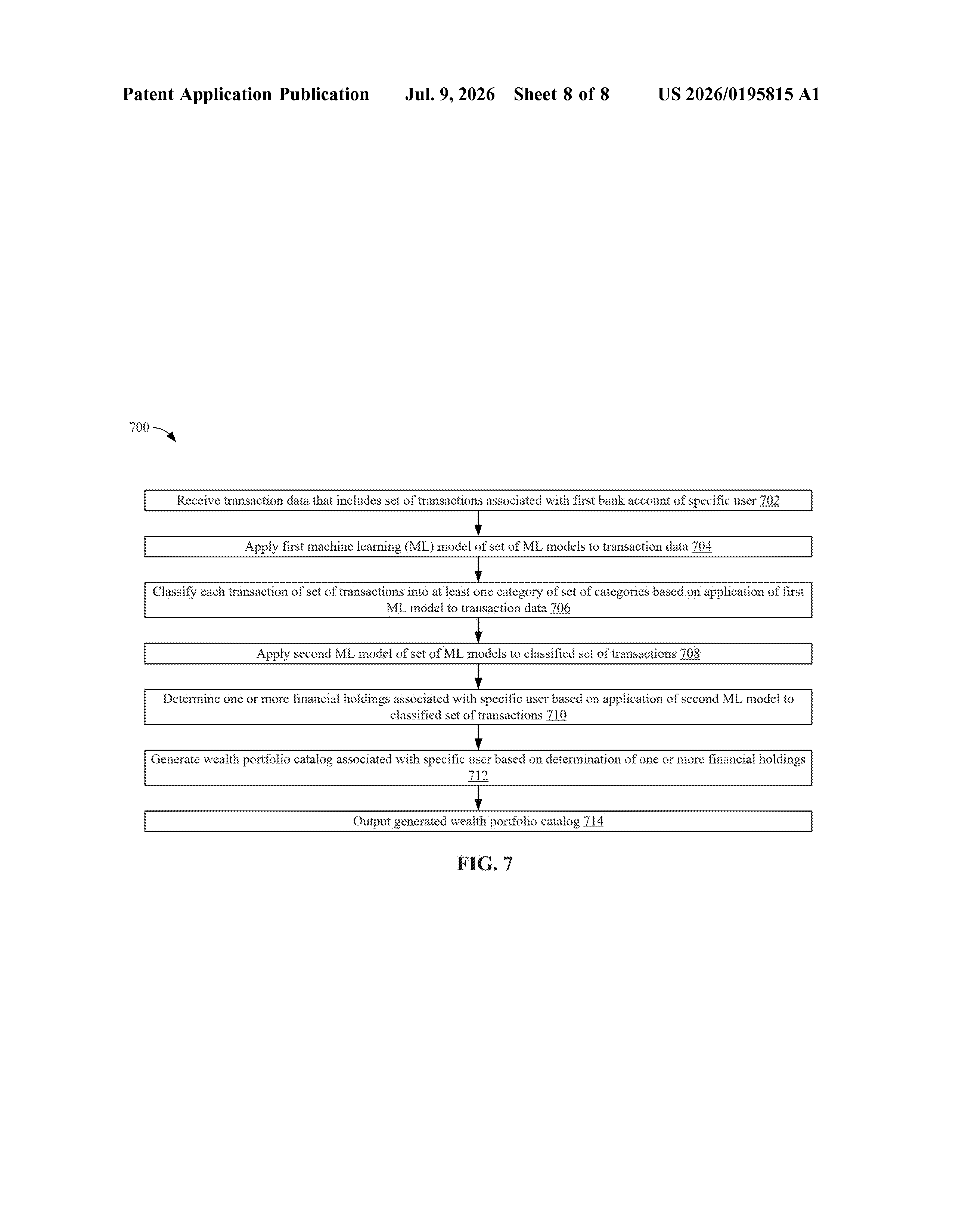
The patent describes a two-stage machine learning pipeline applied to raw bank transaction data.
Stage one uses natural language processing (NLP, the same technology that lets computers read and interpret text) to pull key identifiers out of transaction remarks and codes. For example, a transaction code might indicate an investment transfer, and the system learns to recognize those signals. It also separately identifies recurring transactions, payments of the same amount going to the same destination at regular intervals, which are strong indicators of things like SIP contributions (systematic investment plans), insurance premiums, or pension payments.
Stage two applies a second ML model to the already-classified transactions. This model infers the broader financial holdings behind those transactions. If a user has been sending money to a mutual fund house every month, the model maps that behavior to an active financial holding and catalogs it.
The output is a wealth portfolio catalog: a structured summary of every financial holding the system could identify for that user, built entirely from transaction data without requiring the user to manually report anything.
What this means for unclaimed property and financial planning
In many countries, including the US and India, unclaimed financial assets (dormant accounts, forgotten insurance policies, old retirement funds) run into the billions. Most people don't lose money on purpose; they just lose track. A system that automatically reconstructs a picture of someone's holdings from transaction history could meaningfully reduce that problem, especially for people who have used multiple financial products over decades.
For IBM, this sits squarely in its push to bring AI into enterprise financial services. Banks and wealth managers are the obvious customers here. If this kind of tool were embedded in a banking app, you could theoretically discover financial accounts you forgot you had without doing any manual digging.
This is a genuinely practical idea, not a flashy one. The unclaimed assets problem is real and large, and reading transaction history to reconstruct financial holdings is a logical approach. The patent's technical execution, using two separate ML models to first classify then infer, is straightforward but coherent. Whether IBM can turn this into a product banks actually want to pay for is a different question.
Get our take in your Top Stories
Liked this breakdown? Add Patentlyze as a preferred source on Google, and our plain-English take shows up more often in your Top Stories the next time IBM patent news breaks.
There are more where this came from
We read every patent application Big Tech publishes and send you the ones worth knowing. Plain English, free, every week.
The drawings
8 drawing sheets from US 2026/0195815 A1 · click any drawing to enlarge
Want this weekly breakdown for a company we don't cover? Patentlyze Pro →