
IBM Patents an AI System That Pre-Reserves Temporary Storage Before Apps Ask for It
Every time a program runs, it silently grabs scratch space to do its work and then lets it go. IBM wants to make that messy scramble for temporary storage predictable, using machine learning to reserve space before apps even know they need it.
How IBM's temp-storage prediction system works for your apps
Imagine a restaurant kitchen where every chef grabs counter space on the fly, with no plan. Things get chaotic fast. Most software works the same way: when an app runs, it reaches for temporary storage space, does its work, and frees that space up. Under heavy load, apps can fight over that space, slow down, or fail entirely.
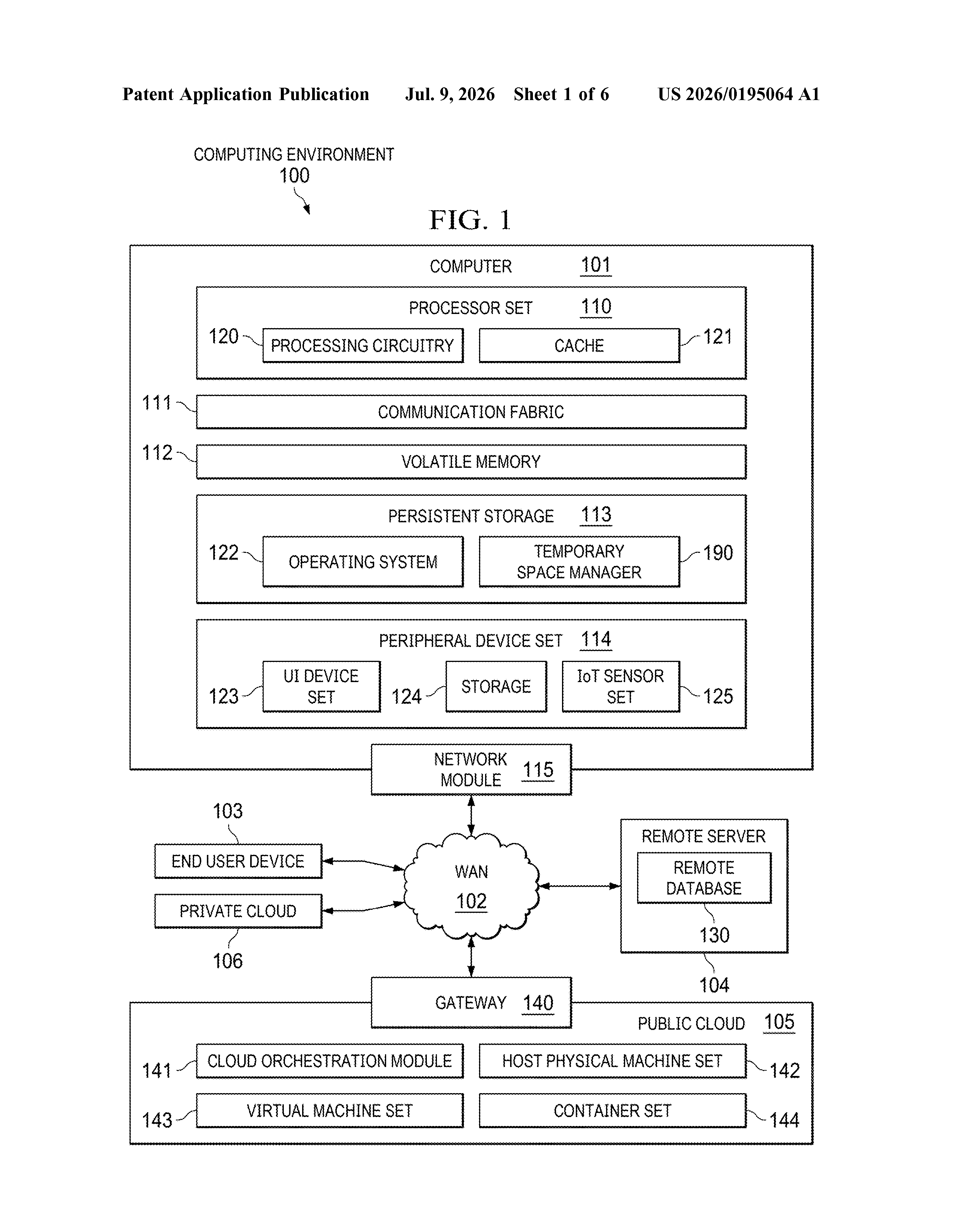
IBM's patent describes a system that studies how apps have used temporary storage in the past, then uses that history to predict how much space each app will need in the future. Before the demand arrives, it reserves a portion of storage specifically for that purpose.
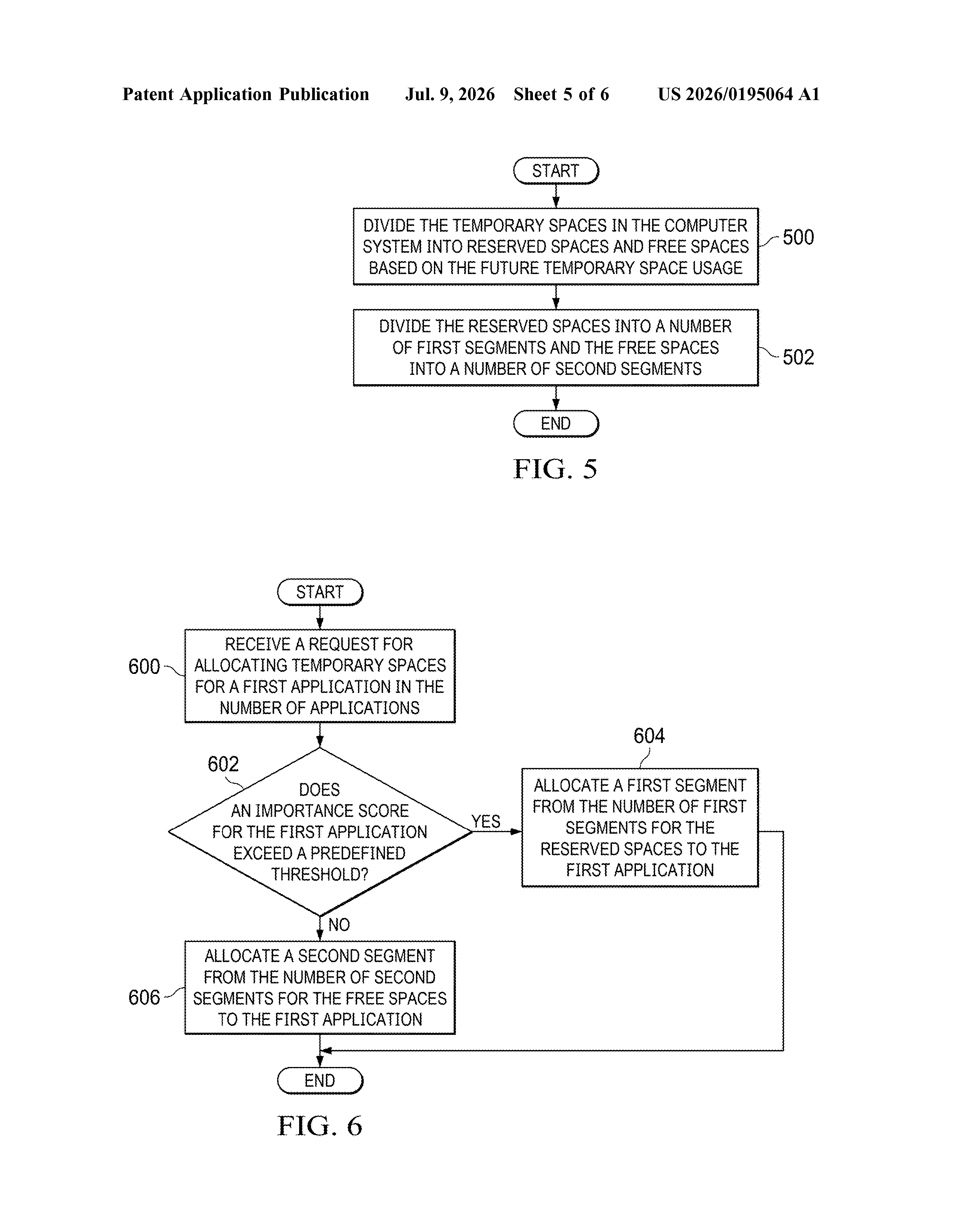
The clever part is that reserved storage and leftover free storage are managed under different rules. Reserved space is held back for specific apps with known needs, while free space is available to anything else. The goal is to stop the kitchen chaos before it starts.
How the ML models label folders and forecast storage demand
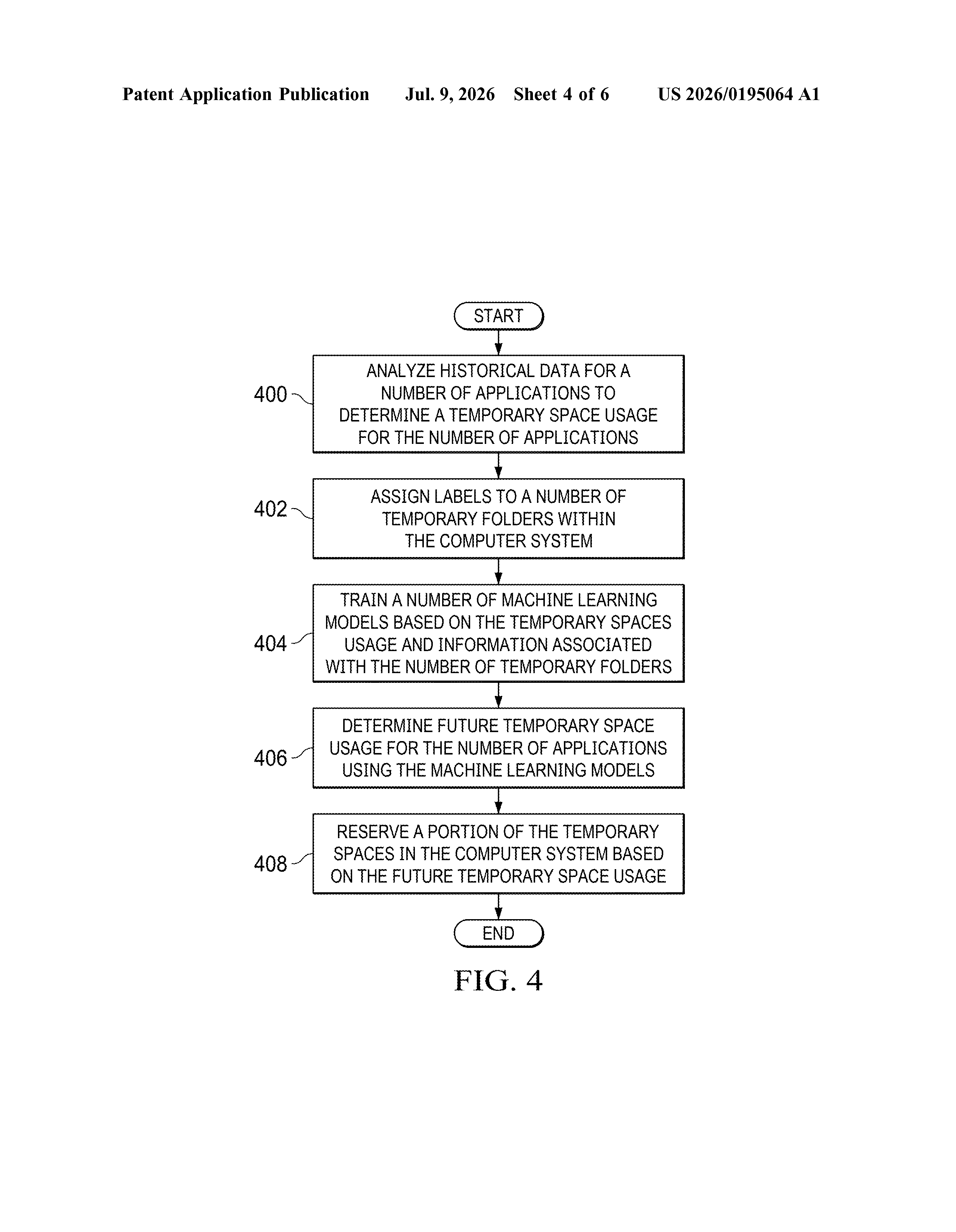
The system works in several stages:
- Historical analysis: The processor examines past records of how each application used temporary folders, building a picture of typical demand patterns over time.
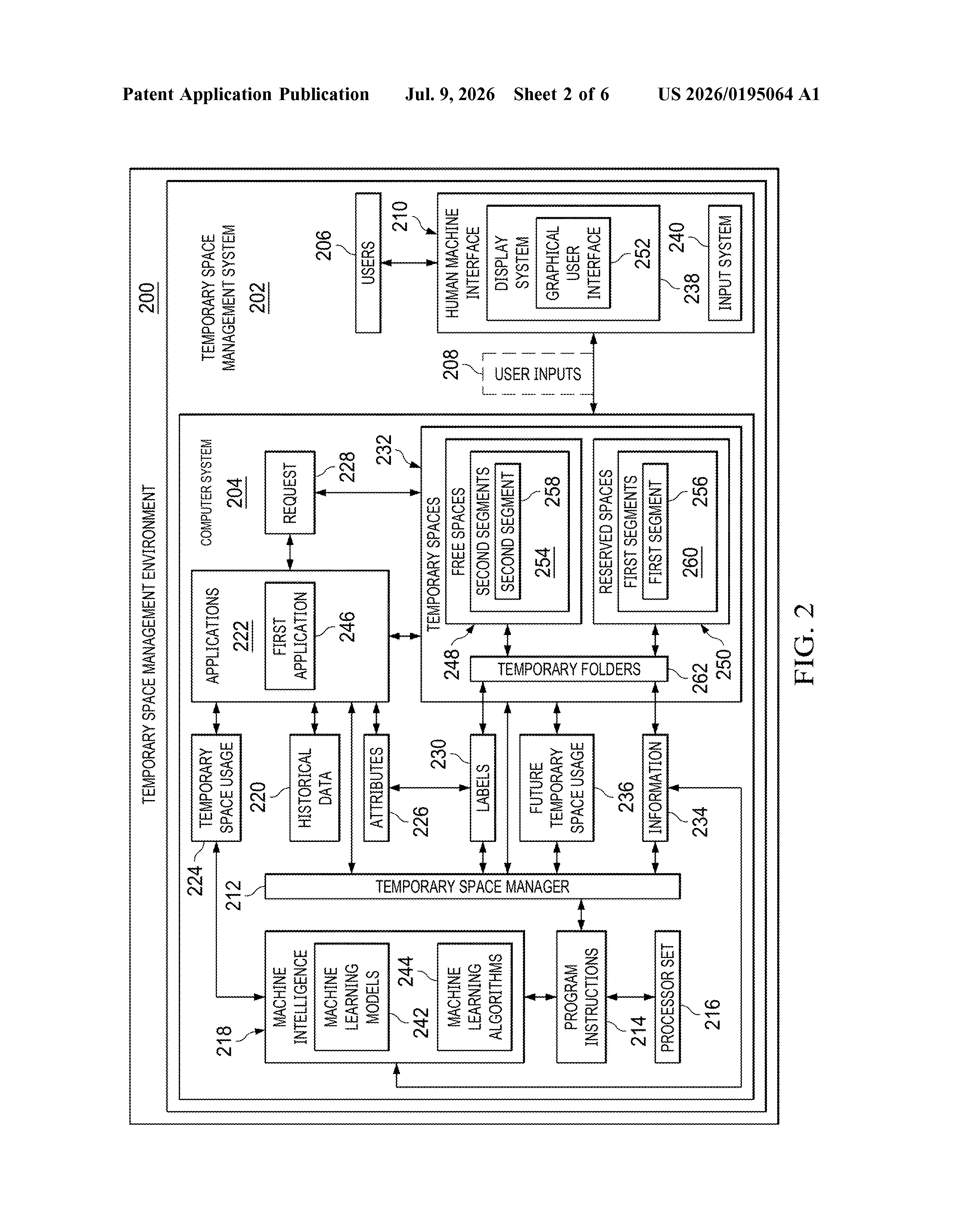
- Folder labeling: Temporary folders are tagged with labels derived from the attributes of the apps that use them (things like app type, workload category, or usage patterns). This labeling helps the system understand which apps share similar storage behaviors.
- Model training: Several machine learning models are trained using the usage history and folder label data. Each model learns to associate app characteristics with likely storage demand.
- Demand forecasting: The trained models predict how much temporary space each application will need in the future, before the app actually runs.
- Pre-reservation: Based on those predictions, the system splits available temporary storage into two pools: reserved spaces (held for predicted workloads, governed by tighter allocation rules) and free spaces (available to other processes under a separate, more flexible policy).
The two-pool approach is the key architectural idea. By separating reserved from free storage and applying different policies to each, the system can serve predictable workloads reliably without completely locking out unpredicted demand.
What this means for cloud servers and enterprise software
On a busy enterprise server or cloud platform, temporary storage contention is a real source of slowdowns and outages. When dozens or hundreds of jobs compete for the same scratch space at once, the whole system can stall. A predictive reservation layer would let operators run systems closer to full capacity without the instability that usually comes with it.
For most users, this kind of improvement is invisible, but its effects show up as fewer slowdowns and more consistent performance in the software they rely on. IBM's mainframe and cloud infrastructure businesses are the obvious homes for this, and the patent fits squarely within IBM's long-running effort to apply AI to the nuts-and-bolts of system resource management.
This is unglamorous but genuinely useful infrastructure work. Storage contention in shared computing environments is a real and underappreciated source of performance problems, and a machine-learning-driven reservation layer is a practical approach to it. That said, the ideas here are incremental, and the patent's value will depend heavily on how well the ML models generalize across unpredictable workloads.
Get our take in your Top Stories
Liked this breakdown? Add Patentlyze as a preferred source on Google, and our plain-English take shows up more often in your Top Stories the next time IBM patent news breaks.
There are more where this came from
We read every patent application Big Tech publishes and send you the ones worth knowing. Plain English, free, every week.
The drawings
6 drawing sheets from US 2026/0195064 A1 · click any drawing to enlarge
Want this weekly breakdown for a company we don't cover? Patentlyze Pro →