
Samsung Patents a Camera Chip That Stops Excess Light From Blurring Distance Measurements
Bright light is the enemy of depth sensors. Samsung's new patent tackles a specific failure mode where too much incoming light floods a sensor pixel and corrupts the distance measurement entirely.
What Samsung's depth-sensor overflow fix actually does
Imagine you're using your phone to scan a room and measure distances, maybe for an AR app or a portrait shot with background blur. Your camera fires an invisible pulse of light and times how long it takes to bounce back. That timing is everything: it's how the phone knows how far away your face is from the wall behind you.
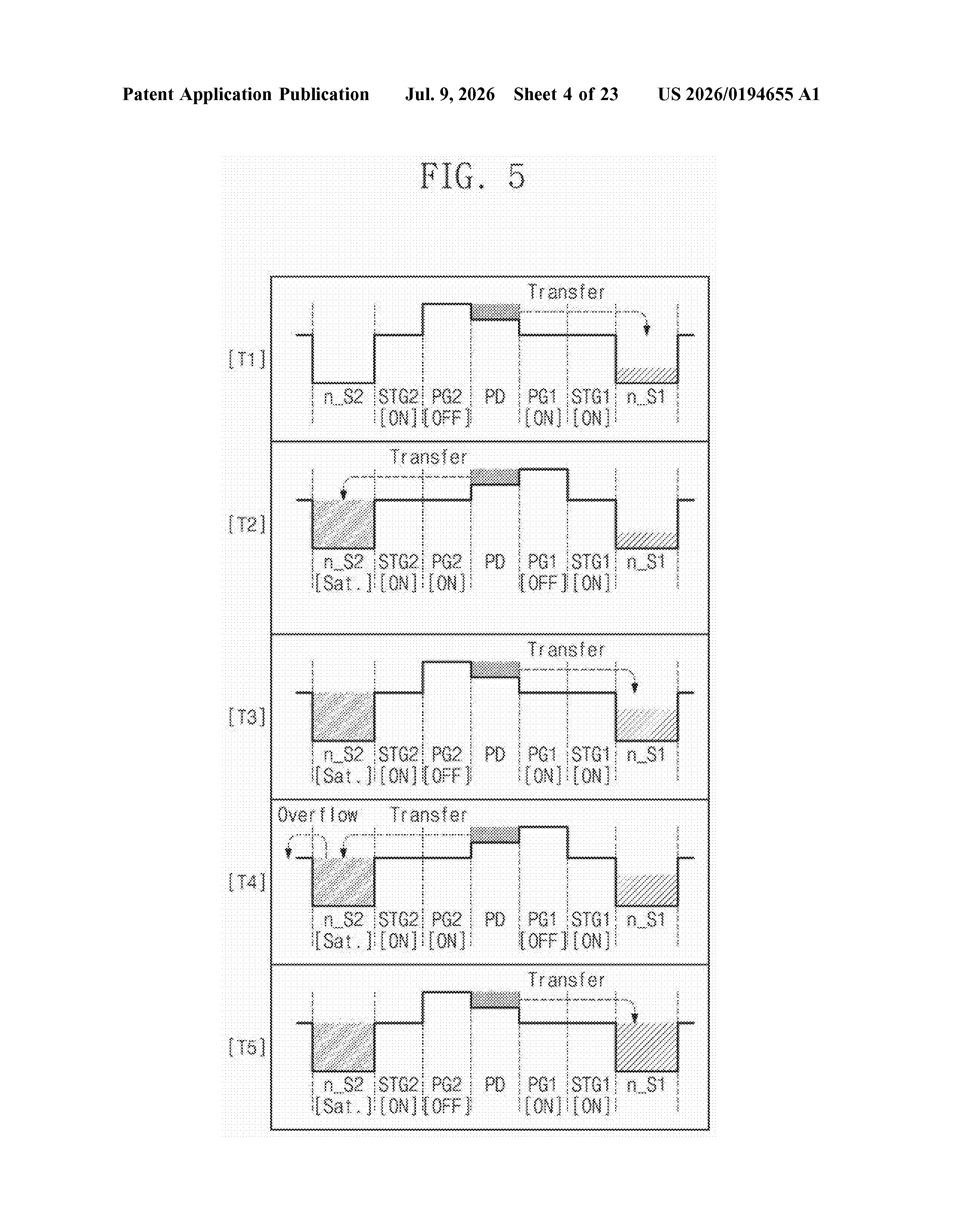
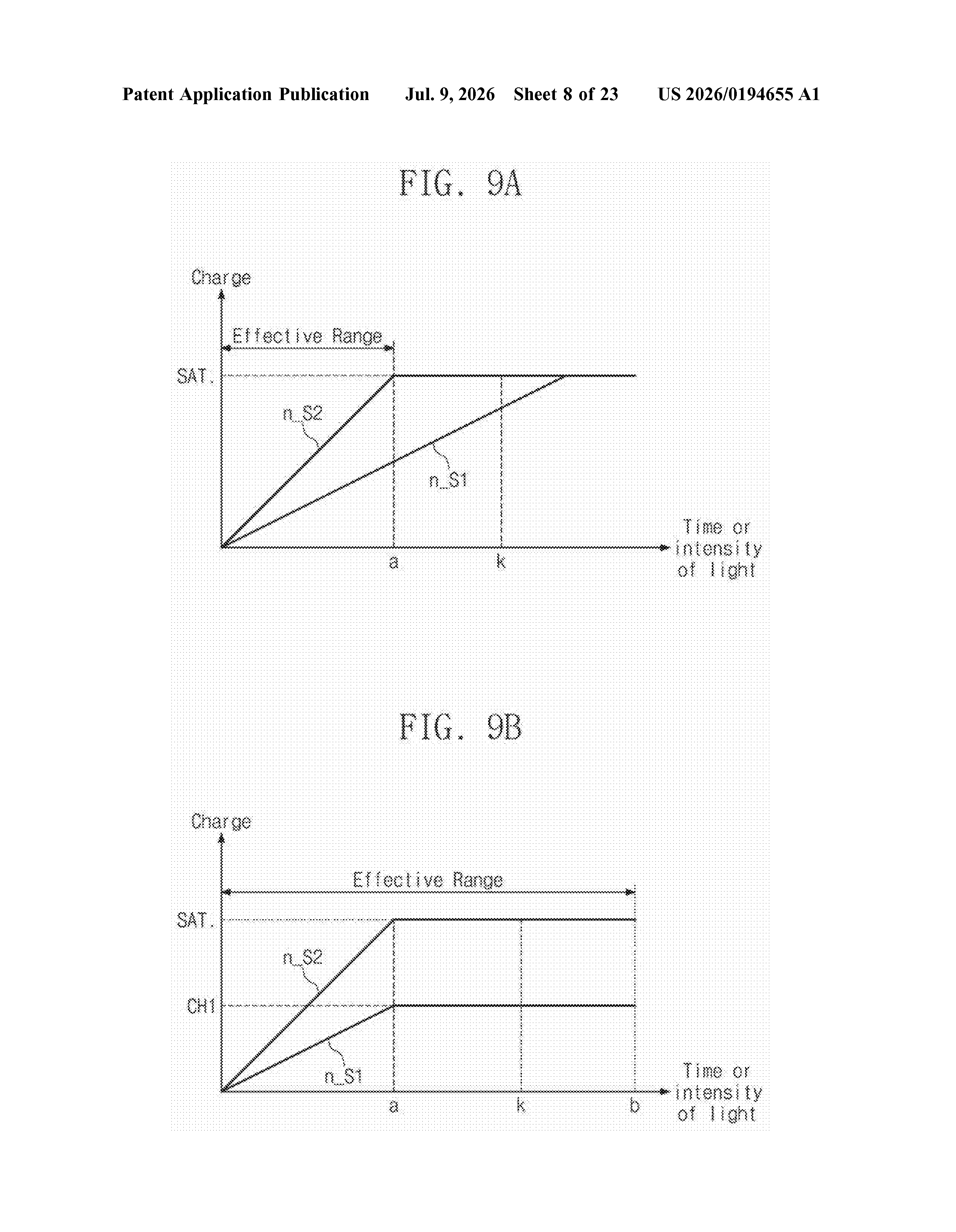
The problem is bright environments. When too much reflected light hits the sensor at once, the tiny storage buckets inside each pixel fill up and overflow, like a cup left out in a rainstorm. Once a bucket overflows, the timing data spills out and the distance reading goes wrong.
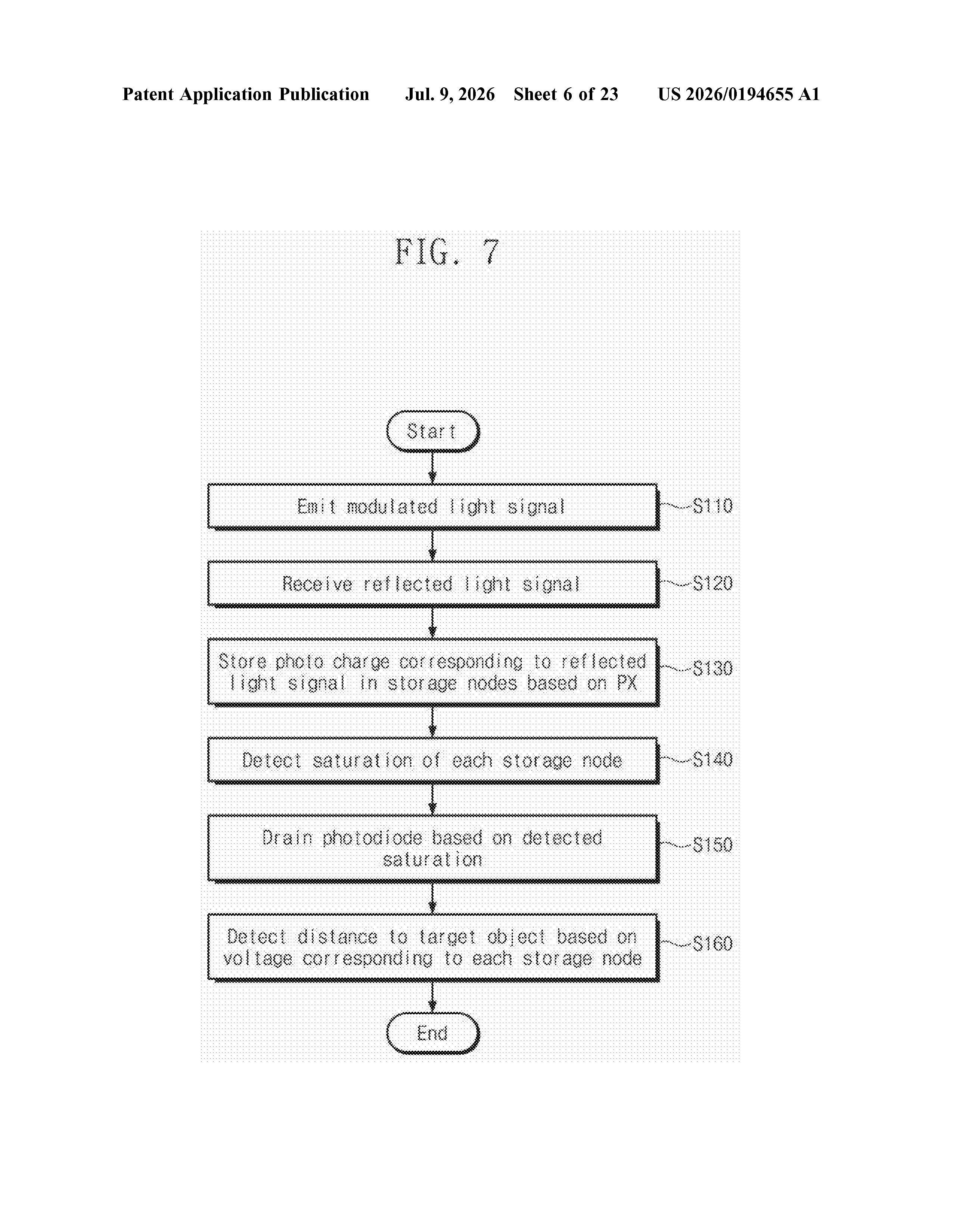
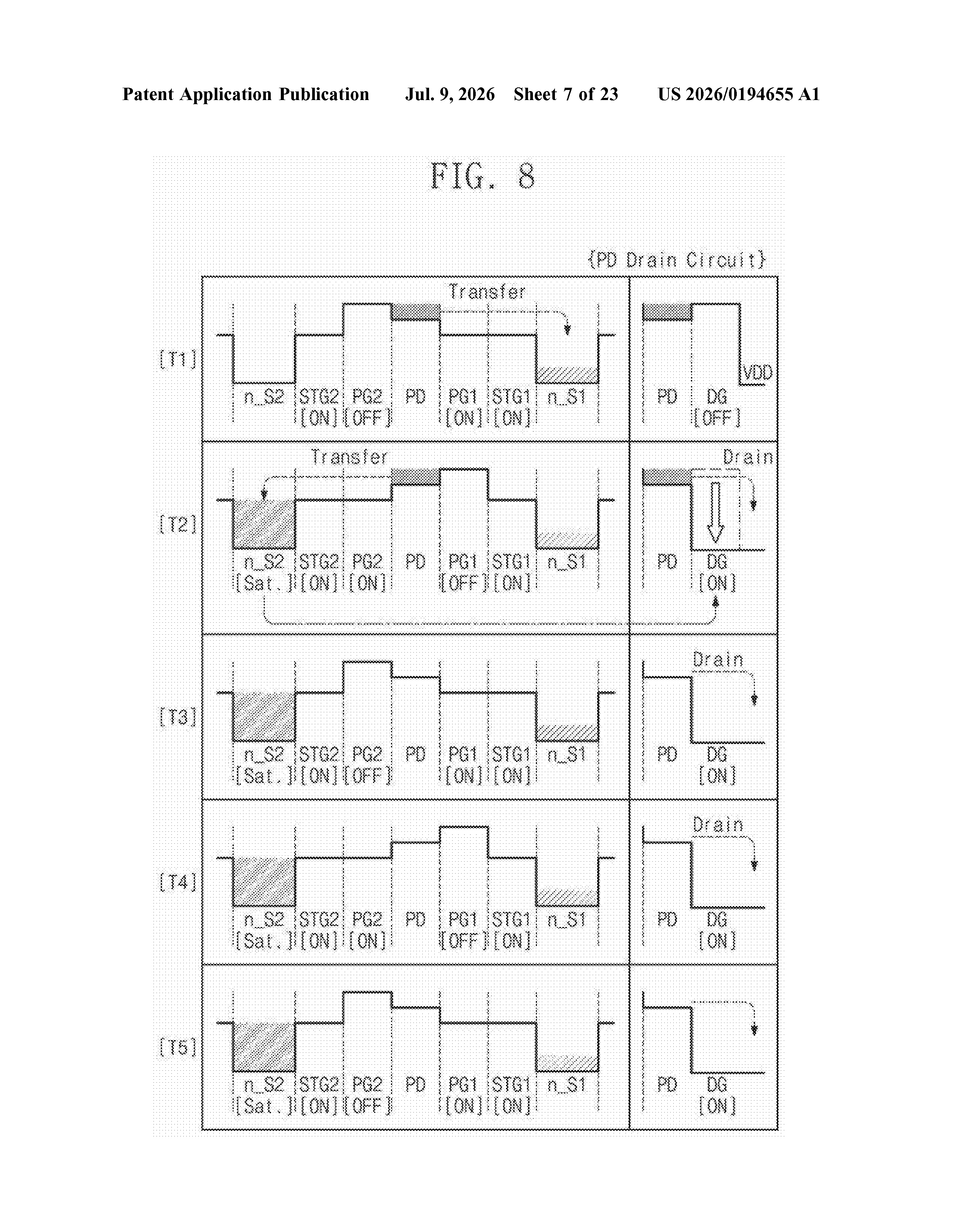
Samsung's patent describes a drain circuit built directly into each pixel. When the sensor detects that a storage bucket is about to overflow, it automatically opens a valve and routes the excess charge safely away to a power line, keeping the measurement clean. No overflow, no corrupted depth data, even in challenging lighting.
How the drain circuit watches for saturated storage nodes
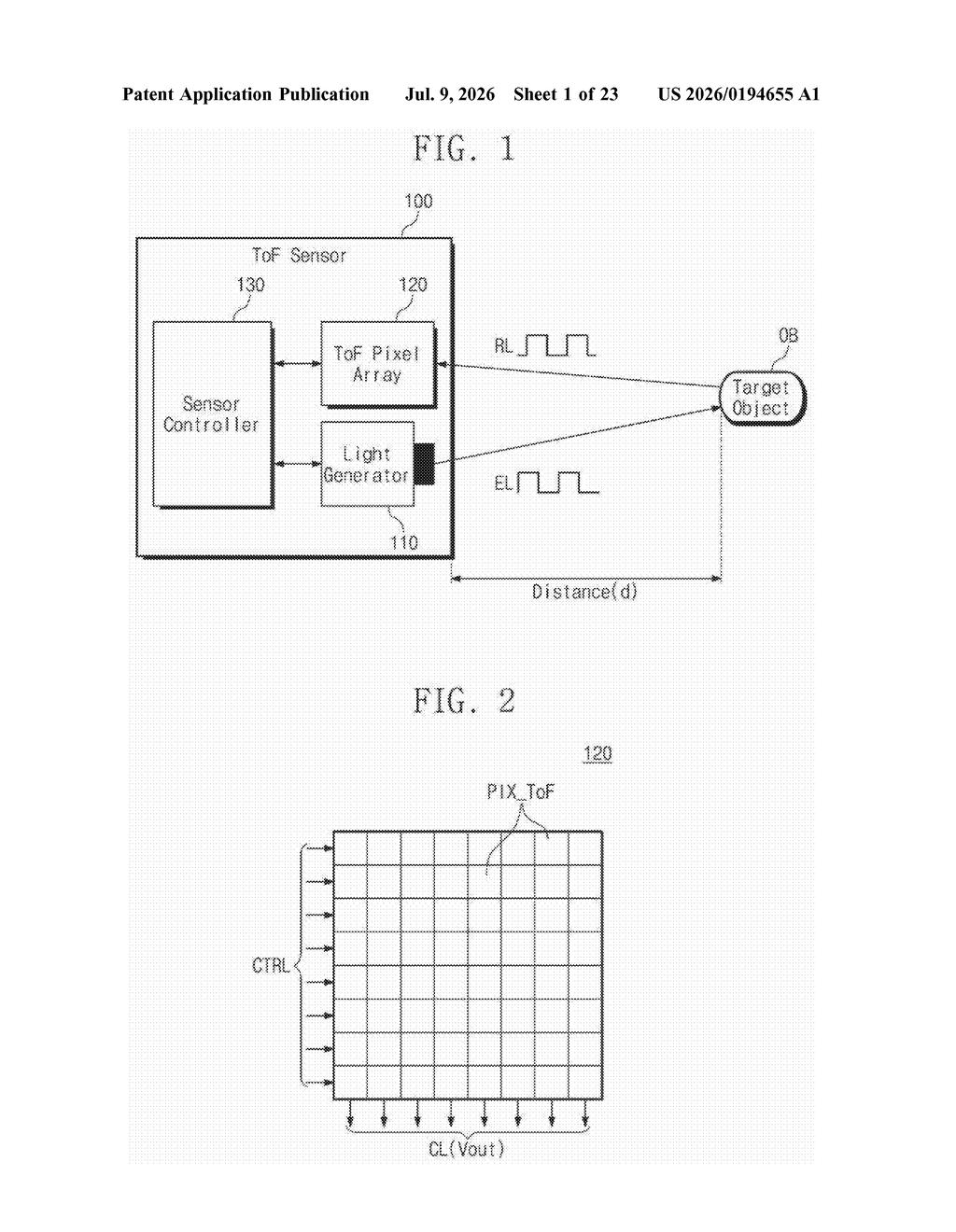
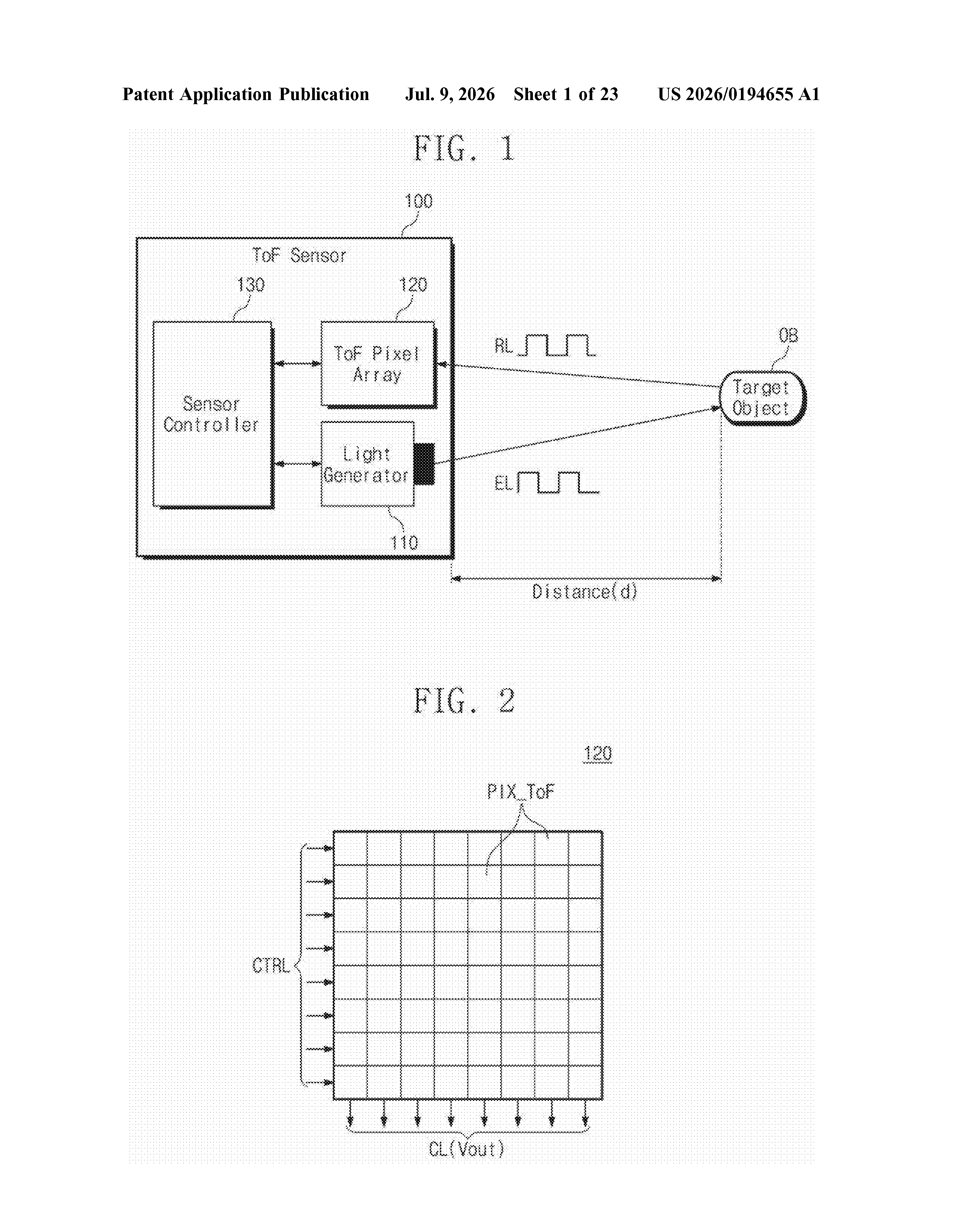
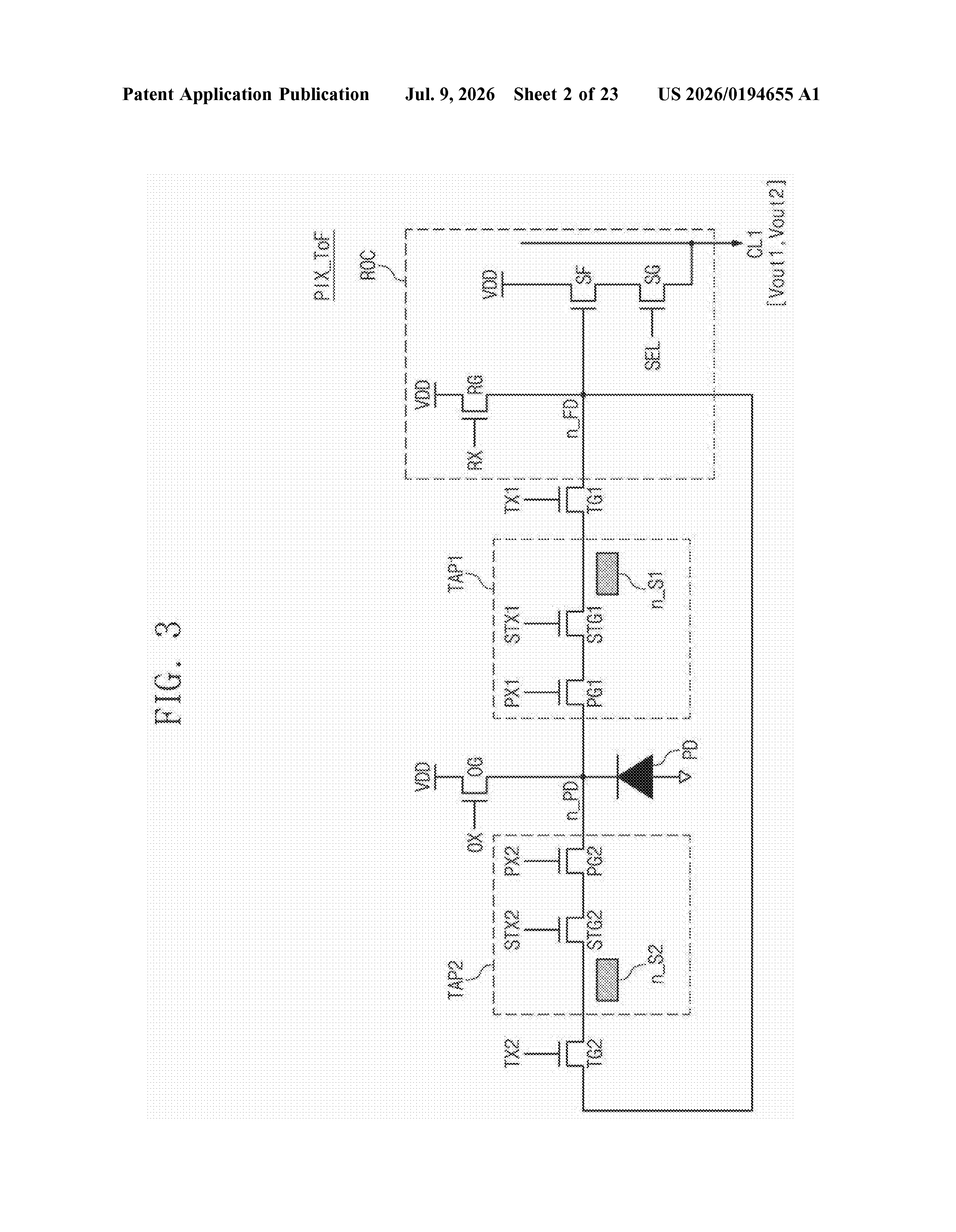
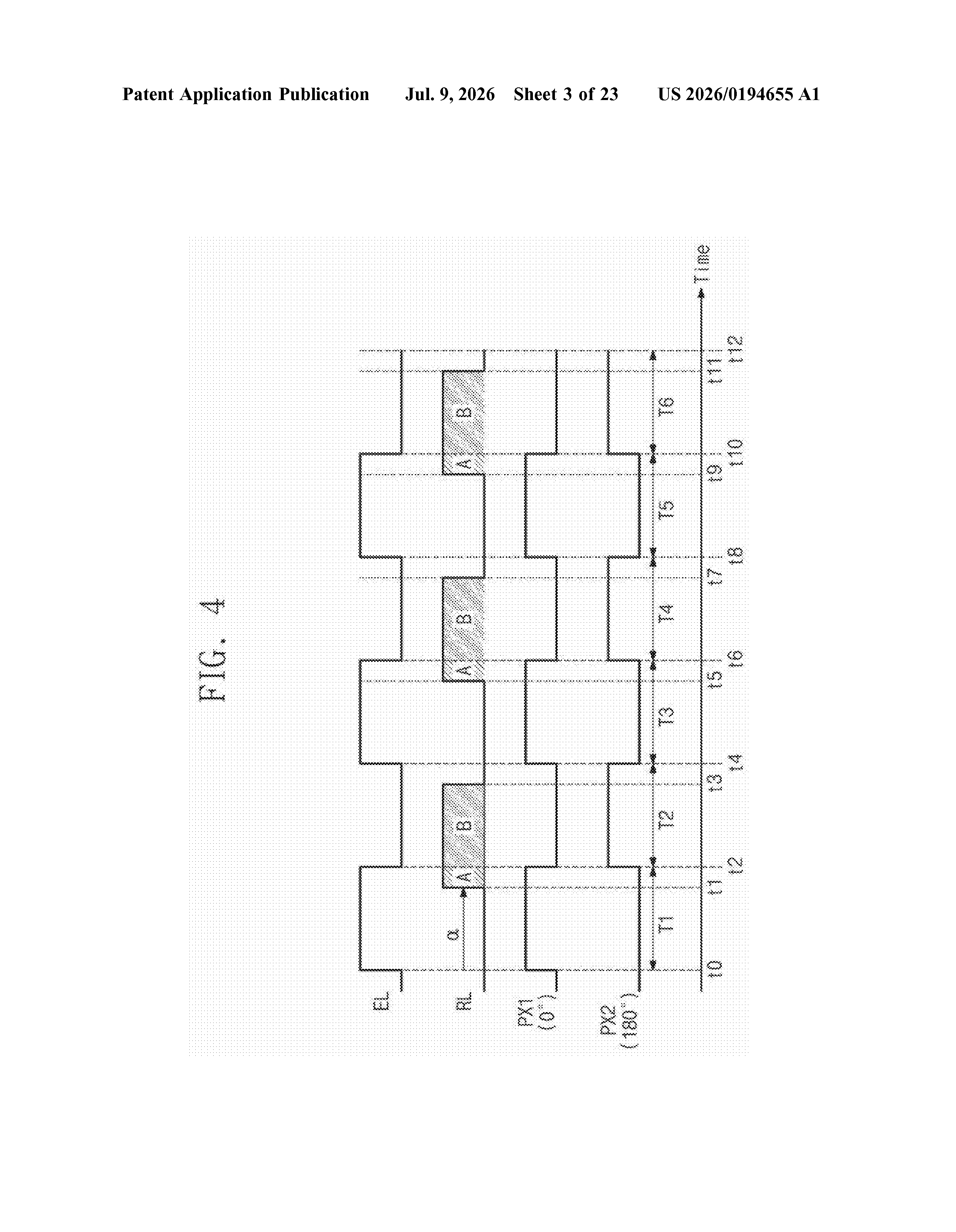
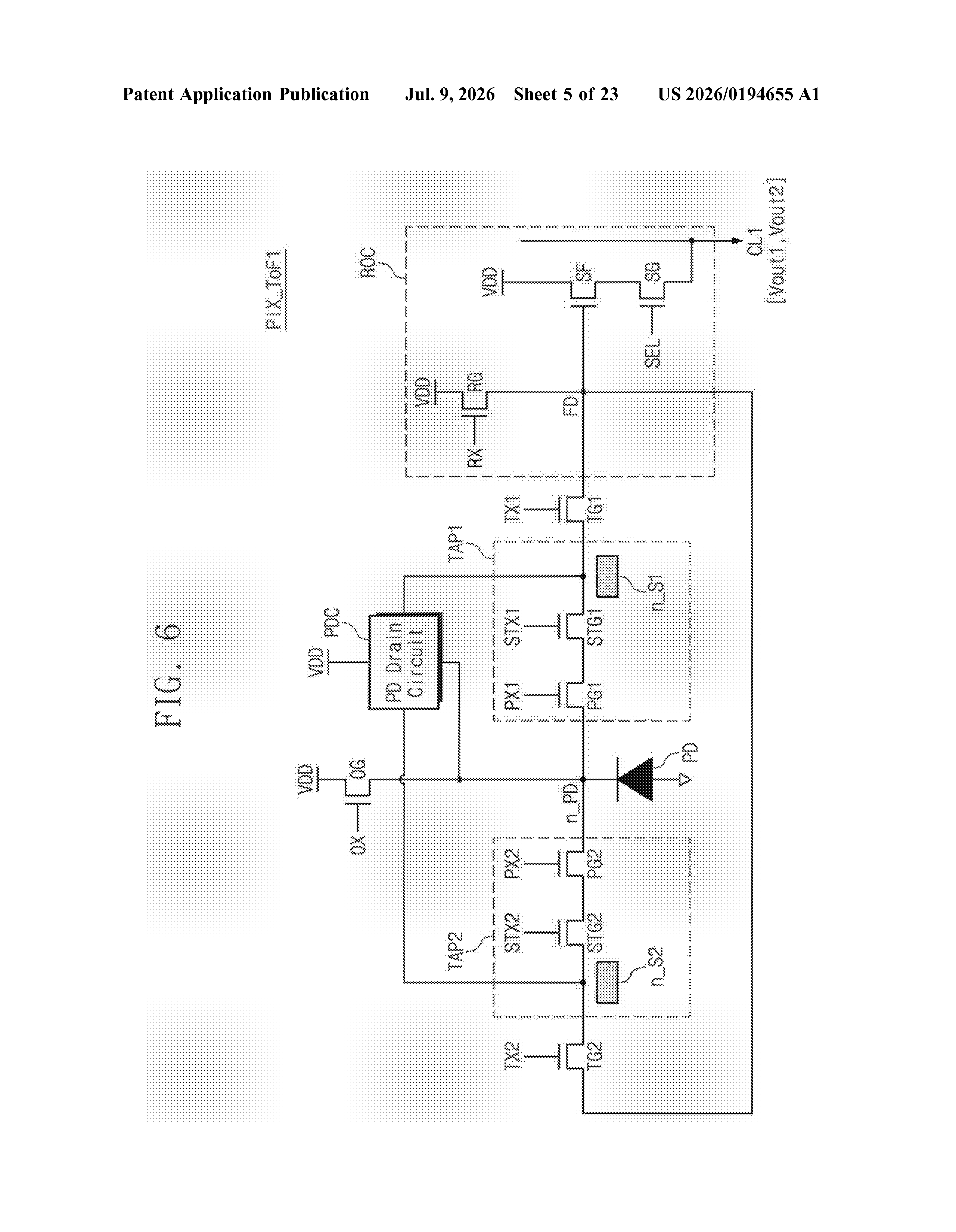
A time-of-flight (ToF) sensor works by sending out a pulse of light (usually infrared) and measuring how long it takes to come back. That round-trip time tells the device the exact distance to whatever the light hit. Each pixel in the sensor has two or more "tap" circuits: small storage nodes that capture charge during different slices of time. Comparing how much charge landed in each slice reveals the timing, and therefore the distance.
The patent's core contribution is a photodiode drain circuit. This circuit monitors the charge level inside both storage nodes simultaneously. If either node reaches saturation (meaning it has collected as much charge as it can hold), the drain circuit connects the photodiode directly to the power supply voltage, giving excess photo-generated charge a safe exit path instead of letting it spill into the wrong node.
- Photodiode: the light-to-electricity converter in each pixel
- Tap circuits: time-gated charge buckets that capture light during specific windows
- Transfer gates: switches that move stored charge to readout circuits
- Drain circuit: the new overflow valve, triggered by saturation at either storage node
By draining overflow before it contaminates the timing signal, the sensor can keep producing accurate depth measurements even when the scene is very bright or the target object is highly reflective.
What this means for phone cameras and AR depth sensing
Accurate depth sensing is central to several things your phone already does: portrait mode, face unlock, and augmented reality features that place virtual objects in a real room. All of these get worse in bright outdoor light, which is exactly where people use them most. A pixel-level fix that handles overflow inside the hardware, rather than trying to correct for it in software after the fact, is a more reliable approach that doesn't cost processing time.
Samsung makes image sensors used across its Galaxy phones and sold to other device makers. A ToF sensor that holds up better in high-brightness situations could improve depth accuracy in everything from selfie cameras to industrial scanning equipment, without requiring a bigger or more expensive sensor overall.
This is a focused, unglamorous piece of sensor engineering, the kind of fix that makes existing hardware work reliably in more conditions rather than adding a new headline feature. It matters precisely because depth sensors are already shipping in hundreds of millions of phones and the overflow problem is real. Don't expect a press release about this one, but expect the fix to show up in a future Isocell ToF sensor.
Get our take in your Top Stories
Liked this breakdown? Add Patentlyze as a preferred source on Google, and our plain-English take shows up more often in your Top Stories the next time Samsung patent news breaks.
There are more where this came from
We read every patent application Big Tech publishes and send you the ones worth knowing. Plain English, free, every week.
The drawings
23 drawing sheets from US 2026/0194655 A1 · click any drawing to enlarge
Want this weekly breakdown for a company we don't cover? Patentlyze Pro →