
IBM Patents a System That Updates Factory Floors to Capture Missing Data
Imagine asking for a report on your factory's energy use, only to discover half the sensors you'd need don't exist yet. IBM's new patent wants to fix that problem automatically, without a human having to figure out which sensors to add or where.
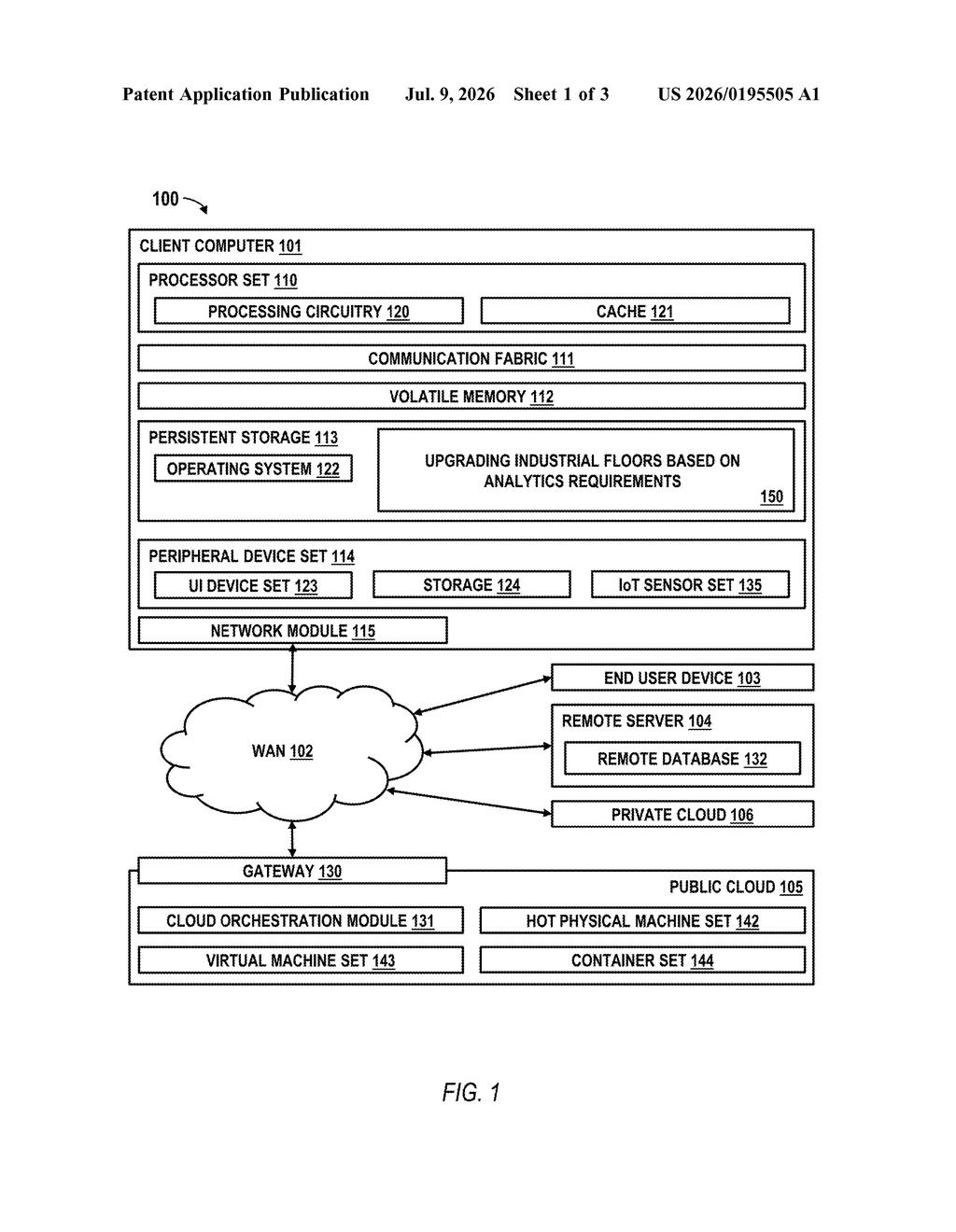
What IBM's self-upgrading factory floor actually does
Picture a factory manager who wants a detailed report on, say, machine temperature trends across the production line. Right now, getting that report often means realizing mid-project that certain sensors were never installed. Someone then has to manually audit the floor, figure out what's missing, and schedule an upgrade.
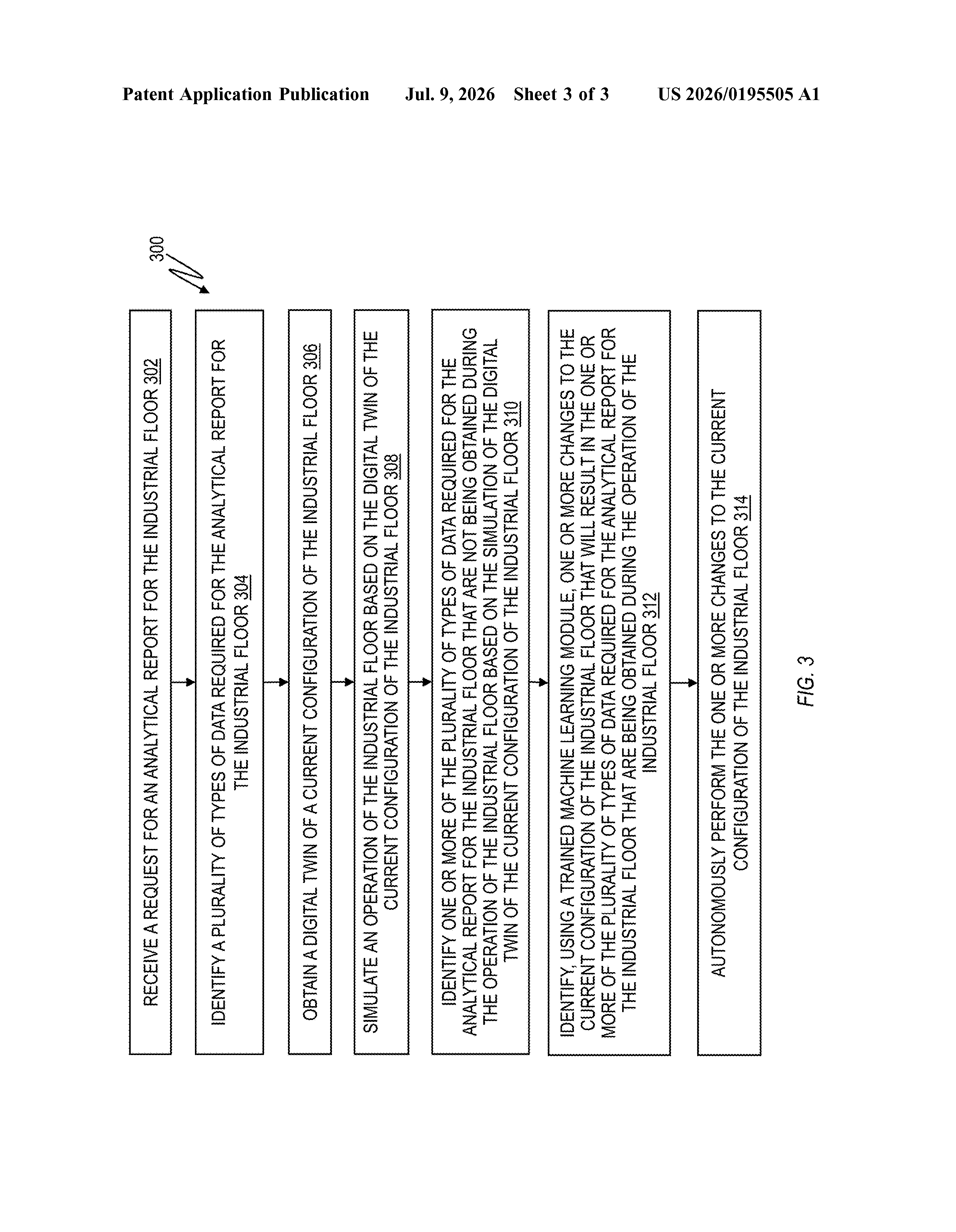
IBM's patent describes a system that handles all of that on its own. When you request an analytical report, the system checks what data it would need, then runs a virtual simulation of your factory (called a digital twin) to see which pieces of data the current setup can't actually collect. It then uses a machine-learning model to decide what changes are needed and carries those changes out automatically.
The idea is that the factory floor upgrades itself to meet whatever reporting goal you set, rather than waiting for a human to spot the gap and manually schedule a fix. IBM is pitching this as a way to cut the lag between "we need this data" and "we're actually collecting it."
How the digital twin spots the missing data
The patent describes a computer-implemented method that starts when someone requests an analytical report for a factory or industrial site. The system first identifies every type of data that report would require, things like vibration readings, temperature logs, or throughput counts.
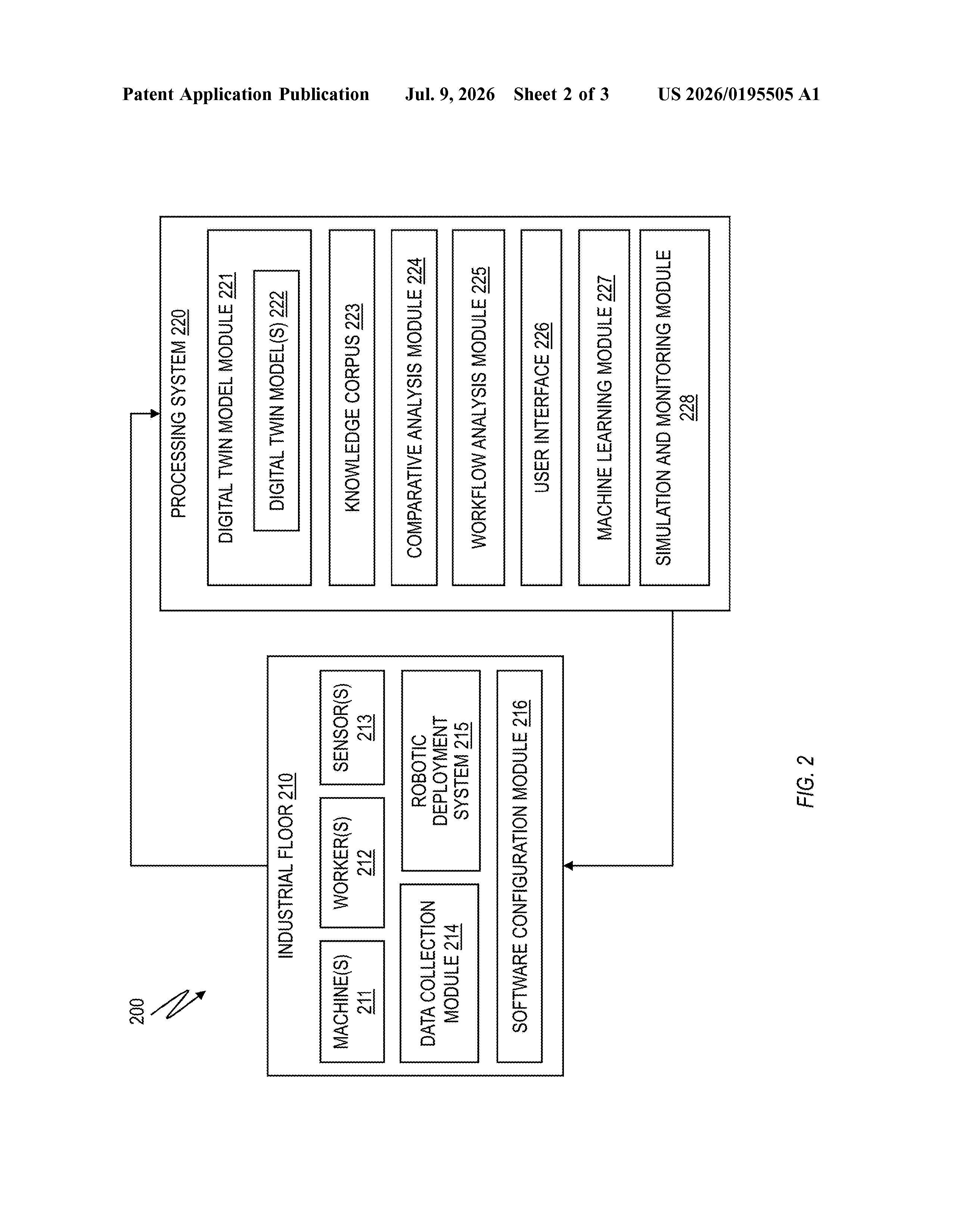
It then pulls up a digital twin (a live virtual replica of the factory's current physical layout, sensors, and machines) and simulates normal operations inside that model. By running the simulation, it can spot exactly which required data types the real floor is not currently capturing, because the simulation shows where the gaps are without touching anything on the actual floor.
A trained machine learning module then takes that gap list and figures out what physical or configuration changes would close each gap. This could mean repositioning existing sensors, adding new ones, or adjusting how data is routed and logged.
Finally, the system autonomously performs those changes. The claim language specifies that no human has to approve or execute the reconfiguration step, which is the part that separates this from a simple diagnostic tool.
- Request triggers a data-requirements check
- Digital twin simulation reveals missing data sources
- ML model maps gaps to specific floor changes
- System executes changes without manual intervention
What this means for industrial automation buyers
For large manufacturers, the gap between "we want this insight" and "we have the infrastructure to get it" can take months of planning, contractor visits, and capital approval cycles. If IBM's system works as described, that cycle could shrink to something closer to an automated software update, at least for changes within the system's scope.
The broader strategic angle is that IBM is positioning its AI and automation tools as active participants in factory operations, not just passive analytics dashboards. A system that reconfigures itself in response to a report request is a meaningful step toward the kind of closed-loop industrial AI that large manufacturers have been pursuing for years. Whether it lands in a real IBM product (likely tied to its Maximo or Watson IoT platforms) or stays a patent filing is still an open question.
This is a legitimately interesting idea in a space IBM has been investing in for years. The autonomous-reconfiguration angle is the part worth watching: most industrial AI tools today tell you what's wrong, they don't fix it. That said, the claim is broad enough that real-world implementation complexity (safety approvals, physical installation, regulatory compliance) could water it down considerably before anything ships.
Get our take in your Top Stories
Liked this breakdown? Add Patentlyze as a preferred source on Google, and our plain-English take shows up more often in your Top Stories the next time IBM patent news breaks.
There are more where this came from
We read every patent application Big Tech publishes and send you the ones worth knowing. Plain English, free, every week.
The drawings
3 drawing sheets from US 2026/0195505 A1 · click any drawing to enlarge
Want this weekly breakdown for a company we don't cover? Patentlyze Pro →