
Samsung Patents a Two-Step Check to Stop Foldable Phones From Misreading Their Own Position
Foldable phones use magnets to know whether they're open or closed, but magnets can be fooled by nearby metal objects or cases. Samsung's new patent adds a second check using an angle sensor, so the phone only changes state when both sensors agree.
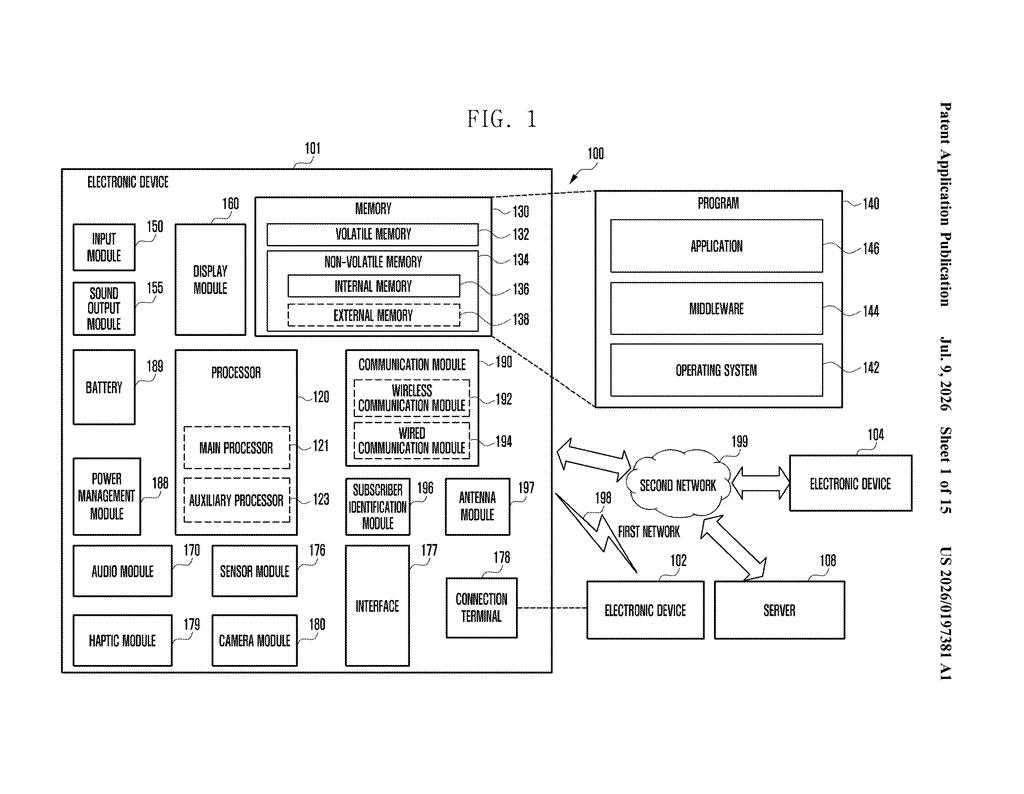
How Samsung's foldable phone knows if it's really open or closed
Imagine your foldable phone is sitting in your bag next to your keys, and it suddenly thinks you opened it, waking up the screen for no reason. That's the kind of glitch Samsung is trying to fix here.
Right now, most foldable phones use a small magnet inside each half of the device. When the halves come close together, a magnetic sensor detects the field and tells the phone it's closed. The problem is that stray magnetic fields from wallets, cases, or other nearby objects can trick that sensor.
Samsung's patent adds a second layer of verification. When the magnetic sensor says the phone has changed position, the device automatically activates a separate angle sensor to double-check. Only if both sensors agree does the phone actually change its state. Think of it like a bank requiring both a password and a fingerprint before moving money.
How the magnet sensor and angle sensor work together
The system has two distinct sensing layers connected to two separate processors inside the device.
Layer 1 (magnetic sensor + first processor): A magnet is embedded in each housing half. A hall-effect sensor (a chip that measures magnetic field strength) monitors how strong the field is between the two magnets. When that field changes enough to cross a threshold, the sensor fires an interrupt signal (a real-time hardware alert that immediately grabs the processor's attention) to both processors simultaneously, over a shared wire.
Layer 2 (angle sensor + second processor): The interrupt signal wakes up a second processor, which then activates a separate angle-measuring sensor and runs angle-calculation software. This sensor physically measures the fold angle between the two halves.
The decision logic works like this:
- If the magnetic sensor fires but the angle still reads within the "closed" range, the phone ignores the magnetic trigger and stays in its current state.
- Only if the angle sensor confirms the device is outside the closed range does the phone officially register a state change (open or closed).
A notable engineering detail: the second processor's data line physically branches off the same wire used by the interrupt signal, which means Samsung avoids adding extra wiring inside what is already a very space-constrained hinge area.
What this means for Galaxy Z Fold and Flip reliability
For anyone who owns a Galaxy Z Fold or Z Flip, phantom open/close events are a real annoyance. They can cause the screen to wake unexpectedly, drain the battery, or briefly interrupt an app in the middle of use. A two-sensor confirmation approach would make those devices more dependable in everyday situations like a crowded bag or a magnetic phone mount.
From a product strategy angle, Samsung is under pressure to make foldable hardware feel as reliable as a conventional phone. Small quality-of-life fixes like this one matter more than specs for convincing mainstream buyers to pay a premium. This patent suggests Samsung is thinking carefully about the edge cases that make foldables feel fragile or unpredictable.
This is not a flashy patent, but it is a thoughtful one. The dual-sensor confirmation approach solves a real and recurring irritation in foldable phones without adding bulk or extra wiring, which is genuinely hard to pull off inside a hinge. It is exactly the kind of quiet engineering work that separates a phone you trust from one you tolerate.
Get our take in your Top Stories
Liked this breakdown? Add Patentlyze as a preferred source on Google, and our plain-English take shows up more often in your Top Stories the next time Samsung patent news breaks.
There are more where this came from
We read every patent application Big Tech publishes and send you the ones worth knowing. Plain English, free, every week.
Want this weekly breakdown for a company we don't cover? Patentlyze Pro →