
New IBM Patent Pinpoints Whether Bugs Live in Code or Tests
When a software test fails, developers face a maddening guessing game: is the code broken, or is the test itself wrong? IBM has filed a patent for a system that tries to answer that question automatically.
What IBM's bug-finder actually figures out
Imagine you have a smoke detector that goes off. You don't immediately know if there's a real fire or if the detector's battery is dying. Software developers face the same problem constantly: when an automated test fails, it could mean the program has a bug, or it could mean the test was written incorrectly in the first place.
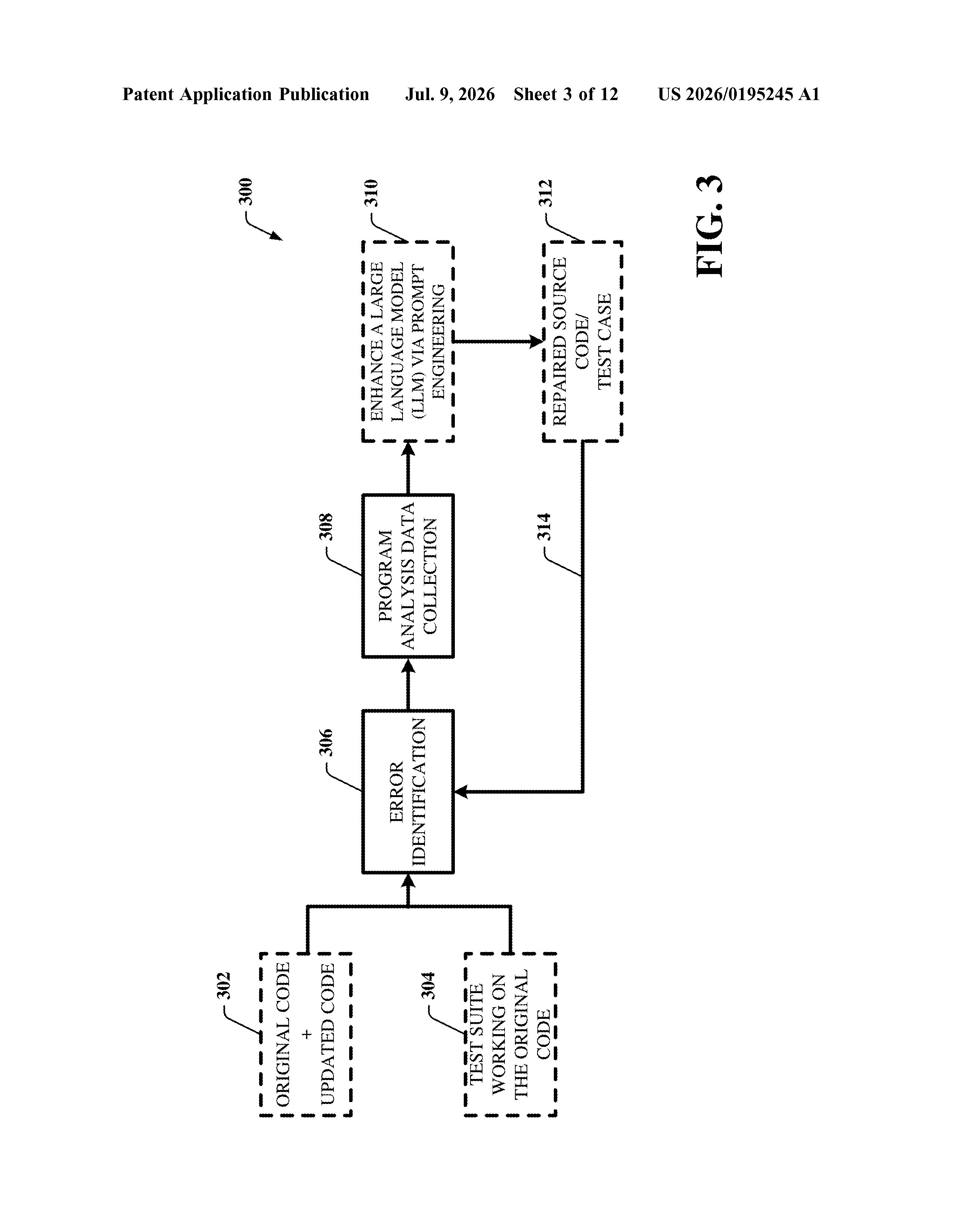
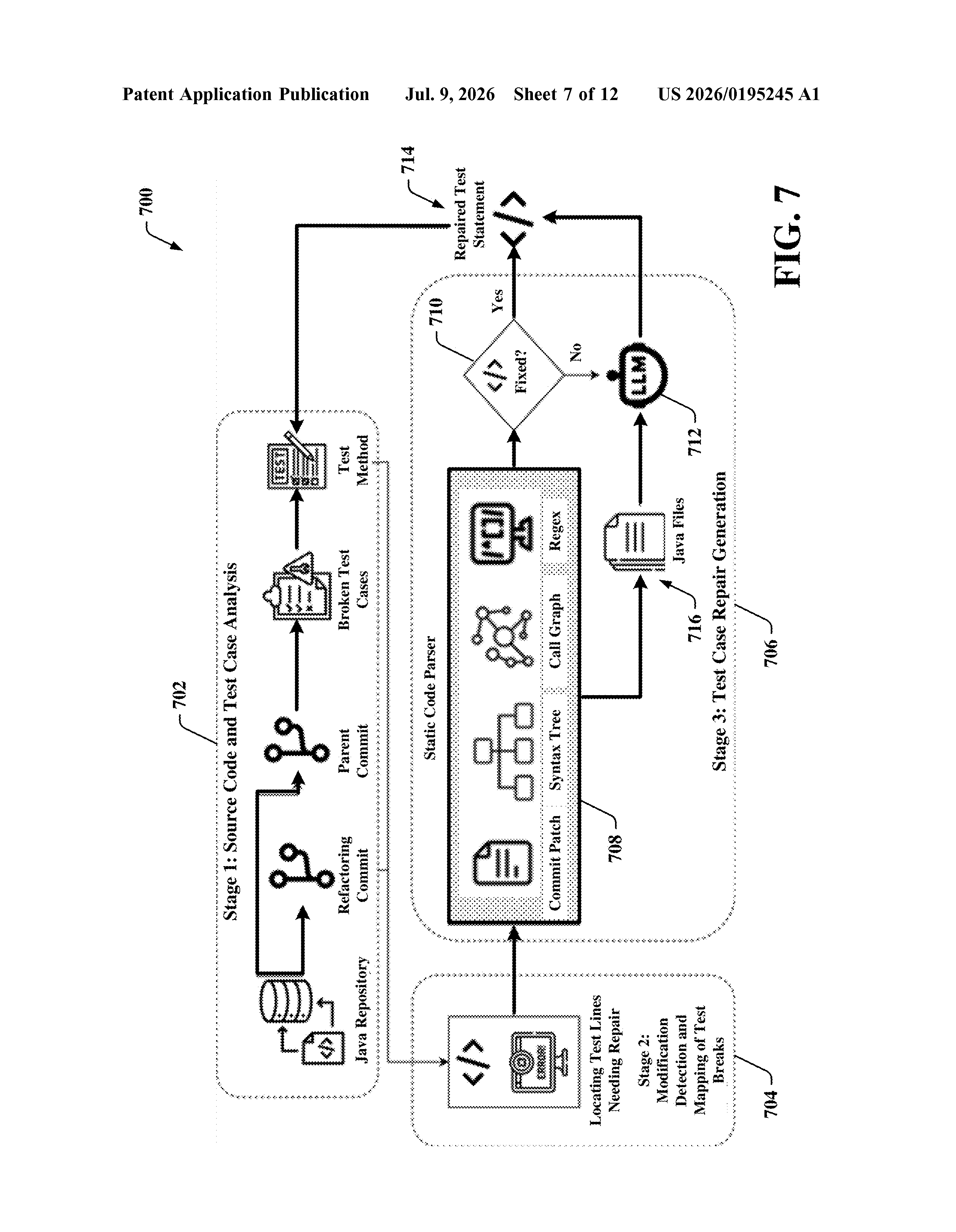
IBM's patent describes a system that runs a failed test along a specific path of decisions and uses the results to figure out which side of that divide the problem lives on. Instead of a developer manually reading through both the code and the test file to find the culprit, the system points a finger at one or the other.
The practical upside is time. Debugging is one of the most time-consuming parts of software development, and just knowing where to look first is half the battle. A tool that can reliably sort 'broken code' from 'broken test' would save real hours on real projects.
How the decision path traces the failed test
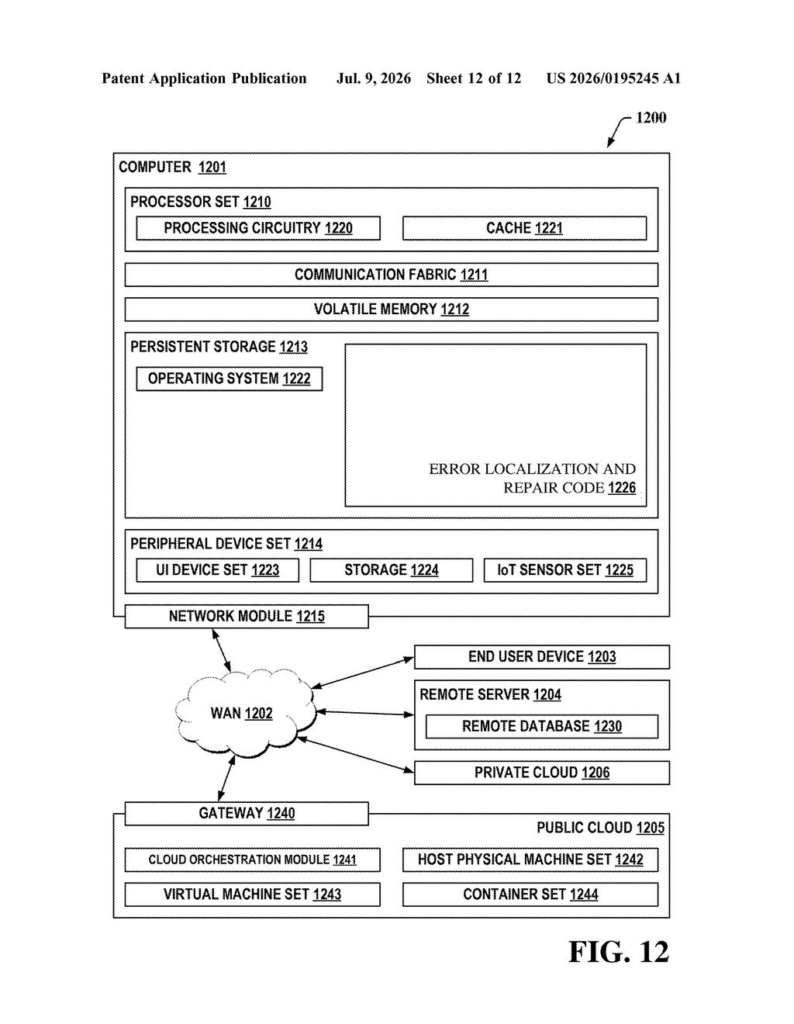
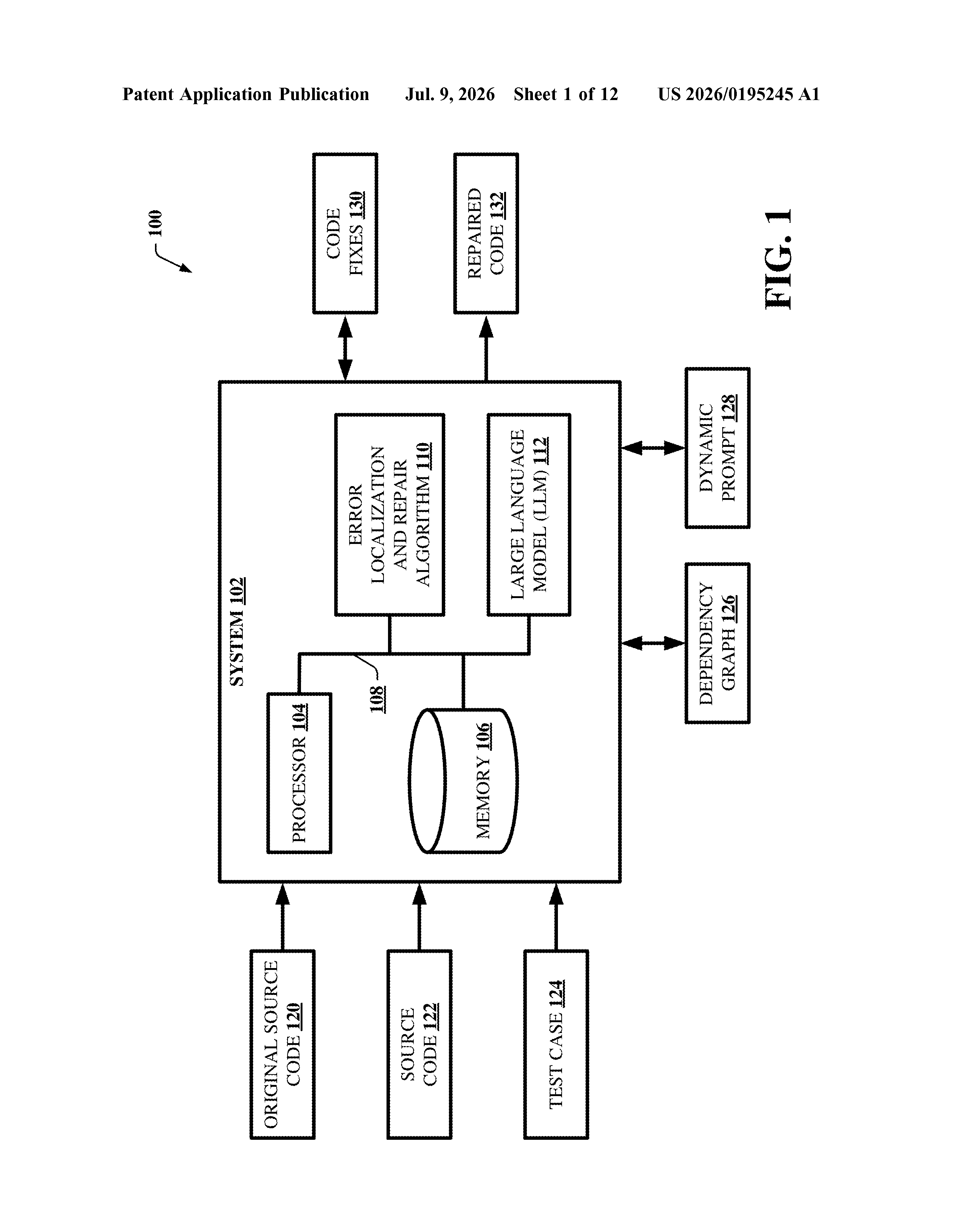
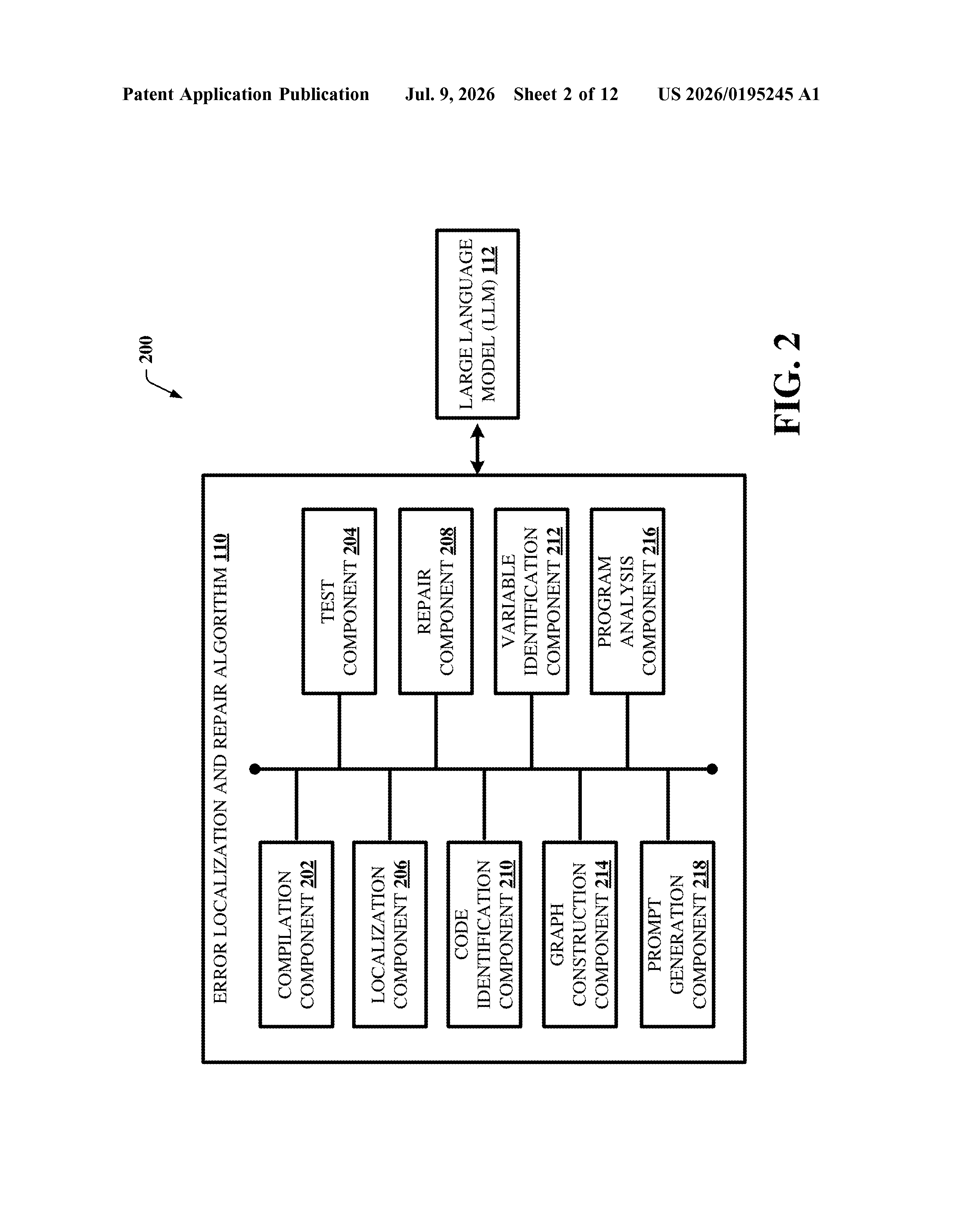
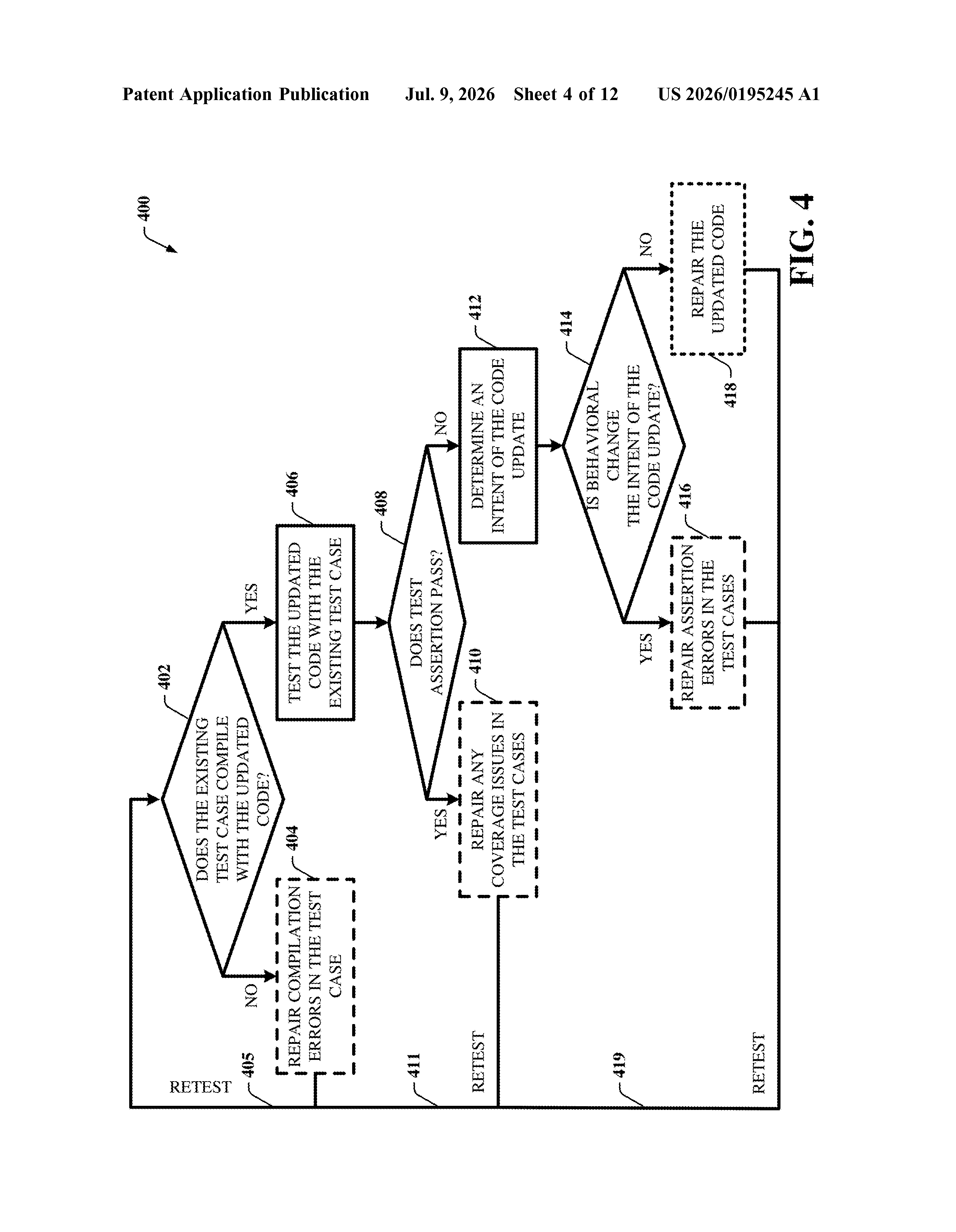
The system has two core parts working together. The first is a test component that actually runs the failing test and records what happens at each step, following what the patent calls a decision path (essentially a branching map of the logic the software executes as the test runs).
The second is a localization component that reads the outcomes at each branch of that path and makes a determination: did the failure happen because the underlying source code did something wrong, or because the test case itself contains a flaw (like checking for the wrong expected value)?
The distinction matters because the fix is completely different depending on the answer:
- If the source code is the problem, a developer needs to patch the program's logic.
- If the test case is the problem, the test needs to be rewritten, not the code it's testing.
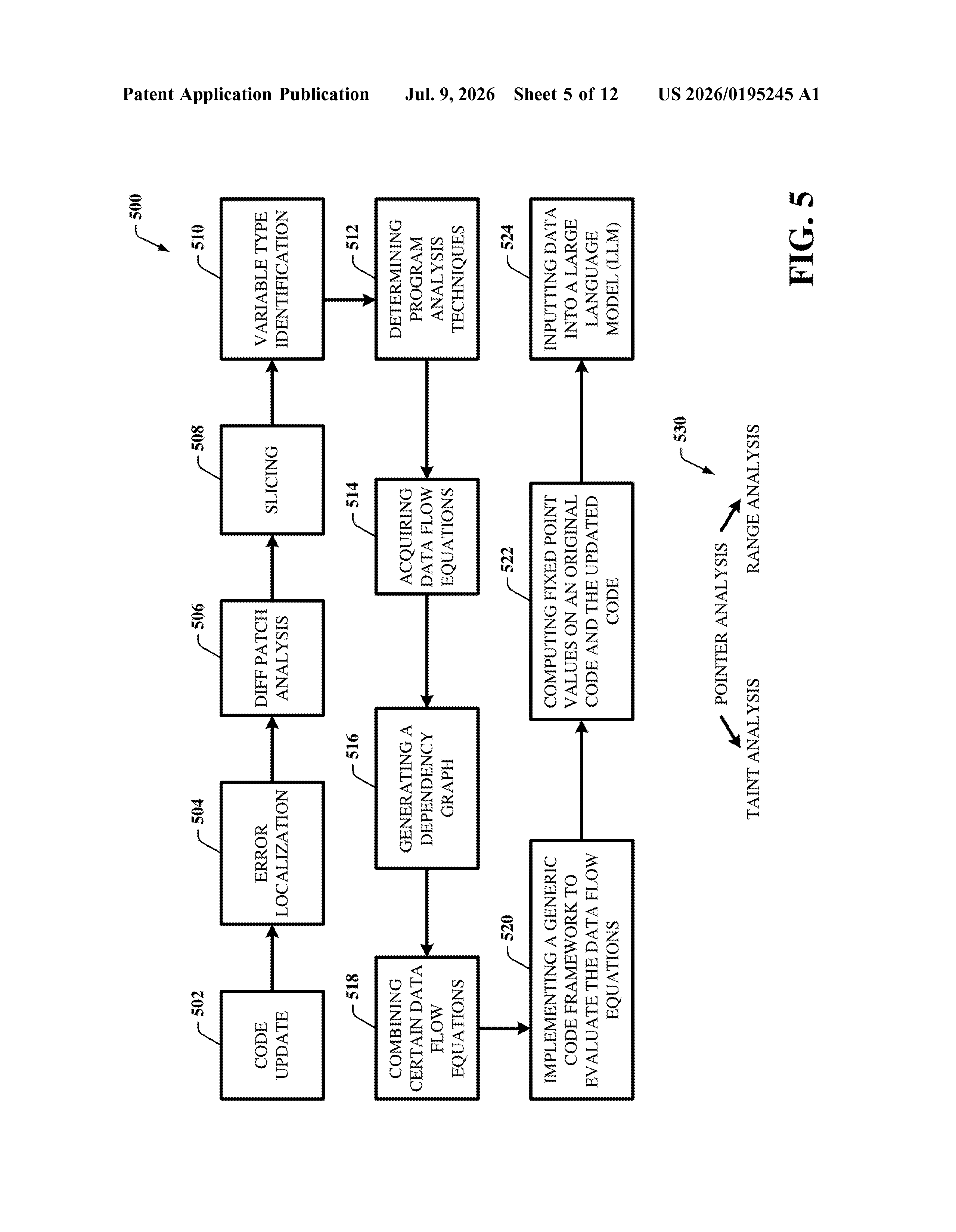
The patent doesn't go deep on the specific AI method used to make that determination, but the framing suggests the system learns from patterns in how decision paths diverge when each type of error is present.
What this means for software development teams
Automated testing is a foundation of modern software development, and large codebases can have thousands of tests running continuously. When tests fail, the instinct is to blame the code, but flawed tests are a surprisingly common culprit, and chasing a ghost bug in working code wastes significant engineering time.
For IBM, which sells enterprise software tools and cloud development services, a reliable bug-classification layer would fit naturally into platforms like IBM watsonx or its developer tooling portfolio. Whether or not this specific patent leads to a shipping product, it signals IBM's interest in automating the grunt work of debugging, which is a real pain point for every software team, from small startups to large enterprise shops like the ones IBM typically serves.
This is a useful but narrow idea. The core problem it addresses (figuring out whether a test failure is a code bug or a test bug) is genuinely annoying in practice, so the motivation is real. That said, the patent's first independent claim is broad enough to be fairly routine, and the technical depth in the abstract is thin. This feels like foundational IP staking rather than a finished, differentiated technology.
There are more where this came from
We read every patent application Big Tech publishes and send you the ones worth knowing. Plain English, free, every week.
The drawings
12 drawing sheets from US 2026/0195245 A1 · click any drawing to enlarge
Want this weekly breakdown for a company we don't cover? Patentlyze Pro →
Be the first to weigh in