
Red Hat Patents a System That Traces Running Processes Back to Their Container Layer
When something goes wrong inside a software container, tracking down exactly which piece of the container caused the problem is surprisingly hard. Red Hat wants to make that a solved problem.
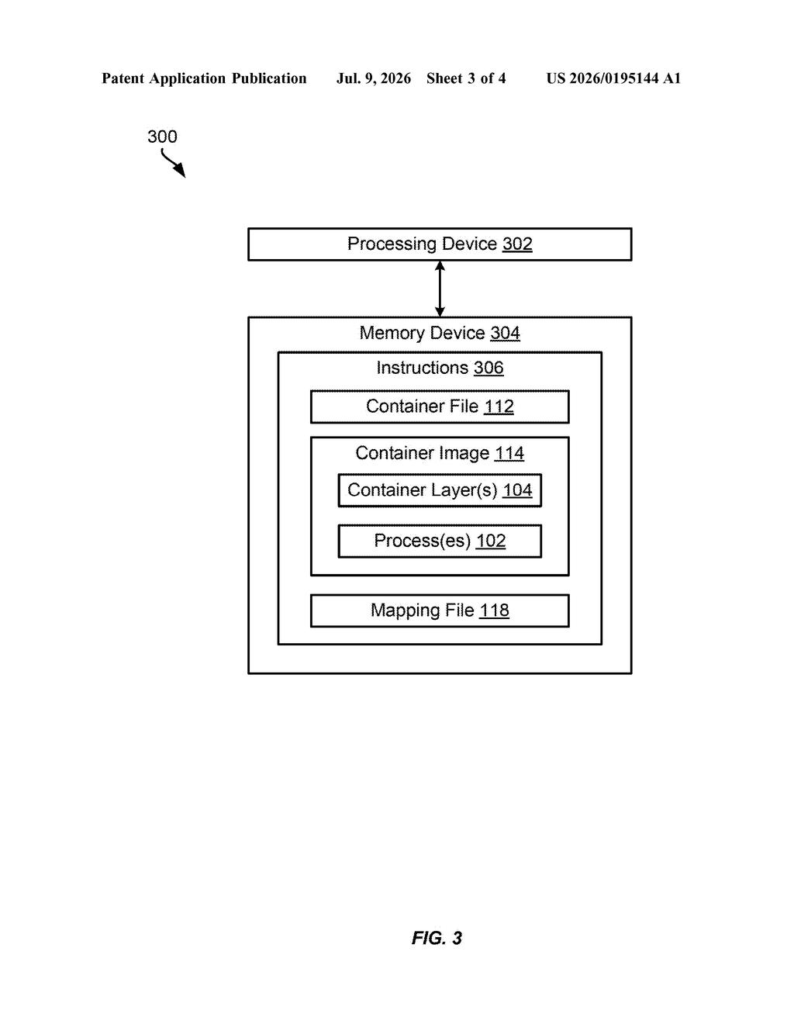
What Red Hat's container process mapper actually does
Imagine a layered sandwich: each slice of bread, meat, and cheese was added by a different chef. If something tastes off, you want to know which chef added the bad ingredient. Software containers work similarly, built up from stacked layers, each adding files or settings.
When a containerized app is running and a process misbehaves, or a security scanner spots something suspicious, the usual question is: where did that come from? Right now, connecting a live running process back to the specific layer that created it takes real detective work.
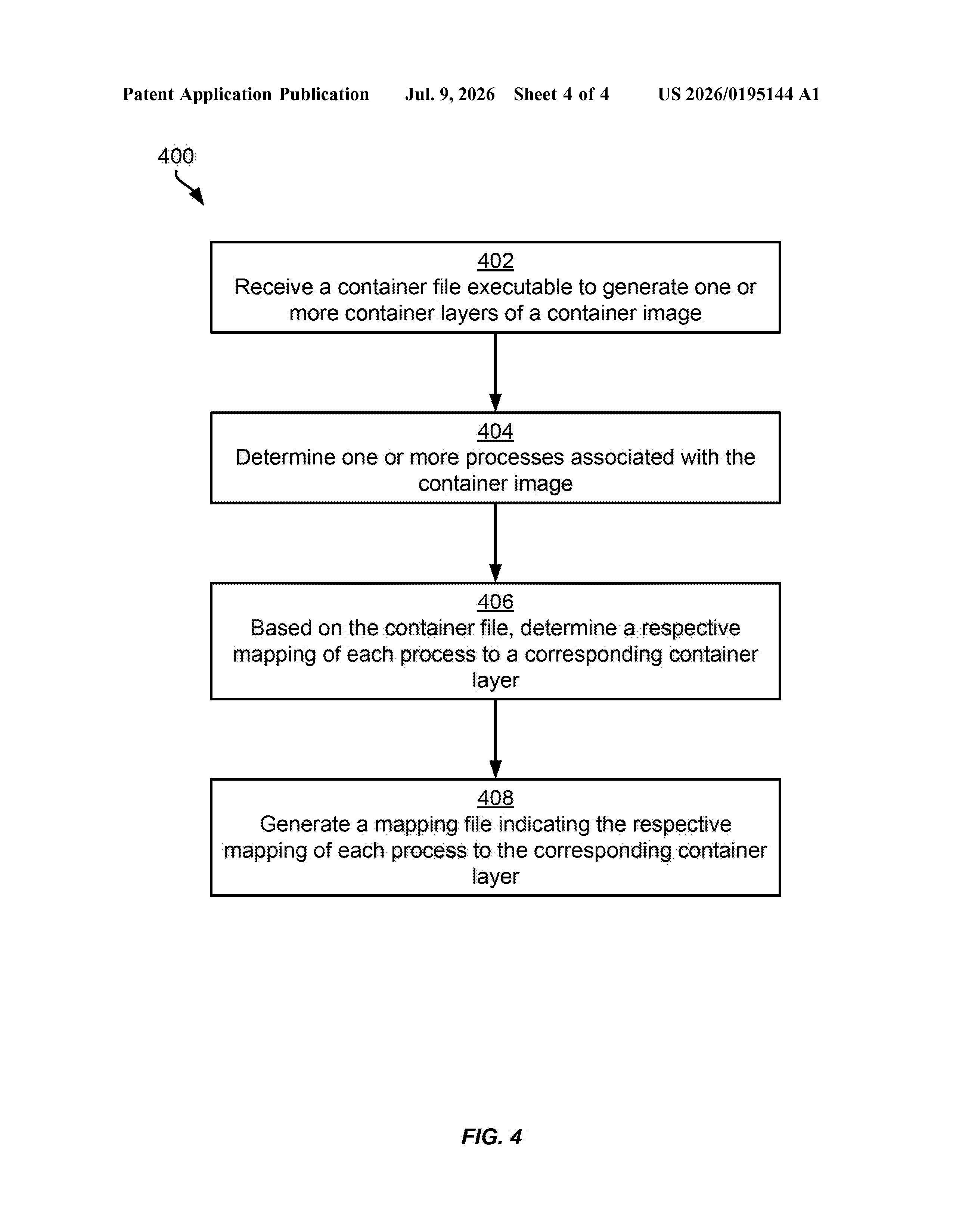
Red Hat's patented system does that detective work automatically. It reads the container's build file, figures out which layer spawned each running process, and writes the whole map to a file. Engineers and security tools can then query that file instantly instead of digging through layer after layer by hand.
How the mapper service links processes to container layers
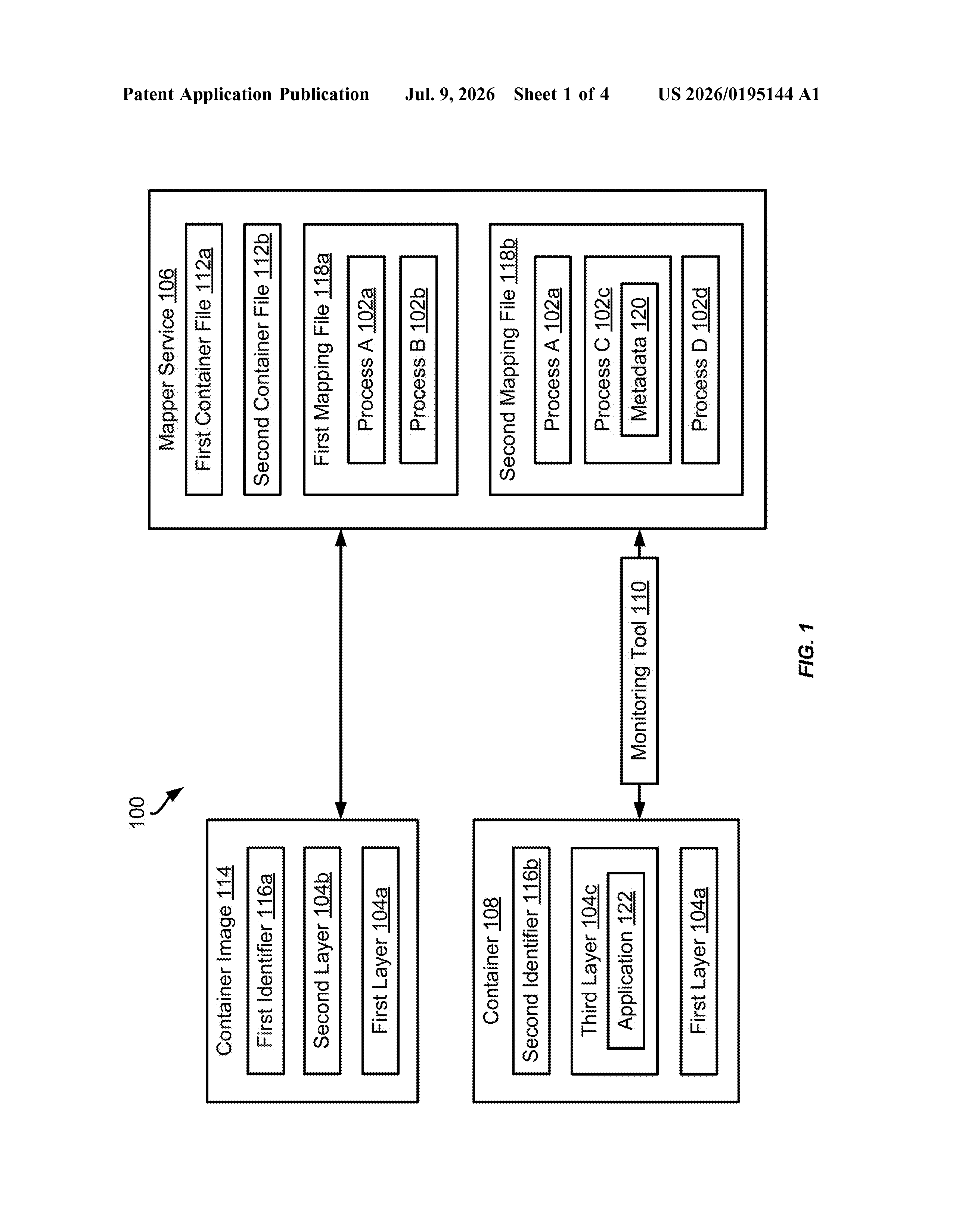
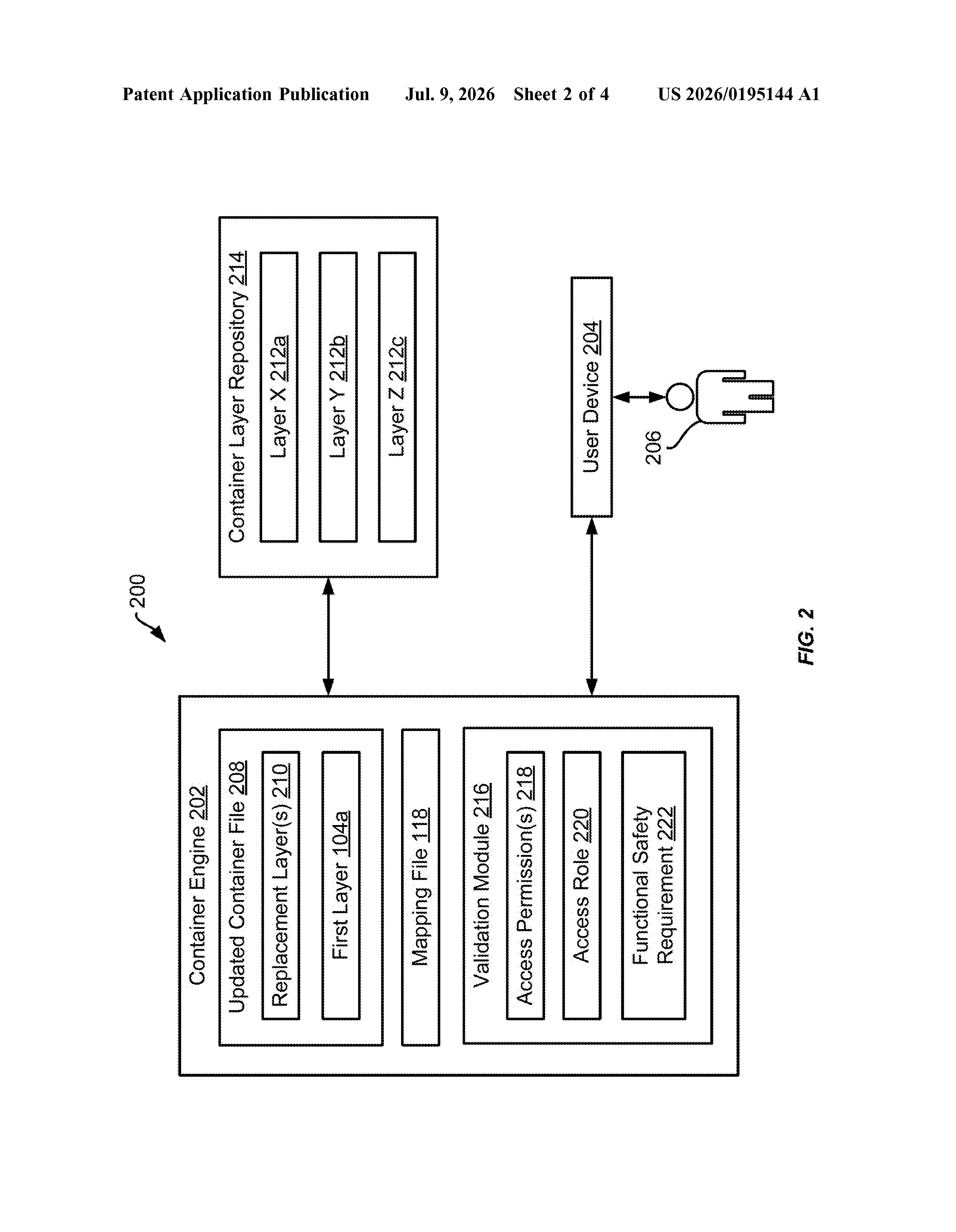
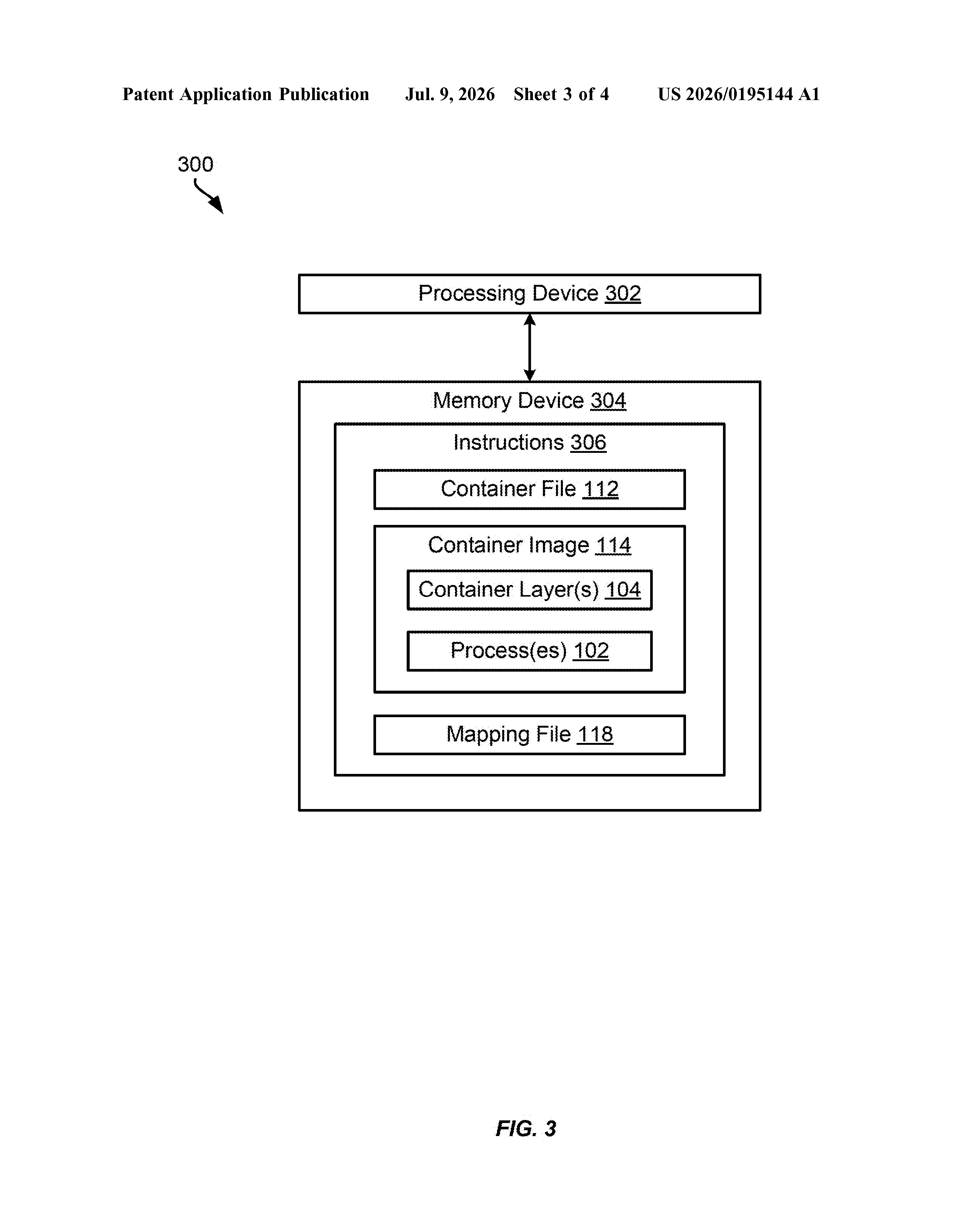
The patent describes a mapper service that sits in a computing environment alongside running containers. Its job is to produce a structured record linking every active process to the specific container layer responsible for launching it.
Here is how the pieces fit together:
- Container file ingestion: The service reads the container build file (think a Dockerfile or similar recipe), which defines each layer and what it installs or runs.
- Process enumeration: It then looks at the live container image and identifies every process currently running inside it.
- Layer attribution: Using the build file as a reference, it determines which layer generated each process, then records that relationship.
- Mapping file output: The result is a machine-readable mapping file that external tools, security scanners, or administrators can query.
The key insight is using the build file as the authoritative source of truth. Because each layer is defined in sequence in that file, the service can work backward from a running process to its origin layer without needing to instrument the container at runtime.
What this means for software security and debugging
For security teams, this kind of traceability is genuinely useful. When a vulnerability scan flags a suspicious process, knowing which container layer introduced it tells you exactly which dependency or configuration step to patch or replace, rather than rebuilding the whole image and hoping for the best.
For developers, it cuts debugging time. If a process is consuming too much memory or crashing, you can pinpoint the layer at fault and fix just that layer. Red Hat ships tools like Podman and OpenShift that deal with containers constantly, so this kind of diagnostic infrastructure fits squarely into their product strategy, even if the patent itself is more plumbing than headline feature.
This is solid infrastructure work rather than a flashy invention. The idea is straightforward, but it fills a real gap: container observability tooling has historically been better at telling you that something is wrong than at telling you which layer caused it. Red Hat filing this suggests they plan to bake process-to-layer traceability directly into their container toolchain rather than leaving it to third-party scanners.
There are more where this came from
We read every patent application Big Tech publishes and send you the ones worth knowing. Plain English, free, every week.
The drawings
4 drawing sheets from US 2026/0195144 A1 · click any drawing to enlarge
Want this weekly breakdown for a company we don't cover? Patentlyze Pro →
Be the first to weigh in