
IBM Patents a System That Rewrites Video Backgrounds for Each Individual Viewer
Imagine watching the same ad as your neighbor, but the background behind the product matches your city, your style, or your recent browsing history. IBM is patenting exactly that.
How IBM's per-viewer video rewriting actually works
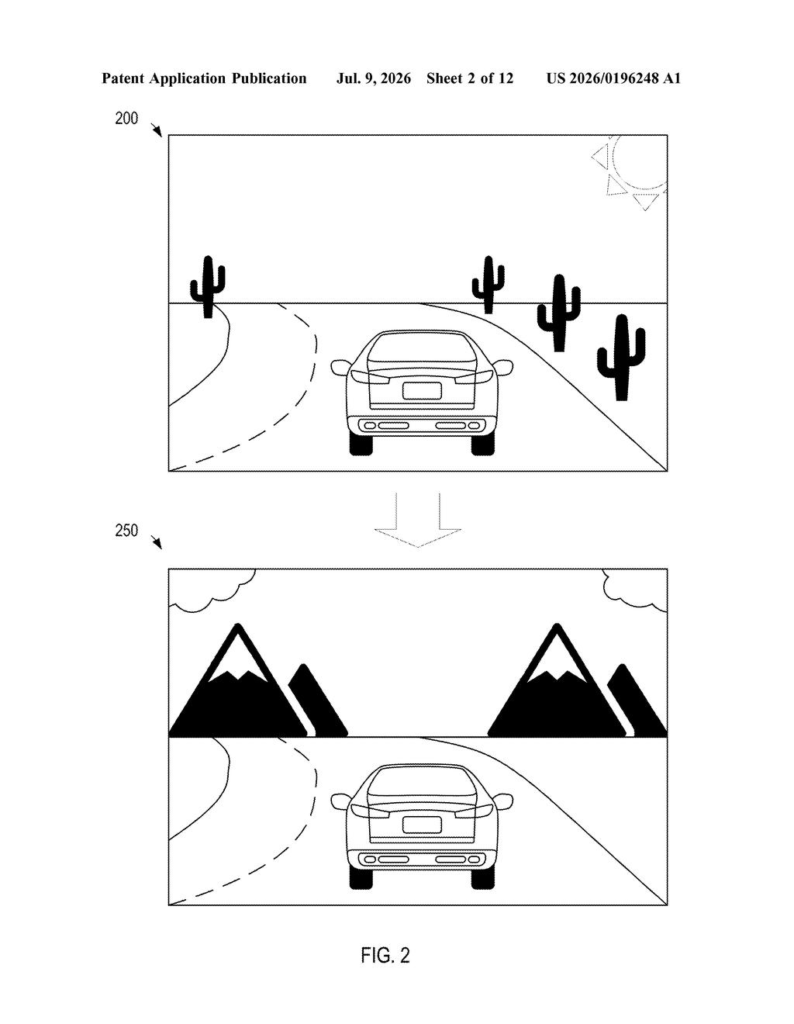
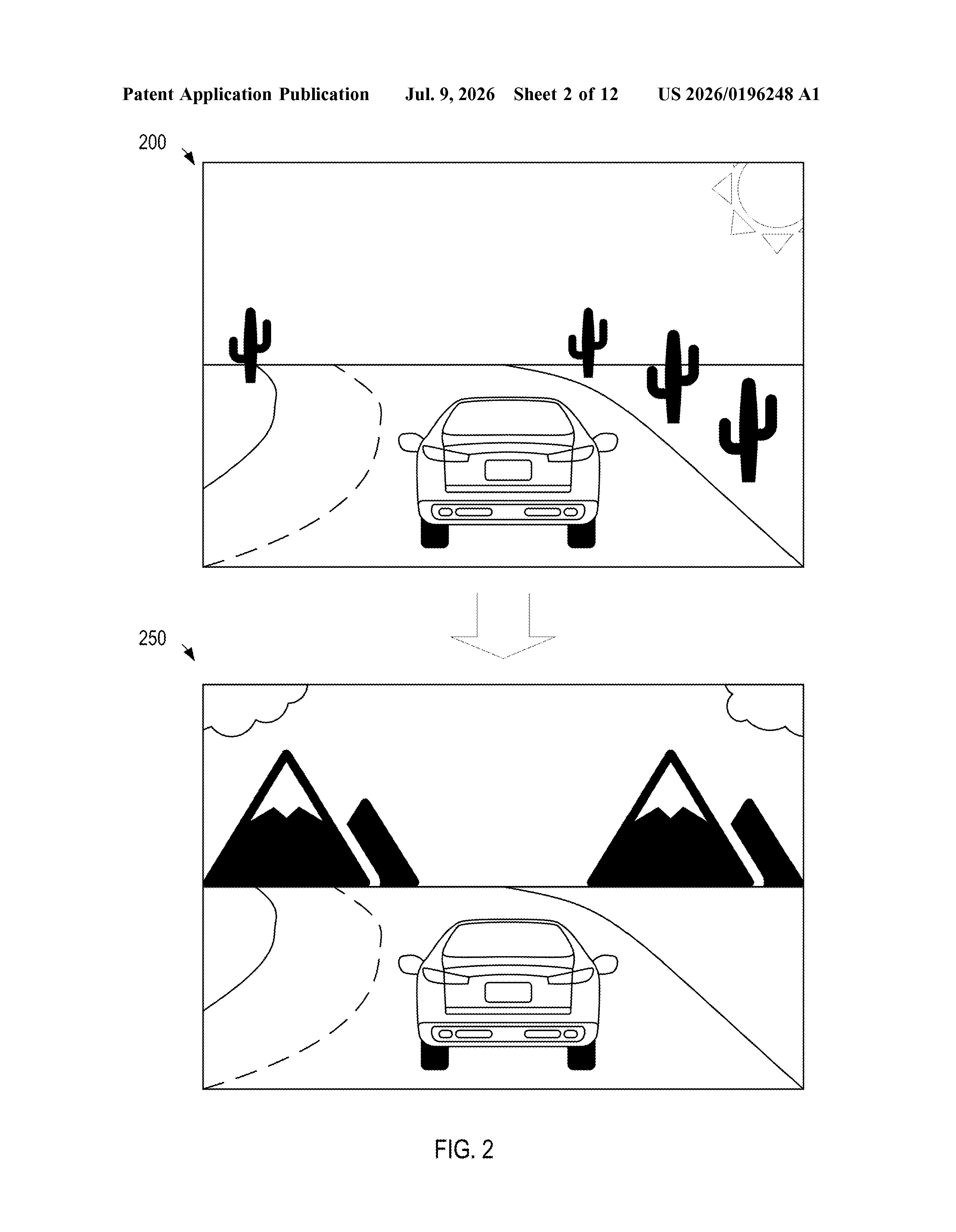
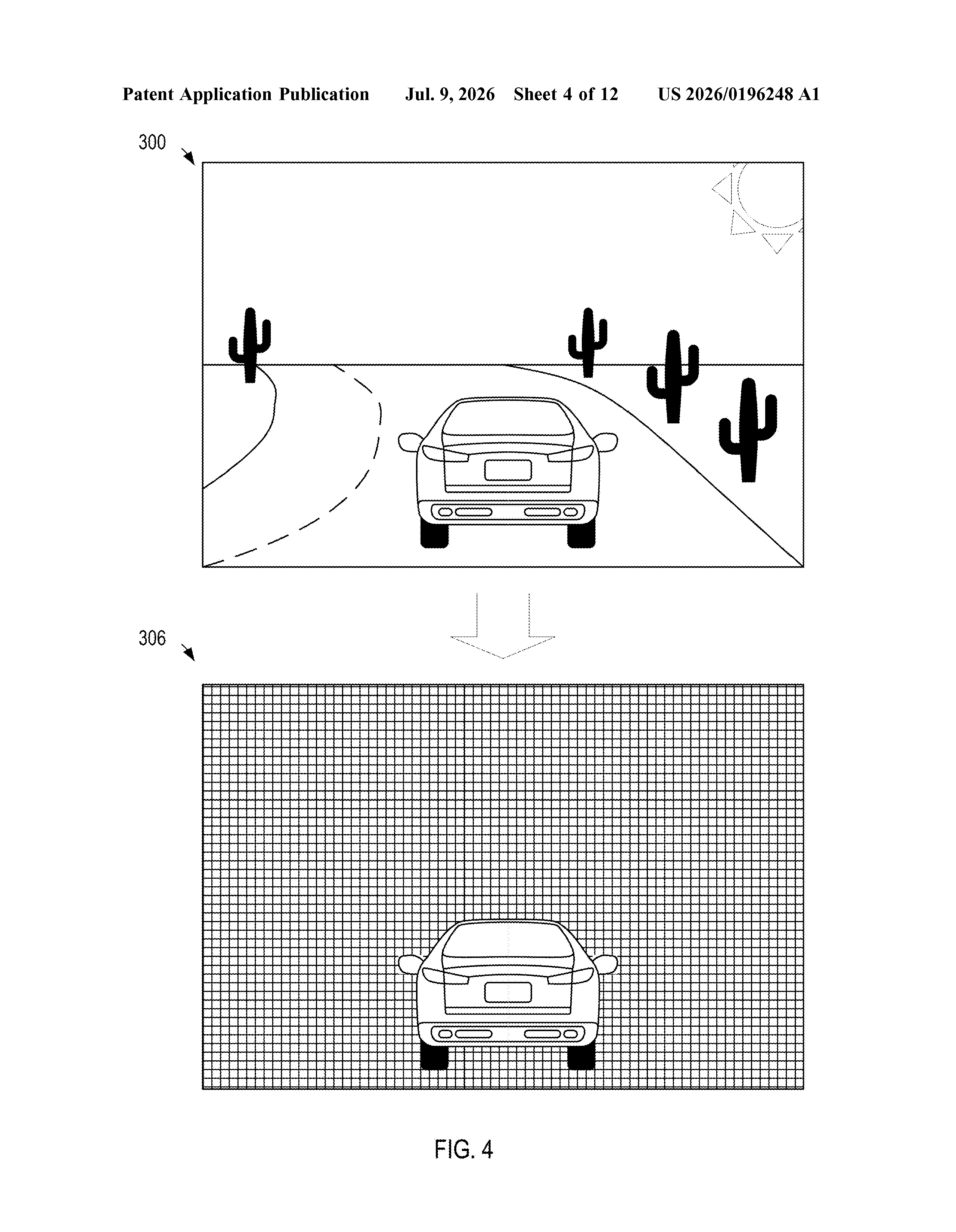
Picture a car ad where the vehicle drives through snowy mountains for one viewer and along a sunny beach for another, while the car itself stays identical in both versions. That's the core idea here: keep the important stuff, swap everything else based on who's watching.
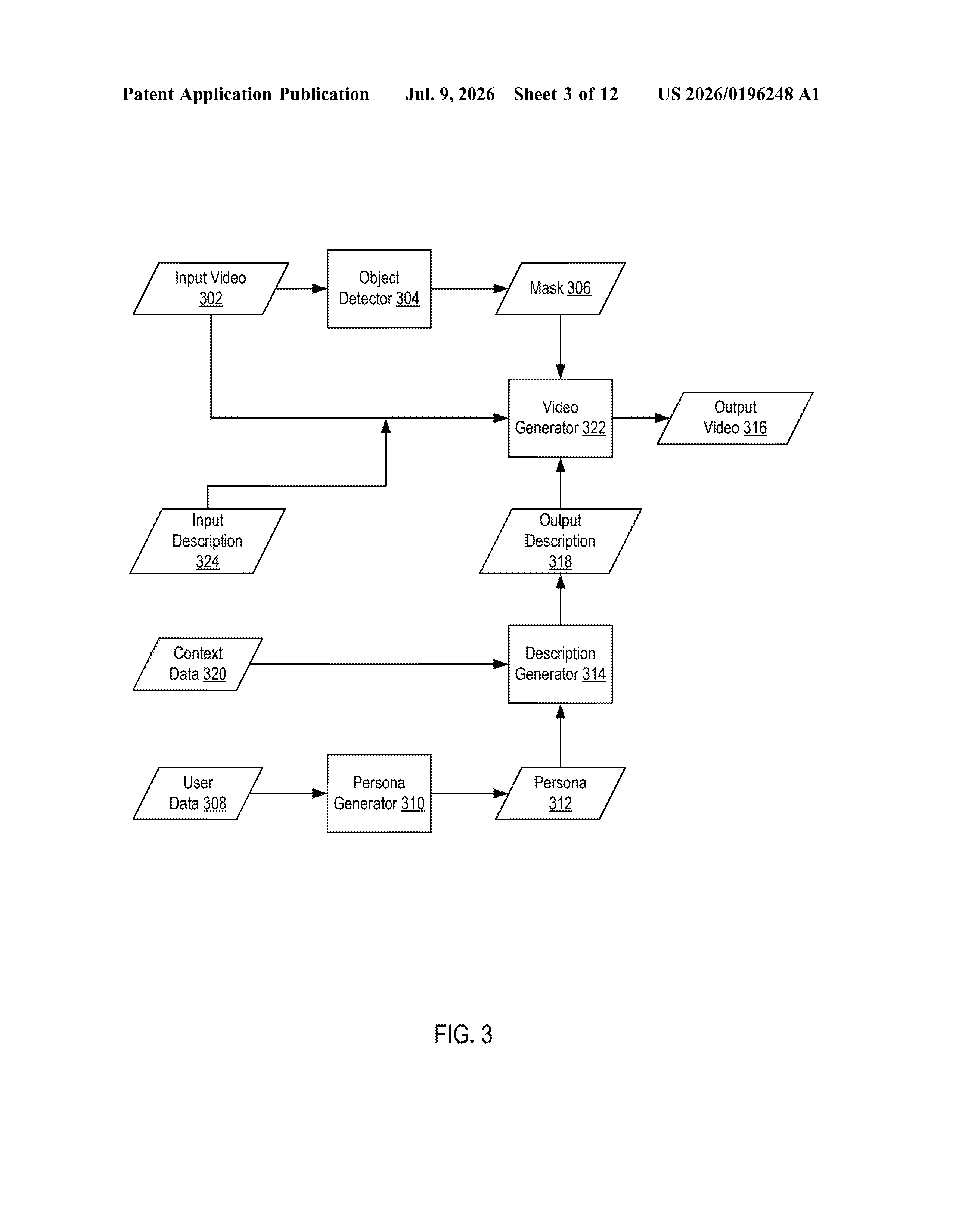
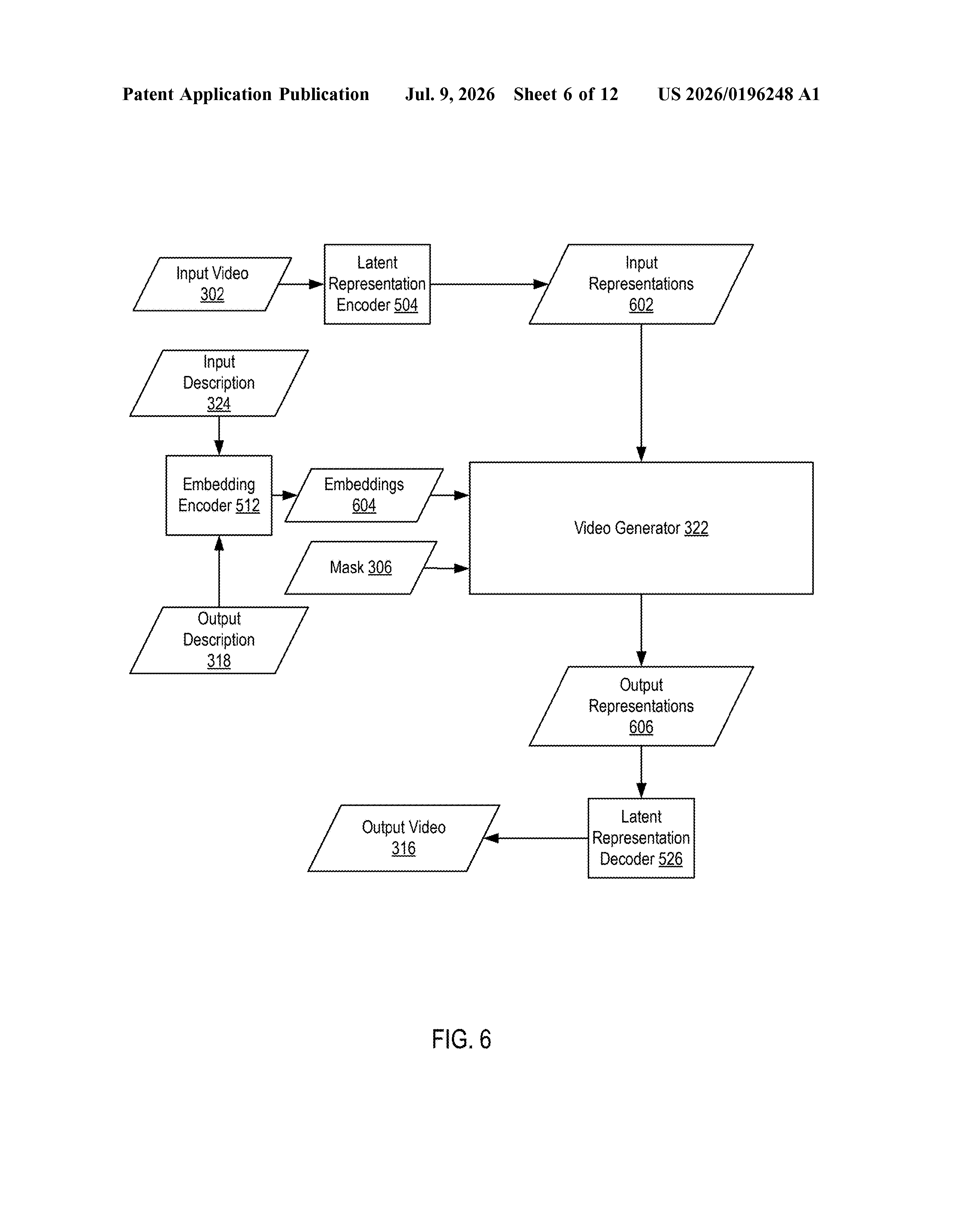
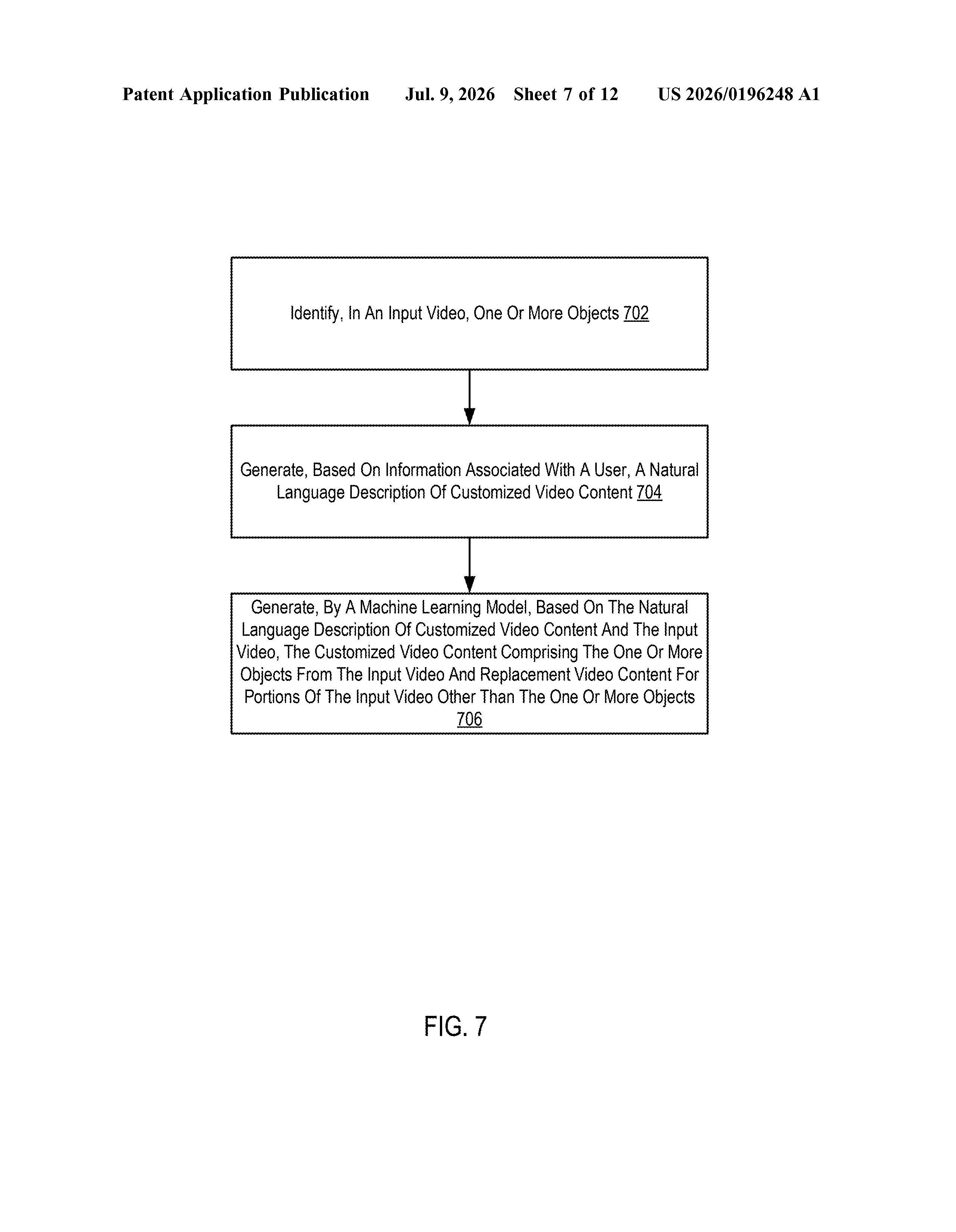
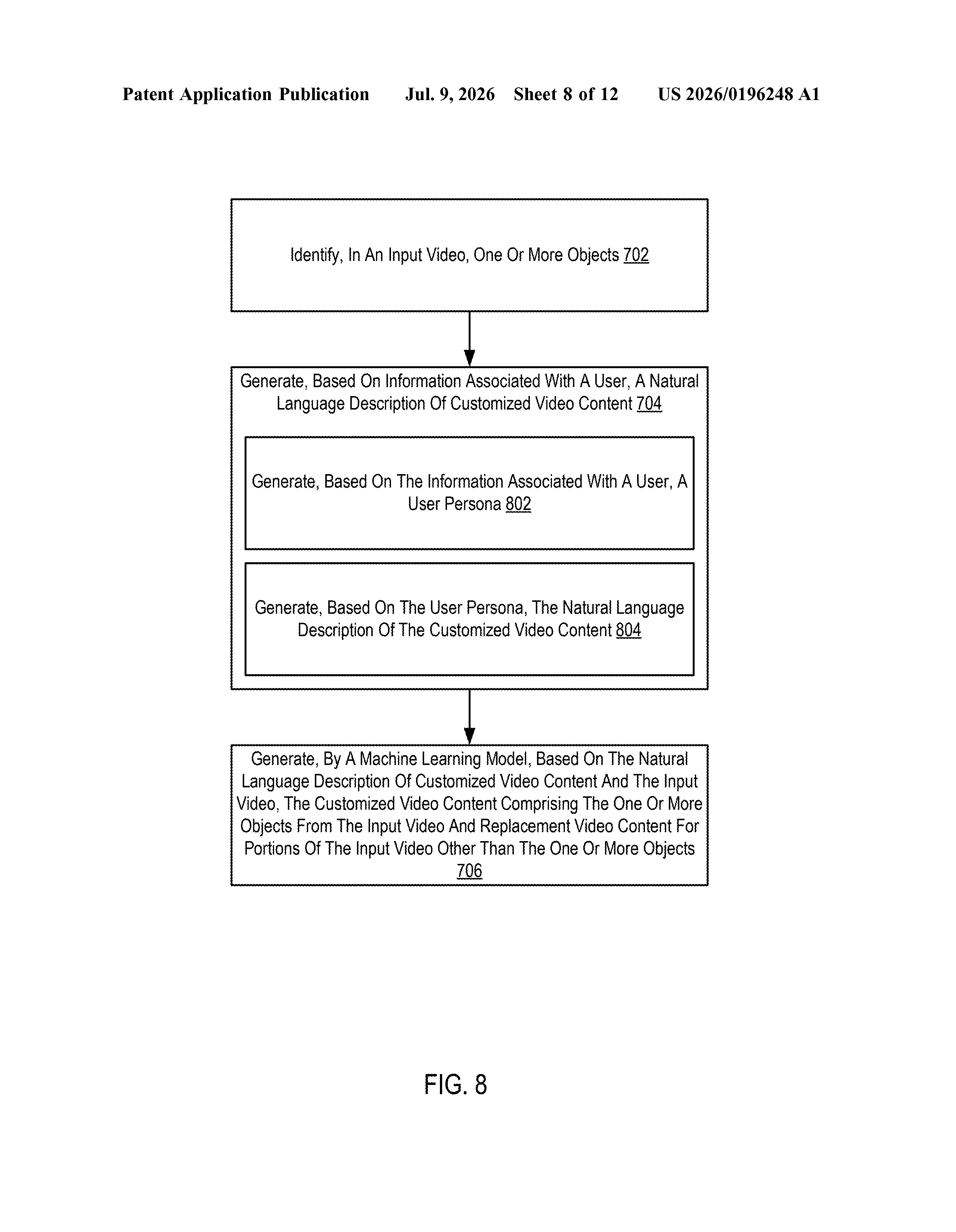
IBM's patent describes a system where an AI first figures out which objects in a video are the ones that matter (the car, the person, the product). A second AI then looks at information about you specifically, and writes a text description of what a personalized version of that video should look like. A third AI actually generates the new footage, blending the original objects into a fresh background tailored to your profile.
The result is a video that looks like it was made just for you, even though the original footage was shot once and customized automatically. You'd never know the background was replaced.
How three AI models split up the rewriting job
The patent describes a three-model pipeline, where each AI handles a distinct step in the personalization process:
- Object identification: The first model analyzes the input video and isolates the objects that need to be preserved, think the product, the actor, or any foreground element the brand wants kept intact.
- Description generation: The second model reads data tied to a specific user (browsing behavior, location, demographic profile, preferences) and produces a natural language description of what the customized video should look like. This is essentially an AI writing a creative brief on the fly.
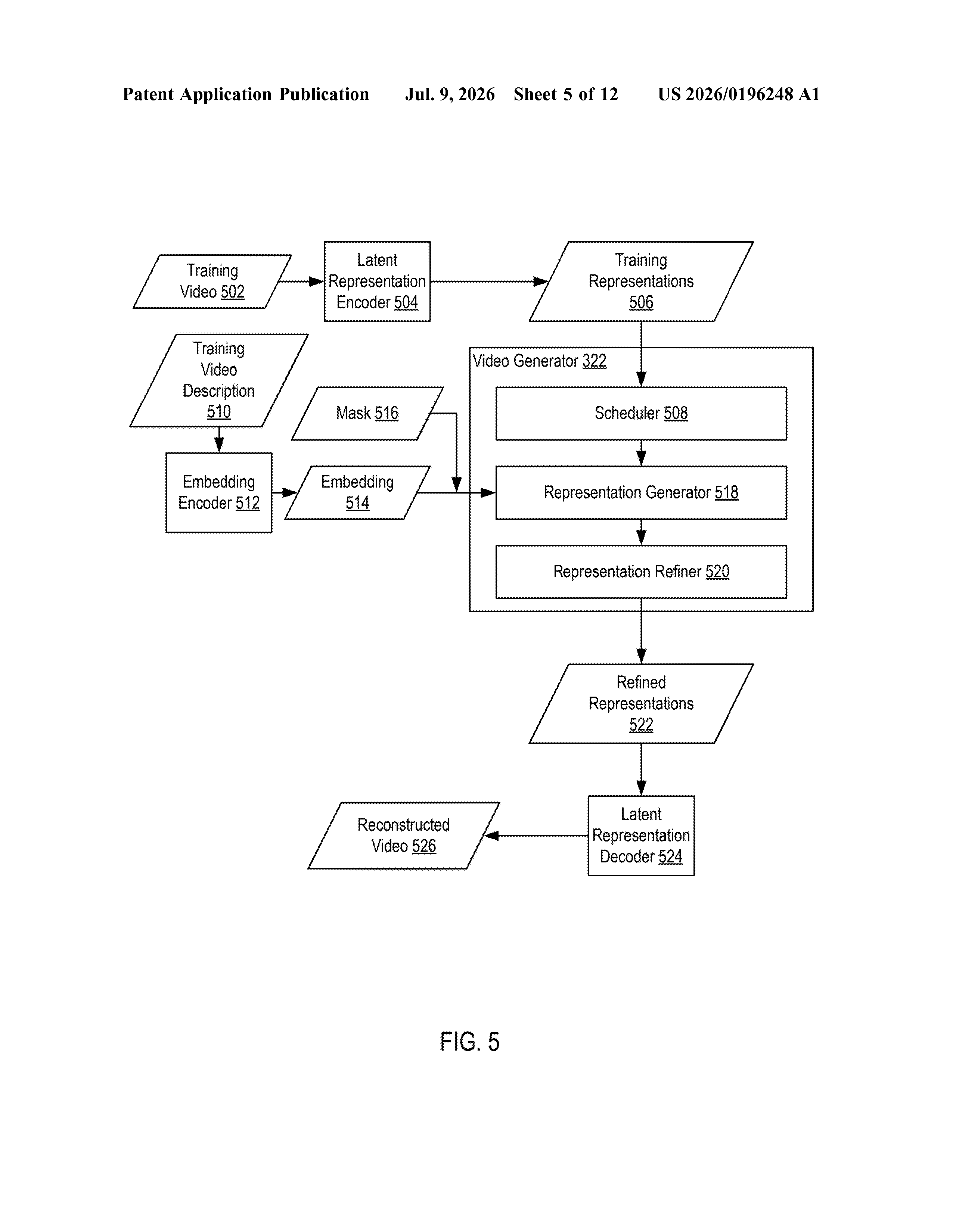
- Video generation: The third model takes both that text description and the original video as inputs, then generates new footage. It stitches the preserved objects into freshly generated replacement content for everything else in the frame.
The approach leans on text-to-video generation (similar in principle to how tools like Sora or Runway create video from written prompts), but anchored to real footage rather than generating everything from scratch. That's the key technical distinction: the objects are real, the context is synthesized.
What this means for personalized video advertising
For advertisers, this is a direct answer to a long-standing problem: video is expensive to produce, but generic content performs worse than targeted content. If this system works at scale, a single video shoot could theoretically produce thousands of personalized variants without a single additional day on set. The implications for streaming platforms, social media ads, and e-commerce video are significant.
For you as a viewer, it raises obvious questions about consent and transparency. If the background of a video you're watching has been silently rewritten based on your data profile, that's a form of personalization that goes well beyond a targeted banner ad. IBM's patent doesn't address those guardrails, but regulators and platforms almost certainly will have to.
This is one of those patents where the engineering is genuinely interesting but the ethical questions are more interesting still. IBM is solving a real production cost problem for advertisers, and the three-model architecture is a clean approach. Whether any platform would deploy this transparently enough to avoid a backlash is a separate question entirely, and that tension is what makes this filing worth tracking.
Get our take in your Top Stories
Liked this breakdown? Add Patentlyze as a preferred source on Google, and our plain-English take shows up more often in your Top Stories the next time IBM patent news breaks.
There are more where this came from
We read every patent application Big Tech publishes and send you the ones worth knowing. Plain English, free, every week.
The drawings
12 drawing sheets from US 2026/0196248 A1 · click any drawing to enlarge
Want this weekly breakdown for a company we don't cover? Patentlyze Pro →