
IBM Patents AI That Writes Complex Data-Retrieval Instructions for Users Automatically
Writing a database query is a skill most people never learn, but IBM is patenting a way to let an AI do it for you by first building a map of everything the database knows.
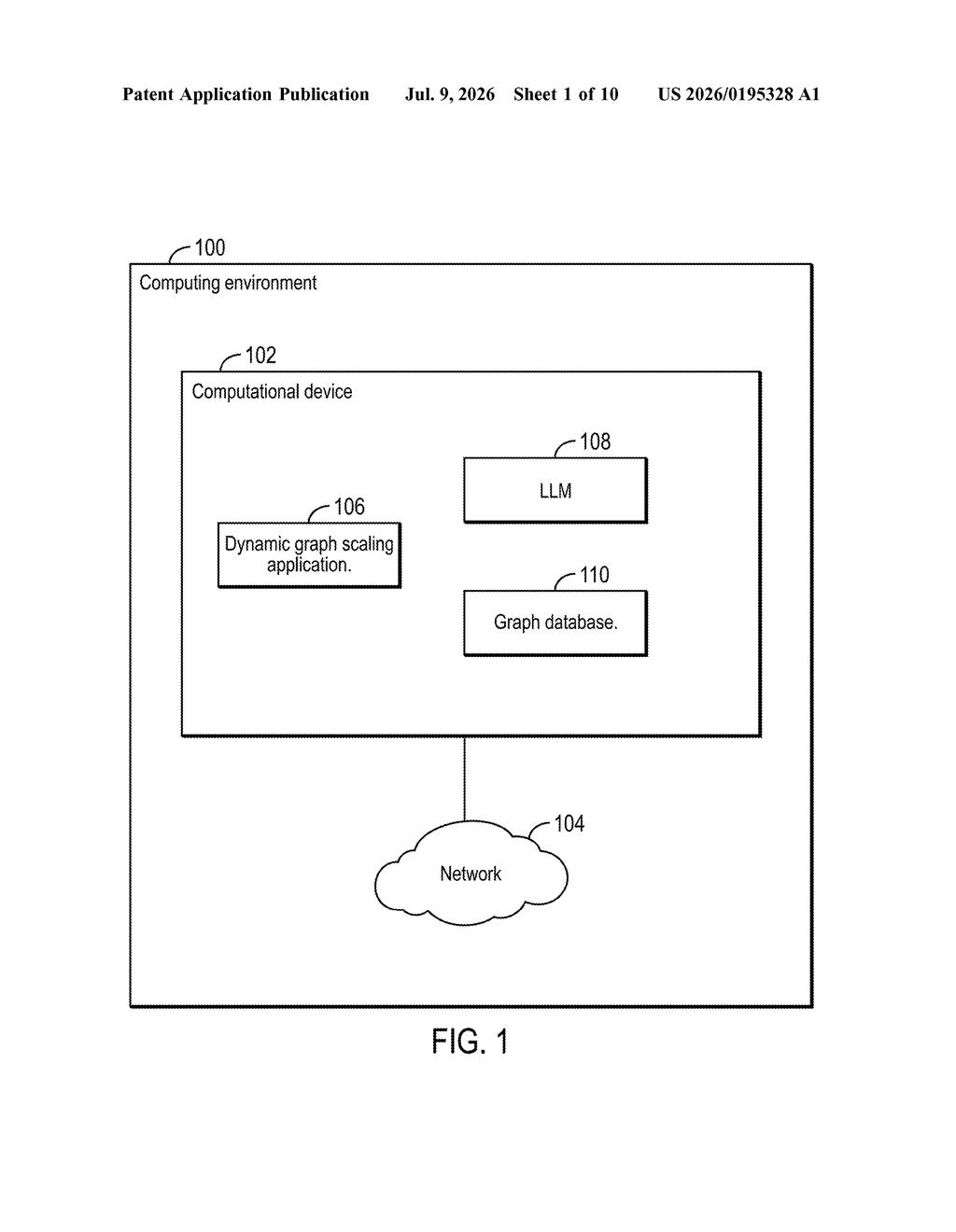
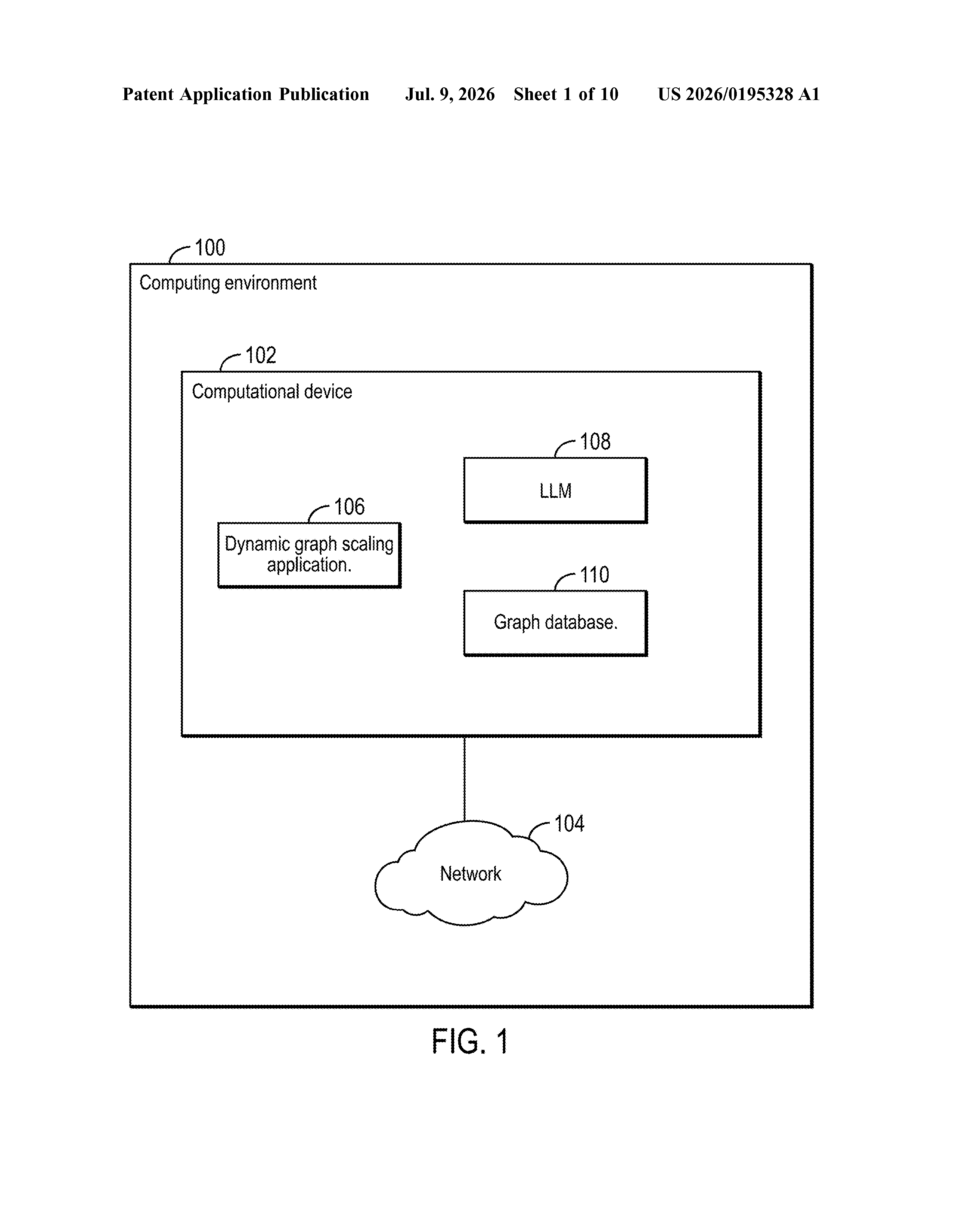
What IBM's AI-to-database query system actually does
Imagine asking your company's data system, in plain English, 'Which customers spent the most last quarter?' and getting the right answer without anyone needing to write a line of code. Today, turning that question into the precise instructions a database understands, called a query, requires a trained analyst. IBM wants to automate that entire step.
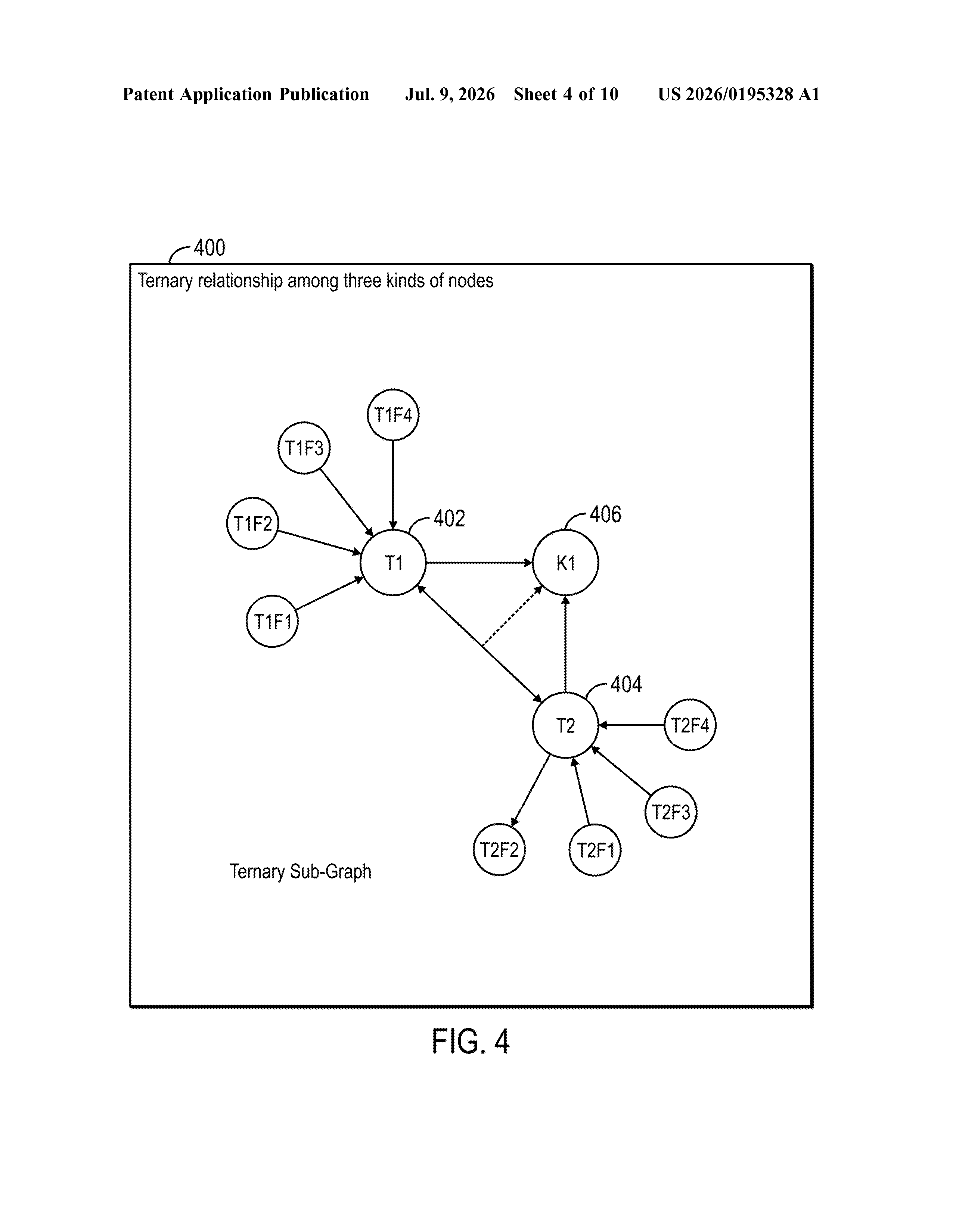
The idea in this patent is to first have an AI read through a database and build a kind of relationship map, a knowledge graph, that shows how all the data connects. When you ask a question, the system walks that map to figure out exactly which pieces of data are relevant, then writes the database query on your behalf.
This is essentially a translation layer between human language and database language, with a structured map in the middle to keep the AI from guessing wrong.
How the knowledge graph routes and builds SQL queries
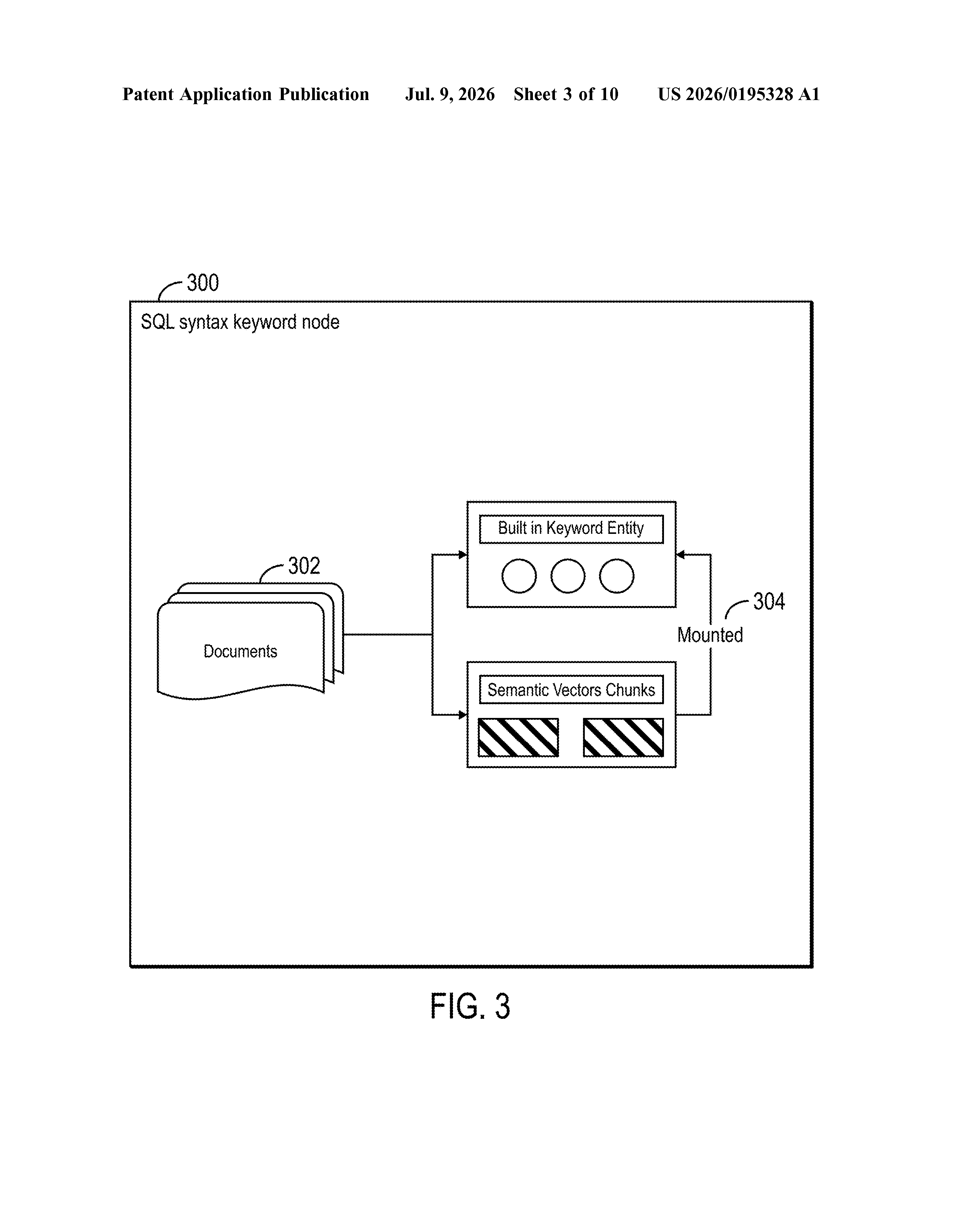
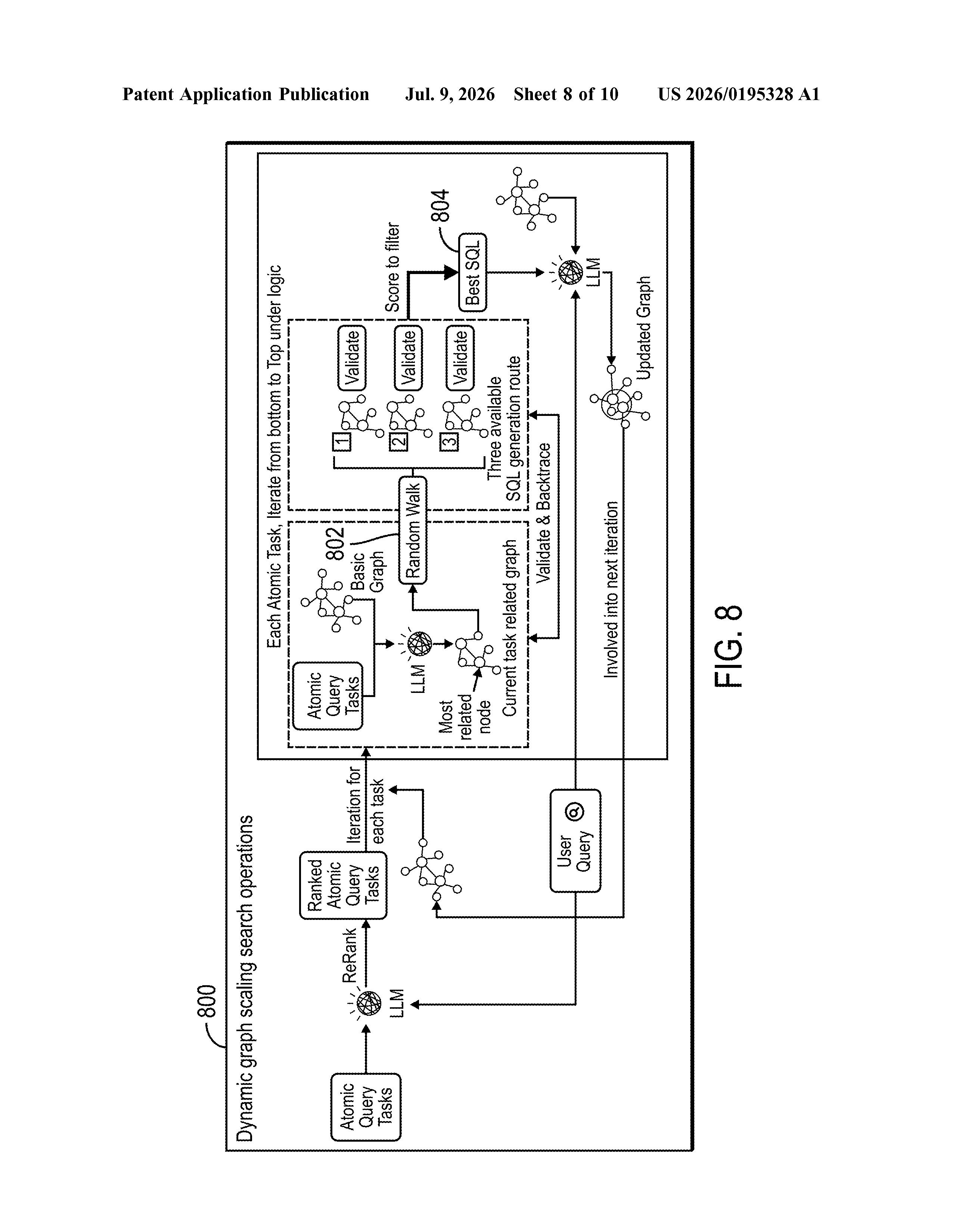
The patent describes a three-step pipeline for turning plain-language questions into database queries, called SQL (Structured Query Language), which is the standard language used to retrieve data from most business databases.
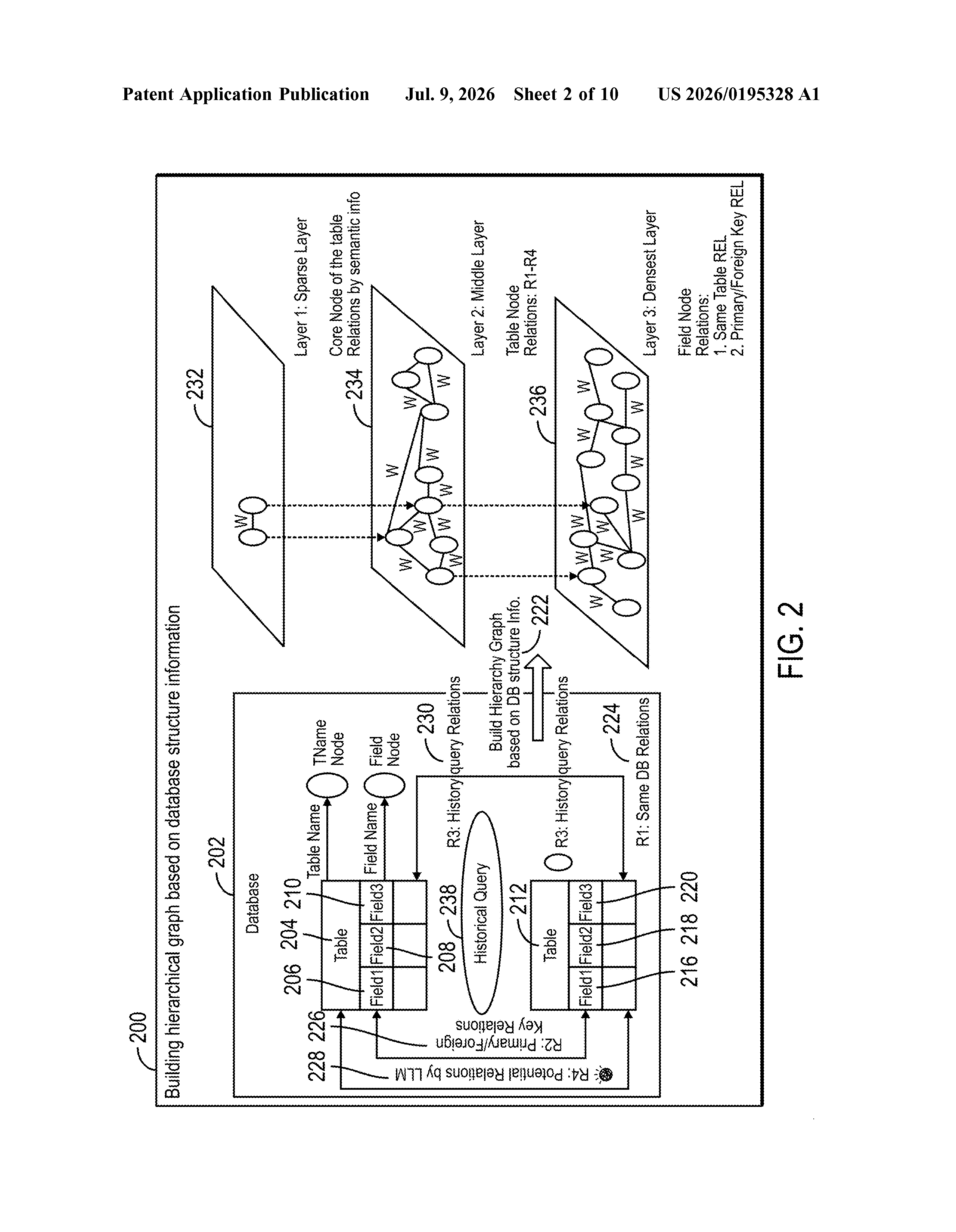
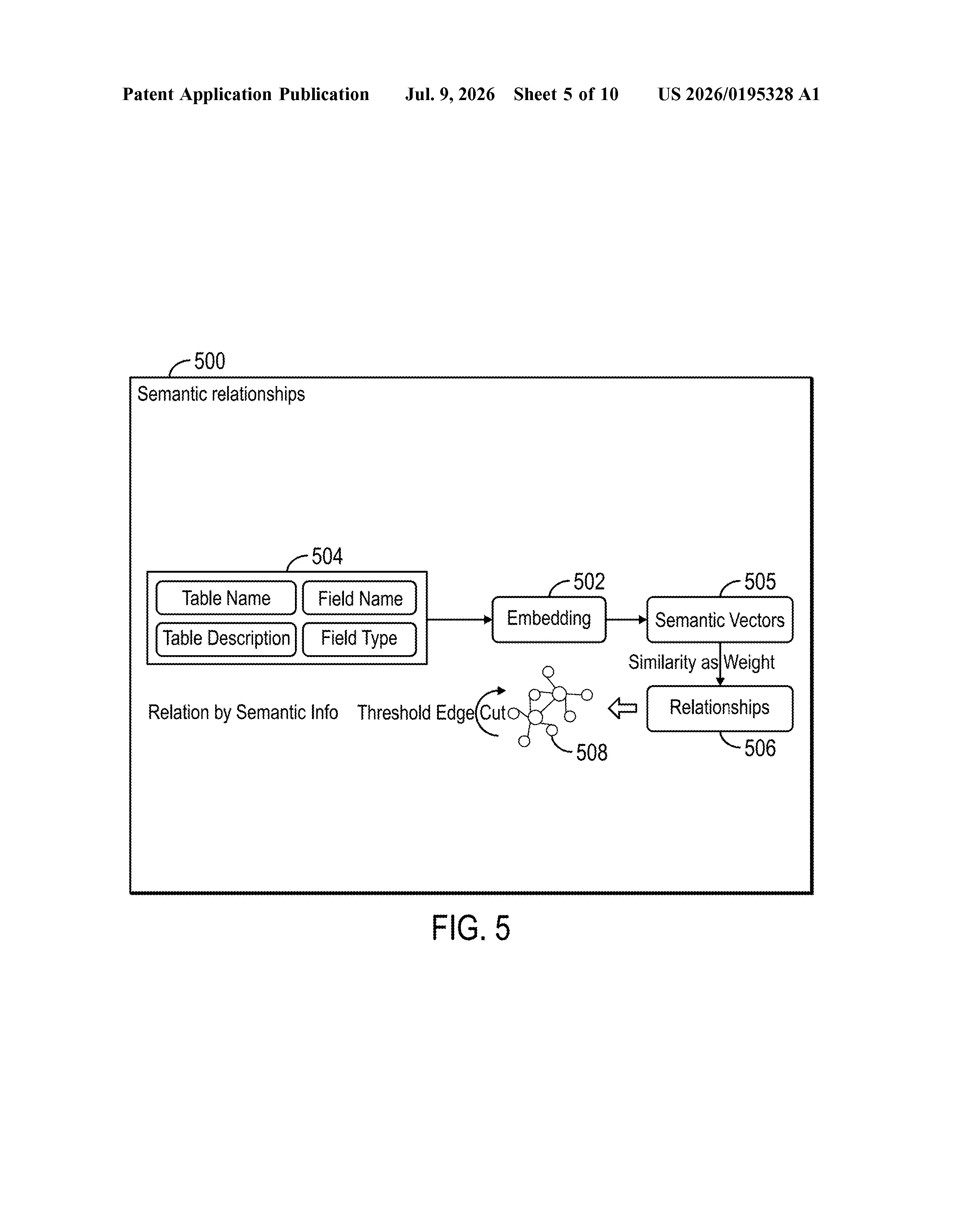
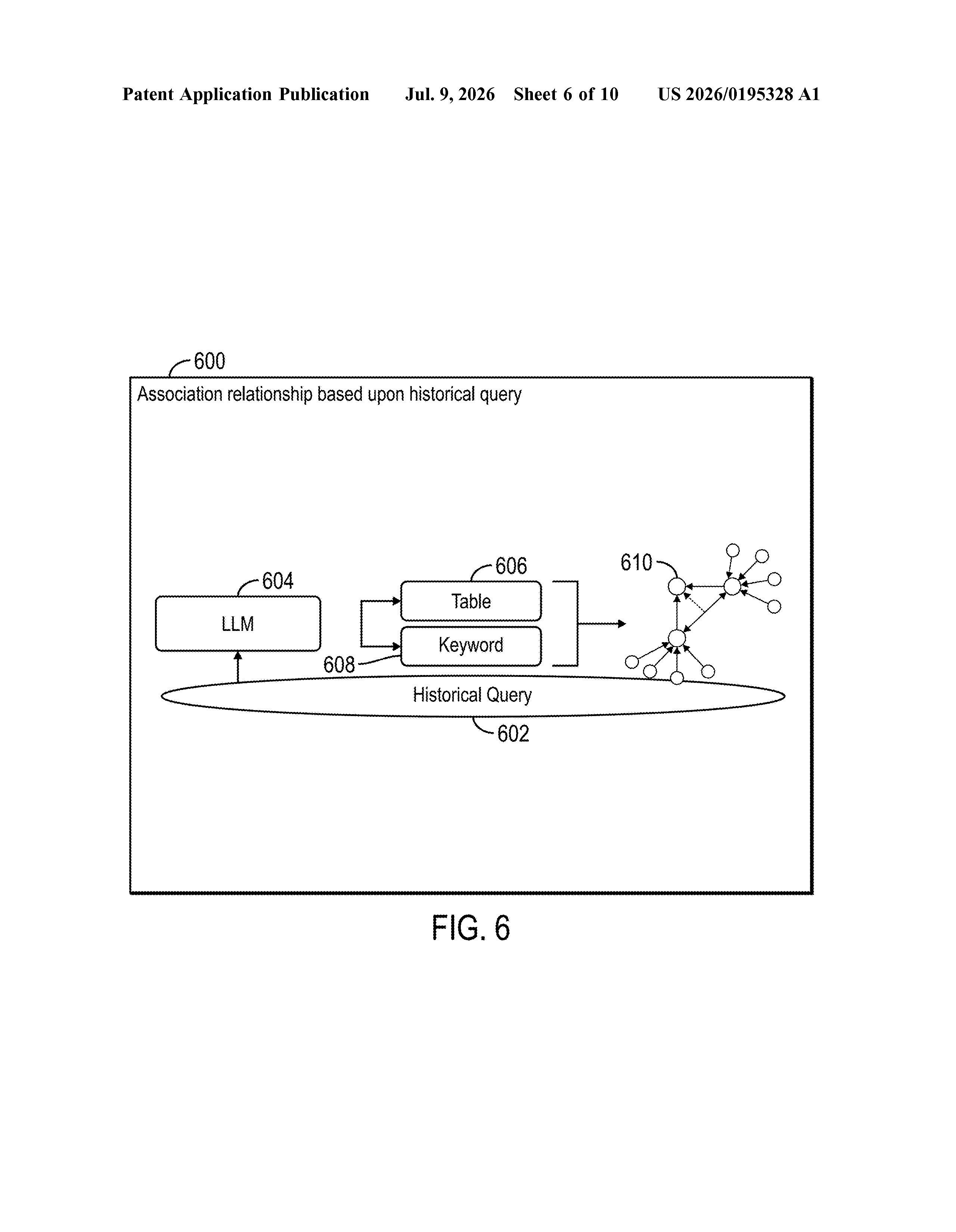
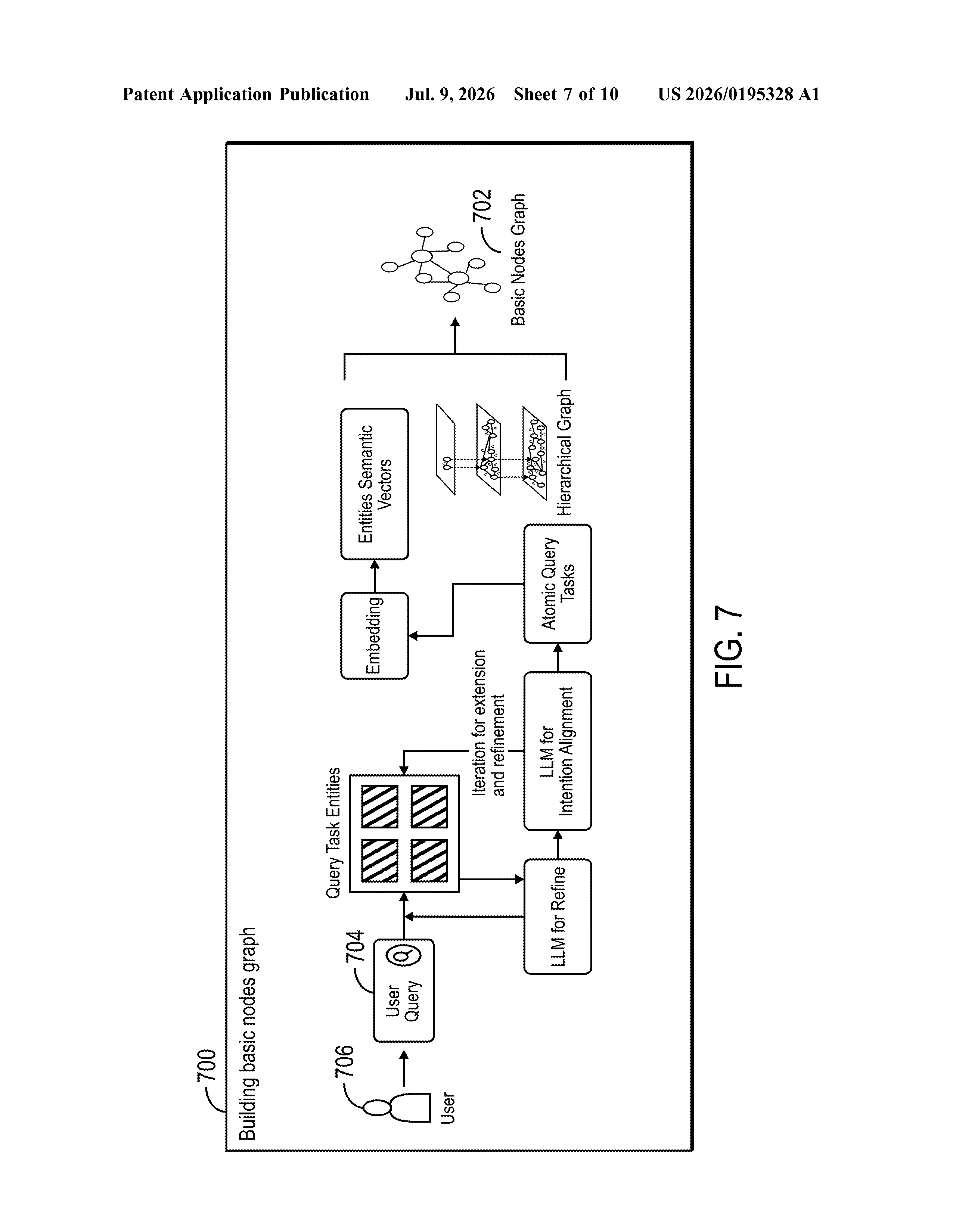
- Entity extraction: A large language model (LLM), the same kind of AI that powers chatbots, reads the database's structure and pulls out the important concepts, things like 'customer,' 'order,' 'product,' and the relationships between them.
- Knowledge graph construction: Those concepts are arranged into a multi-layer semantic routable graph, essentially a navigable map where each idea is a node and the connections between them are labeled with meaning. Think of it like a subway map, but for data relationships instead of train stations.
- Query routing: When a user asks a question, the system finds the relevant nodes on that map and uses them to build a precise SQL query. The 'dynamic scaling' in the title refers to the system's ability to expand or narrow the search across that graph depending on how complex the question is.
The key claim is that grounding the AI in this structured graph reduces the chance it will make up or misinterpret data relationships, a common failure mode when LLMs try to write database queries without any map to follow.
What this means for business data tools and AI assistants
Most enterprise databases are large, messy, and built by people who are long gone. Getting useful answers out of them typically requires someone who knows both the data structure and SQL, a scarce combination. A system like this could let non-technical employees ask data questions directly, without waiting for an analyst or learning a query language.
For IBM, this fits into its broader push to sell AI-assisted tools to large enterprises. The knowledge-graph approach is also a direct response to a well-known weakness in AI language models: they can confidently write a database query that looks right but retrieves entirely the wrong data. Anchoring the AI to a structured map of the actual database is a practical attempt to fix that reliability problem.
This is a sensible engineering approach to a real problem, LLMs hallucinating wrong SQL queries, but it is also a well-trodden research area with several competing approaches already in the market. The 'dynamic graph scaling' framing adds some novelty, but this patent is more about IBM staking a claim in an established space than inventing something genuinely new. Worth watching if you follow enterprise AI tooling, but not a signal of a major product shift.
Get our take in your Top Stories
Liked this breakdown? Add Patentlyze as a preferred source on Google, and our plain-English take shows up more often in your Top Stories the next time IBM patent news breaks.
There are more where this came from
We read every patent application Big Tech publishes and send you the ones worth knowing. Plain English, free, every week.
The drawings
10 drawing sheets from US 2026/0195328 A1 · click any drawing to enlarge
Want this weekly breakdown for a company we don't cover? Patentlyze Pro →