
Samsung Files Patent for a 5G Broadcast Data-Sizing Method
Sending the same video stream to thousands of phones at once sounds simple, but 5G networks still struggle to agree on how big each data packet should be. Samsung's new patent targets exactly that gap.
What Samsung's broadcast packet-sizing fix actually does
Imagine a TV station trying to broadcast a live sports game to every phone in a stadium at the same time. Instead of sending a separate copy to each person, the network sends one shared signal that everyone tunes into. That's roughly what 5G multicast and broadcast services do.
The catch is that each phone needs to know the exact size of the data chunks it's receiving so it can reassemble the signal correctly. Samsung's patent describes a method for how a phone figures out that chunk size, called a transport block size, by reading specific settings sent down from the network. A special overhead number built for broadcast-style transmissions is part of that calculation.
Without a consistent way to do this, phones could misread the signal and drop data, causing stuttering video or broken streams. This patent is essentially Samsung's proposed rulebook for getting that calculation right.
How the UE calculates transport block size for broadcasts
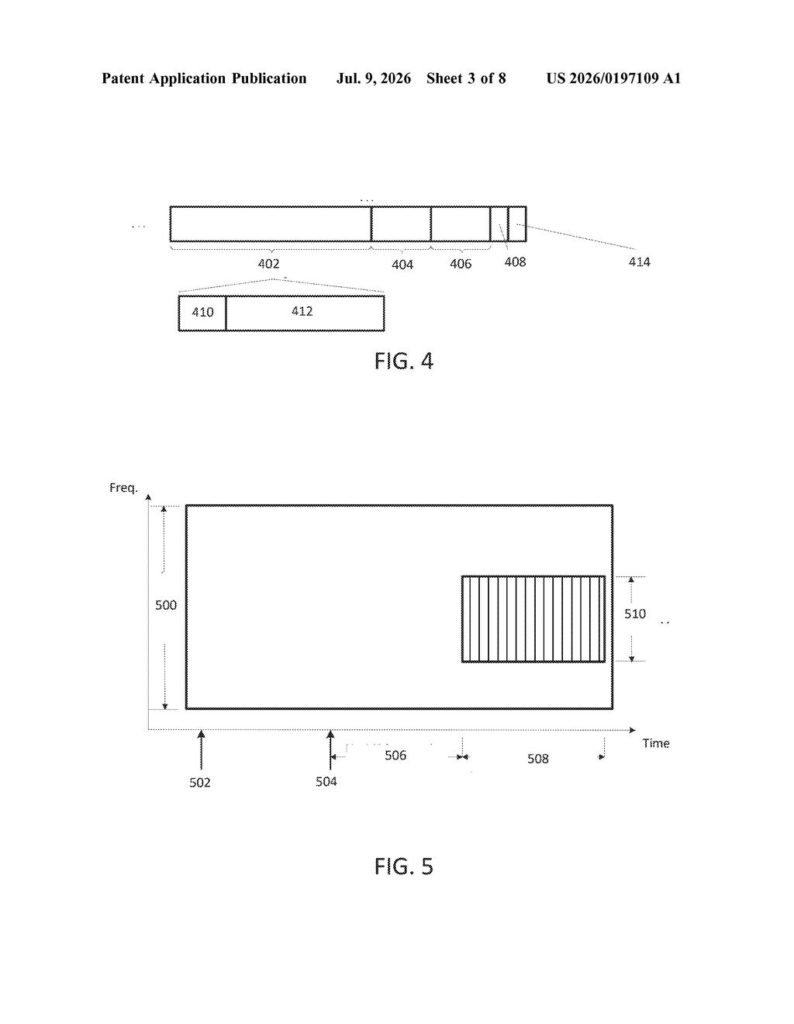
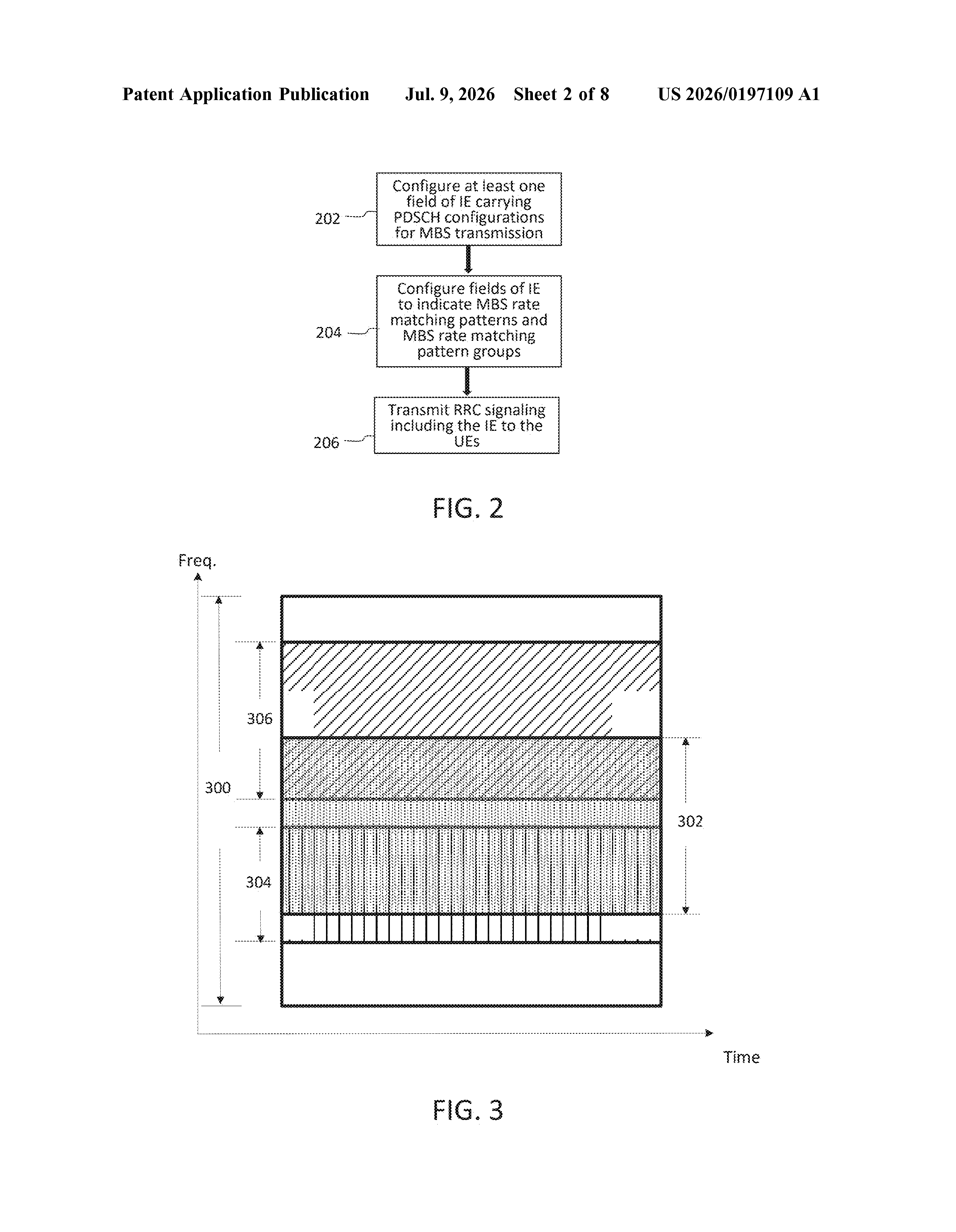
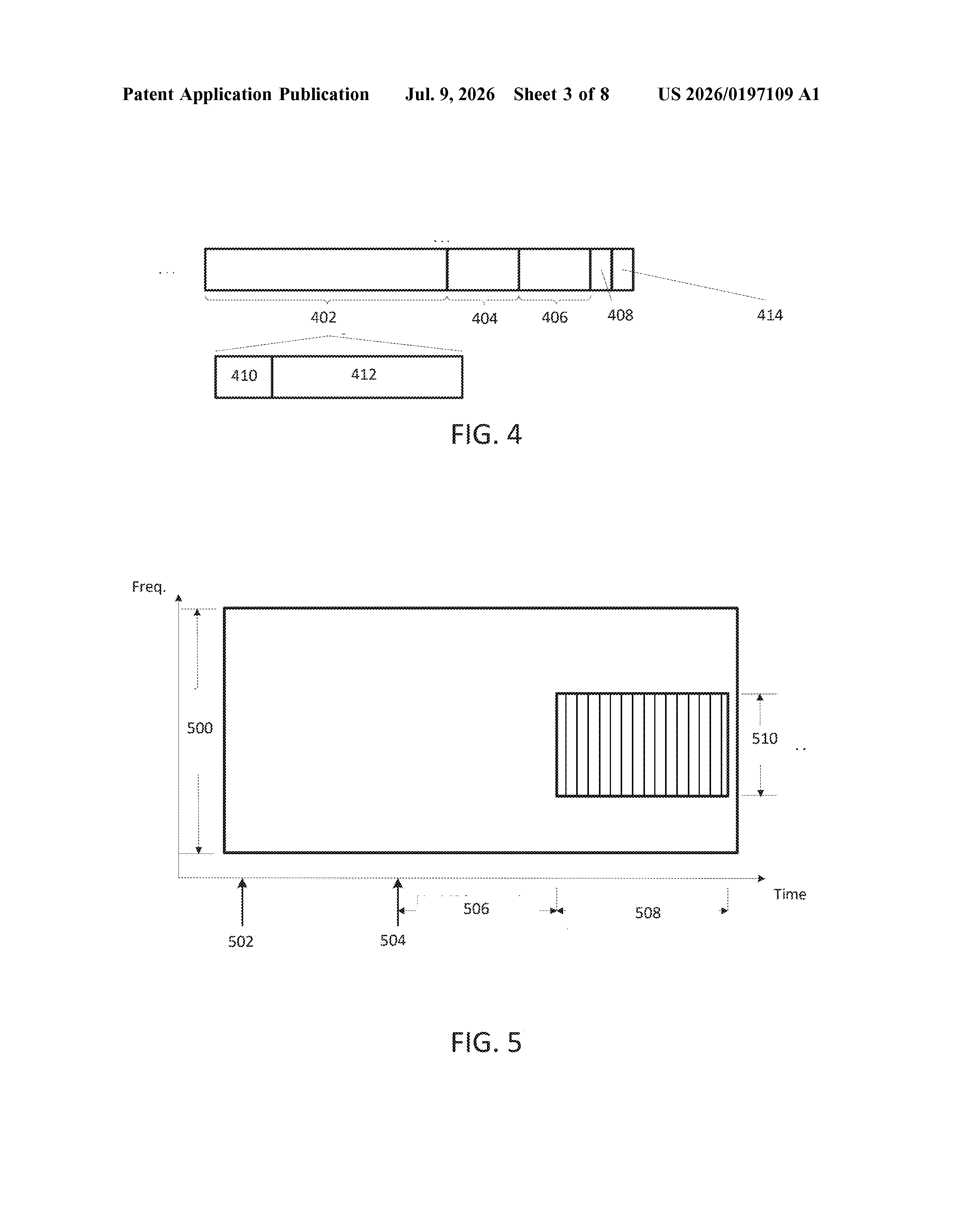
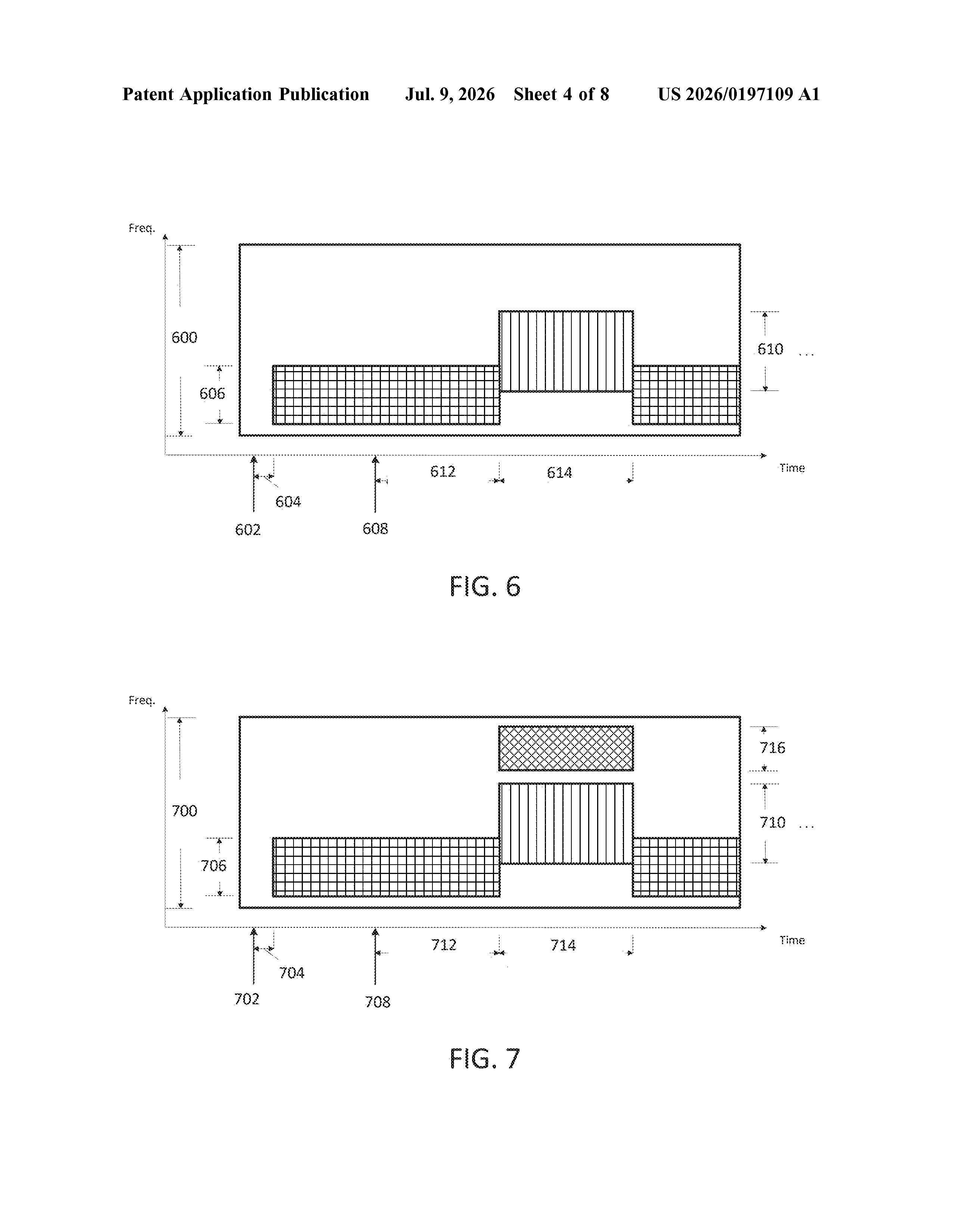
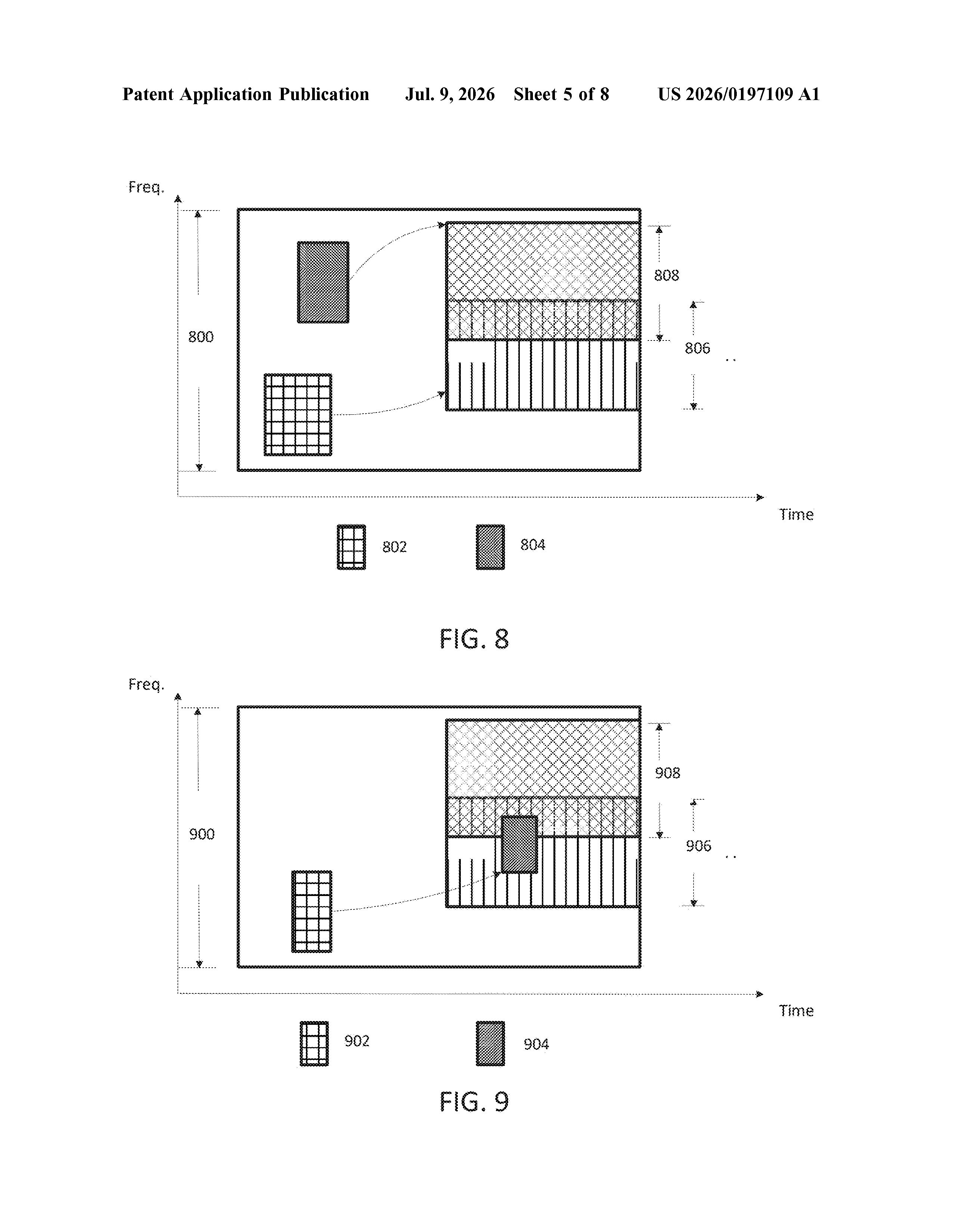
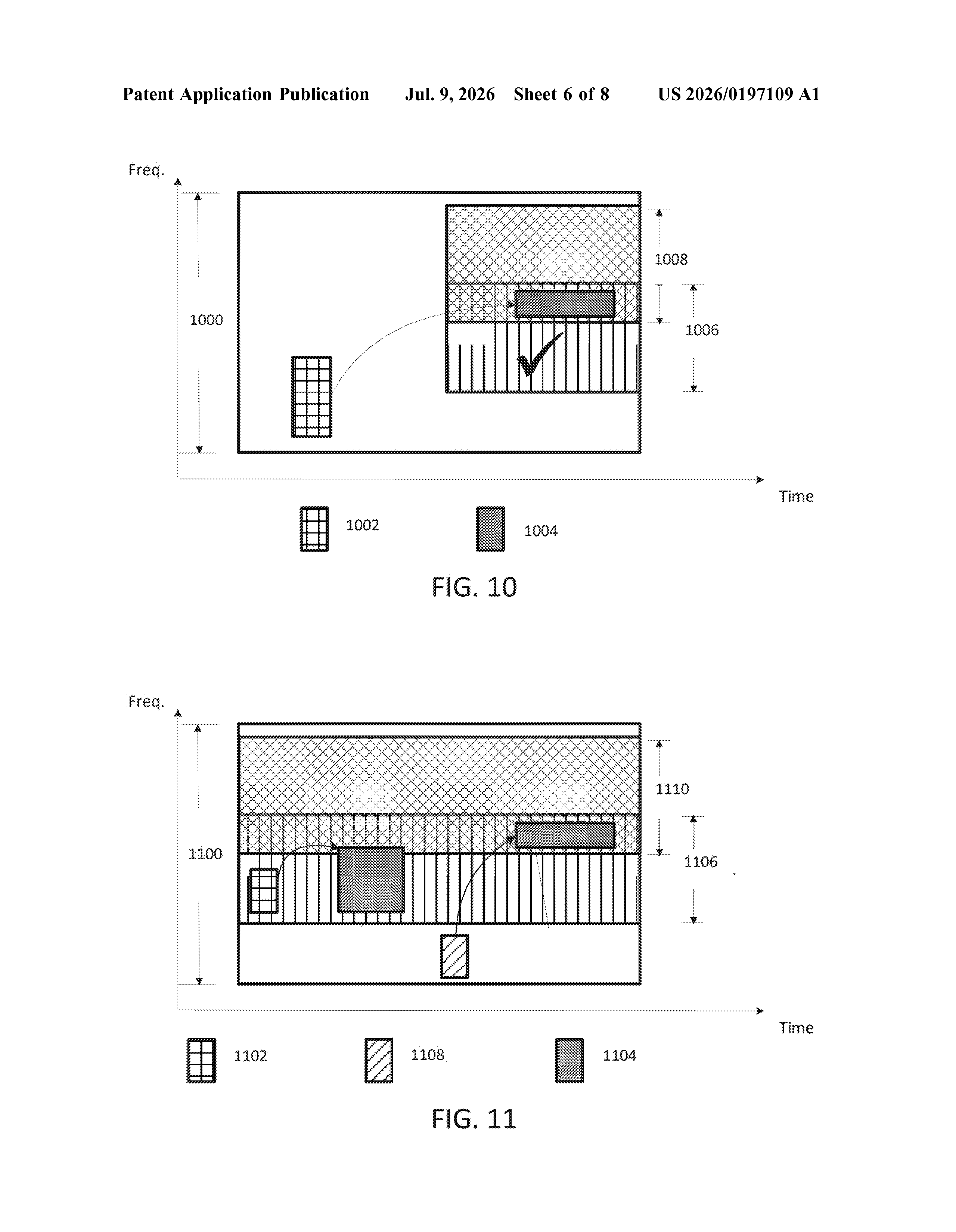
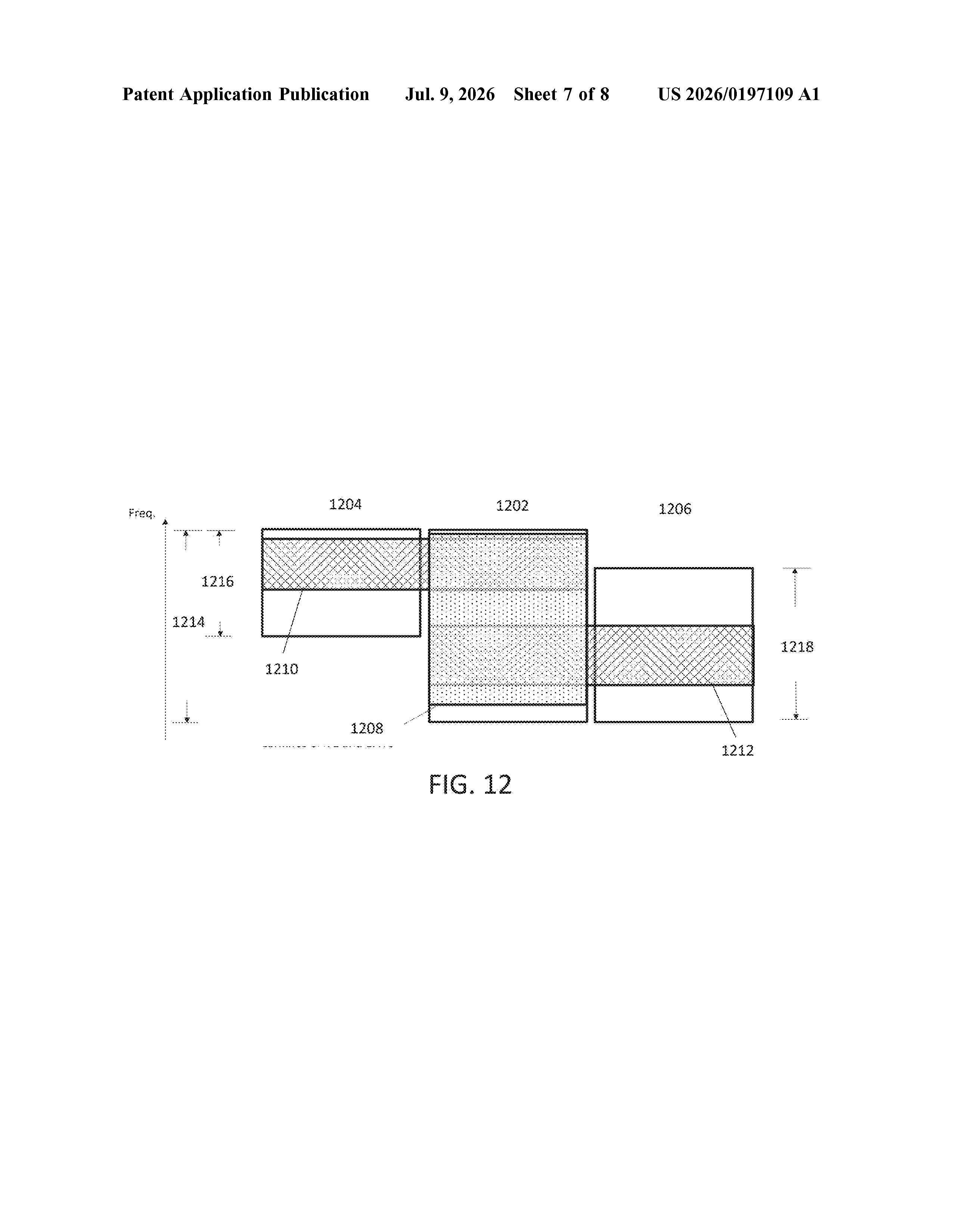
The patent covers a procedure called rate matching, which is the process a phone uses to fit incoming data into the right-sized containers before decoding it. When a 5G network sends a broadcast or multicast signal, it uses a shared channel called the Group Common Physical Downlink Shared Channel (GC-PDSCH) across a Common Frequency Resource (CFR), a slice of spectrum reserved for everyone to share simultaneously.
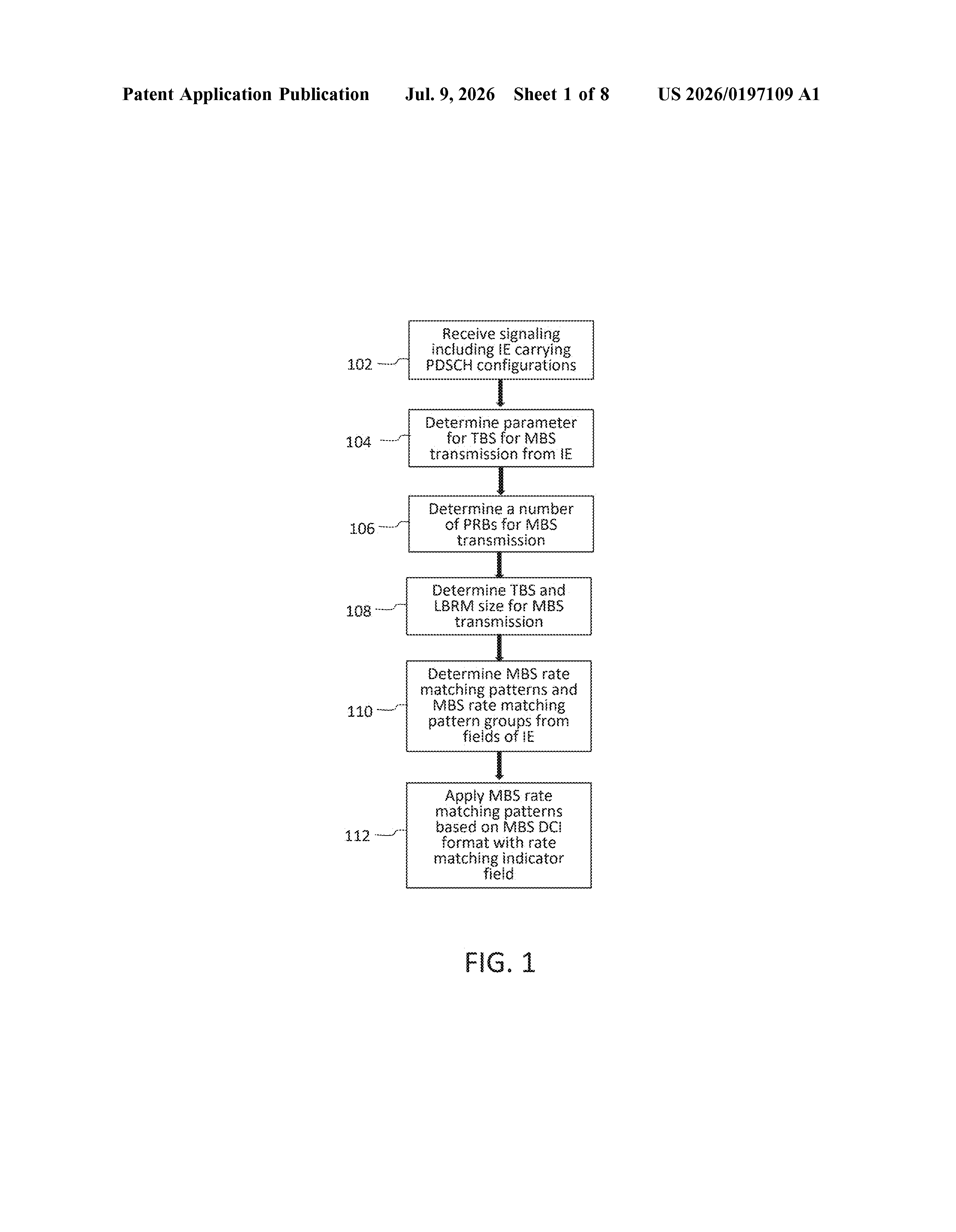
The phone receives an information element, essentially a configuration message, that tells it the parameters of that shared broadcast channel. From specific fields inside that message, the phone extracts at least one parameter needed to calculate the Transport Block Size (TBS), which is the exact number of bits in each data unit it should expect.
The key addition in this patent is an overhead parameter specific to multicast and broadcast transmissions. In normal one-to-one 5G communication, overhead calculations are well established. Broadcast scenarios have different characteristics, so a tailored overhead figure is needed to get the TBS calculation right.
- Receive the shared broadcast channel signal
- Read the network's configuration message
- Extract the broadcast-specific overhead parameter
- Compute the correct transport block size
What this means for 5G multicast and broadcast rollout
5G broadcast and multicast services, think live event streaming or emergency alerts pushed to every phone in an area, are still being standardized. Getting the data-sizing math wrong means phones drop or misread packets, which shows up as broken video or failed messages for you, the end user.
Samsung is one of the largest makers of both 5G chipsets and smartphones, so a patent like this positions it to influence how the 3GPP standards body finalizes these broadcast procedures. That said, this is a narrow, procedural patent covering one slice of a much larger specification effort, and its practical impact depends entirely on whether this approach gets adopted into the standard.
This is a procedural cellular standards patent, the kind that matters inside 3GPP working groups but is invisible to consumers. It's not boring in the sense that broadcast 5G is genuinely unfinished business, but the patent itself is a narrow technical claim about a calculation method. Worth tracking if you follow 5G standardization; easy to skip if you don't.
Get our take in your Top Stories
Liked this breakdown? Add Patentlyze as a preferred source on Google, and our plain-English take shows up more often in your Top Stories the next time Samsung patent news breaks.
There are more where this came from
We read every patent application Big Tech publishes and send you the ones worth knowing. Plain English, free, every week.
The drawings
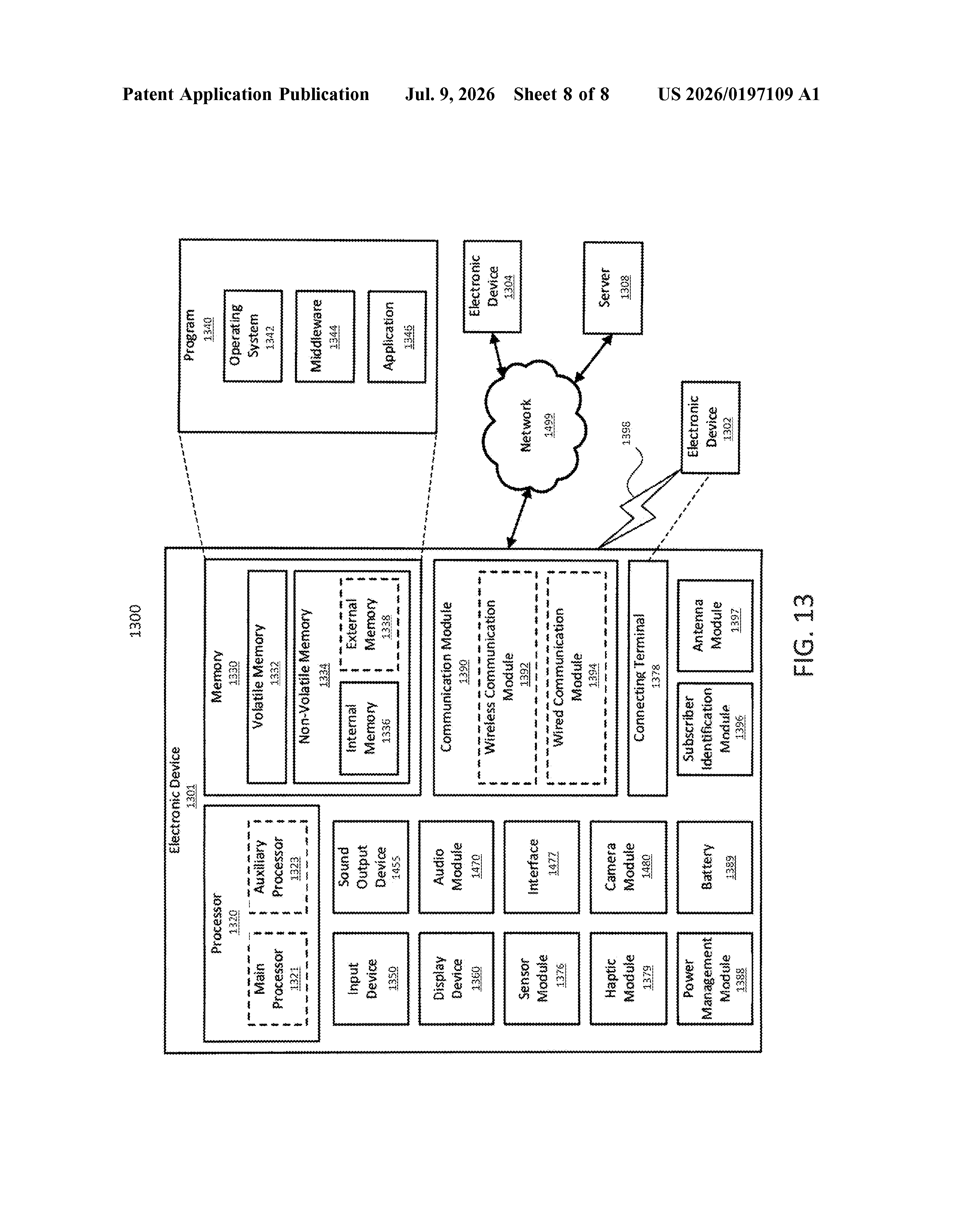
8 drawing sheets from US 2026/0197109 A1 · click any drawing to enlarge
Want this weekly breakdown for a company we don't cover? Patentlyze Pro →