
Samsung Files Patent for Secure Data Checks When Phones Relay 5G Signals
When your phone connects to the network through a neighbor's device instead of a cell tower, who's checking that the data hasn't been tampered with? Samsung is filing patents to answer exactly that question.
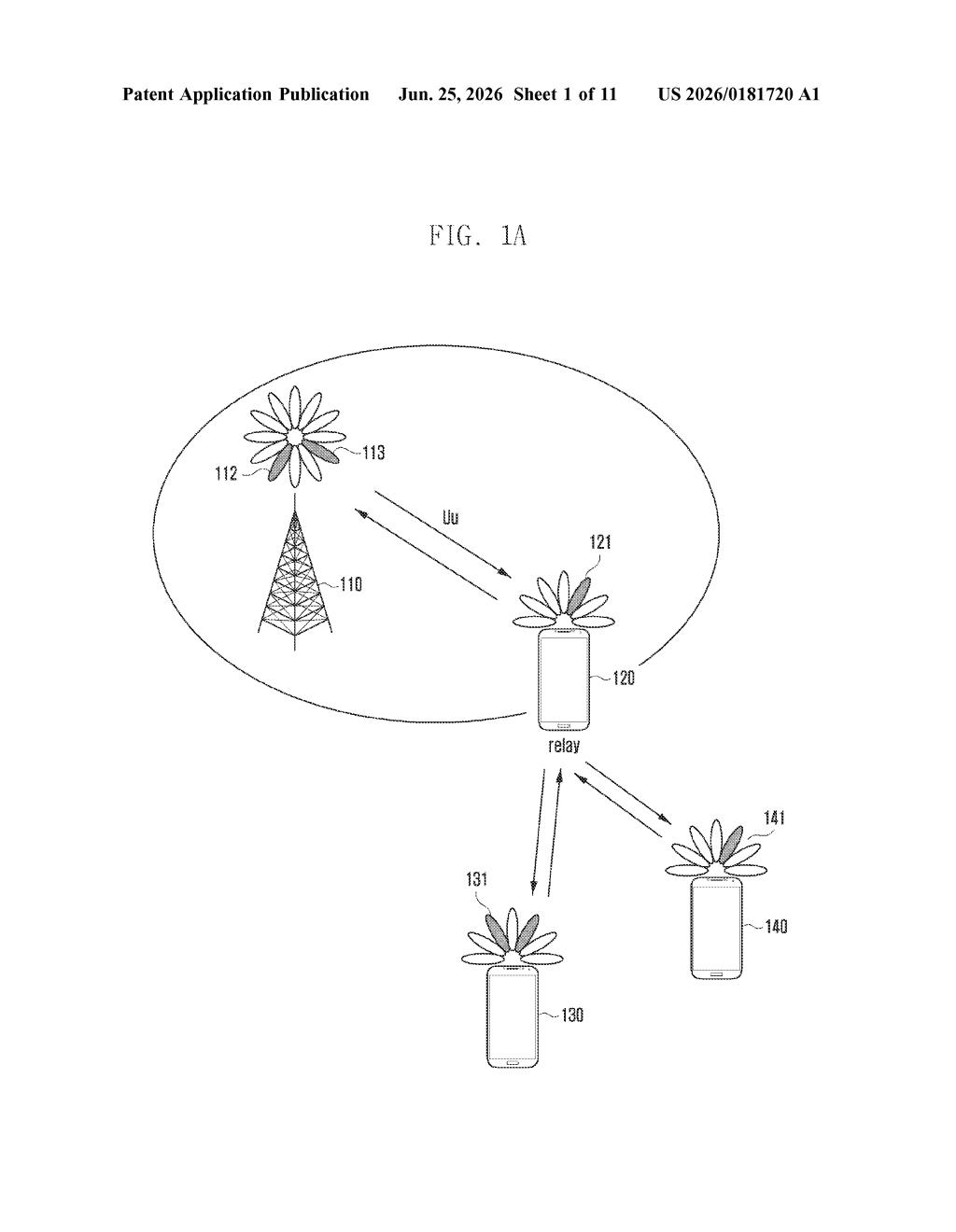
What Samsung's device-relay security check actually does
Imagine you're deep inside a building where your phone can't quite reach a cell tower. In future 5G and 6G networks, your phone could piggyback on a nearby person's device to get a connection, using their phone as a stepping stone. This is called a relay, and it's a real feature being built into next-generation wireless standards.
The catch is a security one: when your data passes through someone else's device on its way to the network, how does the network know the data hasn't been changed or corrupted along the way? Samsung's patent addresses the process of checking that integrity, making sure packets arriving via a relay are trustworthy.
This is fairly deep plumbing work in the 5G/6G protocol stack. It's not something you'd ever notice as a user, but without it, device-relay connections would be a potential weak point in network security.
How packet integrity is verified across a UE relay hop
This patent covers a method for handling integrity protection of data packets that travel from a remote UE (a device without a direct network connection) through a relay UE (a nearby device acting as a middleman) to the actual 5G or 6G base station.
In 3GPP wireless standards, a UE is simply "user equipment", your phone, tablet, or connected device. The relay scenario involves two hops: the remote device to the relay device, then the relay device to the network. Each hop can introduce a point where data could theoretically be altered.
Integrity protection in this context means attaching a cryptographic check (a message authentication code) to each packet so the receiving end can verify nothing was modified in transit. The complexity here is deciding which entity is responsible for generating and verifying those checks across two separate wireless links, and how the relay device should handle packets it didn't originate.
The first independent claim in the published filing is listed as canceled (claims 1 through 15 are canceled), which typically means the patent's active scope is defined by dependent or amended claims not shown in this publication snapshot. The core technical concept, relay integrity processing for 5G/6G sidelink communications, is what Samsung is working to protect.
What this means for 5G coverage in hard-to-reach places
Device-to-device relaying is a genuine part of the 5G and upcoming 6G roadmap. It's how network operators plan to extend coverage into buildings, tunnels, and rural areas without installing more towers. If relay connections can't be secured at the packet level, operators will be reluctant to enable them for anything sensitive, which limits the technology's usefulness.
For you as an end user, this kind of patent work is invisible infrastructure. But it's the type of problem that has to be solved before your phone can safely borrow a connection from a stranger's device. Samsung, as both a major chipmaker and a handset maker, has obvious commercial reasons to be early in this space as standards bodies finalize 6G specifications.
This is deep standards-level plumbing work, and the canceled claims make it hard to evaluate the actual scope of what Samsung is trying to protect. It's not a consumer-facing feature patent; it's the kind of foundational security-protocol work that matters a lot for 6G readiness but won't generate headlines until the technology actually ships in devices years from now.
There are more where this came from
We read every patent application Big Tech publishes and send you the ones worth knowing. Plain English, free, every week.
Want this weekly breakdown for a company we don't cover? Patentlyze Pro →