
IBM Patents a Two-Stage AI System That Trims Bad Delivery Routes Before Optimizing
Route optimization is already a hard math problem. IBM's new patent says the trick is to make it a smaller one first, by having an AI discard dead-end routes before the heavy number-crunching even begins.
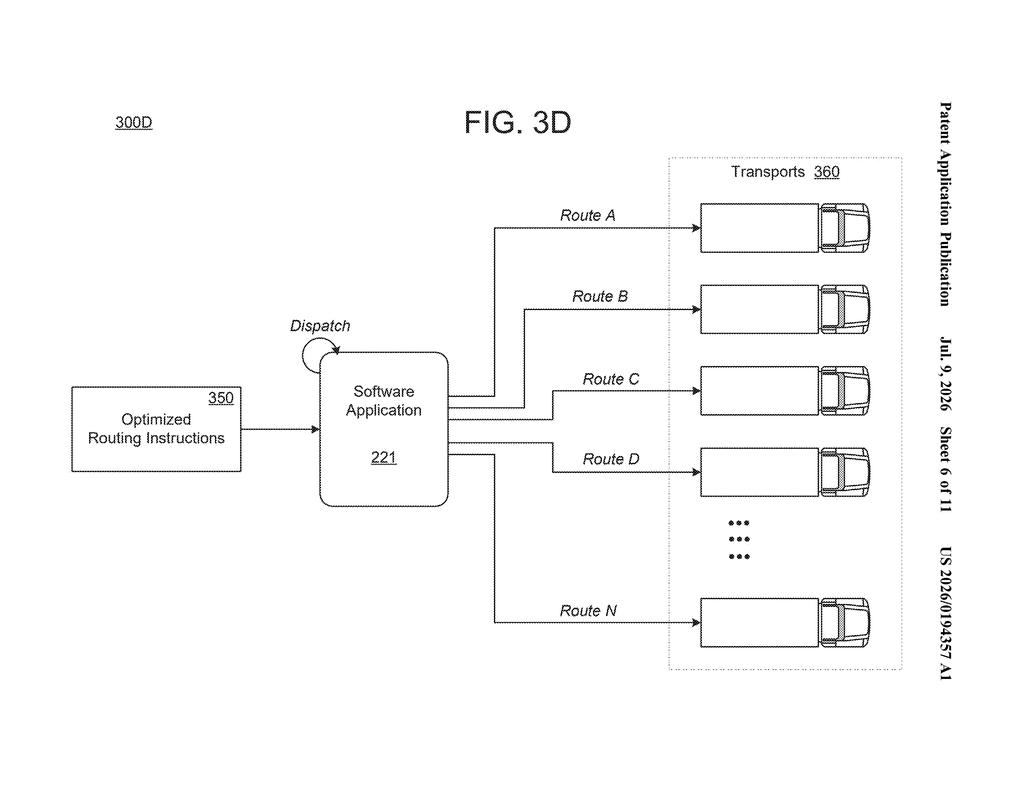
How IBM's route-pruning system cuts the problem down first
Imagine a delivery company with thousands of possible routes between warehouses, depots, and drop-off points. Running a full optimization across all of them is slow and expensive, especially as the network grows.
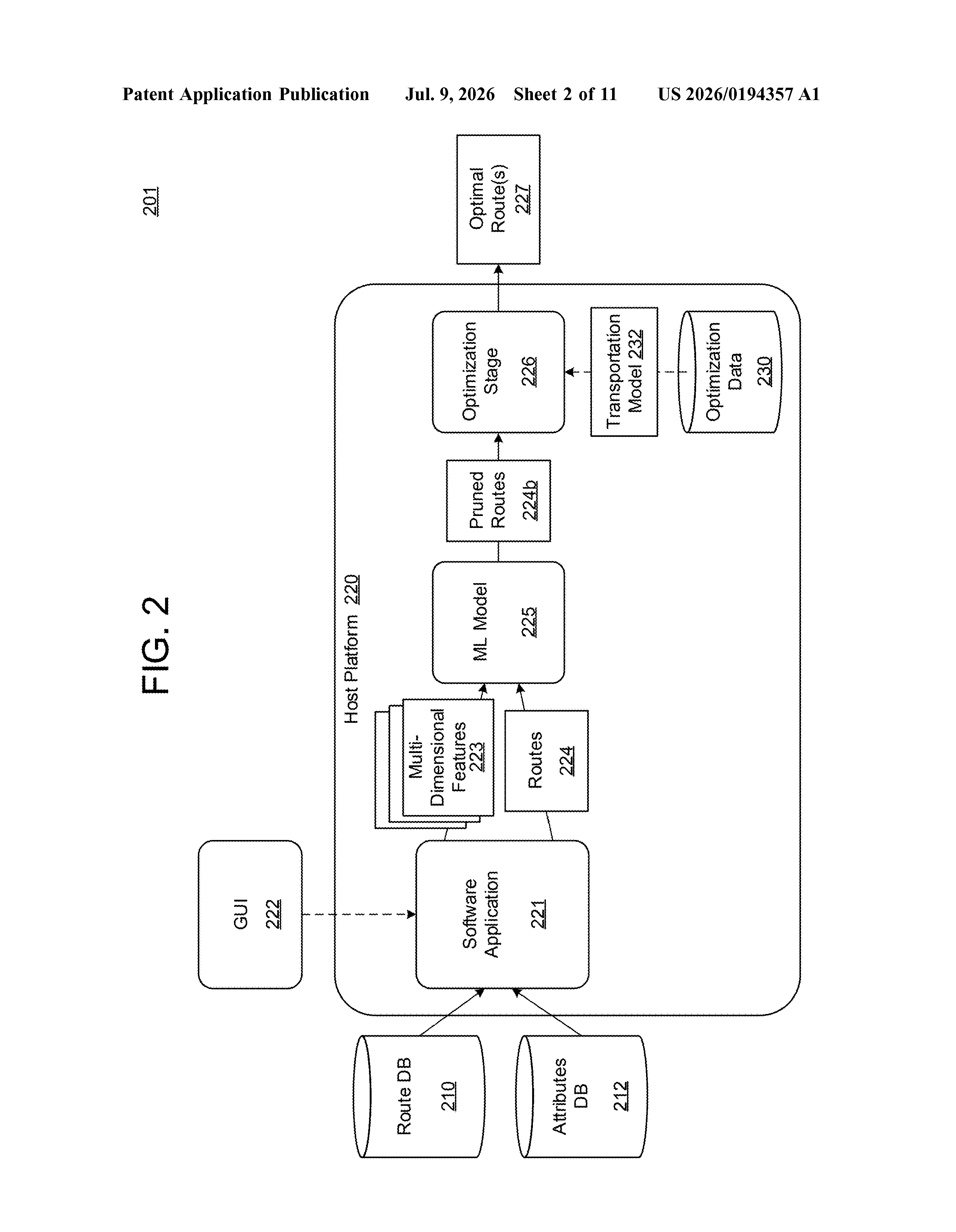
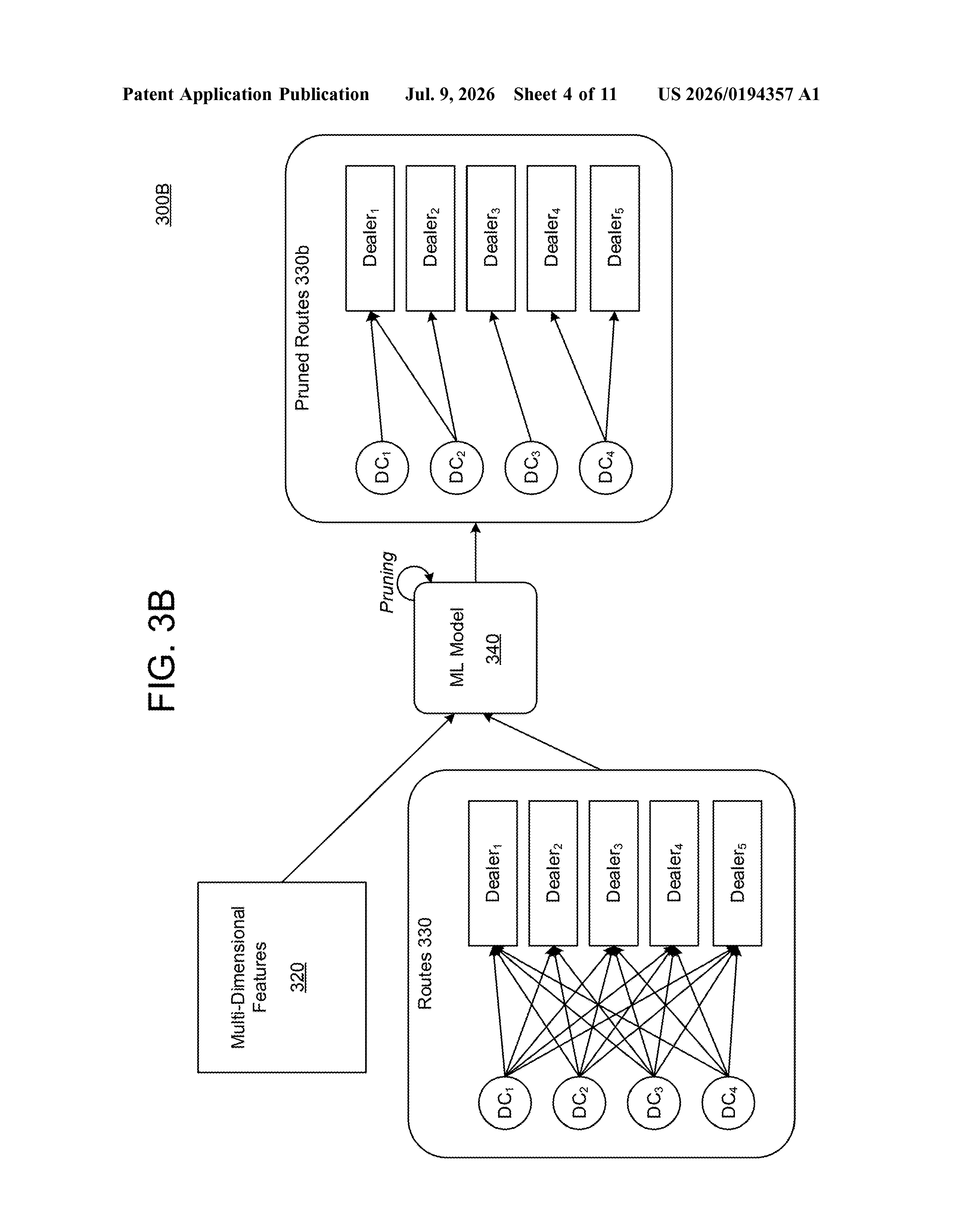
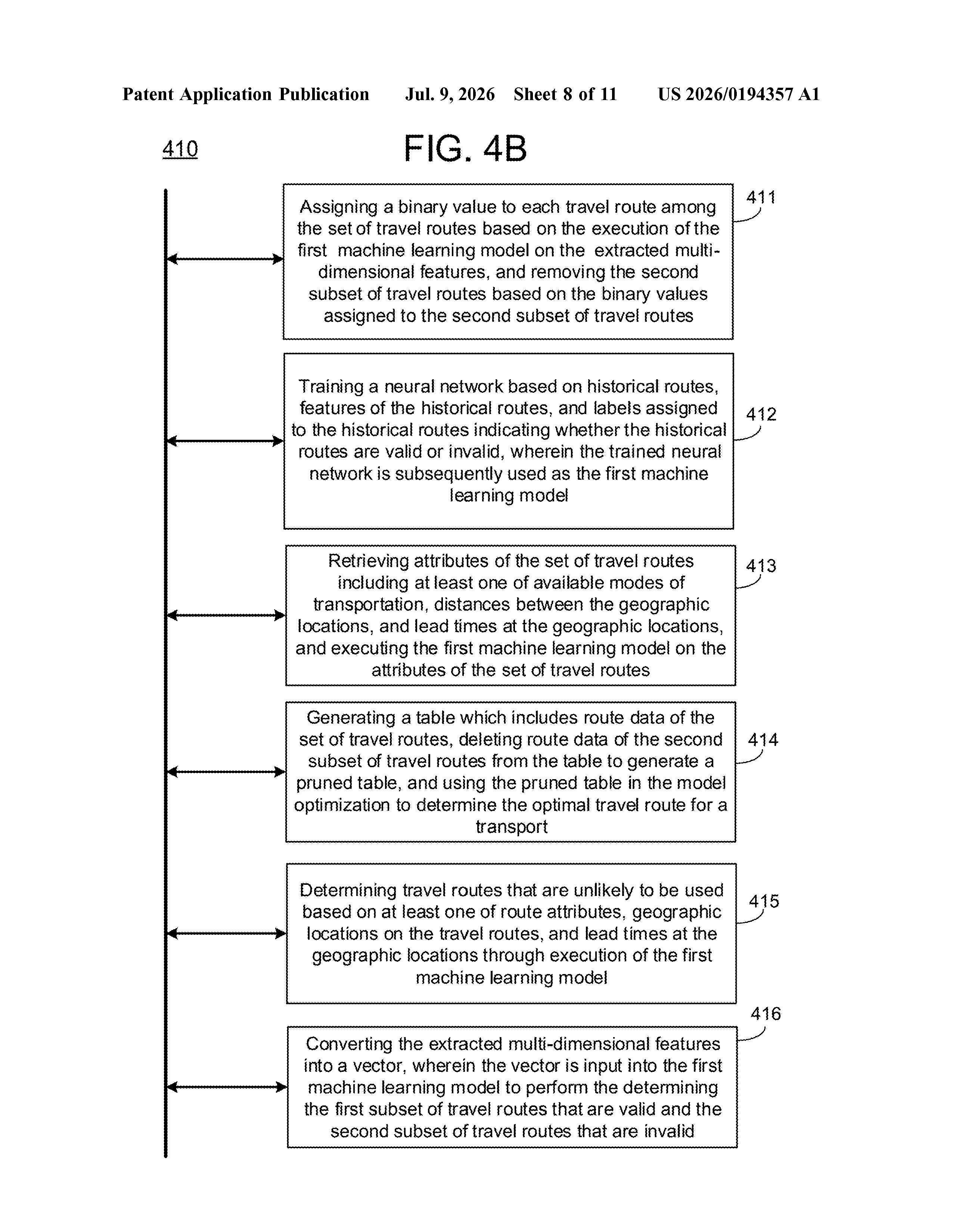
IBM's patent describes a two-step approach. First, a machine learning model scans every candidate route and flags the ones that are clearly impractical, too slow, restricted, or otherwise not worth considering. Those get removed. Only the surviving routes are handed off to the heavier optimization engine that picks the single best path.
The idea is that by doing a fast "first pass" to shrink the pool, the slower, more powerful optimizer has far less to chew through. You get a good answer faster, and with fewer computing resources burned along the way.
How the ML model flags invalid routes before optimization runs
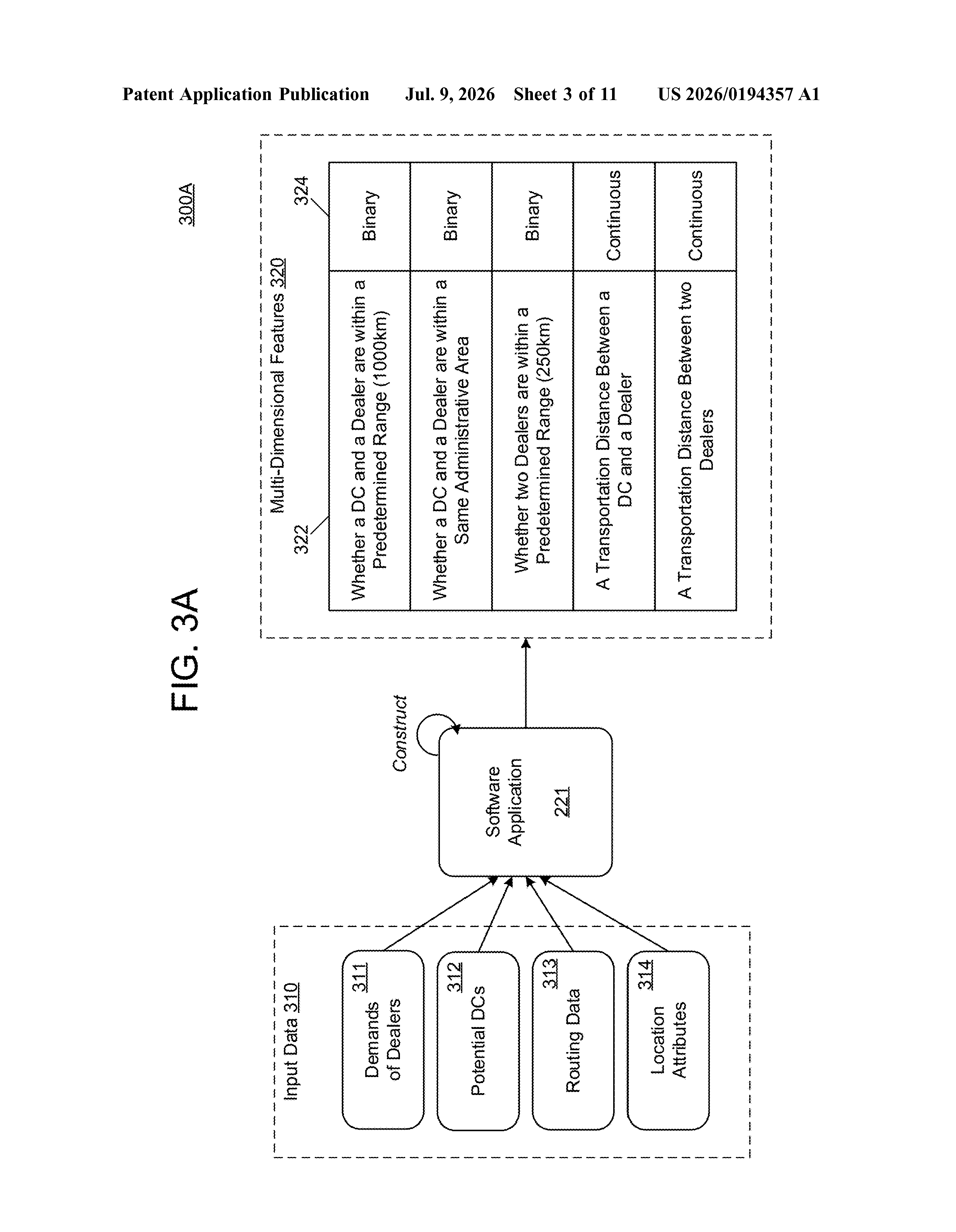
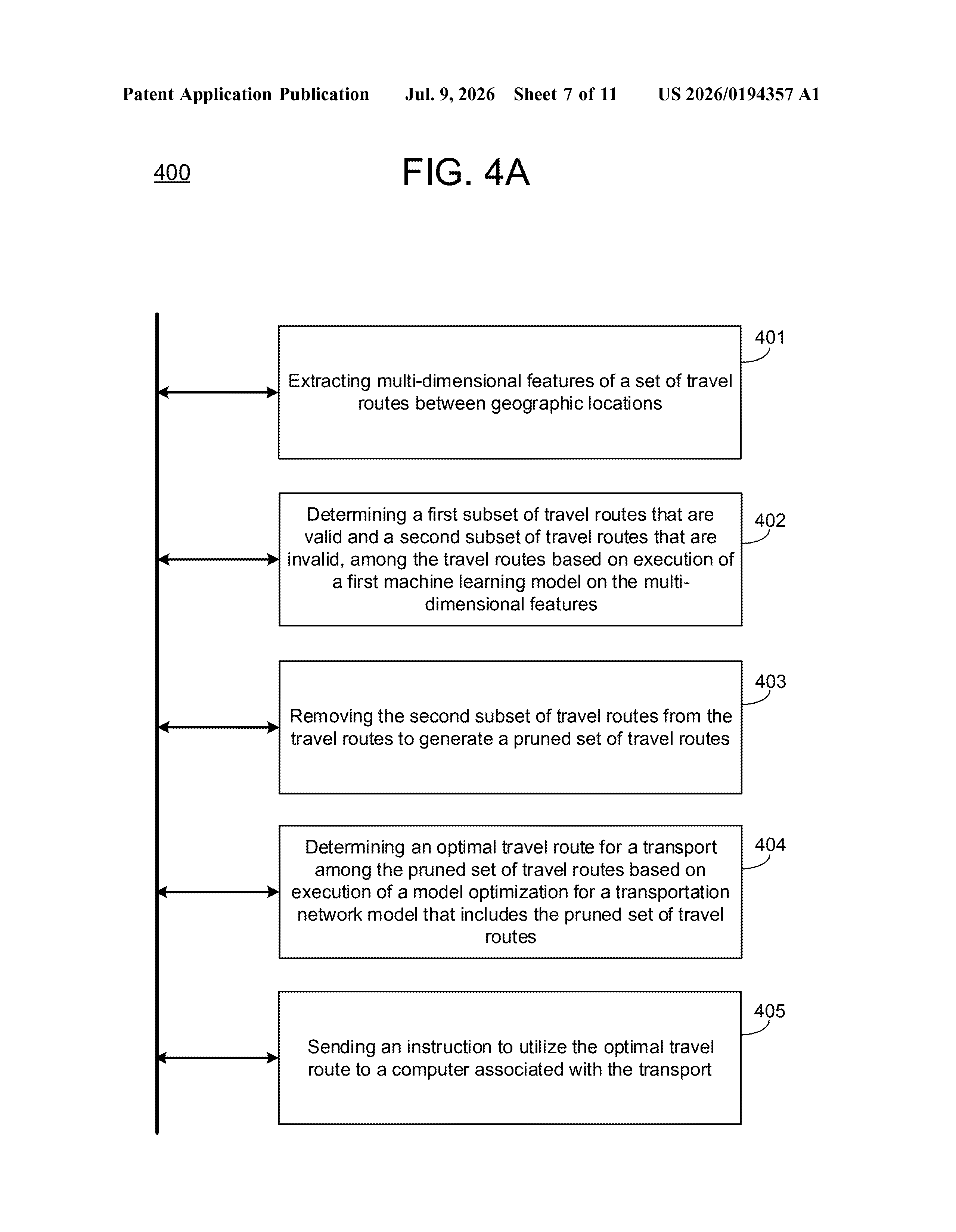
The system works in a clear sequence. It starts by pulling multi-dimensional features from a set of candidate travel routes (think: distance, estimated travel time, road type, historical congestion, carrier restrictions, and similar attributes rolled into a single profile per route).
A machine learning model then classifies every route as either valid or invalid. Routes that fail, whether because they violate constraints like vehicle weight limits or simply perform poorly on historical metrics, get dropped from the pool entirely. This step is called pre-pruning.
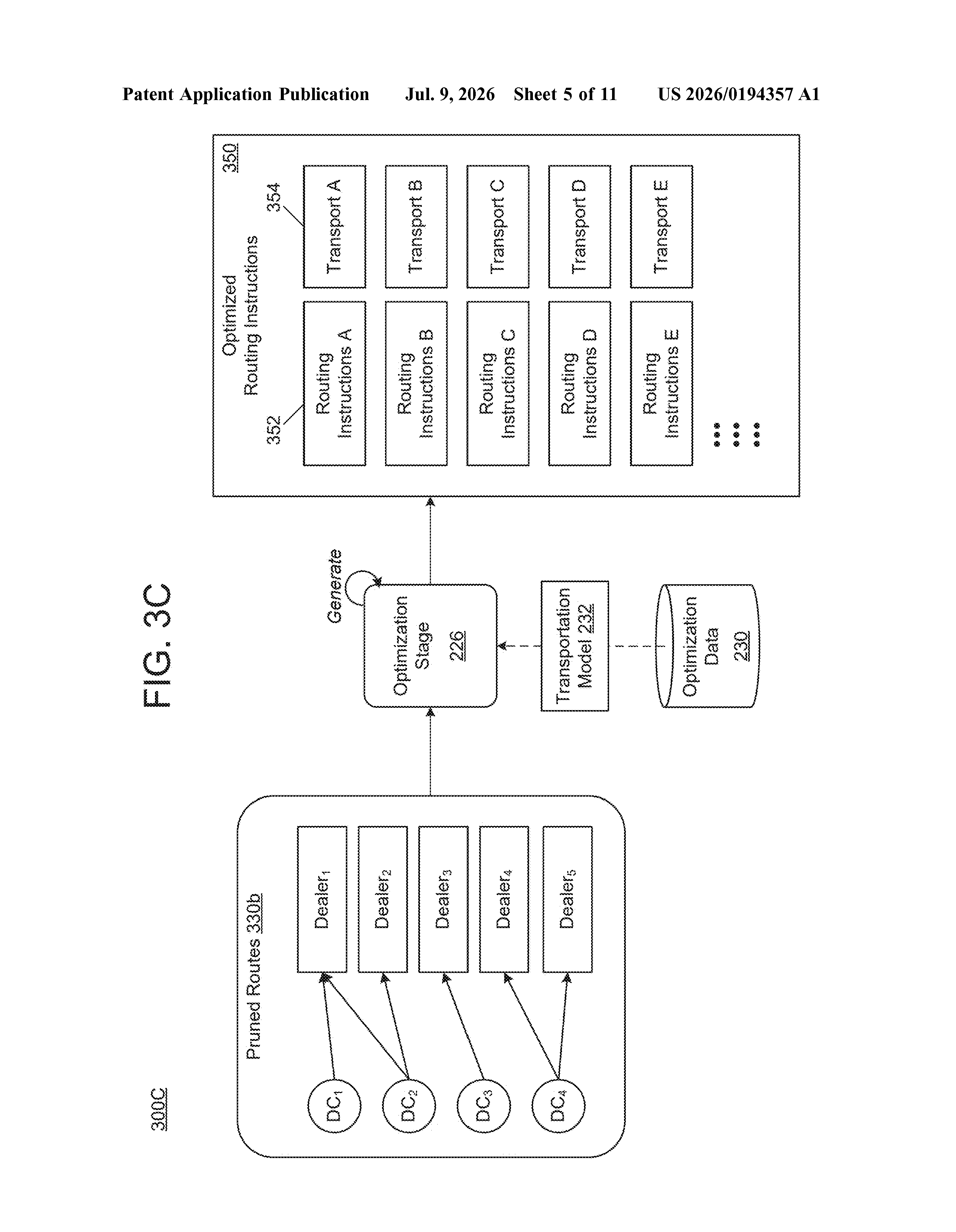
What remains is a leaner set of routes. A separate transportation network model optimization (a formal solver that finds the mathematically best answer, the kind of tool used in operations research) runs only on that smaller set. Because the pool is already cleaned up, the solver reaches a solution faster and with less computational load.
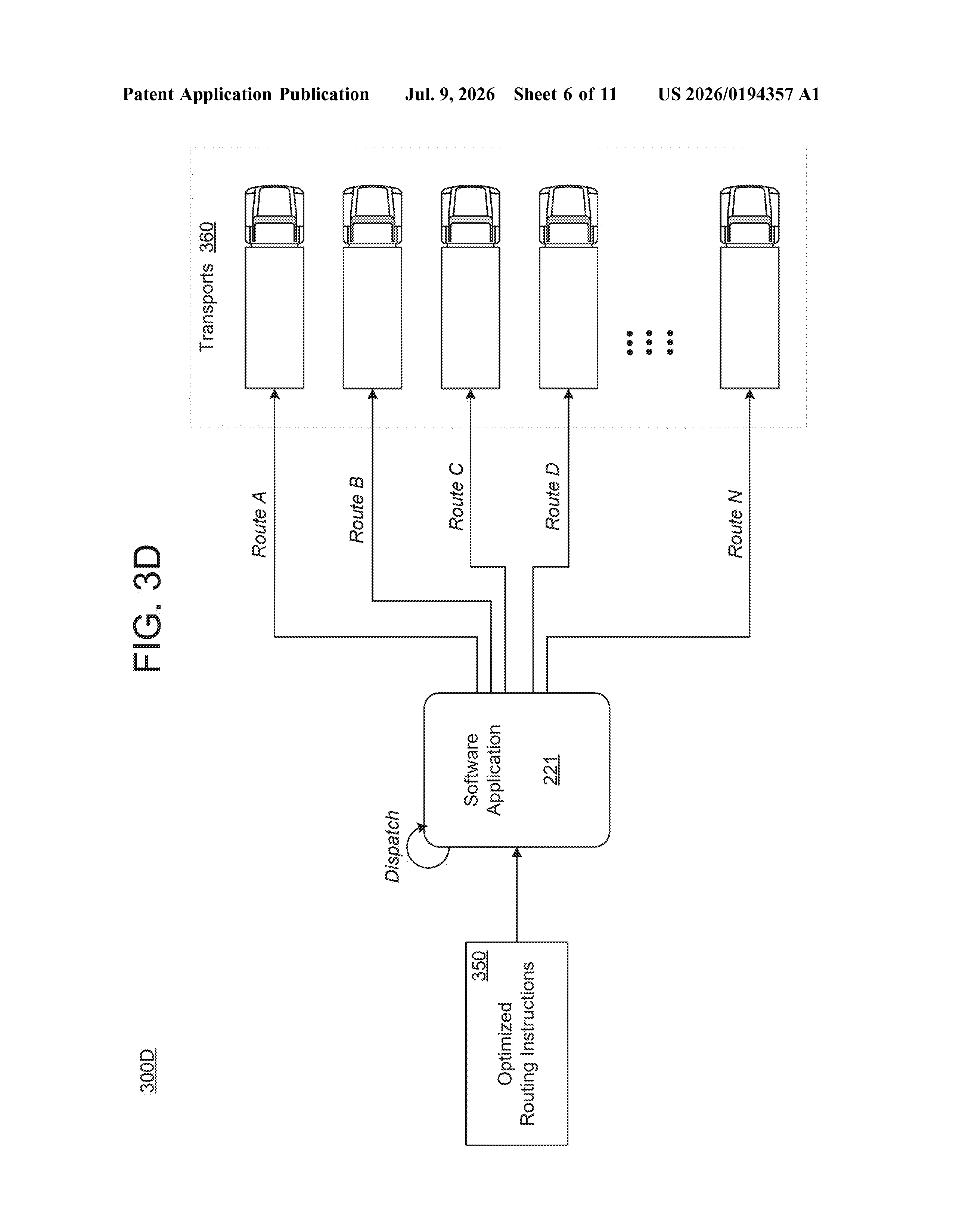
The winning route is then sent as an instruction to whatever computer system manages the transport, whether that's a dispatch terminal, a vehicle system, or a logistics platform.
What this means for large-scale logistics and fleet routing
Route optimization is one of the most computing-intensive problems in logistics, and it gets exponentially harder as networks scale. The patent's core insight is that not all routes deserve equal consideration. Spending solver time on obviously bad options wastes resources and slows decisions, which matters a lot when fleets are waiting on dispatch instructions in real time.
For large IBM enterprise customers running supply chain or fleet management software, a pre-filtering layer like this could meaningfully cut the time and cost of running daily or even hourly re-optimizations. It's less about a flashy new algorithm and more about doing the same math on a much more sensible input.
This is solid, unglamorous engineering. The idea of using a fast ML classifier to shrink an input set before handing it to an expensive optimizer is a real and useful technique in operations research. IBM isn't reinventing logistics here, but they are patenting a clean, deployable pipeline that could slot into existing supply chain products.
Get our take in your Top Stories
Liked this breakdown? Add Patentlyze as a preferred source on Google, and our plain-English take shows up more often in your Top Stories the next time IBM patent news breaks.
There are more where this came from
We read every patent application Big Tech publishes and send you the ones worth knowing. Plain English, free, every week.
The drawings
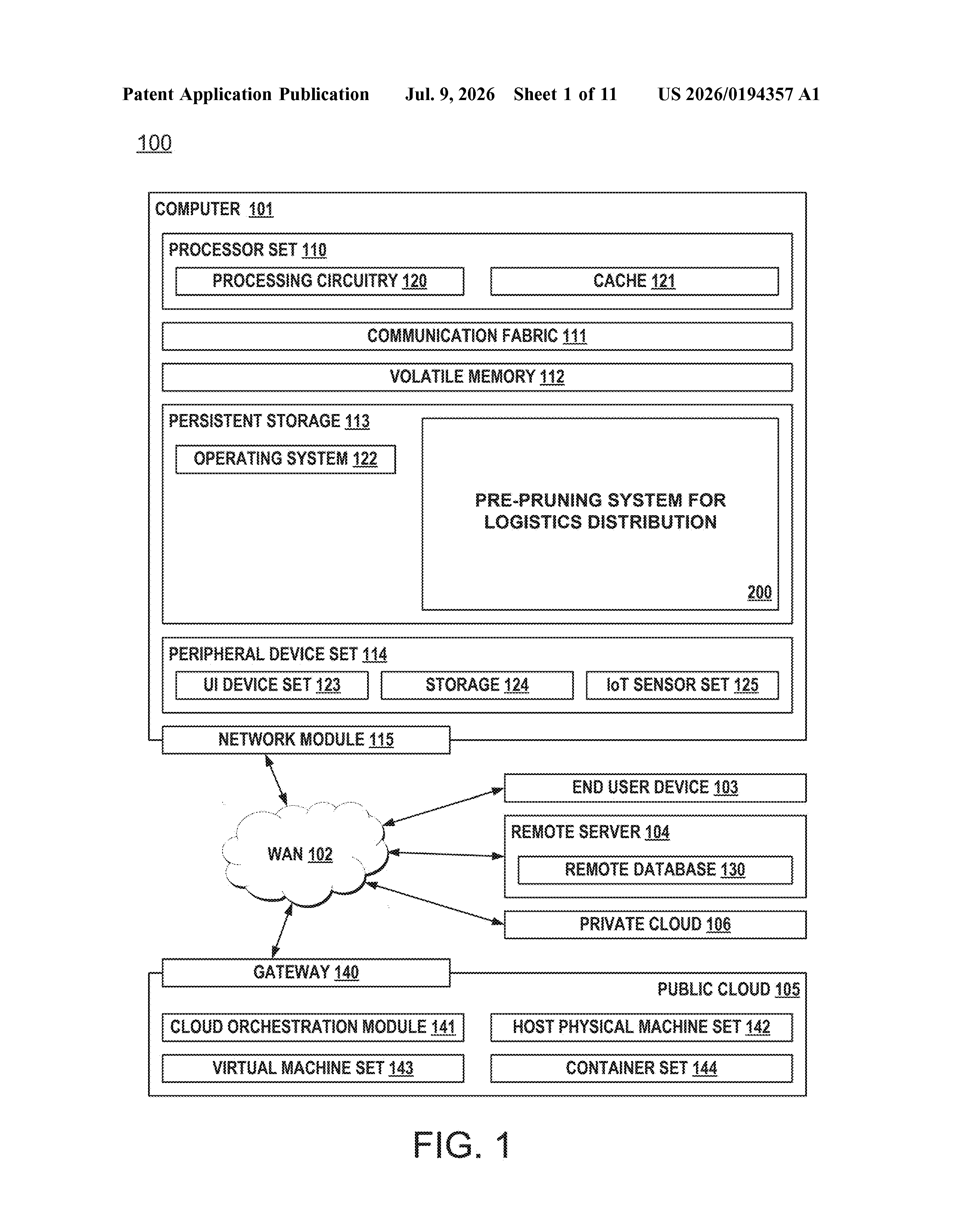
11 drawing sheets from US 2026/0194357 A1 · click any drawing to enlarge
Want this weekly breakdown for a company we don't cover? Patentlyze Pro →