
IBM Patents a System That Tells Cashiers and Staff How to Help Customers With Disabilities
Imagine walking into a store and the person at the counter already knows you prefer written communication, need extra time, or have a hearing impairment, without you having to explain yourself. IBM has filed a patent for a system that tries to make that happen automatically.
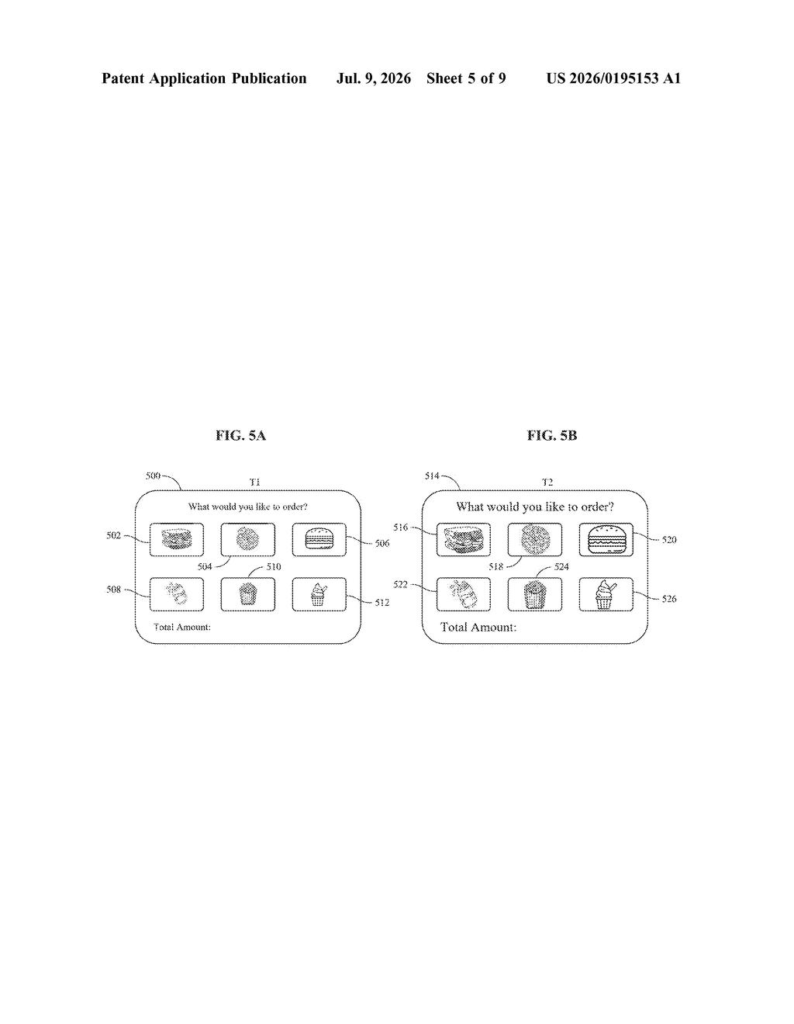
How IBM's accessibility-preference system actually works
Think about how often people with disabilities have to repeat their accessibility needs from scratch every time they interact with a new business. IBM's patent describes a system that could change that by storing your preferences once and sharing them with staff at participating businesses before an interaction begins.
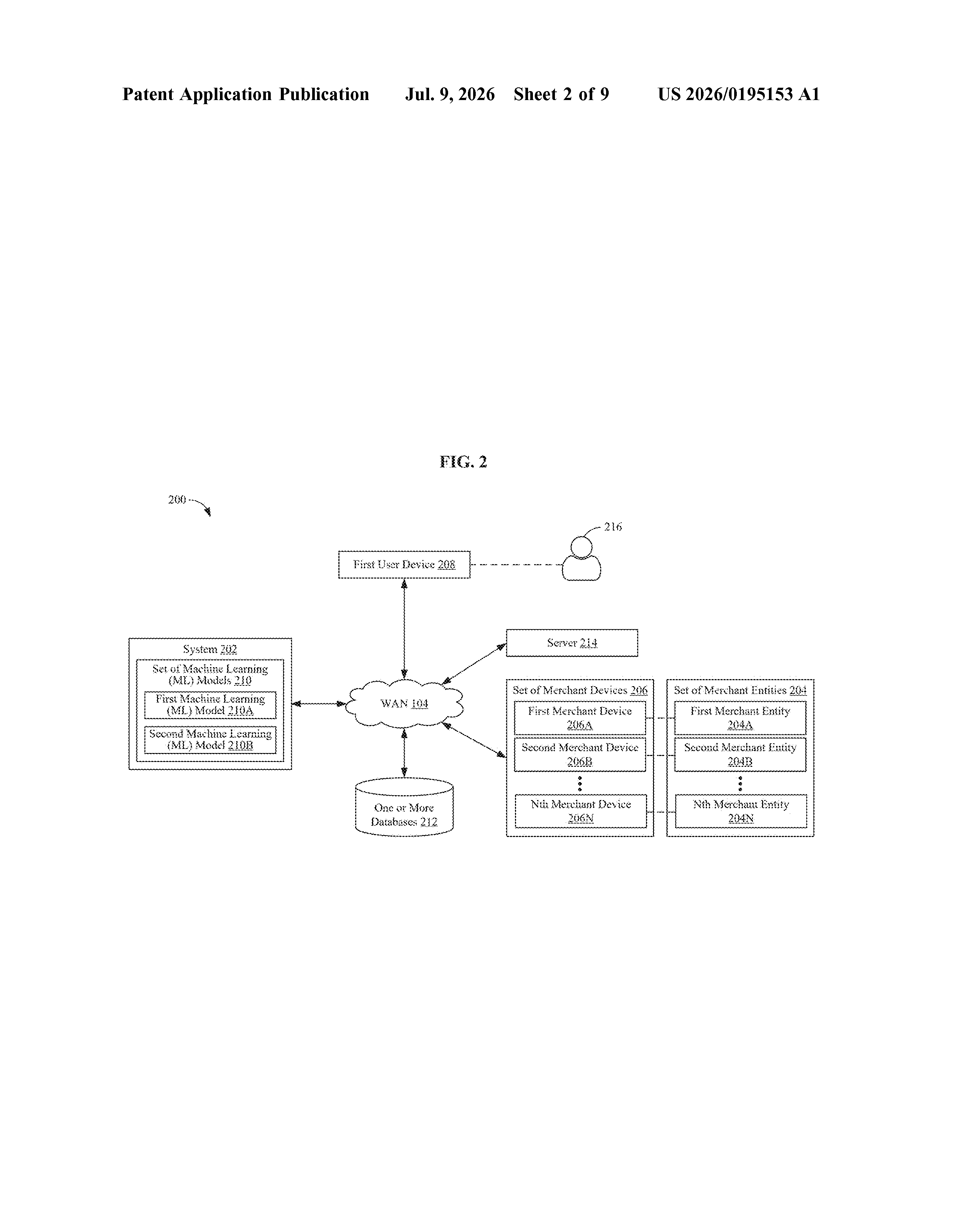
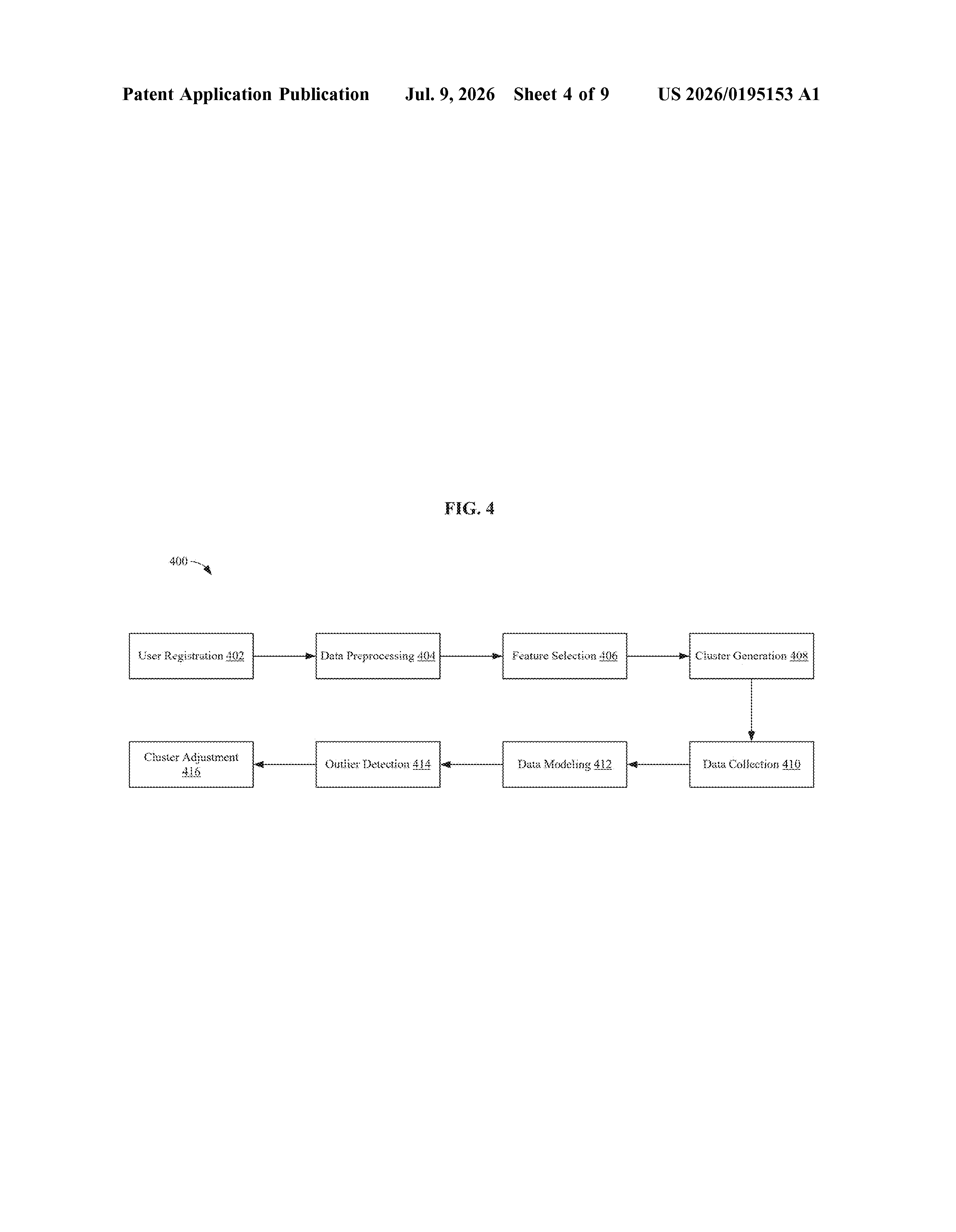
The way it works: you set up a personal profile listing your accessibility preferences, like needing written instructions instead of verbal ones, or requiring a slower pace of communication. The system links that profile to your existing accounts at various merchants, things like loyalty cards or online store accounts. When you show up at one of those stores, an AI model reads your profile and the merchant's information, then generates plain instructions telling the staff member exactly how to help you.
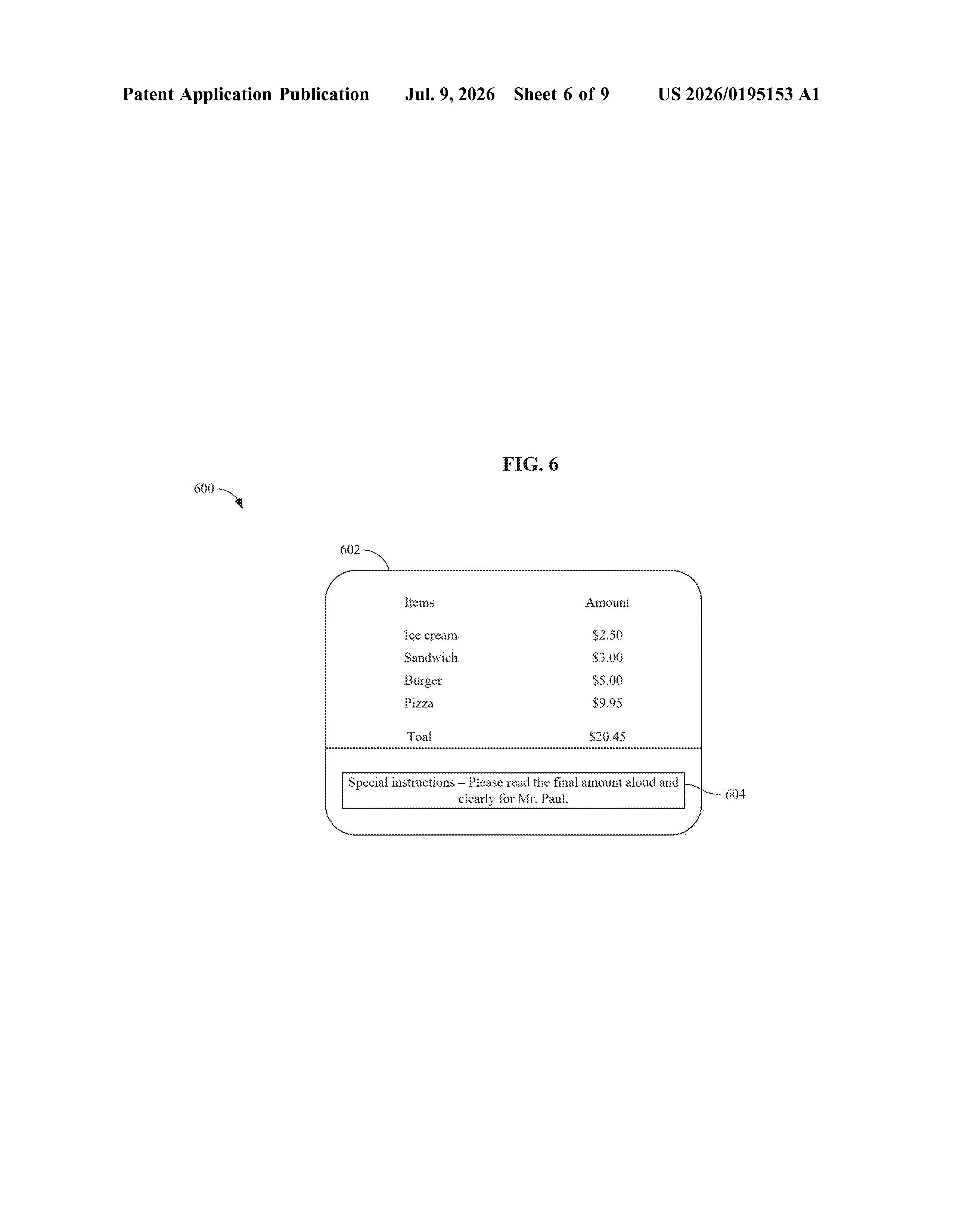
Those instructions are sent directly to the employee's device, so by the time you reach the counter, they're already prepared. No awkward explanations, no starting from zero. The goal is a more comfortable, dignified experience for anyone whose needs aren't always visible.
How the ML model bridges your profile to merchant staff
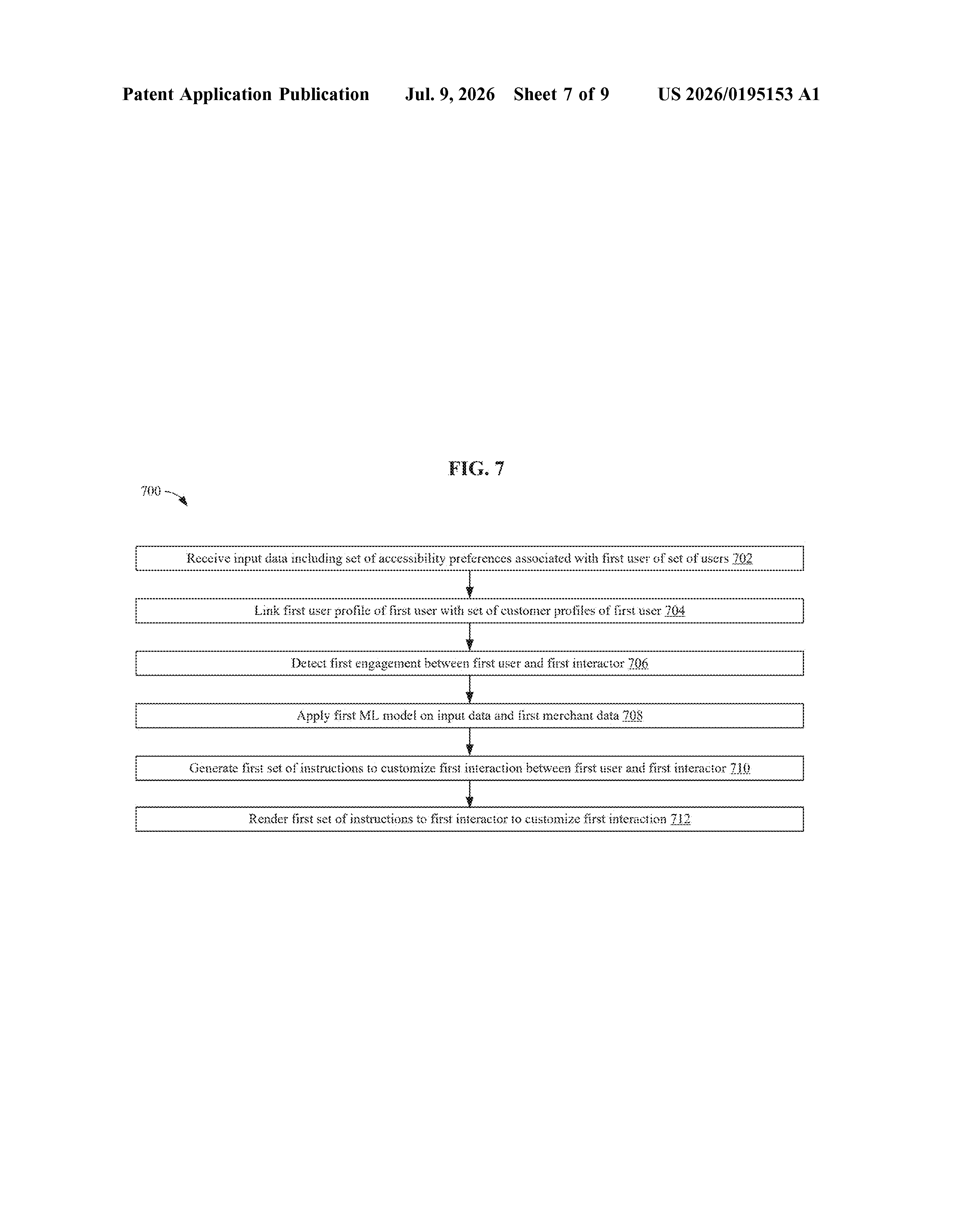
The patent describes a computer-implemented method that works in several steps:
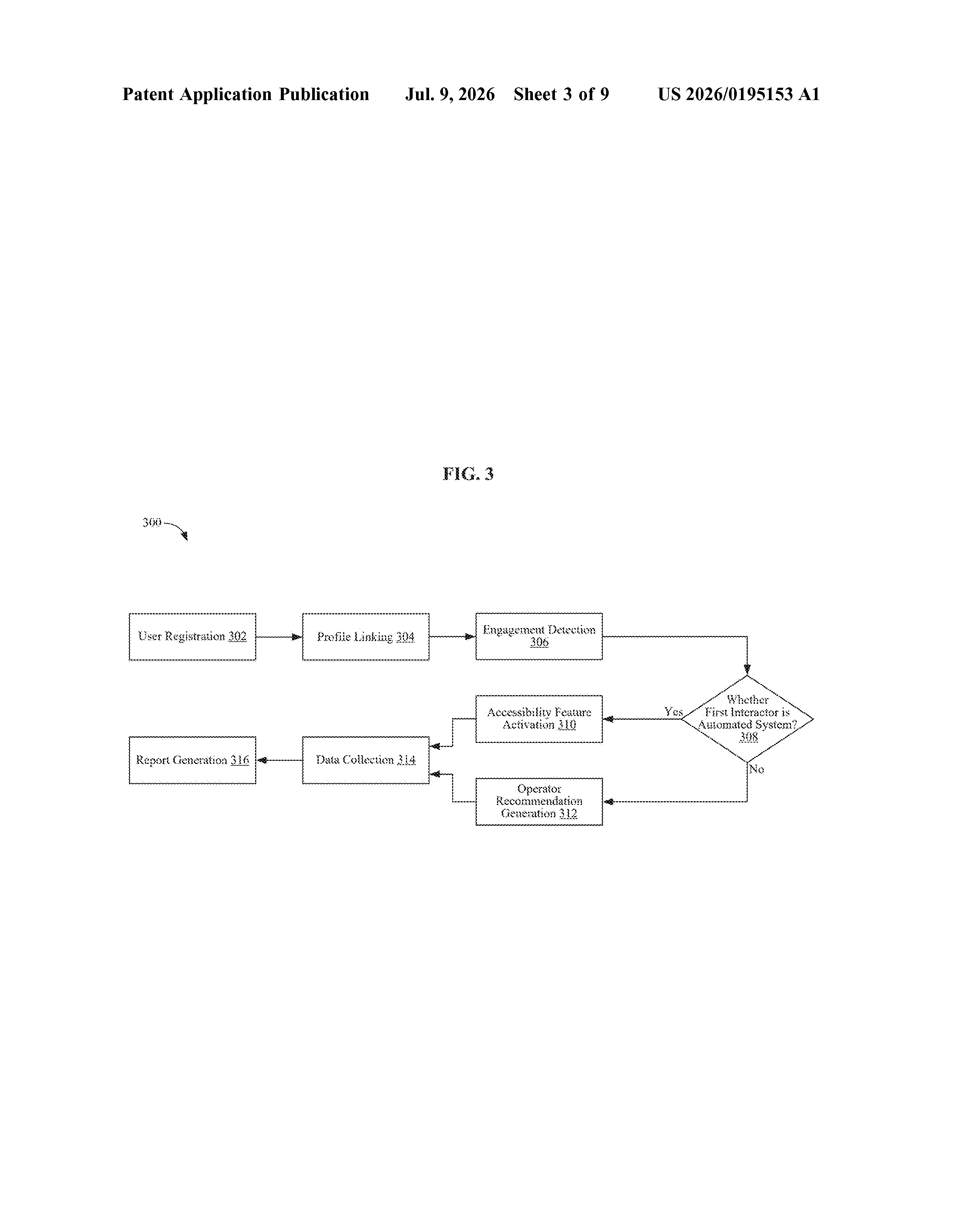
- Preference intake: A user submits a set of accessibility preferences to the system, building what the patent calls a "user profile."
- Profile linking: That user profile is connected to existing "customer profiles" the person has with various merchants (think retail accounts, bank records, or loyalty programs), tying personal needs to specific business relationships.
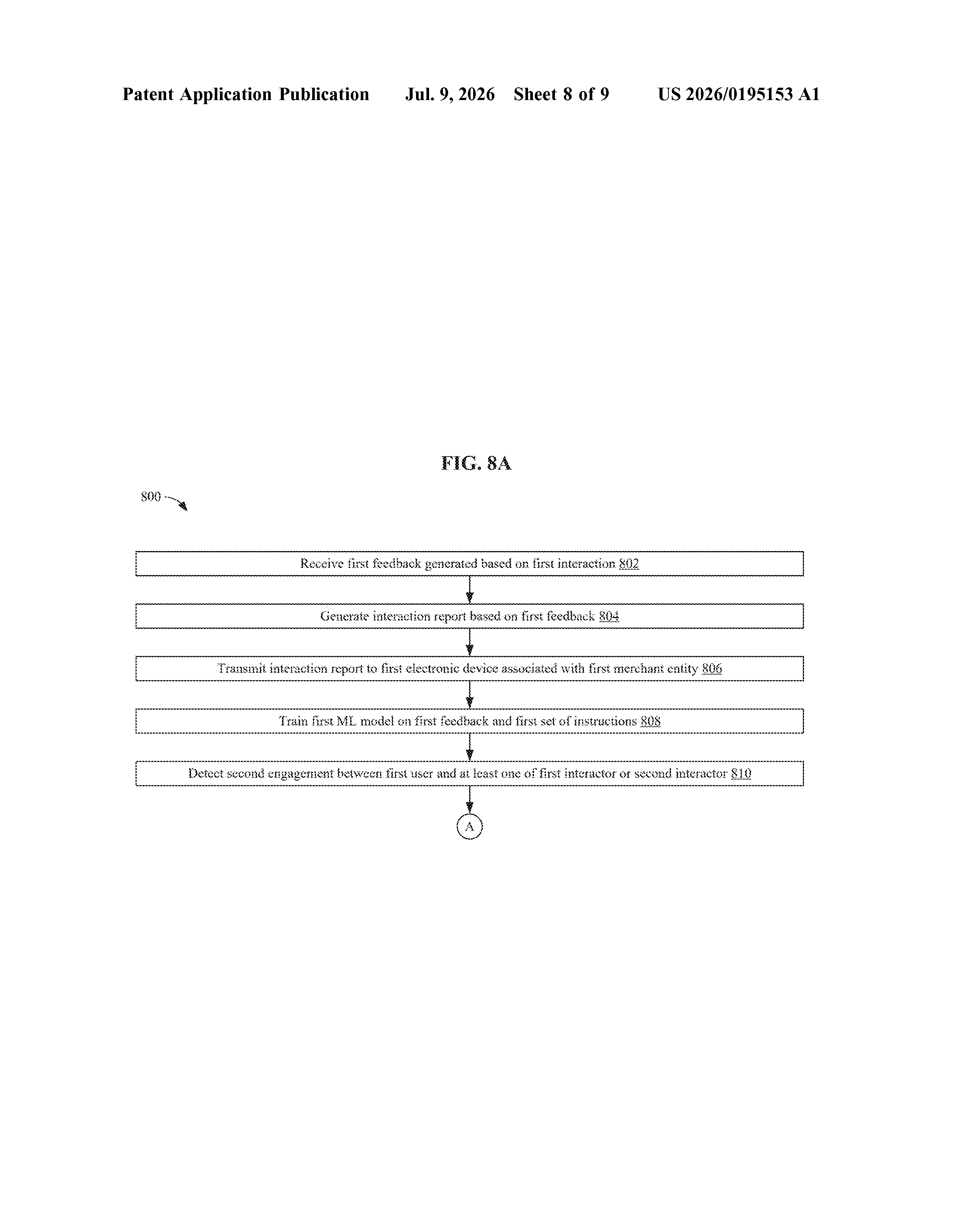
- Engagement detection: When the user begins an interaction with a staff member (an "interactor" in patent language) at a known merchant, the system detects that engagement is underway.
- ML model application: A machine learning model processes both the user's accessibility data and the merchant's own data, such as what services or communication tools that business has available, to figure out what accommodations are actually possible there.
- Instruction generation and delivery: The system generates a specific set of instructions tailored to that interaction and sends them to the staff member's device before or during the encounter.
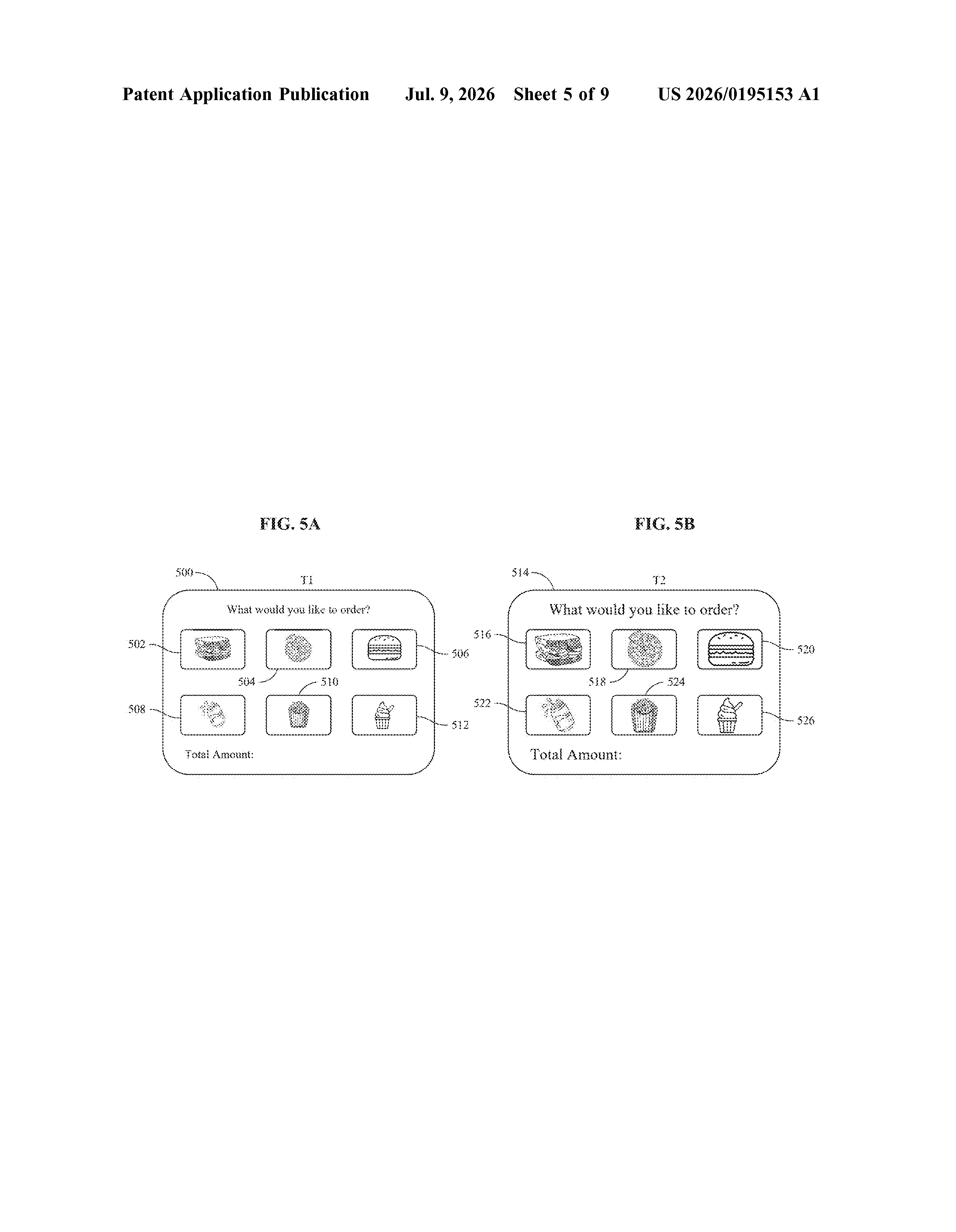
The patent leaves room for the "interactor" to be either a human employee or an automated system, like a self-service kiosk or a customer-service chatbot. The ML model is what bridges the gap between a person's general preferences and the specific tools or capabilities a given merchant has on hand.
What this means for shoppers with accessibility needs
For the roughly one in four adults in the U.S. who live with some form of disability, having to repeatedly explain personal needs to new staff is genuinely exhausting and sometimes embarrassing. A system like this shifts that burden away from the customer entirely, letting a person's preferences travel with them across businesses automatically.
From IBM's perspective, this sits squarely in the enterprise software space where the company already operates. A system like this would likely plug into existing CRM (customer management) platforms or point-of-sale tools that businesses already use. If it ships in any form, it would be a B2B product that businesses subscribe to, rather than something consumers sign up for directly. That also means the adoption and data-sharing details would matter enormously for whether this ever reaches the people it's designed to help.
This is a genuinely thoughtful idea applied to a real and underserved problem. The technical approach is fairly straightforward, which is probably why it hasn't been done yet: the harder challenge is getting merchants and users to actually share and trust a centralized accessibility profile. IBM deserves credit for filing this, but the patent's value will depend entirely on whether any merchant ecosystem actually adopts it.
Get our take in your Top Stories
Liked this breakdown? Add Patentlyze as a preferred source on Google, and our plain-English take shows up more often in your Top Stories the next time IBM patent news breaks.
There are more where this came from
We read every patent application Big Tech publishes and send you the ones worth knowing. Plain English, free, every week.
The drawings
9 drawing sheets from US 2026/0195153 A1 · click any drawing to enlarge
Want this weekly breakdown for a company we don't cover? Patentlyze Pro →