
Samsung Patents a Storage Drive That Reorganizes Itself When Performance Slips
Most storage drives are set up once and never touch their own internal layout again. Samsung is patenting a drive that watches how it's being used and reshuffles where data lives to keep reads fast.
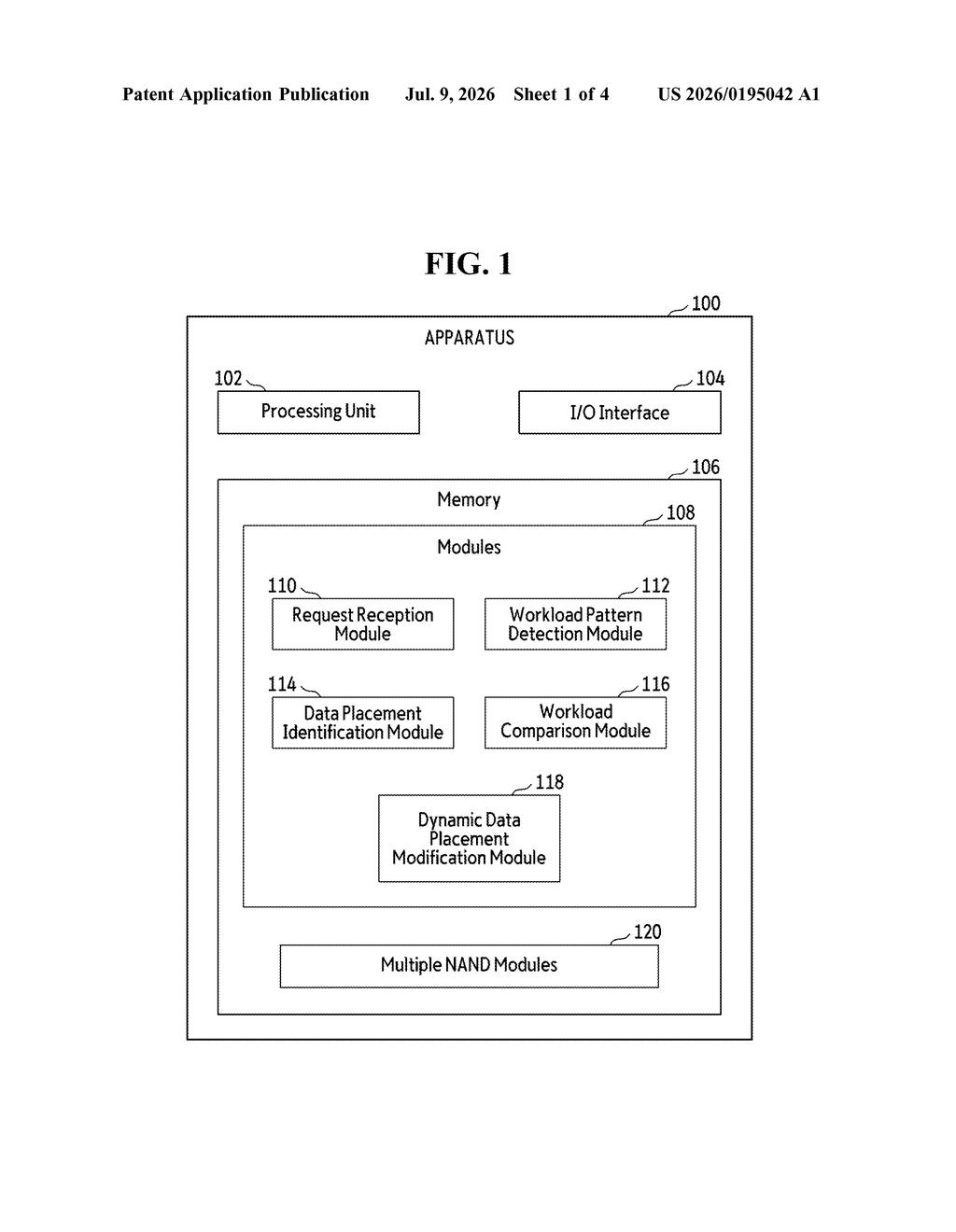
What Samsung's self-tuning storage system actually does
Imagine a library where all the books are shelved alphabetically, but you keep needing them by topic. You'd waste a lot of time zigzagging across the room. Storage drives have the same problem: they store data in a fixed pattern, and if the way you're actually reading that data doesn't match the pattern, performance tanks.
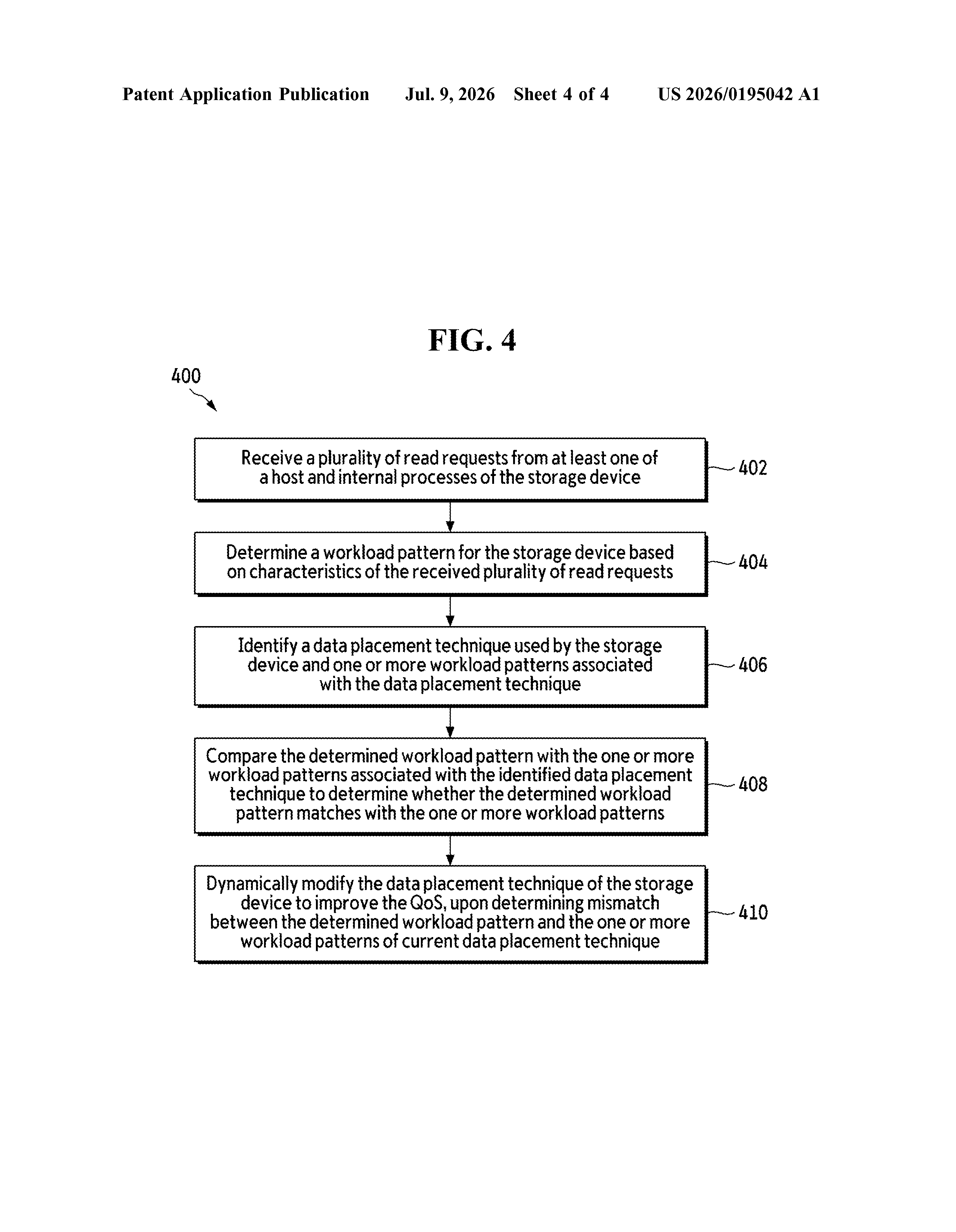
Samsung's patent describes a storage device that monitors its own incoming read requests, figures out the pattern behind them (how often data is requested, how close together the files are, how big each chunk is), and then compares that pattern against what the drive was originally set up to handle. If there's a mismatch, the drive automatically changes how it lays out data internally to better fit what's actually being asked of it.
The goal is steadier, more predictable performance, especially in environments where the workload shifts over time, like a server handling different jobs at different times of day.
How the drive detects mismatches and shifts its data layout
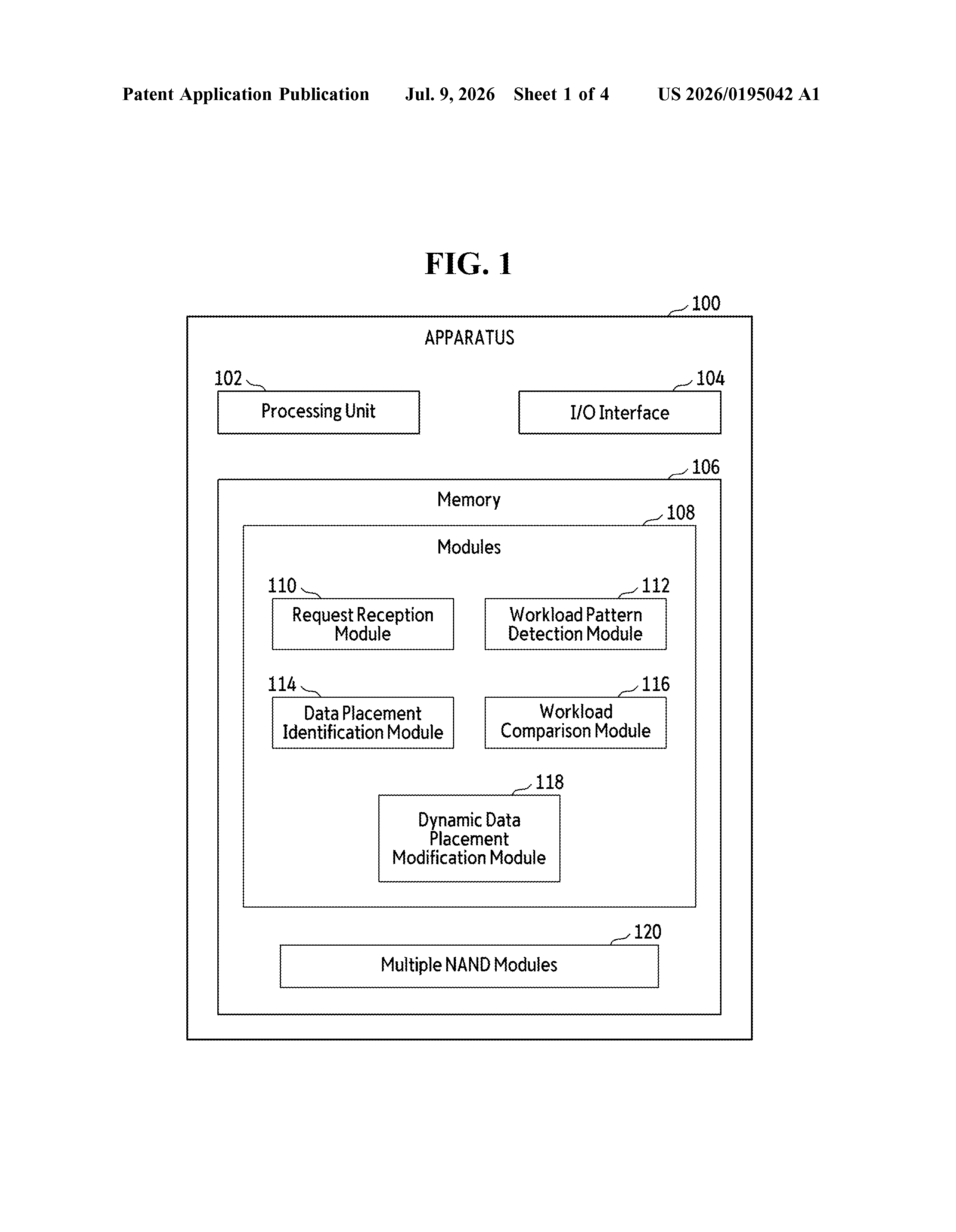
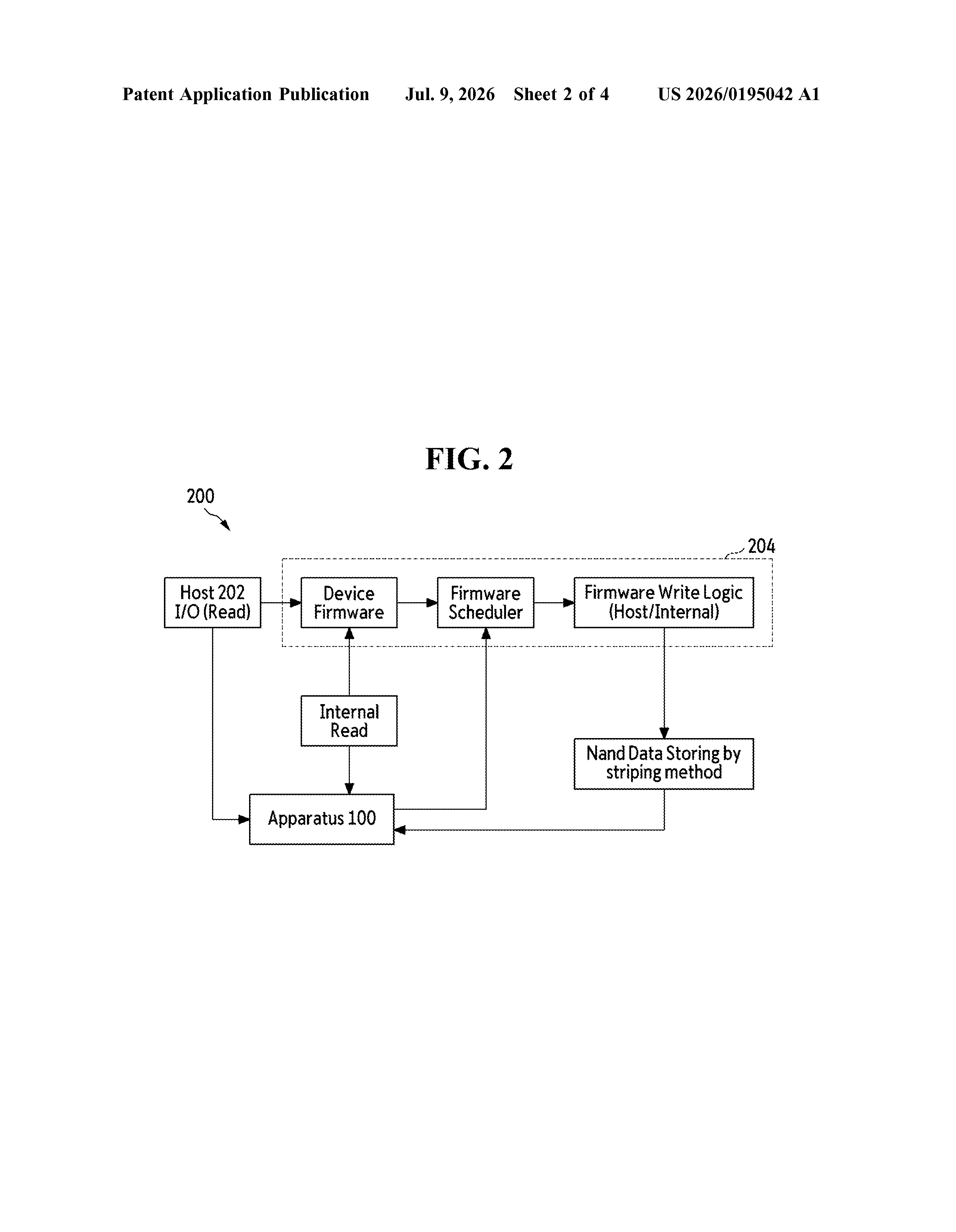
The patent describes a method that runs inside the storage device itself, not on the host computer. When the drive receives read requests, it analyzes three characteristics of those requests: request frequency (how often data is being asked for), access locality (whether requests cluster around nearby data or jump around), and data size (how large each chunk being read is).
Those characteristics are combined into what the patent calls a workload pattern. The drive then checks this pattern against a set of known patterns that are linked to its current data placement technique (essentially, the strategy the drive uses to decide where on its physical storage medium to put different pieces of data).
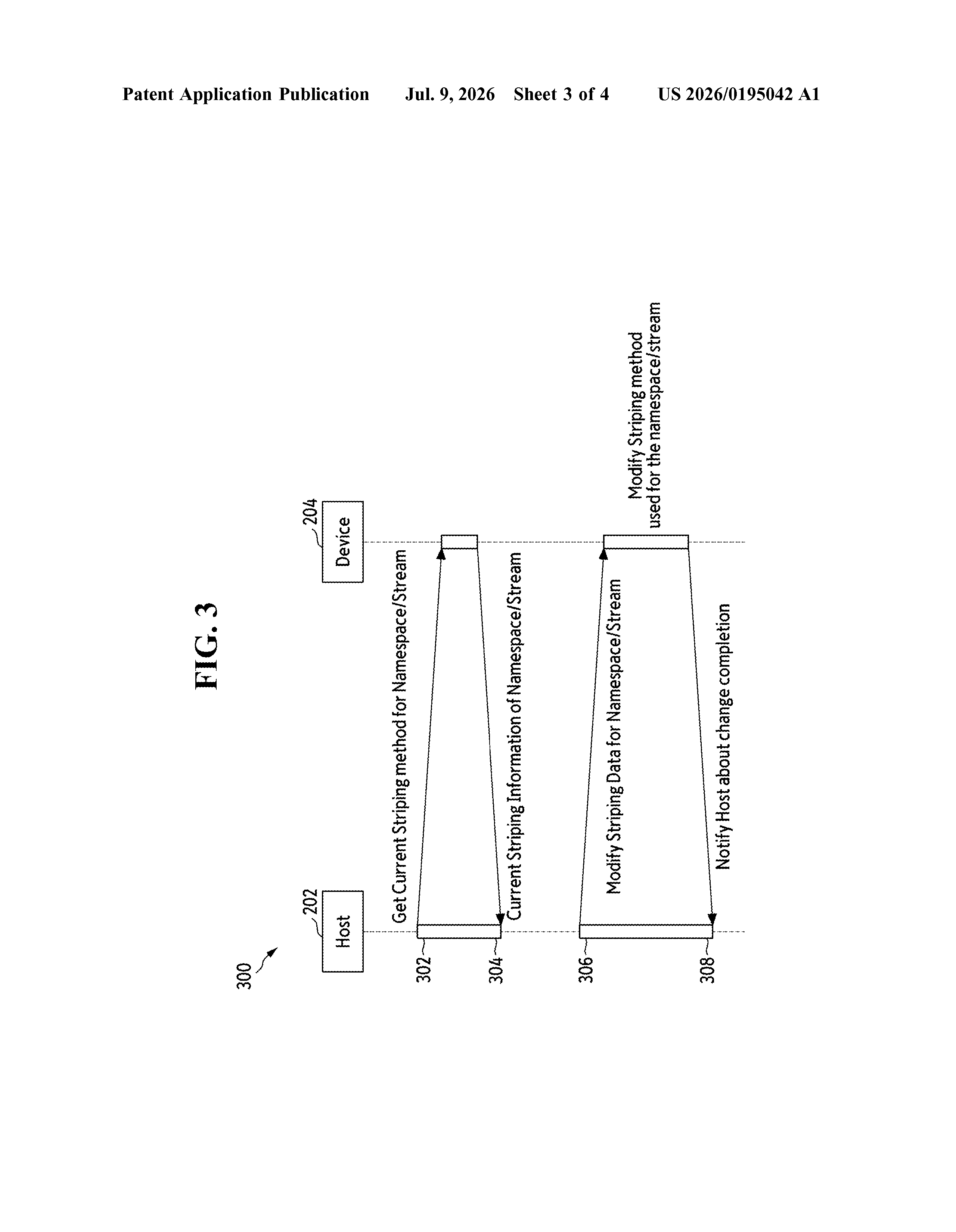
If the live workload matches an expected pattern, nothing changes. But if there's a mismatch, the drive doesn't just log a warning and wait for a human to intervene. It dynamically modifies its own data placement technique to one better suited to the current workload. This switch happens at runtime, without requiring a reboot or external reconfiguration.
The approach is specifically aimed at improving Quality of Service (QoS), meaning the consistency and predictability of response times, not just raw peak speed.
What this means for servers and high-demand storage workloads
In data centers and enterprise storage systems, inconsistent read performance is a real operational problem. A drive that occasionally slows down because its internal layout no longer fits the workload can cause cascading delays in applications that depend on fast, predictable storage. Samsung's approach would let the drive adapt on its own, reducing the need for manual tuning by storage administrators.
For everyday consumer storage, the impact is less obvious, but the same logic applies to SSDs in laptops or gaming consoles that handle very different workloads at different times. A drive that can self-tune to match your current activity, whether you're loading a game, running a backup, or editing video, could deliver more consistent real-world performance without any settings to fiddle with.
This is a solid, practical idea aimed squarely at enterprise storage engineers who deal with QoS headaches daily. The concept of a drive that reconfigures its own data layout at runtime is genuinely useful, even if the patent is written in the dry language of storage specifications. It's not a flashy consumer feature, but it addresses a real and costly problem in production environments.
Get our take in your Top Stories
Liked this breakdown? Add Patentlyze as a preferred source on Google, and our plain-English take shows up more often in your Top Stories the next time Samsung patent news breaks.
There are more where this came from
We read every patent application Big Tech publishes and send you the ones worth knowing. Plain English, free, every week.
The drawings
4 drawing sheets from US 2026/0195042 A1 · click any drawing to enlarge
Want this weekly breakdown for a company we don't cover? Patentlyze Pro →