What the filings show
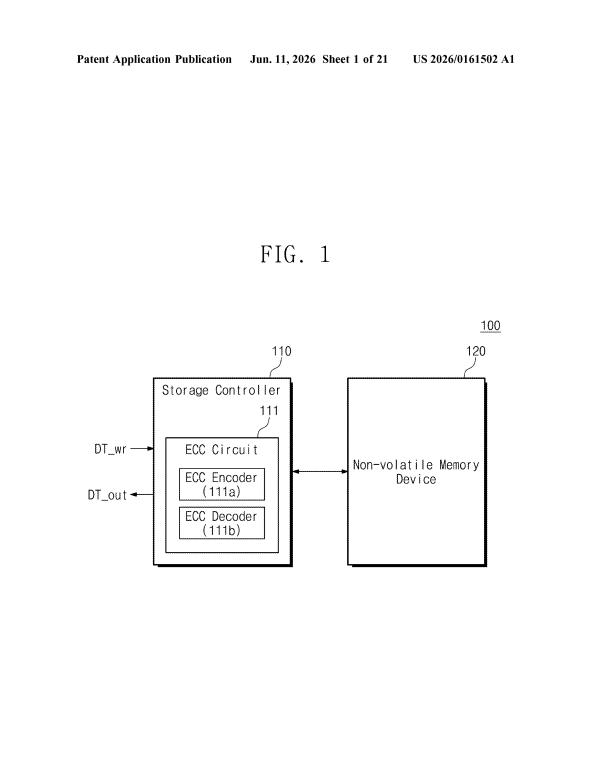
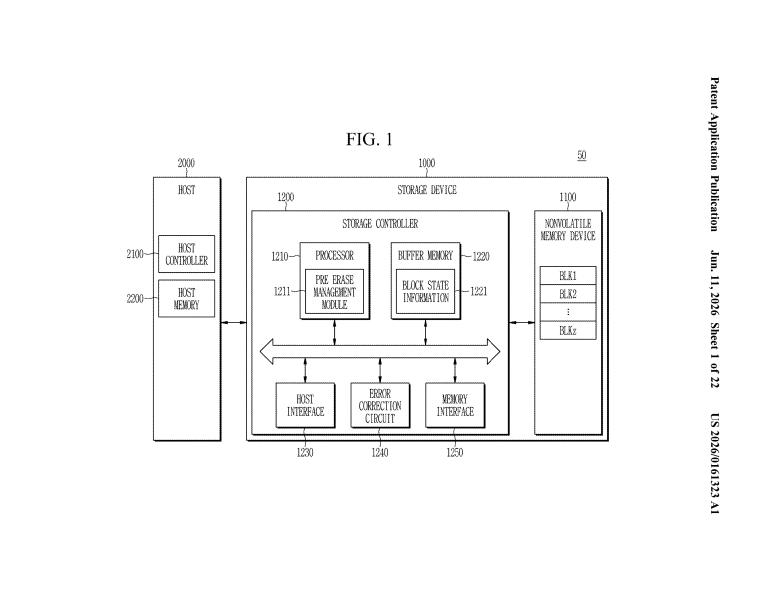
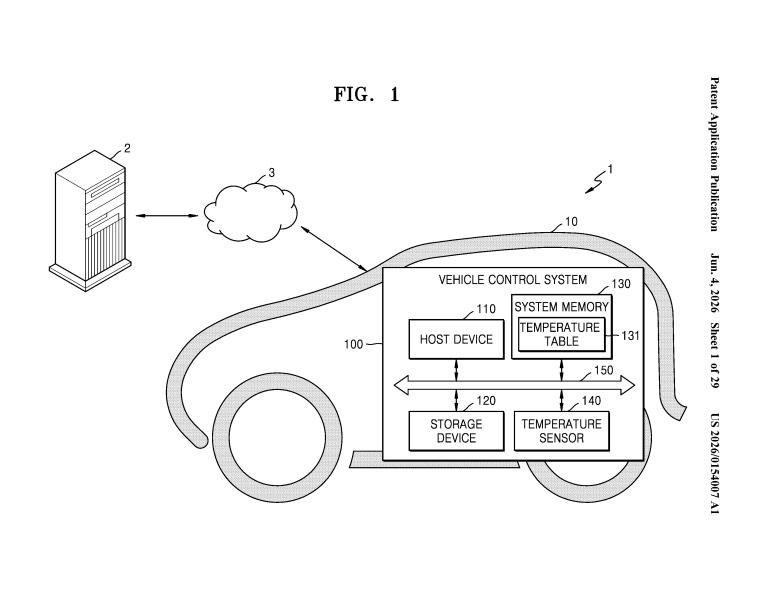
Much of this batch focuses on catching problems before they reach the user. One filing checks flash memory for electrical leaks before a single bit gets written. Another builds a two-stage process to catch and fix corrupted data during normal reads. A third reroutes data around manufacturing defects inside the chip itself, and a fourth adjusts for temperature swings that flash memory struggles with, aimed at automotive use. Together these filings treat reliability as something built into the hardware, not patched on afterward.
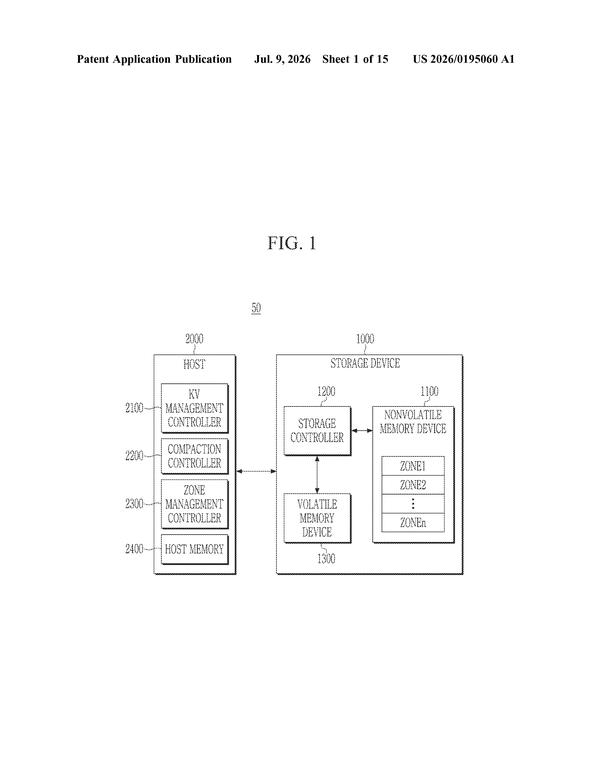
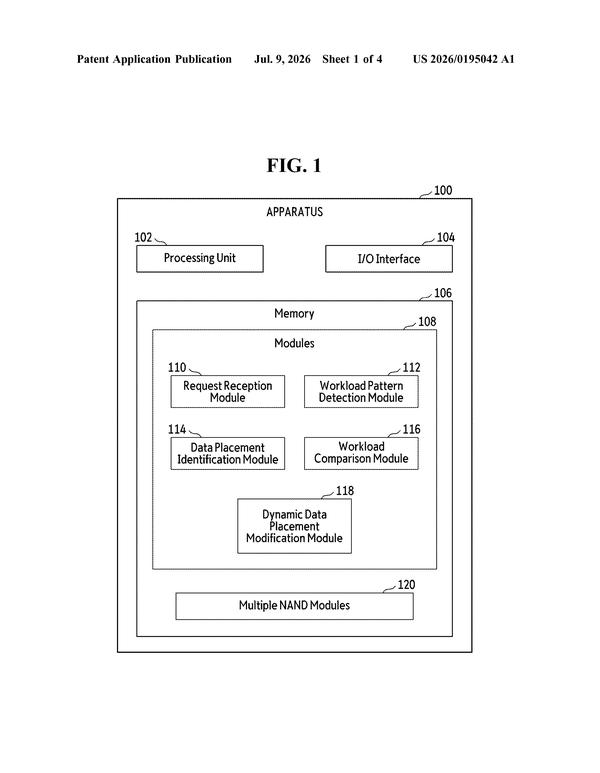
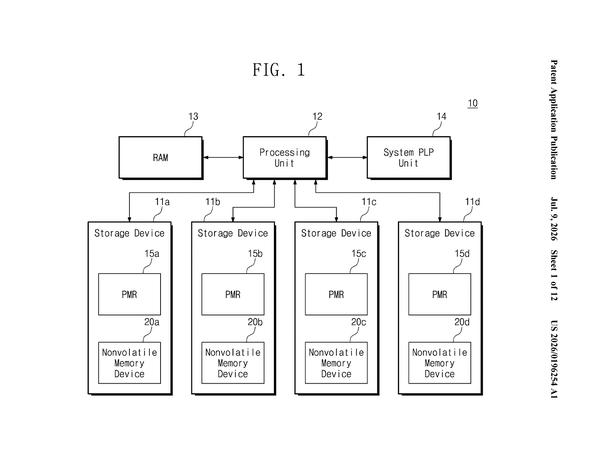
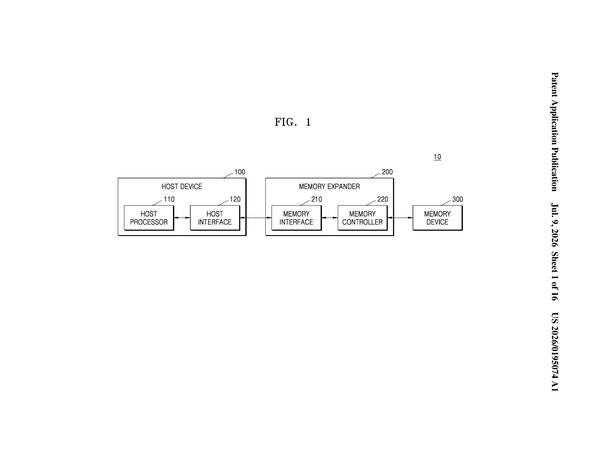
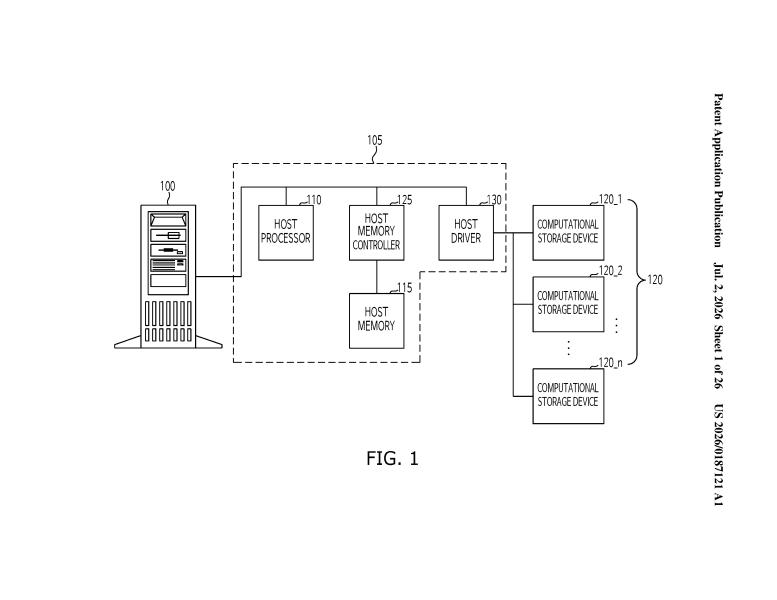
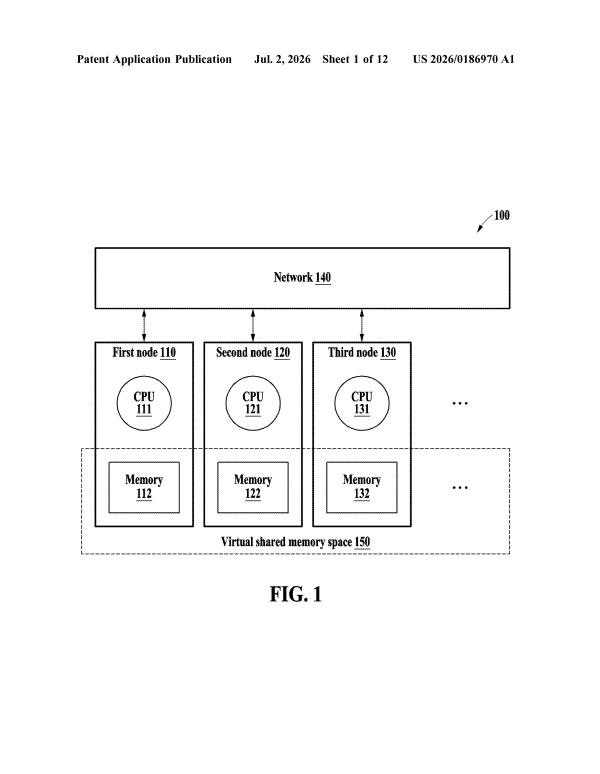
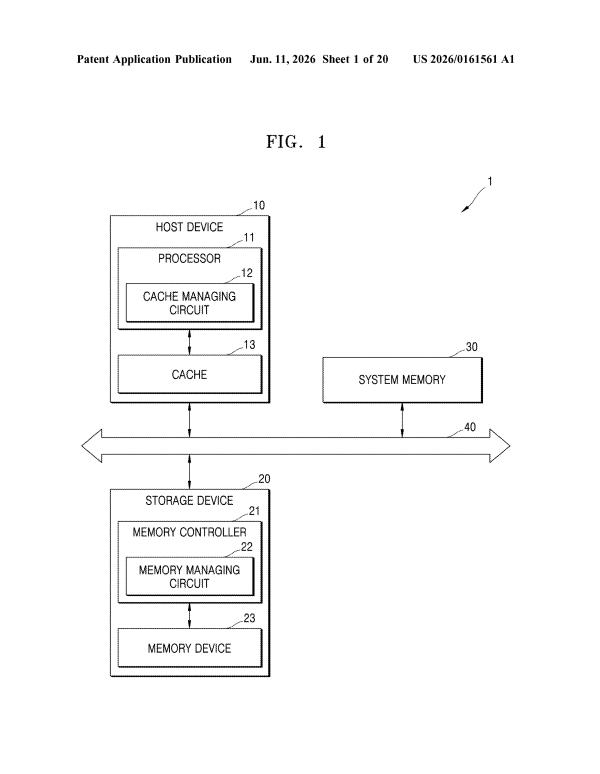
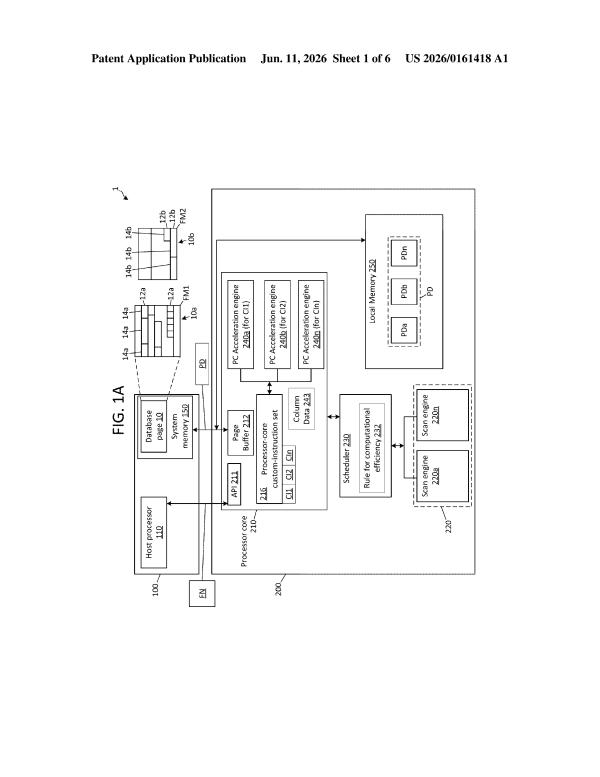
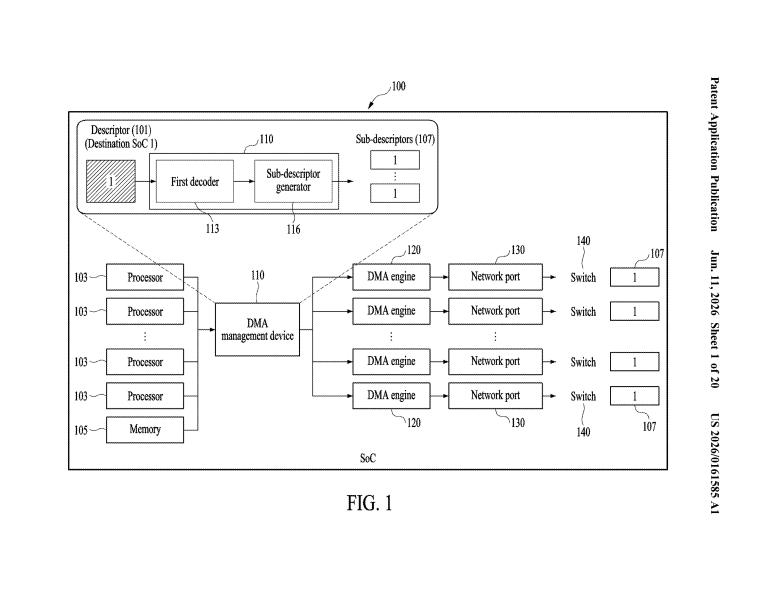
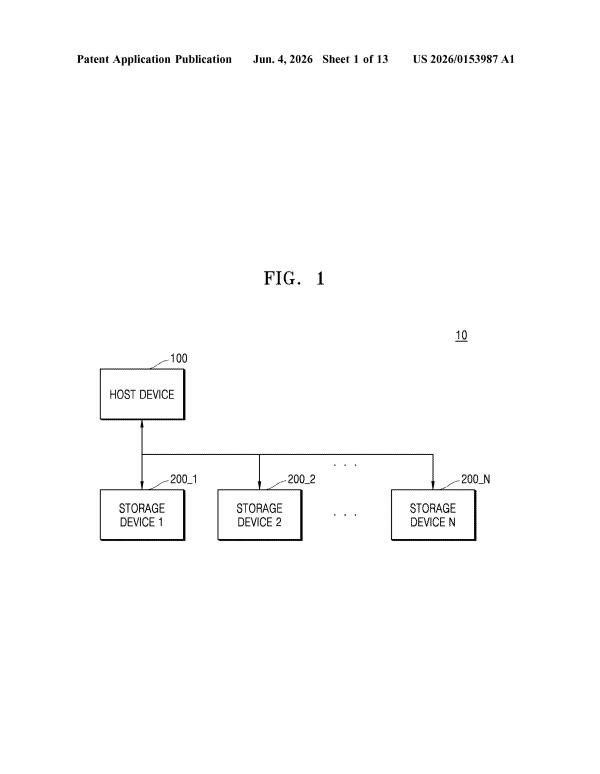
A second cluster works on speed and efficiency. One patent lets an SSD lend its spare space to a system's RAM pool. Another reworks cache indexing to cut memory bottlenecks, while a separate filing interrupts writes so reads don't get stuck waiting behind them. Two more push computation into the storage chip itself: one splits large memory tasks into smaller simultaneous jobs, and another lets the drive decide, using AI, what data is actually worth compressing.
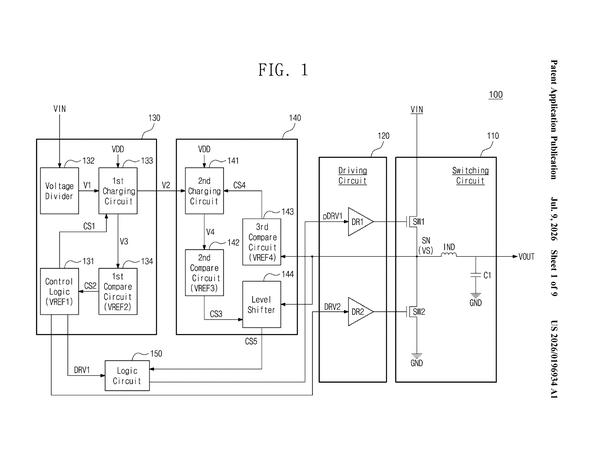
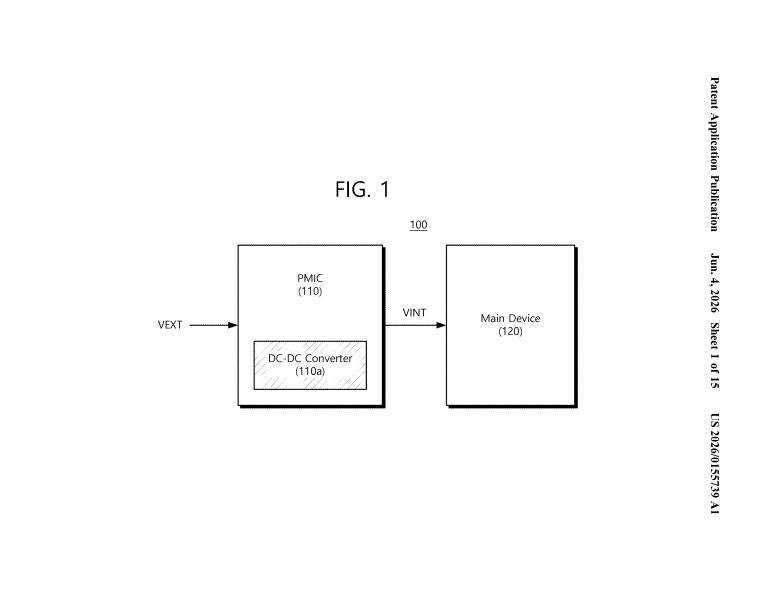
A smaller set of filings looks outward, at threats. One describes a DC-DC converter built to bleed off voltage spikes that can silently corrupt data or damage circuits. Another lays a trap for ransomware, designed to slow and expose an attack rather than recognize it after the fact. Readers should watch whether future filings keep pairing this defensive work with the performance patents above, since that combination is what the storyline centers on.
Questions readers ask
Is Samsung actually shipping these SSD features?
Not confirmed. These are patent filings, which show what Samsung's engineers are exploring, not what has shipped or been announced. Some ideas end up in real products years later, others never do. The tracker follows the paper trail, not a product roadmap.
What problem do most of these Samsung patents solve?
A large share deal with reliability: catching corrupted data, checking for electrical leaks before writing, and routing around manufacturing defects. Others focus on speed, like freeing up reads during writes or splitting memory tasks into smaller jobs. Security shows up too, in voltage-spike protection and ransomware defenses.
Do these patents cover security as well as performance?
Yes. Alongside filings on faster reads, writes, and compression, this batch includes a converter designed to bleed off dangerous voltage spikes and a storage system built to bait and slow ransomware. It suggests Samsung is treating defense and speed as connected goals, not separate projects.
Are these patents for consumer SSDs or enterprise storage?
The filings don't specify a single target market. Some ideas, like temperature-aware storage, point toward demanding environments such as vehicles, while others, like adaptive caching or spare-space-as-RAM, could apply broadly. Patents describe mechanisms, not the exact product line they'll land in.