
Google Patent Filing Targets Memory Efficiency in Lens Distortion Correction Systems
Every time your phone straightens a fisheye photo or corrects the curved edges from a wide-angle lens, it's doing a surprising amount of memory shuffling. Google's new patent is about doing that work faster by changing the order in which pixels are processed.
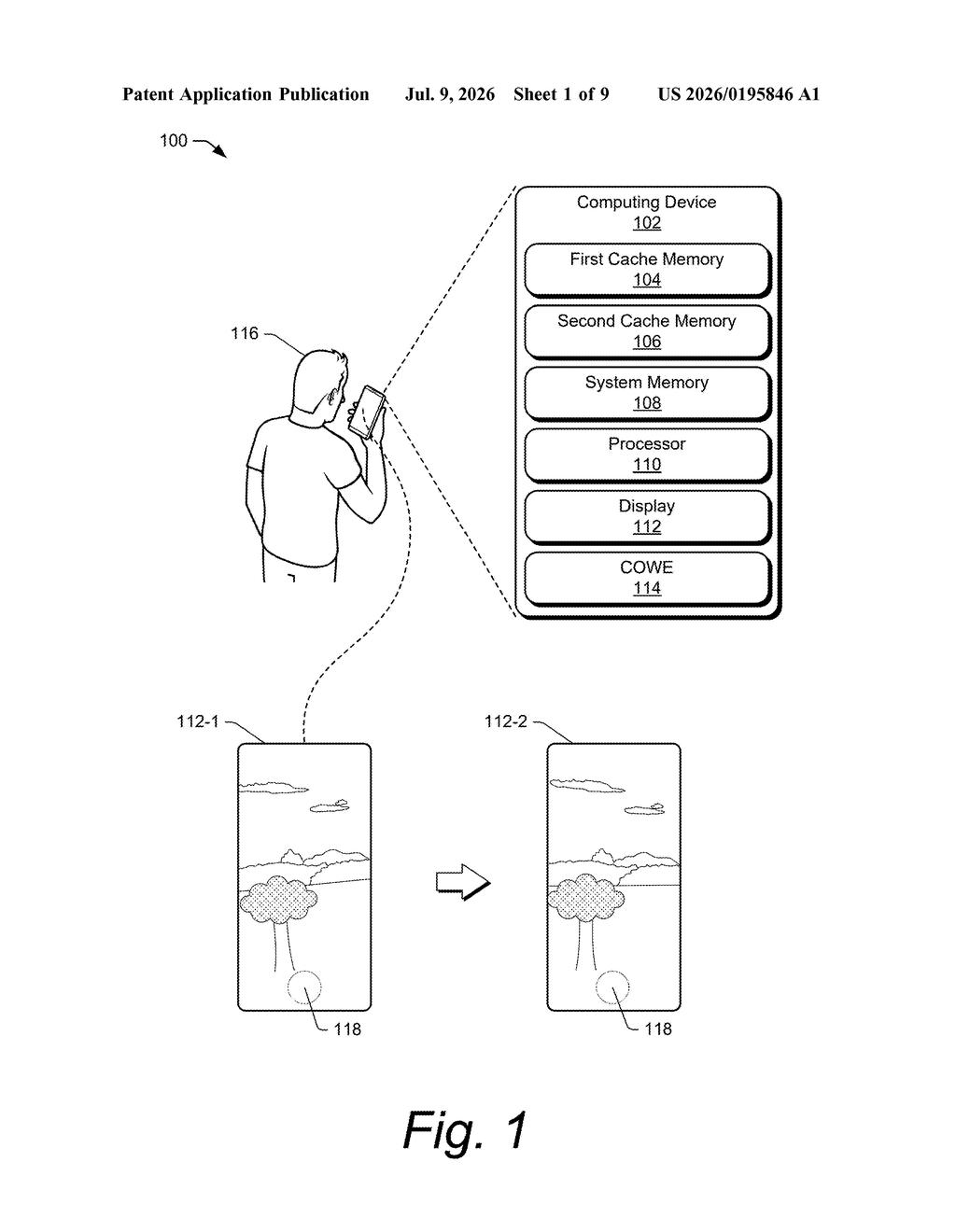
What Google's lens-correction speed trick actually does
Imagine your phone's camera takes a photo through a wide-angle lens. The edges look curved and distorted, so the chip inside has to remap every pixel to its correct position, a process called image warping. Doing that remapping quickly, without bogging down the processor, turns out to be trickier than it sounds.
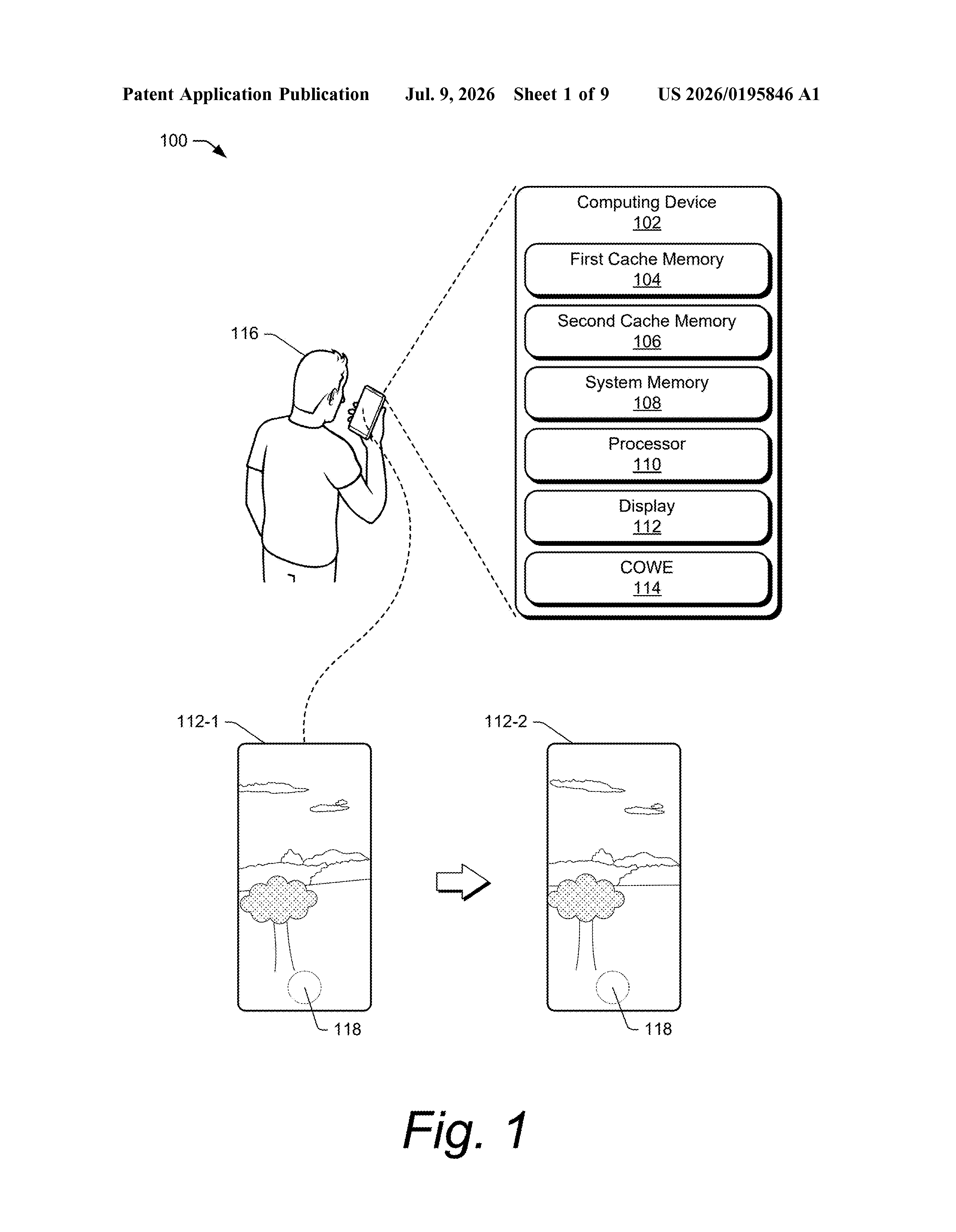
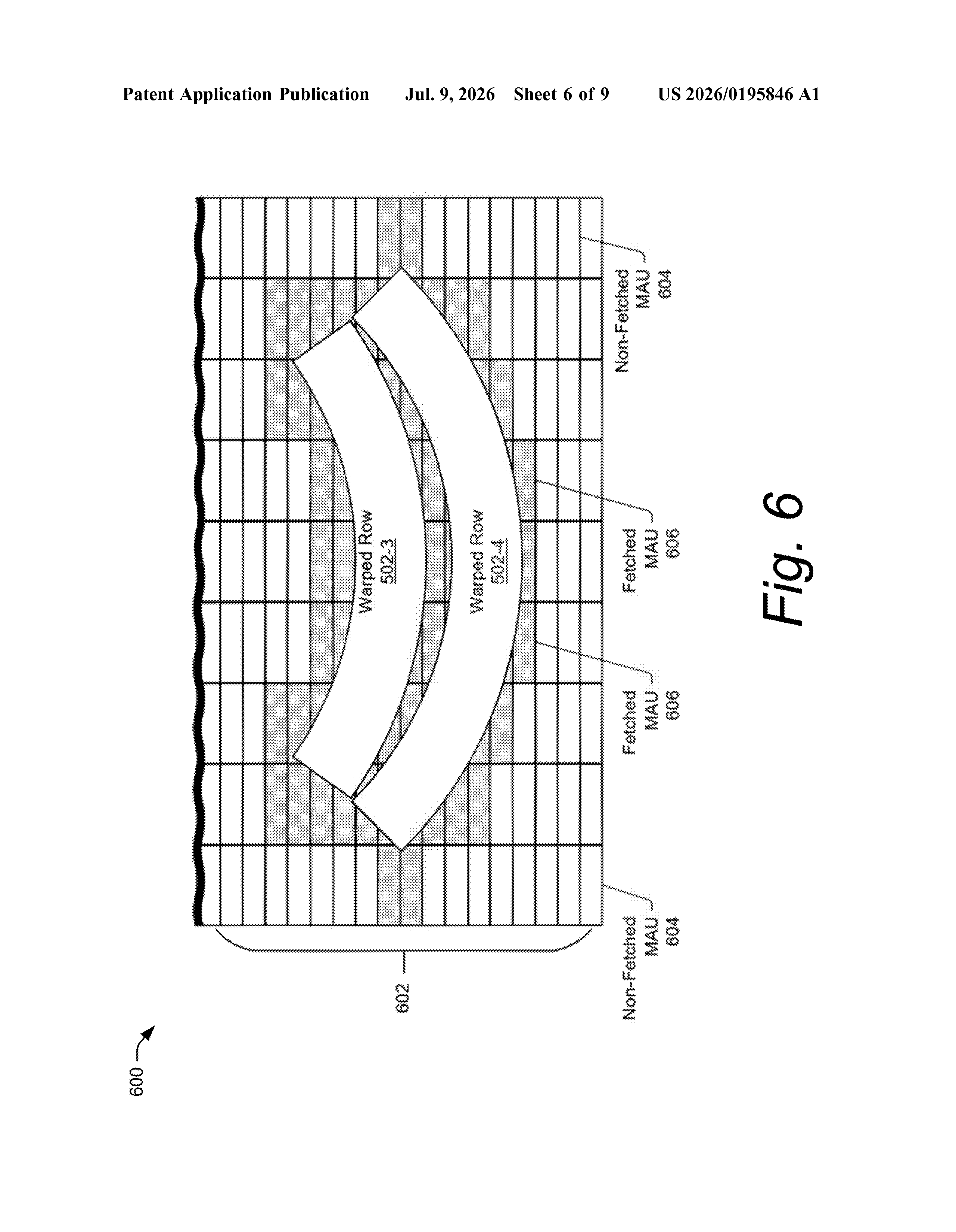
The core problem is memory traffic. To figure out where a pixel in the corrected image belongs, the chip needs to look up its neighbors in the original distorted image. If those neighbors aren't already in fast local memory (called cache), the chip has to go fetch them from slower main memory, which wastes time. Google's patent describes a way to scan pixels in a specific zigzag order across the image so that the data the chip needs next is already waiting in one of two small fast-memory banks.
The result is a lens-correction engine that does the same job while making far fewer slow memory trips. For you, that could mean faster photo processing or less battery drain when your phone corrects images on the fly.
How the warp engine scans rows to feed two caches in parallel
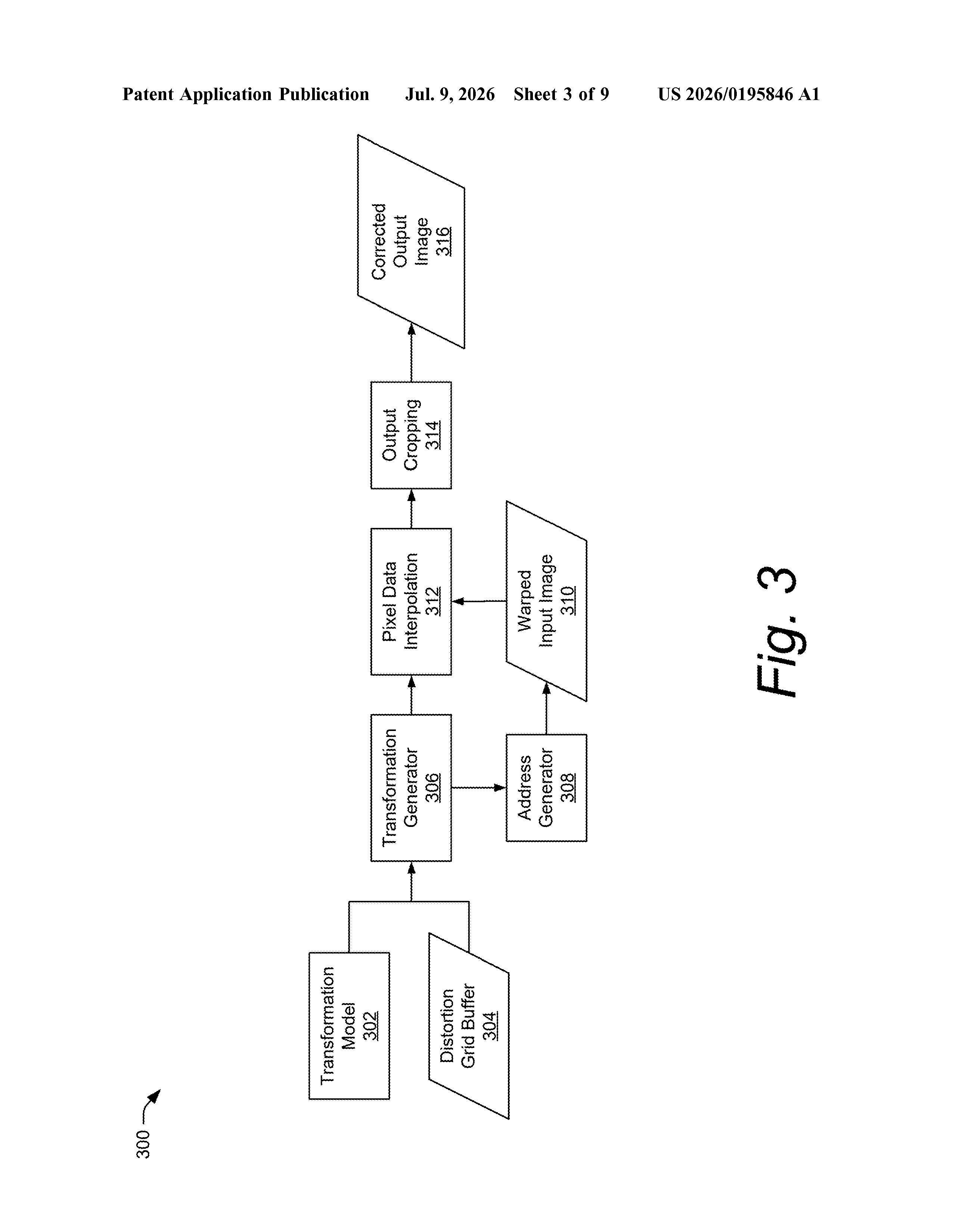
The patent covers a hardware-level component Google calls a cache-optimized warp engine. A warp engine is the part of a chip responsible for taking a distorted input image and producing a geometrically corrected output image, pixel by pixel.
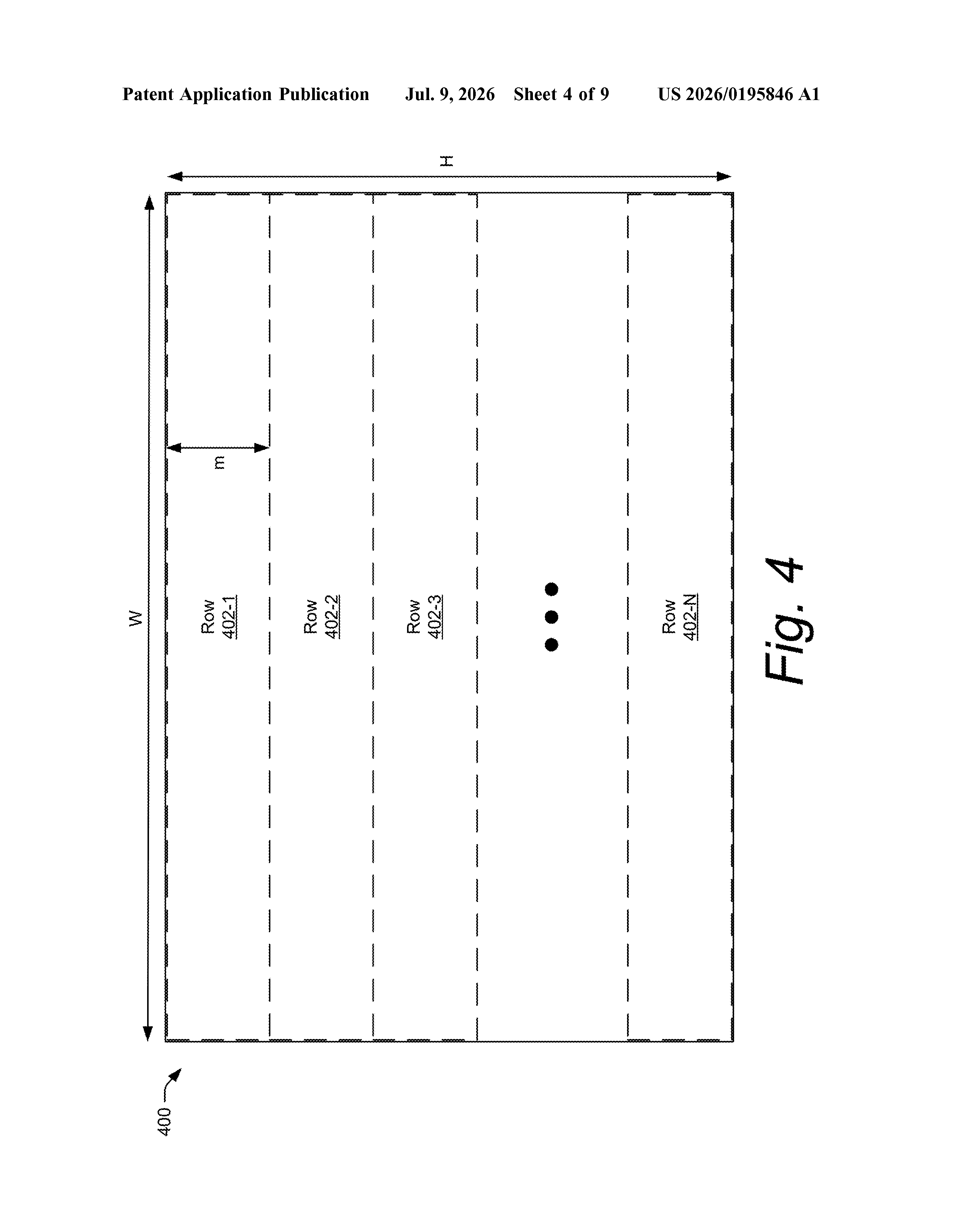
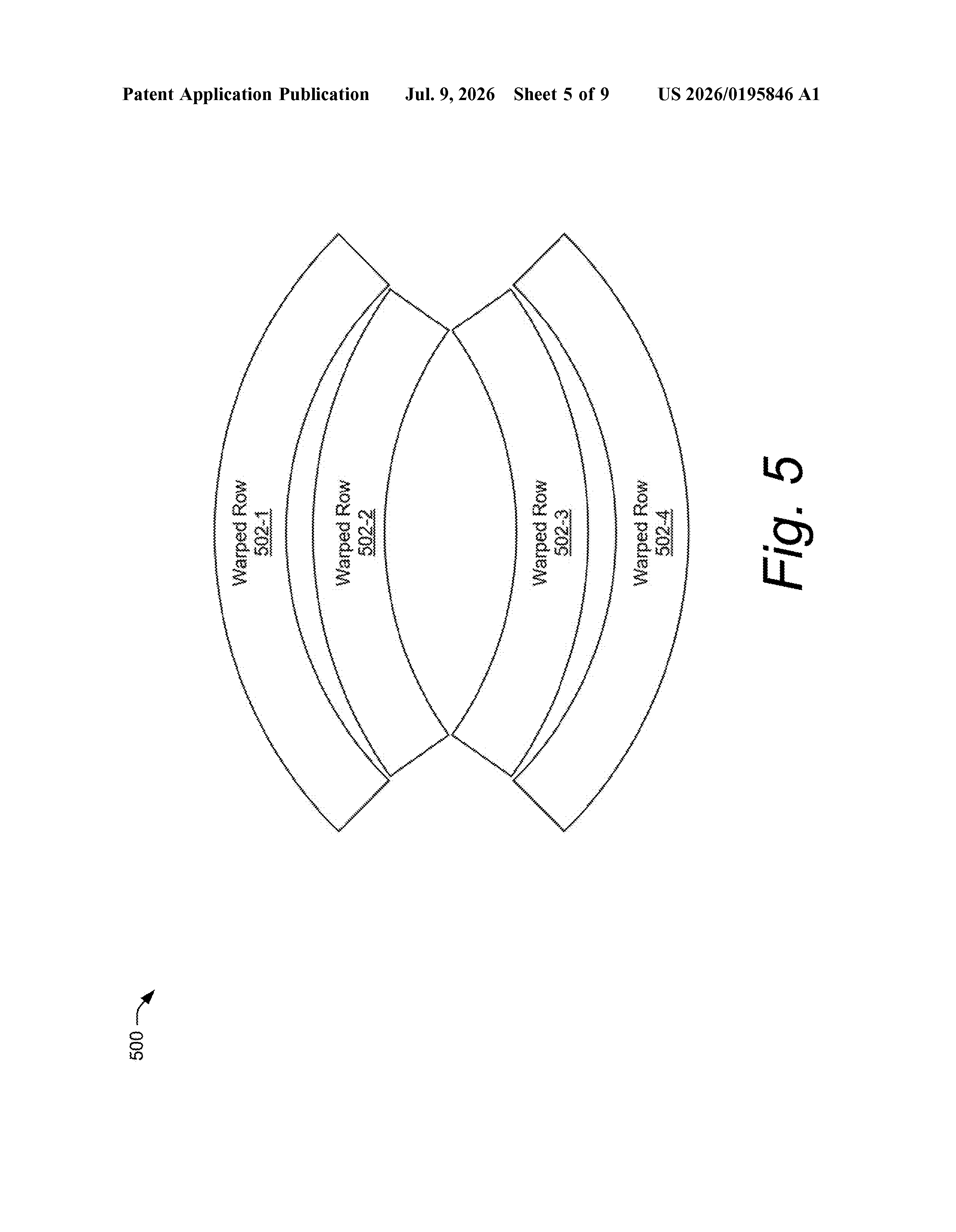
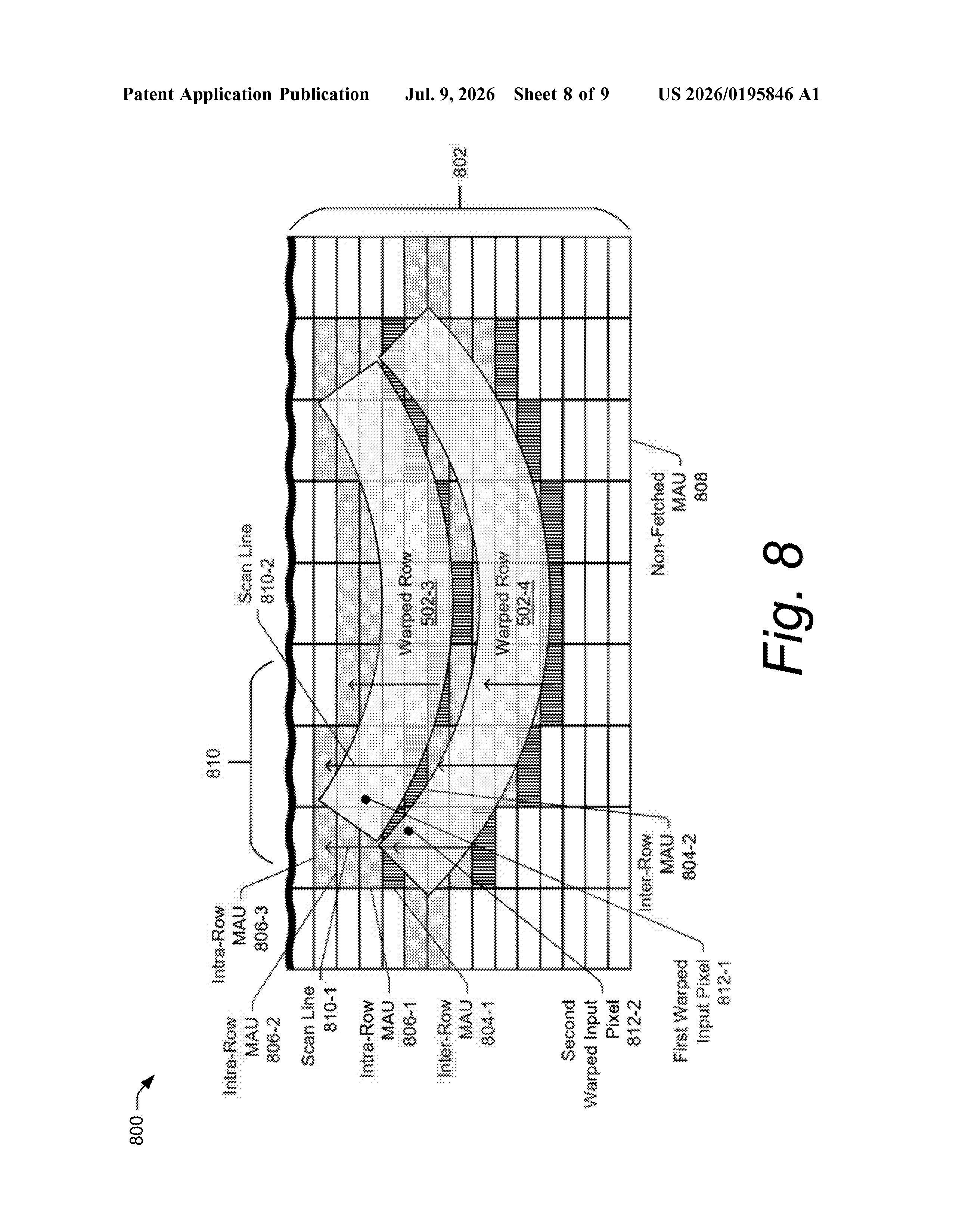
The key invention is in how it scans the pixel data. Rather than reading pixels in a naive left-to-right, top-to-bottom order, the warp engine follows a carefully chosen coordinate sequence that divides the image into rows and alternates direction (for example, left-to-right on one row, right-to-left on the next). This zigzag pattern is designed so that the pixels needed to correct any given output pixel are very likely to already be sitting in one of two cache memories (small, extremely fast storage banks located right on the chip).
The engine splits work across two caches simultaneously:
- Cache one holds a first batch of pixel data and the engine calculates the corrected values for that region.
- Cache two holds a second batch, processed in parallel or in tight sequence.
- The final corrected image is assembled and written out to system memory (the main, slower RAM).
By keeping the data the engine needs close at hand, the design avoids the expensive round-trips to system memory that would normally stall processing. The claim covers the scanning pattern itself, the dual-cache loading strategy, and the output assembly step.
What this means for real-time camera processing on Pixel devices
Lens distortion correction happens constantly in modern cameras: during video recording, in portrait mode, in wide-angle computational photography, and in real-time viewfinder previews. Any reduction in the memory bandwidth required to do that correction frees up chip resources for other tasks or reduces how hard the processor has to work, which directly affects battery life.
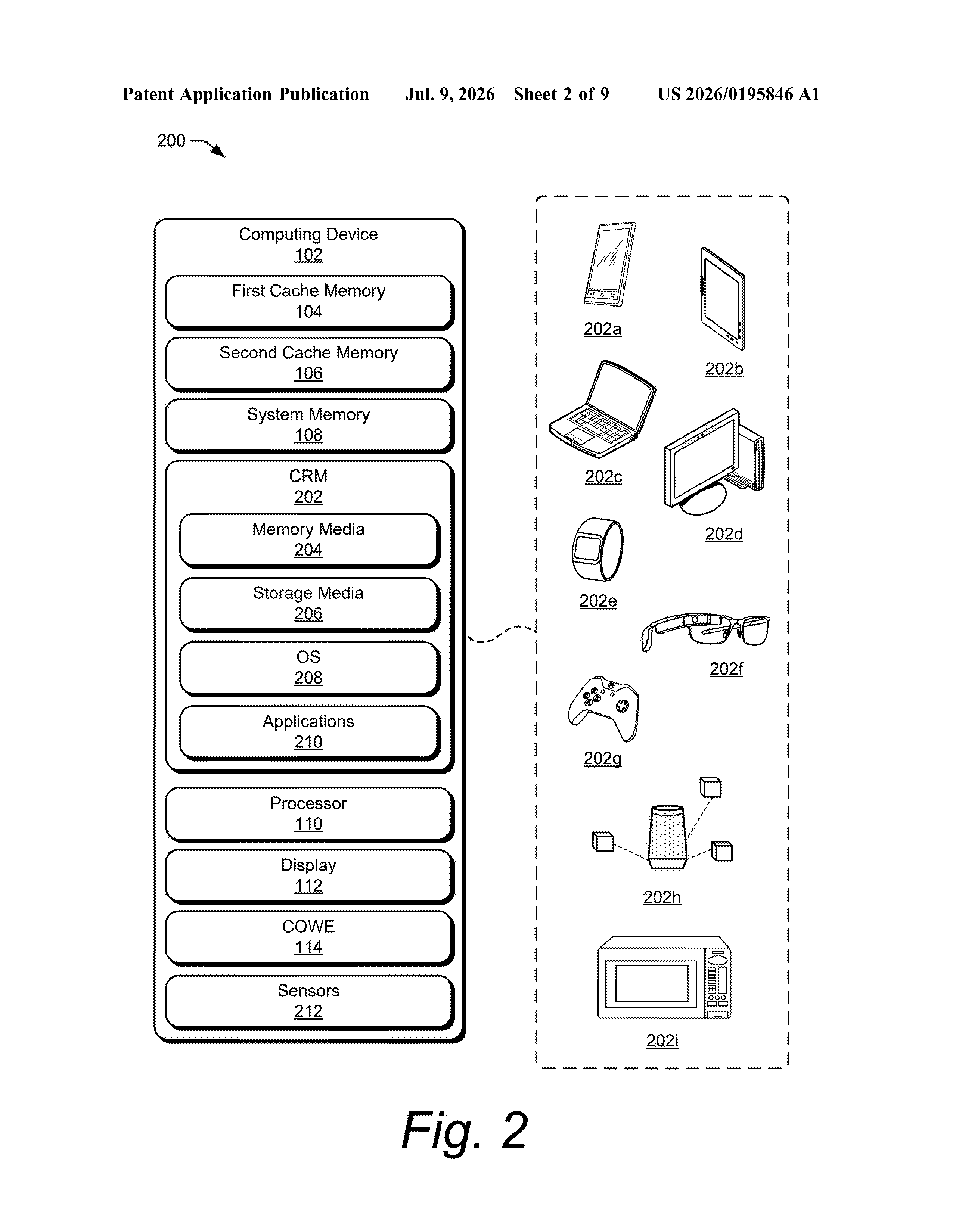
For Google, which designs its own Tensor chips for Pixel phones, owning a patent on a more efficient warp engine architecture is a meaningful hardware differentiator. If this design makes it into a future Tensor generation, the practical effect could be faster or higher-resolution lens corrections in Pixel cameras without a corresponding power penalty. It also has relevance beyond phones: any device with a camera and constrained memory bandwidth, including AR glasses or dash cameras, would benefit from the same approach.
This is low-glamour chip plumbing, but it's the kind of plumbing that determines whether a camera feature feels instant or sluggish. Google has been pouring serious engineering effort into its custom silicon, and a patent like this shows the granular level at which that work happens. Worth a footnote if you follow Pixel hardware closely.
Get our take in your Top Stories
Liked this breakdown? Add Patentlyze as a preferred source on Google, and our plain-English take shows up more often in your Top Stories the next time Google patent news breaks.
There are more where this came from
We read every patent application Big Tech publishes and send you the ones worth knowing. Plain English, free, every week.
The drawings
9 drawing sheets from US 2026/0195846 A1 · click any drawing to enlarge
Want this weekly breakdown for a company we don't cover? Patentlyze Pro →