
Amazon Patents a System That Forces Cloud Access Steps Into a Fixed Order
What if a stolen cloud key became nearly useless because it could only be used in one very specific order? That's the core idea behind Amazon's latest security patent.
What Amazon's ordered cloud credentials actually do
Imagine you get a valet key for your car, but this key only works in a specific order: it can open the door first, then start the engine, but it cannot start the engine before the door is opened. Any attempt to skip steps or reverse the order is automatically rejected.
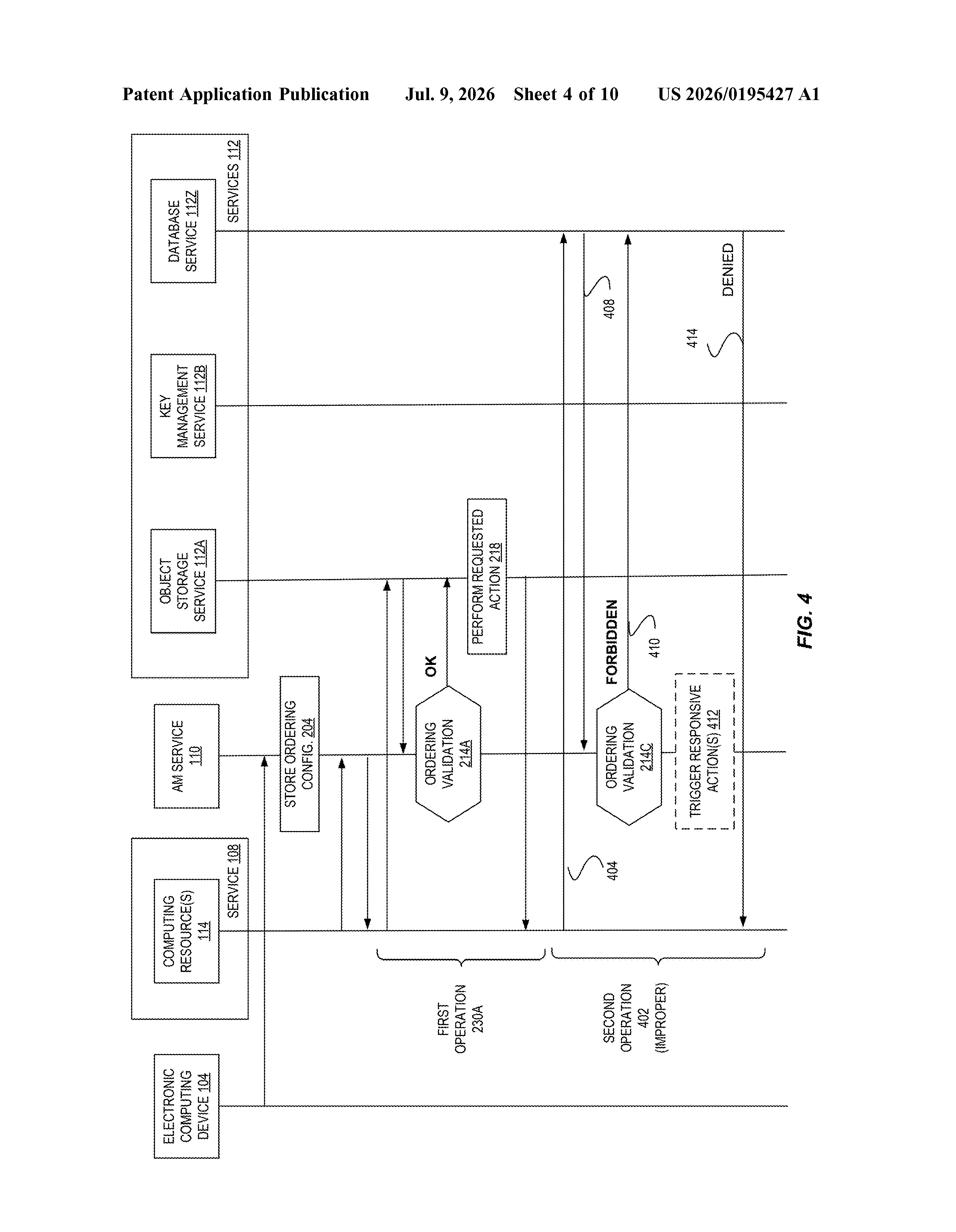
Amazon is building something like that for its cloud services. When a program running on AWS needs temporary permission to access other services, the system now records the exact order those accesses are supposed to happen. If anything tries to use those credentials in the wrong sequence, access is denied.
The goal is to make life much harder for attackers who steal credentials. Even with a valid key, an attacker wouldn't know the expected sequence of calls the original program makes, so their attempts would be blocked automatically.
How the AM service enforces the action sequence
This patent describes a capability inside Amazon's Access Management (AM) service, which is the system that issues and validates temporary credentials inside AWS (Amazon's cloud platform).
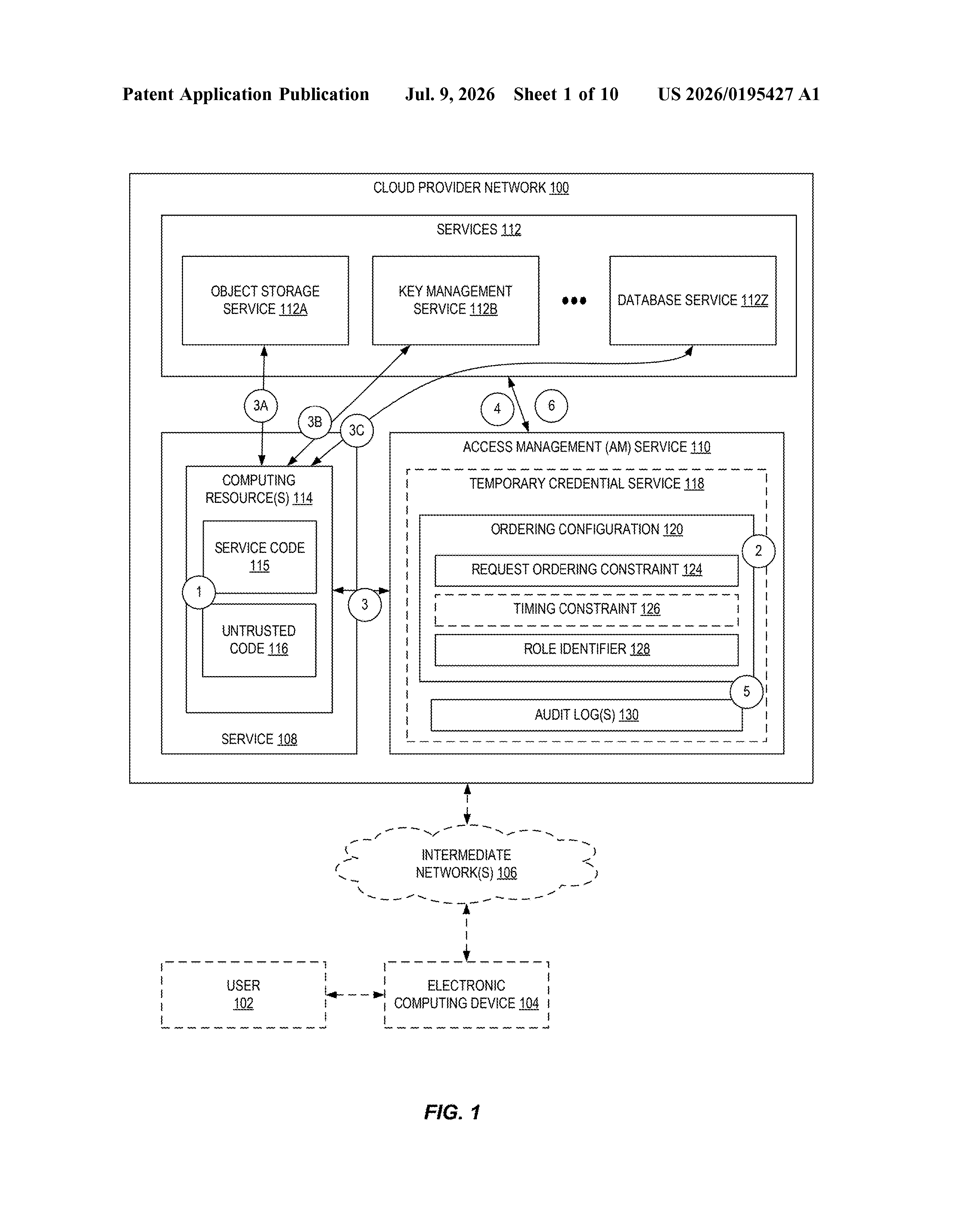
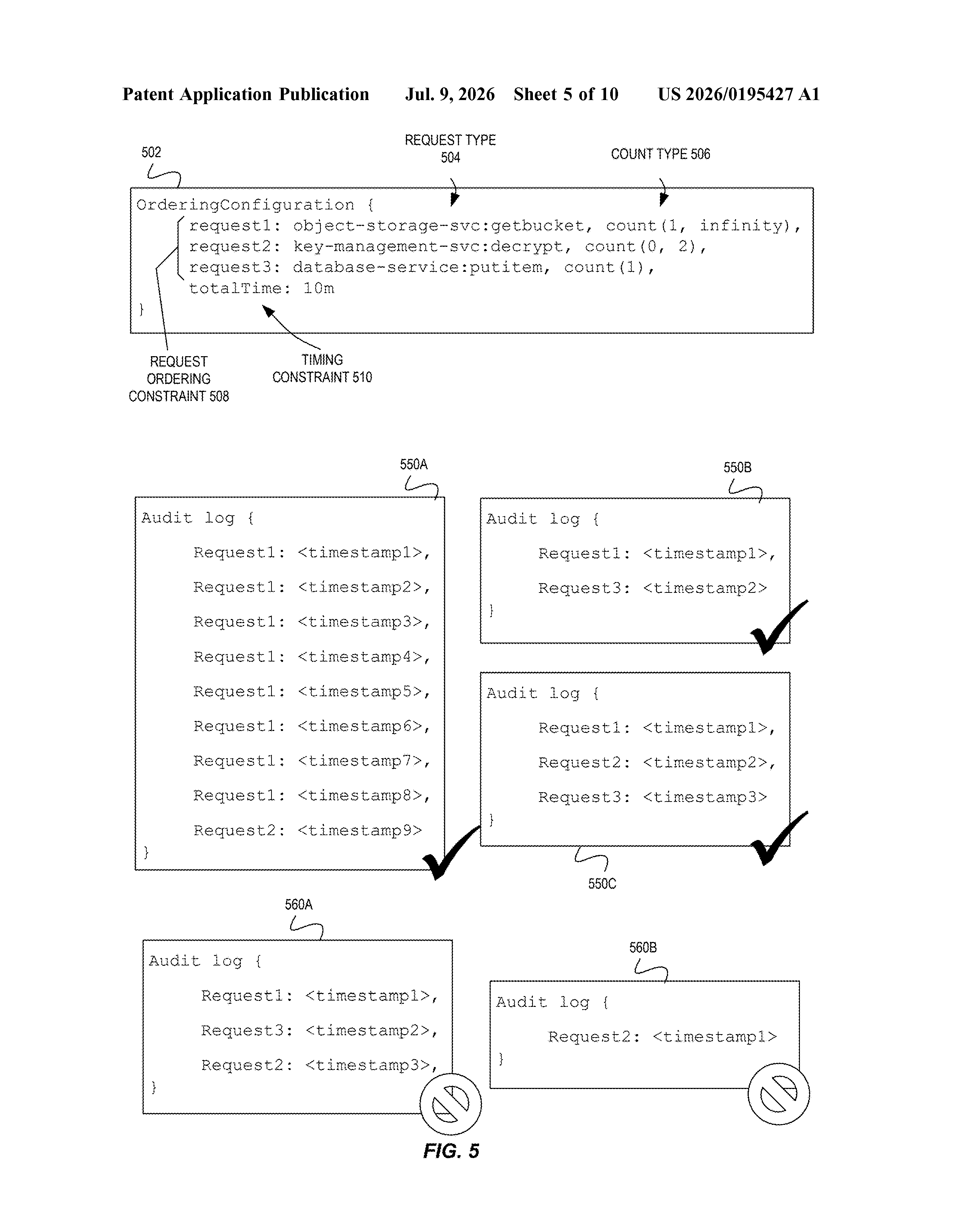
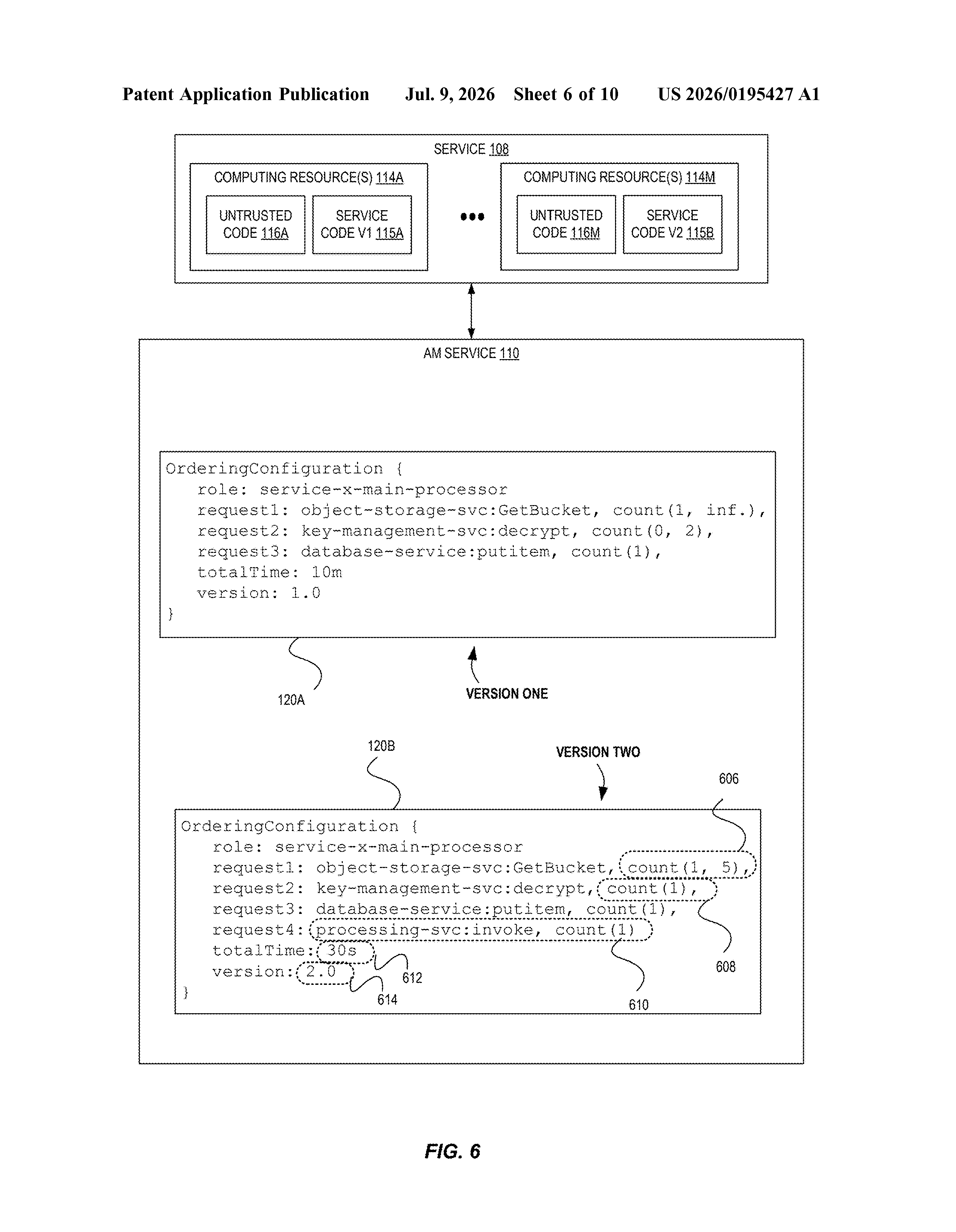
Here's what's new: normally, a temporary credential just says "this program is allowed to call these services." Under this patent, the credential also carries an ordering configuration, which is a set of rules about the sequence in which API calls (requests one service sends to another) must happen. An API call is simply a formal request one piece of software sends to another asking it to do something.
The flow works like this:
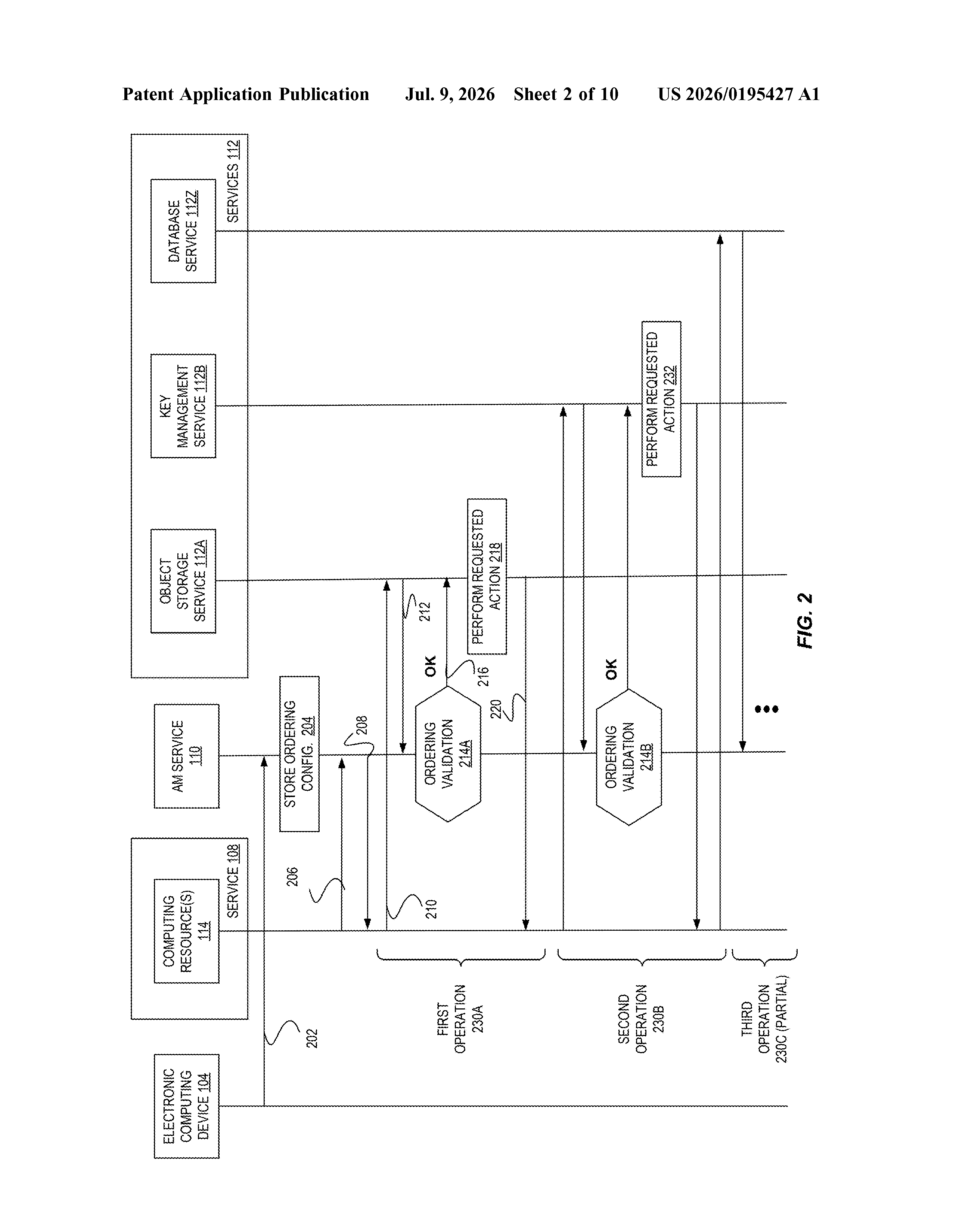
- A compute instance (a running program or virtual machine) asks for a temporary credential to act in a certain role.
- The AM service issues that credential along with the ordering rules.
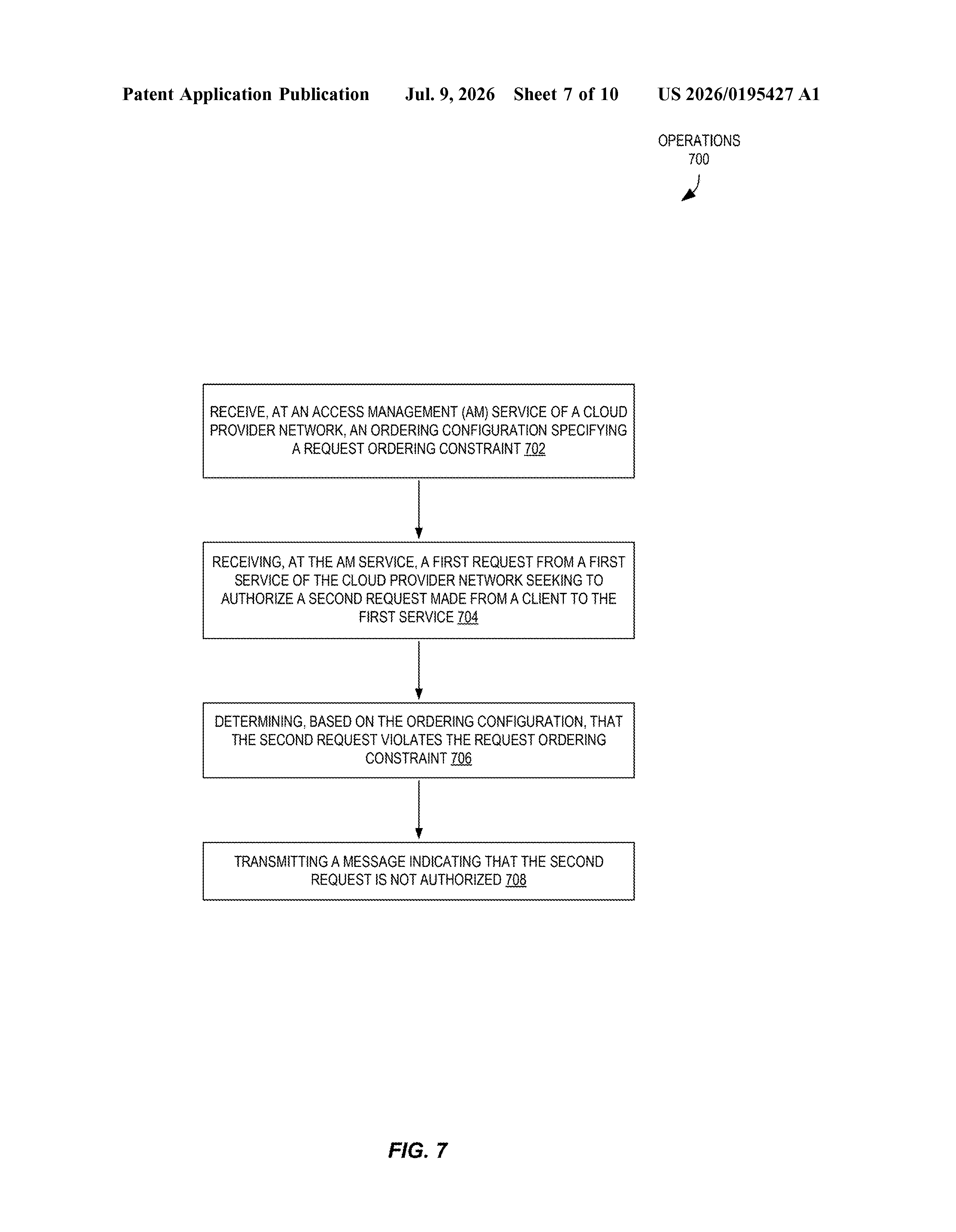
- When the compute instance then talks to another service, that service checks with the AM service: "is this request allowed?"
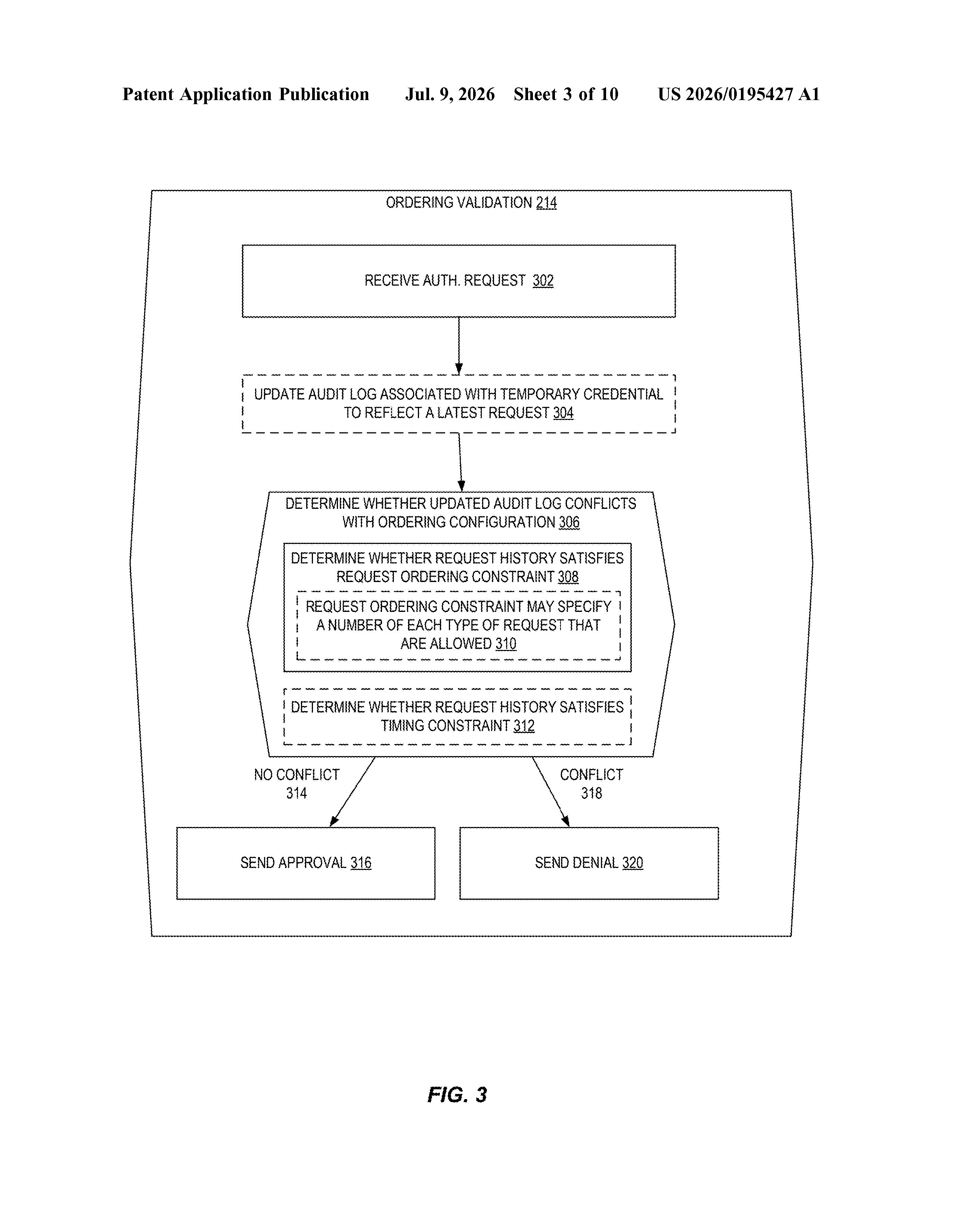
- The AM service looks at what requests have already been made using that credential and compares the history against the ordering configuration.
- If the current request would violate the sequence, it is denied.
This is built specifically for zero-trust architectures, which are security designs where no program or user is trusted by default, and every single action must be verified independently.
What this means for stolen cloud credentials
Credential theft is one of the most common ways attackers move around inside cloud environments. Once they grab a temporary token, they can impersonate the legitimate program and access whatever that token permits. Ordering constraints add a layer that a stolen token alone cannot satisfy, because an attacker would also need to know and replicate the exact behavioral sequence the original program follows.
For companies running sensitive workloads on AWS, this could translate into a meaningful reduction in the blast radius of a compromised credential. It also fits squarely into Amazon's broader push to make AWS zero-trust tooling more granular, giving security teams finer control over exactly how automated systems are allowed to behave.
This is solid, specific security engineering rather than a flashy announcement. Behavioral sequencing on credentials is a real gap in how cloud IAM works today, and Amazon filing on this suggests it may be working toward a native AWS feature rather than leaving it to third-party tools. Security and compliance teams at large enterprises should keep an eye on this one.
There are more where this came from
We read every patent application Big Tech publishes and send you the ones worth knowing. Plain English, free, every week.
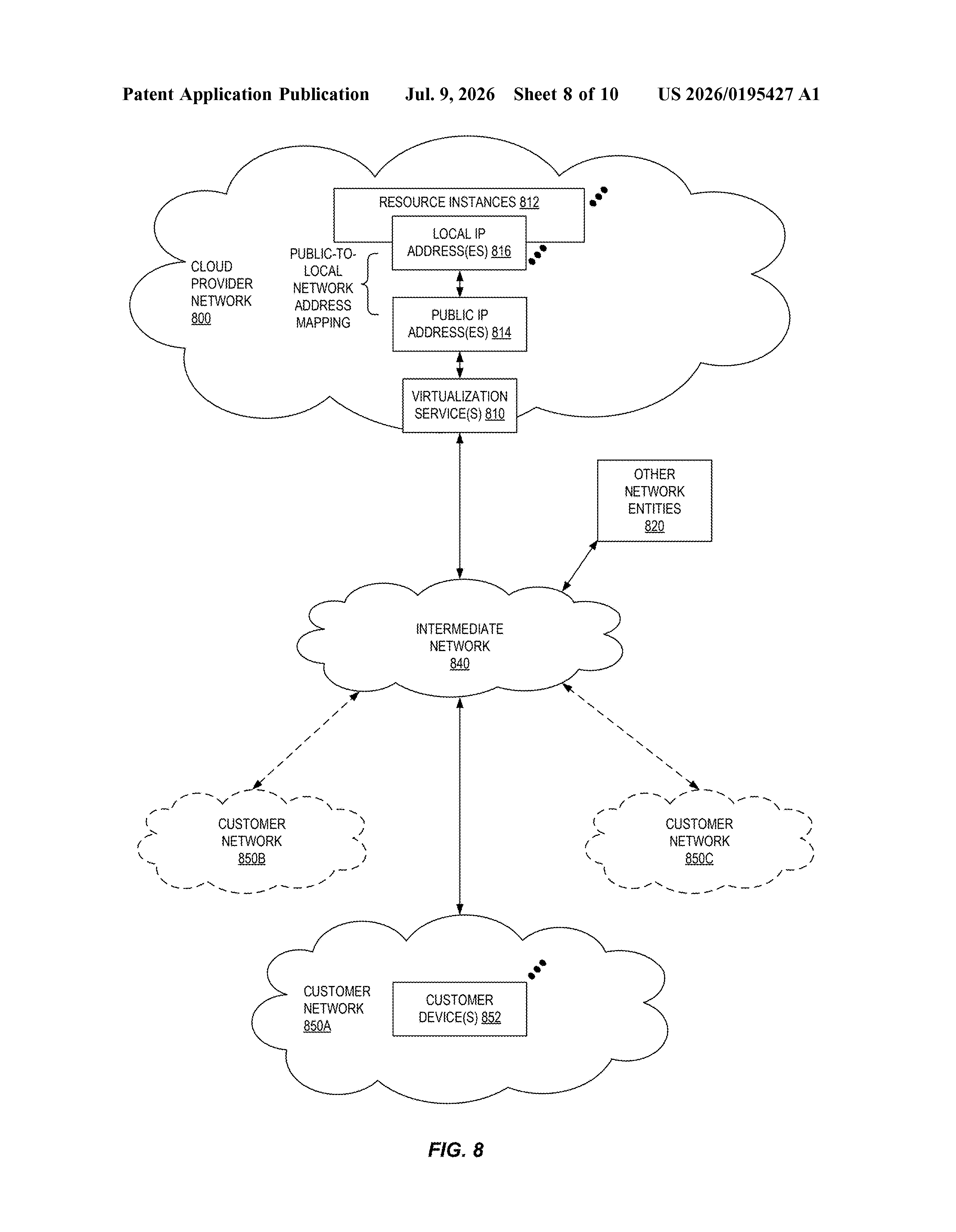
The drawings
10 drawing sheets from US 2026/0195427 A1 · click any drawing to enlarge
Want this weekly breakdown for a company we don't cover? Patentlyze Pro →
Be the first to weigh in