
Nvidia Patents a System That Sends Computing Tasks Through the Fastest Available Connections
When you're running a massive AI job across hundreds of chips, the speed of the cables and connections between those chips matters just as much as the chips themselves. Nvidia's new patent is about making sure the right hardware is always paired with the right job.
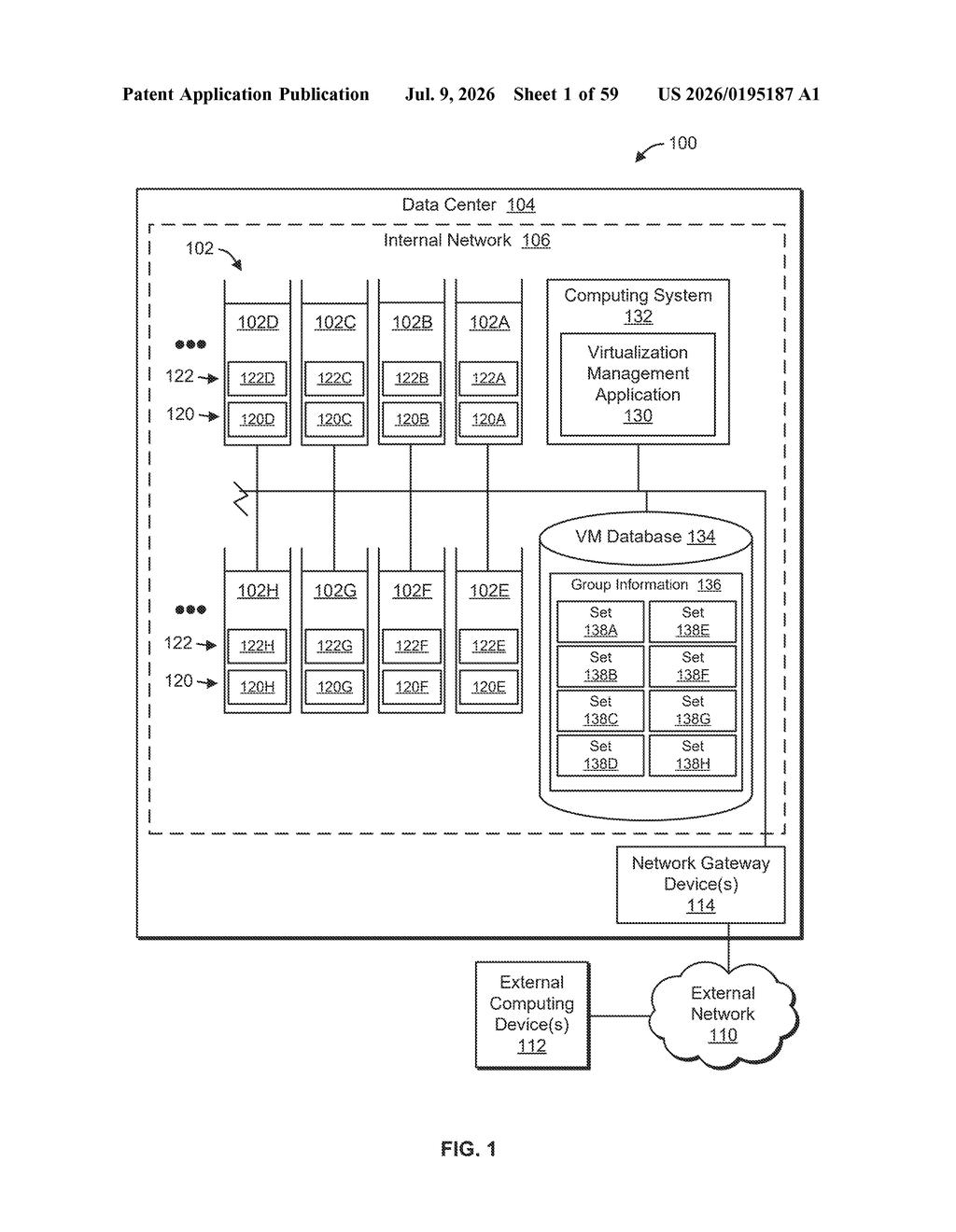
How Nvidia's path-aware workload picker actually works
Imagine you're moving furniture with a few friends. You'd naturally pair people who are standing near each other to carry the heavy couch, not two people at opposite ends of the house. Nvidia's patent applies the same logic to data centers full of GPUs and CPUs.
When a big AI training job arrives, the system measures how fast each possible connection between hardware components actually is, then picks the group of chips that are best connected to each other for that specific task. It then builds a virtual computing environment around that chosen group.
The result is that the job runs on hardware that was selected because its internal communication paths are fast, not just because some servers happened to be available. For you as a cloud customer, this could mean faster job completion times and fewer bottlenecks.
How the processor maps hardware topology to virtual machines
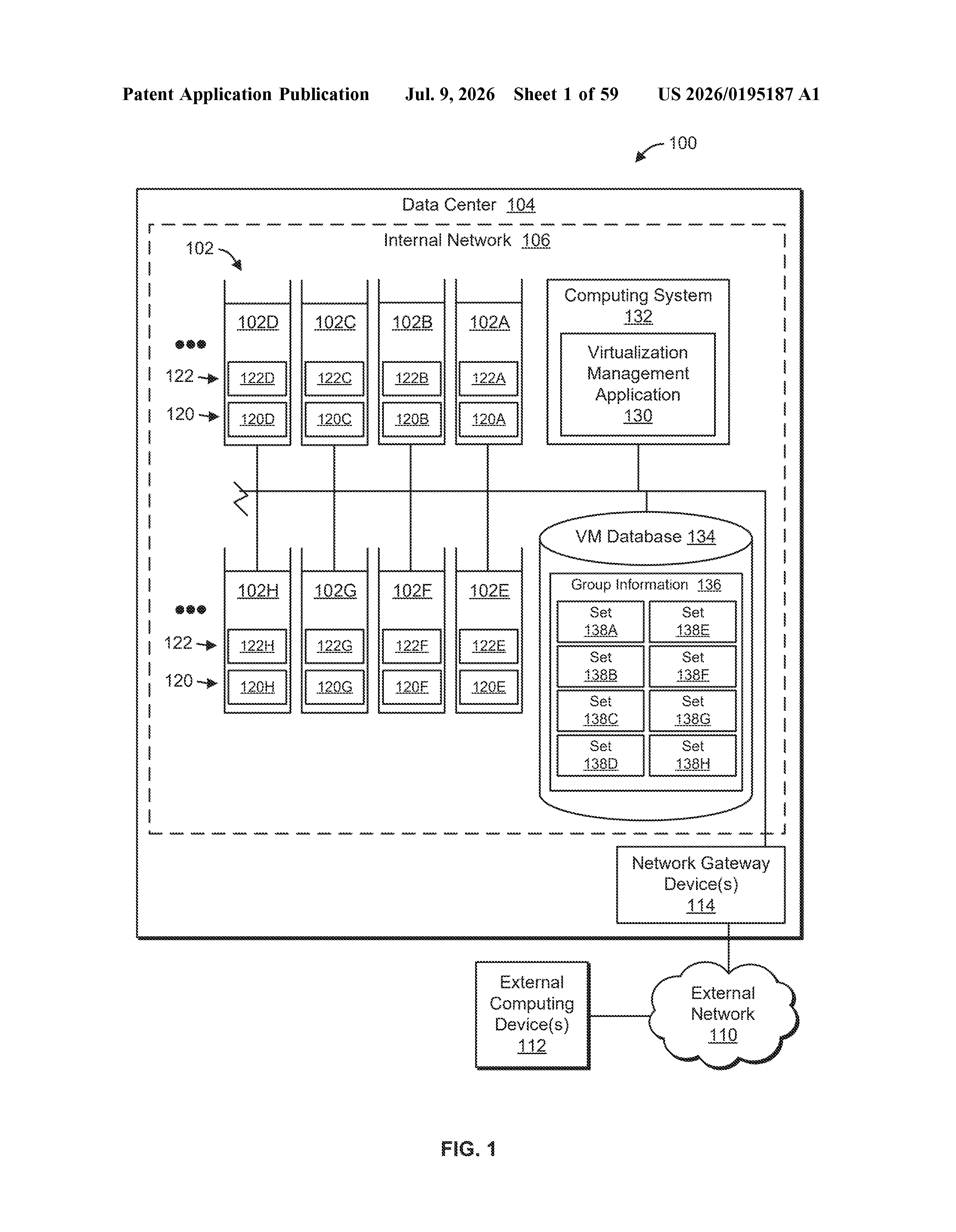
The patent describes a processor-level system that manages virtual machine (VM) placement in data centers by factoring in the physical network topology between hardware components.
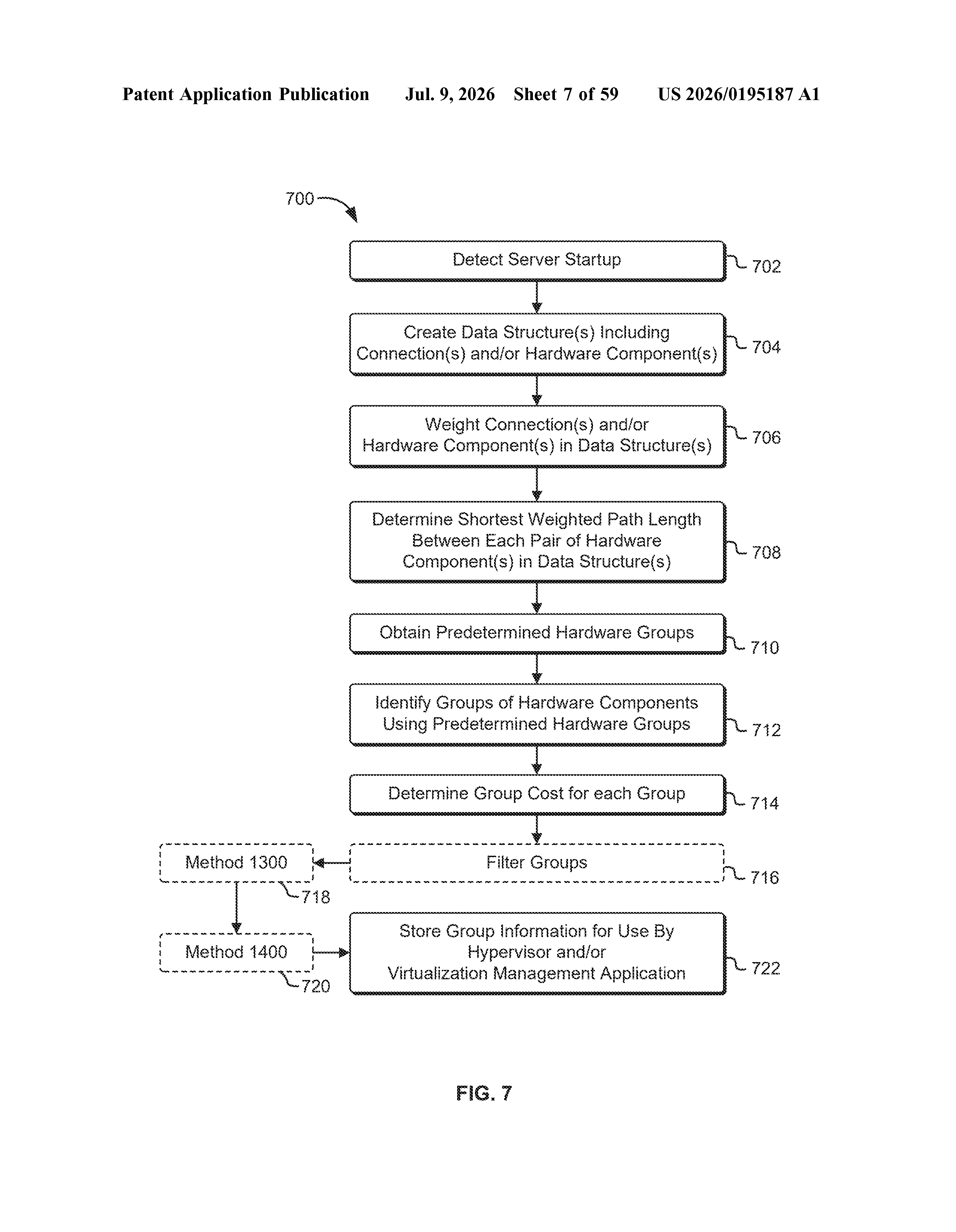
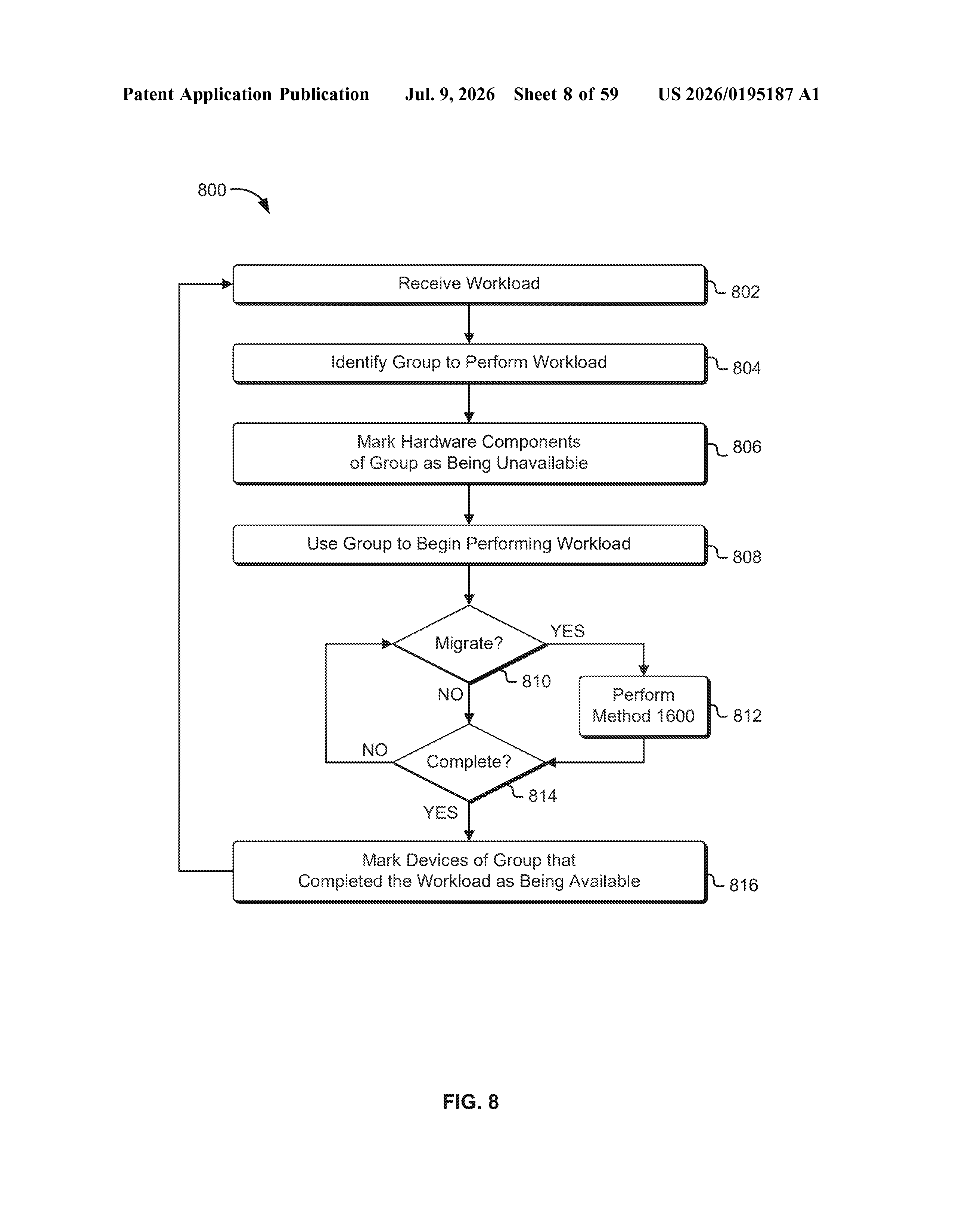
Here's the sequence:
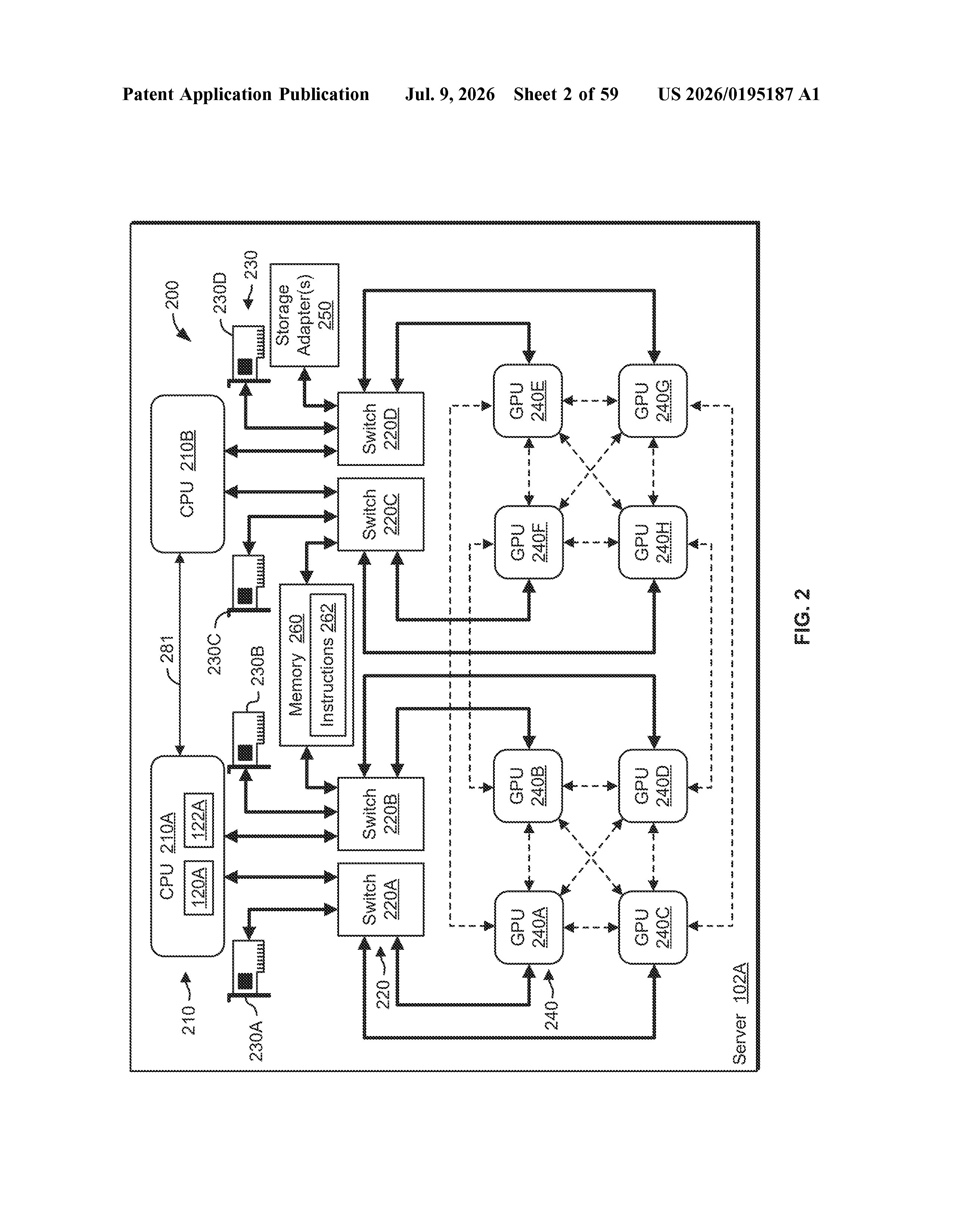
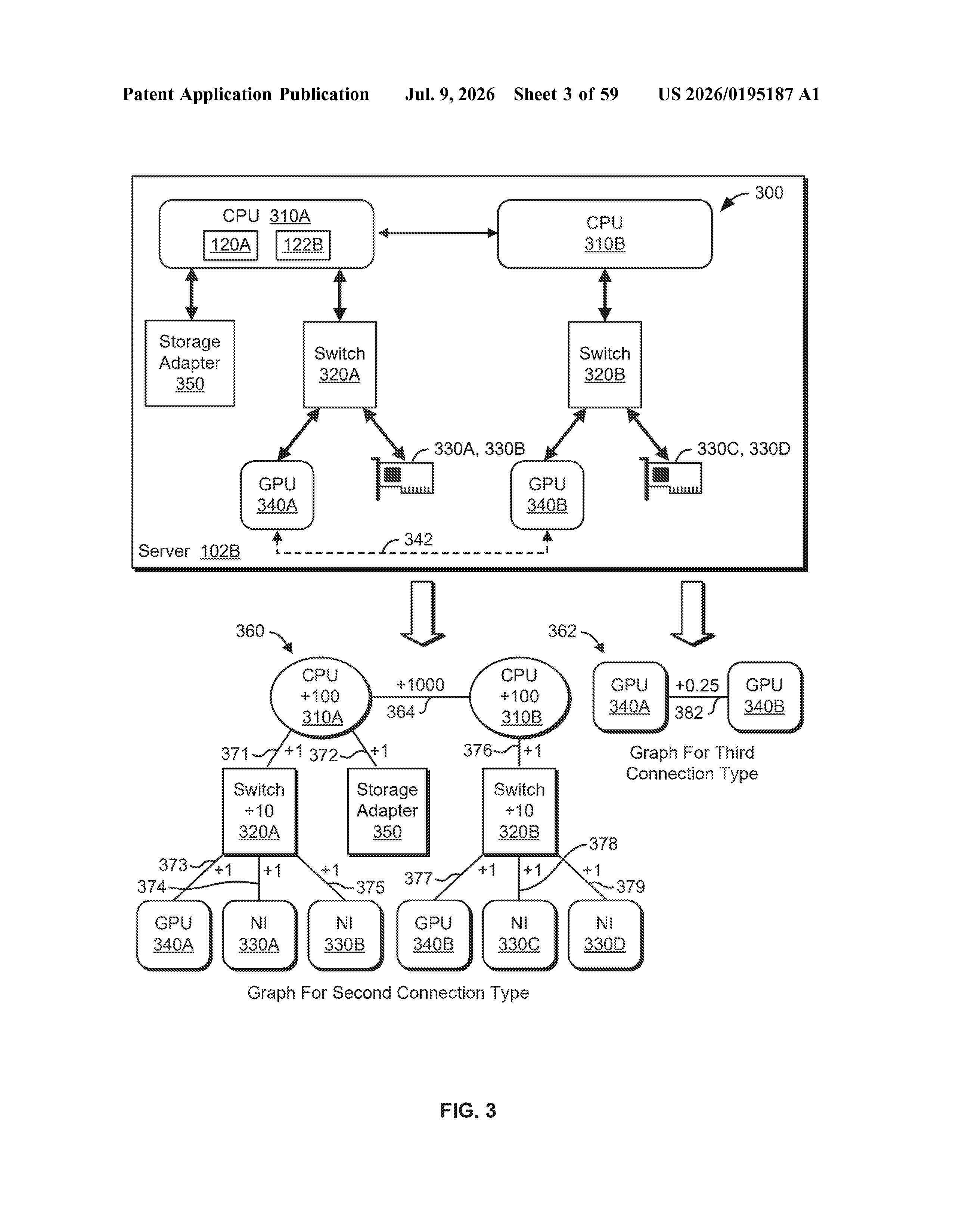
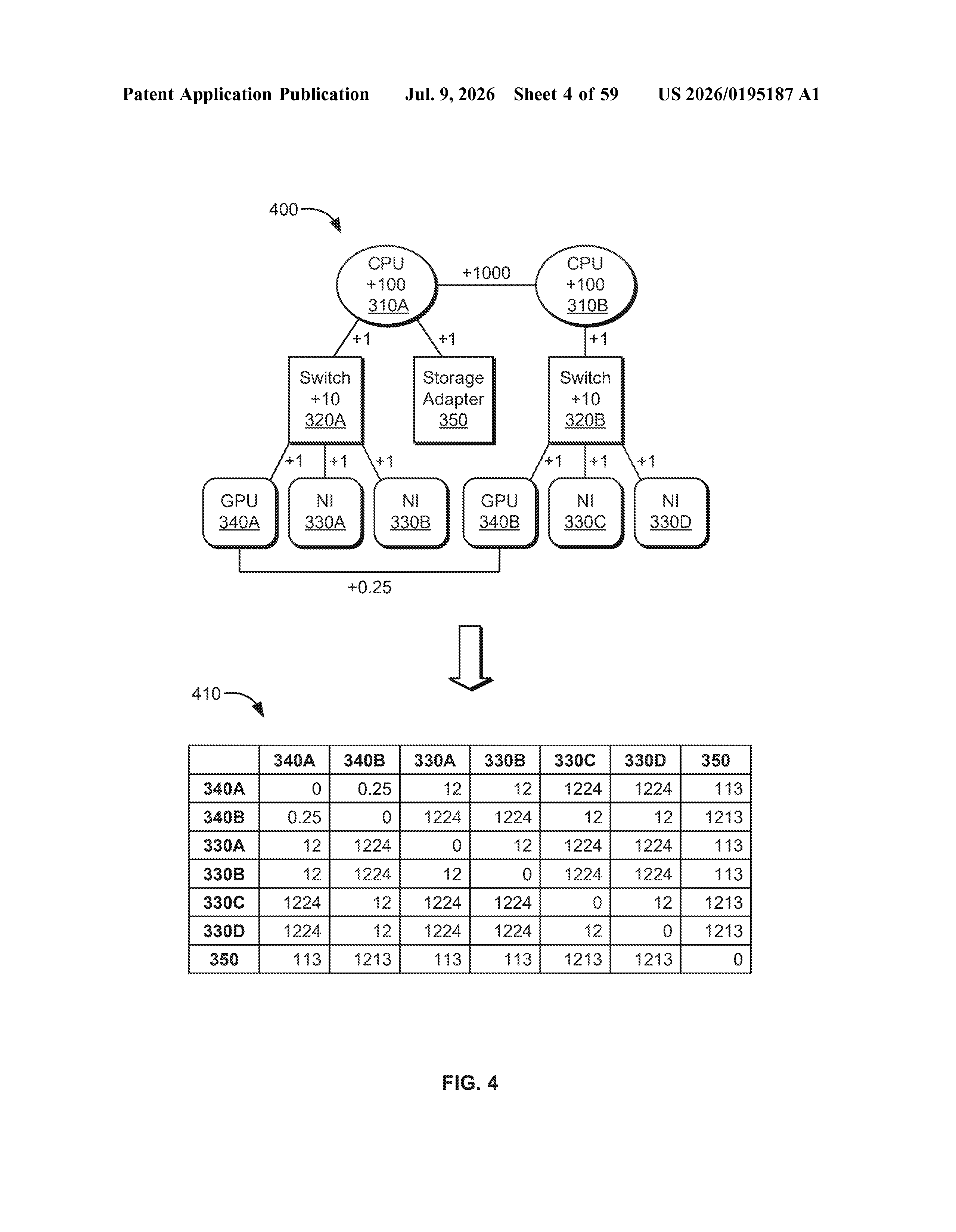
- Measure path performance: The system determines the expected performance of every possible path between hardware components (think: how fast can GPU A send data to GPU B versus GPU C?).
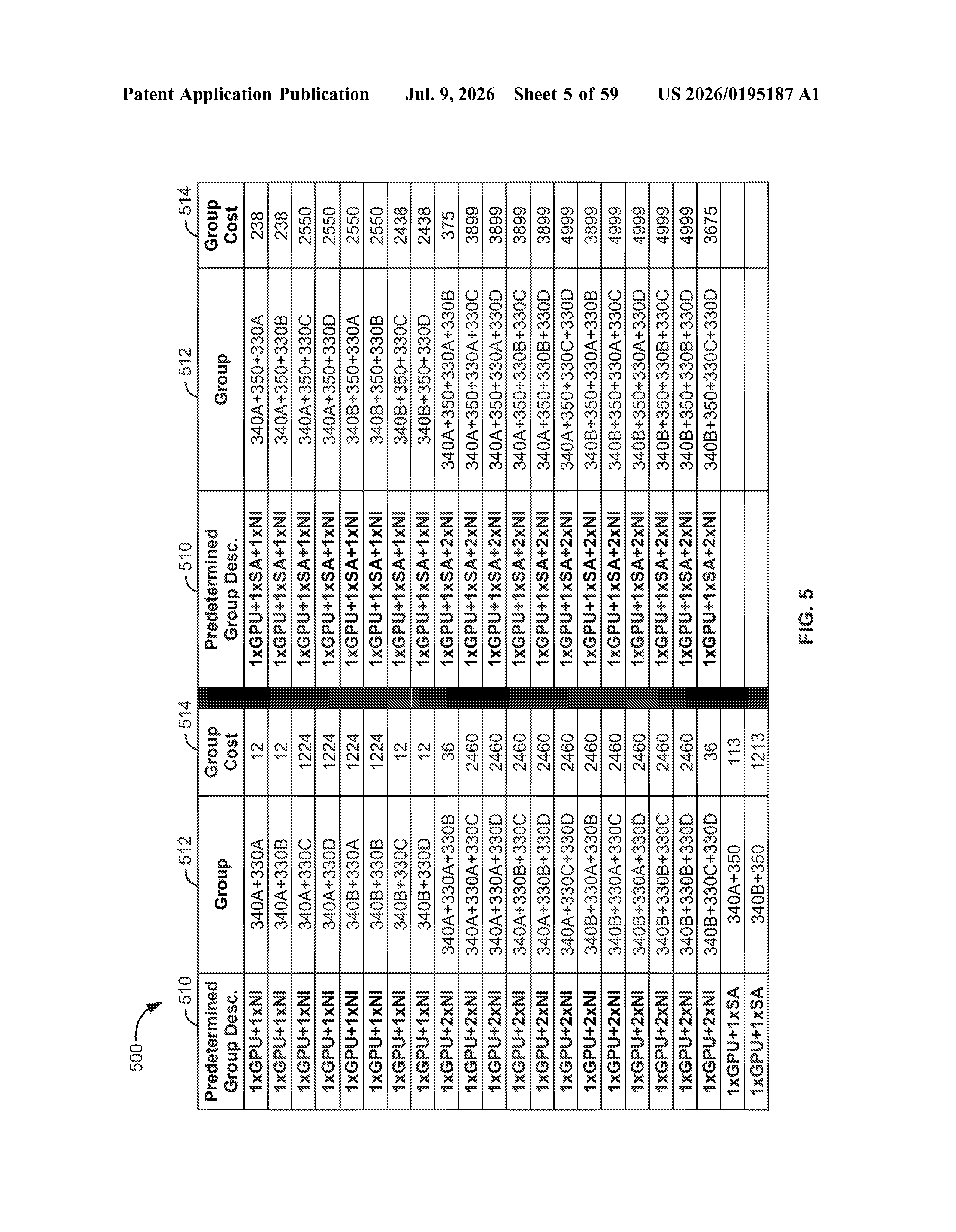
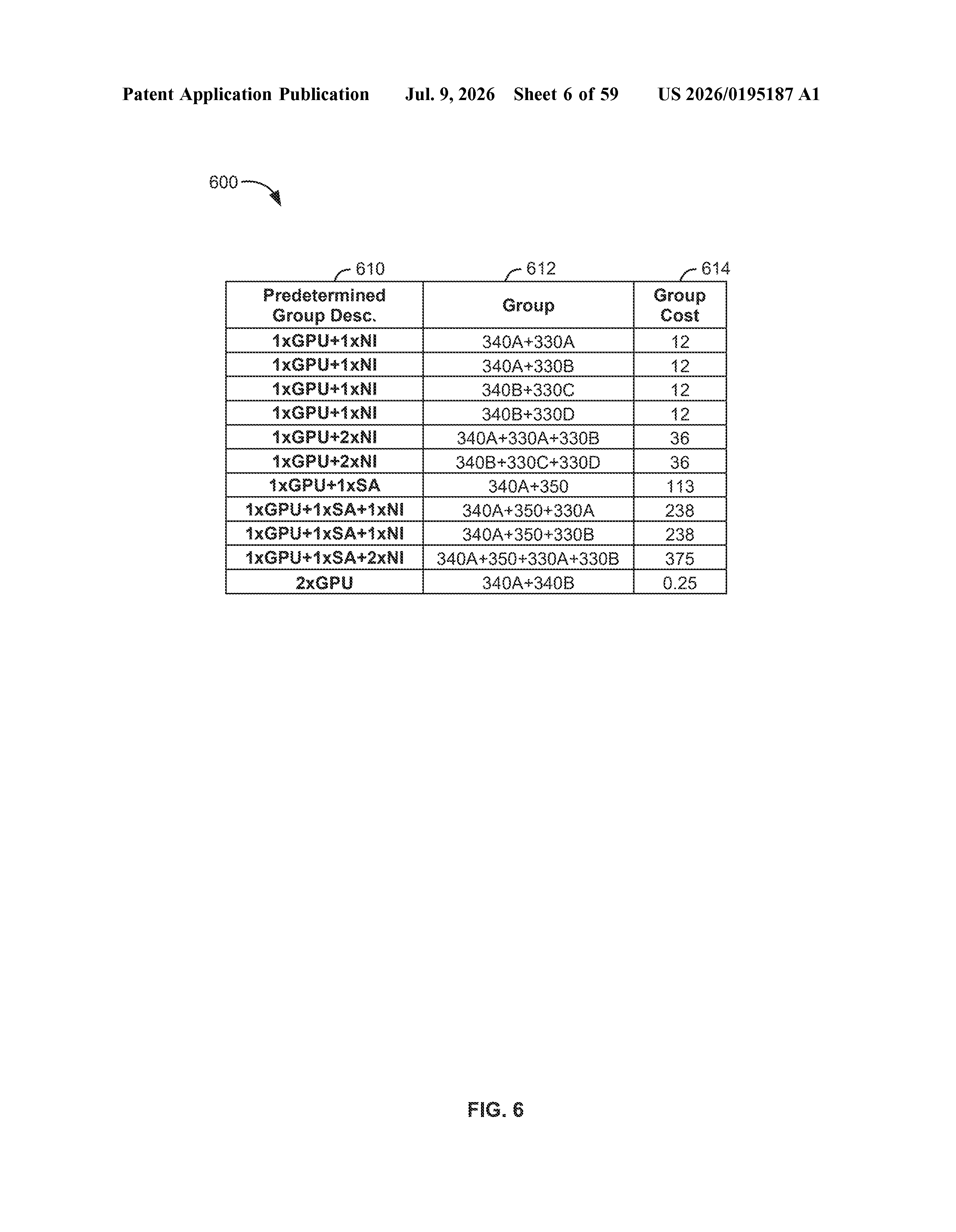
- Select the best group: It then picks a cluster of hardware components whose interconnect speeds are best suited to the incoming workload.
- Topology-aware mapping: The selected hardware is mapped into a virtual environment (VMs or containers) in an order that reflects the actual physical relationships between those components, meaning the virtual layout mirrors the real hardware layout.
- Execute: The workload runs inside that purpose-built virtual environment, using hardware that was chosen specifically because its links are fast enough for the job.
The key idea is the topology-aware mapping step. Most VM schedulers treat all available hardware as roughly equivalent. This system treats the connections between hardware as a first-class metric, not an afterthought.
What this means for AI data center efficiency
In AI training and inference, data has to move constantly between GPUs. If those GPUs are connected by a slow link (a congested network switch, a longer PCIe path), the whole job slows to a crawl waiting on that bottleneck. Picking hardware based on connection speed, not just availability, directly attacks that problem.
For Nvidia, which sells both the GPUs and the data center networking gear (InfiniBand, NVLink), this patent positions the company to offer software that makes its own hardware ecosystem look even better. Cloud providers running Nvidia clusters could use a system like this to improve GPU utilization and reduce the time customers wait for their jobs to finish.
This is unglamorous but genuinely useful infrastructure work. The idea that virtual machine placement should respect physical hardware topology has been a known problem in HPC and AI clusters for years. Nvidia patenting a specific processor-level implementation here is a smart defensive move that ties its software stack closer to its hardware ecosystem.
Get our take in your Top Stories
Liked this breakdown? Add Patentlyze as a preferred source on Google, and our plain-English take shows up more often in your Top Stories the next time Nvidia patent news breaks.
There are more where this came from
We read every patent application Big Tech publishes and send you the ones worth knowing. Plain English, free, every week.
The drawings
59 drawing sheets from US 2026/0195187 A1 · click any drawing to enlarge
Want this weekly breakdown for a company we don't cover? Patentlyze Pro →