
Samsung Patents a Coordinated Power-Failure Shield for Multi-Drive Storage Systems
When a server loses power mid-write, the data in transit can vanish or get corrupted. Samsung's new patent describes a way for every drive in a multi-drive system to share a single backup power reserve and automatically carve out the right amount of protected memory to survive that moment.
What Samsung's power-loss memory shield actually does
Imagine you're working on a document and the power cuts out before you hit save. Now imagine that happening inside a data center server with dozens of drives writing data at the same moment. That's a real and costly problem.
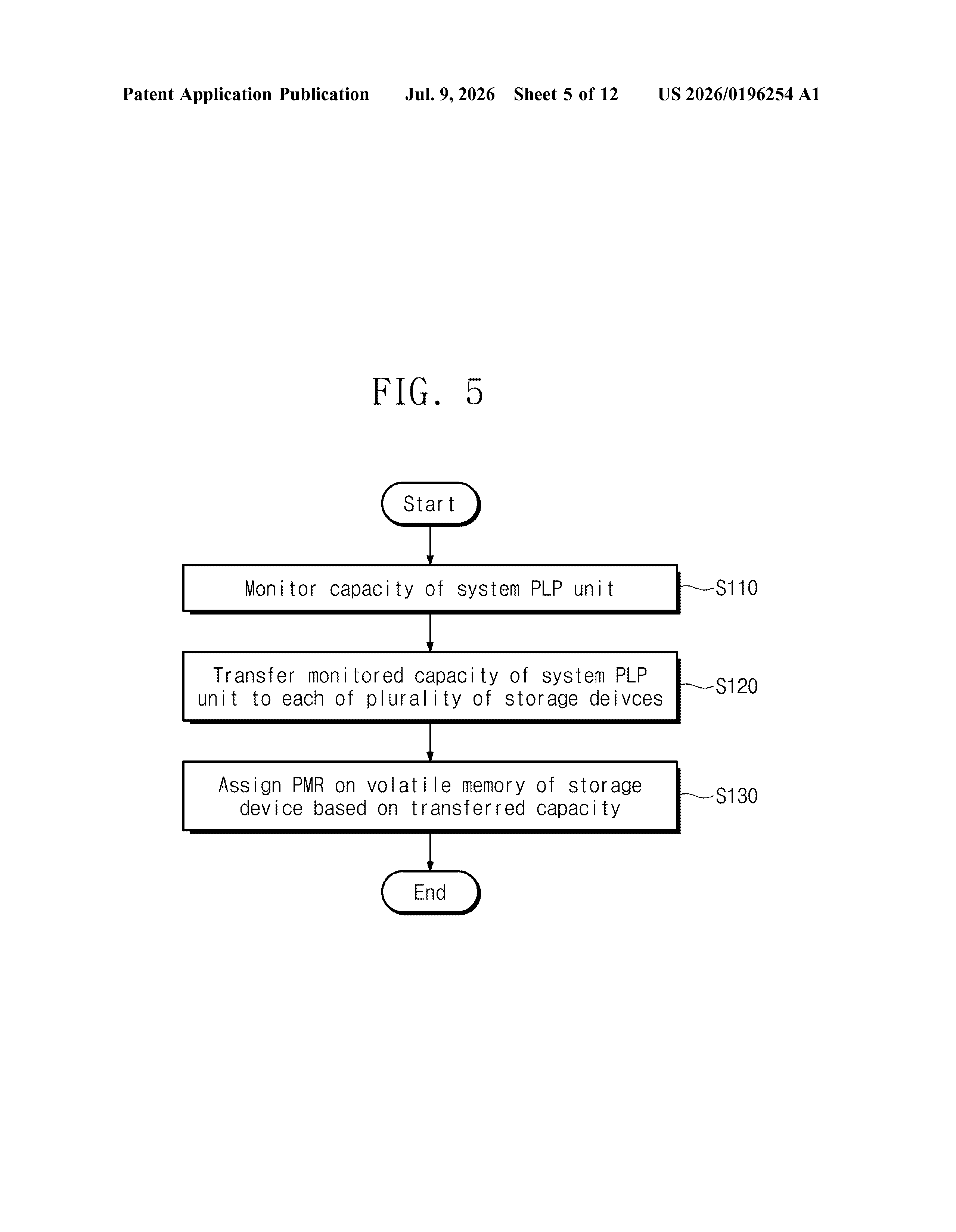
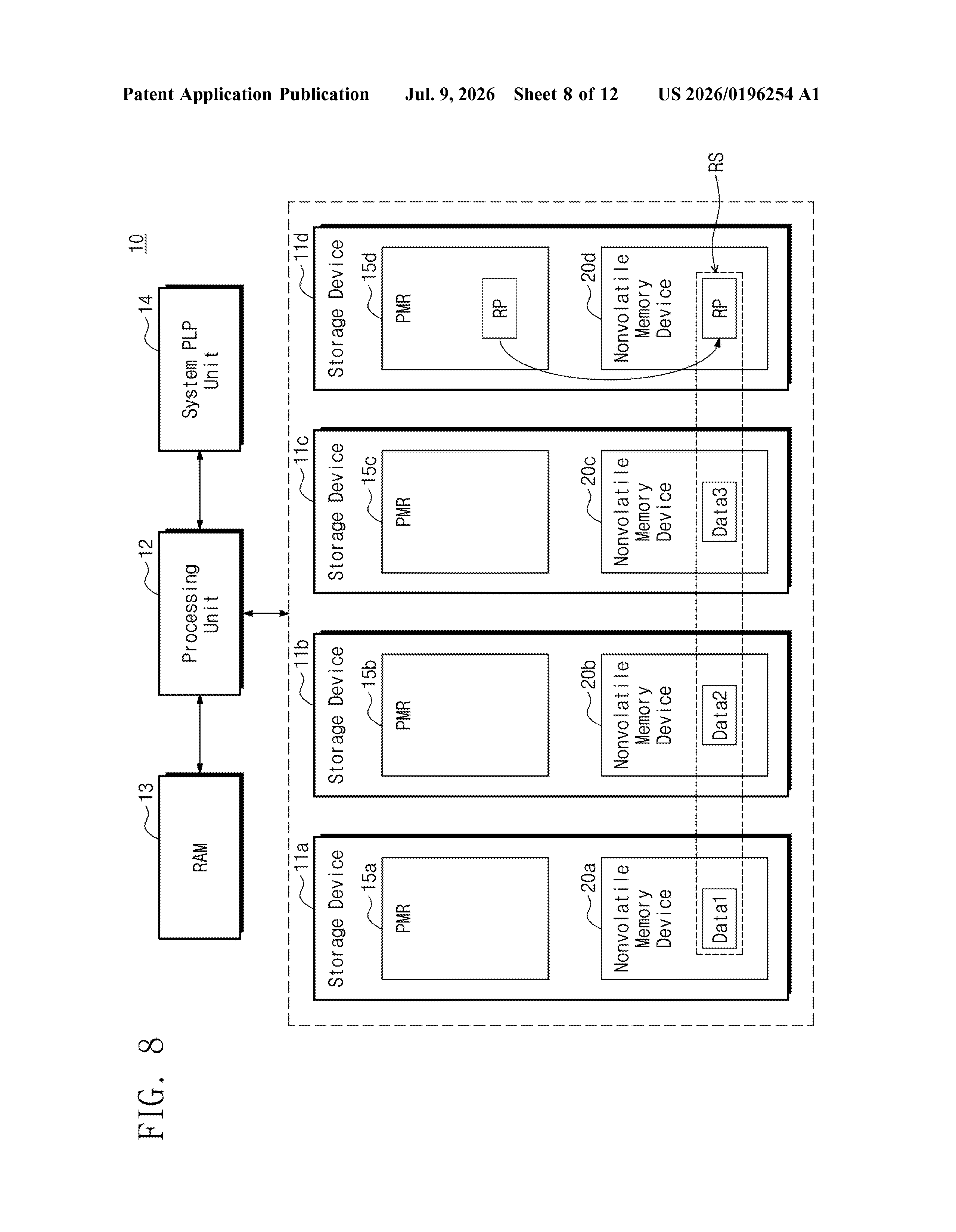
Samsung's patent describes a system with a single shared "emergency battery" for the whole storage setup. When power drops, that backup supply kicks in just long enough for each drive to finish writing whatever was in transit. The clever part is that each drive figures out how much protected memory space to reserve based on how much backup power is actually available, so nothing is wasted and nothing is left unprotected.
The result is a coordinated safety net across all the drives in a system rather than each drive trying to fend for itself independently.
How each drive sizes its safe-save zone from one shared backup supply
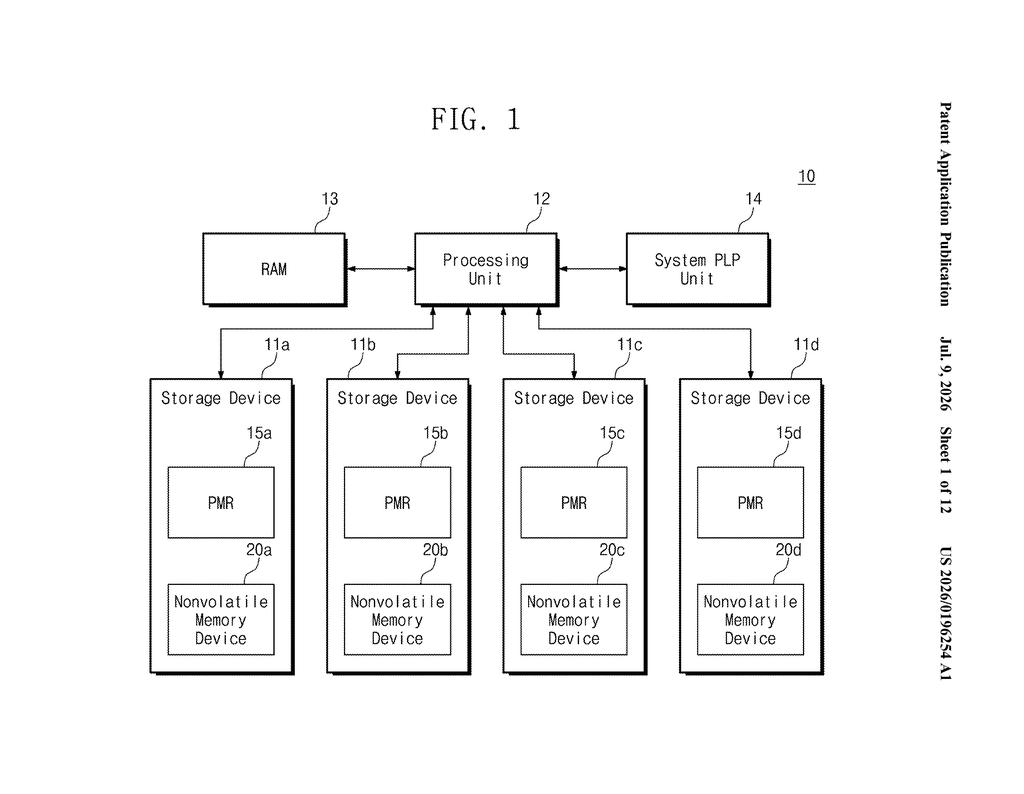
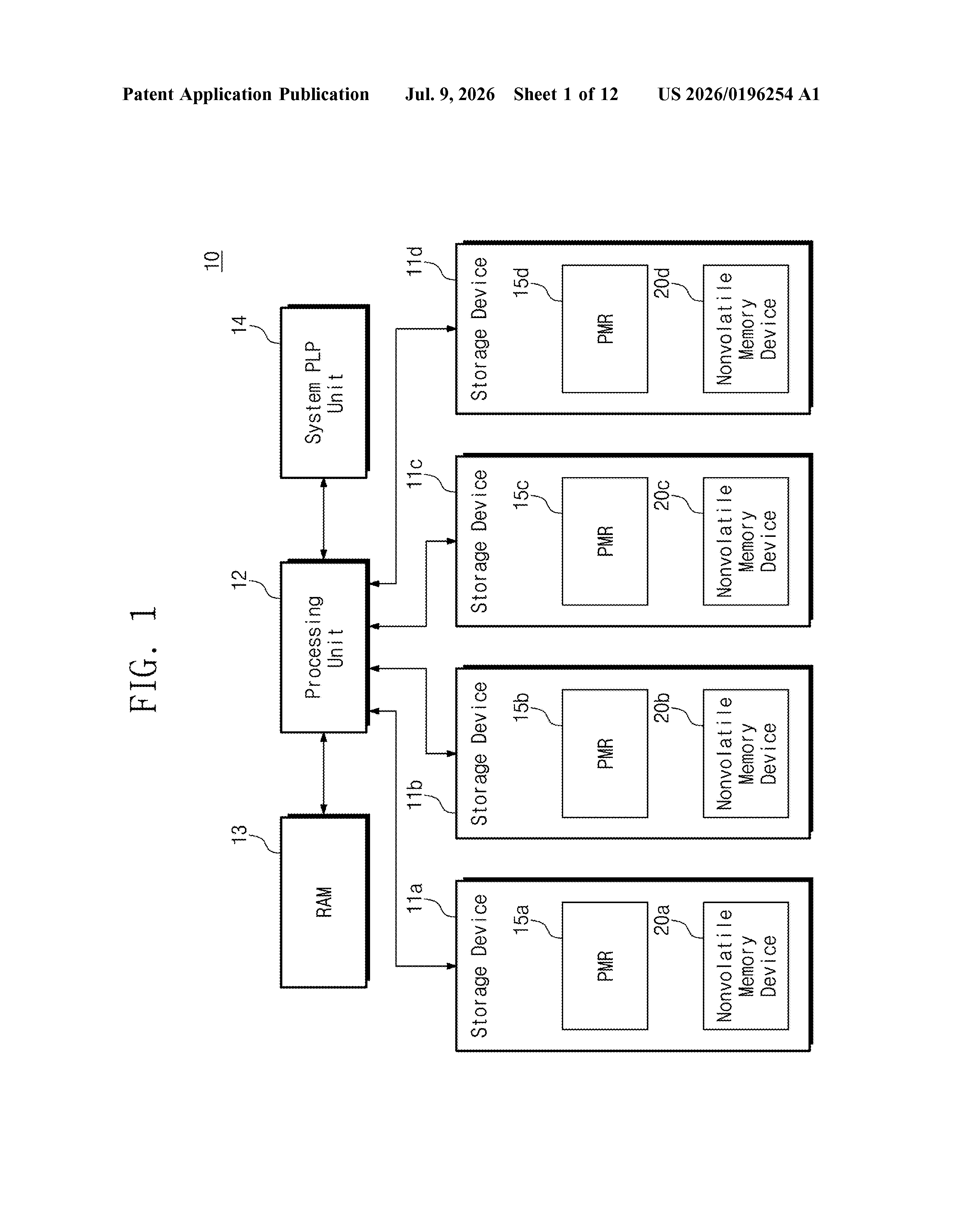
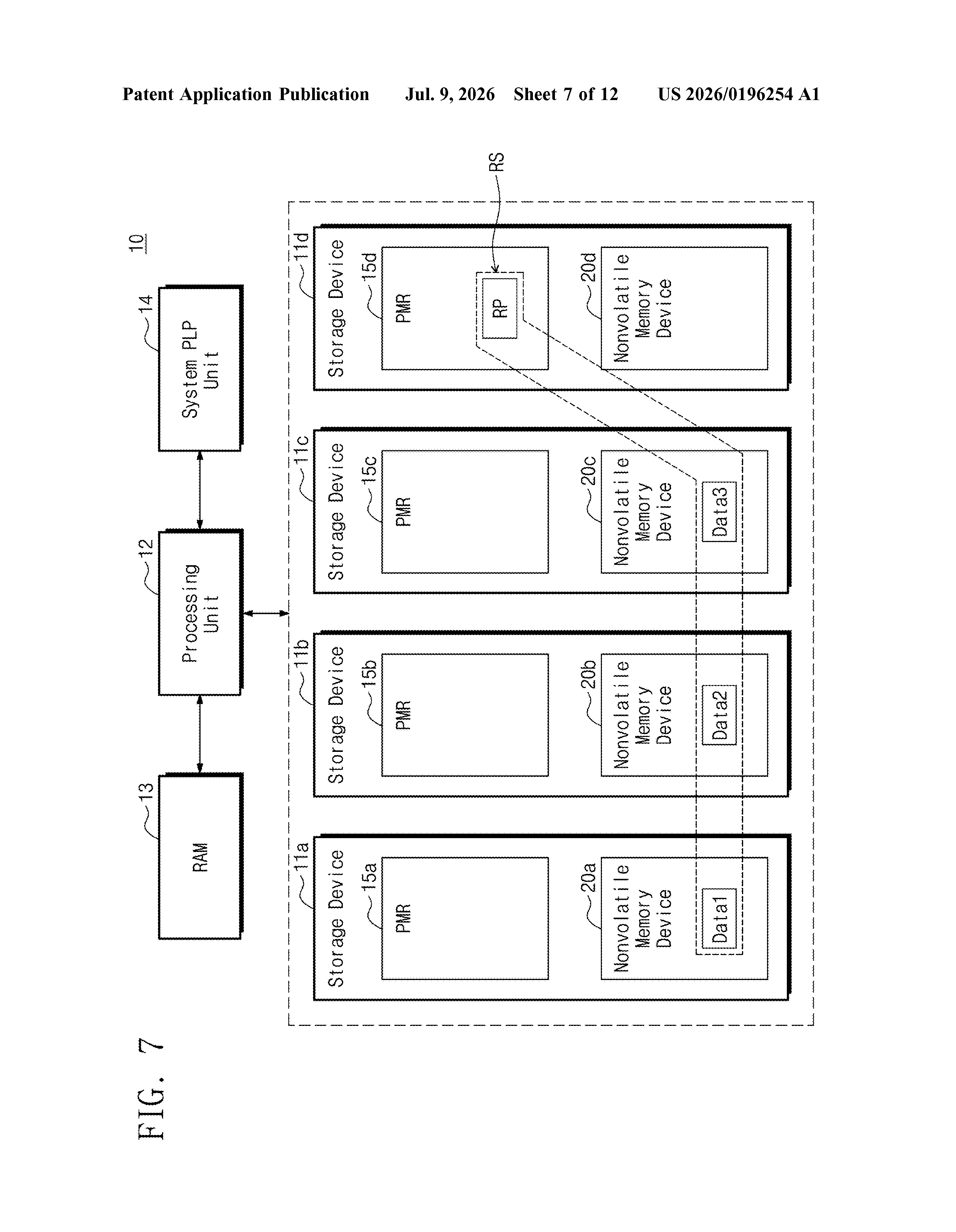
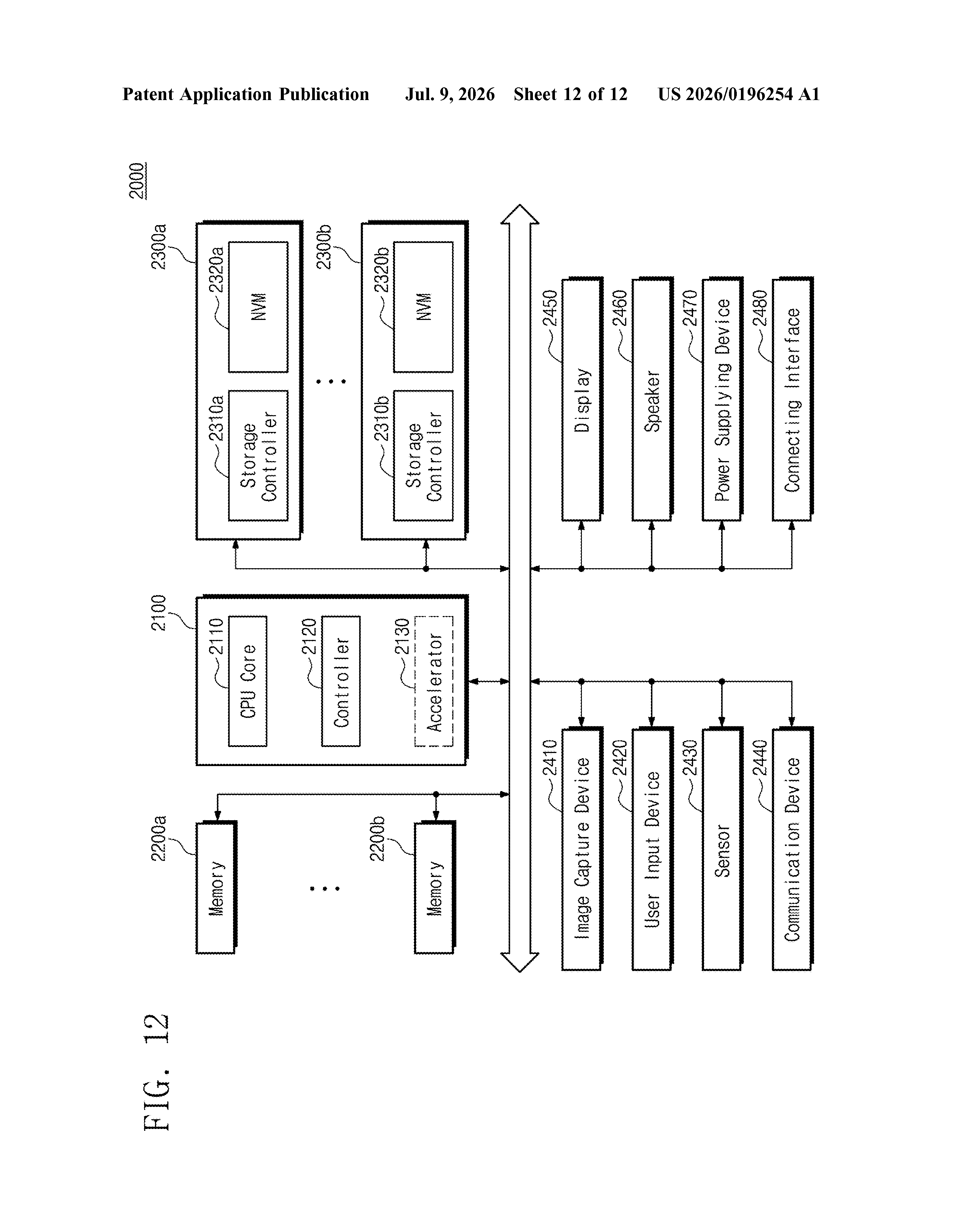
The patent describes a storage system built around four main parts: regular RAM (fast working memory), a system power loss protection unit (a shared backup power source, essentially a capacitor bank or small battery), multiple storage devices (like NVMe SSDs), and a central processing unit that oversees all of them.
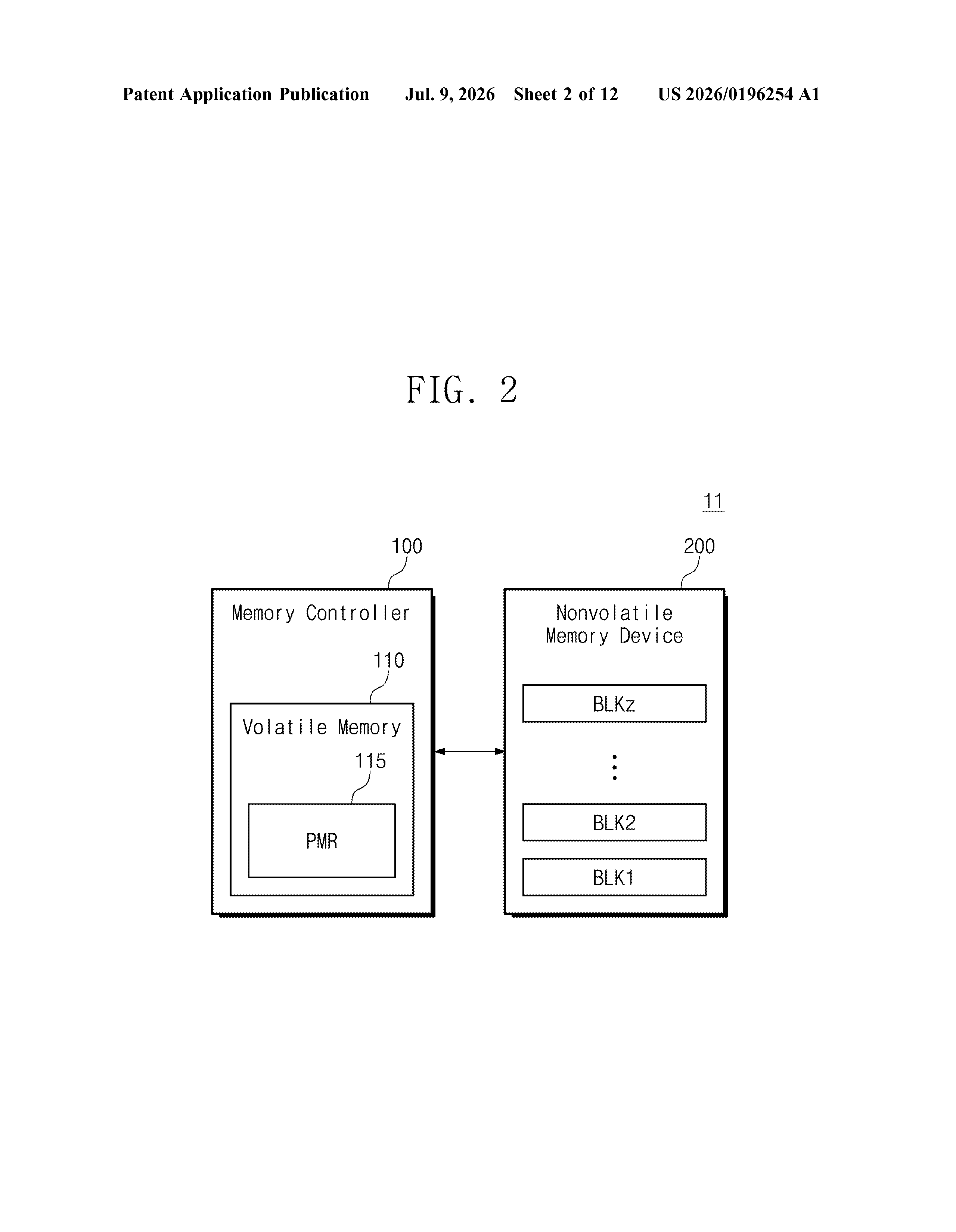
The key mechanism involves something called a persistent memory region (PMR). A PMR is a slice of a drive's memory that is guaranteed to survive a power failure because the backup supply holds long enough for data to be written there safely. Think of it as a small fireproof safe inside each drive.
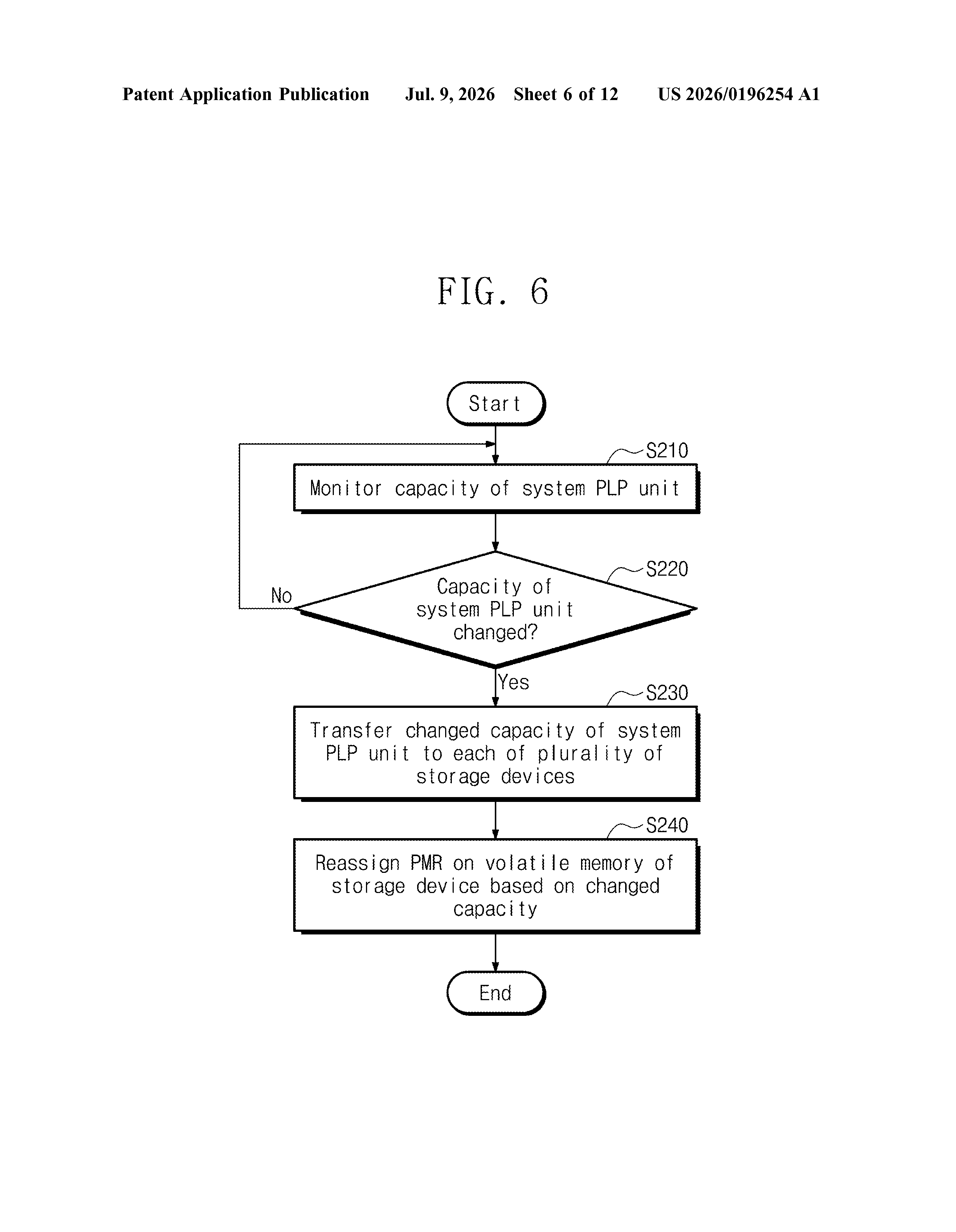
What makes this patent distinct is that each drive sets the size of its PMR based on the capacity of the shared backup power unit, rather than using a fixed or independently calculated value. The processing unit coordinates this across all drives at once.
- If the shared backup supply is large, each drive can reserve a bigger safe zone.
- If the supply is modest, drives scale their protected regions down proportionally.
- This prevents any single drive from over-claiming backup power that the others also need.
What this means for servers that can't afford to lose a byte
Data centers and enterprise storage arrays pack many drives into a single system, and a power failure that corrupts even one drive's in-flight write can cascade into a much larger data integrity problem. Today, drives typically manage their own power-loss protection independently, which can lead to mismatched assumptions about how much backup energy is actually available.
By centralizing that coordination, Samsung's approach could make large storage systems more reliable without requiring bigger or more expensive backup hardware. For cloud providers and enterprise customers running storage at scale, that kind of efficiency in power-loss protection directly translates to fewer corrupted writes and less recovery overhead after an outage.
This is unglamorous but genuinely useful infrastructure work. Power-loss protection in multi-drive systems is a well-known pain point, and coordinating it through a shared unit rather than leaving each drive to guess independently is a sensible architectural improvement. It won't make headlines outside storage engineering circles, but it's exactly the kind of patent that ends up inside Samsung's enterprise SSD product line.
Get our take in your Top Stories
Liked this breakdown? Add Patentlyze as a preferred source on Google, and our plain-English take shows up more often in your Top Stories the next time Samsung patent news breaks.
There are more where this came from
We read every patent application Big Tech publishes and send you the ones worth knowing. Plain English, free, every week.
The drawings
12 drawing sheets from US 2026/0196254 A1 · click any drawing to enlarge
Show the other 4 sheets
Want this weekly breakdown for a company we don't cover? Patentlyze Pro →