
New 5G Filing Lets Phones Find Each Other Without a Cell Tower
Most location tech relies on a cell tower or satellite to tell your phone where it is. Apple's new patent describes a way for phones to figure that out by talking directly to each other.
What Apple's device-to-device 5G positioning actually does
Imagine you're in a crowded stadium, a tunnel, or a disaster zone where cell towers are overwhelmed or knocked out entirely. Your phone still needs to know where nearby devices are, but it can't ask a tower for help. That's the gap this patent is trying to close.
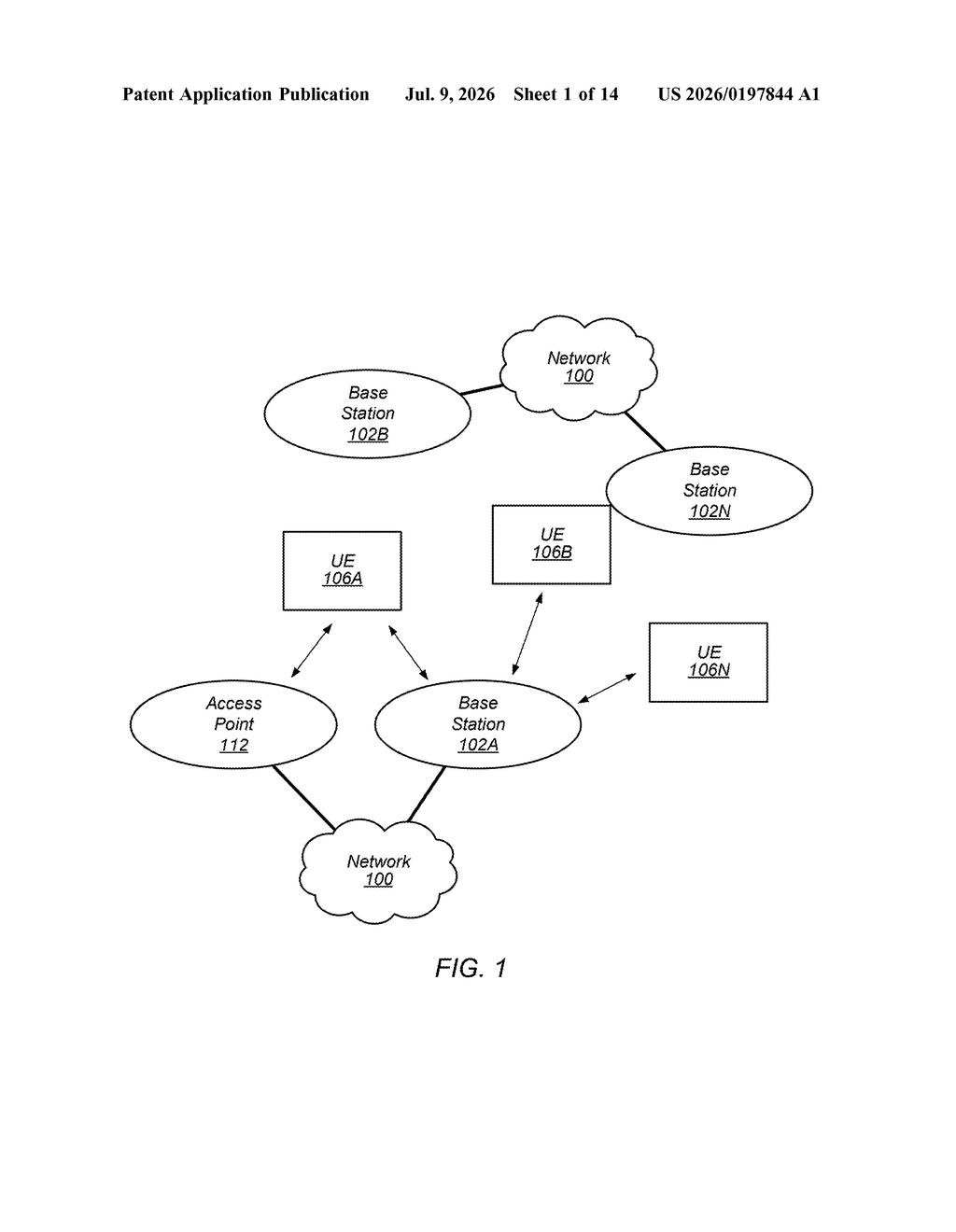
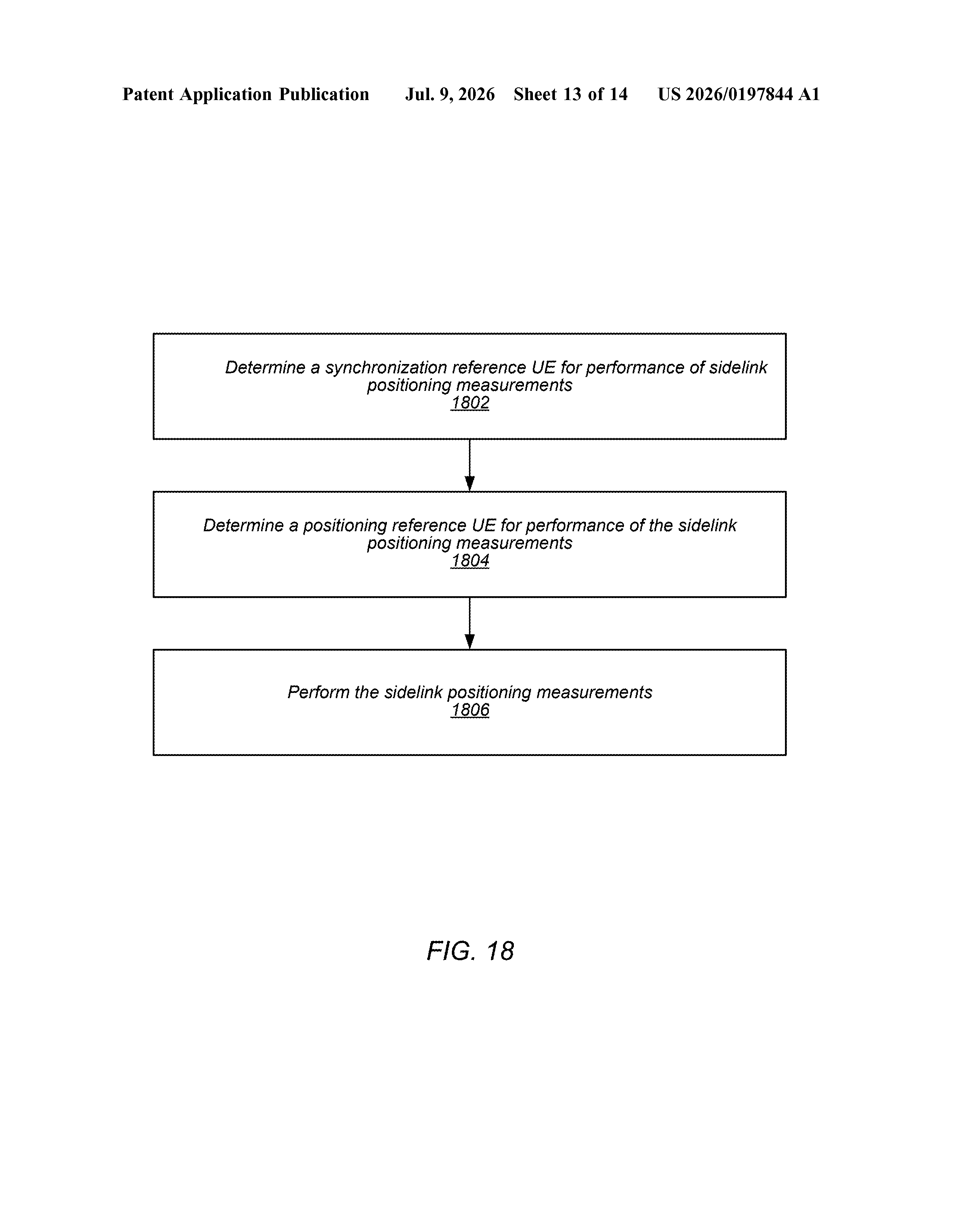
Apple is working on a system that lets phones and other 5G devices measure their distance and position relative to each other, without routing that request through a cell tower. The devices exchange special radio signals directly, and each one uses those signals to calculate where the others are.
To keep things organized, the patent describes a two-step signaling handshake. First, one device sends a short header that tells nearby devices which radio channels to pay attention to. Then a second, more detailed signal tells each device exactly how to interpret the positioning data. It's a bit like a group of hikers agreeing on which map grid to use before they start calling out coordinates.
How the two-stage control signal tells devices where to look
This patent covers a method for sidelink positioning, a 5G feature where devices communicate directly with each other (device-to-device, or D2D) rather than routing everything through a base station.
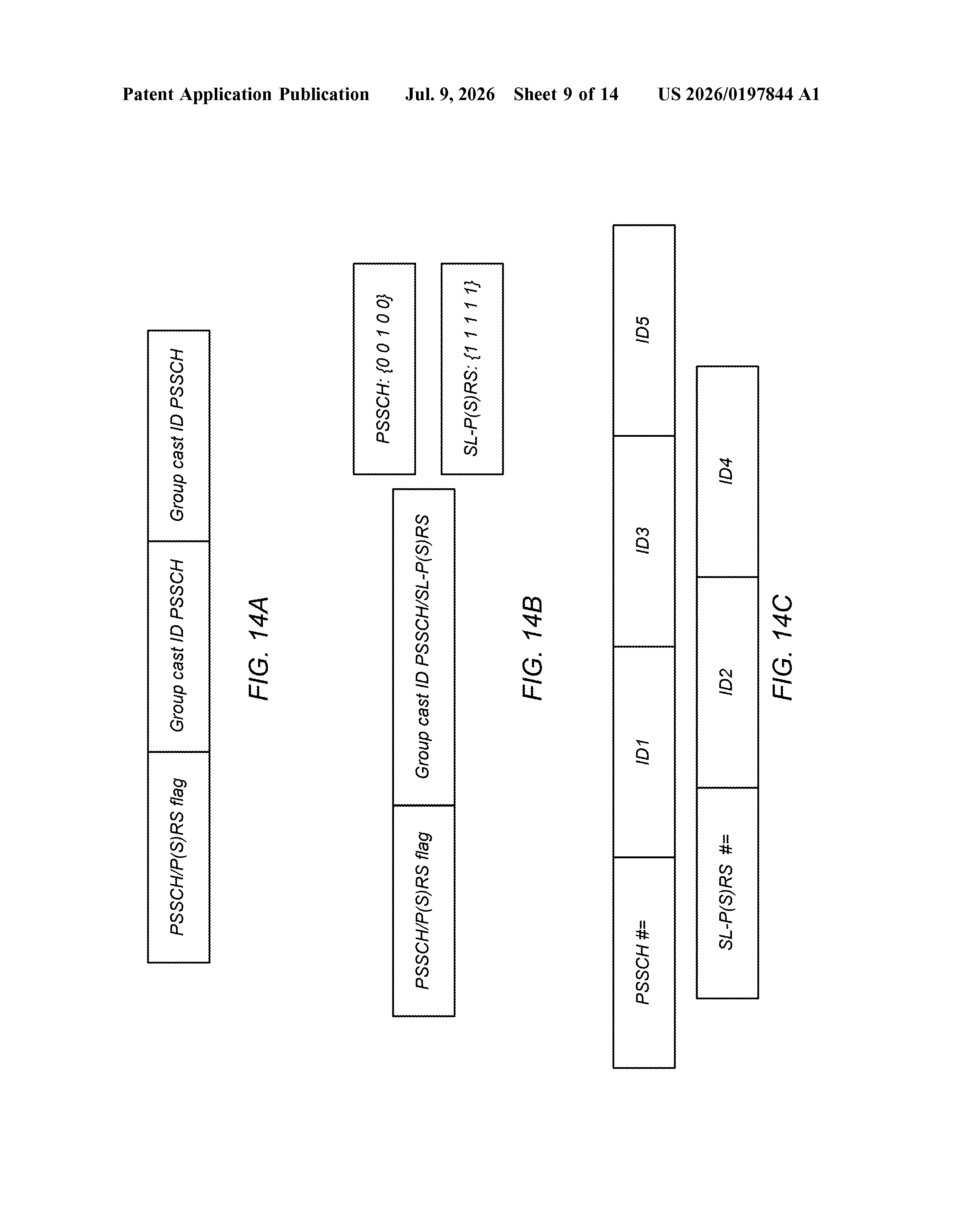
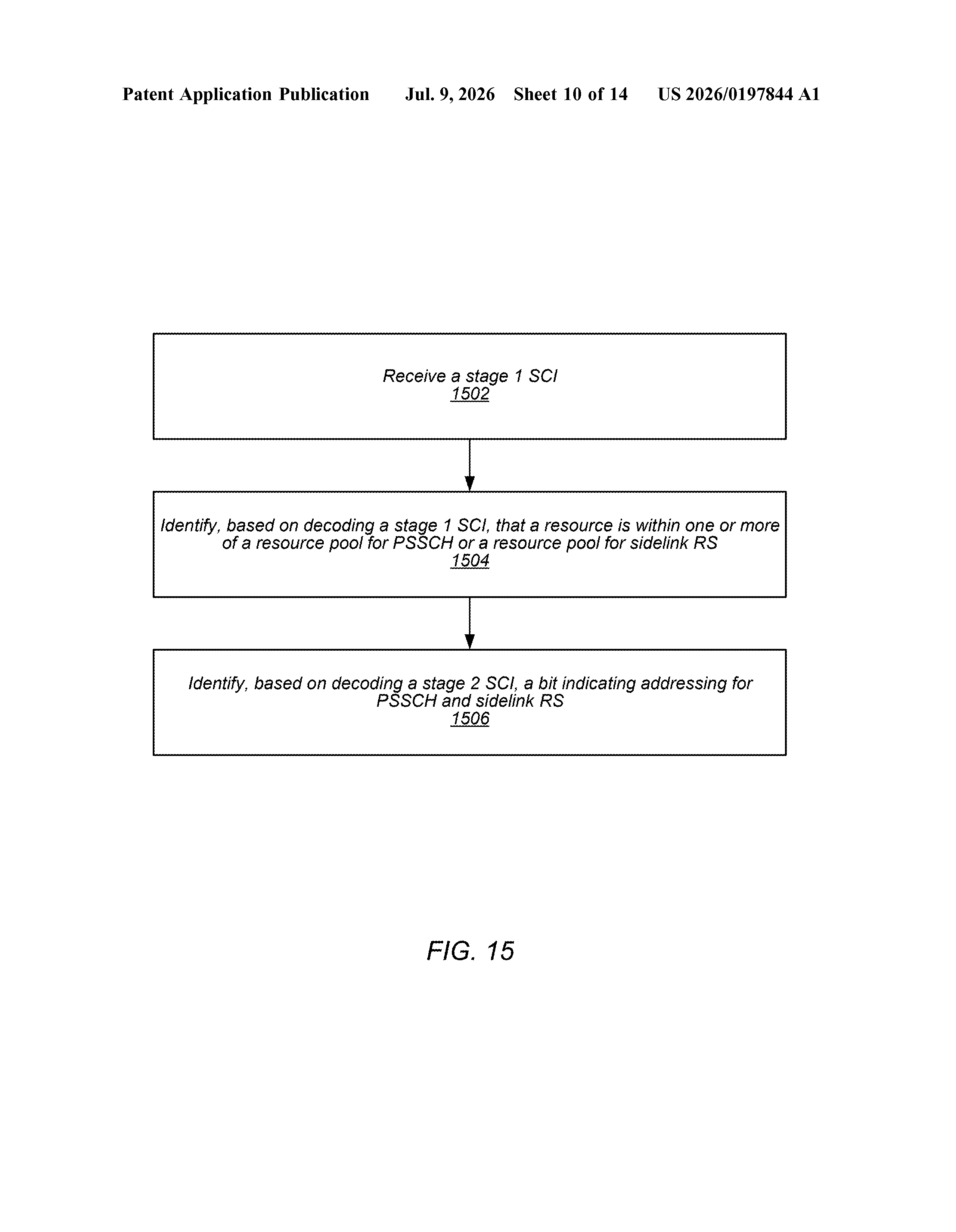
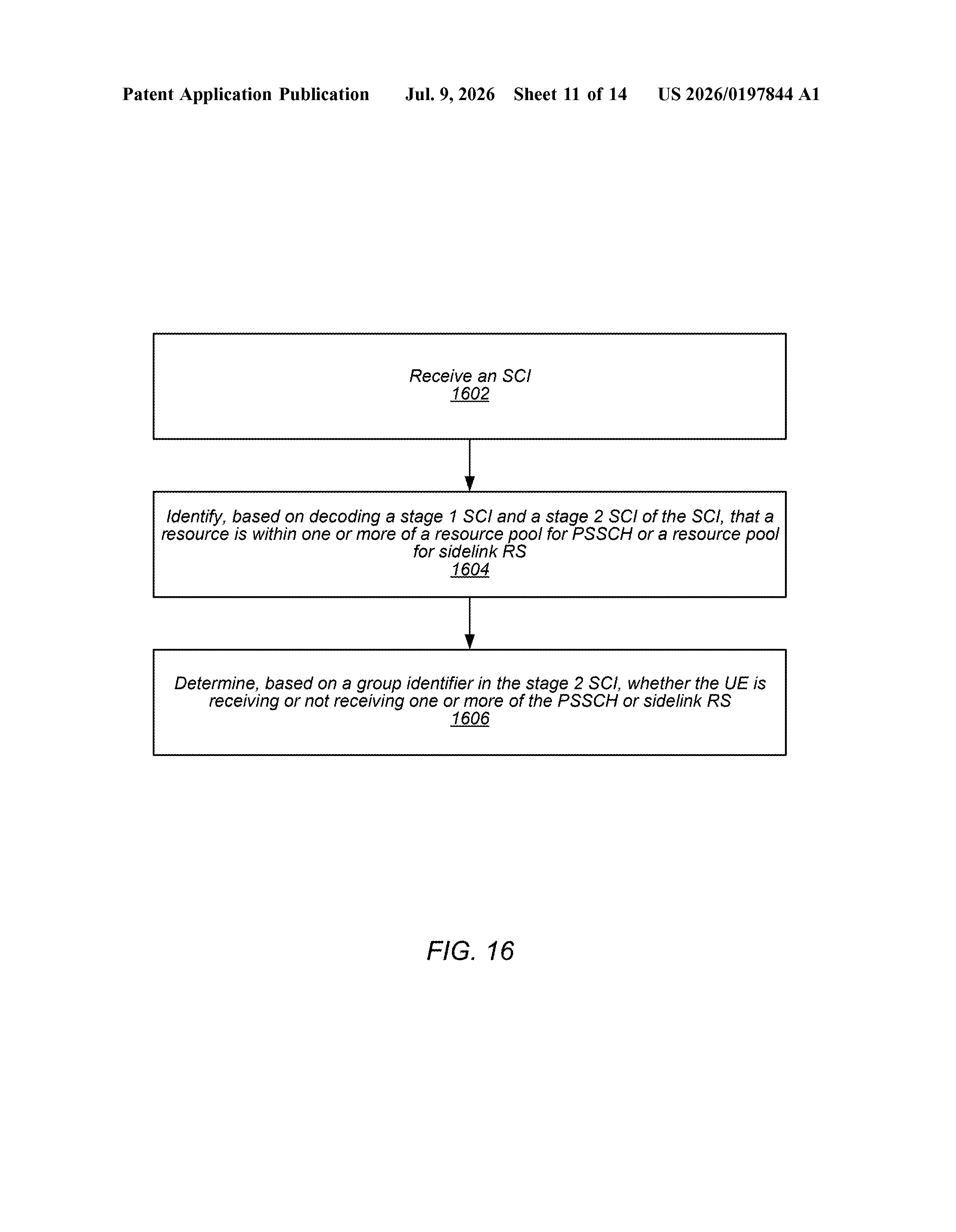
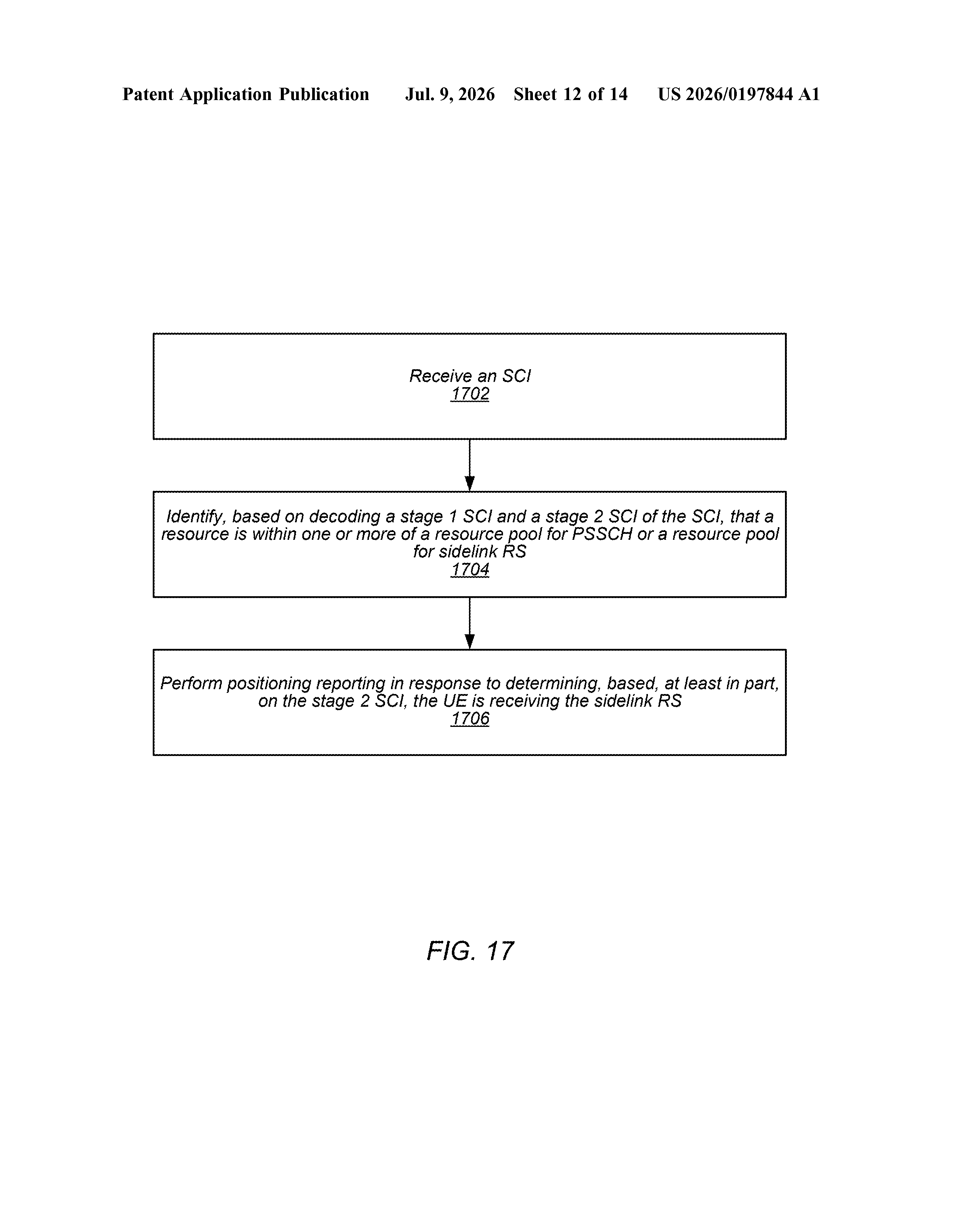
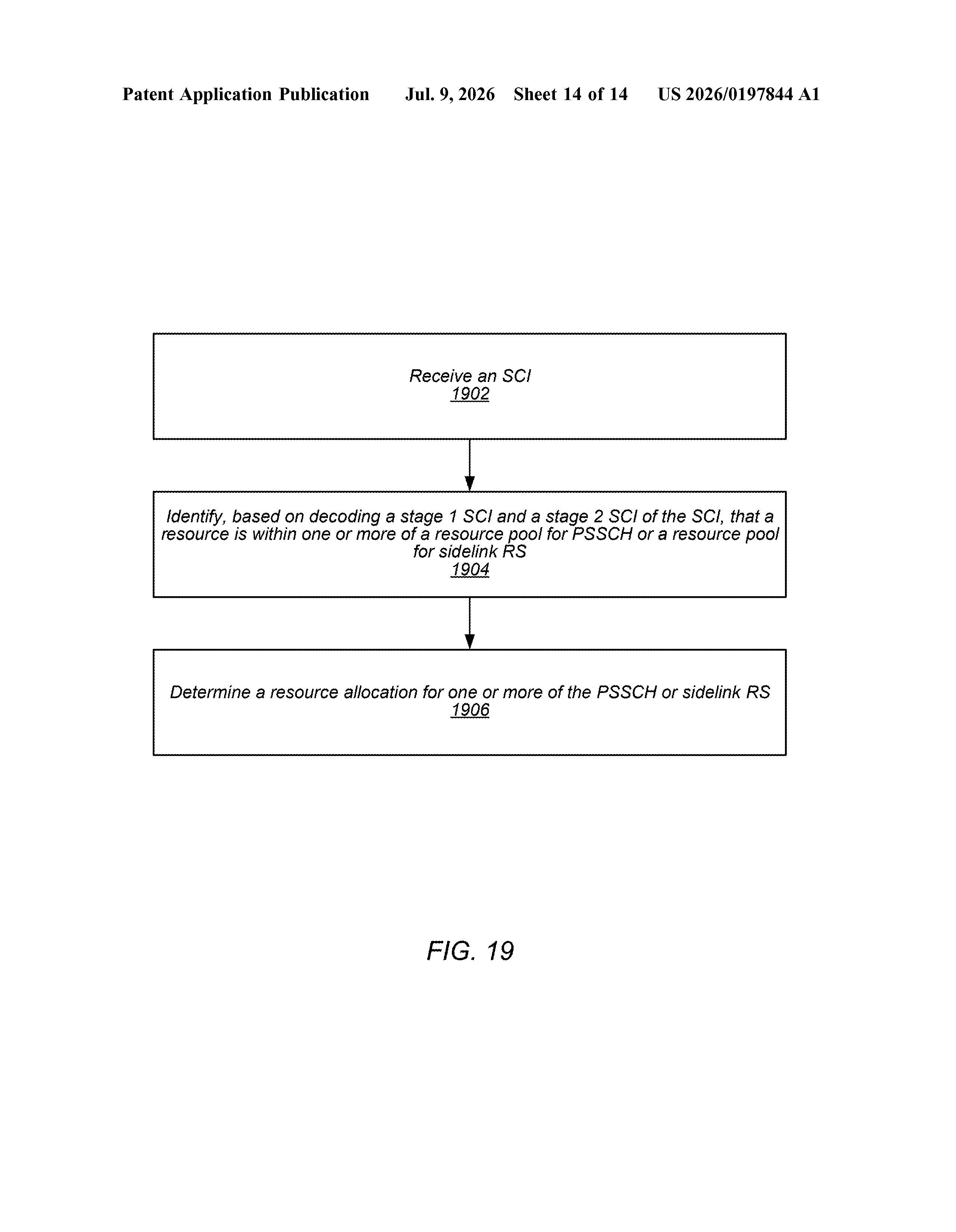
The core mechanism is a two-stage Sidelink Control Information (SCI) structure. Think of SCI as a header packet that travels just ahead of the main data. Stage 1 SCI acts as a lightweight announcement: it tells a receiving device which pool of radio resources to pay attention to, either the shared data channel (PSSCH) or the positioning reference signal channel. Stage 2 SCI then delivers finer instructions, including a specific bit that tells the device how the data is addressed, meaning whether it's meant for a specific device or broadcast more broadly.
The positioning reference signals themselves come in two flavors:
- PRS (Positioning Reference Signal): a known pattern broadcast so nearby devices can measure signal timing and calculate distance
- SRS (Sounding Reference Signal): used to probe channel conditions, but repurposed here to help with location math
By combining these signals with the two-stage control structure, the system gives devices enough information to estimate each other's location accurately, even when no base station is involved.
What this means for GPS-free location in crowded or remote areas
Location services today are heavily dependent on GPS or cell-tower triangulation. Both break down in GPS-denied environments like dense urban canyons, underground facilities, or emergency situations where infrastructure is offline. A reliable device-to-device positioning layer built into 5G could fill that gap for first responders, autonomous vehicles coordinating in parking structures, or industrial robots on a factory floor.
For everyday users, this kind of technology is also the underpinning of features like Precision Finding in AirTags and the Find My network. If Apple extends similar logic into 5G sidelink, your phone could one day locate a friend in a crowd or navigate inside a building with much better accuracy than Wi-Fi or Bluetooth alone can offer today.
This is a narrow, standards-level patent covering signaling mechanics inside 5G Advanced, which means it reads as dry infrastructure work. But Apple filing in this space is a real signal: the company is investing in the low-level radio protocols that would be required for any serious device-to-device location product. If you care about where indoor navigation or emergency mesh networking goes in the next few years, this is relevant groundwork.
Get our take in your Top Stories
Liked this breakdown? Add Patentlyze as a preferred source on Google, and our plain-English take shows up more often in your Top Stories the next time Apple patent news breaks.
There are more where this came from
We read every patent application Big Tech publishes and send you the ones worth knowing. Plain English, free, every week.
The drawings
14 drawing sheets from US 2026/0197844 A1 · click any drawing to enlarge


Show the other 6 sheets
Want this weekly breakdown for a company we don't cover? Patentlyze Pro →