
Apple Patent Reveals a Head-Worn Device That Reads Your Face to Control It
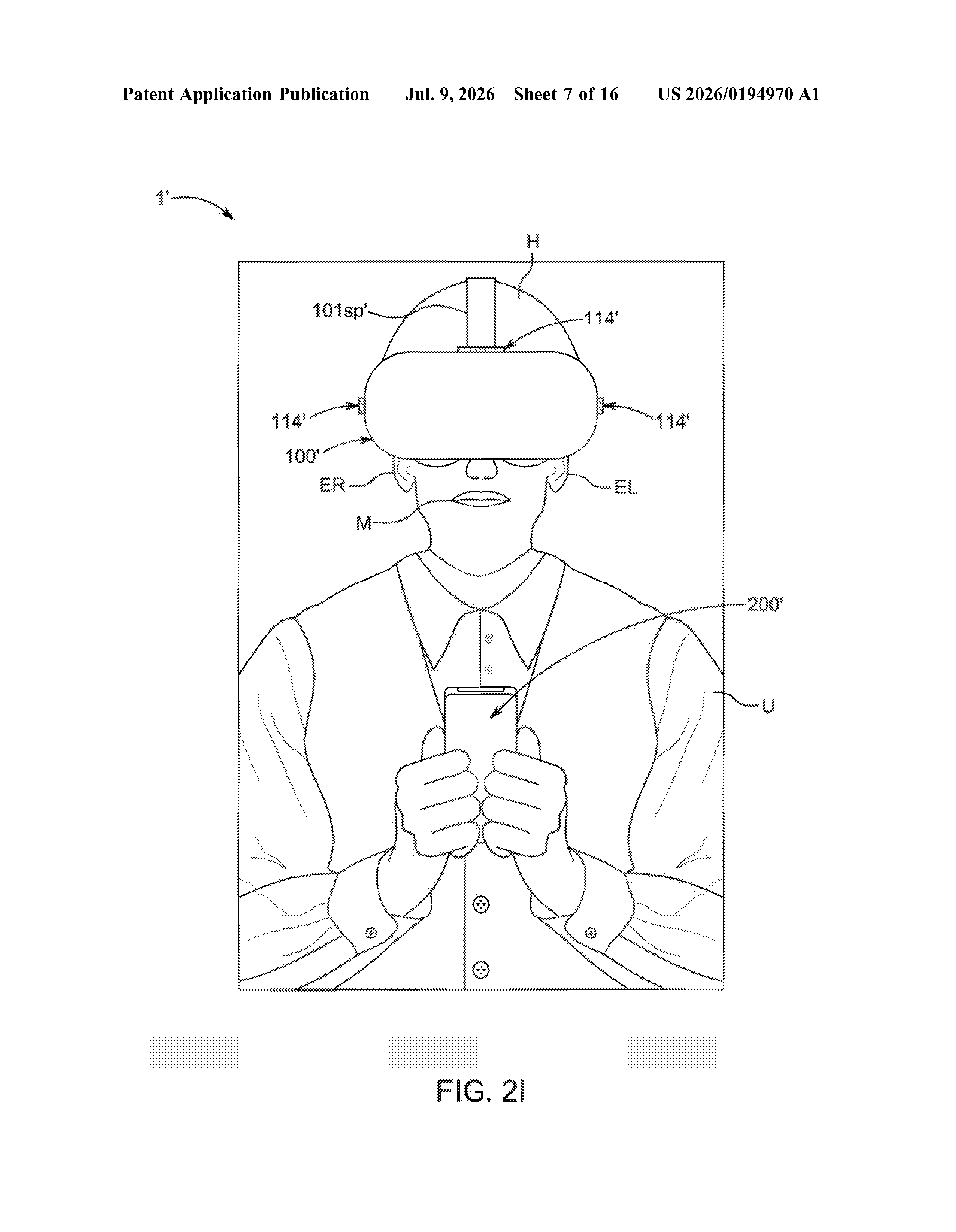
Apple is exploring a way to let you control a head-worn device, think smart glasses or a headset, by simply moving your face. No hands, no voice commands, just your expressions.
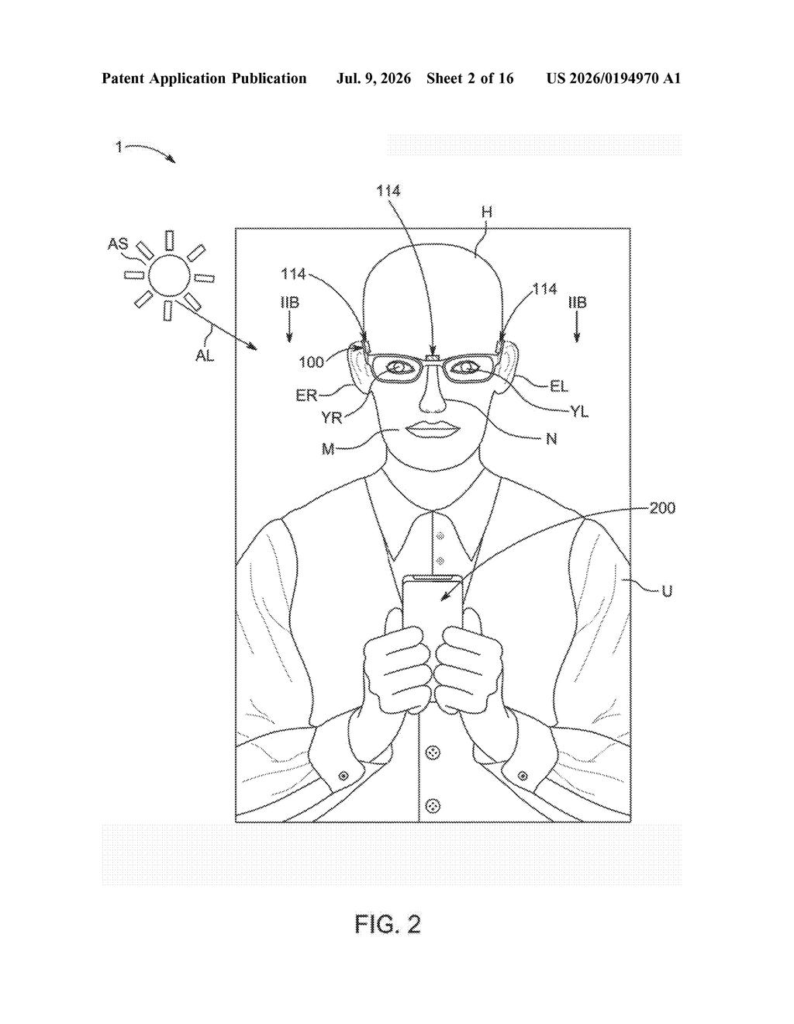
How Apple's light-based face gestures would work
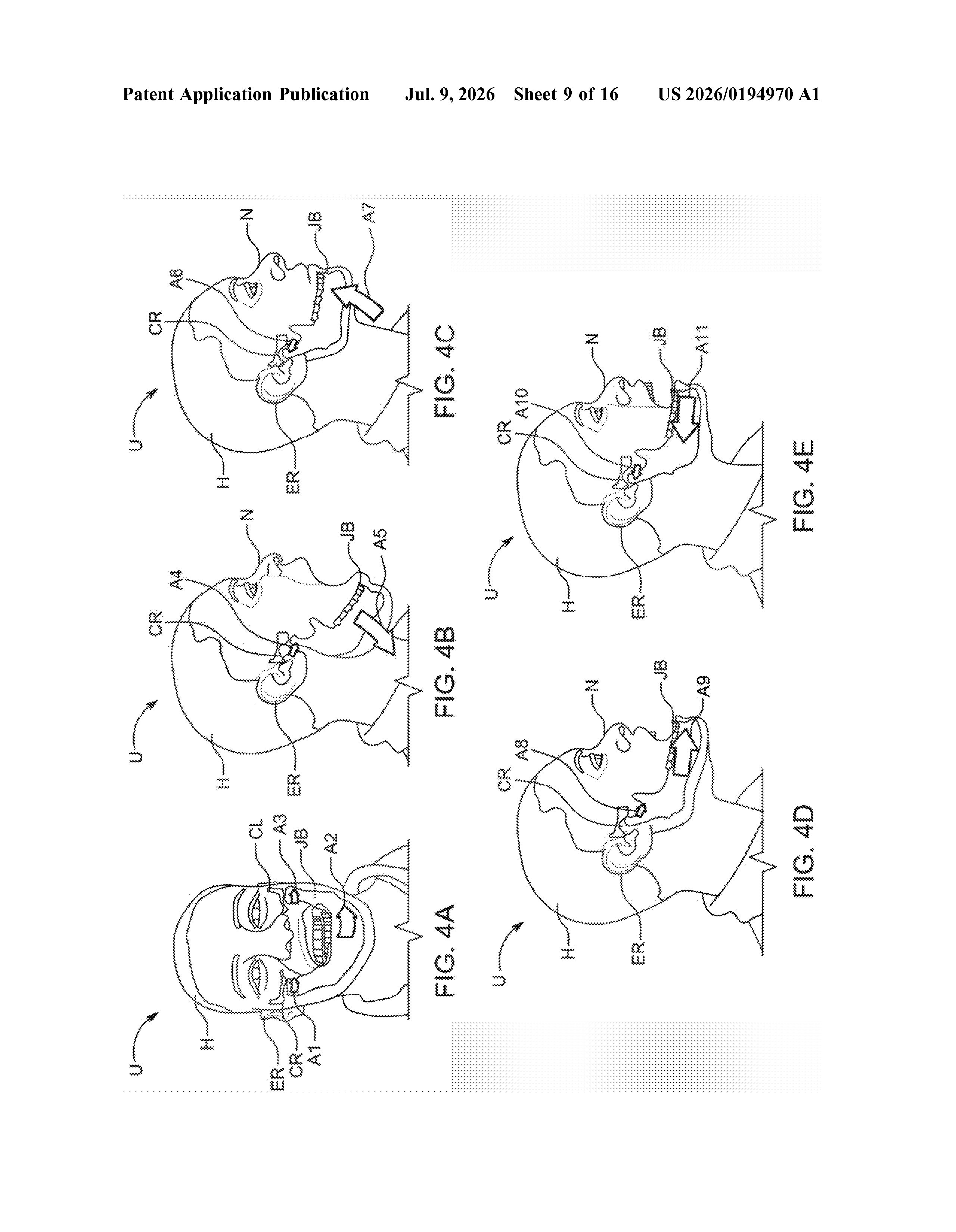
Imagine putting on a pair of smart glasses and raising an eyebrow to dismiss a notification, or squinting to zoom in on something. Apple's new patent describes exactly that kind of interaction, using small light sensors built into a head-worn device to detect your facial movements and turn them into commands.
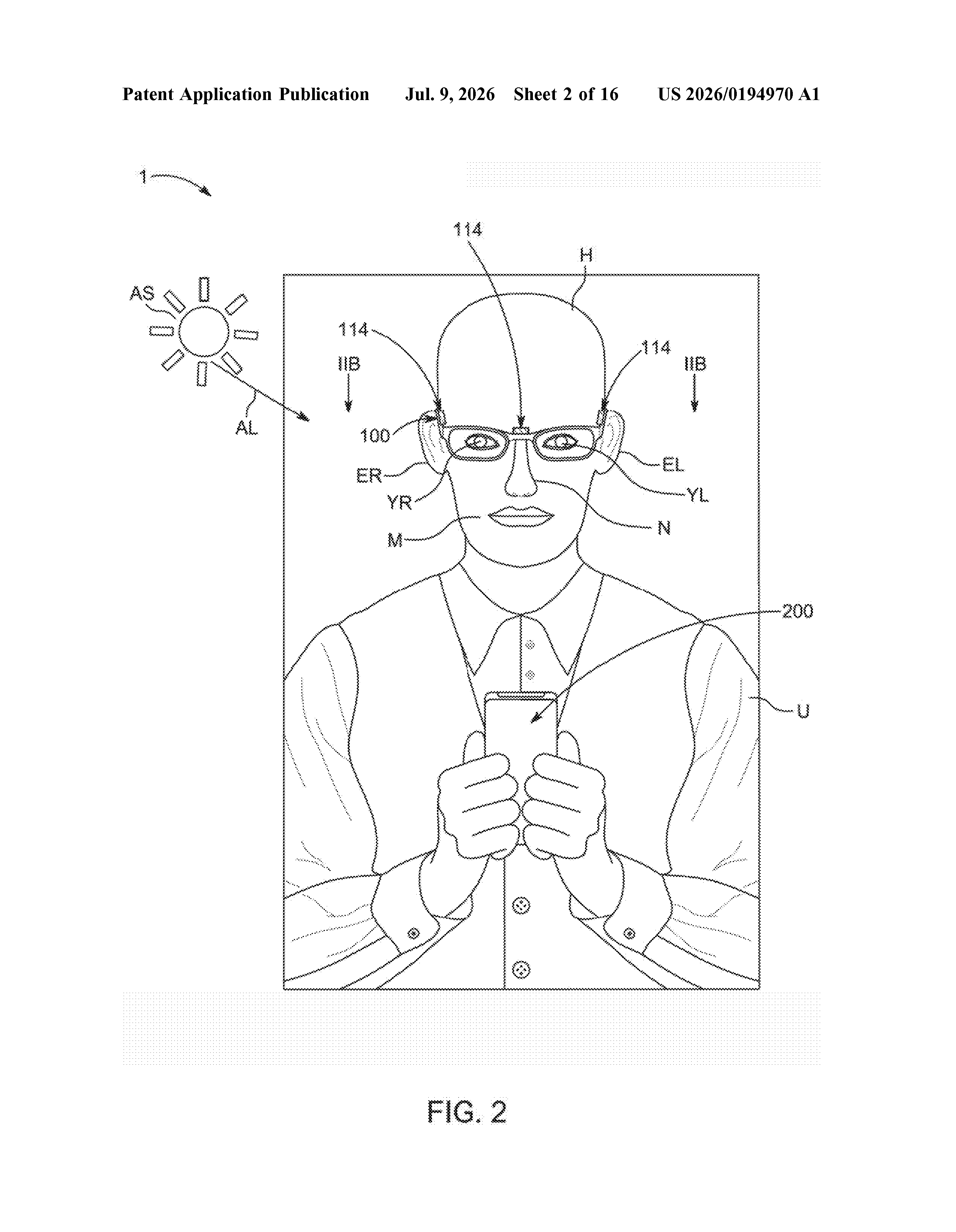
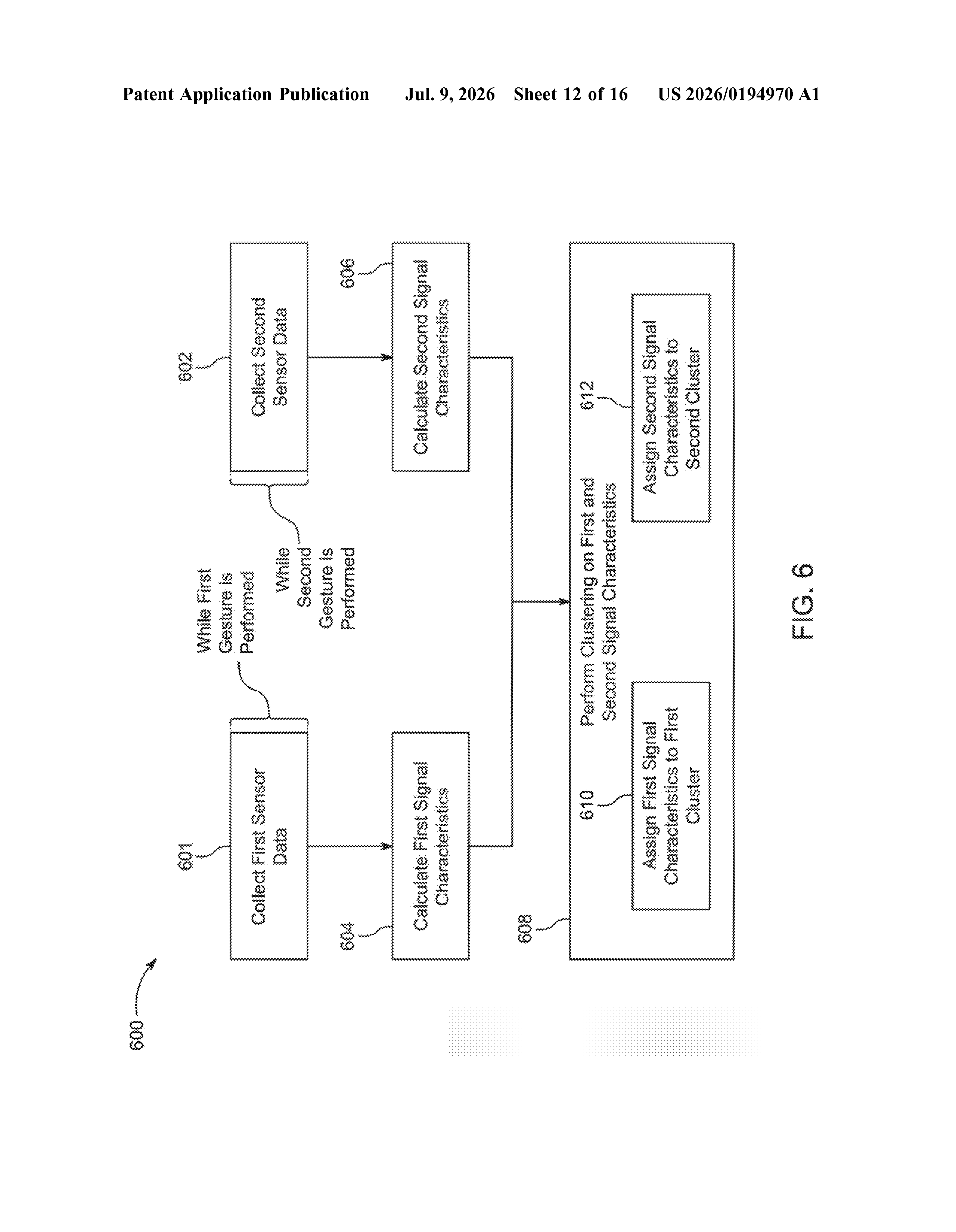
The system works by shining tiny beams of light onto different parts of your head, then watching how that light bounces back. When you move specific muscles, the reflected light changes in a recognizable pattern. The device matches that pattern to a known gesture and triggers an action.
It's a bit like how a fitness tracker reads your heart rate using light on your wrist, except here the goal isn't health data. It's figuring out what you want the device to do based on how your face moves.
How the light sensors detect and confirm a facial movement
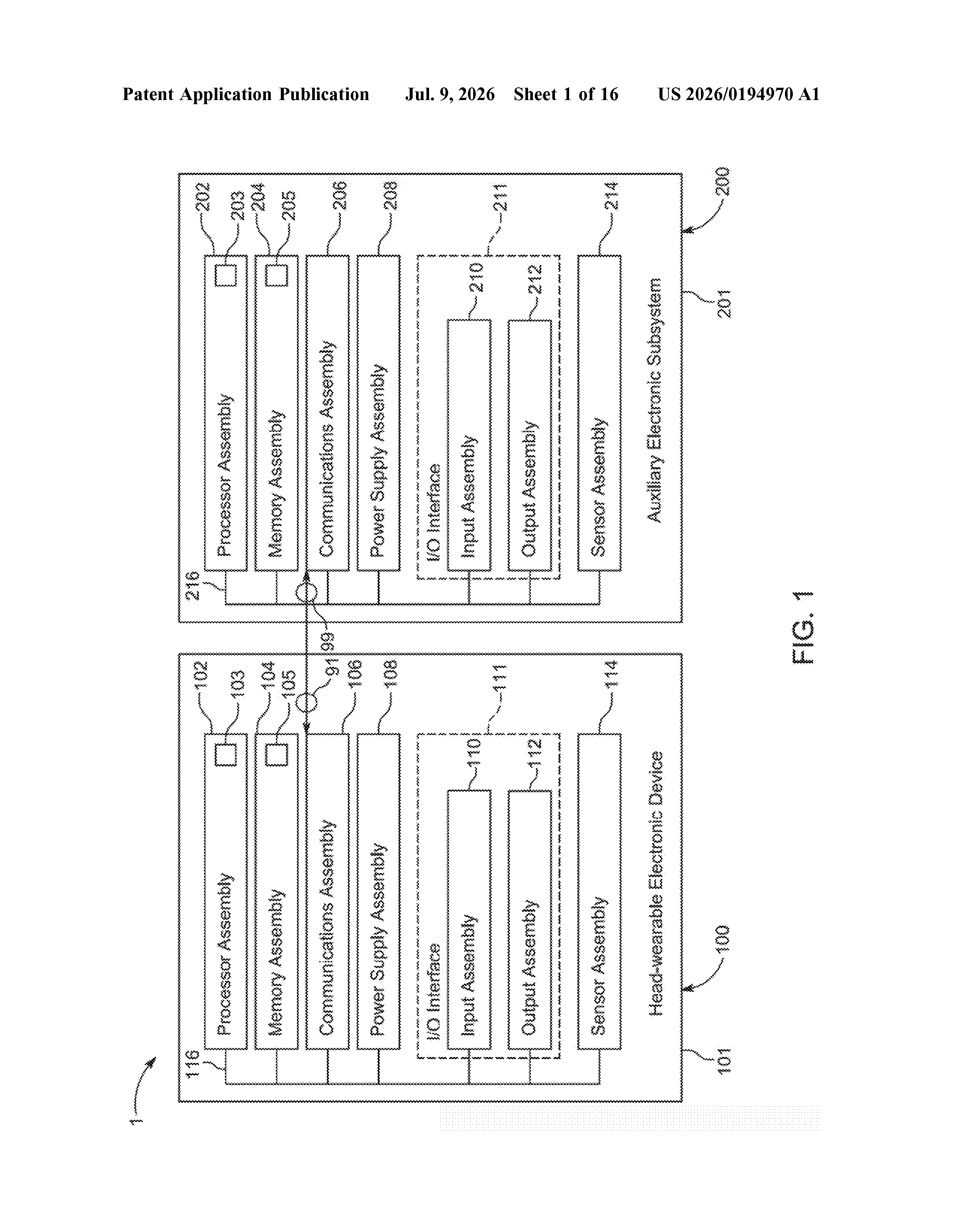
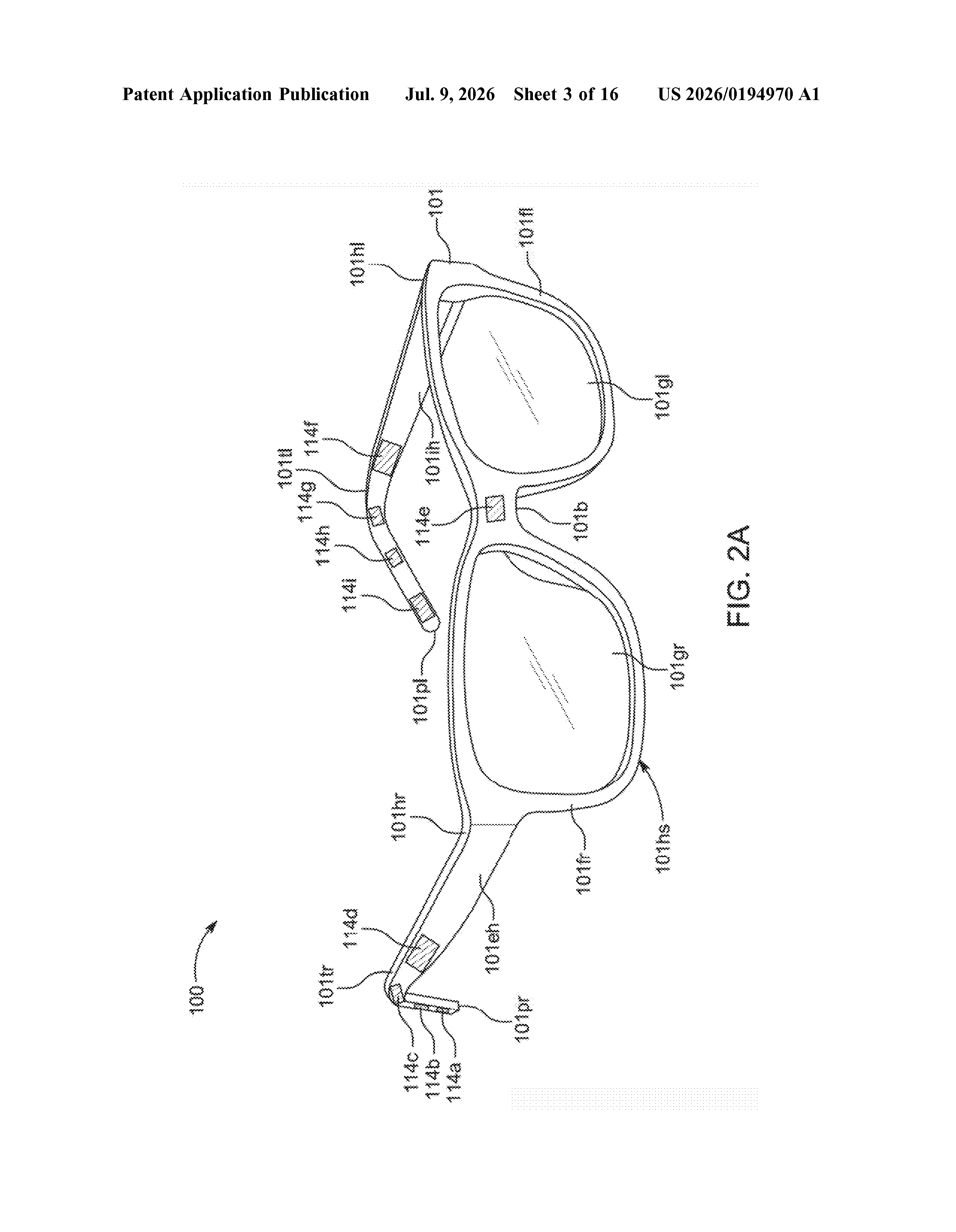
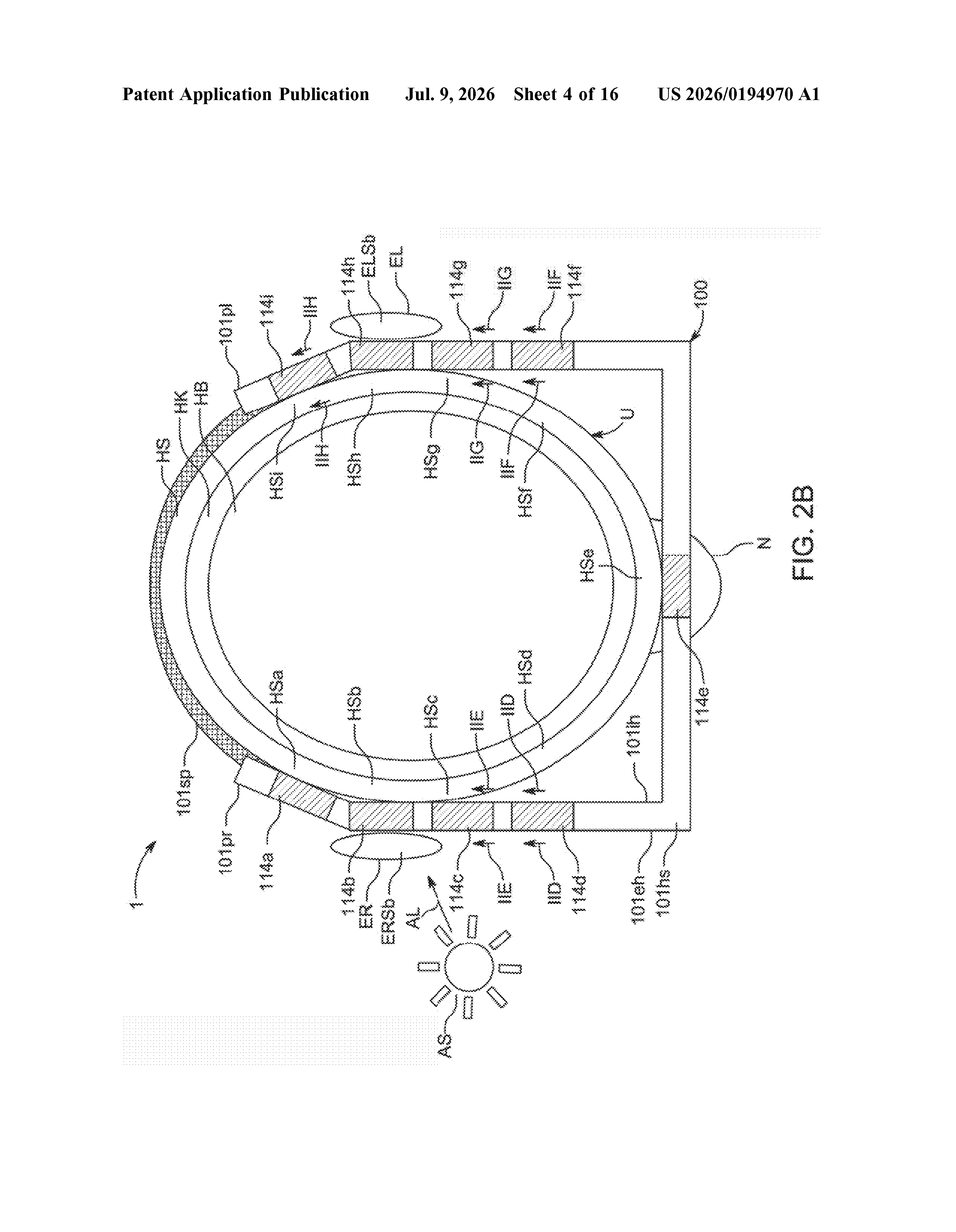
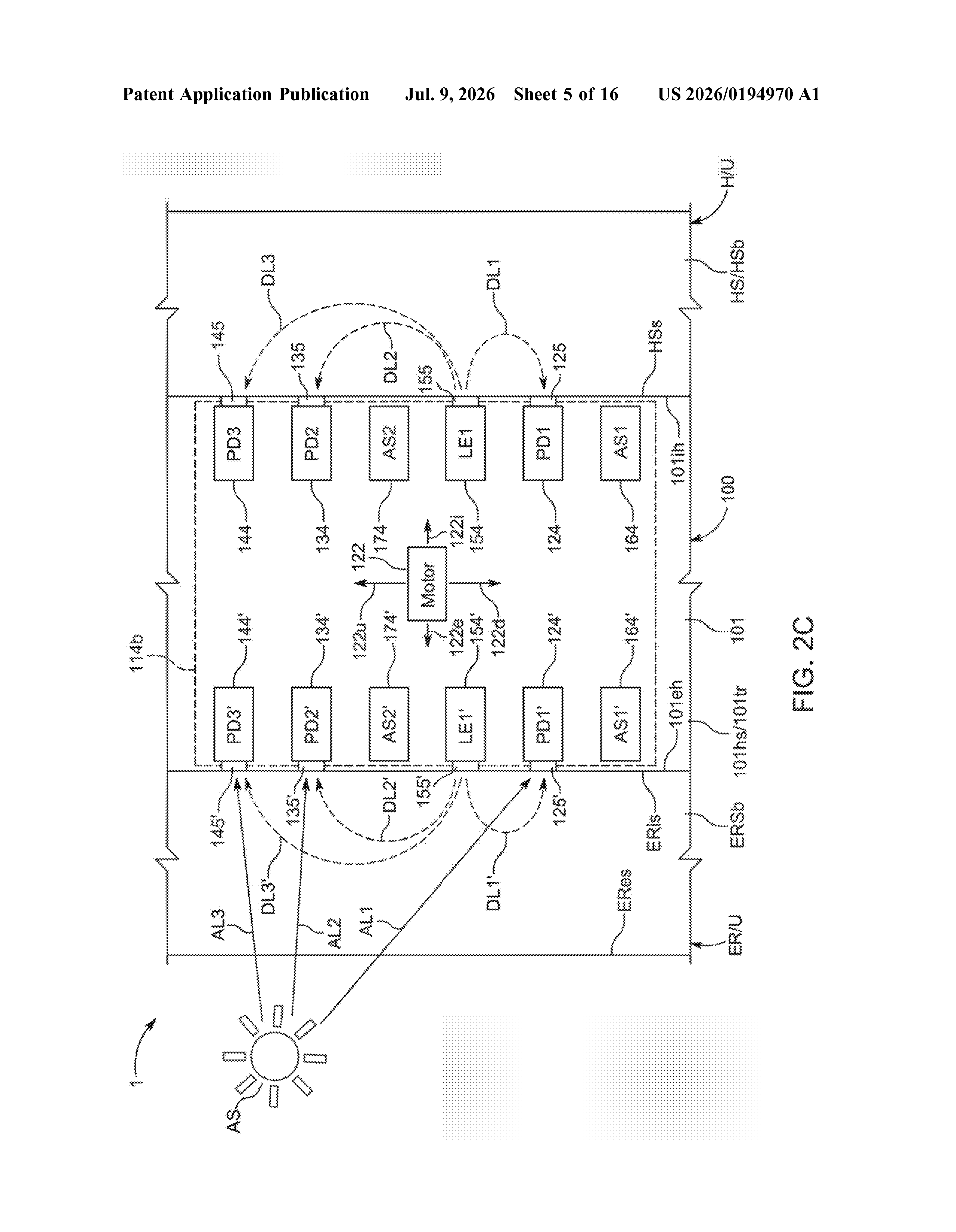
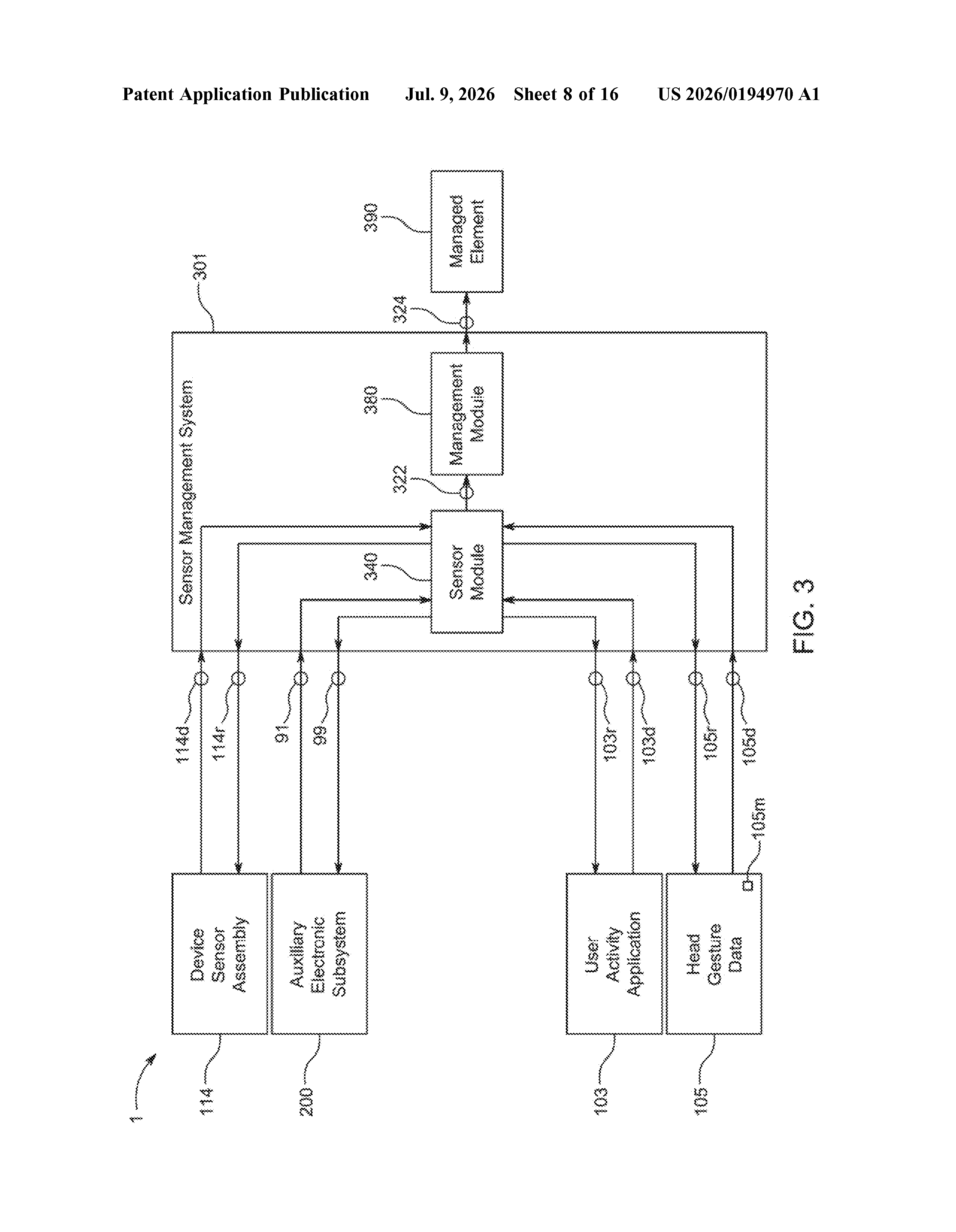
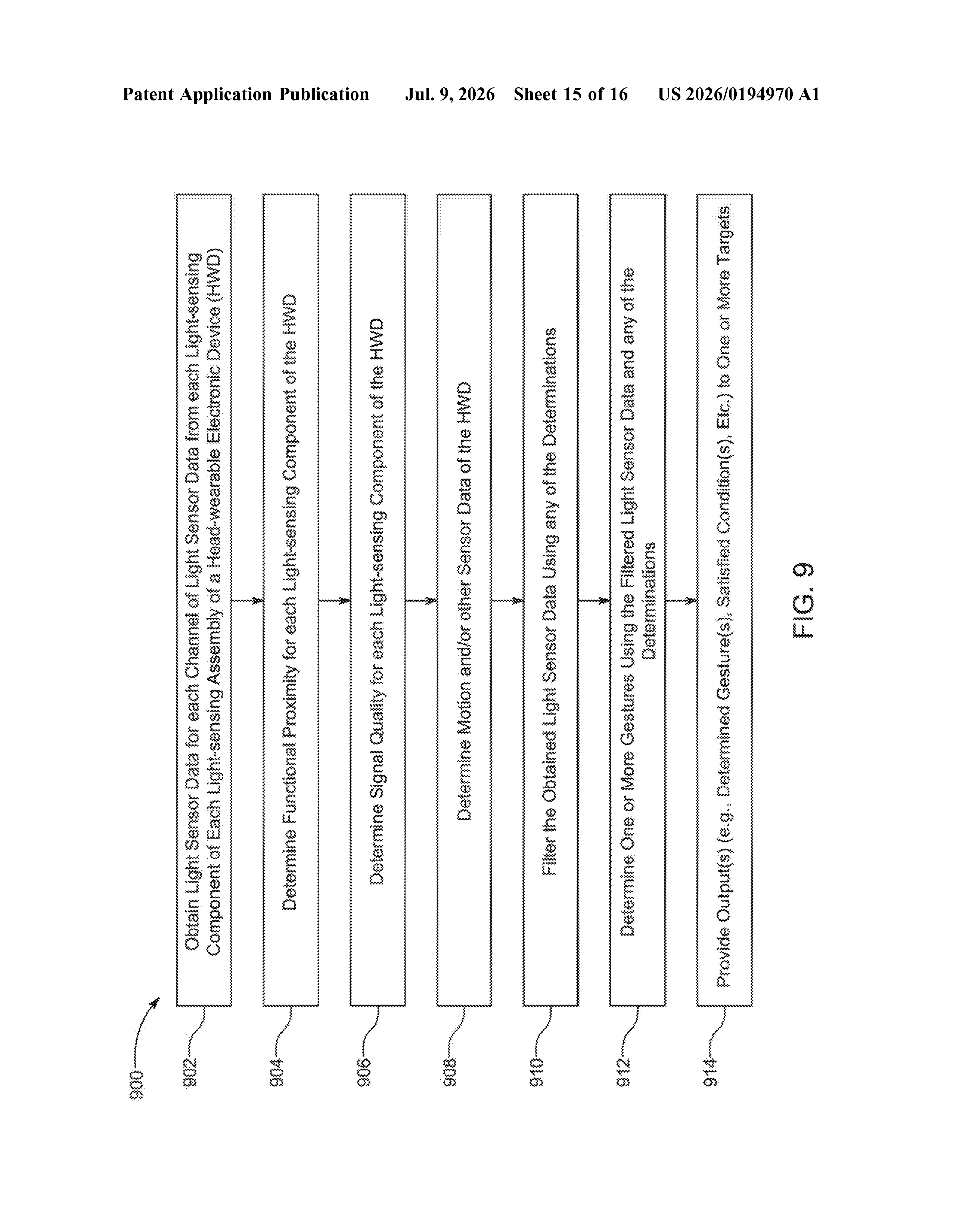
The patent describes a method built around multiple light-sensing assemblies mounted inside a head-worn device. Each assembly sends out light toward a different part of the user's head and then captures the reflected light that bounces back.
The core detection loop works like this:
- Light is transmitted toward at least two separate areas of the head simultaneously.
- Detectors pick up the reflected light from each area.
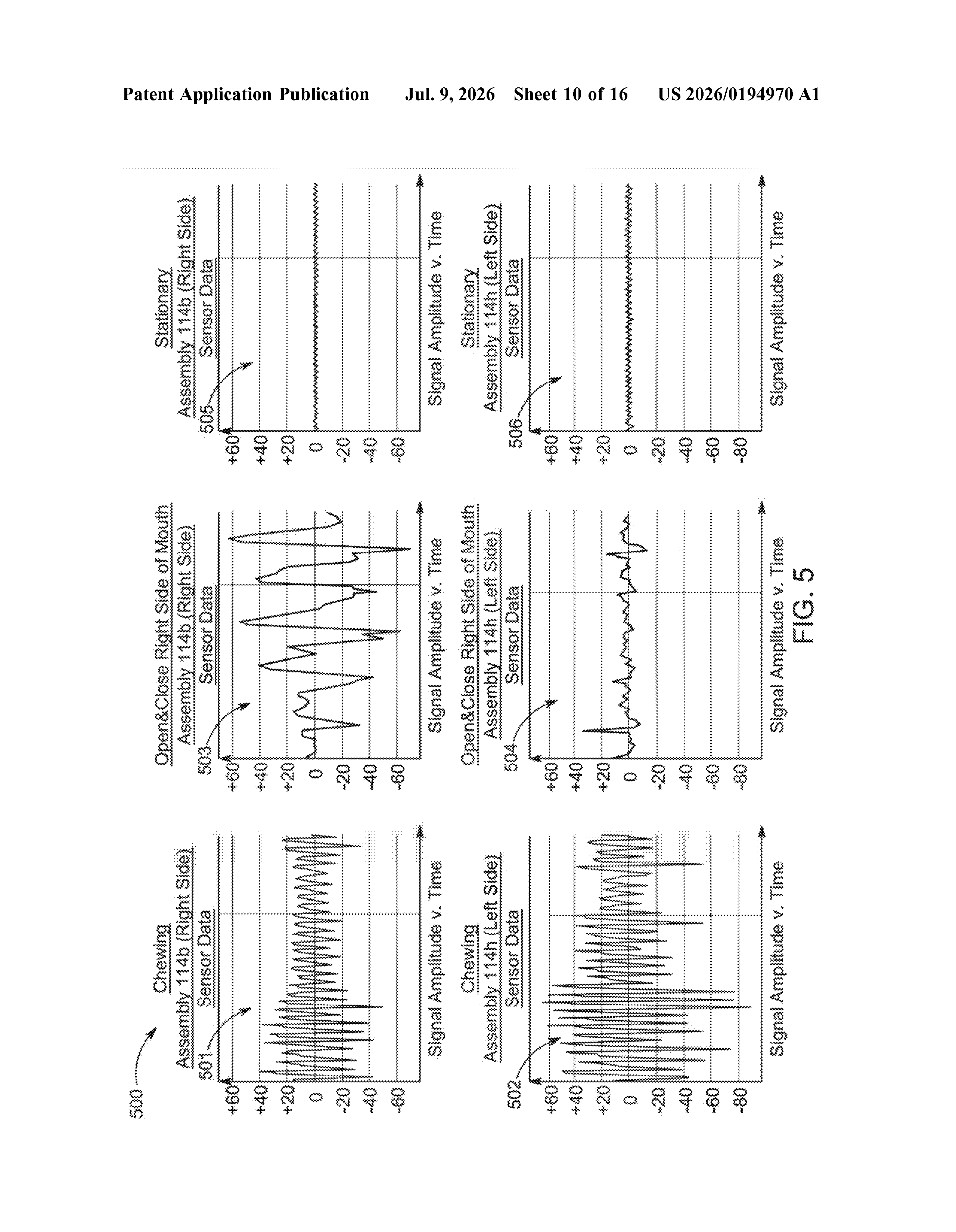
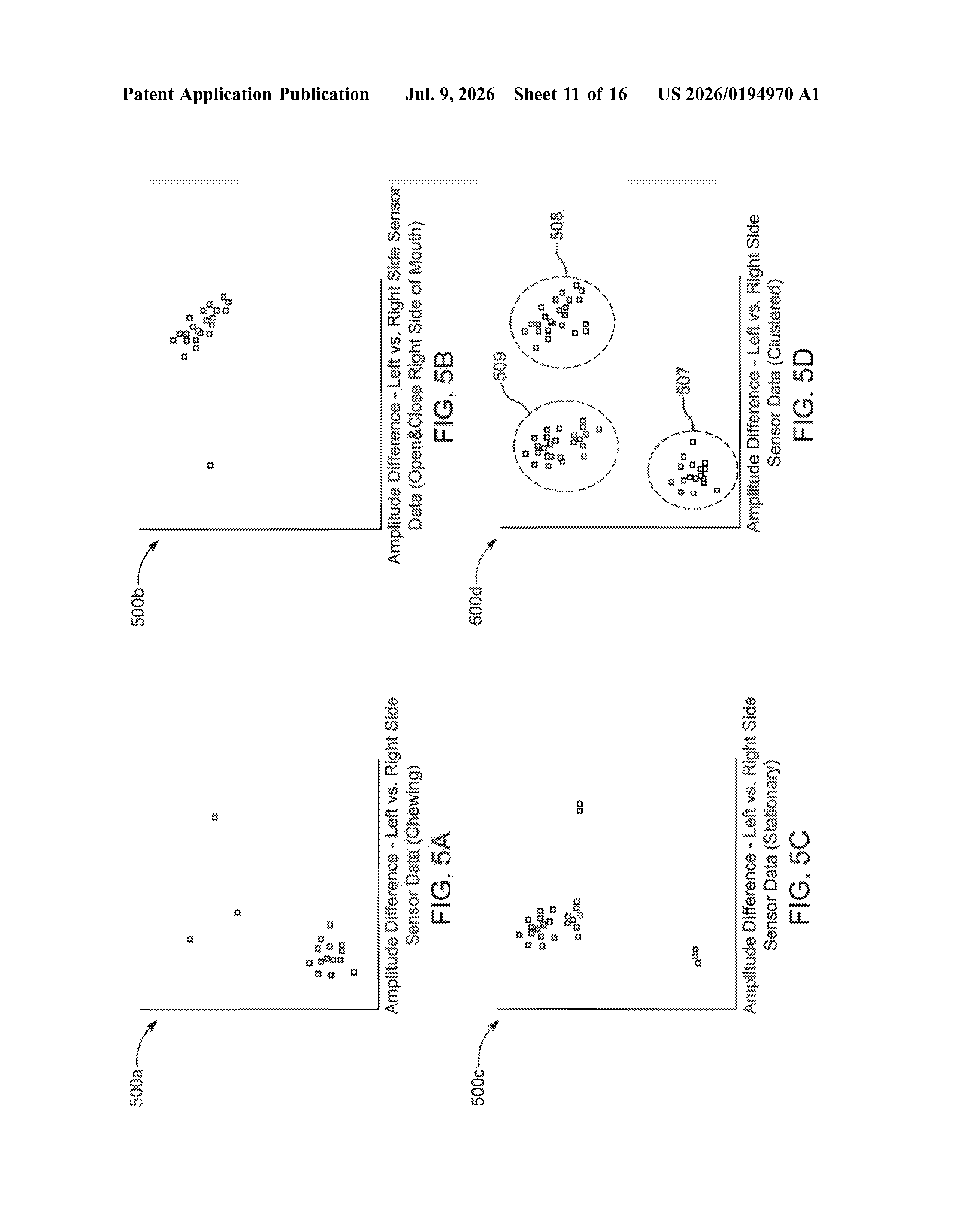
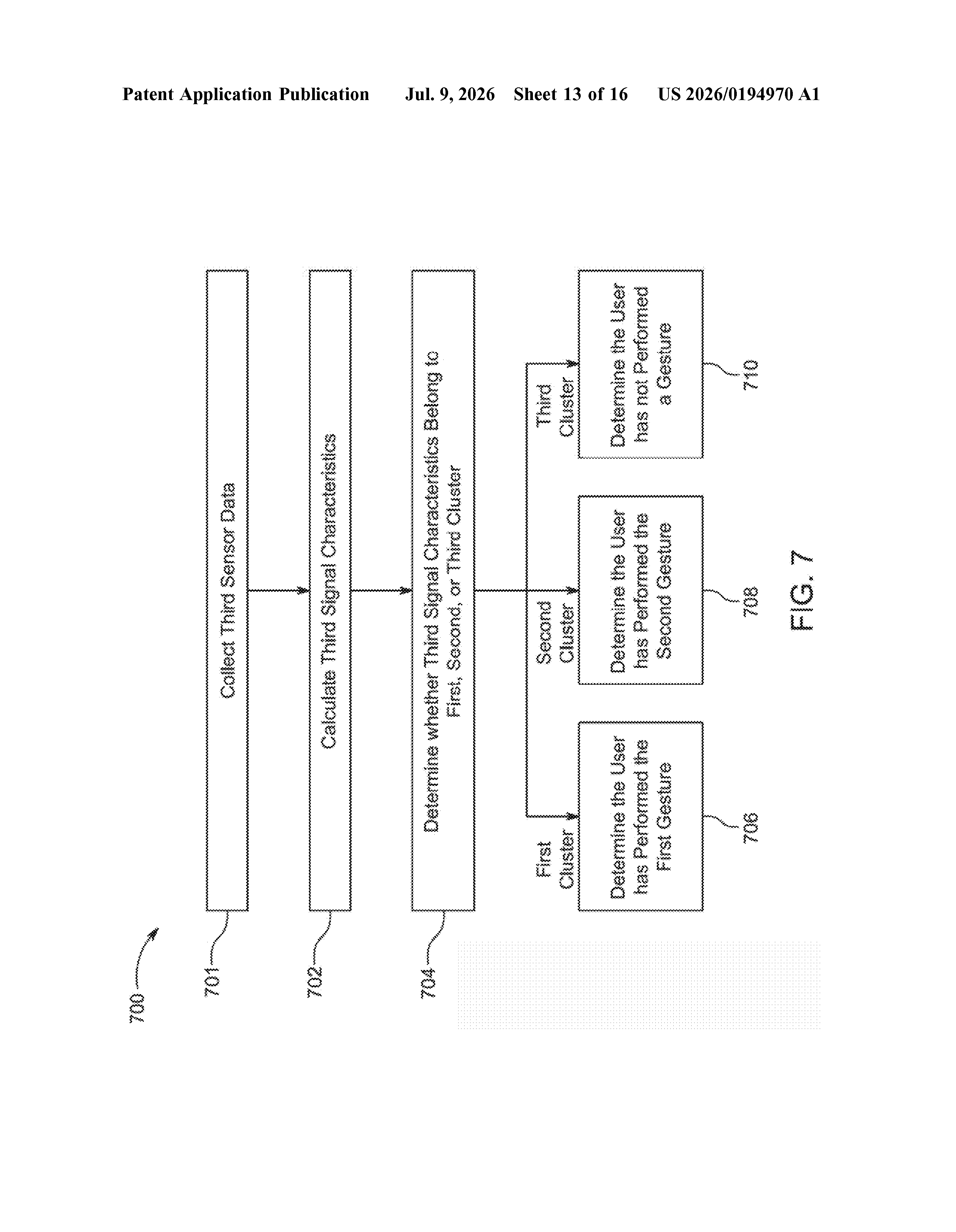
- The system checks whether both signals together match a known pattern, a "criterion" in the patent's language, that corresponds to a specific facial movement.
- If the pattern matches, the device logs it as a gesture and triggers a linked output or action.
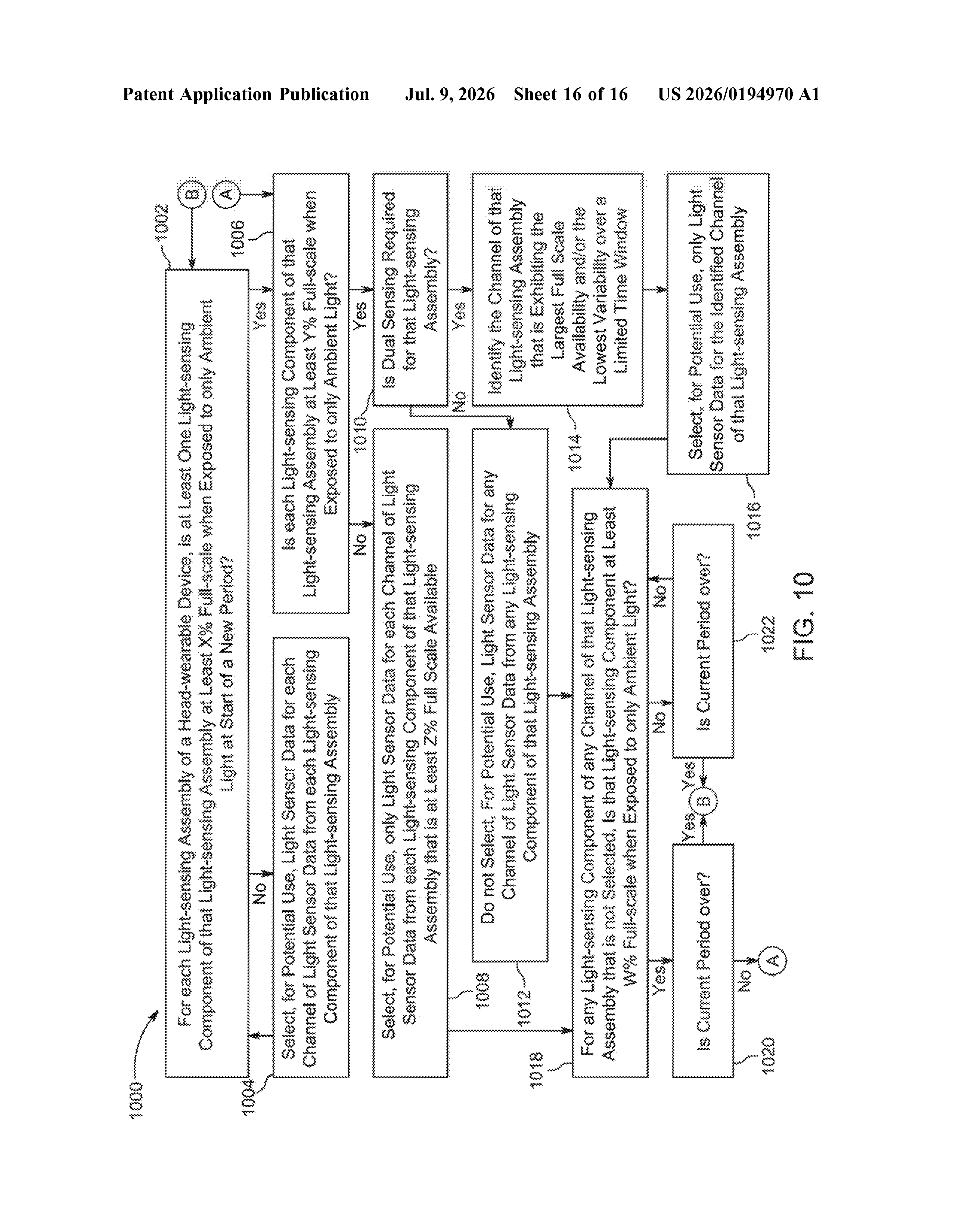
The patent also highlights a concept called saturation detection: if a light sensor is overwhelmed by too much incoming light (like direct sunlight), the system can switch to a different sensor or weigh that sensor's data differently. This keeps gesture recognition reliable even in bright or variable lighting conditions.
The claim covers a processor making all these decisions on-device, which suggests low-latency local processing rather than sending data to the cloud.
What this means for hands-free AR and Vision Pro control
For devices like Apple Vision Pro or any future Apple glasses, adding your face as an input method is a meaningful expansion of control options. Right now, Vision Pro relies on eye tracking, hand gestures, and voice. A system that can read facial expressions directly from the headset's frame opens up a new layer of interaction that doesn't require you to raise your hands or speak out loud.
The saturation-handling detail is telling: Apple is thinking about this working in real-world conditions, outdoors, in varied lighting, not just in a controlled lab. That's the kind of engineering detail that shows up in products meant to be worn all day, not just in demos.
This is a focused, practical patent, not a conceptual moonshot. Apple is solving a specific problem: how do you interact with a face-worn device when your hands are busy and your voice isn't an option? The saturation-handling mechanism shows real product thinking. If Apple ships glasses or a lighter Vision Pro successor, expect something like this to be part of how you control it.
Get our take in your Top Stories
Liked this breakdown? Add Patentlyze as a preferred source on Google, and our plain-English take shows up more often in your Top Stories the next time Apple patent news breaks.
There are more where this came from
We read every patent application Big Tech publishes and send you the ones worth knowing. Plain English, free, every week.
The drawings
16 drawing sheets from US 2026/0194970 A1 · click any drawing to enlarge
Show the other 8 sheets
Want this weekly breakdown for a company we don't cover? Patentlyze Pro →