
Nvidia Patent Teaches Self-Driving AI to Better Detect Rare Road Hazards
Most roads are straight and uneventful, which means a self-driving AI trained on typical roads learns to handle typical roads well, and can stumble badly when something unusual shows up. Nvidia's new patent targets exactly that gap.
What Nvidia's path-prediction training fix actually does
Imagine you're teaching a student driver using a thousand hours of recorded footage from the same quiet suburb. They'd get very good at right-angle intersections and empty streets, but the first time they hit a tight mountain switchback or a chaotic multi-lane merge, their training would barely apply. Self-driving AI has the same problem.
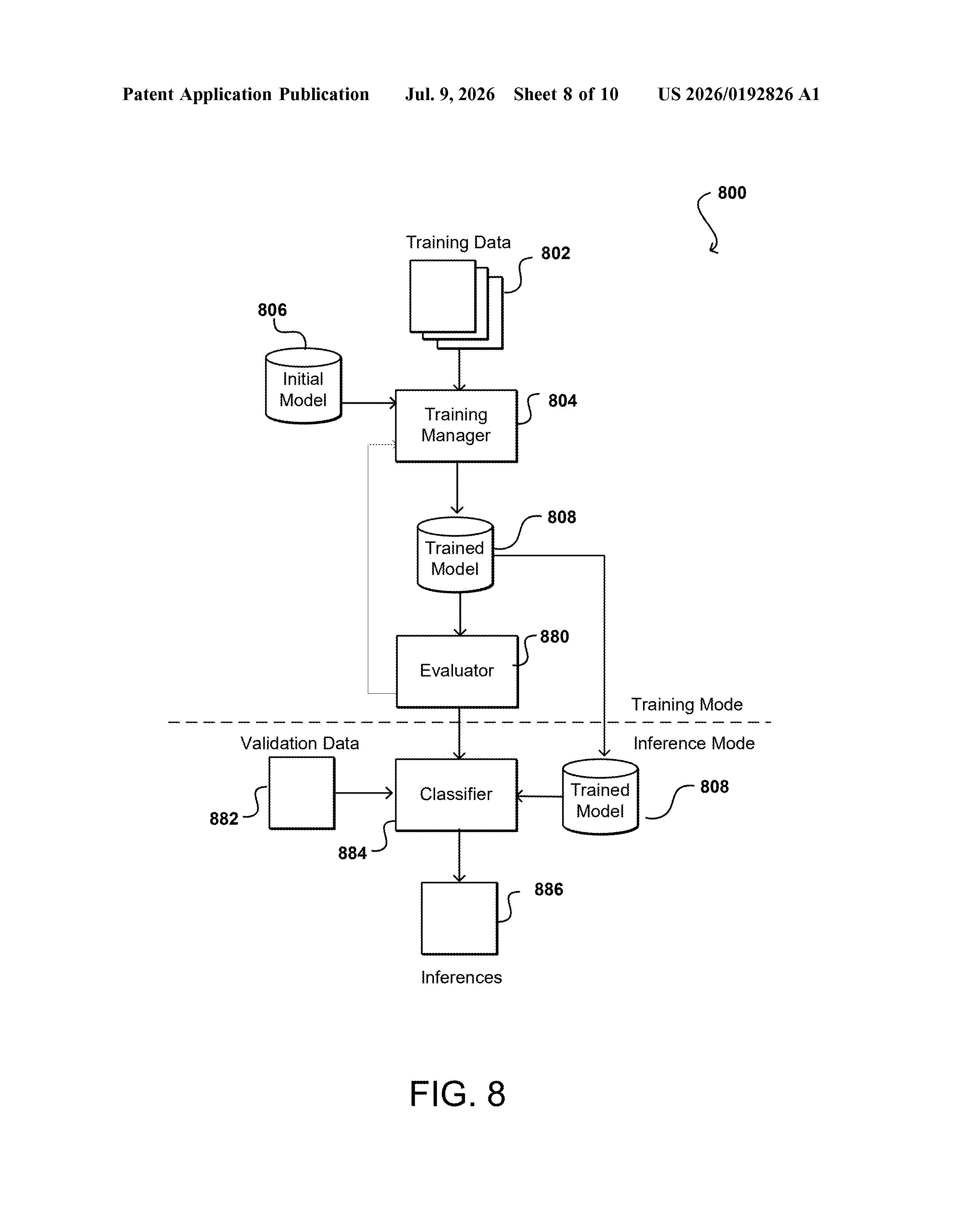
Nvidia's patent describes a training method that keeps that from happening. While the AI is learning to predict the best path for a vehicle, the system tracks which road shapes and situations come up often and which ones are rare. It then cranks up the loss penalty (the signal that tells the AI "you got this wrong, adjust") for those rare situations so the model learns them more thoroughly, even when they barely appear in the training data.
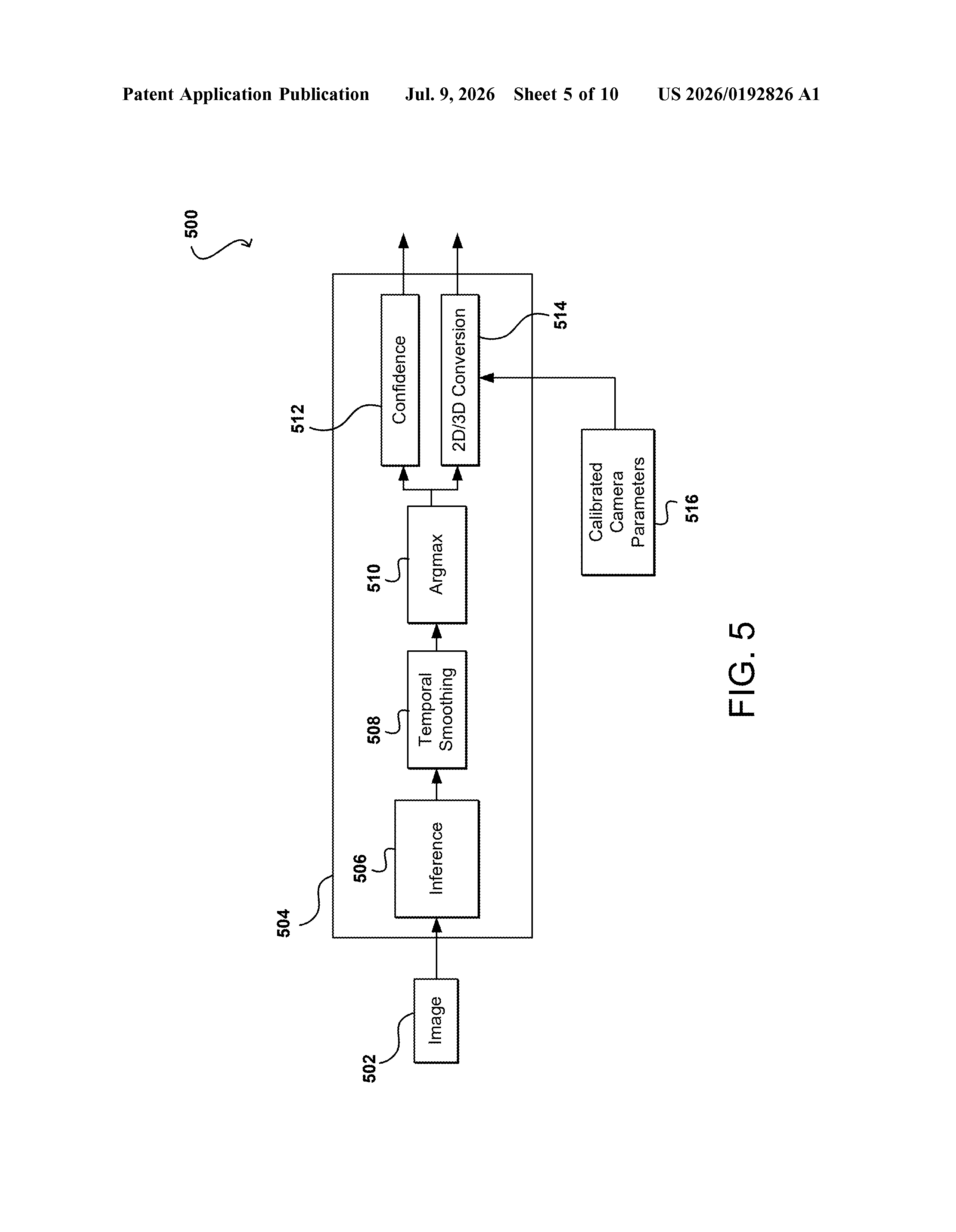
The system also smooths out the AI's predictions over time so the vehicle doesn't suddenly jerk toward a new path, and it converts its best-guess route into full three-dimensional navigation directions. The goal is an AI that handles both the ordinary commute and the weird edge cases with roughly equal confidence.
How the loss-scaling system weights rare vs. Common road features
The patent describes a training pipeline for neural networks that predict navigation paths, specifically aimed at making the model treat rare road features as seriously as common ones.
Here's how the core idea works:
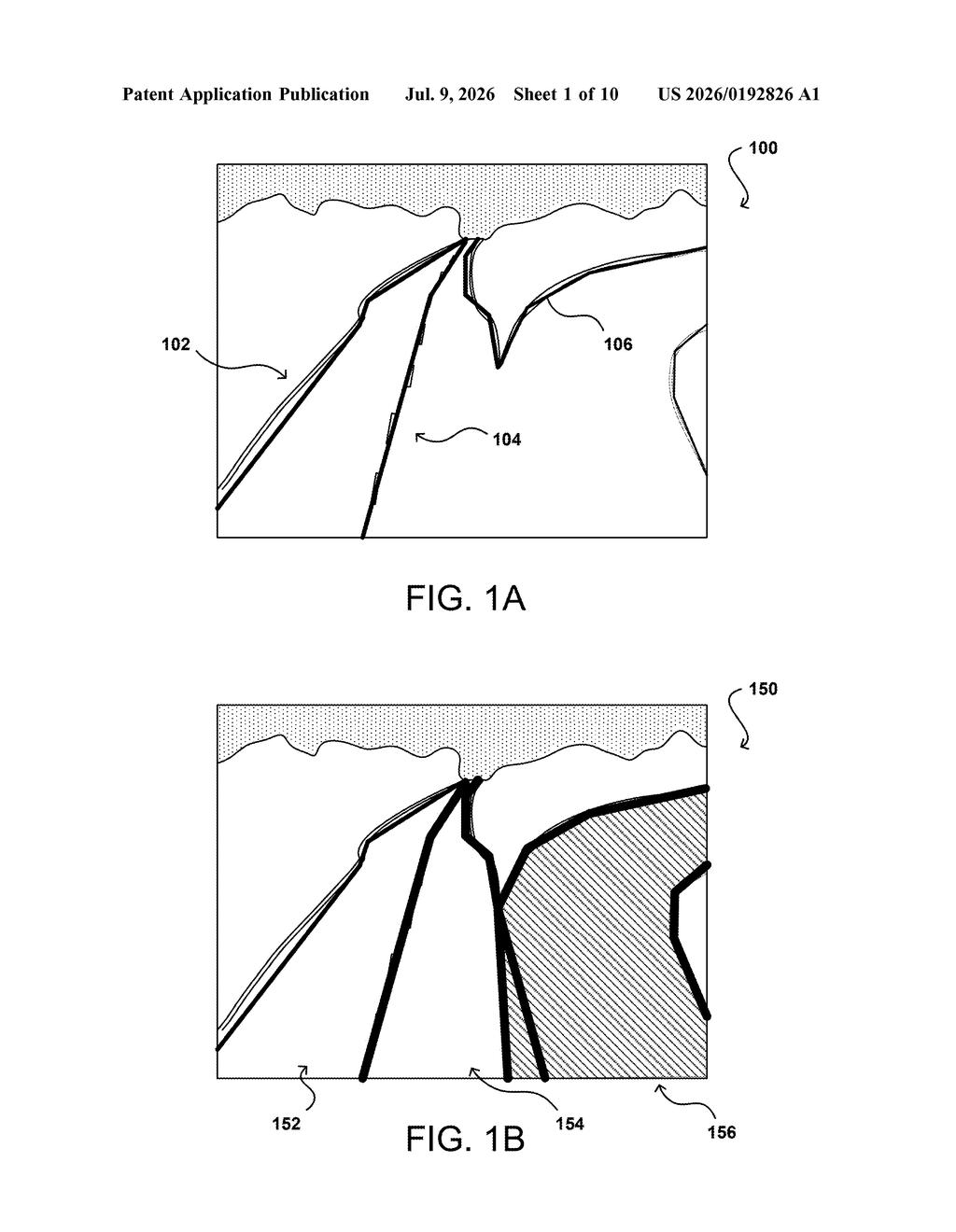
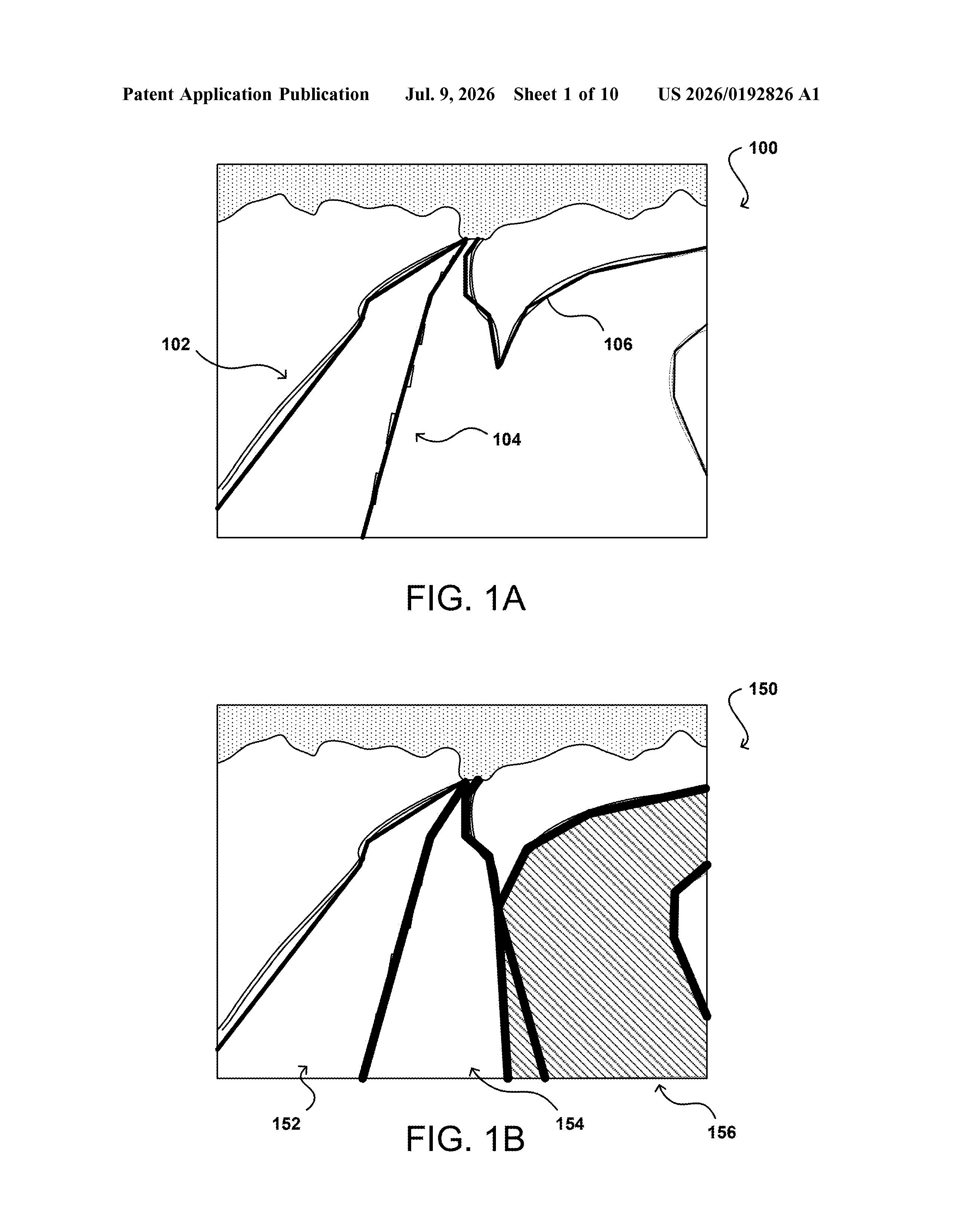
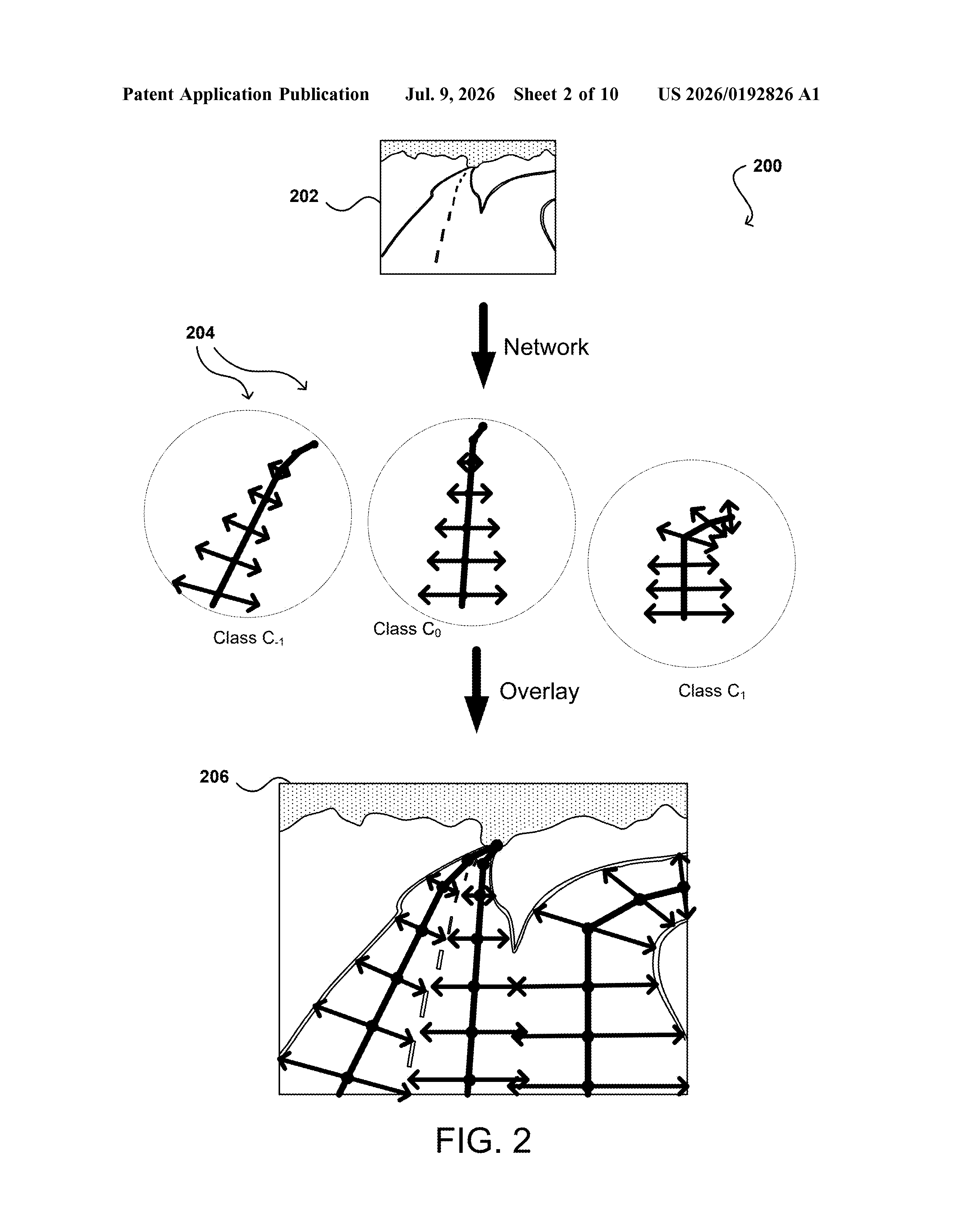
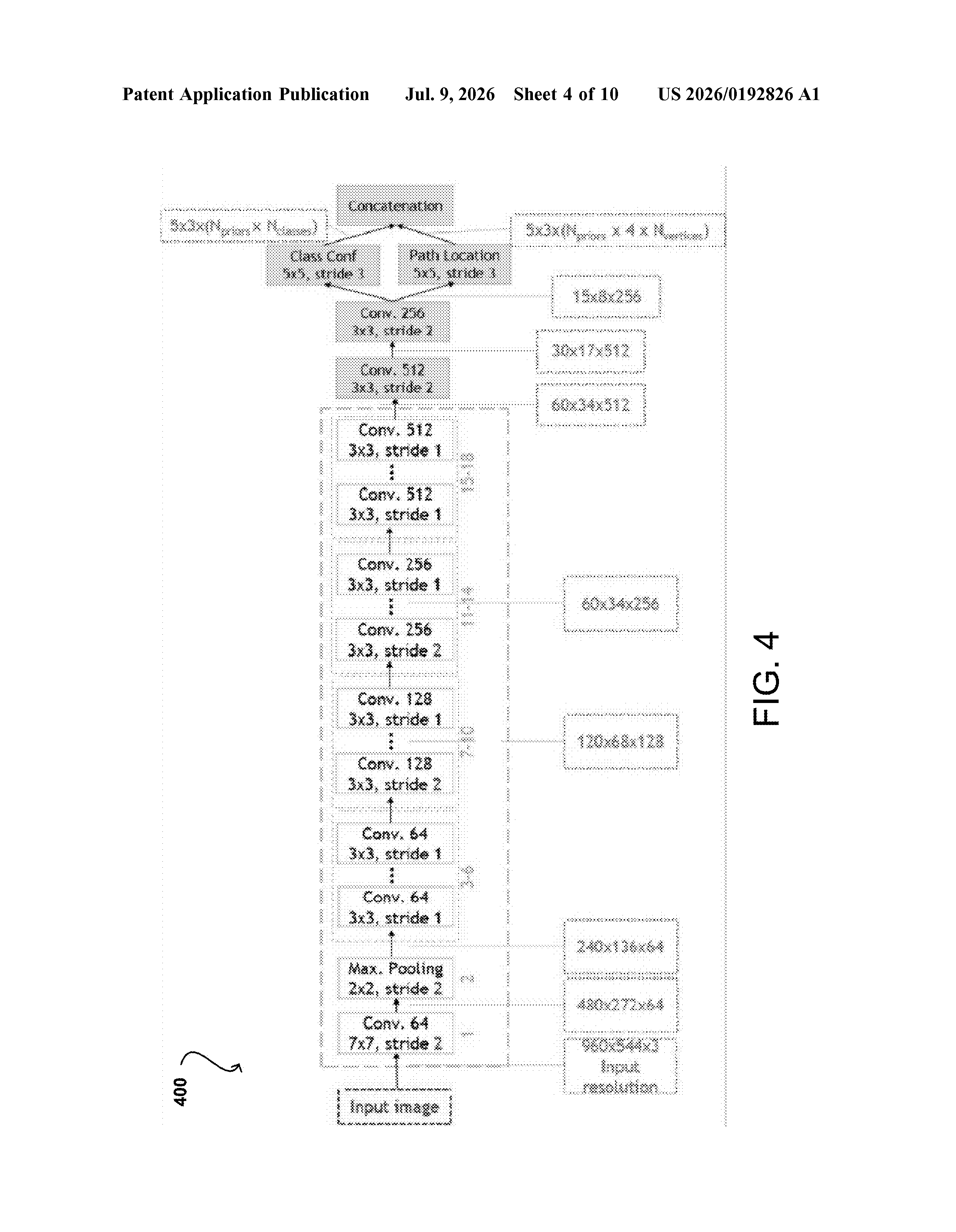
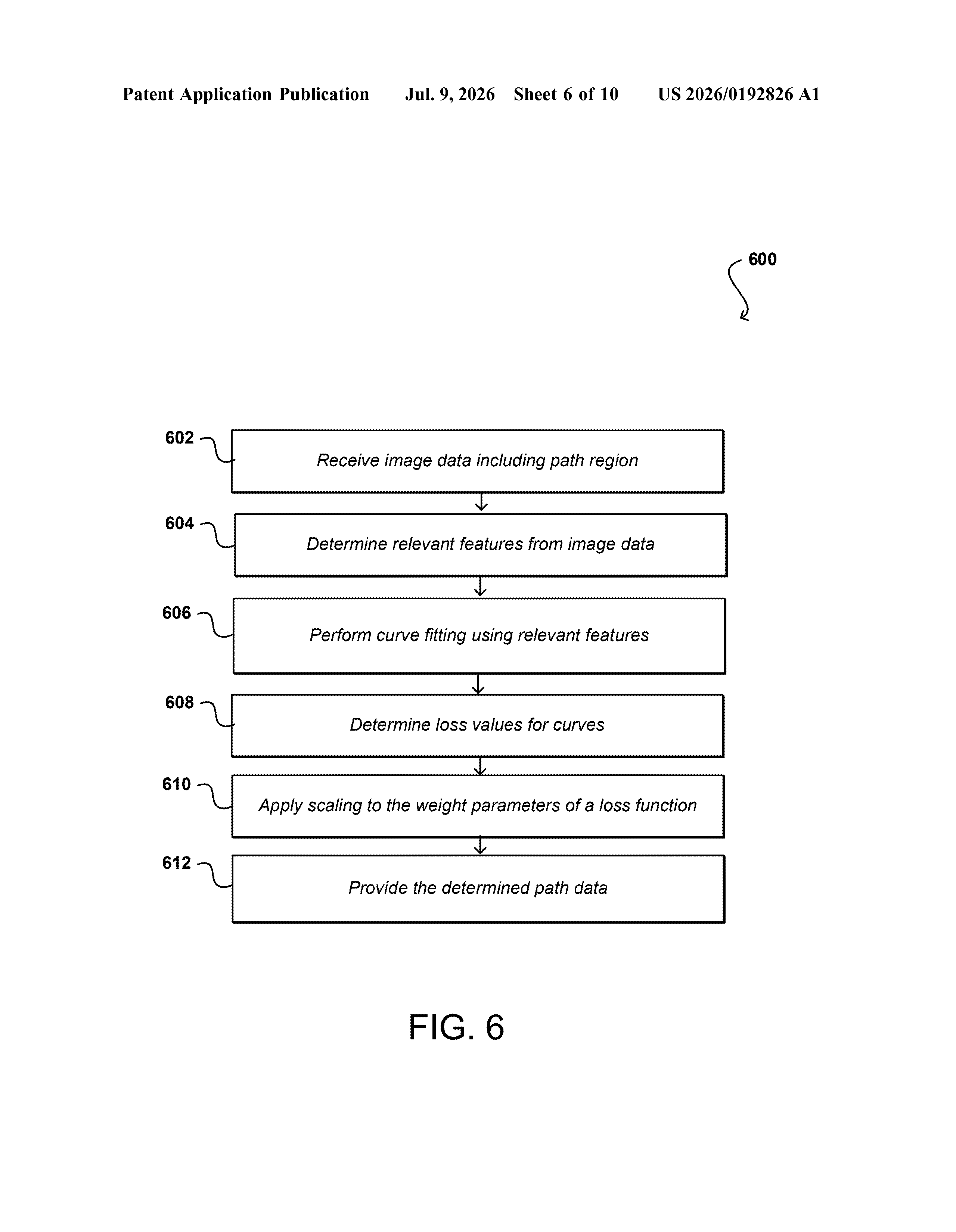
- Images from a vehicle's cameras are processed to identify features relevant to possible paths, things like lane markings, curb edges, or unusual road geometry.
- The system builds a frequency distribution (essentially a count of how often each type of feature appears across all training images) to identify which situations are common and which are rare.
- During training, loss values (the error signals that push the neural network to improve) are scaled up for rare features, so the model gets a stronger "this matters" signal for situations it has seen less often.
- Loss scaling is also tied to the curvature of a curve fit to the detected features, meaning tighter turns or more complex geometry generate stronger training signals.
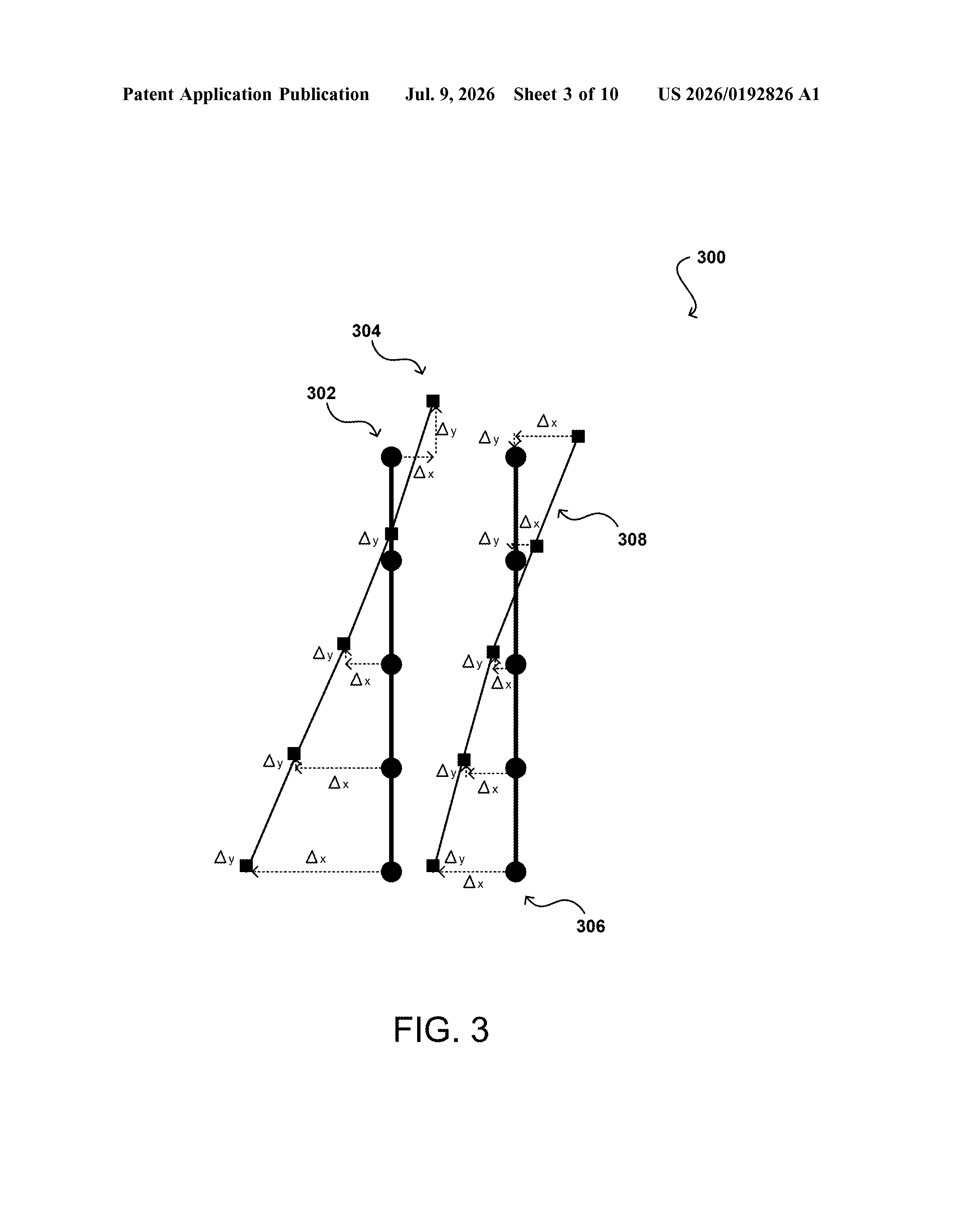
The patent also includes temporal smoothing, a process that blends the current path prediction with recent prior predictions to prevent abrupt path changes that could feel jarring or unsafe. Finally, multiple candidate paths are scored by confidence, and the highest-confidence path that clears a minimum threshold is selected and converted into three-dimensional navigation data.
What this means for autonomous vehicle reliability
Self-driving AI fails disproportionately in rare or unusual situations, and that's not a coincidence. Standard training on real-world data inherits real-world frequencies: most miles are boring, so most training signal comes from boring miles. A system that rebalances that signal during training is addressing one of the fundamental structural problems in how autonomous driving models are built.
For Nvidia, which sells the compute platforms and AI software stacks that many autonomous vehicle programs run on, this kind of training improvement matters at scale. If you're a rider in a robotaxi or sitting in a car with a driver-assist system built on Nvidia hardware, a model trained this way should, in theory, handle the unexpected road geometry you encounter far less often, but far more critically, than the everyday stuff.
This is unglamorous but genuinely important work. Fixing the frequency-bias problem in training data is one of the things the autonomous driving industry has been wrestling with for years. Nvidia patenting a specific, systematic approach to it suggests this is production-bound logic, not a research curiosity.
Get our take in your Top Stories
Liked this breakdown? Add Patentlyze as a preferred source on Google, and our plain-English take shows up more often in your Top Stories the next time Nvidia patent news breaks.
There are more where this came from
We read every patent application Big Tech publishes and send you the ones worth knowing. Plain English, free, every week.
The drawings
10 drawing sheets from US 2026/0192826 A1 · click any drawing to enlarge
Want this weekly breakdown for a company we don't cover? Patentlyze Pro →