
Google Patents a Stacked Membrane Method for Point-of-Care Diagnostic Tests
Google has quietly filed a patent covering how to manufacture the layered membrane strips inside point-of-care diagnostic tests — the kind of rapid test you'd use at home or a clinic to get an instant result. It's a manufacturing process patent, not a sensor or AI play, which makes it an unusual move for a software giant.
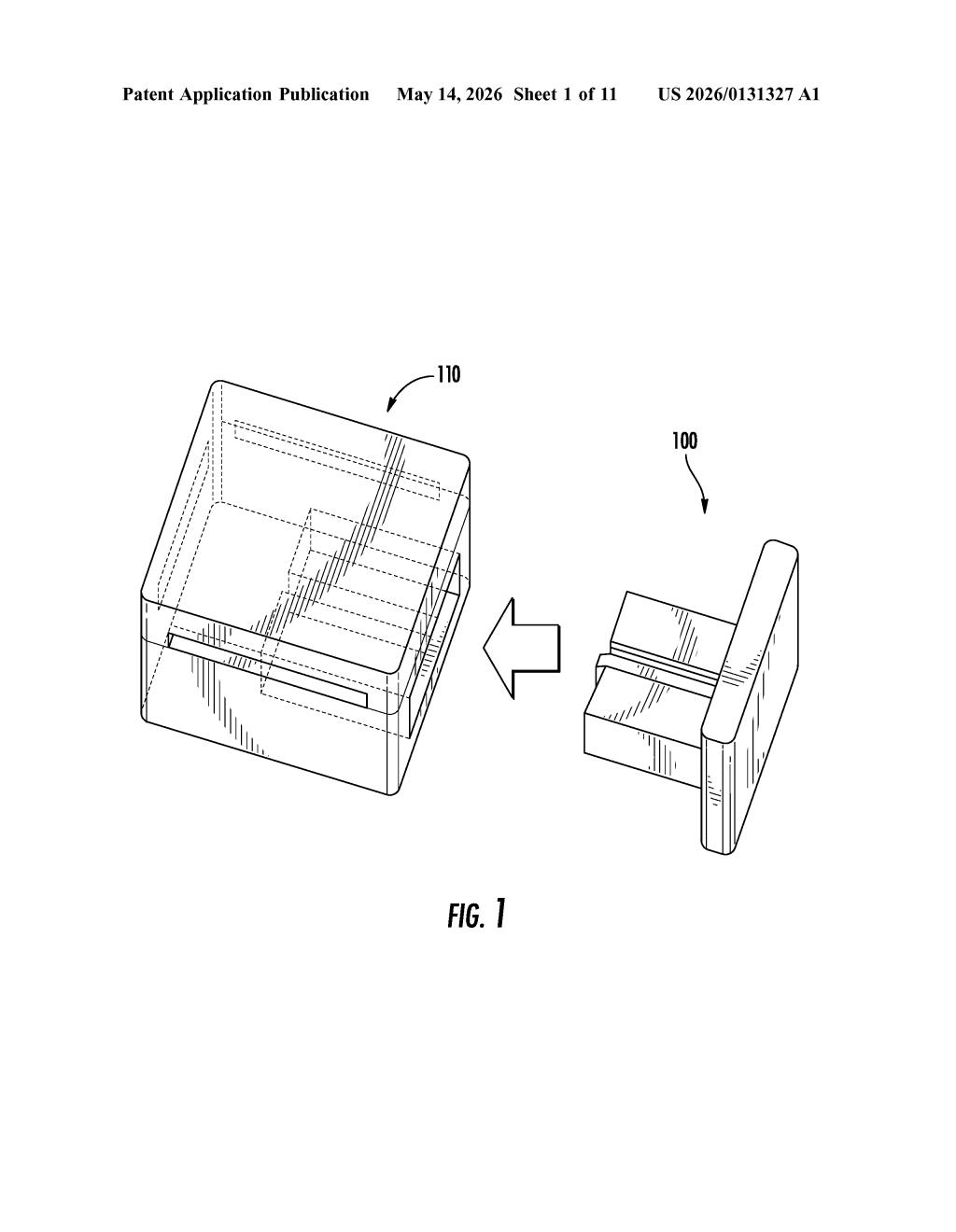
What Google's stacked test-strip membrane actually does
Imagine a rapid COVID test or a home pregnancy test. Inside that plastic cartridge is a thin strip of layered material — each layer soaked in specific chemicals that react to whatever your sample contains. The order and bonding of those layers matters a lot for accuracy.
Google's patent describes a specific way to build those layered strips. You take two membranes — each pre-loaded with its own set of assay reagents (the chemicals that trigger a reaction) — coat one with a polymer solution that acts like a glue, press them together, and then dry the whole stack. The polymer does double duty: it holds the layers together and helps control how the reagents behave.
This is a manufacturing method patent, meaning Google is staking a claim on the process of assembling these test materials, not the chemistry itself. It's a surprisingly hands-on, physical-world filing from a company better known for software and AI.
How the polymer coating bonds two reagent membranes together
The patent covers a step-by-step method for assembling a stacked membrane — a multi-layer material used inside point-of-care (POC) diagnostic test systems (think rapid antigen tests, lateral flow assays, or similar instant-result diagnostics).
Here's how the process works:
- First membrane: Pre-loaded with a first set of assay reagents — the chemicals that detect or bind to a target substance (like a virus protein or a hormone).
- Second membrane: Coated with a second set of assay reagents plus a polymer coating solution. The polymer acts as a structural adhesive.
- Stacking: The two membranes are arranged on top of each other, and the polymer coating bonds them into a unified layer.
- Drying: The stacked assembly is at least partially dried to fix the structure in place.
The key innovation here is using the polymer coating solution as both a reagent carrier and a lamination agent — eliminating the need for a separate adhesive step. This could simplify manufacturing and potentially improve consistency across test batches. The patent is filed under classification 422/502, which covers chemical test apparatus, placing it firmly in the physical diagnostics hardware space.
What this means for Google's diagnostics ambitions
Point-of-care diagnostics is a multi-billion-dollar industry that accelerated dramatically during the COVID-19 pandemic. Simpler, more reliable manufacturing methods directly affect test accuracy, shelf life, and cost — which in turn affects who can access fast diagnostics and at what price.
For Google, this is an outlier filing. The company has dabbled in health tech through subsidiaries like Verily (life sciences) and through its acquisition history, but a hands-on membrane manufacturing patent is a long way from search algorithms or TPUs. It's worth asking whether this connects to Verily's diagnostics work or represents a new hardware-adjacent health initiative — though the patent itself doesn't say.
This is a niche manufacturing process patent that would feel routine coming from a diagnostics company like Abbott or Roche. Coming from Google, it's eyebrow-raising — not because the method is clever (it's fairly incremental), but because it signals Google is serious enough about point-of-care diagnostics hardware to lock down production IP. Whether that's Verily-adjacent or something new, it's worth tracking.
There are more where this came from
We read every patent application Big Tech publishes and send you the ones worth knowing. Plain English, free, every week.
Want this weekly breakdown for a company we don't cover? Patentlyze Pro →