
OpenAI Patents a System That Teaches AI Chatbots to Read Time and Schedule Tasks
Tell an AI 'remind me about this after the holidays' and it actually knows what you mean. That's the core idea behind this OpenAI patent, which aims to give language models a real sense of time.
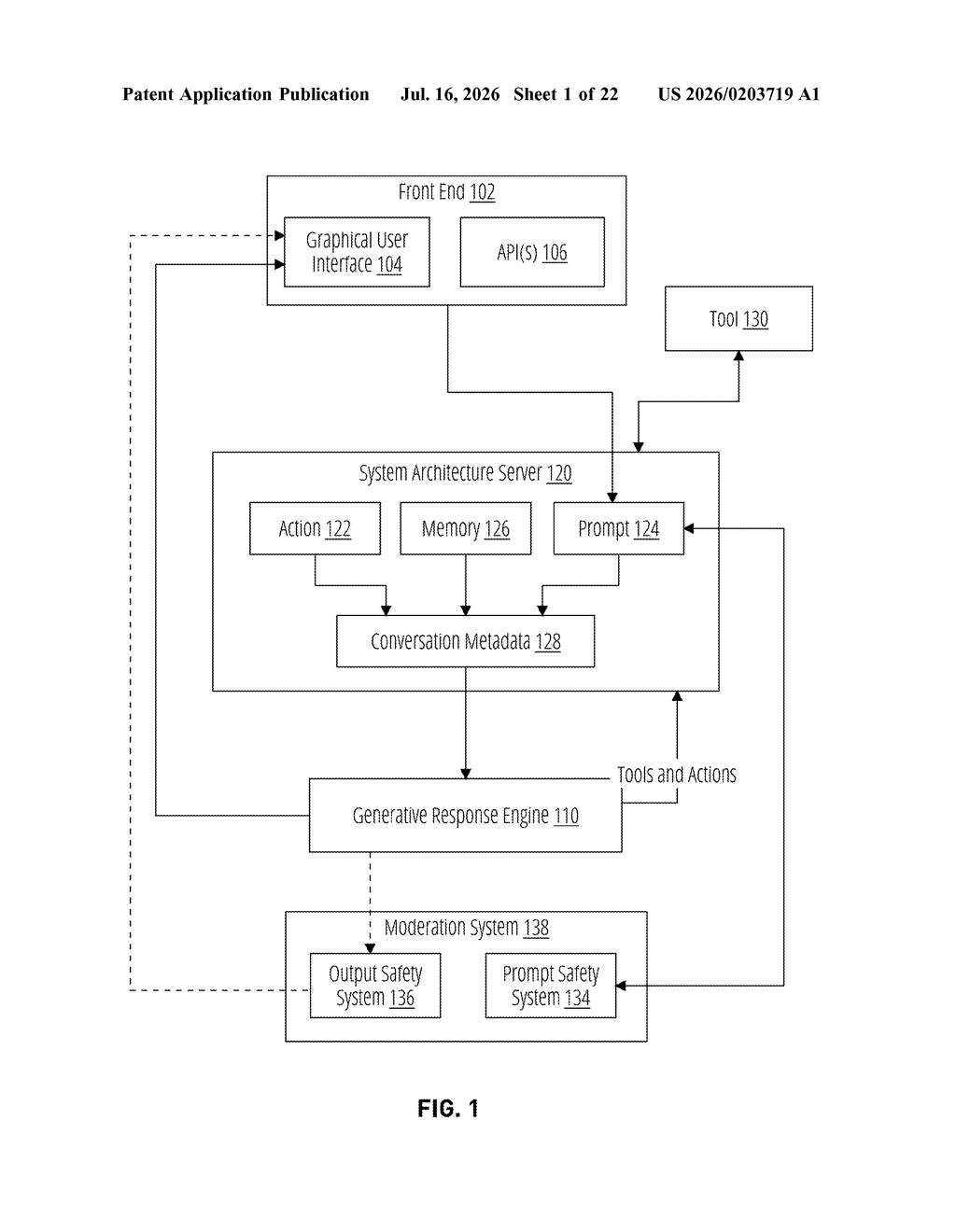
What OpenAI's time-parsing AI actually does
Imagine you're chatting with an AI assistant and you type something like 'order me flowers two days before my anniversary' or 'follow up on this email next Monday.' Right now, most AI chatbots struggle to connect that kind of fuzzy time language to an actual date on a calendar. OpenAI's patent describes a system built to fix that.
The idea is that when you include a time reference in your chat (things like 'after the meeting,' 'in three weeks,' or 'before the deadline'), the AI figures out exactly what date and time you mean, then hands that off to a scheduler. If the AI can't work out the date from what you've said, it either asks a follow-up question or suggests a clearer alternative.
The system can also check external tools, like a third-party calendar or database, if pinning down your timing depends on some other event it doesn't already know about. It's the difference between an AI that takes a note and one that actually remembers when to act.
How the system maps vague time phrases to real dates
The patent describes a pipeline inside a generative response system (think a ChatGPT-style chatbot) that identifies time-related language inside a user's message and converts it into a precise date-and-time value.
Here's roughly how that process works:
- The system reads your message and spots a temporal component -- any phrase that refers to time ('next Friday,' 'in two hours,' 'after the game').
- It uses the rest of your conversation as context to resolve ambiguity. If you said earlier in the chat that 'the game' is on Saturday evening, the system can use that to anchor the phrase.
- The resolved date-and-time value is sent to a scheduler (like a calendar app), which fires a notification or triggers an action at the right moment.
- If no confident match can be found, the system either asks you to clarify or proposes an alternative time reference it can interpret.
The patent also covers cases where the timing depends on an external event the AI doesn't know about. In those situations, the system can query auxiliary tools -- third-party services or APIs -- to pull in the information it needs before locking in a date.
What this means for AI-driven task automation
For AI assistants to graduate from novelty chatbots to genuinely useful task managers, they need to understand when you want things done, not just what you want done. This patent is OpenAI staking out core infrastructure for that capability, and it's the kind of plumbing that would underpin any serious 'agentic' product where the AI takes actions on your behalf over time.
If this becomes part of a product like ChatGPT or a future AI agent platform, it could mean you can schedule reminders, draft follow-up emails, or trigger automations just by describing them in plain language -- no separate calendar app required. That's a meaningful shift in what a conversational AI can do for you day-to-day.
This is foundational work, not flashy. Most AI automation demos fall apart the moment vague time language enters the picture, and OpenAI is clearly aware of that gap. Whether this surfaces as a visible feature or just improves scheduling inside existing products, it solves a real and annoying problem.
There are more where this came from
We read every patent application Big Tech publishes and send you the ones worth knowing. Plain English, free, every week.
Want this weekly breakdown for a company we don't cover? Patentlyze Pro →