
New Patent Tackles Battery Health Accuracy Over Time
Every battery lies to you a little more each year. Samsung is patenting a way to catch those lies before they snowball into a phone that dies at 40%.
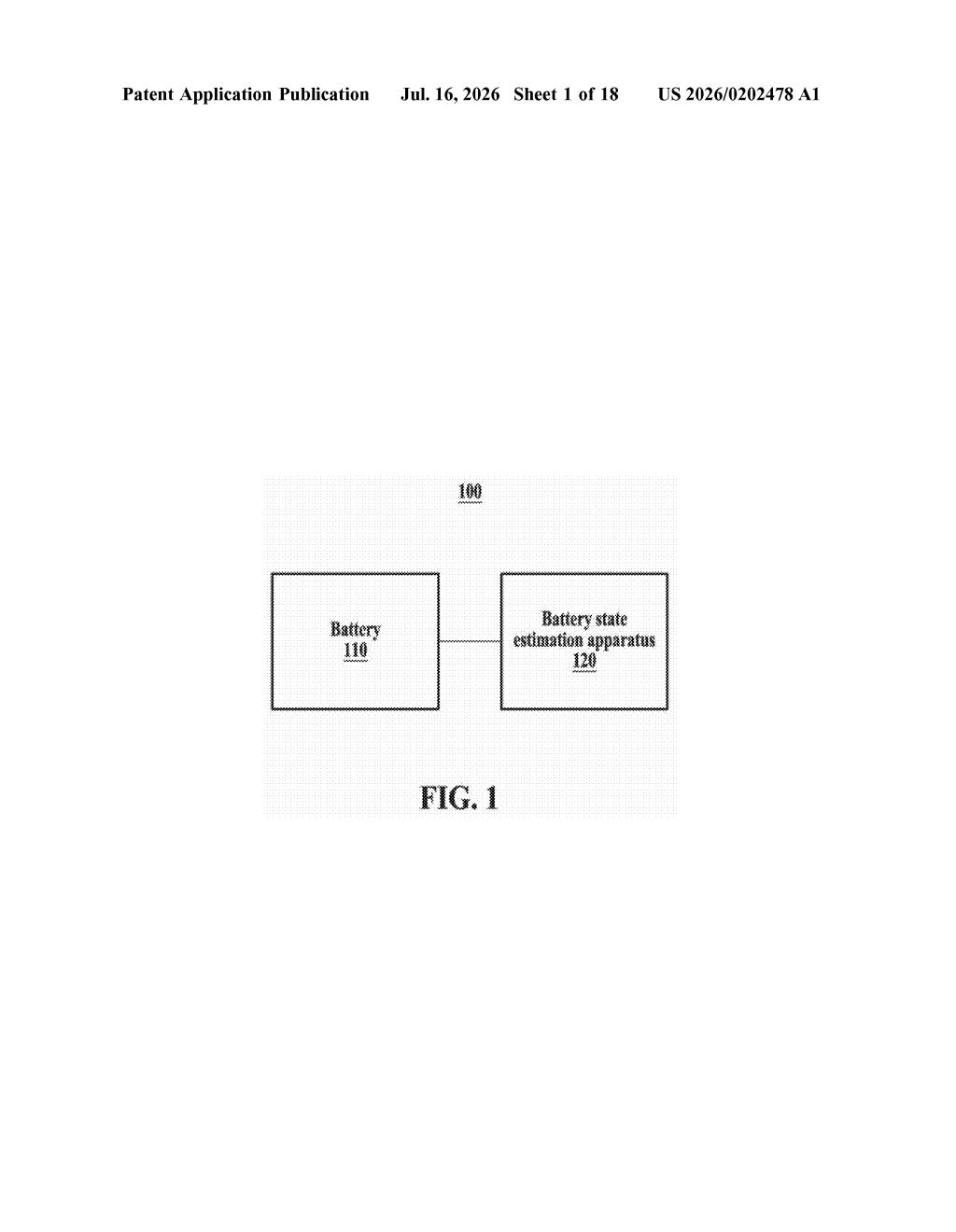
What Samsung's self-updating battery model actually does
Imagine your phone says it has 30% battery left, then shuts off two minutes later. That happens because the software estimating your charge level was built around a fresh battery, and your battery is no longer fresh. The estimate drifts further from reality the older your battery gets.
Samsung's patent describes a method where the device watches for specific moments during charging and discharging, uses those moments as checkpoints, and measures how much current actually flowed between them. It then compares that against what its internal battery model predicted and adjusts the model to match reality.
The result is a battery model that corrects itself over the life of the device, rather than sticking with assumptions baked in at the factory. Your phone's reported charge percentage and health status should stay closer to the truth, even after a year or two of heavy use.
How the degradation parameter gets recalculated over time
The patent centers on a battery model, a mathematical representation of how a battery behaves, running inside the device's processor. That model has two kinds of variables:
- Model parameters: real-time readings like voltage and temperature that describe what the battery is doing right now.
- Degradation parameters: values that describe how much the battery has worn down from its original condition.
The system watches the model parameters as the battery charges or discharges. When a parameter hits a specific threshold value (think: a particular voltage level), the device logs the battery's state of charge (SOC), essentially how full it is as a percentage. It waits for a second threshold to be hit, logs a second SOC reading, then tallies up the total current that flowed through the battery in between.
That three-part measurement (first SOC, second SOC, current consumed) is then used to update the degradation parameter inside the model. The degradation parameter is the number that accounts for battery aging. By recalculating it from real observed data rather than leaving it at a factory default, the model stays calibrated to the actual condition of that specific battery in that specific device.
What this means for Galaxy device battery life estimates
Battery percentage is one of the most-watched numbers on any phone, and one of the least accurate on older devices. A self-correcting model like this could meaningfully reduce the gap between what your phone says and what it actually delivers, especially in the second and third year of ownership.
For Samsung, this also has a practical business angle. Better battery state estimates reduce warranty complaints and support tickets tied to unexpected shutdowns. It also feeds into health-tracking features, like the battery health percentage already visible in Galaxy settings, making those numbers more trustworthy without requiring any hardware changes.
This is genuinely useful engineering work. The problem it solves is real and annoying to millions of people, and the approach, using real observed charge intervals to recalibrate the model rather than relying on a fixed aging curve, is cleaner than what most devices do today. It won't make headlines, but if it ships, you'll notice your battery percentage behaving more honestly after year one.
There are more where this came from
We read every patent application Big Tech publishes and send you the ones worth knowing. Plain English, free, every week.
Want this weekly breakdown for a company we don't cover? Patentlyze Pro →