
New Patent Speeds Up How Graphics Cards Draw Images on Screen
Every frame your GPU draws gets chopped into small zones called tiles, and Intel is filing a patent for a smarter way to organize those zones into groups before the drawing even starts.
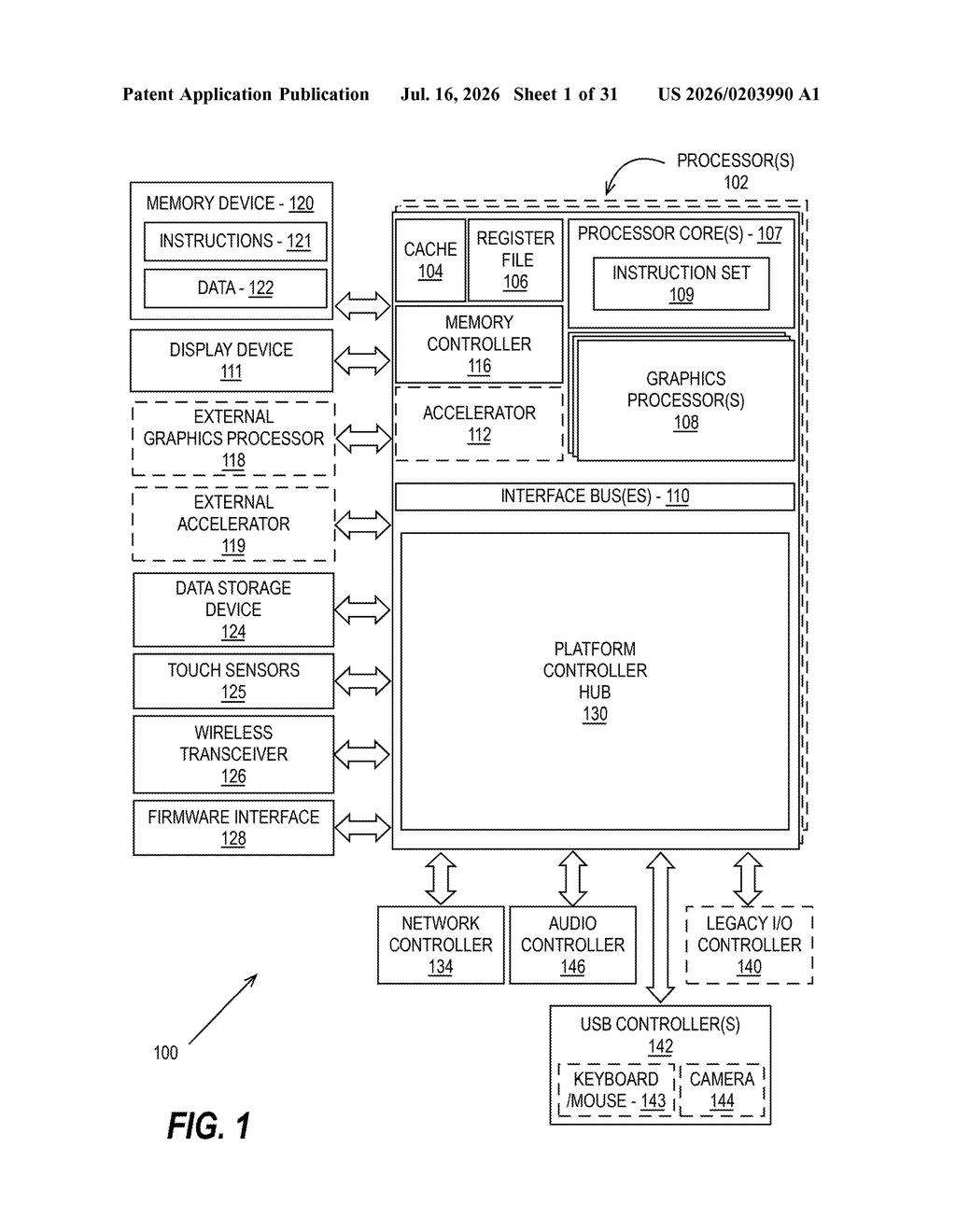
How Intel's two-level screen-splitting speeds up drawing
Imagine a painter working on a giant mural. Instead of zigzagging all over the canvas, they section it off into large blocks, then smaller squares inside each block, and work area by area. That's roughly what Intel is proposing for graphics processors.
When your computer draws a scene on screen, the GPU splits the image into small patches called tiles and figures out which objects land in which patch. Intel's patent adds a layer on top of that: it groups tiles into super tiles, so the chip can sort through a whole batch of objects at once and figure out which large zones they touch before bothering with the finer details.
The result is that the GPU does less redundant work. Instead of checking every tiny tile against every object in the scene, it narrows things down in two steps, large zone first, small tile second. That kind of efficiency matters most in scenes with lots of overlapping shapes, where the old approach wastes time on tiles that turn out to be empty.
How super tiles batch and replay object intersections
The patent describes a hardware unit that handles tile-based rendering (a technique where the screen is divided into small rectangular zones and each zone is processed independently, which saves memory bandwidth compared to drawing the whole image at once).
What Intel adds is a hierarchical (two-level) organization on top of that:
- Batch formation: incoming objects are grouped into batches before any tile work begins.
- Super tile fill sequencing: the hardware identifies which large "super tile" zones each batch of objects overlaps, rather than immediately checking every small tile.
- Tile fill intersects: once the relevant super tiles are known, the hardware zooms in and computes exactly which small tiles inside each super tile are actually touched by each object.
- Replay sequencing: the hardware can replay the sequence of objects for each super tile, meaning it processes geometry in an order that keeps related data together.
The key insight is that by working in two passes (coarse zone, then fine tile), the chip avoids testing every object against every tiny tile. That's especially valuable in complex scenes where most objects only cover a small fraction of the screen.
What this means for Intel's GPU rendering pipeline
Tile-based rendering is already the dominant approach in mobile GPUs (Qualcomm, Apple, ARM) because it cuts memory traffic. Intel is pushing that architecture further with this hierarchical grouping layer, which suggests the company is working to make its integrated and discrete graphics hardware more competitive on power-efficient rendering workloads.
For everyday users, better tiling logic can mean games and graphics apps draw frames faster without the GPU working as hard. It also fits into a broader trend of GPU makers borrowing ideas from mobile chip design to cut power use on laptops and handhelds, where battery life and heat matter as much as raw performance.
This is a fairly deep internal engineering patent, the kind that rarely makes headlines but does real work inside a GPU. Intel's integrated graphics have long lagged Apple Silicon's tile-based efficiency, and this filing suggests the company is taking that gap seriously at the architecture level. Worth a look if you follow GPU design, not especially relevant to anyone else.
There are more where this came from
We read every patent application Big Tech publishes and send you the ones worth knowing. Plain English, free, every week.
Want this weekly breakdown for a company we don't cover? Patentlyze Pro →
Be the first to weigh in