
IBM Patent Deploys Two Cooperating AI Models to Automate Regulatory Compliance Checks
Reading a new government regulation and figuring out whether your company's computer systems actually follow it is slow, expensive, and error-prone work. IBM is patenting a system where two AI models do that job together, automatically.
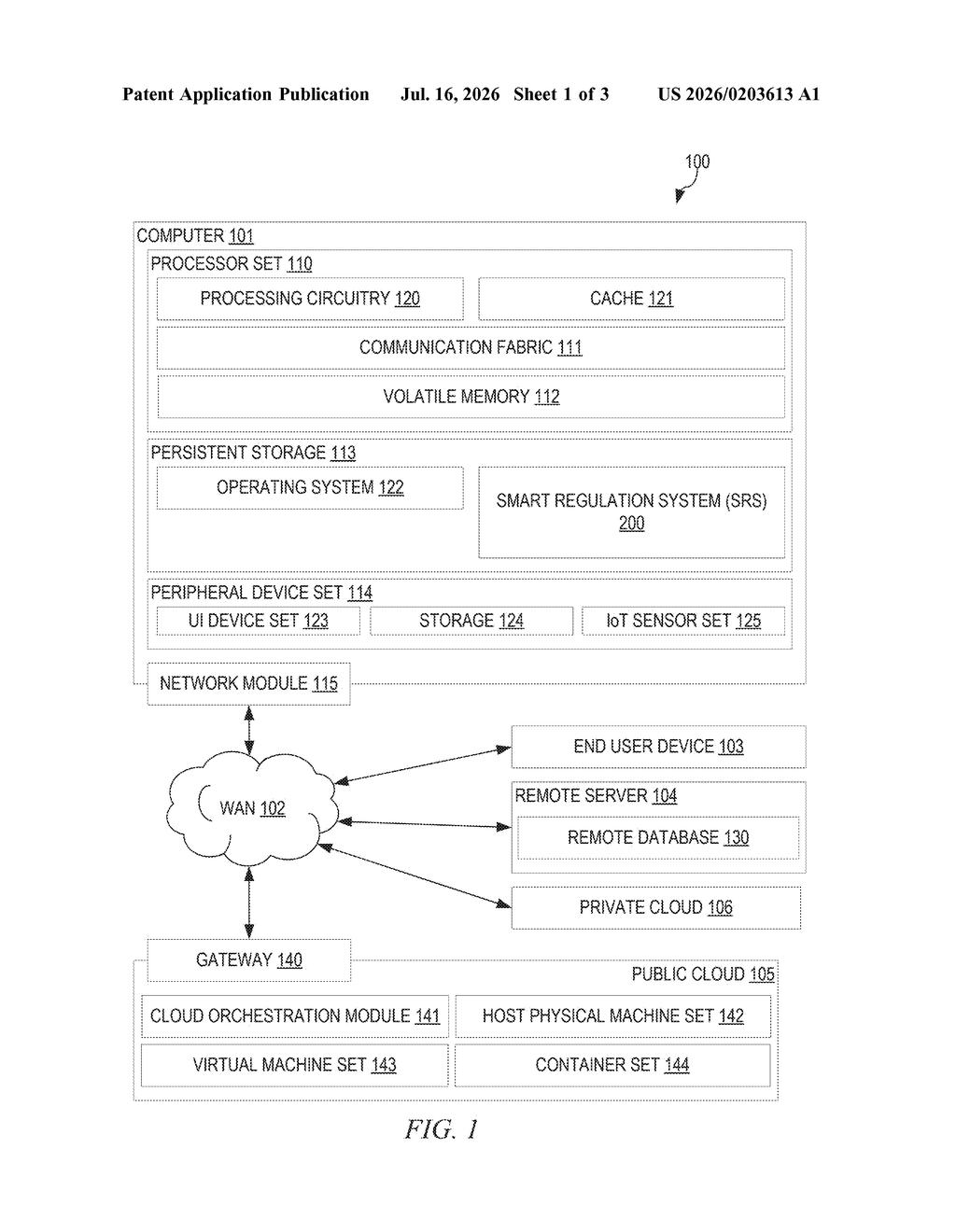
What IBM's two-AI compliance checker actually does
Imagine your company gets hit with a new data-privacy regulation. Someone has to read through the legal document, figure out what your IT systems are supposed to do differently, and then check whether they actually do it. Right now, that process involves lawyers, compliance officers, and a lot of manual checking.
IBM's patented approach splits that job between two AI models. The first one reads the regulation the way a human would and turns the plain-language rules into something a computer can test against. The second one takes those computer-readable rules and scans your actual systems to see if they pass.
The idea is that you hand the system a PDF or document of a new regulation, and it tells you whether you're in compliance, without anyone having to translate legalese into tech specs by hand. For large companies juggling dozens of overlapping regulations, that's a meaningful time saver.
How the two AI models divide the compliance work
The patent describes a two-stage AI pipeline designed to close the gap between written regulations and real-world IT compliance.
Model one: the translator. This AI is trained specifically to read natural language (meaning ordinary written text, like a law or policy document) and convert it into formal, machine-testable rules. Think of it as an AI paralegal that reads the regulation and writes the checklist.
Model two: the auditor. This AI takes those machine-testable rules and applies them to a live computing environment, scanning configurations, logs, or system states to determine whether the environment actually meets each rule. It's trained separately, specifically for the job of verification rather than translation.
The two models work in sequence:
- A regulation document arrives as input
- Model one processes it and outputs a structured rule
- Model two applies that rule to the monitored environment
- The system outputs a compliance result
Separating the two tasks into distinct, purpose-trained models is the core design choice here. IBM's claim is that specializing each model for one job produces better results than asking a single AI to do both.
What this means for companies buried in regulatory paperwork
For any large organization, keeping IT systems in sync with regulations like HIPAA, GDPR, or financial reporting rules is an ongoing headache. Compliance teams are often translating documents by hand, then asking engineers to verify settings manually. That's slow and introduces human error at every step.
If a system like this works reliably, it could let compliance and security teams process new regulations in hours rather than weeks. It also has implications for continuous compliance, where systems are checked in near-real-time rather than during periodic audits. IBM has deep roots in enterprise IT governance, so this fits squarely into their existing product lines around risk and compliance management.
This is a practical, unglamorous patent aimed squarely at enterprise compliance teams who spend real money on a genuinely tedious problem. The two-model architecture is sensible rather than original, but IBM is betting that applied AI in regulated industries is where the near-term money is. It's worth watching if you follow enterprise software or GRC (governance, risk, and compliance) tooling.
There are more where this came from
We read every patent application Big Tech publishes and send you the ones worth knowing. Plain English, free, every week.
Want this weekly breakdown for a company we don't cover? Patentlyze Pro →
Be the first to weigh in