
Google Patent Reveals AI That Reconstructs 3D Scenes From Flat Video Frames
Google is patenting a two-stage training method that could let an AI model turn ordinary video into full 3D scenes, without needing a depth sensor or special camera rig.
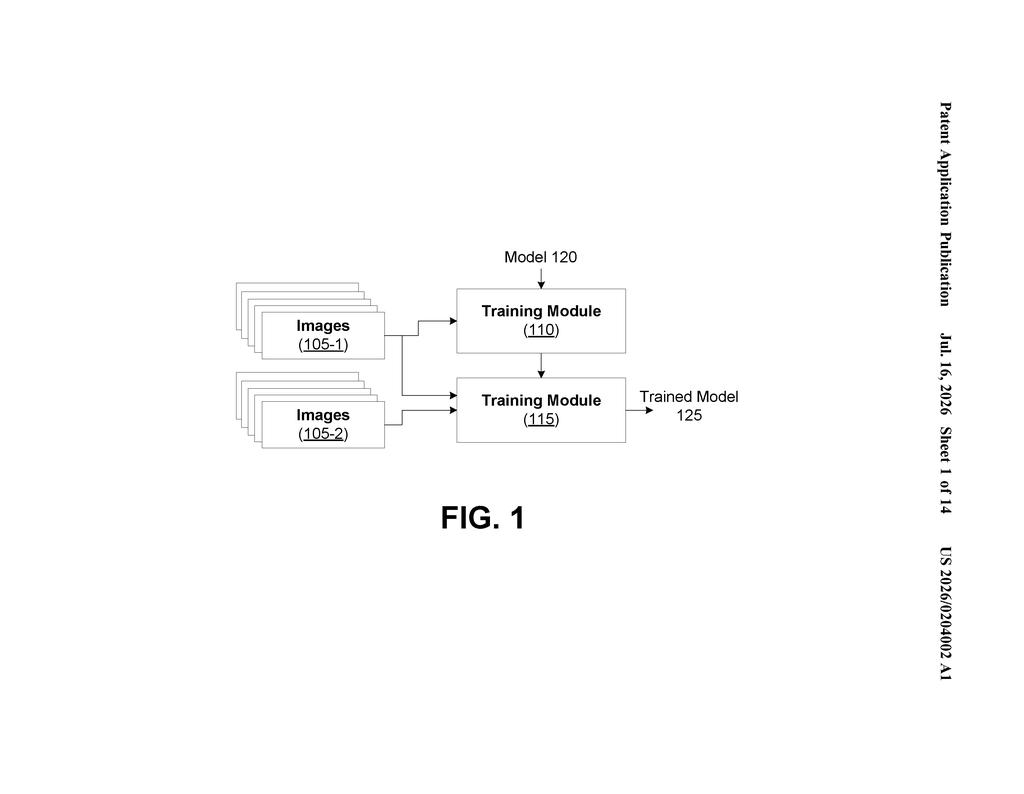
How Google teaches an AI to see depth from flat images
Imagine watching a video clip and wanting to step inside it, looking around from any angle. That requires understanding depth, and regular cameras only capture flat, 2D images. Google's patent describes a way to train an AI model that learns to reconstruct the 3D structure of a scene purely from those flat images.
The training works in two stages. First, the AI studies a collection of photos taken from known positions and learns to build a 3D model that matches a reference. Second, it studies pairs of consecutive video frames, comparing what it predicts in one frame to what it predicts in the next. That comparison forces the model to stay consistent over time, like learning that the chair in frame 1 can't suddenly jump sideways in frame 2.
The result is an AI that gets better at both accuracy and stability, which are two things you really need if you want convincing 3D video.
Inside Google's two-stage 3D model training loop
Stage one (static accuracy): The model receives a set of 2D images captured from multiple angles of the same scene. It generates a scene representation (think of it as an internal 3D map of the scene), then compares that map to a known ground-truth version. The difference between the two is the "loss" (a score of how wrong the model is), and the training process adjusts the model's parameters to shrink that score.
Stage two (temporal consistency): The model is then handed pairs of consecutive video frames. It generates a prediction from each frame independently, then compares those two predictions to each other. Because the frames were captured just milliseconds apart, a good 3D model should produce predictions that don't wildly contradict each other. Any contradiction counts as an error (another "loss") that the model is trained to eliminate.
The key insight is that stage two doesn't need a ground-truth 3D map at all. It uses the video itself as a self-consistency check. This is important because labeling real-world video with true 3D geometry is expensive and difficult; raw video is plentiful and cheap.
Together, the two stages teach the model both absolute accuracy (matching a known scene) and relative stability (not flickering or drifting as time moves forward).
What this means for Google's 3D video and camera products
For Google, this kind of training method is directly relevant to products like Google Photos, YouTube, and Android camera features that already experiment with depth-based effects and 3D photos. A model trained this way could generate more convincing depth maps from your phone's single camera, improve stabilization in video calls, or power the kind of immersive 3D content that augmented reality headsets need.
The self-supervised angle (using video pairs instead of expensive labeled data) also matters for scale. Google processes enormous volumes of video every day, and a training method that turns ordinary footage into useful training data could let the company improve its models far faster than competitors who need hand-annotated 3D datasets.
This is a genuinely clever training trick: using consecutive video frames as a free self-consistency signal removes one of the biggest bottlenecks in 3D AI research, which is getting enough labeled depth data. The two-stage design is methodical, not flashy, but that kind of careful engineering is what tends to actually ship into real products. Google's deep investment in camera AI across Pixel, YouTube, and AR makes this worth tracking.
Get our take in your Top Stories
Liked this breakdown? Add Patentlyze as a preferred source on Google, and our plain-English take shows up more often in your Top Stories the next time Google patent news breaks.
There are more where this came from
We read every patent application Big Tech publishes and send you the ones worth knowing. Plain English, free, every week.
Want this weekly breakdown for a company we don't cover? Patentlyze Pro →