
Google Patents a Single AI Model Built to Recognize All Object Categories at Once
Google is patenting a way to collapse many narrow, task-specific AI models into a single one, without losing the accuracy each specialist took time to build. Think of it as hiring every department's expert, then training one employee who can do all their jobs.
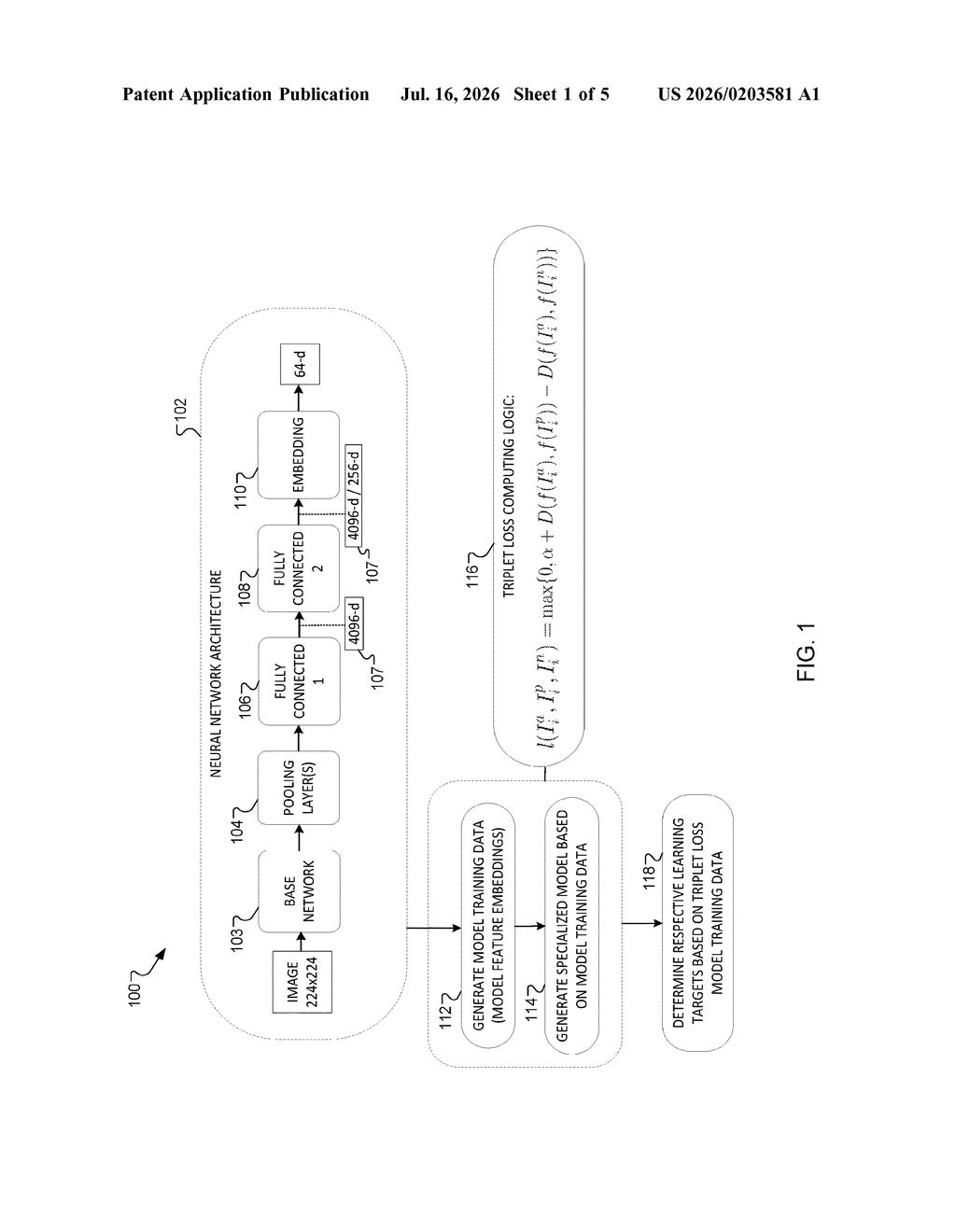
What Google's unified object-recognition AI actually does
Imagine you hired three different experts: one who knows everything about identifying birds, one who knows furniture, and one who knows car models. Each expert is excellent at their own narrow slice. Now imagine you want to train a single generalist who is just as good as all three combined. That's basically what Google is describing here.
The patented system starts with a collection of those specialist AI models, each already trained to recognize a specific category of objects in photos or audio. It then teaches a new, unified model to produce answers that closely match what each specialist would say, absorbing one category at a time while making sure earlier knowledge isn't lost.
The result is one model that can handle many different object types, instead of a fleet of separate models that each need to be run and maintained. For you, this could eventually mean faster, more consistent visual or audio search results across entirely different kinds of things you're looking for.
How specialist models teach the unified network step by step
The patent describes a training pipeline centered on what Google calls "object verticals", essentially distinct categories like "shoes," "furniture," or "bird species." Each vertical already has a dedicated specialist model trained on it.
The key mechanism works in stages:
- Each specialist model generates feature vectors (numerical fingerprints that describe what an object looks like) for images or audio clips.
- Those feature vectors become learning targets, the answer key the new unified model tries to match.
- The unified model is trained on one category at a time, then another is added, repeating the training loop until the model handles all verticals or hits a minimum accuracy threshold.
Critically, the system uses two separate loss functions (scoring formulas that tell the model how wrong it is). The first trains the original specialists; the second guides the unified model to mimic them. This separation lets specialists remain unchanged while the unified model learns from their outputs, not their internal architecture.
The incremental "add one category, retrain, check accuracy" loop is designed to prevent the model from forgetting earlier categories when new ones are added, a common problem in AI training known as catastrophic forgetting.
What this means for Google's image and audio search products
Running dozens of separate AI models is expensive. Each one needs its own computing resources, maintenance, and update cycle. A single unified model that matches their collective accuracy would cut those costs significantly, and that kind of infrastructure efficiency matters a lot at Google's scale.
For users, the practical upside is more consistent recognition across Google Lens, Google Search, and Google Shopping. When one model handles shoes, plants, and audio clips rather than three separate systems handing off between each other, results can be more uniform and potentially faster. The filing also covers audio signal data alongside images, which hints at applications beyond pure visual search.
This is a solid, well-scoped engineering patent addressing a real operational headache: the sprawling zoo of specialist models that large AI deployments accumulate over time. It won't excite casual readers, but the incremental-absorption training loop is a genuinely practical answer to catastrophic forgetting. Google's image and audio search teams have clear motivation to ship something like this.
There are more where this came from
We read every patent application Big Tech publishes and send you the ones worth knowing. Plain English, free, every week.
Want this weekly breakdown for a company we don't cover? Patentlyze Pro →
Be the first to weigh in