
Google's New Patent Turns Your Camera Into an Assistant That Acts Before You Ask
Point your phone at something, and Google's camera doesn't just identify it, it takes action on your behalf, based on what it knows you usually do next.
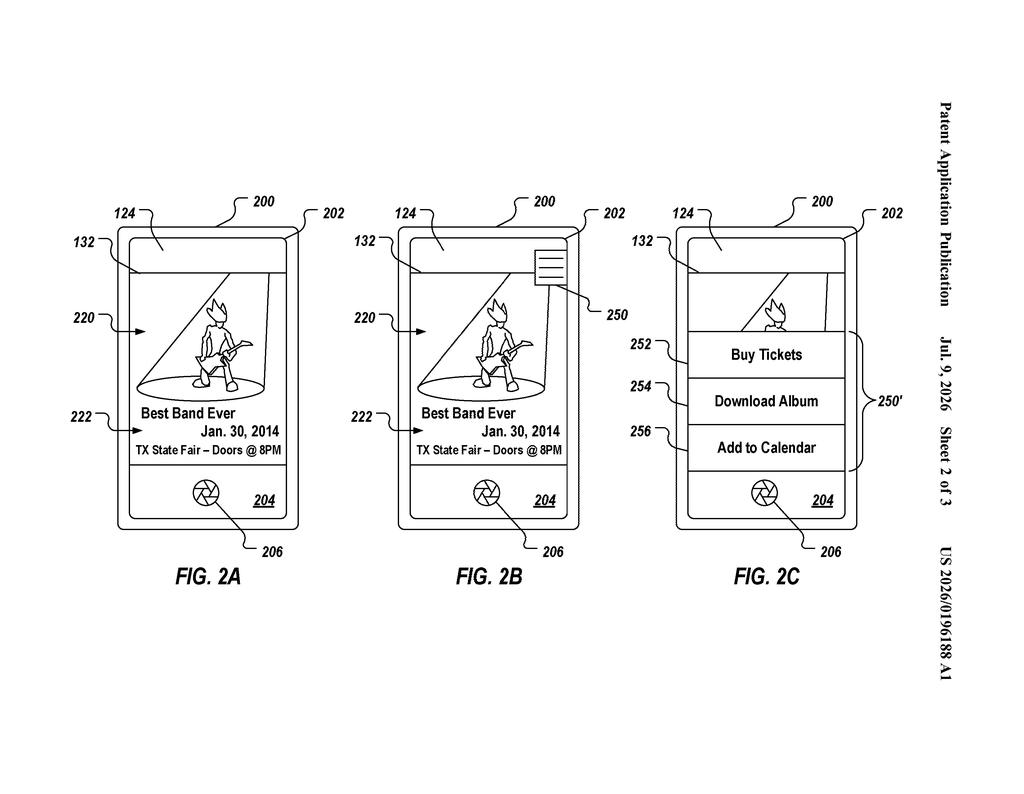
What Google's auto-action camera viewfinder actually does
Imagine you point your phone camera at a restaurant menu. Instead of just showing you what's on it, the camera automatically pulls up reviews, checks if you have a reservation, or adds a dish to your shopping list, whichever thing you tend to do in that situation. Google's patent describes exactly that kind of automatic, personalized camera behavior.
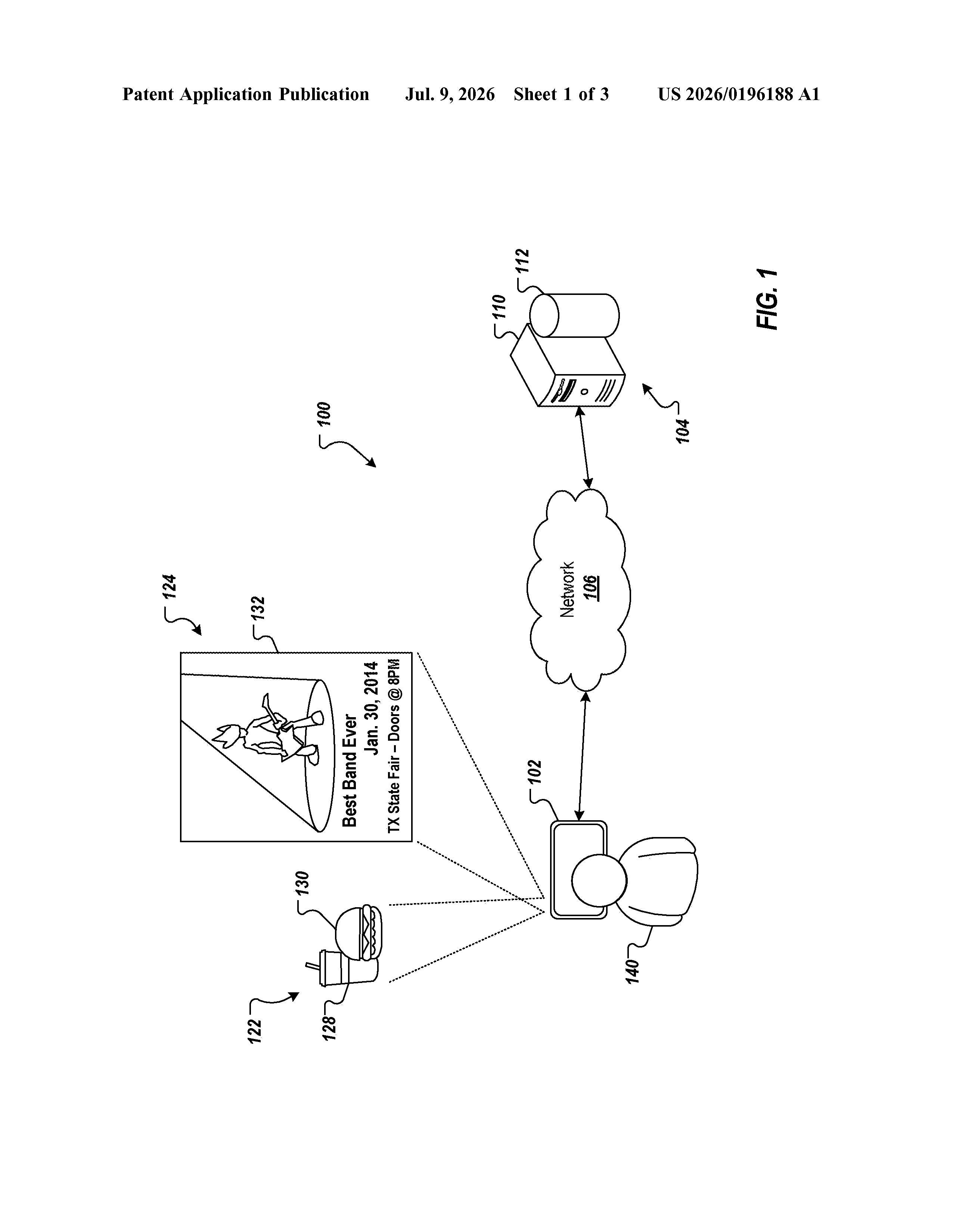
The core idea is that your phone's viewfinder becomes an action layer on top of the real world. When you frame a scene, the camera identifies objects and people in it, searches for relevant information, and then filters a list of possible actions down to the ones that fit your personal habits. Those actions can happen automatically, without you tapping a button.
The result is a camera interface that feels less like a tool you operate and more like an assistant that already knows what you want. It's a significant step beyond what Google Lens does today, where the recognition happens but the follow-through is still mostly up to you.
How the system filters actions using your past behavior
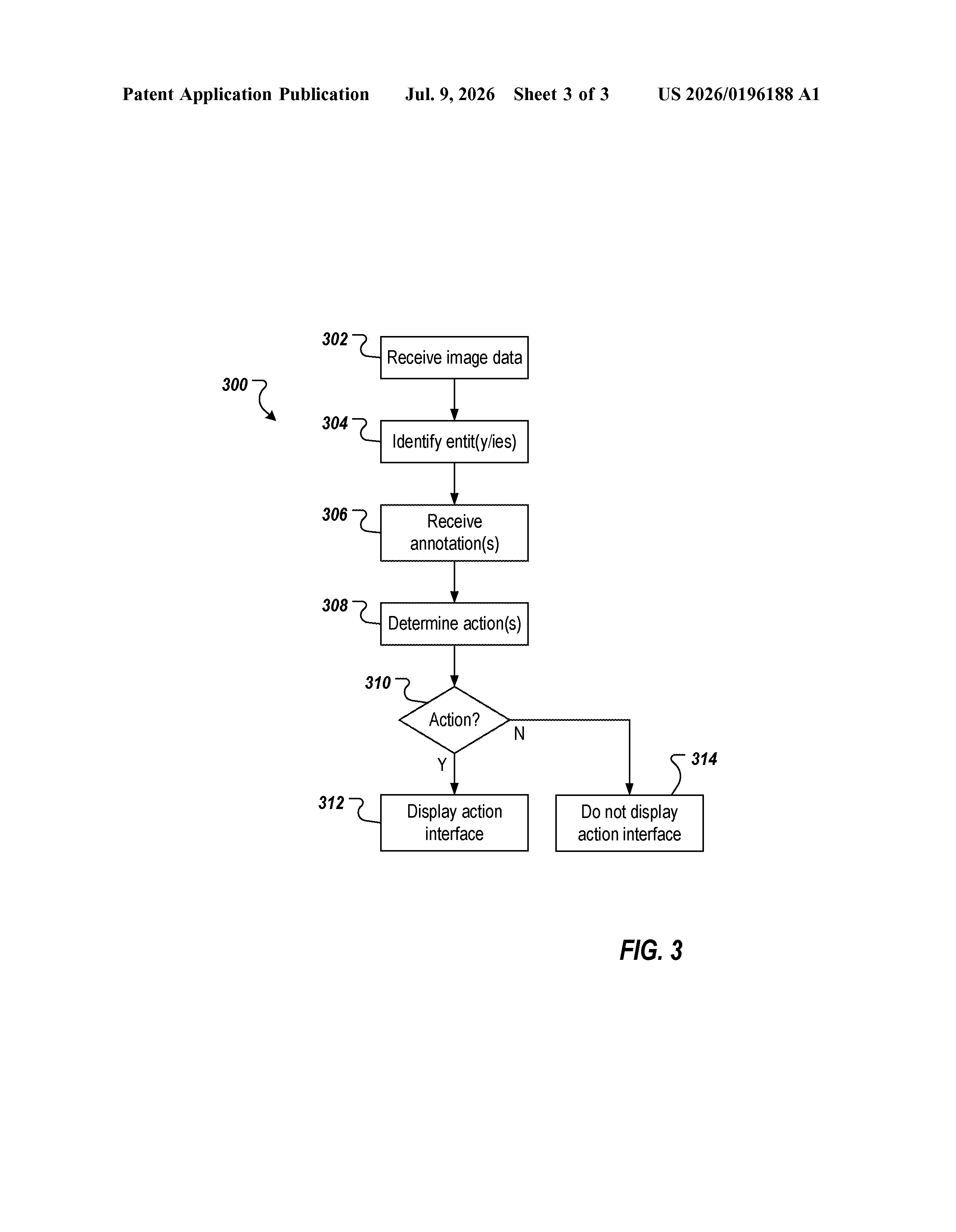
The patent describes a system with several distinct steps working in sequence:
- Real-time entity recognition: As you point the camera at a scene, the system identifies discrete objects, places, or people (called "entities") in the live viewfinder feed.
- Search-backed action generation: For each recognized entity, the system runs searches and compiles a list of possible actions, things like opening a website, placing an order, sending a message, or saving a contact.
- Preference-profile filtering: The system holds one or more "action preference profiles" built from your past behavior (what you've done before in similar situations). It filters the full list of actions down to just the ones that match your habits.
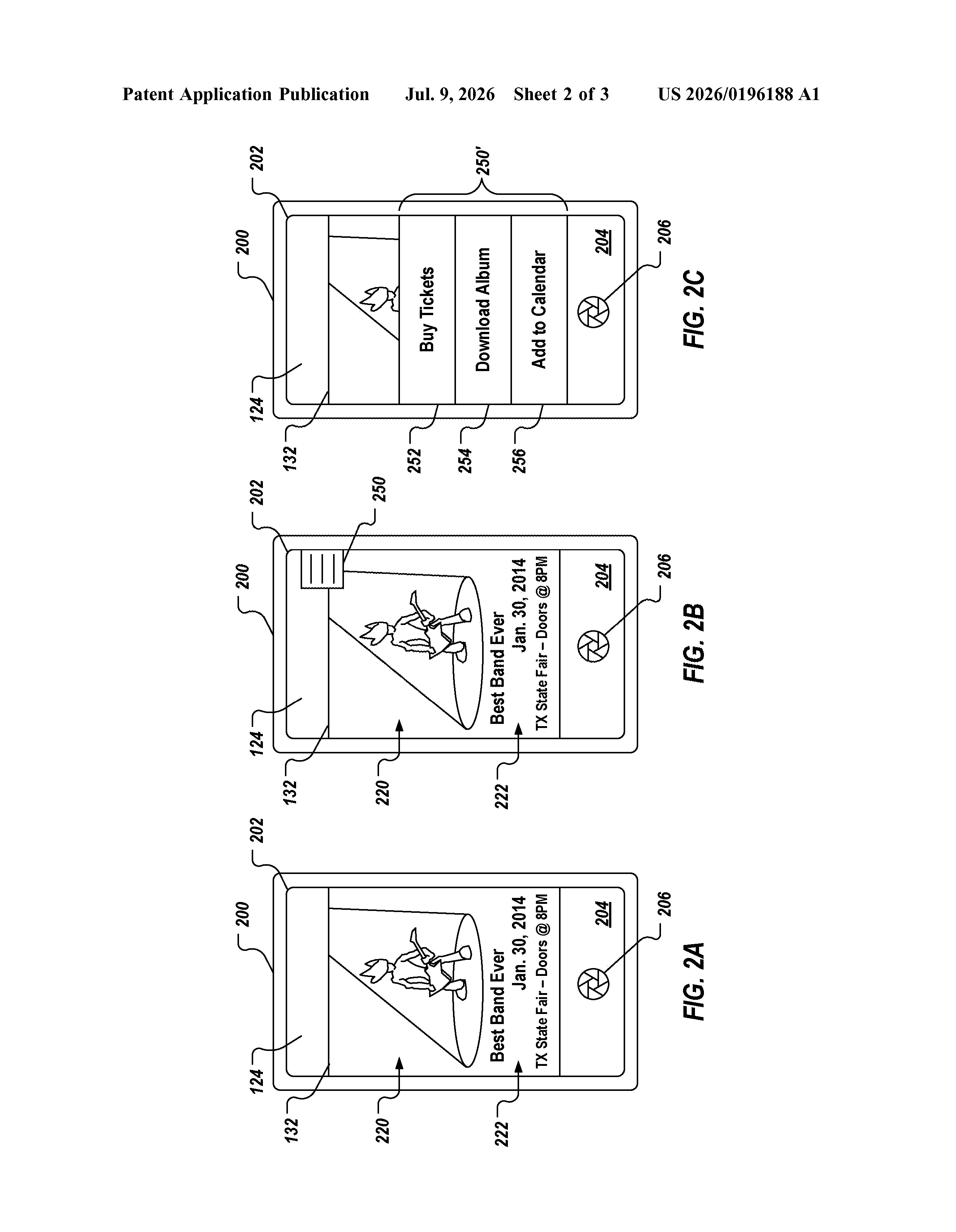
- Automatic execution with confirmation display: The selected actions are performed automatically, and a small on-screen element tells you what just happened.
The claim language is specific about the automatic execution step, the device doesn't just surface suggestions in a menu, it performs the chosen action and then shows you a record of it. The viewfinder also displays an "action interface" with tappable elements if you want to trigger other relevant actions manually.
This goes meaningfully further than today's Google Lens, which recognizes objects but leaves all follow-up action to the user.
What this means for Google Lens and Pixel cameras
For anyone who uses Google Lens regularly, this patent sketches what a more proactive version could look like. Instead of a lookup tool you consciously activate, the camera becomes something closer to a background agent that learns your patterns and acts on them. That's a different relationship with your phone's camera than most people have today.
For Google, it's also a way to deepen the value of its search infrastructure inside a camera app. Every entity the viewfinder identifies becomes a search query, and every action drawn from those results keeps the user inside Google's ecosystem. The preference-profile layer is what separates this from generic visual search, and it's the part that would be hardest for a competitor to replicate quickly.
This is a genuinely interesting patent because it describes something that feels inevitable in hindsight: a camera that doesn't wait for you to ask. The preference-profile filtering is the clever part, without it, automatic camera actions would be annoying noise. With it, they could be useful. Whether Google ships this as a Pixel feature or folds it into a future version of Lens, the direction is clear.
Get our take in your Top Stories
Liked this breakdown? Add Patentlyze as a preferred source on Google, and our plain-English take shows up more often in your Top Stories the next time Google patent news breaks.
There are more where this came from
We read every patent application Big Tech publishes and send you the ones worth knowing. Plain English, free, every week.
The drawings
3 drawing sheets from US 2026/0196188 A1 · click any drawing to enlarge
Want this weekly breakdown for a company we don't cover? Patentlyze Pro →