
Samsung Patents an AI That Tells You Where Your Favorite Subject Went When the Camera Cuts Away
You're watching a live soccer match and the camera swings to follow the ball, losing your favorite player entirely. Samsung's new patent is for an AI that figures out where that player probably is anyway, and draws an arrow on screen to show you.
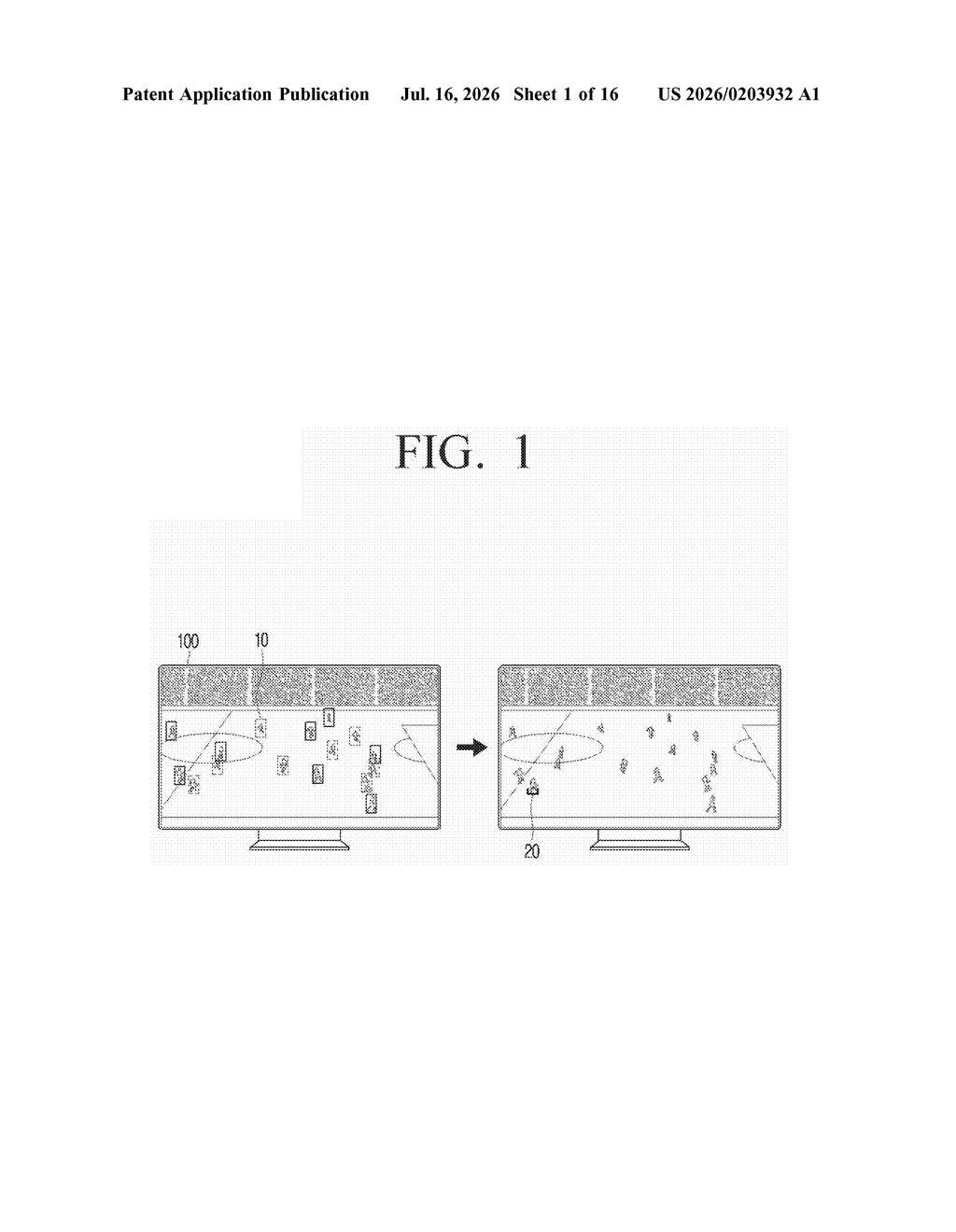
What Samsung's off-screen object tracker actually does
Imagine you're watching a basketball game and the broadcast cuts to a wide shot. Suddenly, the player you've been keeping your eye on is completely out of frame. You have no idea if they're to the left, right, or behind the camera. That's the problem Samsung is trying to fix.
The system lets you mark a person or object as your "preference object" (your favorite player, a car in a race, anything). Two AI models then work together: the first tracks where that subject appears across all the video frames it can see. The second uses that tracking data, plus information about how the camera was positioned and angled, to estimate where the subject must be even in frames where they're not visible.
The result is a small on-screen indicator, like a pointer or arrow, that appears at the edge of the screen pointing toward where your chosen subject is estimated to be. You always know roughly which direction to look, even when the director's cut takes the camera somewhere else.
How two AI models work together to estimate position
The patent describes a two-AI-model pipeline running inside an electronic device (a TV, tablet, or phone) that watches video content and maintains a continuous position estimate for any object the user has chosen to follow.
The first AI model is an object detector and tracker. It processes multiple frames of the video and identifies the screen coordinates of every recognized object in each frame. When your chosen subject (the "preference object") is visible, it logs its position precisely.
The second AI model handles the harder problem: what happens when the subject disappears from the current frame? It takes two inputs:
- The logged positions of the preference object across all the frames where it was visible
- Camera viewing angle data for each of those frames (essentially, where the camera was pointing and how it was oriented)
Using those inputs, the second model estimates the subject's position relative to the current frame's camera angle, even though the subject isn't in the picture. The device then draws a graphical UI indicator on the display showing the estimated off-screen location, so the viewer knows which direction the subject is, and roughly how far out of frame they are.
What this means for sports and live video viewing
For sports fans, live events, or any multi-camera broadcast, losing track of a specific person mid-scene is genuinely frustrating. A system like this could turn a passive viewing experience into something more interactive, letting you stay connected to whatever you care about regardless of what the director decides to show.
Samsung makes both televisions and mobile devices, so this technology could apply across a range of products. It also fits naturally alongside features like object-recognition picture modes already appearing in premium smart TVs. The bigger implication is that AI is moving from cleaning up video quality toward actively interpreting what you want to watch and responding to it in real time.
This is a genuinely useful idea for sports viewing, and it's more concrete than most AI-TV patents, which tend to promise vague 'personalization.' The two-model architecture is well thought out, and the off-screen indicator is a practical, unobtrusive way to solve a real viewer pain point. Whether it makes it into a shipping Samsung TV depends on whether the position estimates are accurate enough to be helpful rather than misleading.
There are more where this came from
We read every patent application Big Tech publishes and send you the ones worth knowing. Plain English, free, every week.
Want this weekly breakdown for a company we don't cover? Patentlyze Pro →
Be the first to weigh in