
Meta Patent Uses Wrist Muscle Signals to Navigate Menus Without Touching Screens
Forget tapping, swiping, or pointing a controller at a screen. Meta is patenting a wristband that reads the electrical signals your muscles fire when you move your hand in the air, using those signals to control a menu or interface floating in front of you.
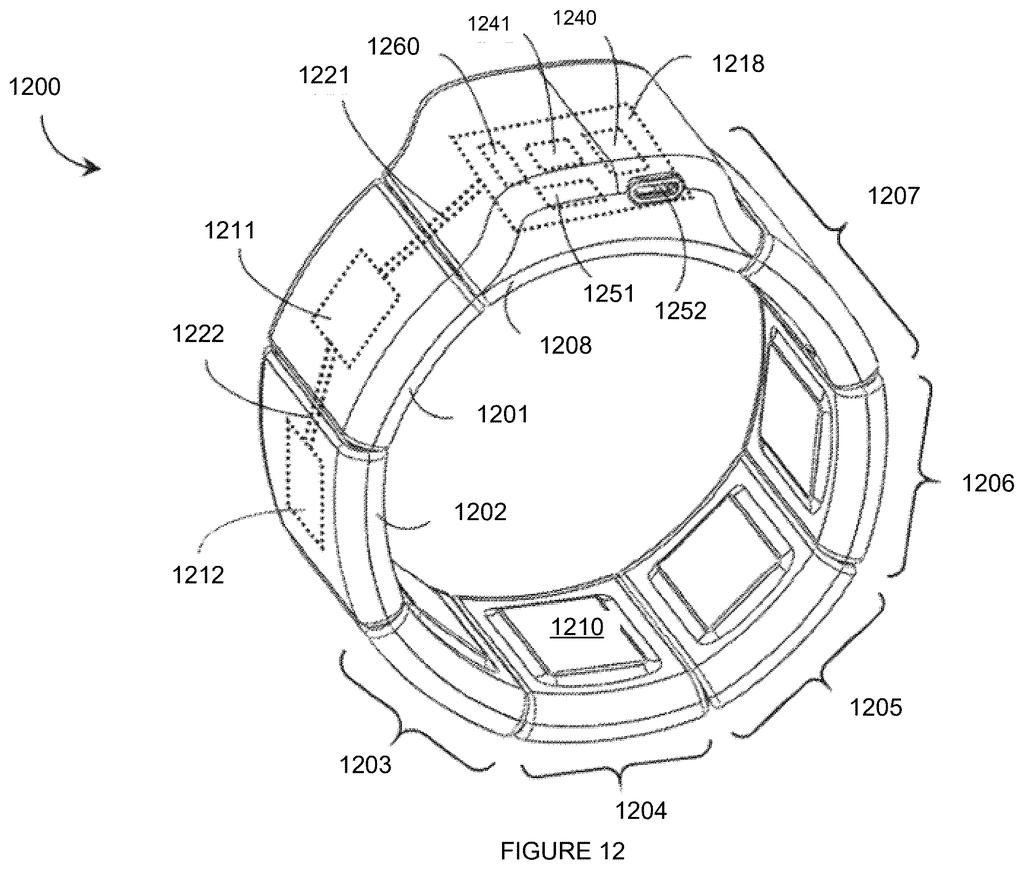
What Meta's muscle-reading wrist control actually does
Imagine a floating menu in front of you, like the kind you'd see through AR glasses, and you need to highlight an option and select it. Right now, that usually means poking at the air awkwardly or pressing a button on a controller. Meta's patent describes a different path: a wristband you're already wearing.
The band picks up the tiny electrical signals your muscles generate whenever you move your wrist or fingers, even slightly. Tilt your wrist, and the highlighted item on the menu moves with you. Make a specific small gesture, and that gesture triggers a command, like pressing a button or confirming a selection. No physical surface, no controller, no phone.
This is part of Meta's longer-running work on EMG (electromyography) wristbands, technology they inherited when they acquired CTRL-labs back in 2019. The goal is to give people a natural, low-effort way to interact with AR and VR interfaces when there's no screen or keyboard around.
How the wristband reads gestures before your fingers move
The patent describes a two-part control loop built on neuromuscular-signal sensors (electrodes that detect the electrical activity muscles produce during movement, a technique called electromyography or EMG).
First, the wristband watches for what the patent calls an "in-air movement": a continuous motion of the wrist or fingers that isn't a command by itself but rather acts like a cursor. As you tilt or sweep your hand, a "point of focus" (basically a cursor or highlight) moves across the interface to match.
Second, when you perform a distinct, deliberate gesture, the system classifies it as an "execution gesture" (a recognized input that triggers a specific action). The system then fires off the command tied to that gesture, whether that's selecting an item, opening a menu, or something else entirely.
Key pieces the patent covers:
- Reading muscle signals continuously through a wrist-worn band
- Translating hand motion into cursor or focus movement on a UI
- Recognizing discrete gestures as intentional commands
- Executing those commands on the connected interface
The patent doesn't lock in a specific gesture vocabulary, leaving room for the system to support different gesture sets depending on the application.
What this means for Meta's glasses and headset ambitions
Meta has been building toward hands-free, controller-free input for its Ray-Ban glasses and Quest headsets for years. A wristband that works through muscle signals sidesteps one of the biggest friction points in AR: you can't tap a floating menu the way you tap a phone screen, and holding a controller defeats the point of glasses you just put on and forgot about. Muscle-reading control makes the interaction invisible in a way cameras and hand-tracking cameras can't quite manage, since it works in low light, in a pocket, or with your hand at your side.
For Meta's Ray-Ban smart glasses line in particular, this kind of wristband input could be the missing piece for anything beyond voice commands. If Meta ships this, the wristband becomes the de facto remote control for your face.
This is one of the more genuinely interesting input patents Meta has filed, because it's grounded in real hardware they've been building since the CTRL-labs acquisition. It's not a speculative sketch of a far-future concept; it's a specific method claim on something they have working prototypes for. Whether the gesture recognition is good enough in real-world conditions to feel natural is the only real question left.
There are more where this came from
We read every patent application Big Tech publishes and send you the ones worth knowing. Plain English, free, every week.
The drawings
35 drawing sheets from US 2026/0211505 A1 · click any drawing to enlarge


Want this weekly breakdown for a company we don't cover? Patentlyze Pro →