Meta's Patents For a Muscle-Reading Wristband, and what they tell us
This tracker gathers every Meta patent on its muscle-reading wristband, from cleaner signal grounding and shielding to internal wiring, fabric-hidden sensors, and added heart-rate tracking. The pattern points to Meta refining signal accuracy and comfort so the wristband could pass as an everyday accessory rather than a lab device.
19 filings
· tracking since May 2026 · latest Aug 2026 · updates weekly
based on all tracked filings in this watchlist · refreshes every week
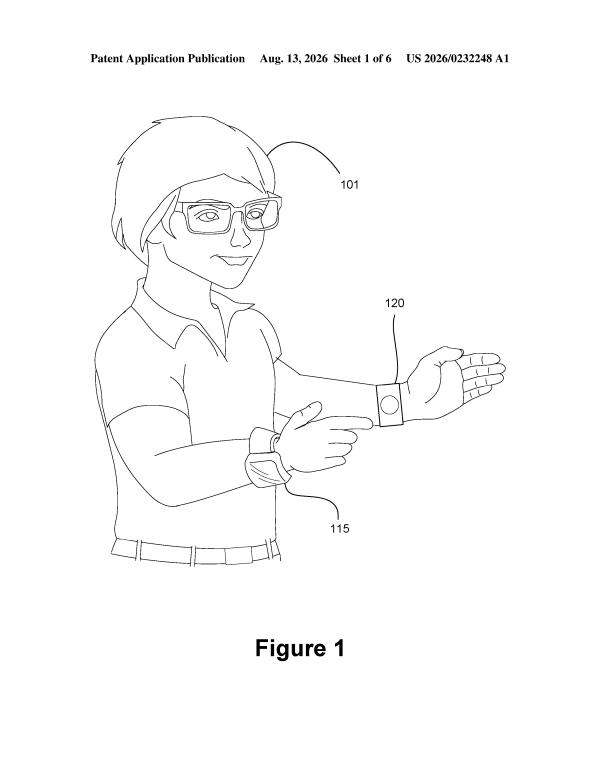
Meta is filing patents around a wristband that reads the tiny electrical signals your muscles make when you move your fingers, so you can control glasses, headsets, and menus without touching anything.
The filings cluster around two problems: getting a clean, accurate muscle signal from the wrist despite noise and poor band placement, and turning those signals into useful actions like typing, scrolling, or summoning an AI assistant.
The filing pace inside Meta's muscle-reading wristband
The focus areas inside Meta's muscle-reading wristband
the problems Meta keeps filing on · each with its three newest filings · new filings join every week
Cleaner Muscle Signal Reading 6 filings
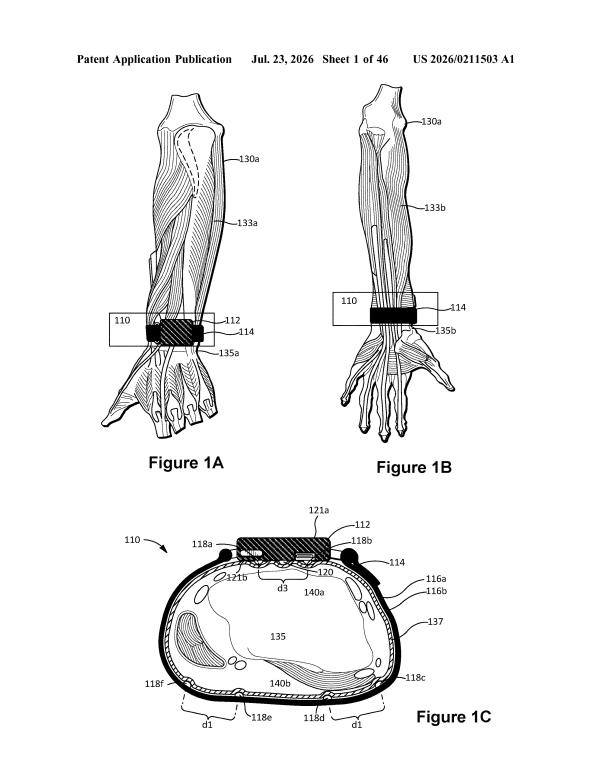
Picking up muscle signals through a wristband is messy because electrical noise gets in the way. These filings cover ways to filter that noise, shield against interference, keep the electrical ground stable, and find the best position on the wrist so readings stay accurate.
The goal is to let small wrist and finger movements replace buttons, keyboards, and touchscreens. These filings cover using those movements to type text, adjust volume, open menus, and wake up an AI assistant.
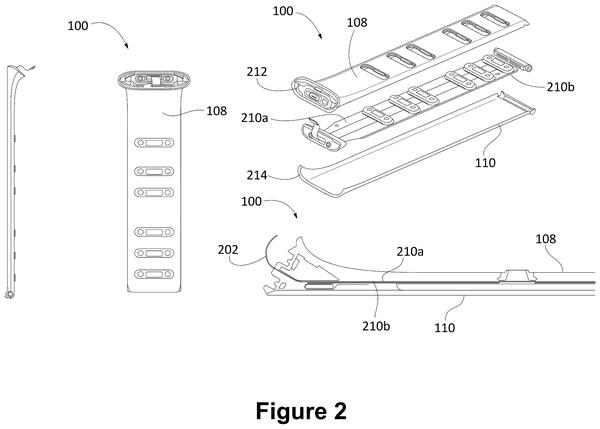
Bulky sensors on a wristband are uncomfortable and obvious. These filings explore building the muscle-reading hardware directly into the fabric or inner material of the band, and keeping the parts of the band connected to each other reliably.
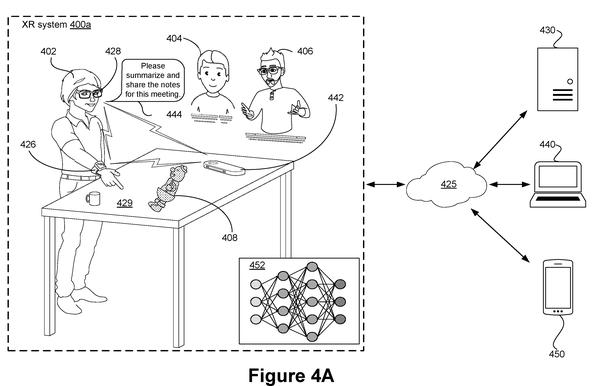
A wristband alone can only do so much. These filings describe the wristband and a pair of smart glasses sharing information so they can handle tasks together, including learning shortcuts and managing people inside a headset view.
Detecting muscle signals without visible finger movement lets users issue commands while their hands stay occupied or still, sidestepping the need to set down objects or reach for controllers to navigate AR interfaces.
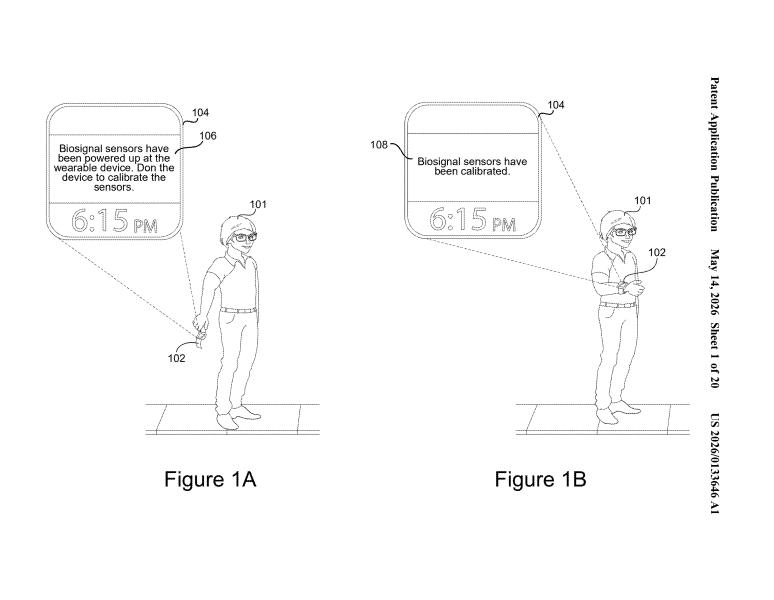
Finding the right wristband position requires a reference sensor to validate readings during setup, establishing where on your wrist signal quality peaks.
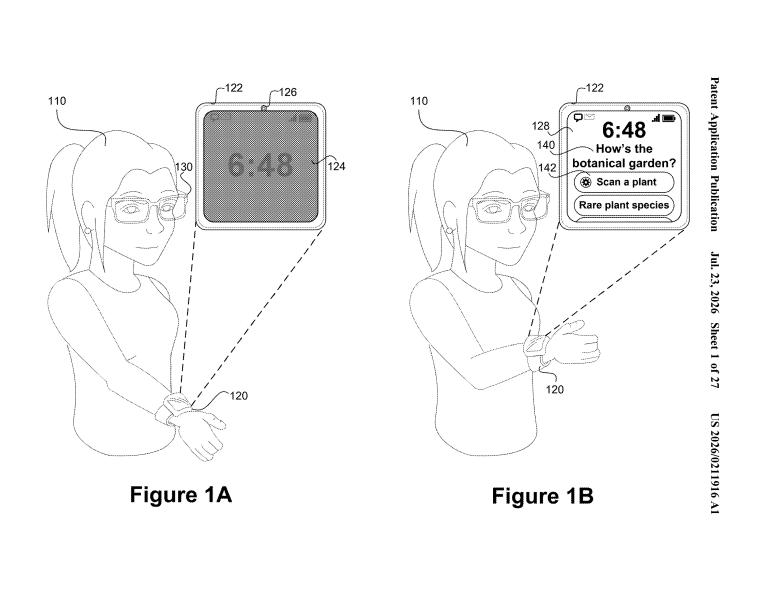
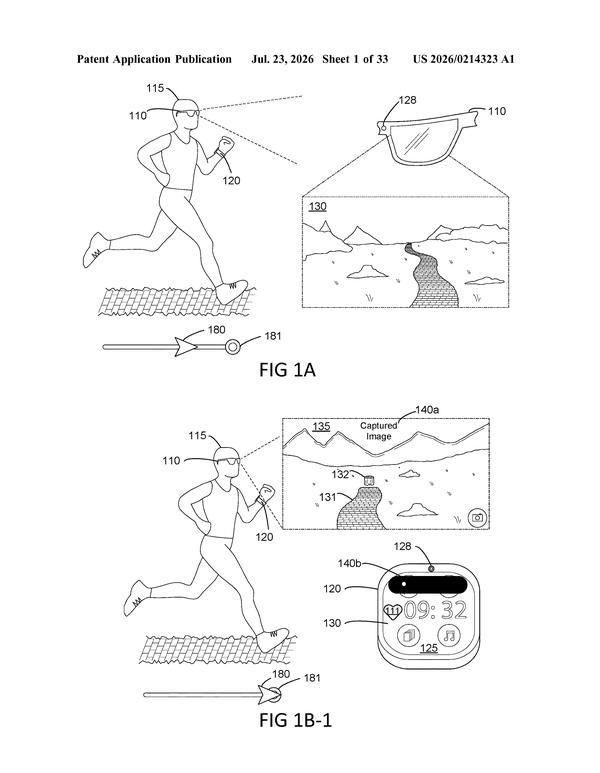
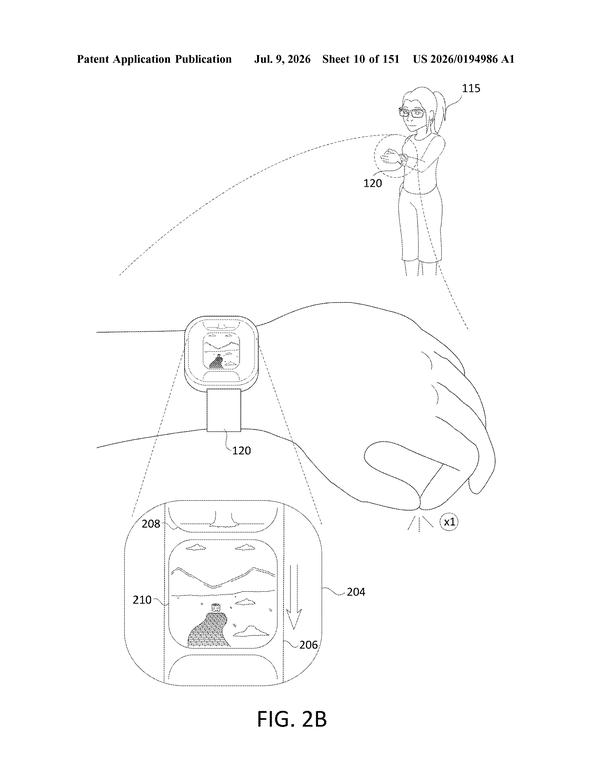
Coordinating output between two wearables solves the problem of fitting useful information onto a tiny screen. The glasses handle perception while the watch becomes the actual display surface for step-by-step guidance.
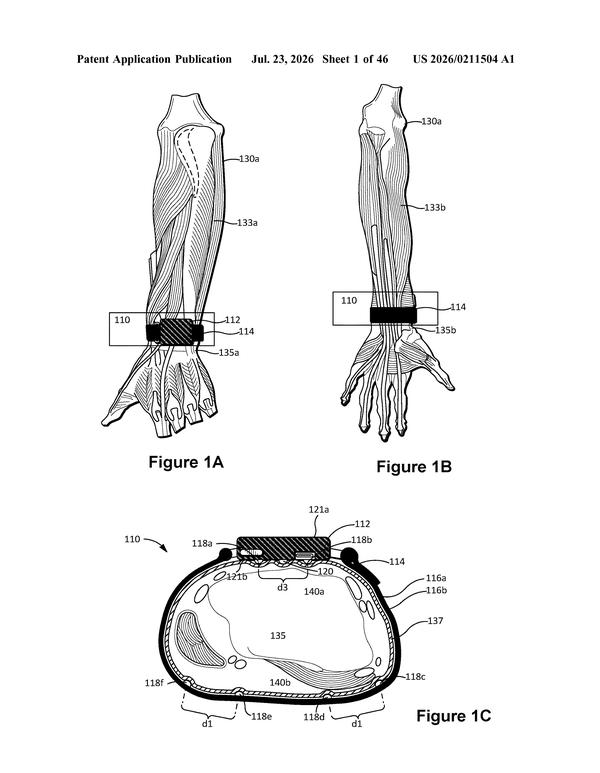
The electrode layout patent confirms Meta is solving signal clarity through hardware placement rather than software filtering, positioning sensors to capture distinct muscle patterns across the forearm without cross-talk between adjacent channels.
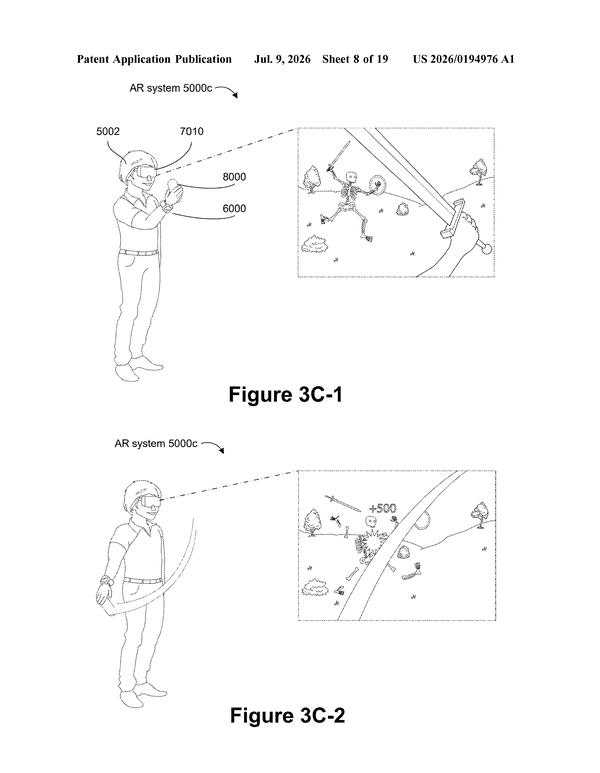
The muscle-reading wristband now has a job beyond health data: it becomes the silent trigger for the smart glasses' AI, turning gesture into query without voice or hands fumbling for devices.
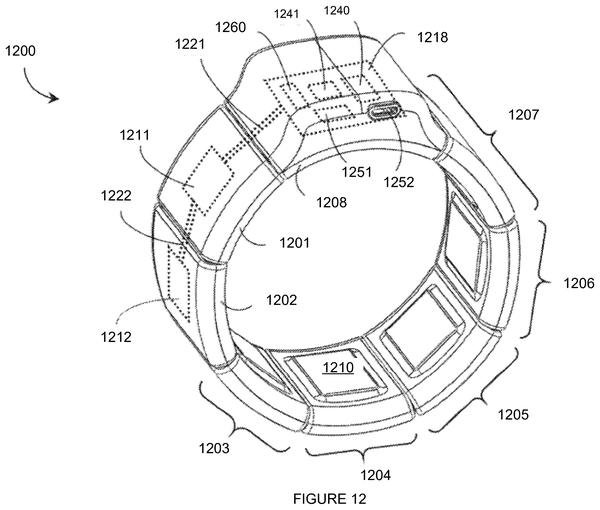
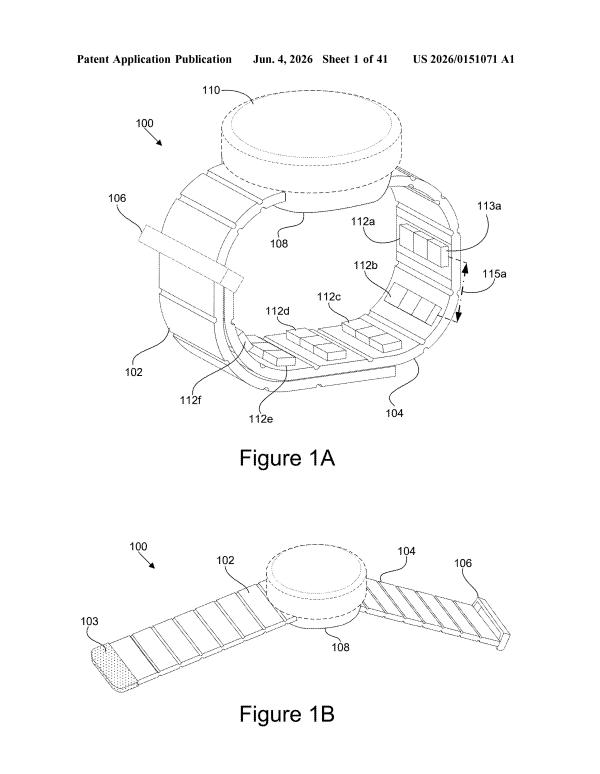
Weaving sensors into the fabric itself eliminates the need for separate external components, moving the wristband closer to a finished product that users might actually wear without noticing a bulky attachment.
A finished wristband-and-glasses system could enforce workout compliance by letting the watch trigger the glasses camera when performance dips, creating a social accountability loop without requiring the user to manually document their effort.
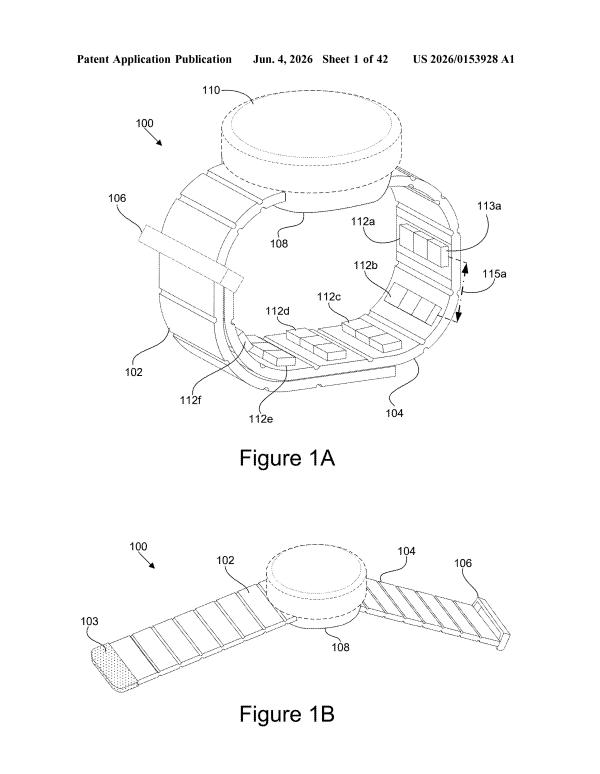
The muscle-reading wristband needs sensors aligned precisely on the wrist to capture clean signals, and magnets embedded in the clasp mechanism now handle that positioning automatically without user adjustment.
Asymmetrical sensor placement around the wrist lets the device filter noise based on arm position, improving signal clarity without requiring bulkier electronics or shielding.
The wristband's muscle-signal approach now extends beyond basic sensing, the patent shows how to translate those signals into specific menu commands, solving the gap between raw sensor data and usable AR control.
The muscle-reading wristband gains a learning layer: it watches your finger sequences as you type in air and starts spotting which motions trip you up, then offers compressed alternatives to smooth out the friction points.
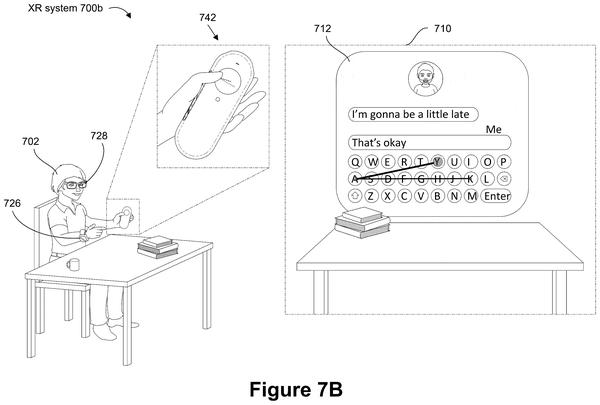
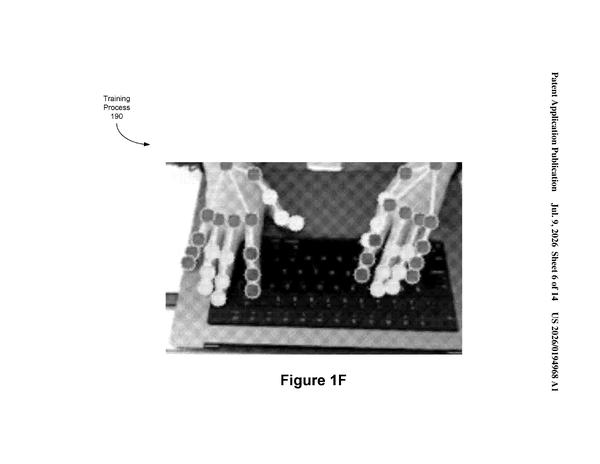
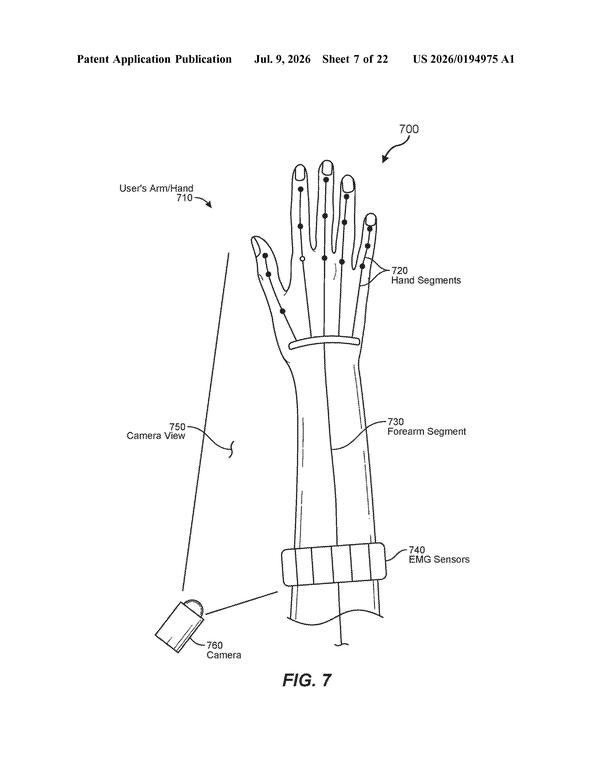
Muscle signal patterns from finger motions bypass the need for physical input surfaces, letting the wristband infer typed characters directly from arm electromyography data fed through a language model.
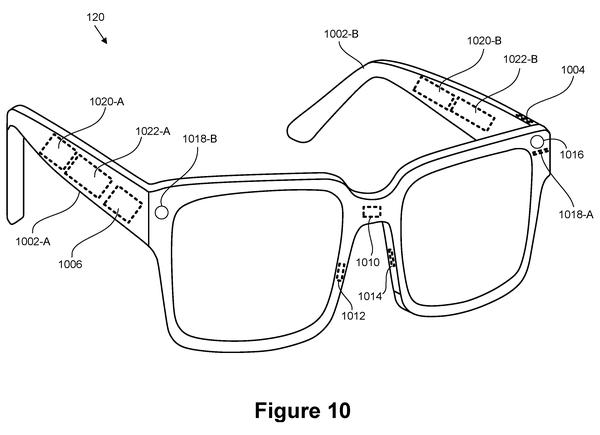
Detecting muscle signals when you point at someone lets the glasses know which person you mean without voice commands or hand gestures visible to others in the room.
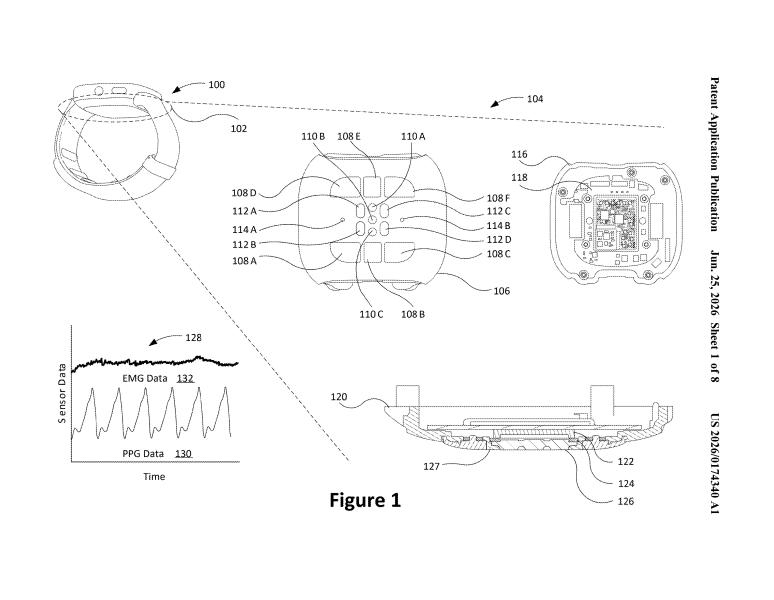
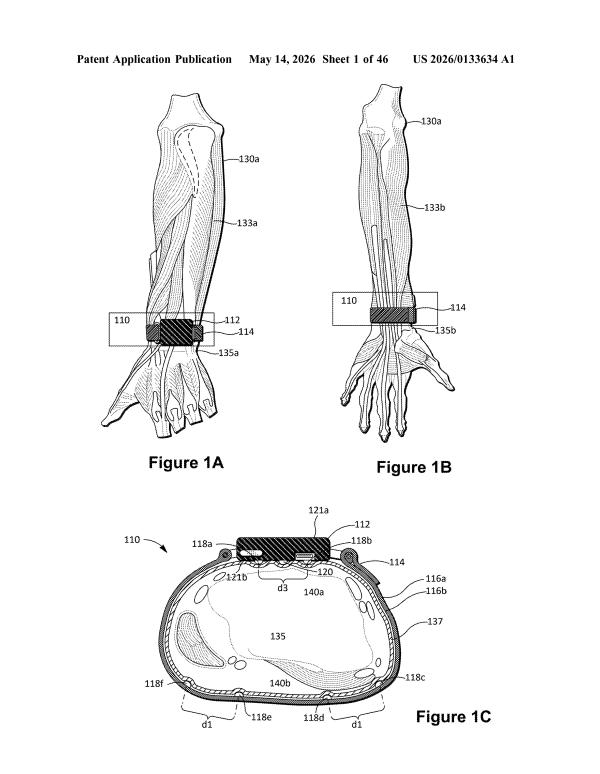
Getting muscle and heart signals out of one wristband housing without electrical interference between them. Meta's filing shows how to isolate two fundamentally different sensor types in the same small package.
A wristband with sensors scattered around your wrist needs internal wireless links so all those sensors can report muscle signals back to one processing hub without creating interference or lag.
After years of filing on signal detection and processing, Meta now zeroes in on the physical form: embedding sensors into fabric and using magnets to keep the band stable against skin, solving the engineering problem of turning prototype into wearable.
Voltage drift between the device and skin ground corrupts muscle signal readings. Meta's filing describes a real-time compensation circuit that tracks and corrects these mismatches, keeping signal quality steady during wear.
Shielding the sensor electrodes from ambient electromagnetic interference lets the wristband pick up muscle signals without getting swamped by noise from nearby devices like chargers and appliances.
Questions readers ask
Is Meta actually building a muscle-reading wristband?
Meta has filed multiple patents describing a wristband that reads electrical signals from muscles, covering signal quality, internal wiring, fabric housing, and added heart-rate sensing. That volume of filings shows real engineering investment, but a patent only describes an idea Meta wants to protect. It is not confirmation that the product will ship or what it will look like when it does.
What problem do the grounding and shielding patents solve?
Wearables that read muscle signals have to deal with tiny voltage differences between the device and your skin, plus interference from nearby electronics. Meta's ground-tracking circuit patent and its electromagnetic shielding patent both target this noise problem from different angles, one at the skin contact point and one around the device itself, so the wristband can pick up a cleaner signal.
Why would Meta hide the sensors inside fabric?
One filing describes building the muscle sensors into an ordinary-looking fabric wristband instead of a visible plastic or metal device. That points to Meta wanting the wristband to look and feel like a normal accessory rather than lab equipment, which matters if the goal is something people wear all day. The patent does not say when or whether this design reaches consumers.
Does the wristband also track heart rate?
Yes, at least one patent combines an EMG muscle sensor with a heart-rate monitor in the same wristband capsule, with specific attention to keeping the two sensors from interfering with each other. That suggests Meta is exploring a multi-purpose health and control device, though the filing describes an engineering approach rather than a finished, shipping product.
Want this weekly breakdown for a company we don't cover?
Patentlyze Pro →
The weekly email: the best of Big Tech's filings, in plain English. Free.